

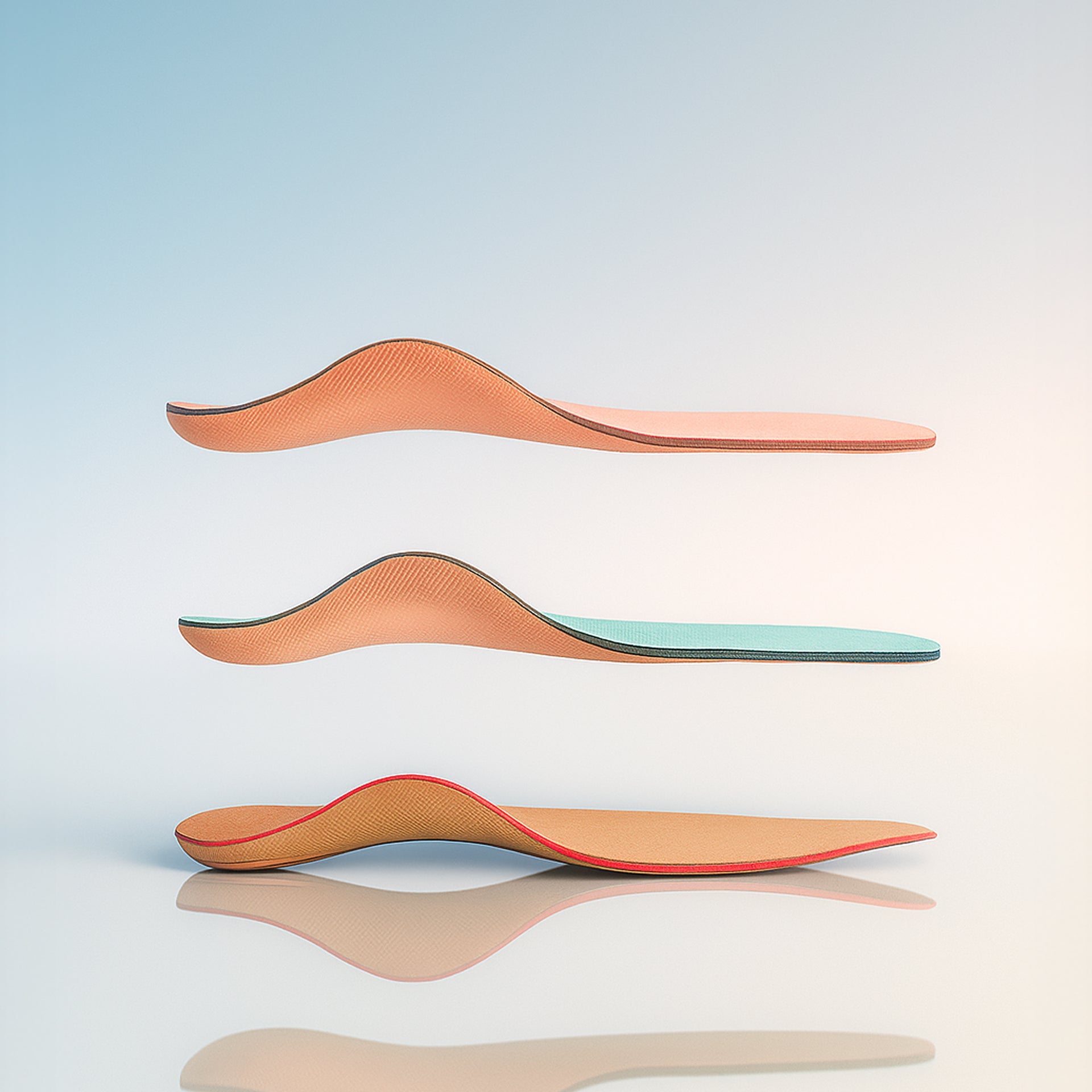
Finding the right foot support can be frustrating, especially when you're dealing with supination. You've likely tried various inserts that promised relief, only to find they were too flimsy, too hard, or simply didn't address the root of your pain. For those of us with high arches, the solution requires more than just padding. You need structured support that cradles the arch and stabilizes the heel, preventing the foot from rolling outward. This guide cuts through the confusion. We'll show you exactly how to identify the best insoles for supination and high arches, so you can finally find the relief you deserve.
Key Takeaways
- Look for a Trio of Supportive Features: The right insole for high arches and supination needs three key elements: a deep heel cup to prevent rolling, firm arch support to fill the gap under your foot, and premium cushioning to soften every step.
- Choose Insoles Based on Your Lifestyle: The support you need for a run is different from what you need at the office. Use specialized athletic orthotics for high-impact activities and slimmer, supportive insoles for your dress or casual shoes to ensure comfort all day.
- Make Your Insoles Part of a Routine: For the best results, ease into your new orthotics over a week to let your body adjust. Pairing them with supportive shoes creates a complete system that helps manage current pain and prevent future issues.
Do You Have Supination or High Arches?
If you’ve ever looked at the wear pattern on your shoes and noticed the outer edges are more worn down, you might be dealing with supination. Understanding what supination is and how it relates to high arches is the first step toward finding comfort and relief. These conditions are closely linked and can affect everything from how you walk to how your entire body feels at the end of the day. Let's break down what’s happening with your feet and why it matters.
How Common Are High Arches?
If you have high arches, you're in good company. This foot structure is surprisingly common, affecting about one in five people. For many, it’s simply the way their feet are naturally shaped, while for others, it can be related to underlying medical conditions. The main challenge with high arches is that they create a rigid foot that doesn't absorb shock very well. Think of it like a car with stiff suspension—every bump in the road is felt more intensely. This can lead to discomfort not just in your feet, but also in your ankles, knees, and back. Because the arch doesn't properly collapse to distribute weight, it needs targeted support to fill the gap and cushion the impact of each step. Finding the right orthotics is key to providing that necessary stability and comfort.
What Does Supination Mean for Your Feet?
Supination, sometimes called underpronation, describes the natural outward roll of your foot as you walk or run. While a small amount of supination is normal, excessive supination means your weight isn't distributed evenly. Instead, it rolls onto the outer edges of your feet. This places extra stress on the outside of your foot and ankle, which can lead to instability and discomfort. Over time, this imbalance can contribute to issues like recurring ankle sprains, shin pain, and even pain in your knees or hips as your body tries to compensate for the misalignment.
Why High Arches Often Lead to Supination
High arches and supination often go hand in hand. If you have high arches, or pes cavus, the rigid structure of your foot doesn't absorb shock as effectively when you walk. This structure often causes your foot to supinate, meaning you tend to walk on the outer edges. This concentrates pressure on the ball of your foot, your heel, and your outer toes—the parts of your foot least equipped to handle that repeated impact. This connection is why finding supportive orthotics that cater to high arches is so important for correcting your alignment and achieving better balance.
What Causes High Arches and Supination?
Understanding why you have high arches or why your feet supinate can help you find the right support. The reasons behind these traits are varied, ranging from the simple fact that you inherited them from your parents to more complex medical factors. For many, it’s just the natural shape of their feet, but for others, it can be a sign of an underlying issue. Pinpointing the cause isn't always necessary for finding relief, but it can provide valuable context as you search for the perfect pair of supportive orthotics or shoes.
Genetic and Structural Factors
More often than not, high arches are a hereditary trait—if your parents have them, there's a good chance you do too. This is simply your foot's natural bone structure. Similarly, supination can be caused by the way your foot is built, including having narrow feet or tight muscles and tendons in your ankles and calves. When these muscles are too tight, they can pull on your foot, encouraging it to roll outward. This combination of bone structure and muscle tension creates a predisposition for supination, making it a common challenge for those with a family history of high arches.
Medical and Nerve-Related Conditions
In some cases, high arches can develop as a result of a medical or neurological condition. Issues affecting the nerves and muscles, such as cerebral palsy, muscular dystrophy, or even a past bone or nerve injury, can alter the structure of the foot over time. If high arches appear suddenly or seem to be getting progressively higher, it could be linked to an underlying condition. It's always a good idea to chat with a healthcare professional if you notice significant changes in your feet, as they can help determine the cause and recommend a comprehensive approach to your foot health.
Related Foot Conditions
Walking on the outer edges of your feet places a tremendous amount of strain on a small area, which can lead to a cascade of other foot problems. This uneven pressure often results in soreness, tenderness, and general pain in the feet, ankles, and even up into the legs and lower back. The instability caused by supination also increases the risk of ankle sprains. Because high arches don't absorb shock well, conditions like plantar fasciitis and metatarsalgia (pain in the ball of the foot) are common complaints for people who supinate.
This is where targeted support becomes essential. The right orthotics and footwear can help redistribute pressure more evenly across the foot, absorb shock, and provide the stability your ankles need. For instance, Aetrex helps to relieve the tension on the plantar fascia by supporting the arch and cushioning the heel. By addressing the biomechanical issues of high arches and supination, you can manage discomfort and reduce the likelihood of developing these related conditions, allowing you to stay active and comfortable on your feet.
What Are the Telltale Signs of Supination?
Not sure if you have supination or high arches? Your body will often give you clues. You might experience persistent pain in the arch or heel of your foot, a common sign of plantar fasciitis. Other common symptoms include frequent ankle sprains, shin splints, or pain in the ball of your foot. Some people also develop hammertoes or calluses on the outer edge of their feet. This discomfort isn't always limited to your feet; because your feet are your foundation, misalignment can travel up, causing pain in your knees, hips, and even your lower back.
How Supination and High Arches Impact Your Day
Living with supination and high arches can turn simple activities into painful chores. The extra stress on your feet can make standing for long periods, walking through the grocery store, or enjoying a morning jog feel exhausting and uncomfortable. This constant strain can lead to chronic pain that limits your mobility and affects your overall quality of life. Without proper support to help distribute pressure more evenly, your feet and body are working overtime with every step. Finding the right footwear and insoles helps to provide the stability and cushioning your feet need to feel their best.
Insole Features That Relieve Supination Pain
When you’re dealing with the discomfort of supination and high arches, grabbing any insole off the shelf just won’t cut it. The right features can make the difference between ongoing pain and sweet relief. Finding the perfect insole is about creating a supportive environment for your foot that corrects alignment, absorbs impact, and cushions every step. It’s a combination of stability and comfort working together.
Think of it as building the perfect foundation. You need a structure that can handle the unique pressures your feet experience. For high arches and supination, this means looking for specific design elements that address the outward roll of the foot and the lack of shock absorption. Key features like a deep heel cup, strategic arch support, and premium cushioning work in harmony to guide your foot into a more natural position. This not only helps to alleviate pain in your feet but can also reduce stress on your ankles, knees, and back. Let’s break down exactly what you should be looking for in a pair of orthotics.
Stabilize Your Foot with a Deep Heel Cup
If your foot tends to roll outward, a deep heel cup is your best friend. This feature is exactly what it sounds like: a structured cup that cradles your heel. Its main job is to hold your heel securely in place, preventing it from shifting or rolling as you walk. By providing this stability at the rear of your foot, a deep heel cup helps maintain proper alignment from the moment your foot hits the ground. This simple but effective feature is a must-have for controlling the motion associated with supination and building a stable base for every step you take.
How Arch Support Corrects Your Alignment
For those with high arches, proper support is non-negotiable. The goal is to find an insole that fills the gap between your arch and your shoe, distributing pressure evenly across your entire foot instead of concentrating it on the heel and ball. The ideal arch support is firm enough to prevent your arch from collapsing but flexible enough to allow for natural foot movement. Aetrex Orthotics are designed with signature arch support that helps to align your body and relieve pressure. This support is crucial for reducing strain not just on your feet, but on your entire body.
The Importance of Lateral Support
While arch support and a deep heel cup are critical, lateral support is the final piece of the puzzle for managing supination. Think of it as a gentle guide for your foot, preventing it from rolling too far outward with each step. This feature provides stability along the outer edge of your insole, counteracting the natural tendency of a supinating foot to place all its pressure on the outside. By creating this supportive boundary, lateral support helps to redistribute your weight more evenly across the entire foot. This not only reduces the strain on your outer foot and ankle but also works with the arch support to promote a healthier, more aligned stride. When you're looking for the right orthotics, ensuring they have this built-in lateral stability is key to finding lasting comfort.
Cushion Every Step
High arches are often less flexible, which means they don’t absorb shock very well. That’s why cushioning is so important. Quality insoles use premium, shock-absorbing materials to soften the impact of walking, running, and standing. This cushioning minimizes pressure on the heel and the ball of the foot, which bear the brunt of the force. Aetrex helps to provide superior comfort by using advanced materials designed to cushion your feet and protect them from the hard surfaces you encounter every day. This added padding can significantly reduce foot fatigue and make long days on your feet much more comfortable.
Protect Your Joints with Shock Absorption
Every time your foot strikes the ground, it sends a shockwave up your leg. For someone with supination, that impact is concentrated on the outer edge of the foot. The best insoles for supination often feature extra padding along the outside of the insole and in the forefoot to counteract this. This targeted cushioning is designed to absorb the specific impact pattern of an outward-rolling foot. Whether you’re walking through the grocery store or going for a run, this feature helps protect your joints and muscles from repetitive stress, reducing the risk of pain and injury.
Easing Pressure on the Ball of Your Foot
Do you often feel a burning or aching pain in the ball of your foot? This is a common issue for people with high arches, as this area takes on a lot of excess pressure. To combat this, look for insoles with metatarsal support. This feature is typically a small, raised pad that sits just behind the ball of your foot. It helps to lift and spread the metatarsal bones, which provides a more equal distribution of pressure across the forefoot. Many Aetrex orthotics for high arches include this feature, which helps to provide significant relief from forefoot discomfort.
Best Insoles for Supination, Based on Your Lifestyle
The best insole for you isn't just about your foot type—it's about your life. The support you need for a morning run is completely different from what you need for a long day at the office or a special evening out. Matching your insole to your activity is the secret to getting consistent comfort and relief. Think about it: your running shoes are built to absorb impact and propel you forward, while your work loafers are designed for a professional look and moderate walking. Your insoles should be just as specialized. When you have high arches or supination, this becomes even more critical. These conditions change how your foot handles pressure, and different activities create different pressure points. The right insole provides targeted support exactly where and when you need it, whether you're absorbing the shock of pounding the pavement or need discreet cushioning in a pair of stylish heels. Having a few different types of insoles on hand means you never have to compromise on comfort, no matter what your schedule looks like. Let's look at some of the best options for every part of your day.
Aetrex Insoles: Premium Support for Supination
What sets Aetrex apart is a deep understanding of foot mechanics. Aetrex Helps to provide superior comfort through a signature arch support system designed to biomechanically align your body. For those with high arches and supination, this is a game-changer. Aetrex Orthotics are crafted to cradle your arch, providing stability and redistributing pressure away from the ball of your foot and heel. This thoughtful design helps to relieve metatarsal pain and provides cushioning right where you need it most. By creating a more equal distribution of pressure across your foot, you can feel great on your feet, no matter what your day holds.
Best Insoles for Running and Athletics
When you’re running, hiking, or hitting the gym, your feet are under incredible stress. High arches and supination can concentrate that impact on the outer edges of your feet, leading to discomfort. Athletic insoles are designed specifically to handle these high-impact forces. Aetrex’s athletic orthotics are engineered to support your arch and provide the alignment needed to keep your feet, ankles, and knees in a more stable position. This not only helps with comfort during your workout but also aids in preventing strain-related injuries. With superior cushioning and shock absorption, you can move with more confidence and less pain.
Best Insoles for All-Day Walking and Standing
If your job or daily routine keeps you on your feet for hours, you know that foot pain can be draining. Standard shoes often lack the arch support needed to prevent fatigue, especially if you have high arches. An insole designed for walking and standing can make a world of difference. Look for options with memory foam for plush cushioning that conforms to your unique foot shape. Many people find that the right orthotics provide excellent, long-lasting arch support that helps to relieve painful arches. Using an Orthotic Finder can help you pinpoint the perfect match for your daily grind, ensuring your feet feel supported from morning to night.
Best Insoles for Dress Shoes and Heels
Finding comfortable dress shoes when you have high arches can feel impossible. Heels, flats, and loafers are notoriously unsupportive and narrow, leaving little room for a traditional insole. Luckily, you don’t have to choose between style and comfort. There are slim-profile orthotics designed specifically for dress shoes. These insoles are thin enough to fit discreetly into your favorite pair of boots or heels while still providing significant arch support and cushioning. They give you the stability you need without adding bulk, so you can enjoy your evening out without worrying about foot pain. Many of Aetrex's women's footwear styles even come with this support built right in.
How to Choose the Right Insole for You
Finding the perfect insole isn’t a one-size-fits-all situation. The right choice for you depends on your unique feet, the shoes you wear, and how you spend your day. Think of it as a personalized puzzle where every piece needs to fit just right for you to feel your best. When you take the time to consider your specific needs, you can find an insole that provides targeted relief and makes every step more comfortable. Let’s walk through the key factors to consider so you can choose your insoles with confidence.
How to Find Your Arch Type
The first step in finding the right insole is understanding your arch. Do you have high arches, low arches (flat feet), or something in between? For those with high arches and a tendency to supinate, the goal is to find an insole that fills the gap between your foot and your shoe. The arch support should be firm enough to support you but flexible enough to feel comfortable, not rigid. This helps distribute pressure evenly across your foot. If you’re unsure of your arch type, Aetrex’s foot scanning technology can give you a precise analysis in minutes, taking the guesswork out of the equation.
Using Aetrex Foot Scanning Technology
Figuring out your arch type on your own can feel like a guessing game. Instead of wondering, you can get a definitive answer in minutes with Aetrex’s innovative foot scanning technology. This system provides a precise, personalized analysis of your feet, taking all the guesswork out of finding the right support. The scanner quickly identifies your arch type, measures your foot size, and maps your unique pressure points. Using this detailed information, the technology recommends the best Aetrex Orthotics for your specific needs. This personalized approach ensures you find an insole biomechanically suited to support your high arches and help with proper alignment. You can confidently choose an orthotic that provides targeted cushioning and stability right where you need it most.
Consider Your Daily Activities
What you do all day matters. The insole you need for running a 5K is very different from the one you’d wear in a pair of dress shoes for a wedding. High-impact activities like running require more cushioning and shock absorption to protect your joints. If you spend most of your day standing or walking on hard surfaces, you’ll want an insole that offers consistent, all-day support and comfort. Aetrex offers many different types of orthotics designed for everything from athletic performance to casual wear, ensuring you get the right support for your lifestyle.
Check the Fit in Your Favorite Shoes
An insole can only help if it fits properly inside your shoe. Consider the volume of your footwear. Athletic shoes and boots typically have more room and can accommodate thicker, more cushioned insoles. On the other hand, dress shoes or flats are lower-profile and require a thinner insole to avoid making the shoe feel too tight. The insole should sit flat and securely inside your shoe without bunching or sliding. Many insoles are designed to be trimmed at the toe for a perfect fit, so you can customize them to your favorite pair of shoes.
How to Get the Right Insole Size
Once you’ve matched the insole to your shoe type, you need to make sure it’s the right size for your foot. Insoles are typically sold in size ranges, so it’s important to choose the one that corresponds with your shoe size. A correctly sized insole ensures that the arch support is positioned exactly where you need it and that your heel sits comfortably in the heel cup. This proper alignment is key to getting the full benefits of the insole. To find your ideal match, you can take the Aetrex Orthotic Finder quiz for a personalized recommendation.
OTC vs. Custom Insoles: What's the Difference?
You’ll find two main categories of insoles: over-the-counter (OTC) and custom. Custom orthotics are molded to your specific foot by a medical professional and can be quite expensive. For many people, a high-quality OTC insole provides the necessary support and relief. Premium OTC options, like those from Aetrex, are designed with advanced features based on extensive foot health research. An Aetrex foot scanner can even provide data to help you find the best-fitting OTC orthotic for your unique needs, offering a personalized solution without the high price tag of custom options.
The Role of Podiatrists and Certifications
While high-quality over-the-counter orthotics can provide incredible relief, sometimes you need to call in a specialist. Podiatrists are medical professionals who focus on the feet, ankles, and lower legs. If you're dealing with persistent, severe pain or a specific medical condition, a podiatrist can provide a thorough diagnosis and a personalized treatment plan. They can determine if you need custom-molded orthotics or other medical interventions. Think of it this way: Aetrex orthotics are an excellent, accessible solution for providing support and comfort for many common foot issues, but a podiatrist is your best resource for navigating more complex or chronic conditions.
Using Your HSA or FSA for Insoles
Investing in your foot health is one of the best things you can do for your overall well-being, and you might be able to use pre-tax dollars to do it. Orthotic insoles are often considered a qualified medical expense for Health Savings Accounts (HSA) and Flexible Spending Accounts (FSA). This means you can use funds from these accounts to purchase them, making comfort more affordable. It’s always a good idea to check the specific guidelines of your plan, as some may require a doctor’s recommendation. Using your HSA or FSA is a smart way to prioritize your comfort without straining your budget.
Understanding Satisfaction Guarantees
Trying a new pair of insoles can feel like a leap of faith, especially when you’ve been disappointed before. That’s why a satisfaction guarantee is so important. Reputable brands that are confident in their products will offer a trial period, usually around 30 days. This gives you the chance to wear the insoles in your own shoes and during your daily activities to make sure they’re the right fit for you. Aetrex helps to provide peace of mind by standing behind our products, so you can feel confident that you’re making a risk-free investment in your comfort.
Why Insole Materials and Durability Matter
When you’re dealing with the discomfort of supination and high arches, the insole you choose can make a world of difference. But not all insoles are created equal. The materials they’re made from and how well they’re constructed are just as important as the shape of the arch. A flimsy insole might feel okay for a day, but it won’t provide the lasting support your feet need. Investing in a high-quality orthotic means you’re getting a product designed for both immediate comfort and long-term foot health.
The right materials provide a combination of cushioning, support, and breathability that helps keep your feet comfortable and properly aligned. Durability ensures that your insoles continue to do their job day after day, protecting your feet from the strain of walking, running, and standing. Let’s look at why paying attention to the details of what your insoles are made of is a crucial step toward finding lasting relief.
What Are the Best Insole Materials?
The foundation of a great insole is the material used to build it. For conditions like high arches and supination, you need something that can stand up to pressure while providing gentle support. Insoles made from premium materials can offer the specific support you need. For example, Aetrex Orthotics are crafted with proprietary foam blends that provide metatarsal relief, superior cushioning, and signature arch support. This design helps to distribute pressure more evenly across your foot, which can make a huge difference in how you feel after a long day. Look for materials like memory foam for cushioning and firmer polyurethane for structured support.
Choosing Breathable, Moisture-Wicking Materials
No one likes the feeling of sweaty, uncomfortable feet. The materials in your insoles play a big role in managing moisture and temperature inside your shoes. Using premium, shock-absorbing materials is key for comfort, and the Aetrex Orthotics Collection is designed to do more than just cushion your step. These orthotics feature top covers with advanced materials that help protect your feet and keep them cool and dry all day long. This is especially important if you’re active or spend a lot of time on your feet, as it helps prevent blisters and odor.
What's the Lifespan of an Insole?
Durability is a major factor when you’re choosing insoles. A lower-quality pair might break down quickly, losing its shape and supportive features within a few months. This not only costs you more in the long run but also leaves your feet without the consistent support they need. Investing in a well-made pair is worth it. Many people find that Aetrex orthotics are not only comfortable but also incredibly long-lasting. High-quality materials resist compression and hold their shape, ensuring you get effective arch support and pain relief for much longer.
Signs It's Time for New Insoles
Even the best insoles don’t last forever. Over time, the materials will naturally compress and wear down from daily use. It’s important to know that the right insole should give you adequate support without feeling too rigid. The perfect fit and material can make all the difference for supination. Knowing when to replace your insoles is essential for maintaining your foot health. As a general rule, consider replacing them every six to twelve months. Pay attention to visible signs of wear, like cracks, flattened cushioning, or a breakdown in the arch. If your foot pain starts to return, that’s another clear sign it’s time for a fresh pair.
How to Maximize Comfort from Your New Insoles
Finding the right insoles is the first step. Next, you’ll want to make sure you’re using and caring for them correctly to experience their full benefits.
When Should You See a Podiatrist?
Over-the-counter orthotics are an excellent way to address foot pain from supination and high arches. However, if your discomfort continues after trying a quality pair of insoles, it might be time to consult a professional like a podiatrist. They can assess your specific condition and determine if you need custom-molded
How to Correctly Place Insoles in Your Shoes
To get the best results, you should replace your shoe’s original factory liner with your new orthotic. Most standard insoles are easy to remove—just pull them out from the heel. Once the shoe is empty, slide your new insole in, making sure it sits flat against the bottom without any wrinkles or bunching. A proper fit is key. The insole should fill the shoe from heel to toe, providing consistent contact with your foot. Aetrex orthotics are designed with signature arch support and deep heel cups that require a snug fit to properly align your foot and relieve pressure. Taking a moment to place them correctly ensures you receive all the supportive benefits.
The Break-In Period: Taking It Slow
When you first start wearing orthotics, your feet may need some time to adjust to the new feeling of proper support. It’s best to ease into them gradually. Start by wearing your new insoles for just one to two hours on the first day. From there, you can add an additional hour of wear each day. This break-in period allows your feet, ankles, and knees to adapt to the new alignment without feeling overwhelmed. While some insoles can feel overly rigid, Aetrex helps to provide a balance of sturdy support and cushioning for immediate comfort. Listening to your body is important; this slow and steady approach helps ensure a smooth transition to all-day comfort and pain relief.
How to Clean and Care for Your Insoles
Keeping your insoles clean not only prevents odor but also helps maintain their supportive qualities for longer. For most orthotics, including Aetrex, spot cleaning is the best method. Simply use a soft brush or cloth with a bit of water and mild soap to gently scrub the surface. Avoid fully submerging them or putting them in the washing machine or dryer, as high heat and harsh cycles can damage the foam and supportive materials. After cleaning, let them air dry completely before placing them back in your women's or men's footwear. Regular cleaning will keep your insoles in great shape, ensuring they continue to provide the cushioning and shock absorption your feet need.
Beyond Insoles: More Ways to Manage Foot Pain
Finding the right insoles is a huge step toward happier feet, but it’s just one piece of the puzzle. Combining supportive insoles with other smart habits can make a world of difference in how you feel day-to-day. Think of it as creating a complete support system for your feet, from the ground up. By making a few simple adjustments to your routine, you can manage discomfort more effectively and keep moving with confidence. These strategies work together with your insoles to provide comprehensive relief and help you get back to the activities you love without hesitation.
Choosing the Right Footwear
Your insoles can only do so much if your shoes are working against them. Think of your footwear as the other half of your support team. A great shoe provides a stable foundation that enhances the benefits of your orthotic, especially if you have high arches or supination. Look for shoes with a firm heel counter to prevent your foot from rolling, ample cushioning to absorb shock, and enough room in the toe box to accommodate your insole without feeling tight. This is why many people turn to brands that design their shoes with foot health in mind. Aetrex helps to provide this complete system, as their women's and men's footwear collections are engineered with built-in arch support and are often deep enough to fit specialized orthotics comfortably. Pairing a supportive shoe with the right insole creates a powerful combination that gives your feet the consistent stability and comfort they need throughout the day.
Simple Stretches for Immediate Relief
When your feet are aching, you want relief, and you want it now. The right insoles can provide that immediate comfort. Insoles with proper arch support are designed to reduce the strain on your plantar fascia, the ligament that connects your heel to your toes. This is especially helpful if you have high arches or supination, as it helps distribute pressure more evenly across your foot with every step. Aetrex helps to provide this immediate relief with orthotics that are specifically engineered to support your arch and cushion high-pressure areas, making each step feel less jarring and more comfortable right out of the box.
The Long-Term Benefits of Consistent Support
While quick relief is great, the real goal is lasting comfort and improved foot health. Consistently wearing supportive insoles does more than just ease current pain—it helps promote proper alignment and function over time. By supporting your feet correctly, you can reduce the daily wear and tear that leads to chronic issues. Choosing the right orthotic insoles can greatly improve your foot health, making daily activities more enjoyable and pain-free. This consistent support is key to managing conditions like plantar fasciitis and preventing flare-ups, allowing you to build a foundation for healthier feet in the long run.
Modifying Your Workouts for Happier Feet
Foot pain shouldn't sideline you from your favorite activities. Instead of stopping altogether, consider how the right support can make movement more comfortable. Whether you're running, walking, or simply on your feet all day at work, there are insoles designed for your specific needs. Pairing your insoles with supportive women's footwear or men's shoes can make a significant impact. This combination ensures your feet have the stability and cushioning required for different movements, allowing you to stay active without aggravating your supination or high arches. It’s about modifying your gear, not giving up your lifestyle.
How to Prevent Future Supination Pain
Taking care of your feet is a proactive way to protect your entire body. Misalignment from supination doesn't just affect your feet; it can travel up your kinetic chain, leading to discomfort in your ankles, knees, hips, and even your back. By correcting your foot’s alignment with supportive insoles, you’re taking a crucial step toward preventing these related aches and pains. Understanding your foot type is the first step. Using technology like foot scanners can give you precise data about your arches and pressure points, helping you choose the best support to prevent future issues before they start.
Related Articles
- 8 Best Insoles for Walking and Standing All Day
- 5 Best Work Boot Insoles for Women Standing All Day
- 3 Reasons Why High Arches May Cause Foot Pain
- Orthotics for High Arches | Aetrex Official Site
Frequently Asked Questions
How can I tell for sure if I have high arches or supination at home? A great starting point is the "wet test." Simply wet the bottom of your foot and step onto a piece of cardboard or a dark towel. If you have high arches, your footprint will likely show just your heel and the ball of your foot, with a very thin or non-existent line connecting them. You can also check the wear pattern on an old pair of shoes; if the outer edge is significantly more worn down, that’s a classic sign of supination. For a truly precise analysis, an Aetrex foot scan can map your pressure points and tell you exactly what your feet need.
Do I really need different insoles for my running shoes and my work flats? Think of it this way: you wouldn't wear running shoes to a wedding. Different shoes and activities place different demands on your feet. Your athletic shoes have plenty of room for a cushioned, high-impact insole, while your dress shoes need a much slimmer design to fit properly. Using the right type of insole for the shoe ensures you get targeted support without cramping your toes or making the shoe feel tight. It’s about having the right tool for the job so your feet are supported no matter what you're doing.
How long will it take for my feet to feel better after I start wearing new orthotics? While many people feel an immediate sense of cushioning and relief, the true alignment benefits can take a little time. Your body needs to adjust to the new, proper support. That’s why it’s best to wear them for just a couple of hours the first day and gradually increase the time over a week. This allows the muscles in your feet and legs to adapt comfortably. The goal is a gradual transition to a healthier alignment, which leads to lasting comfort.
I'm worried insoles will make my favorite shoes too tight. How can I avoid that? This is a very common concern, but it's easily managed. First, always remove the original liner that came with your shoes to make more room. Second, match the insole to your shoe type. A thick, cushioned orthotic is perfect for a roomy boot or sneaker, but for a slimmer shoe like a flat or loafer, you’ll want a low-profile orthotic. Aetrex offers various designs specifically for different types of footwear, so you never have to choose between your favorite shoes and feeling comfortable.
What makes a premium orthotic different from a basic gel insert I can buy at any pharmacy? The biggest difference is structure and purpose. A basic gel insert mostly provides a temporary layer of cushioning, which can feel nice but doesn't address underlying alignment issues. A premium orthotic is an engineered support system. Features like Aetrex's signature arch support and deep heel cup are designed to cradle your foot, redistribute pressure evenly, and help guide your body into a better alignment. It’s about providing long-term, functional support, not just short-term softness.
Share:
The 15 Best Running Shoes for High Arches
Comfortable Men's Dress Shoes for Standing All Day