

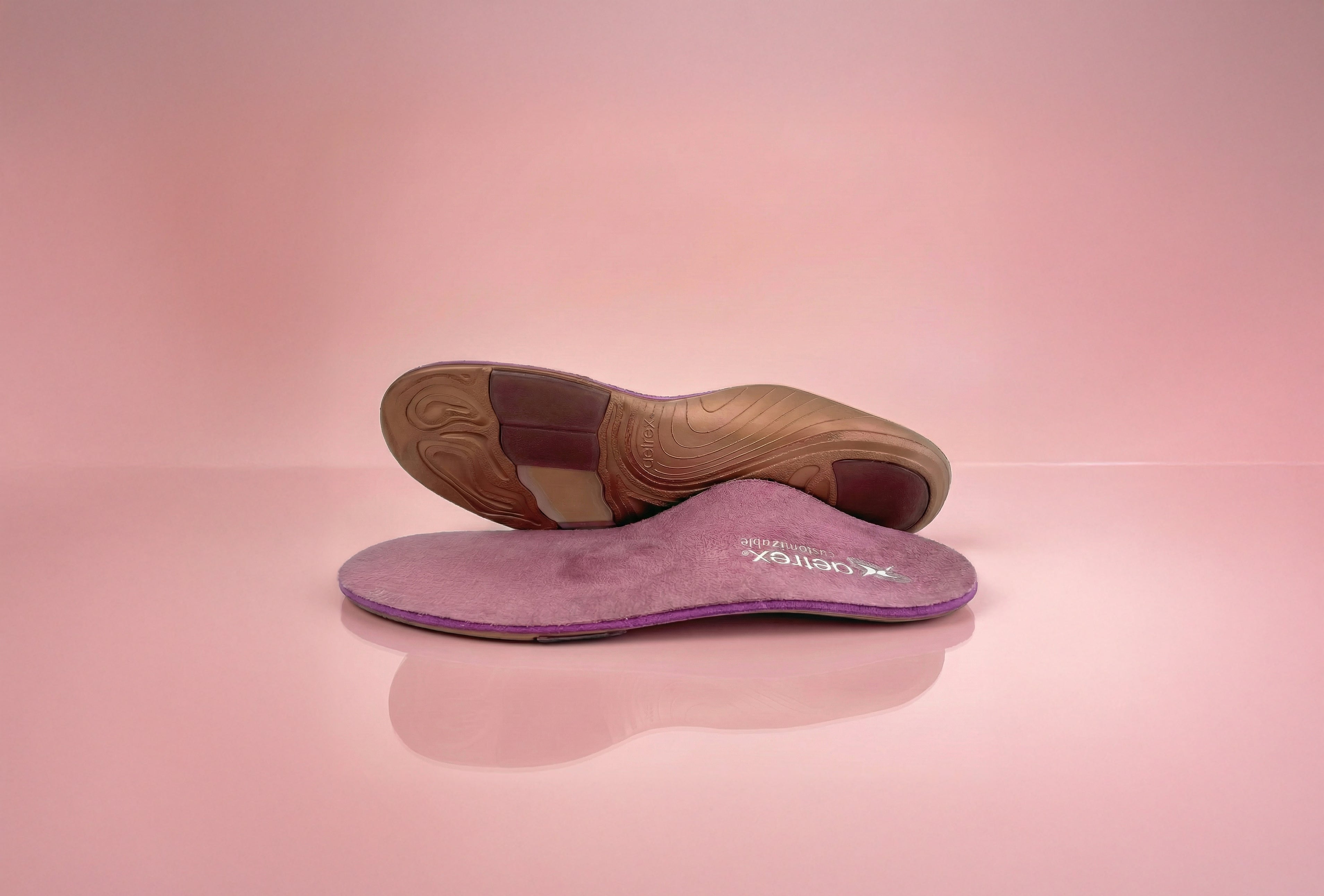
For many of us, running is more than just exercise; it’s a release, a routine, and a source of joy. So when a sharp, nagging pain like Morton's Neuroma shows up, it feels like more than just a physical ailment—it’s a threat to something you love. That feeling of a bunched-up sock or a small stone under your forefoot can derail your focus and your form. But this doesn't have to be the end of your running journey. The solution often lies in targeted support. We’re here to walk you through finding the best running insoles for Morton's Neuroma, exploring how thoughtfully designed orthotics from Aetrex help to alleviate pressure and restore comfort to your stride.
Key Takeaways
- Look for a Metatarsal Pad: This is the single most important feature for Morton's Neuroma relief. A built-in pad gently lifts and separates the bones in the ball of your foot, creating space and taking pressure off the irritated nerve.
- Support Your Arch to Reduce Forefoot Strain: Proper arch support is key to redistributing impact evenly across your entire foot. This prevents all the force from landing on the sensitive forefoot area, which helps to calm irritation during your run.
- Pair Your Insoles with Roomy Shoes: Even the best insole needs the right environment to work. Choose running shoes with a wide toe box to prevent squeezing your forefoot, giving your feet and the insole enough space for a pain-free stride.
What is Morton's Neuroma (and Why Does It Hurt When I Run)?
If you’ve ever felt a sharp, burning pain in the ball of your foot that makes you feel like you’re running on a pebble, you might be dealing with Morton's Neuroma. It’s a common and frustrating condition, especially for runners. Essentially, it happens when the tissue around a nerve leading to your toes—usually between the third and fourth toe—thickens from irritation or compression. Think of it as a nerve getting pinched and inflamed.
For runners, the cause is often the repetitive, high-impact stress placed on the forefoot with every stride. This constant pressure can irritate the nerve over time, leading to that tell-tale pain that gets worse during and after your runs. While the name sounds intimidating, it’s important to know that it’s not a tumor or anything cancerous. It’s a benign condition, but that doesn’t make the pain any less real. Understanding what’s happening in your foot is the first step toward finding relief and getting back to running comfortably.
Symptoms That Can Derail Your Run
The feeling of Morton's Neuroma can start as a subtle annoyance and grow into a pain that stops you in your tracks. Many runners describe it as having a marble or a bunched-up sock stuck under the ball of their foot. You might also experience a sharp, burning sensation, tingling, or numbness in your toes. These symptoms tend to flare up when you’re active, especially during the push-off phase of your running stride, and often feel better once you take your shoes off and rest. Ignoring these signals can make the irritation worse, so paying attention to what your feet are telling you is key to managing the discomfort before it sidelines you completely.
Common Myths About Morton's Neuroma
One of the biggest myths about Morton's Neuroma is that it's just a minor foot problem you can ignore. In reality, that persistent pain can cause you to change your running form to avoid discomfort. This compensation can lead to a chain reaction of issues, potentially affecting your ankles, knees, and even your hips. Another common misconception is that you have to stop running for good. While a short break might be necessary for the inflammation to calm down, managing Morton's Neuroma is often about making smart changes. With the right footwear and support from orthotics, many runners can continue to enjoy their miles pain-free.
Key Features to Look for in Running Insoles
When you’re dealing with the sharp, burning pain of Morton’s Neuroma, grabbing any old insole off the shelf just won’t cut it. The right running insole needs specific features designed to address the root cause of your discomfort—pressure on that irritated nerve. Finding an insole with the right combination of support, cushioning, and thoughtful design can make the difference between a painful run and a comfortable one. Let’s walk through the essential features you should be looking for.
Metatarsal Pads to Relieve Pressure
If there’s one non-negotiable feature, it’s a metatarsal pad. Think of it as a small, strategically placed dome that sits just behind the ball of your foot. This pad gently lifts and spreads the metatarsal bones, creating more space and relieving the pressure on the compressed nerve that’s causing your pain. An insole with a built-in metatarsal pad helps to support the bones in the ball of your foot, which is crucial for reducing that specific, targeted pain you feel with every step. It’s a small feature that delivers significant relief.
Arch Support for Better Stability
Your foot’s alignment plays a huge role in how pressure is distributed across it. If your arches aren’t properly supported, it can lead to instability and cause the bones in your forefoot to pinch together, making Morton’s Neuroma symptoms worse. Firm arch support helps to stabilize your foot and improve its mechanics during your run. By keeping your foot in a more natural position, a supportive insole ensures that weight is distributed more evenly. This takes the strain off the sensitive forefoot area and allows for a more comfortable, efficient stride.
Cushioning to Absorb Shock
Running is a high-impact activity, and each footstrike sends shockwaves up through your body. For a foot already sensitized by Morton’s Neuroma, that impact can feel intense. That’s why ample cushioning is so important. Look for insoles with extra padding, particularly in the forefoot, to absorb shock and reduce the jarring impact of hitting the pavement. This layer of cushioning acts as a protective barrier, softening every landing and minimizing the stress on the ball of your foot so you can run with more confidence and less pain.
Materials That Go the Distance
The materials used in an insole determine its comfort, durability, and effectiveness. You want something that can withstand the repetitive impact of running without losing its shape or supportive qualities. Aetrex products are designed with premium, shock-absorbing materials that help reduce the forefoot pressure commonly associated with Morton's Neuroma. With strategically placed metatarsal support and signature arch placement, Aetrex helps to realign your foot and provide the lasting comfort you need to keep moving, mile after mile.
The Best Running Insoles for Morton's Neuroma
Finding the right insole can feel like a game-changer, turning a painful run into a comfortable one. When you have Morton's Neuroma, the goal is to find an insole that reduces pressure on the ball of your foot, supports your arches, and absorbs the shock of every stride. Not all insoles are created equal, especially for this specific condition. Let's look at some of the best options available to help you get back to running with more comfort and less pain.
How Aetrex Orthotics Help Support Runners
When it comes to supporting your feet during a run, Aetrex is a fantastic place to start. Aetrex orthotics are designed with specific features that help to alleviate the discomfort of Morton's Neuroma. The key is their signature cobra shape and strategically placed metatarsal support. This feature helps to offload pressure from the ball of your foot, giving the affected nerve the space it needs.
By redistributing pressure and providing proper alignment, Aetrex helps to create a more balanced and stable foundation for your feet. This not only addresses the direct pain from the neuroma but also supports surrounding structures, which can prevent other issues from developing. For runners, this means better shock absorption and a more efficient stride, allowing you to focus on your performance instead of your foot pain.
A Look at Other Options on the Market
While Aetrex offers a targeted solution, it's helpful to know what else is out there. Many brands design insoles to provide general arch support and cushioning, which can offer some relief. For example, some footbeds are known for reducing strain on the plantar fascia, which is great for heel pain but may not directly address the forefoot pressure central to Morton's Neuroma.
Other insoles focus heavily on shock absorption or firm arch support. While these features are beneficial for runners, they sometimes miss the most critical element for neuroma relief: the metatarsal pad. Without that specific support to spread the metatarsal bones, you might not get the relief you’re looking for. It’s important to look past generic comfort claims and find an insole designed with your specific condition in mind.
Custom vs. Off-the-Shelf: Which is Right for You?
You might be wondering if you need to see a podiatrist for expensive, custom-made orthotics. Custom insoles are molded precisely to your feet and can be very effective because a specialist can place the metatarsal support in the exact location needed. This is often considered a great treatment option, especially for severe cases.
However, high-quality, over-the-counter orthotics have come a long way and are an excellent, more accessible choice for many runners. Aetrex bridges the gap by offering a data-driven approach. Using their innovative foot scanning technology, you can get a personalized recommendation for the best off-the-shelf orthotic for your unique foot type. This gives you a near-custom fit without the high price tag and long wait times, making it a practical and effective first step toward pain-free running.
How Insoles Help You Run More Comfortably
Running with Morton's Neuroma can feel like you have a pebble permanently stuck in your shoe—a sharp, burning pain that makes every step a challenge. The right insoles can completely change this experience, turning painful runs into comfortable strides. Insoles designed for this condition, like Aetrex Orthotics, are engineered with specific features to address the source of the pain. The most important of these is often a built-in metatarsal pad. This small, raised dome sits just behind the ball of your foot, providing gentle support to the metatarsal bones.
This strategic support helps to lift and spread the bones, creating more space for the irritated nerve that’s causing all the trouble. By relieving this direct pressure, the insole allows you to run without that constant, aggravating sensation. Aetrex helps to provide this targeted relief through orthotics that combine premium cushioning with precise arch support, which is crucial for redistributing pressure evenly across your foot. Instead of all the impact landing on the sensitive forefoot, it’s absorbed and distributed, allowing for a much smoother and more enjoyable run. It’s not about masking the pain; it’s about addressing the underlying biomechanical issue so you can get back to doing what you love.
The Science Behind Reducing Forefoot Pain
The effectiveness of a good running insole comes down to simple biomechanics. When you have Morton's Neuroma, the nerve between your metatarsal bones is being compressed. The goal is to stop that squeezing. A metatarsal pad works by gently lifting and separating those bones, which creates more room for the nerve. This small adjustment can lead to significant pain relief. Paired with proper arch support, the insole also helps to redistribute your body weight away from the ball of your foot. This prevents excessive pressure from landing directly on the irritated nerve with every stride, which is a common issue for runners.
More Tips for Managing Symptoms on Your Runs
While the right insoles are a game-changer, a few other habits can help you manage symptoms. First, consider temporarily reducing your running mileage to give your feet time to recover. After a run, icing the painful area for 15-20 minutes can help reduce inflammation. It’s also beneficial to focus on strengthening the muscles in your feet and incorporating gentle stretching into your routine. Finally, make sure your running shoes have a wide, roomy toe box. Combining a supportive insole with a shoe that doesn’t squeeze your forefoot gives your feet the best possible environment for a pain-free run.
Where to Find Your Perfect Pair of Insoles
Okay, you're ready to find the insoles that will get you back to running comfortably. Knowing where to look and what to look for can make all the difference. The right pair is out there, and finding it is easier than you think when you focus on brands that are truly dedicated to foot health. It’s about finding a solution that fits your foot, your shoe, and your lifestyle perfectly.
Shopping for Insoles Online
When you're dealing with a specific issue like Morton's Neuroma, it's best to start with brands that live and breathe foot science. Aetrex is a great place to begin your search. We use advanced technology and data from millions of foot scans to design our orthotics. You can even use our online Orthotic Finder to get a personalized recommendation in minutes. While other brands offer insoles that are clinically shown to reduce strain, Aetrex focuses specifically on features like metatarsal pads and premium cushioning that help to address the direct cause of your forefoot pain, making your search simple and effective.
Comparing Price and Value
It can be tempting to grab the cheapest pair of insoles you find, but it's important to think about long-term value. An inexpensive, generic insole might offer a little cushioning, but it likely won't have the specific features needed to relieve nerve pressure from Morton's Neuroma. Investing in premium orthotics is an investment in your comfort and ability to stay active. Aetrex helps to provide significant relief with orthotics that feature our signature arch support to realign your foot, plus targeted metatarsal padding to offload pressure from the painful area. This level of thoughtful design is what truly makes a difference in your daily comfort.
How to Get the Right Fit in Your Running Shoes
Even the best insole won't work if it's crammed into the wrong shoe. To give your feet the space they need, look for running shoes with a roomy, wide toe box. This prevents the forefoot from being squeezed, which can aggravate Morton's Neuroma. For the most accurate understanding of your foot size and pressure points, you can get a 3D scan at a retailer with an Aetrex foot scanner. This technology gives you a complete picture of your unique foot needs, helping you choose not only the right orthotic but also the right type of shoe for maximum comfort on your runs.
Related Articles
- What Are the Best Insoles for Morton's Neuroma? – aetrex
- Men's Orthotics for Morton's Neuroma – aetrex
Frequently Asked Questions
How quickly will I feel a difference after using new insoles for my runs? While some people feel an immediate sense of relief, it’s more common to notice a gradual improvement. Think of it as giving the irritated nerve time to calm down. There might be a short break-in period of a few days as your feet adjust to the new support. The goal is for each run to feel progressively better as the insoles work to redistribute pressure and support your foot’s alignment.
Should I get separate insoles for my running shoes and my everyday shoes? For the best results, it’s a great idea to have a dedicated pair of orthotics for your running shoes. Running puts a unique and repetitive stress on your feet, and keeping a pair specifically for that activity ensures they maintain their shape and supportive qualities. You can certainly move them between shoes, but having a separate pair for daily wear helps provide consistent support and comfort no matter what you’re doing.
My running shoes claim to have great arch support. Do I still need an orthotic? The support built into most running shoes is designed to be a general foundation for an average foot type. An orthotic, on the other hand, provides a more targeted and structured level of support. For Morton's Neuroma specifically, most shoes lack the crucial metatarsal pad needed to spread the bones and relieve pressure on the nerve. An orthotic adds that specific, necessary feature to your shoe.
What’s the real difference between forefoot cushioning and a metatarsal pad? Think of it this way: cushioning is like a pillow that softens the impact on the ball of your foot, which is great for general comfort. A metatarsal pad is a more functional, structural feature. It’s a small, raised dome that sits behind the ball of your foot to gently lift and separate the metatarsal bones. This creates more space for the nerve, addressing the compression that causes the pain, rather than just padding it.
What should I do if my foot pain doesn't improve with insoles and better shoes? High-quality orthotics and proper footwear are incredibly effective first steps for managing Morton's Neuroma. However, if you’ve made these changes and the pain persists or gets worse, it’s always best to consult a podiatrist or a medical professional. They can confirm your diagnosis and discuss a broader range of treatment options to help you find lasting relief.
Share:
5 Best Insoles for Overpronation Running
Your Guide to Orthotic Insoles for Overpronation