

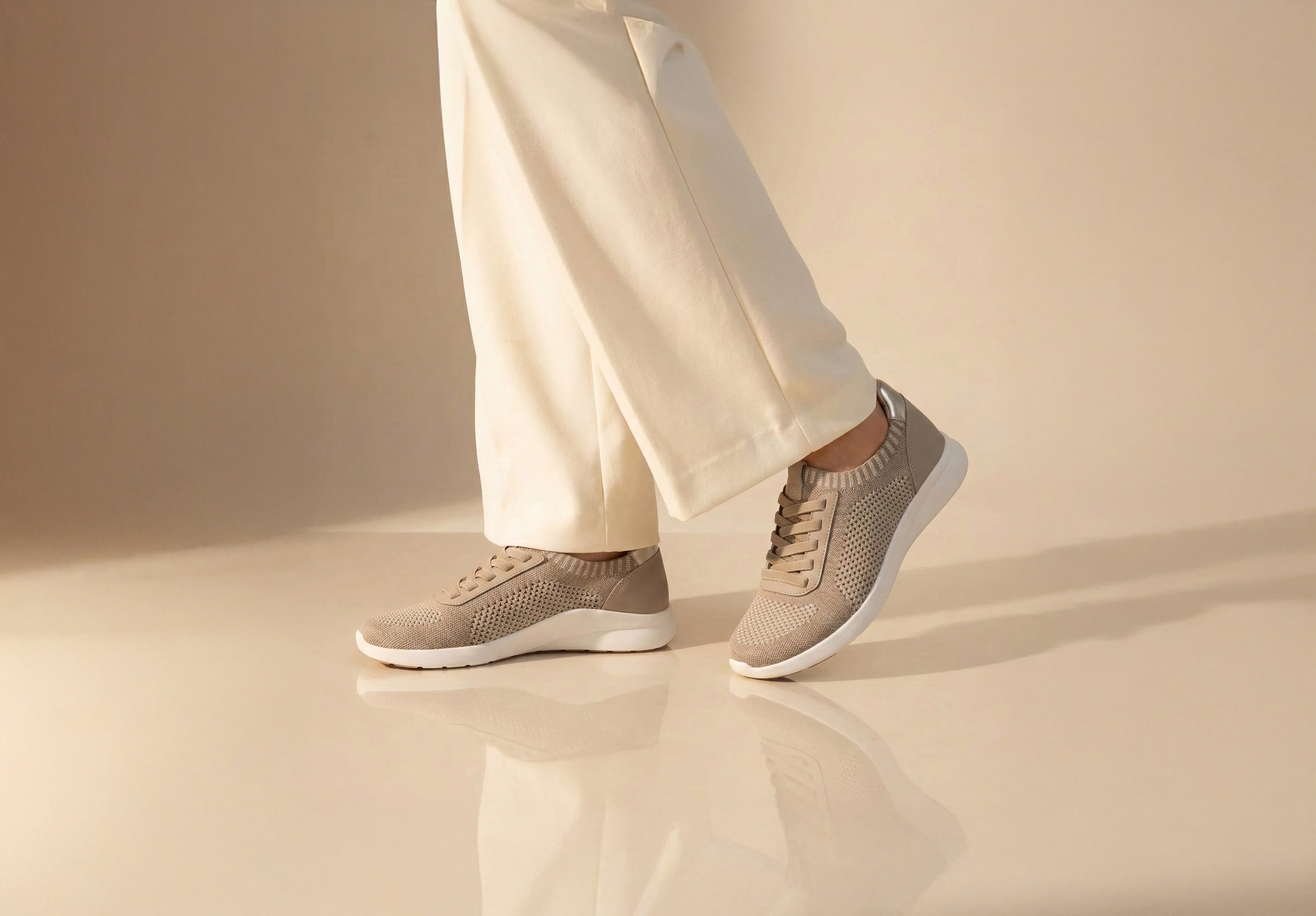
Shoe shopping with bunions can feel like an impossible mission. You're constantly forced to choose: a stylish pair that pinches or a comfortable one you'd rather hide. It’s a frustrating cycle, but you don't have to settle. The key is knowing exactly what to look for. Focusing on features like superior cushioning and great arch support can completely change your experience. This guide will walk you through everything you need to find the best shoes for bunions women can feel confident and excited to wear, whether you're heading to the office, the gym, or out with friends.
Key Takeaways
- Prioritize Space and Support: The best shoes for bunions have a wide toe box that gives your toes room to spread out, combined with signature arch support to properly align your foot and reduce pressure on the big toe joint.
- Get Your Fit Right the First Time: To ensure all-day comfort, shop for shoes in the afternoon when your feet are naturally larger. For a more precise approach, use a foot scan to understand your unique pressure points and arch type.
- Combine Great Shoes with Smart Habits: Supportive footwear is your foundation, but you can manage discomfort more effectively by pairing your shoes with quality orthotics and incorporating simple daily stretches to maintain joint flexibility.
So, What Exactly Is a Bunion?
If you’ve noticed a bony bump forming at the base of your big toe, you’re likely dealing with a bunion. It’s more than just a bump; it’s a structural change in your foot that can cause significant pain and make finding comfortable shoes feel like an impossible task. Understanding what a bunion is and why it forms is the first step toward finding real relief and getting back to your daily activities without discomfort.
Just How Common Are Bunions?
If you're dealing with a bunion, you are far from alone. It might feel like a personal struggle, but bunions are incredibly common. Research shows that about a third of adults in the United States have them, which means millions of people are navigating the same challenges you are. The likelihood of developing one also increases with age, and studies indicate they affect women more significantly than men. One large-scale study found a prevalence of 38% in women over 30 compared to just 21% in men. This isn't just a random statistic; it highlights why finding the right footwear is such a critical topic for so many women. Knowing you're part of such a large group can be reassuring—it means there are proven strategies and supportive shoes designed specifically to help manage the discomfort.
Why Do Bunions Form in the First Place?
A bunion develops when the bones in the front part of your foot shift out of place. This misalignment causes the tip of your big toe to pull toward your smaller toes, forcing the joint at the base of your big toe to stick out. While many people blame tight, pointy shoes, they usually aren't the root cause. More often, bunions are linked to your inherited foot type, foot stress, or certain medical conditions. However, ill-fitting shoes can definitely aggravate the problem and make an existing bunion worse. The key is understanding that the issue starts with the internal structure of your foot.
The Connection Between Bunions and Foot Type
It’s a common misconception that tight, pointy shoes are the sole cause of bunions. While they certainly don’t help, the real issue often lies deeper—in your foot’s unique structure. Your inherited foot type plays a major role, meaning if you have certain characteristics like flat feet or low arches, you might be more susceptible to developing bunions. This is because these foot types can cause instability, placing excessive pressure on the big toe joint and encouraging it to shift out of alignment over time. That’s why finding footwear with excellent arch support is so critical. Aetrex helps to provide the stability your foot needs, which can ease pressure on the joint and improve overall alignment.
Recognizing this connection is the first step toward finding lasting comfort. Instead of just treating the symptom—the bump itself—you can address the underlying structural cause by supporting your foot properly. The best approach is to choose shoes that accommodate your specific foot shape with a roomy toe box and superior arch support. Understanding your personal pressure points and arch type can make all the difference in finding the right fit. Using advanced technology like a foot scanner can give you precise insights into your foot's unique needs, ensuring you select footwear and orthotics that offer targeted relief right where you need it most.
How to Tell If You Have a Bunion
The most obvious sign of a bunion is the visible bump on the side of your big toe joint. But the symptoms don't stop there. You might also experience pain, soreness, and redness around the joint. This discomfort often gets worse when you're wearing shoes, as the bunion rubs against the material, causing friction and irritation. For some, the pain is a constant, throbbing ache, while for others, it comes and goes. You may also notice swelling or find that the skin over the bunion has become thick and callused, making it even more sensitive to pressure.
What Are the 4 Stages of a Bunion?
Bunions don’t just appear overnight; they develop gradually through several stages. In the first, mild stage, you might only see a small bump with minimal discomfort. As it progresses to the moderate stage, the bump becomes more noticeable, and the joint may feel stiff. This is often when finding comfortable shoes starts to become a real challenge. By the third, severe stage, the bunion is much larger, pain and inflammation are common, and your big toe may even start to cross over your second toe. The final, advanced stage involves significant joint deformity and chronic pain. Understanding these bunion stages helps you recognize the importance of proactive care. Choosing supportive footwear early on, especially shoes with proper arch support and a roomy toe box, can make a world of difference in managing discomfort and slowing progression.
Tailor's Bunions: What's the Difference?
If you have a painful bump on the outside of your foot at the base of your little toe, you might be dealing with a Tailor’s bunion, also known as a bunionette. They develop similarly to regular bunions, forming when the fifth metatarsal bone shifts outward, creating a bony prominence. The name comes from tailors who historically sat cross-legged for long hours, putting pressure on that exact spot. Just like with a standard bunion, the discomfort from a bunionette is often made worse by narrow, tight shoes that squeeze the toes. The principles for finding relief are the same: look for footwear with a wide toe box that allows your toes to spread out naturally. Aetrex helps to provide this relief with shoes designed with spacious fronts and built-in arch support to correctly align your foot and reduce pressure on the sensitive area.
Why the Right Shoes Are Your First Step to Relief
While the right pair of shoes won't make a bunion disappear, they are absolutely essential for managing your pain and preventing the condition from getting worse. Think of your shoes as a support system for your feet. Wearing footwear that is too narrow, stiff, or lacks proper support can increase pressure on the bunion, leading to more pain and potentially other foot problems. The goal is to find shoes that give your toes plenty of room and provide stability. Aetrex helps to provide relief with women's footwear designed with features like built-in arch support and wider toe boxes to reduce pressure on your bunion.
Your Bunion-Friendly Shoe Checklist: 5 Must-Have Features
Shopping for shoes when you have bunions can feel like a chore, but it doesn’t have to be. Once you know which features make a real difference, you can confidently find pairs that offer relief without sacrificing style. Think of this as your essential checklist for happy feet. Focusing on these five key elements will transform your shoe shopping experience from frustrating to successful, ensuring every step you take is a comfortable one. It's all about knowing what to look for—the right combination of space, support, and softness that works with your foot, not against it. By prioritizing these features, you're not just buying a new pair of shoes; you're investing in your daily comfort and foot health. This guide will help you become a more informed shopper, so you can easily spot the shoes that will provide lasting relief and support.
Look for a Roomy, Wide Toe Box
The single most important feature for a bunion-friendly shoe is a spacious toe box. Squeezing your toes into a narrow, pointed shoe puts direct pressure on the bunion, which can cause significant pain and even worsen the condition over time. Look for footwear with a rounded or square toe shape that allows your toes to lie flat and spread out naturally. This extra space reduces friction and pressure on the joint, providing immediate relief. Many women's footwear styles are now designed with this crucial comfort feature in mind, so you won’t have to compromise on aesthetics.
Prioritize Arch Support for Stability
Proper arch support is the foundation of a comfortable shoe, especially when dealing with bunions. A supportive footbed helps to distribute pressure evenly across your entire foot, rather than concentrating it on the ball of the foot where bunions form. The Aetrex Signature Arch Support helps to properly align your foot and prevent it from rolling inward (a motion known as overpronation), which can place extra strain on the big toe joint. By stabilizing your foot with every step, quality orthotics and supportive shoes can significantly reduce the stress on your bunion.
Choose Shoes with Plenty of Cushioning
Walking on hard surfaces like concrete and pavement sends shockwaves up through your feet. For a sensitive bunion, this repeated impact can be incredibly painful. That’s why superior cushioning is non-negotiable. Look for shoes with materials like memory foam or lightweight EVA foam that absorb shock and provide a soft, pillowy feel underfoot. This cushioning not only makes walking more comfortable but also helps to protect the sensitive joint from the jarring forces of your daily activities, from a quick walk to the mailbox to a full day of running errands.
Opt for Soft, Flexible Materials
Stiff, rigid materials are a bunion’s worst enemy. They don’t accommodate the unique shape of your foot and can cause painful rubbing and irritation. Instead, prioritize shoes made from soft, pliable materials that move with you. Think stretch-knit fabrics, genuine leather, or soft suede. These materials gently hug your foot without constricting it, providing a forgiving fit that adapts to the bunion instead of fighting against it. This flexibility is key to preventing blisters and discomfort, allowing you to wear your shoes comfortably all day long.
Why Podiatrists Recommend Lightweight Materials
Podiatrists often emphasize that stiff, rigid materials are a bunion’s worst enemy because they simply don’t accommodate the unique shape of your foot. This can lead to painful rubbing and constant irritation that makes you want to kick your shoes off the second you get home. Instead, experts recommend prioritizing shoes made from soft, pliable materials that move with you, like the stretch-knit fabrics found in many Aetrex sneakers or genuine leather. These materials gently hug your foot without constricting it, providing a forgiving fit that adapts to your bunion instead of fighting against it, which is key for all-day comfort.
Don't Forget a Soft, Seamless Interior
It’s easy to focus on the outside of a shoe, but what’s on the inside is just as critical for bunion relief. Even a shoe with a wide toe box can cause problems if the interior has rough seams that rub against your sensitive skin. This constant friction can lead to blisters and irritation, turning a good day into a painful one. Always look for shoes for women designed with a soft, smooth, and seamless interior lining. This small but crucial detail minimizes friction and ensures nothing aggravates your bunion. When paired with features like our signature arch support, a seamless interior creates a truly comfortable environment that helps keep your feet happy and supported from morning to night.
Don't Forget Low Heels and Adjustable Straps
The right details can make all the difference. First, avoid high heels, which pitch your body weight forward directly onto the forefoot and your bunion. Opt for flats or shoes with a low, wide heel (under two inches) to maintain proper balance and pressure distribution. Second, look for adjustability. Features like straps with buckles or hook-and-loop closures, as well as laces, allow you to create a customized fit. This is especially helpful for accommodating swelling or simply ensuring the shoe is secure without being too tight over the bunion area. Many stylish sandals and open-toe styles incorporate these features beautifully.
Why Heels Under 1 Inch Are Best
High heels might look great, but they are a major source of pain for anyone with a bunion. When you wear heels, your body weight shifts forward, placing intense pressure directly on the ball of your foot and the sensitive big toe joint. This not only aggravates the bunion but can also contribute to its progression over time. To keep your feet happy, it's best to stick with flats or shoes that have a very low, wide heel—ideally under one inch. This simple change helps to distribute your weight more evenly across the entire foot, reducing strain on the forefoot and providing immediate relief from that nagging, concentrated pressure.
Look for Special Design Features
Beyond the foundational elements of a good shoe, many brands are now incorporating thoughtful design features specifically for people with bunions. Shoe designers have recognized that millions of women need footwear that accommodates this common foot condition without looking orthopedic. These special features are engineered to provide extra room and flexibility right where you need it most, preventing painful pinching and rubbing. This means you no longer have to size up or try to stretch out your shoes. Instead, you can find styles that are built from the ground up to work with your foot's unique shape, offering a perfect blend of targeted relief and modern style.
Hidden Stretch Panels for a Seamless Look
One of the most innovative features to look for is a hidden stretch panel. This is a small section of flexible, elasticized material built directly into the side of the shoe, right over the bunion area. The panel stretches to comfortably accommodate the bunion, giving your foot more space and stopping painful pinching before it starts. The best part is that these panels are often seamlessly integrated into the shoe's design, so no one would ever know they're there. This clever feature allows the shoe to maintain a sleek silhouette while providing the customized, forgiving fit you need for all-day comfort. Aetrex helps to provide a similar forgiving fit by using soft, high-quality materials in their women's footwear that adapt to your foot's shape.
Our Favorite Shoes for Women with Bunions
Finding the right shoes when you have bunions can feel like a treasure hunt, but I promise, the perfect pair is out there. It’s all about knowing which brands and styles prioritize the features your feet need to feel their best. From your daily workout to a day at the office, there are fantastic options that blend style with the serious comfort your feet deserve. Let’s walk through some of the best choices available, so you can step out in confidence and without pain.
Shoes with Built-In Orthotic Support
When it comes to all-around bunion care, Aetrex is in a league of its own. Every pair of Aetrex women's footwear is thoughtfully designed with features that directly address bunion discomfort. The secret is in the construction: a signature built-in arch support helps to stabilize your foot and control overpronation, which can put extra stress on the big toe joint. Plus, a roomy toe box gives your bunion the space it needs, preventing painful rubbing. Aetrex Helps to reduce pressure and friction by using soft, flexible materials that move with you. It’s the ideal combination of support and gentle accommodation, making these shoes a top-tier choice for all-day relief.
How Aetrex Helps to Support and Align
When it comes to managing bunion discomfort, Aetrex’s design philosophy is a game-changer. The best shoes for bunions need to do two things exceptionally well: provide space and ensure proper alignment. Aetrex footwear is engineered with a roomy toe box that gives your toes the freedom to spread out, which is essential for reducing direct pressure on the big toe joint. But space alone isn't enough. This feature works in tandem with the Aetrex Signature Arch Support, which is built into every pair. This crucial support helps to stabilize and align your foot, preventing it from rolling inward and placing additional strain on the sensitive bunion area.
This thoughtful combination of features is how Aetrex Helps to create a healthier environment for your foot. The arch support is strategically placed to help distribute pressure evenly across your entire foot, so the impact of each step isn’t concentrated on the ball of your foot where bunions form. Furthermore, Aetrex uses soft, flexible materials that gently conform to the unique shape of your foot, minimizing the risk of rubbing and irritation. By choosing Aetrex footwear, you’re getting a shoe that not only accommodates your bunion but actively supports your foot’s natural structure for lasting comfort.
Best Athletic & Walking Shoes for Bunions
Staying active is important, but the wrong athletic shoes can make a bunion flare-up feel so much worse. You need a shoe that can handle impact while giving your foot plenty of room. Brands like New Balance, Brooks, and HOKA are excellent choices because they often come in multiple widths, including wide and extra-wide sizes. This variety is key to finding a fit that doesn’t squeeze your forefoot. Look for styles with generous cushioning in the midsole to absorb shock and a flexible upper that won’t constrict the bunion area as you move through your walk, run, or gym session.
Comfortable Dress Shoes for the Office
Dressing for the office doesn't mean you have to endure foot pain until you can kick your shoes off under your desk. Thankfully, many brands now create stylish, professional shoes with foot health in mind. Comfort-focused brands like Vionic, Orthofeet, and Alegria offer beautiful flats, loafers, and even low heels that feature wide toe boxes and supportive footbeds. These designs prove you don't have to choose between looking polished and feeling good. They provide the necessary arch support to keep your feet properly aligned, which helps take the pressure off your bunion during a long workday.
Go-To Casual Shoes for Everyday Wear
For those days spent running errands, grabbing coffee, or walking the dog, you need a reliable go-to shoe that feels like a dream. Casual shoe brands like Clarks and Naturalizer are known for creating styles that deliver on comfort without skimping on style. Their shoes often feature well-cushioned insoles that provide a soft landing for your feet with every step. They also tend to use soft leathers and flexible materials that gently stretch and adapt to the shape of your foot, which is exactly what you need to accommodate a bunion without causing irritation.
Supportive Sandals for Warm Weather
When the weather warms up, letting your feet breathe is a top priority. While it might seem like any sandal will do, choosing one with the right support is crucial for bunion comfort. Look for sandals from brands like New Balance and Birkenstock, which are designed with contoured footbeds that provide excellent arch support. Many of their styles also include adjustable straps across the forefoot and ankle. This feature is a game-changer, as it allows you to customize the fit and ensure there’s no strap digging directly into your bunion, giving you stability and breezy comfort all season long.
Other Bunion-Friendly Shoe Brands to Consider
While Aetrex offers a comprehensive solution with its built-in orthotics and thoughtful designs, exploring a few other brands can round out your shoe wardrobe. Every foot is different, and sometimes having a variety of options is the best way to keep your feet happy. These brands are also well-regarded for their commitment to comfort and have specific features that can be beneficial for bunions. Think of them as great supporting players in your quest for pain-free style, each offering a slightly different approach to foot wellness that might be the perfect fit for a specific occasion or need in your life.
Kuru Footwear
If you prioritize a roomy fit and excellent stability, Kuru is a brand worth exploring. Their shoes are known for being extra wide, giving your toes and bunion the space they need to avoid painful friction. Many of their styles feature a stretchy, breathable upper material that not only keeps your feet dry but also adapts to the shape of your foot without constriction. This combination of a spacious toe box and great arch support provides a stable and well-cushioned foundation, making them a solid choice for walking or standing on uneven surfaces without aggravating your feet.
Altra
For those who prefer a more natural foot position, Altra running and walking shoes are a fantastic option. They are designed with two key features that are great for bunions: a very wide, foot-shaped toe box and a zero-drop platform. The zero-drop design means your heel and forefoot are at the same level, which can help distribute pressure more evenly and reduce strain on the front of your foot. This design philosophy allows your foot to function as it naturally would, which can provide significant relief from the pressure that traditional shoes often place on a bunion.
Dansko
Dansko has built a loyal following, especially among professionals who spend all day on their feet, and for good reason. Many of their shoes, particularly their iconic clogs, feature a roomy toe box that allows your toes to wiggle freely. This design, combined with their commitment to excellent arch support, makes them a reliable choice for all-day comfort. If you're looking for a sturdy, supportive shoe that can carry you through a long workday without putting unnecessary pressure on your bunion, Dansko offers a variety of options that blend durability with foot-friendly construction.
Sole Bliss
If you’ve ever felt like you had to sacrifice style for comfort, Sole Bliss is here to change your mind. This brand is specifically dedicated to creating fashionable and comfortable women's shoes for people with bunions. Their designs incorporate a special stretch panel that discreetly accommodates the bunion, along with a wide toe box and triple-layered cushioning for a soft, supportive feel. This focused approach means you can find elegant heels, flats, and boots that are engineered from the ground up to provide relief without looking like typical comfort footwear.
ECCO
ECCO is another brand that excels in creating comfortable shoes by using high-quality, soft materials. Many of their designs are crafted from soft leather that molds to your foot over time, providing a custom-like fit that is gentle on bunions. Their shoes often feature a wide toe box and ample cushioning, ensuring your foot is supported without being squeezed. The soft interior lining helps prevent rubbing and blisters, making them a great choice for everyday wear when you need a shoe that is both supportive and forgiving on sensitive areas of your foot.
Are You Making These Shoe Shopping Mistakes?
Finding the right shoes for bunions is as much about knowing what to avoid as it is about knowing what to look for. The wrong pair of shoes can do more than just cause a day of discomfort; it can worsen your bunion and lead to increased pain over time. By learning to spot the common culprits of bunion irritation, you can make smarter, healthier choices for your feet every time you shop. Let’s walk through the top shoe shopping mistakes to sidestep for lasting relief.
Mistake #1: Choosing High Heels and Pointy Toes
It might be tempting to reach for those chic stilettos, but high heels are a major adversary for bunions. They force your body weight onto the balls of your feet, placing immense pressure directly on the sensitive big toe joint. This forward pitch can intensify pain and inflammation. Similarly, shoes with pointy, tapered toes squeeze your toes into an unnatural, triangular shape, pushing the big toe inward and aggravating the bunion. Instead, look for shoes with a low, stable heel and a rounded or square toe box that gives your feet the space they need. You don't have to give up on style; many modern women's footwear designs offer elegance without compromising your foot health.
Mistake #2: Squeezing into Narrow Shoes
A shoe that’s too narrow is one of the fastest ways to irritate a bunion. When a shoe is tight across the widest part of your foot, it puts constant, direct pressure on the bunion, leading to friction, redness, and pain. The key is to choose shoes with plenty of room for your toes to spread out naturally. When trying on shoes, make sure you can wiggle your toes freely. Aetrex helps to create a more comfortable environment for your feet by designing shoes with a spacious toe box. For a truly accurate measurement, consider getting a professional analysis from one of Aetrex's foot scanners, which can help you understand the unique width and pressure points of your feet.
Mistake #3: Assuming All Flats Are Bunion-Friendly
While ditching high heels is a great first step, swapping them for completely flat, unsupportive shoes like ballet flats or thin flip-flops isn't the solution. These styles often lack any form of arch support, which is crucial for proper foot alignment. Without adequate support, your foot may roll inward (overpronation), placing extra strain on the muscles and tendons connected to your big toe. This can worsen the instability around the bunion joint. Instead, opt for shoes that feature substantial cushioning and built-in arch support. Aetrex helps to properly align your feet and take pressure off the forefoot by integrating signature orthotics directly into its footwear, providing stability from the ground up.
Mistake #4: Forgetting to Check the Material
The material of your shoe plays a huge role in its overall comfort, especially when you have a bunion. Stiff, rigid materials like patent leather or hard, synthetic fabrics have no give. They can dig into the side of your foot and rub against the bunion, causing painful blisters and calluses. Your best bet is to look for shoes made from soft, flexible materials that move with you. Think stretch-knit fabrics, soft genuine leather, or supple suede. These materials gently conform to the unique shape of your foot, reducing friction and pressure on sensitive areas. This allows your foot to feel secure without feeling constricted, providing relief with every step.
Mistake #5: Putting Fleeting Trends Before Comfort
It’s easy to get caught up in the latest shoe trends, but prioritizing fashion over function can be detrimental to your foot health. While the right shoes won't make a bunion disappear, they are your first and most effective line of defense against pain and progression of the condition. Investing in well-constructed, supportive footwear is an investment in your daily comfort and long-term mobility. The good news is that you no longer have to choose between feeling good and looking good. Brands like Aetrex are dedicated to creating stylish women's footwear that incorporates essential comfort features, proving that you can manage bunion pain without sacrificing your personal style.
How Orthotics Can Help Ease Bunion Pain
Beyond the structure of the shoe itself, what’s inside can make a world of difference for bunion comfort. This is where orthotics come in. Think of them as a support system for your feet, designed to improve alignment, redistribute pressure, and provide targeted cushioning right where you need it most. For bunions, the goal is to shift pressure away from the sensitive big toe joint, which can significantly reduce pain with every step you take.
Aetrex helps to provide this relief by building premium, supportive orthotics directly into every pair of shoes. This signature arch support is designed to address the biomechanical issues that contribute to foot pain. Whether built-in or added separately, the right orthotic can transform how your shoes feel and help you stay on your feet longer, more comfortably.
Why Built-In Arch Support Makes a Difference
Proper arch support is fundamental for bunion relief because it helps control how your foot moves. Many people have feet that tend to roll inward, a motion called overpronation. This movement places excess strain on the muscles and ligaments around your big toe joint, which can aggravate a bunion.
Good arch support helps to stabilize your foot, preventing it from rolling inward and keeping it in a more natural alignment. This simple correction takes a significant amount of pressure off the front of your foot where the bunion is located. All Aetrex women's footwear is designed with this principle in mind, featuring a signature arch support that helps to properly align your body from the ground up.
Is a Custom Orthotic Right for You?
While the built-in support in Aetrex shoes provides incredible relief for many, some people may benefit from a more customized solution. If you have a particularly severe bunion or a unique foot shape, a personalized orthotic might be the answer.
To understand your specific needs, you can get a comprehensive 3D analysis with Aetrex’s advanced foot scanning technology. These scanners, available at various retail locations, map your pressure points and arch type in seconds. The data provides a personalized recommendation for the best type of orthotic for your feet, helping you find a precise fit that offers targeted support for your unique foot mechanics.
How to Use Removable Insoles for a Custom Fit
Versatility is key when you're managing foot comfort. Shoes with removable insoles give you the freedom to create a personalized fit. This feature allows you to take out the shoe’s original insole and replace it with one that better suits your needs, like a custom orthotic from your podiatrist.
Many Aetrex shoes are designed with removable footbeds, so you can enjoy our built-in support or swap it out if needed. If you're looking to add Aetrex’s signature comfort to another pair of shoes, the Orthotic Finder tool on our website can help you select the perfect insole based on your foot type and lifestyle.
More Than Just Bunion Relief: Added Benefits of Bunion-Friendly Shoes
When you start shopping for bunion-friendly shoes, your main goal is clear: find something that doesn't squeeze or irritate that sensitive joint. But what you might not realize is that the very features that provide bunion relief often pull double duty, addressing a whole host of other common foot issues at the same time. Think of it as a happy bonus for your overall foot health. The search for a comfortable shoe for your bunion can lead you to a pair that becomes your all-around problem solver, offering support and comfort in ways you didn't expect. It's a pleasant surprise to find that one smart purchase can have such a wide-ranging positive impact.
The core principles of a great bunion shoe—a wide toe box, strategic arch support, superior cushioning, and soft, flexible materials—create an environment where your entire foot can function properly. This holistic approach to design means that you’re not just accommodating a bunion; you’re investing in footwear that supports your body’s foundation from the ground up. This makes them a smart, versatile choice for anyone looking to improve their daily comfort and stay active without pain, regardless of what specific foot concerns they might have. It’s about creating a healthier ecosystem for your feet with every step you take.
How These Shoes Help Other Foot Conditions
The thoughtful design that provides bunion relief is not a one-trick pony. Those same comfort-driven features are incredibly effective at managing symptoms from other prevalent foot conditions. The stability from proper arch support, the pressure reduction from a roomy toe box, and the shock absorption from quality cushioning work together to create a supportive environment for your feet. This means that your new favorite pair of bunion-friendly shoes could also be helping with issues you didn't even realize they could address, making them a truly valuable addition to your wardrobe and a smart investment in your long-term comfort.
Plantar Fasciitis and Hammer Toes
If you've ever felt that sharp, stabbing pain in your heel, you know how disruptive plantar fasciitis can be. Bunion-friendly shoes often provide excellent relief for plantar fasciitis because they typically include robust arch support. This feature is crucial for stabilizing the foot and reducing strain on the plantar fascia ligament. At the same time, the spacious toe box that gives a bunion room to breathe is also perfect for accommodating hammer toes. This extra space prevents the curled toes from rubbing against the top of the shoe, which helps to reduce irritation, calluses, and discomfort, allowing multiple conditions to be managed with one smart shoe choice.
Flat Feet and Arthritis
For those with flat feet, the lack of a natural arch can lead to overpronation, where the foot rolls inward. This can cause a chain reaction of pain in the feet, ankles, and even knees. The built-in arch support in many bunion-friendly shoes is a game-changer, as it helps to properly align the foot and prevent this inward roll. Aetrex helps to provide this stability in its footwear for flat feet. Furthermore, the soft, flexible materials and deep cushioning are a blessing for arthritis sufferers. These features minimize pressure on sensitive joints and absorb impact, making every step gentler and less painful.
Finding Your Perfect Fit Is More Than Just Size
Finding the right shoe when you have bunions goes far beyond the number printed inside the tongue. Your foot has a unique shape, pressure points, and arch height that a simple size can't account for. A shoe that fits perfectly is one that accommodates the width of your bunion, supports your arch, and gives your toes room to breathe. Think of it less as finding your size and more as finding your shoe’s ideal shape. Getting this right is the key to all-day comfort and relief.
Why You Should Get a Professional Foot Measurement
To find the perfect fit, you first need to understand your feet. A bunion isn't just a bump; it's a structural shift where bones in the front part of your foot move out of place. A professional foot scan can give you a detailed map of your unique foot structure, including pressure points you might not even feel yet. Aetrex’s advanced foot scanners, available at various retail locations, analyze your feet in seconds. This technology helps identify your arch type and precise pressure areas, giving you the data you need to choose footwear and orthotics that Aetrex helps to support your foot’s alignment and reduce strain on your bunion.
Using Aetrex Foot Scanning Technology
Think of it as getting a personalized roadmap for your feet. Aetrex’s advanced foot scanning technology, available at many retail stores, takes the guesswork out of finding the right fit. In just a few seconds, the scanner analyzes your feet to identify your unique arch type, pressure points, and precise measurements that go beyond a simple length and width. This detailed information is crucial when you have a bunion, as it helps you understand exactly where you need more space and support. With this data, you can confidently select shoes and orthotics that are perfectly matched to your foot’s structure, ensuring you get the relief and comfort you need.
Shop When Your Feet Are at Their Largest
Have you ever bought a pair of shoes that felt great in the store, only to find them painfully tight by the end of the day? This is often because our feet naturally swell, especially after we’ve been walking or standing. For someone with bunions, this slight expansion can turn a comfortable shoe into a source of irritation. To get the most accurate fit, always try on new shoes in the late afternoon or evening. This ensures you’re fitting them to your feet at their largest, guaranteeing they’ll remain comfortable from morning to night. When you’re ready to shop, you can explore a wide range of women's footwear designed with these comfort principles in mind.
The Right Way to Try On New Shoes
When you’re trying on a potential new pair, a quick slip-on-and-off won’t cut it. Make sure the shoes fit well from the start and don't rub anywhere, especially over your bunion. A great bunion-friendly shoe will be wide at the front, allowing your toes to spread out naturally instead of being squeezed. Check for about a half-inch of space between your longest toe and the end of the shoe. Wear the type of socks you’d normally pair with the shoes and take a walk around the store, preferably on a hard surface. The right pair should feel comfortable immediately—you shouldn't have to "break them in." Many Aetrex styles are built with a roomy toe box to prevent irritation.
Beyond Shoes: More Ways to Manage Bunion Pain
Finding the right shoes is a game-changer for bunion comfort, but it’s not the only tool in your toolkit. Think of supportive footwear as your foundation. You can build on that foundation with simple, at-home strategies to manage discomfort and keep your feet feeling their best. These non-surgical approaches are all about relieving pain, reducing inflammation, and preventing the bunion from getting worse. By combining great shoes with a few daily habits, you can create a comprehensive plan for happy, healthy feet.
Try These Simple Stretches and Exercises
Gentle movement can make a world of difference for a stiff, sore bunion joint. The goal of stretching is to relieve some of the pressure on your big toe and improve its flexibility. Simple exercises, like trying to pick up a small towel with your toes or gently pulling your big toe into proper alignment for 10-15 seconds at a time, can help maintain mobility. Even calf stretches are beneficial, as tightness in your lower leg can alter how you walk and add stress to your forefoot. Integrating these small movements into your daily routine, perhaps while watching TV or sitting at your desk, can help ease tension and keep the joint from getting stiffer over time.
Easy At-Home Tips for Bunion Relief
When your bunion is acting up, a few at-home remedies can provide immediate relief. Applying an ice pack for 15-20 minutes can help reduce swelling and numb the pain after a long day on your feet. You can also use bunion pads, which are small cushions that prevent your shoe from rubbing against the sensitive area. Of course, the most effective prevention tip is consistent support. This is where Aetrex helps to provide all-day comfort. Pairing your shoes with the right orthotics ensures your foot is properly aligned, which can take significant pressure off the big toe joint and help manage discomfort before it starts.
When Is It Time to See a Doctor?
While at-home care is incredibly effective for managing mild bunion discomfort, it’s important to know when to call in a professional. If your pain becomes persistent, gets worse, or starts to interfere with your daily activities, it’s time to schedule an appointment with a podiatrist. A foot doctor can accurately diagnose the severity of your bunion and create a personalized treatment plan. They can offer more advanced non-surgical options or simply give you peace of mind. Don’t hesitate to seek expert advice; it’s the best step you can take toward lasting relief and better foot health.
Your Smart Shoe Shopping Guide
Finding the right pair of shoes when you have bunions can feel like a huge challenge, but it doesn't have to be. With a little know-how, you can shop with confidence and find styles that offer both relief and a look you love. Think of it as investing in your daily comfort. A great pair of shoes can make all the difference in how you feel, and knowing what to look for is the first step. Let’s walk through how to make your next shoe shopping experience a successful one, whether you’re browsing online or in a store.
Tips for Buying Shoes for Bunions Online
Shopping for shoes online is convenient, but it’s tricky when you can’t try them on. To find the best fit, prioritize styles with a wide toe box that allows your toes to spread out naturally. Steer clear of anything with a narrow or pointy front, as that will only put more pressure on your bunion. Look for shoes made from soft, forgiving materials like stretch knits, leather, or suede. These fabrics have more give and will reduce friction. Finally, stick to heels that are less than an inch high or choose flats that offer excellent arch support to keep your feet properly aligned and comfortable all day long.
Understanding the Cost of Quality Footwear
It's true that a well-made pair of shoes often comes with a higher price tag, but it's helpful to think of it as more than just a purchase. Investing in well-constructed, supportive footwear is an investment in your daily comfort and long-term mobility. The good news is that you no longer have to choose between feeling good and looking good. Brands like Aetrex are dedicated to creating stylish women's footwear that incorporates essential comfort features, proving that you can manage bunion pain without sacrificing your personal style. A quality shoe provides the right support and cushioning that can help prevent future foot problems, making it a smart choice for your overall well-being.
Take Advantage of Trial Periods
A generous return policy is your best friend when shoe shopping, especially online. Look for brands that offer a trial period, which gives you the chance to wear the shoes around your house and make sure they feel right after a few hours of walking and standing. This is the best way to know if they’ll truly work for your feet. Beyond the trial period, look for shoes that offer built-in versatility. Many Aetrex shoes are designed with removable footbeds, so you can enjoy our built-in support or swap it out if needed. If you're looking to add Aetrex’s signature comfort to another pair of shoes, the Orthotic Finder tool on our website can help you select the perfect insole based on your foot type and lifestyle.
How to Read Customer Reviews Like a Pro
Customer reviews are your best friend when shopping online. Instead of just glancing at the star rating, take a moment to read what people are actually saying. Search for reviews that specifically mention bunions to see how the shoes worked for others with similar foot concerns. Pay close attention to comments about the fit, overall comfort, and the materials. Reviewers will often note if a shoe’s fabric is flexible or if the toe box is truly roomy. This firsthand feedback can give you the confidence you need to add a pair of women's shoes to your cart.
Where to Find a Professional Shoe Fitting
Nothing beats a professional fitting for finding your perfect size and width. While specialty shoe stores are a great option, technology offers an even more precise solution. Aetrex provides state-of-the-art foot scanners at various locations that can map your feet in seconds. This technology identifies your arch type and pressure points, giving you a comprehensive understanding of your foot health. This data ensures you select shoes and orthotics that provide targeted support exactly where you need it, which is essential for effectively managing bunion discomfort and improving your overall comfort.
Related Articles
- Bunions: Causes, Symptoms, Orthotics & Shoes
- Bunions
- Orthotics for Bunions | Aetrex Official Site
- Bunions: Tips & Stretches to Help Relieve Pain
Frequently Asked Questions
Can the right shoes actually make my bunion go away? While the right shoes are essential for managing pain and preventing a bunion from getting worse, they can't reverse the structural change in your foot. Think of supportive footwear as your best tool for daily comfort and management. Aetrex helps to provide significant relief by designing shoes with features like a roomy toe box and signature arch support, which reduce pressure on the joint and improve your foot's alignment. This helps you stay active and comfortable, but it doesn't eliminate the bunion itself.
I need dress shoes for work. Are there any stylish options that won't hurt my bunion? Absolutely! The days of choosing between style and comfort are over. Many brands now design beautiful, professional shoes with foot health in mind. Look for loafers, flats, or low block heels made from soft, flexible materials like leather or suede. The key is to find styles with a wider, rounded toe box and built-in arch support. This combination ensures your foot is properly supported and your bunion isn't being squeezed, allowing you to get through your workday without pain.
Should I just buy all my shoes a size bigger to make room for my bunion? Sizing up might seem like a simple solution, but it can cause other problems. A shoe that's too long can make you trip and may not provide support in the right places, like your arch. Instead of going up a full size, focus on finding shoes that are the correct length but offer a wider fit, especially in the toe box. Many brands offer wide-width options that give your bunion the space it needs without sacrificing a secure fit through the heel and midfoot.
My bunion only hurts sometimes. Do I still need to wear special shoes all the time? It's a great idea to wear supportive shoes consistently, even on days when your bunion isn't bothering you. Bunion pain often flares up due to cumulative stress and pressure. By wearing shoes with good arch support and a roomy toe box every day, you're proactively managing the condition. Aetrex helps to properly align your feet and reduce strain on the big toe joint with every step, which can prevent irritation and keep those pain-free days coming.
What's the difference between built-in arch support and a separate orthotic? Built-in arch support, like the kind found in all Aetrex footwear, is integrated directly into the shoe's design for seamless comfort and alignment. A separate orthotic is a removable insert that you can place in different shoes to add support. Both are fantastic options. The benefit of built-in support is that you know the shoe and the support system were designed to work together perfectly. Removable orthotics offer versatility, allowing you to add that same great support to other pairs of shoes in your closet.
Share:
What Shoes Are Best for Bunions? Style & Support
The Best Running Shoes for Nurses & Long Shifts