

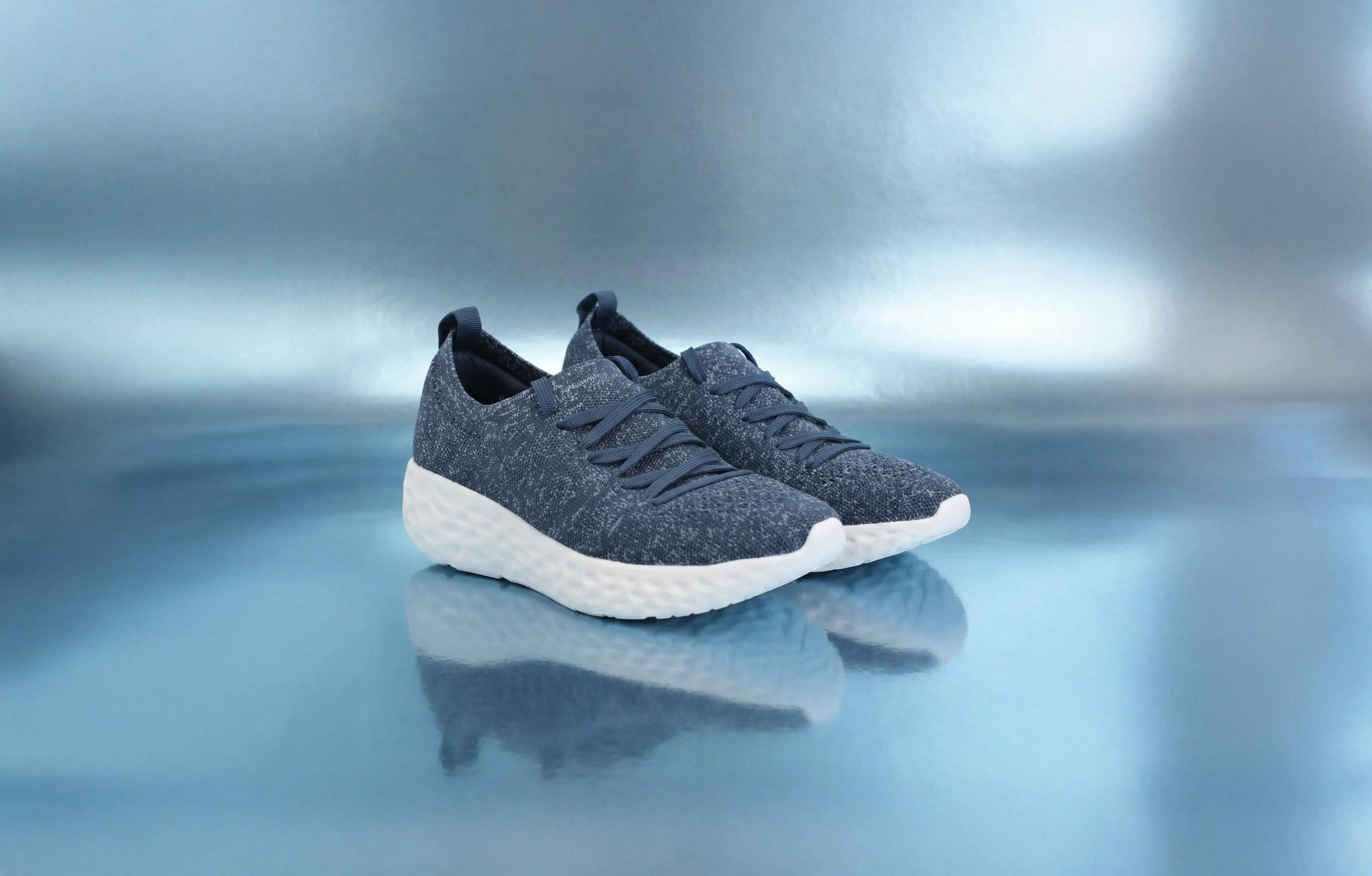
For too long, many have believed that finding shoes for bunions means sacrificing style for comfort. The myth that you have to choose between clunky, uninspired footwear and enduring sharp pain has kept too many people from feeling their best. That compromise is a thing of the past. Today, innovative brands have mastered the art of creating shoes that are both supportive and chic. If you're asking yourself, what shoes are best for bunions without making you feel frumpy, you've come to the right place. We're going to break down the essential features—like spacious toe boxes, flexible materials, and proper arch support—that provide genuine relief. You can have shoes that accommodate your feet and complement your wardrobe, and we’ll show you exactly how to find them.
If you’re dealing with a bunion, you know that finding comfortable shoes can feel like a never-ending quest. That painful bump on the side of your big toe can turn even a short walk into a painful ordeal. But here’s the good news: the right pair of shoes can make a world of difference. Understanding what a bunion is and how your footwear choices affect it is the first step toward finding lasting relief and getting back to your life without foot pain holding you back.
Think of your shoes as a crucial tool for managing bunion discomfort. While they can't make a bunion vanish, they play a starring role in either soothing it or making it much, much worse. Let's get into what’s really going on with your foot and how you can make your shoes work for you, not against you.
So, what is a bunion, really? It’s that bony bump you see at the base of your big toe joint. A bunion forms when the bones in the front part of your foot move out of place. This causes the tip of your big toe to get pulled toward your smaller toes, forcing the joint at the base of your big toe to stick out. This misalignment can lead to pain, swelling, and redness, especially when it’s constantly rubbing against the inside of your shoe. While genetics can play a big part in whether you develop them, the pressure from your daily life—and your shoes—is a major factor in how they feel.
Your shoes can be your best friend or your worst enemy when you have a bunion. Squeezing your feet into shoes that are too tight, narrow, or pointed in the toe area puts pressure directly on the bunion, aggravating the joint and causing significant pain. The wrong footwear can make a mild bunion progress more quickly and lead to other foot issues.
On the other hand, choosing the right shoes is a game-changer. Footwear with a wide toe box, soft materials, and proper arch support gives your foot the space and stability it needs. Aetrex helps to provide relief with shoes specifically designed to accommodate bunions, reducing pressure and friction. The goal is to find shoes that allow your foot to function naturally without irritation.
There’s a lot of misinformation out there about bunions, so let’s clear a few things up. One common myth is that you just have to live with the pain. That’s simply not true. The right footwear can dramatically reduce your daily discomfort. Another myth is that any wide shoe will solve the problem. While width is important, you also need features like arch support and cushioning to properly support your foot’s alignment and reduce pressure on the joint.
Finally, many people believe that bunion-friendly shoes are bulky and unattractive. Thankfully, that’s no longer the case. Brands have designed supportive and stylish women's footwear and men's footwear that provide relief without sacrificing your style.
When you're dealing with bunions, shoe shopping can feel like a chore. It’s easy to think your only options are clunky, unstylish shoes, but that’s not the case. The secret is knowing what to look for. Finding the right pair is about more than just avoiding pain; it’s about choosing features that actively support your foot’s health and structure. The right shoe can make a world of difference in your daily comfort and mobility.
Think of it as a checklist for your feet. You need shoes that give your toes room to breathe, materials that move with you, and support that helps align your entire body from the ground up. Aetrex helps to combine these elements, so you don't have to sacrifice style for comfort. By focusing on a few key characteristics like a roomy toe box, flexible materials, proper arch support, a low heel, and the option for custom insoles—you can find shoes that feel as good as they look. Let’s walk through exactly what makes a shoe truly bunion-friendly.
The most important feature to look for in a bunion-friendly shoe is a wide toe box. This isn't about needing a "wide" shoe size overall, but rather about the shape of the front of the shoe. A spacious, rounded, or square toe box gives your toes the freedom to spread out naturally instead of being crammed together. This design reduces direct pressure on the bunion, which is often the primary source of pain. Squeezing your foot into a narrow or pointed shoe can worsen irritation and inflammation, so always prioritize styles that give your forefoot plenty of space.
The material of your shoe plays a huge role in its comfort. Look for shoes made from soft, pliable materials that have a bit of give, like stretch-knit fabrics, soft leather, or suede. These materials can gently mold to the unique shape of your foot—including the bunion—without causing painful rubbing or friction. Stiff, rigid materials, on the other hand, can dig into the bunion and create pressure points. A shoe made with flexible materials moves with you, providing a more forgiving and comfortable fit throughout the day, whether you’re running errands or heading to the office.
Proper support is non-negotiable when you have bunions. Good arch support helps to distribute pressure more evenly across your foot, which can take the strain off the big toe joint. Aetrex helps to provide superior comfort with its signature arch support, which is designed to align your foot properly. Paired with premium cushioning like memory foam, this feature absorbs shock and provides a soft, comfortable base for your foot. This combination not only helps to reduce bunion pain but also supports overall foot health, which can prevent other issues from developing.
High heels are a major culprit when it comes to bunion pain. They pitch your body weight forward, forcing all that pressure directly onto the ball of your foot and the big toe joint. To keep your feet happy, opt for shoes with a low heel—ideally one inch or less. Flats, supportive sneakers, and low wedges are all great options. This simple switch can dramatically reduce the strain on your bunion and improve your overall stability and comfort. You don't have to give up on a little lift, just be mindful of the height.
Shoes with removable insoles are incredibly valuable because they offer you the freedom to customize your support. This feature allows you to take out the factory insole and replace it with a more supportive, over-the-counter option or a custom orthotic from your podiatrist. Aetrex offers a range of high-quality orthotics designed to address specific foot concerns. Using an orthotic can provide targeted arch support and cushioning right where you need it most, helping to improve your foot alignment and reduce pressure on your bunion for a truly personalized fit.
Finding the right shoes when you have bunions is half the battle. The other half? Knowing which ones to leave on the shelf. The wrong pair of shoes can do more than just cause a little discomfort; it can actively aggravate your bunion, leading to more pain and inflammation. By understanding which styles and features work against your foot's health, you can make smarter choices that keep you comfortable and moving freely.
It often comes down to two main culprits: excessive pressure and a lack of support. Shoes that squeeze your toes or shift your body weight unnaturally onto the front of your foot are a recipe for bunion pain. Similarly, footwear that offers no support can strain your foot's ligaments and arches, making the problem worse over time. Let’s walk through the specific types of shoes you should sidestep to give your feet the relief they deserve.
It’s probably no surprise that high heels and shoes with pointy toes are at the top of the "avoid" list. High heels pitch your body weight forward, placing immense pressure directly on the ball of your foot—right where the bunion is. This not only causes immediate pain but can also contribute to the bunion worsening over time. Pointy-toed shoes physically force your big toe inward, cramping your toes into an unnatural position that directly irritates the bunion. Combining a high heel with a pointy toe is a particularly troublesome combination for anyone seeking foot comfort. Instead, look for women's footwear with a lower heel and a rounded, spacious toe box.
Any shoe that feels snug or restrictive is bad news for bunions. Narrow or tight-fitting shoes squeeze the forefoot, compressing the toe joints and putting direct pressure on the bony bump of the bunion. This constant friction and pressure can lead to inflammation, redness, and significant pain. It’s essential to give your toes enough room to lie flat and spread out naturally. When your shoes are too tight, you’re not just uncomfortable—you’re potentially making the structural issue worse. Always prioritize shoes made from soft, flexible materials that won’t constrict your foot.
While flats might seem like a safe alternative to heels, many are surprisingly unsupportive. Flimsy ballet flats, basic flip-flops, and other minimalist shoes often lack any meaningful arch support or cushioning. Without proper support, your foot can pronate (roll inward) excessively, which puts more strain on the joint at the base of your big toe. This can destabilize your foot and aggravate your bunion pain, especially during long periods of walking or standing. Aetrex helps to solve this by building premium arch support into every pair of shoes, from sandals to sneakers, ensuring your feet are properly aligned and cushioned. You can also add support to existing shoes with a quality pair of orthotics.
Even with the best intentions, it’s easy to make mistakes when buying shoes. One of the most common errors is shopping in the morning. Your feet naturally swell throughout the day, so trying on shoes in the afternoon or evening gives you a more accurate sense of fit. Another mistake is relying on the size you’ve always worn. Foot size and shape can change over time, so getting your feet professionally measured is a great idea. An advanced tool like Aetrex’s foot scanners can provide precise measurements and identify your specific pressure points, helping you find the perfect supportive shoe for your unique needs.
Finding the right shoe brand can make all the difference when you're dealing with bunions. While many companies offer comfortable footwear, some go the extra mile with specific features designed to accommodate and support sensitive feet. The best brands combine thoughtful design, quality materials, and an understanding of foot mechanics to provide genuine relief. Here are a few top contenders that prioritize both comfort and foot health.
When it comes to bunion relief, Aetrex stands out with features designed specifically for this common foot condition. Many Aetrex women's and men's shoes include a dedicated bunion pocket, which is a strategically placed void in the shoe's upper that allows space for the bunion, helping to relieve direct pressure and friction. This thoughtful design is paired with the Aetrex Signature Arch Support, which helps to properly align your body and prevent overpronation. Aetrex helps to provide a soft, pillowy feel underfoot by blending memory foam with lightweight cushioning, ensuring that every step is comfortable and supported. This combination of targeted relief and overall support makes Aetrex a superior choice for all-day wear.
Staying active is a huge part of feeling your best, but a painful bunion can make you want to sit on the sidelines. The good news is you don't have to. The right pair of athletic shoes can make a world of difference, whether you're hitting the pavement, walking around town, or crushing a gym workout. It’s all about finding footwear that works with your foot, not against it, giving you the support and space you need to move comfortably.
If you're a runner, you know that every stride matters. When you have a bunion, the pressure inside a narrow shoe can be excruciating. That's why a roomy toe box is non-negotiable. You need space for your toes to splay naturally without rubbing against the side of the shoe. Aetrex running shoes are designed with this in mind, offering a wider forefoot to accommodate bunions and reduce irritation. Pairing them with supportive orthotics can also help properly align your foot, which helps to distribute pressure more evenly and make your runs feel much smoother.
For those days filled with errands, long walks, or hours spent on your feet, comfort is king. The ideal walking shoe should feel like a soft cushion that supports you with every step. Look for features like memory foam and lightweight materials that won't weigh you down. Aetrex walking shoes are a fantastic choice because they combine signature arch support with plush cushioning. This design helps to take the pressure off the sensitive bunion area, allowing you to go about your day with significantly less pain and more energy. It’s about making comfort a priority from the ground up.
Your gym routine is varied, and your shoes should be able to keep up. Cross-trainers need to provide stability for side-to-side movements, cushioning for jumps, and flexibility for lunges. For someone with a bunion, it's also crucial that the shoe doesn't squeeze the front of your foot. Many Aetrex women's sneakers feature thoughtful details like stretch-knit uppers or built-in bunion pockets—small, forgiving spaces that give the bunion room to breathe. This design helps to minimize friction and discomfort, so you can focus on your workout instead of your feet.
Finding professional or dress shoes when you have bunions can feel like an impossible task. So many styles seem designed to pinch and squeeze the exact spot you need relief, forcing you to choose between looking polished and feeling comfortable. But that's a compromise you no longer have to make. The key is to find brands that prioritize foot health without sacrificing an ounce of style. The right dress shoe will have a spacious toe box to prevent crowding, soft materials that don’t constrict, and supportive cushioning to take the pressure off your forefoot. Aetrex helps to combine all these features into sophisticated designs for both men and women. By focusing on anatomical construction and premium materials, Aetrex creates women's footwear and men's styles that accommodate bunions while complementing your professional wardrobe. Whether you're heading to the office, a wedding, or a formal dinner, you can find a pair that looks as good as it feels. This means you can finally attend that important meeting or special event without dreading every single step or slipping into a pair of "emergency flats" halfway through the night. It's about finding footwear that works with your body, not against it.
For too long, stylish women's shoes have been synonymous with pain, especially for those with bunions. Thankfully, that's changing. Aetrex leads the way with elegant dress shoes designed for all-day comfort. Many styles feature a blend of memory foam and lightweight cushioning for a soft, pillowy feel that helps take pressure off sensitive areas. Some shoes are even designed with special features like built-in bunion pockets—small, forgiving spaces that give your joint the relief it needs. You get a chic look without the typical pinching and rubbing that aggravates bunions.
Men need professional footwear that is both comfortable and sharp, and a bunion shouldn't get in the way of that. The best business shoes offer a supportive foundation and enough room in the forefoot to prevent irritation. Aetrex offers a fantastic selection of men's footwear, from classic oxfords to modern loafers, that are both comfortable and fashionable. Look for styles made with soft, high-quality leather that can gently stretch and mold to your foot shape over time, ensuring a personalized and accommodating fit for the office and beyond.
Weddings, parties, and formal gatherings often require dressier shoes, which can be a major source of anxiety when you have bunions. The solution is to look for shoes with a wider, deeper toe area to accommodate the joint. Aetrex helps to create formal styles that provide this necessary space without looking bulky. For an extra layer of support, consider adding Aetrex Orthotics to your shoes. They are designed to help redistribute pressure away from the forefoot, which can reduce bunion pain and allow you to enjoy the occasion without discomfort.
Finding comfortable, everyday shoes that don’t aggravate your bunions can feel like a game-changer. Your casual footwear should support your daily activities, whether you're running errands, meeting friends for lunch, or just enjoying a walk in the park. The good news is that you don’t have to choose between comfort and style. The key is to look for shoes with specific features designed to give your feet the space and support they need. From sunny-day sandals to your favorite sneakers, there are plenty of options that will keep you moving comfortably all day long.
When the weather warms up, the last thing you want is for your bunions to keep you from enjoying the season. The right sandals can make all the difference. Look for styles with adjustable straps, which allow you to customize the fit and avoid putting pressure directly on the bunion. A deep heel cup and substantial arch support are also crucial for stability. Many Aetrex women's footwear options are designed with these features built right in. Their signature arch support helps to align your body and redistribute pressure away from the forefoot, giving your bunion the relief it needs.
For a versatile shoe that works for almost any casual occasion, you can’t go wrong with a slip-on or a loafer. The best options for bunions are made from soft, flexible materials like stretch-knit fabric or supple leather that won’t constrict or irritate your forefoot. Ample cushioning is another must-have to absorb shock and provide a soft landing for your feet. Aetrex slip-on styles often feature memory foam footbeds and a roomy toe box, providing a pressure-free fit that accommodates bunions without sacrificing a polished look.
A great pair of sneakers is a wardrobe essential, but for those with bunions, the fit is everything. Always choose sneakers with a wide, rounded toe box to give your toes plenty of room to spread out naturally. Excellent arch support is also non-negotiable, as it helps to prevent your foot from rolling inward and putting more stress on the bunion joint. Aetrex sneakers are an ideal choice because they are designed with foot health in mind, incorporating premium orthotics that provide support, cushioning, and proper alignment for a more comfortable stride.
Finding a great pair of shoes is a huge step toward managing bunion pain, but you can take your comfort to the next level with the right orthotic. Think of an orthotic as a supportive insert that personalizes the fit of your shoe, providing targeted relief exactly where you need it most. Even shoes designed for bunions can be improved with an orthotic that properly supports your arch and helps realign your foot from the ground up. It’s the missing piece of the puzzle for many people seeking lasting relief from the persistent ache of bunions, transforming a good shoe into a great one.
The main goal of an orthotic is to improve your foot's mechanics. For bunions, this means reducing the excessive pressure on your big toe joint, which is the primary source of pain and inflammation. By supporting your arch and cushioning key areas, an orthotic helps distribute your body weight more evenly across your entire foot with every step you take. This simple change can make a world of difference, helping to lessen daily pain and making it easier to stay on your feet for longer periods without discomfort. When you pair a quality orthotic with a well-designed, bunion-friendly shoe, you create the ultimate environment for happy, comfortable feet.
When you start looking for orthotics, you’ll find two main types: custom and over-the-counter. Custom orthotics are prescribed by a podiatrist and are molded specifically to the contours of your feet. They offer highly targeted support and are often recommended for severe or complex foot conditions. Over-the-counter options, on the other hand, are pre-made and designed to address common foot issues like the need for better arch support or cushioning. High-quality over-the-counter orthotics from Aetrex are an excellent choice for most people, as they are developed with advanced technology and premium materials to provide substantial comfort and relief without the high cost or long wait associated with custom-made devices.
The primary reason orthotics are so effective for bunion pain is that they help redistribute pressure away from the sensitive big toe joint. When you have a bunion, excess stress is placed on that area, causing pain and inflammation. A well-designed orthotic with proper arch support helps lift the arch to a natural position. This realignment shifts your body weight more evenly across the foot, taking the load off the ball of your foot where the bunion is located. Aetrex Orthotics are specifically engineered with a signature arch support to help reduce this pressure. By providing stability and correcting your alignment, they help to alleviate discomfort and can improve your mobility, allowing you to walk with greater ease.
To get the full benefit of an orthotic, you need a shoe that can accommodate it. That’s why shoes with removable insoles are so important. This feature allows you to take out the factory footbed and replace it with your own orthotic, ensuring you have enough room for a proper fit without making the shoe feel tight or cramped. Many Aetrex women’s shoes and men’s styles are designed with this adaptability in mind. They often include removable insoles and may even have special features like built-in bunion pockets for extra space. This combination of a roomy shoe and a supportive orthotic is crucial for achieving personalized comfort that lasts all day long.
Choosing the right shoes when you have bunions is about so much more than just finding something that fits. It’s a decision that can impact your daily comfort, your long-term foot health, and even your overall well-being. When your feet are properly supported and cushioned, you’re not just avoiding pain—you’re setting the foundation for a more active and enjoyable life. The right pair of shoes can make a world of difference, helping you feel better from the ground up.
Living with bunion pain can turn simple activities like walking the dog or grocery shopping into a painful chore. The constant pressure and friction from ill-fitting shoes can make the sensitive area around the bunion even more inflamed. The right footwear provides immediate relief by eliminating that pressure. Aetrex helps to provide this comfort with designs that blend memory foam and lightweight cushioning for a soft, pillowy feel underfoot. By choosing women's footwear and men's footwear with features like a wide toe box and soft materials, you give your feet the space and gentle support they need, which can significantly reduce daily pain.
While no shoe can make a bunion disappear, the right pair can play a crucial role in preventing it from getting worse. A bunion is a progressive deformity, and constant pressure from narrow, tight shoes can accelerate its development. By switching to footwear that properly accommodates your foot shape, you remove the primary source of aggravation. Aetrex helps to slow a bunion's progression by designing shoes with a wide toe area and offering supportive orthotics that help realign pressure on the foot. This thoughtful approach doesn't just manage pain—it helps protect your foot's structure for the long run.
Foot pain has a ripple effect throughout your entire body. When you have a painful bunion, you naturally alter the way you walk to avoid putting pressure on it. This change in your gait can throw your body out of alignment, leading to strain on your ankles, knees, hips, and even your lower back. Supportive, bunion-friendly shoes help restore your natural walking pattern. With proper arch support and cushioning, your foot is correctly aligned, which in turn helps align your entire body. This can ease joint strain and improve your overall posture, helping you stand taller and walk with more confidence.
Ultimately, the goal is to live your life without being held back by foot pain. Bunions can make you hesitant to participate in activities you love, whether it’s a morning walk, a dance class, or simply keeping up with your kids. The right shoes give you back your freedom of movement. Aetrex helps to do this with special features like a built-in bunion pocket, found in many of their women's styles, which is a small, forgiving space created by strategically placed materials that gives the bunion the room it needs. This targeted design allows you to move without restriction or fear of pain, so you can get back to doing what makes you happy.
Finding the right shoe when you have bunions goes beyond just picking your usual size off the shelf. It’s about understanding the unique shape of your foot and how it changes throughout the day and over time. A shoe that fits properly won’t just feel better—it will provide the support you need to move comfortably and can help prevent your bunion pain from getting worse. Think of it as creating a personalized comfort plan for your feet. Getting the fit right is the most critical step in finding a pair of shoes you’ll truly love to wear. These simple, practical steps will show you how to find a shoe that feels like it was made just for you, ensuring comfort from the moment you slip it on.
If you haven’t had your feet measured since you were a kid, you’re not alone. But our feet change over time, and conditions like bunions can alter their shape and width, making your old size unreliable. Wearing shoes that don’t accommodate these changes can make bunions worse and lead to other foot problems. That’s why getting a precise measurement is so important. For the most accurate reading, consider using a service like an Aetrex foot scanner. This technology gives you a complete 3D map of your feet, including your length, width, and arch type, so you can find shoes and orthotics that provide targeted support exactly where you need it.
Have you ever bought a pair of shoes that felt great in the morning but were painfully tight by the end of the day? There’s a reason for that. Your feet naturally swell as the day goes on, thanks to gravity and activity. To get the most accurate fit, always try on new shoes in the late afternoon or evening. This ensures you’re fitting them to your feet at their largest, so you’ll know they can remain comfortable all day long. It’s a small adjustment to your shopping routine that can make a huge difference in how your shoes feel from morning to night, preventing unnecessary pressure on your bunions.
Even the best shoes don’t last forever. Over time, the cushioning breaks down and the supportive structures weaken, which can aggravate bunion pain. Check your shoes for signs of wear, like worn-out treads or a midsole that feels flat and unresponsive. If your shoes no longer feel supportive, it’s time for a new pair. More importantly, listen to your body. If bunion pain makes it difficult to do daily activities like walking or standing, it’s a good idea to see a foot doctor. A professional can suggest treatments like physical therapy or specialized orthotics to help manage your symptoms.
Can the right shoes make my bunion disappear? While the right shoes can feel like magic, they can't make a bunion go away. A bunion is a structural change in the bones of your foot, and footwear can't reverse that. What the right shoes can do is provide significant pain relief, reduce inflammation, and help slow the bunion's progression. By choosing shoes with a roomy toe box and proper support, you remove the constant pressure and friction that make bunions so painful, allowing you to move through your day with much more comfort.
Do I have to buy shoes in a "wide" size if I have a bunion? Not always. The most important feature is a wide toe box, not necessarily a wide shoe size overall. A wide toe box refers to the front part of the shoe being spacious enough for your toes to lie flat and spread out naturally. Many people with bunions find that a standard-width shoe with a rounded or square toe shape works perfectly. The best way to know for sure is to try shoes on later in the day when your feet are slightly swollen.
Is it okay to wear heels for special occasions? You don't have to give up heels completely, but it's smart to be selective. For a special event, look for a shoe with the lowest heel possible and a more rounded toe to minimize pressure on your forefoot. Think of them as short-term shoes—wear them for the main event, but maybe have a comfortable pair of flats to change into afterward. For daily wear, sticking to heels under an inch is the best choice for keeping bunion pain at bay.
How do orthotics actually help with bunion pain? Orthotics are incredibly helpful because they improve your foot's alignment and redistribute pressure. A bunion often causes excess stress on the big toe joint. A good orthotic with arch support helps lift and stabilize your foot, which shifts your body weight more evenly across the entire foot surface. This takes the intense pressure off the sensitive bunion area, leading to less pain and greater stability with every step you take.
How do I know when it's time to replace my shoes? Even the most supportive shoes wear out over time. A good rule of thumb is to inspect them for visible signs of wear, like worn-down soles or creasing on the sides. More importantly, listen to your feet. If a pair of shoes that used to feel great now leaves your bunion feeling sore or irritated at the end of the day, the cushioning and support structures have likely broken down. When that happens, it's time for a fresh pair to ensure you're still getting the protection you need.
Share:
5 Best Sandals for Flat Feet for All-Day Comfort
The Best Shoes for Bunions Women: A Buyer's Guide