

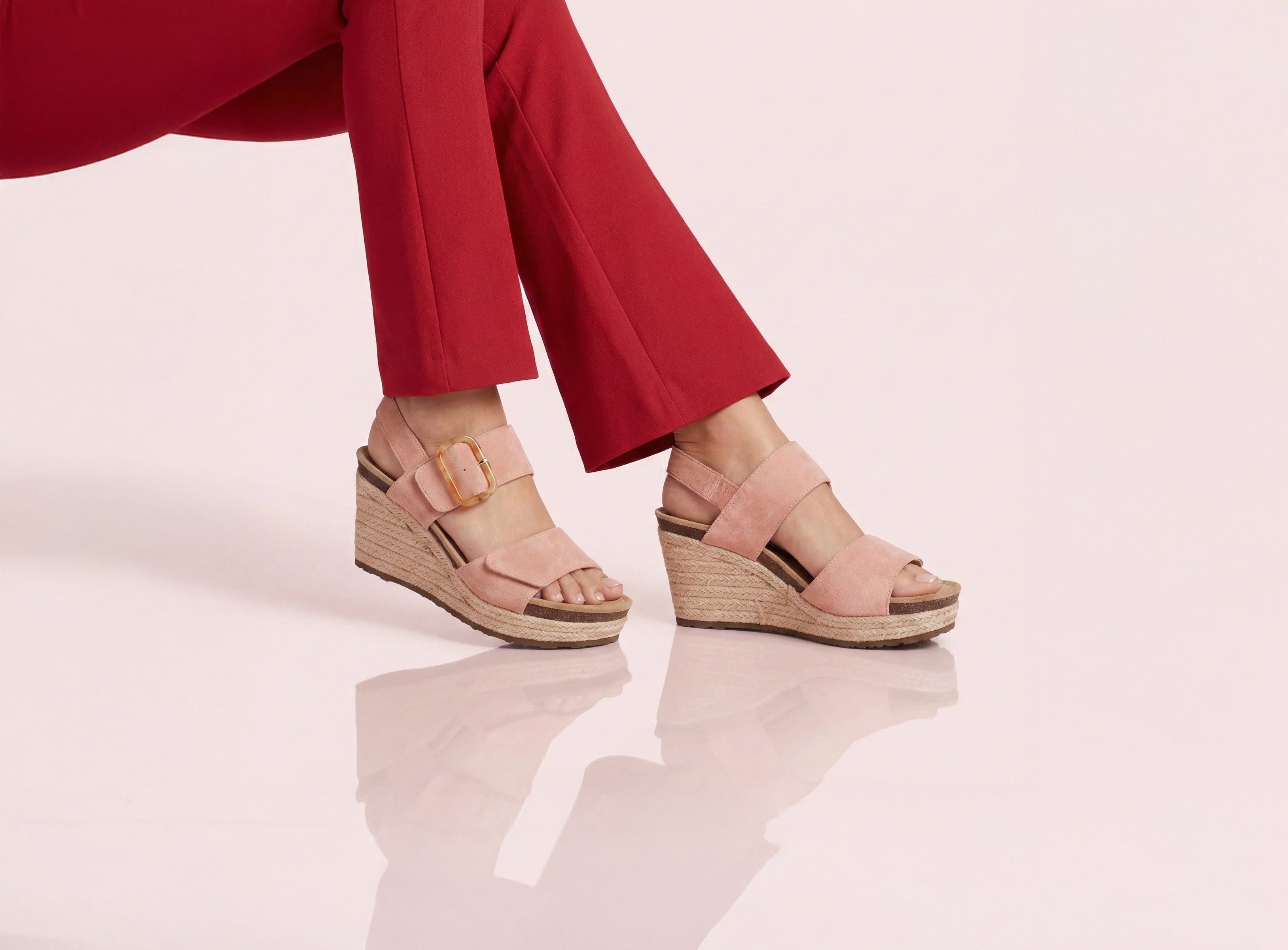
Let’s be honest: the term “bunion-friendly shoes” doesn't exactly scream fashionable. For too long, we've been told that foot comfort means sacrificing style. That myth ends now. Finding the best dress shoes for bunions is no longer about settling for something you don’t love. It’s about discovering brands like Aetrex that skillfully blend sophisticated design with smart, foot-healthy features. Think superior arch support and flexible materials in chic, modern styles. You can have elegant pumps and stylish flats that accommodate your feet perfectly. This guide will show you exactly what to look for.
Finding a dress shoe that doesn't aggravate your bunions can feel like searching for a needle in a haystack. It’s easy to get discouraged when faced with rows of stylish but painfully narrow shoes. The good news is, you don't have to choose between looking great and feeling comfortable. The secret is knowing exactly what features to look for. When you understand the key elements that make a shoe bunion-friendly, you can shop with confidence and find pairs that you’ll actually want to wear.
It’s all about creating a healthy environment for your feet. This means finding shoes that accommodate the bunion instead of pressing against it, provide overall support to prevent further strain, and are made from materials that move with you. Think of it less as a restriction and more as a filter to find the highest-quality, most comfortable shoes out there. By focusing on these specific characteristics, you can build a wardrobe of beautiful dress shoes that work for your feet, not against them.
The most important feature to look for is a roomy toe box. When your toes are crammed into a narrow or pointed shoe, it puts direct pressure on the bunion, leading to pain and irritation. You want to find a shoe that allows your toes to lie flat and spread out naturally. According to the Mayo Clinic, it's best to avoid shoes that are tight, narrow, or sharply pointed. Look for styles with a rounded or square toe shape to give your forefoot the space it needs. This simple change can make a world of difference in your daily comfort.
The material of a shoe plays a huge role in how it feels on a bunion. Stiff, synthetic materials have no give and can rub against the sensitive area, causing blisters and inflammation. Instead, opt for shoes made from soft, flexible materials that can stretch and adapt to the shape of your foot. The Bunion Institute recommends materials like soft leather, suede, or stretch-knit fabrics. These materials bend easily and reduce friction, providing gentle support without constricting the bunion. This ensures your shoes feel comfortable from the moment you put them on.
While high heels might look elegant, they can be a major source of pain for those with bunions. High heels shift your body weight forward, placing excessive pressure on the ball of your foot and the bunion itself. For all-day comfort, it's best to choose flats or shoes with a low, stable heel—ideally less than one or two inches. A supportive, cushioned sole is also key. It helps absorb shock and provides a stable base for your foot, which can reduce strain on the sensitive joint and make walking much more comfortable.
High heels create a steep angle for your feet, forcing your body weight onto the balls of your feet. This shift dramatically increases the pressure on your forefoot, which is exactly where a bunion is located. Think of it as concentrating all that force onto an already sensitive area. This is why a long day in high heels can leave you in so much pain. By choosing a heel that is under three inches—and ideally under two—you keep your foot in a more natural position. This helps to distribute your body weight more evenly across the entire foot, taking the strain off the bunion joint. You can still get a bit of lift and elegance without sacrificing your comfort. Many modern women's dress shoes now offer stylish, low-heeled designs that provide this essential balance.
Proper arch support is non-negotiable when you have bunions. Aetrex helps to provide this critical feature in all our footwear. When your arch is properly supported, your body weight is distributed more evenly across your entire foot. This takes a significant amount of pressure off the forefoot, which is where bunions form. Without adequate support, your foot can pronate (roll inward), putting even more stress on the big toe joint. Built-in arch support helps align your foot correctly, which can alleviate pain and prevent the condition from worsening.
A shoe that you can customize to your foot is always a great choice. Look for features like adjustable straps, laces, or buckles that allow you to fine-tune the fit, especially if your feet tend to swell throughout the day. Another key feature is a removable insole. This allows you to insert your own custom or over-the-counter orthotics for personalized support. Having the ability to add a supportive insert ensures you get the precise level of cushioning and alignment your feet need to stay comfortable and pain-free in any pair of dress shoes.
To find the best shoes, it helps to understand what a bunion actually is. It’s not just a bump that appears on the side of your foot; it's a progressive structural change where your big toe joint moves out of alignment. This causes the toe to lean toward the other toes, creating the characteristic bony protrusion. Because bunions develop and can worsen over time, being proactive is key. Choosing footwear that accommodates this change instead of fighting against it can make a huge difference in your daily comfort and may help slow the progression. Managing a bunion is less about a quick fix and more about making smart, consistent choices—starting with what you put on your feet every day.
Bunions typically develop through four stages, starting with a very mild change and potentially progressing to a severe deformity. In the first stage, you might notice a slight angling of your big toe, but there's usually no pain. As it moves into the second stage, the angle increases, and the bump becomes more noticeable. By the third stage, the deformity is moderate, and you may start to experience pain, especially when wearing tight shoes. The fourth and most severe stage involves a significant angling of the big toe, which can cause it to cross over or under the second toe, often leading to chronic pain and difficulty walking. Understanding these progressive stages highlights why early intervention with supportive footwear is so important.
While surgery is the only way to fully correct a bunion, there are many effective non-surgical strategies to manage symptoms and make them less noticeable. The most impactful step is wearing shoes with a wide toe box and flexible materials, which prevents irritation and redness that can make a bunion look more prominent. Aetrex Helps to provide this by designing shoes that give your forefoot ample room. Additionally, proper arch support can improve your foot's alignment, reducing pressure on the big toe joint. Some people also find relief using pads to cushion the area or toe separators to gently realign the toe. These methods can significantly manage bunions and improve your comfort.
The great thing about investing in high-quality, supportive dress shoes for bunions is that their benefits extend to a wide range of other common foot conditions. The core principles of a good bunion shoe—a roomy toe box, excellent arch support, soft materials, and a stable sole—create a healthy environment for your entire foot. This means that while you're shopping to accommodate a bunion, you're also likely choosing a shoe that will help with other issues you might be experiencing, from heel pain to toe cramping. It’s a holistic approach to foot health, ensuring that every part of your foot receives the support and comfort it needs to function properly and without pain.
If you've ever felt a sharp, stabbing pain in your heel, especially in the morning, you might be familiar with plantar fasciitis. This condition is caused by inflammation of the tissue band running along the bottom of your foot. Shoes with excellent arch support and deep heel cushioning are essential for relief. Aetrex Helps to alleviate this pain by building our signature arch support into every pair of shoes for plantar fasciitis. This support helps distribute pressure evenly across the foot, reducing the strain on the plantar fascia. The same features also provide comfort for heel spurs, which are bony protrusions that can develop as a result of long-term plantar fasciitis.
Hammer toes, where a toe bends downward at the middle joint, and Morton's neuroma, a painful condition affecting the ball of your foot, are both aggravated by cramped footwear. Just like with bunions, the key to comfort is space. A wide, deep toe box allows the toes to spread out naturally, preventing the friction that causes corns on hammer toes and relieving the nerve compression associated with Morton's neuroma. Soft, flexible materials are also crucial, as they prevent rubbing and pressure on these sensitive areas. The very same features that accommodate bunions offer significant relief for these conditions as well.
For individuals with flat feet, the lack of a defined arch can cause the foot to roll inward, leading to pain in the feet, ankles, and even knees. Supportive shoes with robust arch support are critical for maintaining proper alignment and stability. Aetrex Helps to provide this foundational support in our footwear for flat feet. Similarly, arthritis in the foot joints requires shoes that minimize stress and provide ample cushioning. A stable sole and good arch support help reduce the impact on sensitive joints, making each step more comfortable. The right shoe can make a world of difference in managing the daily pain associated with both of these conditions.
Recovering from foot surgery requires a special kind of care, and your choice of footwear is a huge part of the healing process. After a procedure, your foot is often swollen and extremely sensitive, so you need a shoe that is both accommodating and supportive. Look for styles with adjustable features, like straps or laces, that can adapt to changes in swelling. A firm, stable sole provides the security you need to walk confidently, while deep cushioning helps absorb shock and protect the healing tissues. The goal is to find a shoe that provides a safe, comfortable environment to aid recovery and prevent any setbacks.
If you have bunions, you know that shoe shopping is a completely different experience. Gone are the days of grabbing the cutest pair off the shelf without a second thought. Now, it’s a strategic mission where comfort and fit are the top priorities. Your focus shifts from what’s trendy to what won’t leave you in agony by the end of the day. It’s less about fashion and more about function.
This new approach means you develop a keen eye for specific features. You automatically skip over narrow, pointy-toed styles because you know they’ll squeeze your toes and put painful pressure on that sensitive joint. Instead, you hunt for shoes with a wide, roomy toe box that allows your toes to spread out naturally. The material of the shoe also becomes incredibly important. You’ll find yourself drawn to soft, flexible materials like stretch knits or supple leathers that can gently accommodate the shape of your foot without rubbing or causing irritation.
Most importantly, you learn that a flat, unsupportive shoe is your enemy. Proper arch support becomes a non-negotiable feature. Aetrex Helps to relieve pressure on the ball of your foot by correctly aligning your foot and distributing your weight more evenly. This crucial support can make a huge difference in your daily comfort levels. Ultimately, shopping for women's footwear with bunions is about making smart, informed choices for your foot health. It’s about finding that perfect pair that lets you walk confidently and, most importantly, pain-free.
Finding a dress shoe that doesn't aggravate your bunions can feel like a huge challenge. So many stylish options are narrow, stiff, and unforgiving. But thankfully, some brands have made it their mission to create beautiful shoes that prioritize foot health. These companies understand the specific needs of women with bunions, incorporating features like wider toe boxes, flexible materials, and crucial arch support. When you know which brands to look for, you can find a pair of dress shoes that lets you step out in confidence and comfort, without worrying about pain. Let's look at a few of the best brands leading the way in bunion-friendly footwear.
When it comes to blending technology with comfort, Aetrex stands out as a leader. Every pair of their women's footwear is designed with signature Aetrex Arch Support built right in. This isn't just a cushion; it's a system designed to properly align your body from the ground up. For bunions, this is a game-changer. Proper alignment Aetrex Helps to redistribute pressure away from the forefoot, which can ease the strain on your bunion joint. Their shoes also feature thoughtful details like roomy toe boxes to prevent squeezing and soft, premium materials that stretch and move with you. It’s this dedication to foot science that makes Aetrex a top choice for all-day comfort without compromising on style.
Living with bunions doesn't mean you have to give up on wearing beautiful dress shoes. The secret isn't avoiding dressy styles altogether, but knowing which ones will work with you, not against you. The right shoe style can make a world of difference, preventing irritation and pain while still looking polished and professional. It all comes down to finding designs that give your toes enough room to breathe and provide the support your feet need to feel great all day.
Many people think they're limited to clunky, orthopedic-looking shoes, but that’s simply not the case. From elegant flats to stable wedges, there are plenty of fashionable options available. The key features to look for are a wider toe box, soft and flexible materials, and, most importantly, proper arch support to help distribute pressure away from the sensitive bunion area. By focusing on specific styles known for their comfort-driven design, you can easily find a pair that complements your wardrobe and keeps your feet happy. Let’s explore some of the best dress shoe styles that offer both sophistication and relief.
Flats are a fantastic choice for bunions because they keep your foot level, which prevents the extra pressure on your forefoot that heels can cause. However, not all flats are created equal. Look for ballet flats and other chic styles made from soft, forgiving materials like leather or stretch-knit fabric that won't rub or constrict your bunion. The most important feature is a roomy, rounded, or square-shaped toe box. A pointed toe will only squeeze your foot and worsen the pain. Many traditional flats also lack arch support, but brands like Aetrex design their women's footwear with built-in orthotic support to help align your body and reduce pressure on your feet.
If you love a little height, you don’t have to give up on pumps entirely. The trick is to choose wisely. Opt for pumps with a lower, blockier heel, as this provides more stability and distributes your weight more evenly than a stiletto. Mary Jane styles are particularly great for bunions. The strap over the instep secures your foot, preventing it from sliding forward and cramming your toes into the front of the shoe. This simple feature makes a huge difference in comfort. As with flats, always prioritize a wider toe box and cushioned insoles. A well-designed pump can provide the lift you want without the pain you dread.
Loafers and oxfords offer a timeless, polished look that works for both the office and weekend outings. These styles are often a great match for people with bunions because they tend to have a more structured design and a naturally wider fit in the toe area. Look for loafers made from soft, supple materials that can stretch and adapt to the shape of your foot. Many loafers and oxfords also have removable insoles, which is a huge plus if you need to insert your own orthotics for personalized support. This combination of classic style and accommodating features makes them a reliable and comfortable choice for daily wear.
Wedges are the perfect compromise when you want height without the discomfort of a traditional heel. Because the sole runs the full length of the shoe, your body weight is distributed across the entire foot, rather than being concentrated on the ball of your foot. This significantly reduces pressure on the bunion joint. When shopping for wedges, look for a moderate heel height and a cushioned footbed with built-in arch support. Aetrex helps to create wedges that incorporate signature arch support, ensuring your feet are properly aligned and comfortable, even after hours of wear. This makes them an excellent option for events where you’ll be on your feet for a long time.
Slingbacks are an excellent option for women with bunions who want to maintain a fashionable look without sacrificing comfort. These shoes typically feature an open back and a strap that secures the heel, allowing for a more adjustable and secure fit. This smart design not only provides stability but also helps prevent your foot from sliding forward, which can put painful pressure on the bunion joint. By choosing the right pair, you can enjoy a chic silhouette that offers both elegance and relief, making them a versatile addition to any wardrobe.
When selecting slingbacks, prioritize styles with a roomy toe box. This is arguably the most critical feature for bunion comfort. When your toes are crammed into a narrow or pointed shoe, it puts direct pressure on the bunion, leading to pain and irritation. A spacious toe area allows your toes to lie flat and spread out naturally, which is essential for preventing discomfort. Look for styles with a rounded or square toe that gives your forefoot the space it needs to feel comfortable all day long.
Additionally, opt for slingbacks made from soft, flexible materials. Stiff, unyielding fabrics can rub against the bunion, causing friction and inflammation. Instead, look for options crafted from premium soft leather, suede, or stretch-knit fabrics that can adapt to the unique shape of your foot. These materials bend easily and reduce friction, providing gentle support without constricting the bunion. This ensures your shoes feel like a second skin from the moment you put them on, rather than something you have to break in.
Finally, never overlook the importance of built-in arch support. Proper arch support is crucial for redistributing your body weight away from the sensitive bunion joint, which can alleviate pain and prevent further issues. When your arch is properly supported, your body weight is distributed more evenly across your entire foot. Aetrex helps to provide this essential support in our footwear, ensuring your foot is correctly aligned and cushioned. By focusing on these key features, you can find stylish slingbacks that not only enhance your wardrobe but also provide the comfort your feet deserve.
Finding a dress shoe that accommodates bunions without sacrificing style can feel like a huge challenge. But once you know what to look for, you can shop with confidence. The key is to prioritize comfort and support from the moment you try on a pair. A great fit means your feet feel supported and comfortable, not squeezed or pinched, even after hours of wear. It’s about finding a shoe that works with your foot’s unique shape, not against it. This means paying close attention to details like the toe box shape, the material, and the level of support under your arch. Let's walk through the practical steps, green flags, and red flags to keep in mind so you can find your next favorite pair.
Your shoe shopping strategy can make all the difference. First, it's a great idea to get your feet professionally measured, as foot size and shape can change over time. Aetrex’s advanced scanning technology can give you a precise 3D measurement of your feet, including your arch type, to guide your choices. Try to shop for shoes in the afternoon, since feet naturally swell throughout the day. This ensures a shoe that feels good in the morning won't be too tight by evening. Always try on shoes with the same type of socks or hosiery you plan to wear with them. Most importantly, walk around the store. There should be about a half-inch of space between your longest toe and the shoe's end.
Even with careful shopping, you might find a pair of shoes that are just a little too snug. Before you return them, there are a few simple at-home methods you can try for a bit of extra room. One popular technique involves heat: put on a pair of thick socks, squeeze into the shoes, and use a blow dryer to warm the tight spots for about 30 seconds. Walk around in the shoes as they cool to help the material mold to your feet. Another option is the freezing method. Fill a zip-top bag a quarter full with water, place it securely inside the shoe’s toe box, and leave it in the freezer overnight. As the water freezes and expands, it will gently stretch the shoe. These tricks are great for minor adjustments, but remember, the best foundation is always a shoe that fits well from the start.
When you slip on a pair of shoes, your feet should feel immediately comfortable. A major green flag is a roomy toe box that allows your toes to spread out naturally, rather than being crammed into a narrow or pointy shape. Look for shoes made from soft, flexible materials like leather, suede, or stretch-knit fabrics that won't rub or irritate your bunion. The sole is just as important. Choose shoes with low heels—less than an inch is ideal—and excellent cushioning. The best shoes will also have strong arch support built-in, which Aetrex helps to provide by properly aligning your feet and taking pressure off the ball of the foot where bunions often cause pain.
Knowing when to say "no" to a shoe is just as crucial. Immediately walk away from anything that feels tight, narrow, or pinches anywhere, especially around the bunion. High heels are a common culprit, as they force your weight onto the front of your foot, increasing pressure and pain. Similarly, completely flat shoes like unsupportive sandals or flip-flops often lack the necessary arch support and can worsen discomfort over time. If you try on a shoe and feel any new or sharp pain, it's not the one for you. And remember, if your current shoes have worn-out soles or flattened cushioning, it's a clear sign that it's time for a replacement.
Shopping for dress shoes when you have bunions can feel like a treasure hunt, but knowing what to look for makes all the difference. Instead of focusing on what you can't wear, let's create a checklist of features that will lead you to your perfect pair. Think of this as your guide to finding shoes that not only look great but feel incredible from the moment you slip them on. When a shoe checks all these boxes, you can feel confident that you’re making a smart investment in your comfort and foot health.
The ultimate goal is to find a shoe that you can wear for hours without a second thought about your feet. Look for designs with strategic padding around the bunion area and a seamless interior lining to prevent rubbing and irritation. Shoes with a slightly rounded or oblique toe shape, rather than a pointy one, give your forefoot the space it needs. Aetrex helps to provide this relief by engineering women's footwear with thoughtful features that reduce pressure on sensitive spots, allowing you to get through your day pain-free.
Great cushioning is non-negotiable. It acts as a shock absorber, protecting your joints from the impact of every step. Look for shoes with memory foam footbeds or other high-quality cushioning materials that contour to the shape of your foot. This not only provides a plush feel but also helps distribute your weight more evenly, taking the pressure off the ball of your foot and your bunion. The right orthotics can also add a layer of superior cushioning and support to any shoe, transforming its fit and feel.
The material of a shoe plays a huge role in its comfort, especially when dealing with bunions. Stiff, synthetic materials can trap heat and cause friction, leading to blisters and discomfort. Instead, opt for shoes made from soft, high-quality materials like full-grain leather, soft suede, or engineered mesh. These materials are naturally more flexible and breathable, allowing them to mold to your foot's unique shape while keeping your feet cool and dry. This simple switch in materials can make a world of difference in your daily comfort.
One of the best innovations in bunion-friendly footwear is the use of stretch materials. Many modern dress shoes now incorporate strategically placed stretch panels, often right over the bunion area. This brilliant design feature allows the shoe to expand and accommodate your bunion without squeezing or constricting it. It provides a custom-like fit that adapts to your foot throughout the day, which is especially helpful if you experience swelling. This ensures the shoe feels snug and secure without ever feeling painfully tight.
When you’re dealing with bunions, shoe shopping can feel like a lonely and frustrating experience. That’s why hearing from other women who’ve walked a mile (or many!) in your shoes is so valuable. Reading reviews and testimonials can be the difference between another disappointing purchase and finding your new favorite pair. It’s one thing for a brand to tell you their shoes are comfortable; it’s another to hear it directly from someone who understands the daily reality of bunion pain.
Across the board, women are looking for the same key things in a dress shoe: genuine comfort that lasts all day, effective pain relief, a style that doesn’t scream “orthopedic,” and quality that makes the investment worthwhile. The feedback often highlights specific features that make a real difference, like a shoe’s ability to accommodate a bunion without squeezing or rubbing. Many reviews express a sense of relief and gratitude for finally finding a shoe that allows them to attend events, go to work, or enjoy a night out without thinking about their feet. These firsthand accounts are a powerful guide, helping you identify which shoes truly deliver on their promises of comfort and style.
When you read reviews for bunion-friendly dress shoes, you’ll notice a few key comfort features mentioned again and again. Women consistently praise shoes with ample cushioning that absorbs shock and reduces pressure on the ball of the foot. Another frequently celebrated feature is built-in arch support. Aetrex Helps to provide exceptional comfort with its signature
The ultimate goal of a bunion-friendly dress shoe is to reduce pain, and customer reviews are the best place to see if a shoe delivers. Many women share stories of how the right pair of shoes has dramatically improved their quality of life. A roomy, wide toe box is the most critical feature mentioned for pain relief, as it eliminates friction and pressure on the sensitive bunion area. As one reviewer noted, being able to wiggle your toes is a game-changer. Effective arch support is also essential, as it helps to properly distribute weight across the foot, taking the strain off the big toe joint and providing relief from conditions like plantar fasciitis.
For a long time, finding a shoe that could accommodate a bunion meant sacrificing style. Thankfully, that’s no longer the case, and customer reviews reflect this positive shift. Women are thrilled to find stylish dress shoes that don’t look like they were designed for a medical condition. Reviewers often express their delight in finding elegant pumps, chic flats, and modern loafers that they are proud to wear. They appreciate thoughtful design details, quality materials like soft leather and suede, and a range of colors that go beyond basic black. The ability to find a shoe that feels good and complements a professional or formal outfit is a recurring theme in positive feedback.
Investing in a quality pair of dress shoes is important, especially when you need them to provide consistent support. Customer reviews often provide valuable insights into how well a shoe holds up over time. Positive feedback frequently mentions the quality of the materials and construction, noting that the shoes maintain their shape and support even with regular wear. Features like stretchable fabrics that don’t wear out and durable soles that provide lasting traction are often highlighted. When customers report that their shoes still look and feel great after months or even years of use, it’s a strong indicator that you’re making a wise investment in your foot health and comfort.
Finding the perfect dress shoe when you have bunions can feel like a quest, but knowing where to look makes all the difference. The right retailers offer more than just shoes; they provide expertise, thoughtful designs, and features that prioritize your comfort. Whether you prefer the convenience of online shopping or the hands-on help of a specialty store, there are fantastic options available. By focusing your search on brands and stores that specialize in foot wellness, you can find stylish dress shoes that accommodate bunions without sacrificing your comfort. It’s all about shopping smarter, not harder, and choosing retailers who understand the unique needs of your feet.
Shopping for shoes online can be incredibly convenient, especially when you know which brands to trust. Aetrex is a great place to start, as our entire collection of women's footwear is designed with foot health in mind. Each product page details the specific comfort features, like our signature arch support that Aetrex helps to properly align your feet and relieve pressure. Other online brands like Sole Bliss also focus on creating fashionable shoes with bunion-friendly features. When browsing, look for clear return policies and detailed customer reviews, which can give you real-world insight into how a shoe fits and feels. This way, you can click "add to cart" with peace of mind.
For a truly personalized experience, nothing beats visiting a specialty shoe store. An in-person fitting allows you to try on different styles and get expert advice. Many retailers carry Aetrex and even feature our advanced foot scanners, which map your pressure points and arch type in seconds to recommend the perfect shoe and orthotic for your specific needs. Stores like The Walking Company also have knowledgeable staff who can guide you toward options with padded interiors and supportive designs. Getting a professional opinion can take the guesswork out of shoe shopping and ensure you walk out with a pair that feels as good as it looks.
Investing in high-quality, bunion-friendly dress shoes is an investment in your daily comfort, but that doesn't mean you can't find a great deal. Subscribing to email newsletters from your favorite comfort brands is a simple way to get alerts about upcoming promotions and exclusive discounts. This is the perfect opportunity to purchase a premium pair of shoes that feature everything you need—like a roomy toe box, soft materials, and excellent arch support—at a more accessible price point. Retailers that specialize in comfort footwear often run seasonal sales, making it easier to build a collection of shoes that will keep your feet happy for any occasion.
When you see a higher price tag on a pair of bunion-friendly shoes, it’s natural to wonder if they’re truly worth the investment. The short answer is a resounding yes. Think of it less as a splurge and more as an investment in your daily comfort and long-term foot health. While a standard shoe might look fine on the shelf, it often lacks the specific design considerations needed to accommodate bunions, leading to friction, pressure, and pain.
So, what exactly are you paying for? It comes down to thoughtful design and superior materials. Premium bunion-friendly shoes are built differently from the ground up. Aetrex, for example, focuses on combining style with technology-driven comfort, so you never have to choose between looking good and feeling good. These shoes typically feature a wider toe box that eliminates rubbing, soft and stretchable materials that conform to your foot’s unique shape, and significant cushioning to absorb impact. Most importantly, they include built-in arch support, a feature that Aetrex helps to properly align your foot and relieve pressure on the big toe joint.
Ultimately, investing in a quality pair of shoes is about proactive care. Cheaper shoes can worsen bunion pain and even contribute to other foot problems over time. A well-constructed, supportive dress shoe helps to reduce daily discomfort and allows you to stay on your feet longer without pain. When you choose shoes designed for your needs, you’re buying more than just footwear; you’re buying freedom from pain and the confidence to go about your day comfortably. You can explore a wide range of supportive women's footwear that prioritizes both health and style.
Can I still wear heels if I have bunions? You don't have to give up heels entirely, but you do need to be selective. The key is to avoid high, spiky stilettos that force all your weight onto the ball of your foot. Instead, look for pumps with a low, stable block heel—ideally under two inches. A wider heel provides a better foundation and distributes pressure more evenly. Styles like Mary Janes are also a great choice because the strap helps secure your foot, preventing it from sliding forward and crushing your toes.
What is the single most important feature to look for in a bunion-friendly shoe? If you have to prioritize one thing, make it a roomy toe box. A shoe that is wide and deep enough in the forefoot to allow your toes to lie flat and spread out is absolutely essential. This prevents direct pressure and friction on the bunion joint, which is the primary source of pain. While features like arch support and soft materials are also critical for overall comfort, a spacious toe box is the non-negotiable foundation of a truly bunion-friendly shoe.
Is the arch support built into shoes like Aetrex enough, or do I also need separate orthotics? For many people, the signature arch support built directly into Aetrex footwear is more than enough to provide significant relief. This support is designed to properly align your foot, which helps redistribute pressure away from the sensitive forefoot area. However, if you have specific needs or require a more customized level of support, look for shoes with removable insoles. This feature gives you the flexibility to insert your own orthotics when necessary.
Will wearing the right shoes make my bunions go away? It's important to have realistic expectations. Bunions are a structural change in your foot, and the right footwear won't make them disappear. The goal of a well-designed, bunion-friendly shoe is to provide relief and prevent the condition from getting worse. Aetrex helps to alleviate the pain associated with bunions by reducing pressure on the joint, supporting proper alignment, and creating a comfortable environment for your foot. This allows you to walk and stand for longer periods without discomfort.
How can I tell if a shoe is a good fit if I'm buying it online? Shopping for shoes online can feel tricky, but you can do it confidently with a little strategy. Start by carefully reading customer reviews, as they often provide real-world feedback on whether a shoe runs narrow, wide, or true to size. Also, make sure to check the brand's return policy so you have a backup plan. Brands that specialize in comfort, like Aetrex, provide detailed product descriptions that highlight specific features like arch support and cushioning, giving you a better idea of how the shoe will feel.
Share:
The Complete Guide to Dress Shoes for Bunions
The Ultimate Guide to Insoles for Flat Feet