

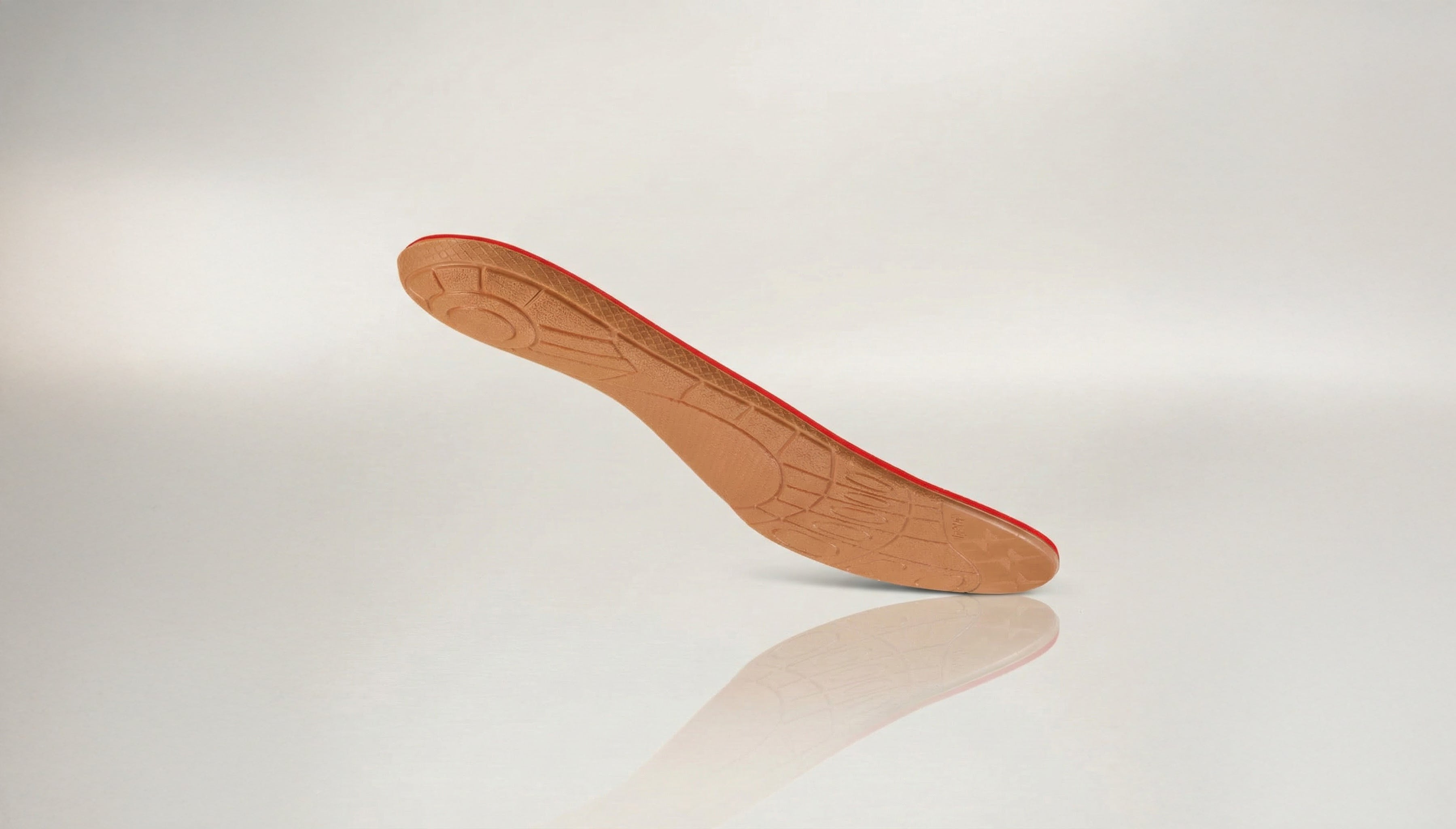
The discomfort from flat feet can quietly impact your entire day, making you think twice about taking a long walk, standing at a concert, or keeping up with your kids. But you don’t have to let foot pain dictate your life. The right pair of insoles provides the foundational support your body is missing, helping to improve alignment and reduce strain from the ground up. We'll cover how the best insoles for flat feet work to relieve discomfort and what features are non-negotiable for proper support, so you can get back to feeling active and comfortable.
Let's start with the basics. Flat feet, sometimes called fallen arches, simply mean your feet have little to no arch. When you stand up, you might notice that the entire sole of your foot touches the ground. For many people, this is just how their feet are built, and it doesn't cause any issues. But for others, flat feet can lead to tired, achy feet, ankle swelling, and even discomfort that travels up to the knees and lower back. This happens because the arch plays a crucial role in how your body handles impact with every step.
Think of your arches as your body's natural shock absorbers. They're designed to distribute your body weight evenly and help you adapt to different surfaces as you walk. When those arches are low or non-existent, your feet can roll inward (a motion called overpronation), which can throw your body's alignment out of whack. This misalignment is often the root cause of the pain associated with flat feet. It puts extra strain not just on your feet, but on your entire body.
This is where proper support comes in. The right insoles or supportive footwear can make a world of difference. By providing the arch support your feet are missing, they help realign your foot to a more natural position. This simple change can reduce strain, improve your overall body alignment, and relieve that nagging discomfort. Aetrex helps to provide this crucial alignment and cushioning with a range of footwear for flat feet and orthotics designed to support your unique arch type. It’s not about changing your foot structure—which is usually permanent in adults—but about giving it the foundation it needs to feel and function its best.
It might surprise you to learn that not all flat feet are created equal. The term is a bit of a catch-all, but there are a couple of key distinctions that can influence how you feel and what kind of support you might need. Understanding whether your feet are flexible or rigid can give you a better idea of what’s happening with your arches and why some days might feel more uncomfortable than others. This knowledge is the first step toward finding the right solution to keep you moving comfortably and confidently.
Flexible flat feet are the most common type you’ll encounter. If you have this type, you’ll notice an arch when you’re sitting down or have your feet up, but the moment you stand and put weight on them, that arch seems to vanish. For many, this doesn’t cause any pain at all. However, for others, the lack of support during movement can lead to tired, achy feet by the end of the day. Even if you aren't experiencing discomfort, providing consistent support with a good insole can help prevent future strain on your joints.
Less common are rigid flat feet, where there is no visible arch whether you are sitting or standing. The foot remains flat regardless of whether it's bearing weight. This condition can sometimes be associated with more significant discomfort or stiffness in the feet. Because the foot structure is less adaptable, finding the right support is especially important to help manage pressure and reduce strain. If you suspect you have rigid flat feet and are experiencing persistent pain, it's always a good idea to consult with a healthcare professional for guidance.
Curious about your own arches? There’s a simple way to get a general idea right at home. The "wet test" is a classic for a reason. Just get the soles of your feet wet and step onto a flat surface where you can see your footprint, like a piece of cardboard or a dark tile floor. If you see the entire outline of your foot—from heel to toe—it’s a good indicator that you have low arches or flat feet. A foot with a typical arch will leave a print with a noticeable curve inward where the arch lifts off the ground.
While the wet test is a great starting point, it doesn’t tell the whole story about your pressure points or specific needs. For a much more detailed and accurate picture of your foot health, technology can provide deeper insights. For instance, Aetrex’s foot scanning technology can precisely map your pressure points and identify your unique arch type in just a few seconds. This kind of data helps you find the perfect orthotic or shoe, ensuring support is delivered exactly where your body needs it most for optimal alignment and comfort.
One of the most frequent questions people ask is how exactly insoles or orthotics can help with flat feet. It’s a common misconception that they are meant to artificially create an arch. Instead, their primary job is to provide support and stability where your natural arch would be. Think of it as giving your foot a stable foundation to stand on. This support helps to control overpronation—that inward rolling motion of the foot—which is a major source of strain for people with flat feet. By properly aligning your foot, you also improve the alignment of your entire body, from your ankles and knees all the way up to your hips and back.
High-quality orthotics do more than just support the arch. They also provide crucial cushioning and help redistribute pressure evenly across the entire foot, rather than letting it all concentrate on the heel and ball of the foot. This not only helps to relieve immediate discomfort but can also reduce the risk of overuse injuries over time. Aetrex helps to accomplish this with orthotics that feature our signature Cobra-shaped arch support for stability and premium memory foam for cushioning. If you're unsure where to start, you can use an orthotic finder to identify the best option for your specific needs and lifestyle.
Shopping for insoles can feel a bit overwhelming. With so many options on the shelf, how do you know which one will actually help your flat feet? It’s not about finding the softest, most pillow-like insert. For flat feet, the goal is to find an insole that provides structure and alignment where your foot needs it most. The right insole creates a supportive foundation inside your shoe, which can make a world of difference in your daily comfort.
When you have flat feet, your arch collapses when you stand or walk, which can lead to strain on your feet, ankles, and even your knees and back. A good insole helps to counteract this by supporting your arch and realigning your foot. Instead of just adding a layer of cushion, it should guide your foot into a more natural position. To find the perfect match, you’ll want to look for a few specific features that are designed to address the unique challenges of flat feet.
When you have flat feet, it’s tempting to reach for the squishiest insole you can find, but what your feet really need is firm, structured support. Soft, flimsy inserts might feel good for a moment, but they’ll flatten out quickly and won’t do anything to support your arch. Look for an insole with a supportive arch that won’t collapse under pressure. This structure is what helps to prevent your foot from rolling inward (overpronation) and provides relief from the strain that causes foot pain. Aetrex orthotics are designed with signature arch support to provide this essential structure and help improve your body’s alignment from the ground up.
Proper alignment starts with your heel. A deep, structured heel cup is a non-negotiable feature in an insole for flat feet. It works by cradling your heel’s natural fat pad, which maximizes shock absorption and helps to stabilize your entire foot. This stability is key to controlling overpronation, where the foot and ankle roll excessively inward. By keeping your heel securely in place, a deep heel cup helps to align your foot with every step, reducing stress on your ankles, knees, and hips. It creates a solid foundation that allows the arch support to do its job more effectively.
While firm support is the priority, cushioning still plays a vital role in comfort—as long as it’s in the right places. The best insoles for flat feet use premium cushioning materials, like memory foam, to absorb shock in high-impact areas such as the heel and the ball of the foot. This isn't just about softness; it's about targeted relief. The cushioning should work together with the firm arch support, not replace it. This combination ensures your feet are both supported and comfortable, whether you’re standing all day at work or going for a long walk.
An insole is only as good as the materials it’s made from. Low-quality inserts can lose their shape and support in just a few weeks of wear. Opt for insoles made from high-quality, resilient materials that can withstand daily use without flattening out. Additionally, look for breathable top covers with anti-microbial properties. These features help to keep your feet cool, dry, and healthy by reducing heat, moisture, and odor-causing bacteria inside your shoes. Investing in a well-made insole means you’ll get consistent support and comfort for much longer.
When it comes to managing flat feet, podiatrists consistently recommend structure over softness. They emphasize that the best insoles feature a firm, supportive arch that helps to prevent your foot from rolling inward, a motion known as overpronation that can cause strain throughout your body. A soft, cushioned insert might feel comfortable initially, but it lacks the structural integrity to provide true alignment. Another non-negotiable feature is a deep, stabilizing heel cup. This design cradles your heel’s natural padding to improve shock absorption and provides a solid foundation for your entire foot. Aetrex helps to deliver on these expert recommendations by engineering our orthotics with signature arch support and a deep heel cup, giving your feet the stability and alignment they need.
A perfect fit is crucial for an insole to be effective. An insert that’s too long will bunch up in your shoe, while one that’s too short won’t provide support where you need it. More importantly, the arch of the insole should align perfectly with the arch of your foot. Since every foot is unique, a one-size-fits-all approach rarely works. That’s why finding your precise foot measurements is so important. Using a tool like an Aetrex foot scanner can give you detailed information about your foot length, width, and arch type, helping you find the ideal orthotic for your specific needs.
When you have flat feet, your entire arch makes contact with the ground with every step. This can lead to tired, achy feet and even pain that radiates up your legs and back. It’s a chain reaction that starts from the ground up. Insoles work by stepping in to provide the support your arches are missing. Think of them less as simple cushions and more as a support system for your feet. The right insole offers firm, structural support that lifts your arch into a more ideal position, which is the first step toward all-day comfort.
This added support does more than just help your feet feel better; it helps your entire body. By providing a stable base and proper arch support, Aetrex Helps to improve your foot alignment. This simple correction can create a positive ripple effect, promoting better alignment in your ankles, knees, and hips. When your foundation is properly supported, it can reduce the strain on your entire body, helping to ease the discomfort that often comes with flat feet.
Another key role of an insole is to redistribute pressure evenly across your foot. With flat feet, certain areas can take on more impact than they’re meant to, leading to sore spots and pain. A well-designed insole spreads that pressure out, so no single part of your foot is taking all the strain. This redistribution is crucial for reducing fatigue and preventing pain, especially if you spend a lot of time on your feet. Aetrex orthotics are specifically designed with this in mind, combining arch support with superior cushioning to deliver targeted relief where you need it most.
Overpronation is the technical term for when your foot rolls too far inward as you walk, a common side effect of having flat feet. This motion can throw your entire body out of alignment. The right insole works to gently guide your foot back to a more neutral position. It’s not about adding a soft cushion, but about providing firm, structural support that lifts your arch where it has collapsed. This strategic support helps to control that inward roll, creating a more stable and efficient stride from the moment your heel hits the ground. Aetrex orthotics for flat feet are specifically engineered to provide this kind of structural alignment, helping to reduce the strain caused by overpronation.
The benefits of proper foot support extend far beyond just your feet. When your feet aren't properly aligned, it can set off a chain reaction of stress on your joints. That nagging knee pain or hip discomfort could actually be starting from the ground up. By providing a stable base and the right arch support, Aetrex helps to improve your foot alignment. This simple correction can create a positive ripple effect, promoting better alignment in your ankles, knees, and hips. Supporting your arches can be a key step in finding relief for conditions like plantar fasciitis and reducing the general aches that come from a misaligned foundation.
Think of quality insoles as a proactive tool for your daily wellness, not just a solution for existing pain. When you have flat feet, certain parts of your foot take on more impact than they're designed to handle, which can lead to sore spots and overuse injuries over time. A well-designed insole helps to redistribute that pressure more evenly across the entire surface of your foot, so no single area is taking all the strain. This redistribution is crucial for reducing fatigue and preventing pain, especially if you have a job that keeps you standing or an active lifestyle. By providing consistent support, Aetrex orthotics help protect your feet from the daily grind.
Choosing the right insole isn’t just about your foot type; it’s about your life. The support you need when you’re running errands is different from what you need during a high-impact workout or a long day on your feet at work. The goal is to find an insole that seamlessly integrates into your daily routine, providing comfort and support without you having to think about it. Think of it as building a support system for your feet that matches your energy and activity level.
Whether you’re a weekend warrior, a busy parent, or someone who spends hours standing, there’s an insole designed for you. Understanding how your activities impact your feet is the first step toward finding lasting relief and comfort. Let’s walk through how to match an insole to your specific needs, so you can keep moving with confidence and ease.
When you start looking for insoles, you’ll see two main categories: over-the-counter (OTC) and custom-molded. Custom orthotics are prescribed by a podiatrist and created from a mold of your feet. They offer precise, corrective support but come with a higher price tag and a longer waiting period.
On the other hand, high-quality OTC orthotics, like those from Aetrex, provide an incredible combination of support, cushioning, and accessibility. Aetrex helps to deliver immediate comfort by using premium materials and thoughtful design based on immense amounts of foot data. Our foot scanning technology can even help you find the perfect OTC orthotic for your unique feet, giving you a personalized fit without the cost and wait of custom options.
The journey to getting custom orthotics typically starts with a visit to a podiatrist. The process involves a detailed assessment where a specialist analyzes your gait and foot structure. To create a truly personalized device, they'll take a mold or, more commonly now, a digital scan of your feet to capture every unique contour. These measurements are then used to craft an orthotic meticulously designed to address your specific biomechanical needs. While this route offers a high degree of personalization, it often requires multiple appointments and a waiting period for the orthotics to be made.
For many, a more accessible path offers similar benefits without the clinical process. Aetrex provides a modern alternative with its advanced foot scanning technology, available in many retail locations. In just a few seconds, these scanners map your pressure points and identify your precise arch type. This data gives you a comprehensive look at your foot’s unique characteristics and instantly matches you with the ideal Aetrex orthotic. This approach gives you a data-backed, personalized recommendation, allowing you to walk out with the right support the very same day.
One of the biggest considerations with custom orthotics is the investment. Because they are prescribed medical devices tailored to your feet, they can be quite expensive, often ranging from $200 to $800. While some insurance plans may cover a portion of the cost, it's a significant out-of-pocket expense for most people. In terms of durability, custom orthotics are built to last, but they aren’t permanent. Depending on the materials and how much you use them, you can typically expect them to maintain their supportive structure for one to three years before needing a replacement.
This is where high-quality, over-the-counter options provide a compelling balance of performance and value. Aetrex orthotics are engineered with premium, shock-absorbing materials and signature arch support that rivals the comfort of many custom-made devices, but at a far more accessible price point. They are designed to withstand the demands of daily life, providing consistent support and cushioning that lasts. This makes them an excellent choice for anyone seeking effective, long-term relief without the high cost and lengthy process associated with custom orthotics.
For the daily grind—walking the dog, grocery shopping, or standing at your desk—you need an insole that provides consistent, reliable support. Look for an option with firm arch support to properly align your feet and a deep heel cup to cradle your foot and add stability. This structure helps to reduce the strain on your plantar fascia and prevent your arch from collapsing as you move through your day. Aetrex offers a wide range of orthotics designed for everyday comfort, combining our signature arch support with premium cushioning to make every step feel better than the last.
When you’re active, your feet are under a lot more stress. Running, jumping, and quick lateral movements require an insole that can handle the impact and provide serious stability. For workouts and sports, prioritize insoles with excellent shock absorption to protect your joints and a design that stabilizes your heel to control motion. This helps prevent your foot from rolling inward (overpronation), a common issue for people with flat feet. Breathable, moisture-wicking materials are also a must to keep your feet cool and dry. An athletic insole should feel like a supportive, durable part of your gear.
One of the biggest frustrations with insoles is finding ones that fit into all your different shoes. A bulky orthotic that feels great in your running sneakers might not work in your favorite boots or casual loafers. The key is to look for versatile, low-profile designs that can easily be moved from one pair to another. Aetrex makes this simple with our Orthotic Finder, which helps you select an insole based on the type of shoe you want to wear. This way, you never have to choose between your favorite style and the support your feet need.
Just as no two people are exactly alike, no two pairs of feet are either. Sometimes, a standard over-the-counter insole might not be enough to address your unique needs. Factors like foot width, body weight, and the specific shape of your arch can all influence what kind of support will feel best. If you've tried standard insoles and still feel like something is missing, it might be time to look at options designed for more specific requirements. Finding the right match is about understanding your body and seeking out a solution that’s built for you, not for the average person.
If you have wide feet, you know the struggle of finding shoes that fit comfortably, and the same challenge applies to insoles. Squeezing a wide foot onto a standard-width insole can cause discomfort, pinching, and improper alignment, defeating the purpose of wearing one in the first place. For true comfort, the insole needs to match the width of your foot. Some orthotics are specifically designed for wider foot widths, from 3E to 6E, ensuring your entire foot is supported. The best way to find your perfect fit is to get an accurate measurement. An Aetrex foot scan can provide precise details about your foot length and width, helping you choose an orthotic that provides edge-to-edge support.
Your body weight directly impacts the amount of force your feet absorb with every step. For those who are heavier, standard insoles can compress too quickly, losing their supportive qualities and failing to provide lasting relief. It’s essential to find an insole built with durable, resilient materials that can withstand increased pressure without breaking down. Some insoles are specifically constructed for people weighing 260 pounds or more, using high-density foams and reinforced structures to help distribute pressure evenly. Aetrex orthotics are crafted with premium, shock-absorbing materials designed for durability, providing the robust support needed to stay comfortable all day long.
For those seeking a more personalized fit, heat-moldable insoles offer a middle ground between standard inserts and expensive custom orthotics. These insoles can be heated in an oven and then molded to the unique contours of your feet as they cool, creating a tailored shape. While this can enhance comfort, it’s a hands-on process that requires careful execution. Aetrex offers a more advanced approach to personalization. By leveraging data from millions of foot scans, our Orthotic Finder can recommend the ideal orthotic for your specific arch type and footwear preference, giving you a data-backed, personalized fit without the DIY hassle.
Finding the right insole can feel like a huge task, but I'm here to break it down for you. We've looked at some of the top options available to help you find the perfect match for your feet and your lifestyle. Whether you're looking for the most advanced support system, a budget-friendly option for daily wear, or something durable enough for your workouts, there's an insole out there for you. The key is to match the insole's features—like arch support, cushioning, and stability—to your specific needs. Let's explore some of the best choices to help you get back on your feet comfortably and find the best footwear for flat feet.
When it comes to providing comprehensive support for flat feet, Aetrex stands in a class of its own. Aetrex Orthotics are thoughtfully designed with features that directly address the challenges of flat feet. The signature arch support helps to properly align your body from the ground up. Aetrex Helps to provide exceptional comfort with superior shock absorption to reduce stress on your feet and joints with every step. Plus, features like medial posting help stabilize your foot, which can reduce the strain on your arches and prevent overpronation. This combination of comfort and corrective support makes Aetrex a top-tier choice for all-day relief.
If you're just starting your journey with insoles or need a cost-effective solution, there are some great options available. Brands you can find at your local pharmacy often offer insoles specifically for flat feet that provide essential support without a big investment. While they may not have the advanced materials or customized feel of premium orthotics, they can still make a noticeable difference in your daily comfort. These are a good way to experience the benefits of added arch support and cushioning, making them a practical choice for everyday shoes.
For those dealing with more significant discomfort or who are ready to invest in long-term foot health, premium insoles are worth considering. Certain brands focus on highly durable, customizable insoles that offer a more tailored fit. Their designs often feature firm arch support that helps to stabilize the foot and can relieve strain on your knees and hips, not just your feet. Investing in a premium insole often means you're getting higher-quality materials and a more biomechanically precise design, which can provide more targeted relief for persistent foot issues.
When you're running, hiking, or playing sports, your feet are under a lot more stress. That's why active individuals need insoles designed to handle high impact. Options from specialty athletic brands are engineered specifically for these activities. They typically offer excellent shock absorption to protect your joints and a deep, structured heel cup to keep your foot stable during quick movements. These athletic insoles are built with durable, moisture-wicking materials to keep your feet comfortable and supported, whether you're hitting the pavement or the trail.
Finding the right insole can feel like a guessing game, but it doesn’t have to be. When you have flat feet, the goal is to find an insole that provides structure and stability, not just a soft, squishy layer of foam. While cushioning feels nice at first, it’s the firm, contoured support that Aetrex helps to provide for long-lasting comfort and alignment. Look for an insole with strong arch support to prevent your foot from rolling inward and a deep heel cup to keep your foot securely in place with every step.
The most effective way to find your perfect match is to understand your unique foot profile. Aetrex makes this simple with advanced technology designed to map your feet. You can get a personalized recommendation in minutes by using the online Orthotic Finder quiz from the comfort of your home. For an even more precise analysis, our state-of-the-art foot scanners are available at various retail locations. This technology identifies your specific arch type and pressure points, ensuring the orthotic you choose is perfectly suited to your needs.
Once you know what your feet need, you can explore different orthotics designed for your lifestyle. Whether you need support for your running shoes, work boots, or everyday flats, the right insole should be durable and compatible with your favorite footwear. By focusing on structured support and a personalized fit, you can confidently choose an insole that will make a real difference in your daily comfort.
Let's clear the air about flat feet and insoles. There's a lot of chatter out there, and it can be tough to separate fact from fiction. You might have heard that flat feet are always a problem or that insoles are a last resort for severe pain. The truth is, many common beliefs about foot support are outdated or just plain wrong. Understanding the reality can help you make smarter choices for your foot health and find the comfort you deserve. Let's walk through some of the biggest myths and set the record straight.
It's a common misconception that having flat feet automatically means you're destined for foot trouble. The reality is, many people with flat feet live completely pain-free lives. A flat foot isn't inherently a "bad" foot. Problems usually arise when flat feet lead to overpronation, where your ankle rolls too far downward and inward with each step. This can strain your muscles and ligaments, causing discomfort up through your knees and back. The goal isn't to "correct" the arch but to provide support that properly aligns your body and reduces that strain. Aetrex helps to achieve this with footwear designed specifically to support flat feet, focusing on stability and alignment.
This is a big one. Many people think of insoles or orthotics as something you only turn to when you're already in pain. While they are incredibly effective for alleviating discomfort from conditions like plantar fasciitis or metatarsalgia, their benefits are much broader. Think of insoles as a proactive step for your foot health. They provide foundational support that can prevent issues from developing in the first place by distributing pressure evenly and cushioning your feet. It's not just about addressing pain; it's about adding comfort and support to your daily life, whether you're standing at work or going for a walk.
The idea that you need surgery to deal with flat feet is often a huge source of anxiety, but for most people, it's simply not true. Surgery is typically reserved for very severe cases or when there's a structural issue like a torn tendon. For the vast majority of individuals, non-invasive solutions are highly effective. The right pair of supportive shoes and quality orthotics can make a world of difference. Aetrex helps to manage discomfort and improve alignment without the need for drastic measures, offering a practical and accessible path to relief that you can feel with every step.
Finding the right insoles is a huge step toward happier feet, but the journey doesn't end there. To truly get the comfort and support you're looking for, it’s important to use them correctly. Think of it like getting a new pair of glasses—your eyes need a moment to adjust to seeing clearly. Similarly, your feet need a little time and care to get the full benefits of proper support. Making sure your insoles fit perfectly, giving your feet time to adapt, and knowing when it's time for a fresh pair will make all the difference in your daily comfort and long-term foot health.
An insole can only do its job if it fits correctly inside your shoe. A perfect fit means the insole lies completely flat, from heel to toe, without any buckling or sliding around. Your arch should feel comfortably supported—not pushed up too aggressively—and your heel should sit snugly in the heel cup. If you’re unsure about your exact foot size and arch type, using advanced technology like Aetrex’s foot scanners can give you precise data to find your ideal match. The goal is for the insole to feel like a natural extension of your shoe, providing support exactly where you need it most.
Just like a great pair of leather boots, insoles often have a break-in period. Your feet, ankles, and even your back have gotten used to your current alignment, so introducing new support can feel a bit different at first. It’s best to ease into it. Start by wearing your new orthotics for just an hour or two on the first day. Then, gradually add an hour or so of wear each day. This gives your muscles and joints time to adapt to the new, healthier alignment without feeling strained. Within a week or two, they should feel completely comfortable for all-day wear.
Think of the first three weeks with your new insoles as a "getting to know you" phase. Your body has its own way of moving, a pattern it's developed over years based on your natural foot alignment. When you introduce proper support, you're essentially asking your muscles and joints—from your feet all the way up your back—to learn a new, healthier posture. To make this transition as smooth as possible, start slow. Wear your new Aetrex orthotics for just an hour or two on day one, then add about an hour of wear each following day. You might notice the new support under your arch at first, and that's perfectly normal. This feeling will fade as your body gets used to its new foundation. While most people are ready for all-day wear in a week or two, giving yourself up to 21 days ensures your body can fully adapt without feeling any strain.
Unfortunately, insoles don’t last forever. Over time, the materials that provide cushioning and support will compress and wear down. A good rule of thumb is to replace them every 6 to 12 months, but this can vary based on your activity level and how often you wear them. The best way to know when it's time for a new pair is to pay attention to how they look and feel. If you see visible signs of wear like cracks or flattening, or if you notice your foot pain starting to return, it’s a clear sign that your insoles are no longer providing the support you need.
While the right insoles are a game-changer for managing flat feet, they are one piece of a larger wellness puzzle. Think of them as the foundation of your support system. To build on that foundation, you can incorporate a few simple habits and exercises into your routine. Combining consistent support from your orthotics with proactive care can help your feet feel their best day in and day out. These strategies work together to reduce strain, strengthen supporting muscles, and provide relief when you need it most, creating a comprehensive approach to foot comfort.
On days when your feet are feeling particularly tired or achy, a few simple at-home remedies can provide immediate relief. When pain flares up, one of the best things you can do is give your feet a rest. Elevating them and applying ice for about 15-20 minutes can help reduce swelling and soothe discomfort. For temporary relief, over-the-counter pain relievers can also be helpful. While these steps are great for managing occasional soreness, remember that consistent support is the key to long-term comfort. Pairing these at-home care techniques with supportive footwear for flat feet helps address the root cause of the strain, not just the symptoms.
It’s a common myth that you can exercise your way to a higher arch. For most adults, foot structure is set. However, you can absolutely strengthen the muscles that support your arches and improve your overall foot function. Simple exercises like heel raises, arch lifts, and even grabbing a towel with your toes can help build strength in your feet and lower legs. The goal isn't to magically create an arch but to provide better stability from within. This works hand-in-hand with external support, as Aetrex helps to provide the proper alignment your body needs, reducing strain while your muscles get stronger.
Beyond specific exercises, your daily choices play a huge role in managing flat feet. If you spend a lot of time at home, try to avoid walking barefoot on hard surfaces for extended periods, as this can put unnecessary strain on your arches. Instead, opt for a supportive pair of slippers or house shoes. When choosing your daily footwear, look for shoes that offer built-in support and stability, not just a flat footbed. Aetrex designs a wide range of women's and men's shoes with our signature arch support already integrated, so you get comfort and alignment right out of the box without always needing a separate insole.
Walking down the shoe aisle, you’ll see a wall of products promising foot relief. But what’s the real story behind terms like insoles, orthotics, and arch supports? They might sound similar, but they serve very different purposes. Understanding the distinction is key to finding the right solution for your flat feet. Let's break down what each one does so you can make the best choice for your foot health.
Think of standard, over-the-counter insoles as pillows for your feet. You can find them in most drugstores, and their main job is to add a layer of cushioning and general comfort. While they can make a stiff pair of boots feel a bit softer, they aren't designed to address underlying biomechanical issues like flat feet. They provide a temporary feeling of relief by adding a soft layer under your foot, but they lack the structural support needed to correct alignment problems. For someone with flat feet, this means they won't provide the lasting stability your arches truly need.
Arch supports are a step up from basic insoles. As the name suggests, their primary goal is to prop up the arch of your foot. This can be incredibly helpful if you have flat feet or even high arches, as they provide targeted structure right where you need it most. You can find them over-the-counter, but the level of support can vary quite a bit. While they are a good starting point for adding stability to the midfoot, they often don't address the biomechanics of your entire foot, from the way your heel strikes the ground to how your forefoot pushes off.
Orthotics are the most advanced option, designed to support and align your feet for optimal function. Aetrex helps to lead the way with orthotics that are engineered with signature arch support to biomechanically align your body and help prevent common foot pain. Unlike basic insoles that just add cushioning, Aetrex orthotics are designed to address the root cause of discomfort from conditions like flat feet or plantar fasciitis. By controlling motion and redistributing pressure, they provide personalized, targeted relief that can lead to long-term benefits for your overall foot health.
While high-quality over-the-counter orthotics can provide significant relief for many people, sometimes your feet need a little extra attention. If you’ve been consistently using supportive insoles and are still dealing with persistent pain, or if your discomfort gets worse, it’s a good idea to schedule a visit with a podiatrist. A foot doctor can give you a precise diagnosis to ensure there isn’t a more complex issue at play and create a treatment plan tailored specifically to you. Think of it as the next logical step in your foot health journey, especially when self-care isn't bringing the comfort you need.
Seeing a podiatrist doesn’t automatically mean you’re headed for expensive custom orthotics or surgery. For the vast majority of individuals, non-invasive solutions are highly effective. A podiatrist will often start by recommending lifestyle adjustments, specific stretches, or ensuring you’re in the right type of supportive footwear. Surgery is typically reserved for severe cases, such as a torn tendon, so you can feel confident that your doctor will explore all the simpler options first. The main benefit of a professional evaluation is getting a clear understanding of your foot mechanics and a personalized roadmap for relief.
You also don’t have to wait until you’re in serious pain to consult a professional. Being proactive about your foot health can prevent minor issues from becoming major problems. If you’re unsure about your foot type, advanced technology like an Aetrex foot scanner can give you incredibly detailed data to help you find the perfect OTC orthotic. However, if you continue to have questions or your discomfort persists, a podiatrist can provide a clinical diagnosis and discuss the full range of options, from physical therapy to custom-molded devices, ensuring you have the best possible support for your unique needs.
Knowing where to look is the first step toward finding lasting comfort for flat feet. The market is full of options, but the right choice depends on quality, technology, and a design that truly understands foot anatomy. When you’re ready to invest in your foot health, it’s best to start with brands that prioritize research and premium materials.
For a superior blend of comfort, support, and technology, Aetrex is the ideal place to start. Our orthotics are designed with a signature arch support that Aetrex helps to biomechanically align your body and relieve pressure on your feet, knees, and back. We use premium, slow-recovery memory foam to provide unmatched cushioning with every step. What truly sets Aetrex apart is our commitment to a personalized fit. You can use our online Orthotic Finder to get a quick recommendation or visit a retailer with an Aetrex foot scanner for a precise, data-driven suggestion tailored to your unique feet.
As you explore, you’ll find other types of insoles available. Many podiatrists recommend specific brands known for firm, structured support to help with overpronation. You can also find widely available options in drugstores, some of which use in-store kiosks to suggest an insert based on a pressure map of your feet. For those with active lifestyles, sporting goods stores carry insoles engineered with extra shock absorption for high-impact activities. While these can be good starting points, they often lack the advanced materials and personalized technology that provide all-day comfort and targeted relief.
How do I know if my flat feet actually need support? Not everyone with flat feet experiences discomfort. The real signal to look for is how your body feels. If you regularly have tired, achy feet at the end of the day, or if you notice pain in your ankles, knees, or even your lower back, it’s a good sign that your feet could use better support. This discomfort often happens because a lack of an arch can throw your body's alignment off. The right support helps to correct that alignment, relieving strain from the ground up.
Will insoles make my feet feel better right away? You'll feel the support as soon as you put them in, but it can take a little time for your body to fully adjust. Your feet and muscles have become accustomed to their current alignment, so introducing proper support is a new feeling. It's best to ease into it by wearing your new orthotics for just an hour or two on the first day, then gradually increasing the time over a week. This gives your body a chance to adapt to a healthier position, leading to long-term comfort.
I thought soft, cushy insoles were best. Why do I need firm support? It’s a common misconception that more cushion equals more comfort. While a soft gel insert might feel nice for a moment, it doesn't address the underlying issue of a collapsing arch. For flat feet, firm, structured support is what provides stability and prevents your foot from rolling inward. This is what truly relieves strain. The best orthotics combine this essential structure with high-quality cushioning in key areas, giving you both alignment and comfort.
Can I move one pair of orthotics between all my different shoes? Yes, you absolutely can! Most high-quality orthotics are designed to be versatile enough to move between your sneakers, boots, and casual shoes. This ensures you get consistent support no matter what your day holds. The key is to find a design with a profile that fits well in most of your footwear. Some people like to have a couple of different pairs, perhaps a slimmer one for dressier shoes and a more cushioned one for athletic activities.
Will orthotics permanently change my arches? Think of orthotics less like a permanent fix and more like a pair of glasses for your feet. They work to support and align your feet perfectly while you're wearing them, but they don't permanently alter your foot structure. The goal is to provide the support your arches are missing, which helps to redistribute pressure, improve your body's alignment, and reduce discomfort with every step you take.
Share:
9 Best Dress Shoes for Bunions (That Look Great)
11 Best Walking Shoes for Bunions to Relieve Pain