

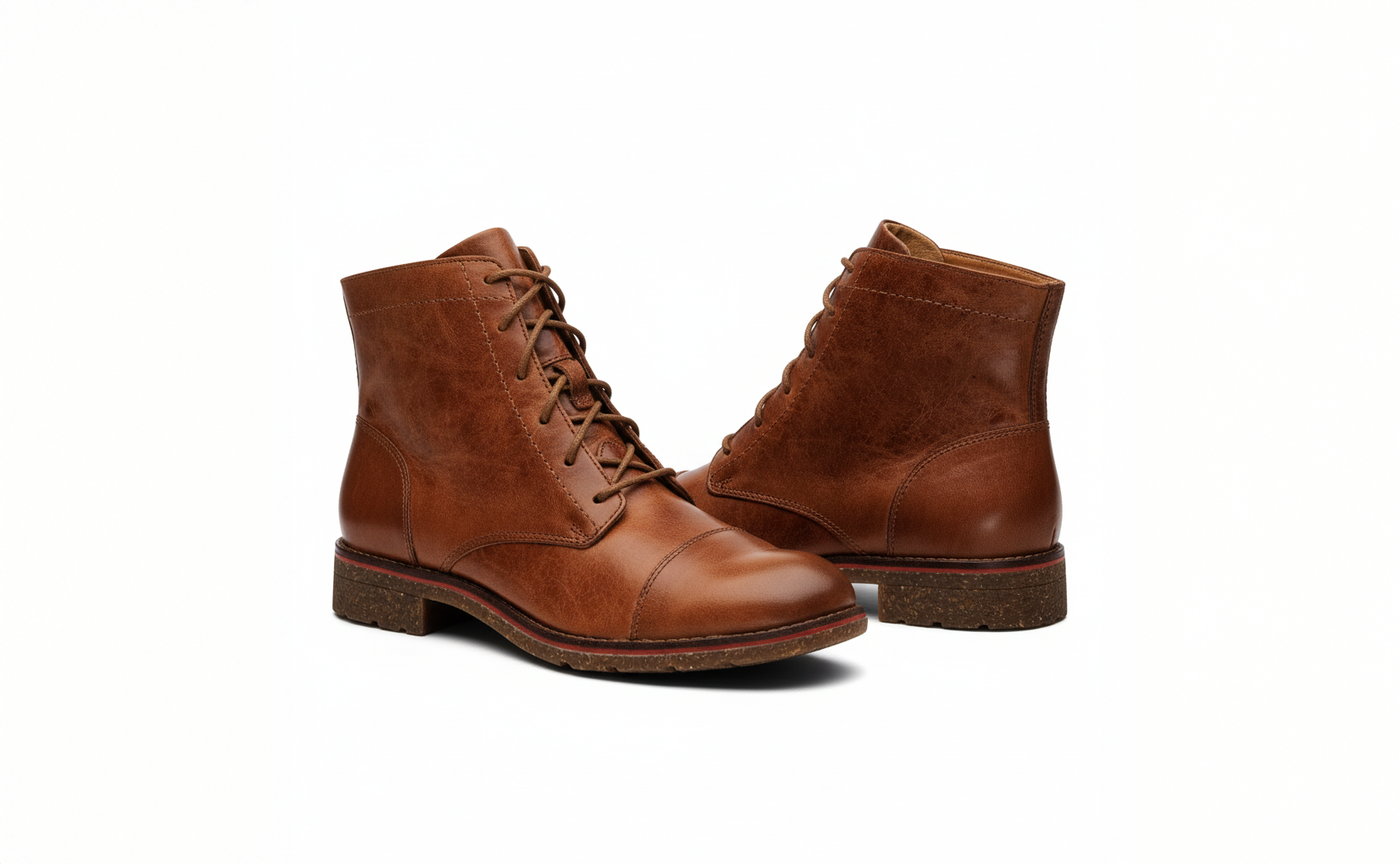
You invested in a solid pair of work boots, but your feet still ache after a long shift. What gives? The problem often isn't the boot, but the flimsy liner inside. Even the best boots can't perform without proper support. Upgrading to a quality pair of work boot insoles is a simple change that makes a huge difference in your daily comfort and long-term foot health. This guide breaks down exactly what to look for, helping you find the best insoles for standing all day and finally get the relief you deserve.
Key Takeaways
- Address Your Specific Foot Pain: The key to relief is choosing an insole with arch support tailored to your unique foot type, which helps distribute pressure evenly and correct alignment.
- Prioritize Durability and Function: A great insole for work boots needs more than just cushioning; look for firm shock absorption, high-quality materials that won't compress, and a moisture-wicking top cover for lasting comfort.
- Ensure a Perfect Fit and Allow Time to Adjust: Trim your insoles to fit your boots without bunching, and introduce them gradually over a week or two to allow your feet to adapt comfortably to the new support.
What Should You Look for in a Work Boot Insole?
When you spend all day on your feet, the insoles that come with your work boots often don't provide the support you need. A high-quality insole can completely change your workday experience, turning constant aches into lasting comfort. But with so many options out there, what should you actually look for? A great work boot insole isn't just about adding a layer of cushion; it’s about providing the right structure and support to keep your feet, knees, and back happy from the start of your shift to the end. It’s about finding a combination of features that work together to fight fatigue and prevent pain.
Non-Negotiable Features for Comfortable Feet
The best insoles are designed to do more than just feel soft. They need to provide a blend of soft cushioning and strong, reliable support. This dual-layer approach helps absorb the shock of walking on hard surfaces and reduces the strain on your joints. Look for features like a deep heel cup to cradle your foot and provide stability with every step. Quality orthotics are specifically engineered to prevent and relieve foot pain, making them an essential upgrade for anyone who works on their feet. They help your entire body feel better by properly aligning your feet.
Matching Your Insole to Your Arch Type
Your arch type is the single most important factor in choosing an insole. Proper arch support distributes pressure evenly across your foot, which is crucial for preventing common issues like plantar fasciitis or general foot fatigue. A one-size-fits-all insole won’t work because everyone’s feet are different. Whether you have flat feet, high arches, or something in between, you need an insole that matches your specific structure. Using an Orthotic Finder can help you identify your arch type and find an insole that provides the firm, targeted support you need to stop pain before it starts.
Why the Right Material Makes All the Difference
A work boot insole takes a beating every day, so it needs to be built from durable, high-quality materials. Look for high-density foams that provide cushioning without compressing and losing their shape after a few weeks of wear. The top layer is also important—many premium insoles feature a top cover that helps control odor and wick away moisture, keeping your feet fresh and dry throughout your shift. Investing in a well-made insole means you won’t have to replace it constantly, and it will continue to provide the support you need for the long haul.
Gel vs. Foam vs. Custom Orthotics
When you're looking for insoles, you'll find they generally fall into three categories: gel, foam, and premium orthotics. Gel insoles provide a squishy, shock-absorbing layer, but they often lack the structured arch support needed to fight fatigue and pain over a long day. Basic foam insoles can be a step up, but many are made from low-density materials that compress quickly, losing their supportive qualities after just a few weeks of wear. The most effective solution is a premium orthotic designed for your specific foot type. Aetrex Orthotics, for example, are engineered with data from millions of foot scans to provide targeted support right where you need it. This level of personalized support is what truly makes a difference, as Aetrex Helps to align your feet properly and distribute pressure evenly. This addresses the root cause of discomfort from conditions like plantar fasciitis and general foot fatigue.
Specialized Insoles for Demanding Jobs
Certain jobs place extreme demands on your body, and your feet bear the brunt of it. If you work in construction, manufacturing, or any field that requires heavy lifting and navigating potentially hazardous environments, a standard insole just won't cut it. You need specialized features that go beyond basic cushioning to provide heavy-duty support and protection. These insoles are engineered to handle intense physical stress, ensuring your feet are not only comfortable but also safe throughout the toughest workdays. Choosing an insole with these advanced features is an investment in your daily well-being and long-term health on the job.
Heavy-Duty Support for Over 200 lbs
If you're over 200 lbs or regularly carry heavy loads, your feet are under significantly more pressure. This extra force can quickly lead to fatigue in your feet, legs, and even your lower back. Heavy-duty insoles are specifically designed to handle this increased load. Aetrex Helps to provide the necessary structure with premium orthotics that feature reinforced arch support and shock-absorbing materials that won't collapse under pressure. This robust construction is essential for individuals over 200 lbs because it ensures that your weight is distributed properly, which can reduce strain and keep you feeling more energized and supported from morning to night.
Puncture-Resistant Features for Safety
In many work environments, safety is just as important as comfort. While your work boots may offer external protection, what’s inside matters, too. For jobs where you might encounter sharp objects like nails or glass, some specialized insoles are built with puncture-resistant materials. These features are designed to add an extra layer of defense, protecting the soles of your feet from potential injuries. Safety is paramount in demanding jobs, and incorporating materials that prevent injuries ensures your feet remain secure, allowing you to focus on your work with greater peace of mind.
Advanced Odor and Moisture Control
Let’s be honest: spending a long shift in heavy work boots can leave your feet feeling less than fresh. Trapped heat and sweat create the perfect environment for odor-causing bacteria and can lead to uncomfortable friction and blisters. This is where the material technology of your insoles plays a crucial role. High-quality insoles are designed with advanced top covers that actively manage moisture and fight odor. This isn't just about comfort; it's about maintaining a healthy environment for your feet, which is essential when you're wearing enclosed footwear for eight hours or more.
Technologies That Fight Foot Odor
Modern insoles use smart technology to keep your feet feeling clean and dry. Many premium Aetrex Orthotics feature advanced top layers with antimicrobial properties designed to help control odor and wick away moisture. These materials actively prevent the growth of bacteria and fungi, which are the primary culprits behind unpleasant smells. By keeping your feet drier throughout your shift, these insoles also help reduce the risk of blisters and maintain overall foot hygiene. This technology is crucial for maintaining comfort and ensuring your boots stay fresh, no matter how demanding your day gets.
Can Work Boot Insoles Really Help with Foot Pain?
Foot pain isn't a one-size-fits-all problem, and your insoles shouldn't be either. The right pair of orthotics can make a world of difference, but their effectiveness comes down to how well they address your specific issue. Whether you're dealing with a sharp, stabbing pain in your heel or a dull ache across your arch, there’s a design meant to give you relief. Understanding how insoles target common foot conditions is the first step toward finding the perfect match for your work boots and finally getting through your day in comfort. By providing targeted support and cushioning exactly where you need it most, insoles help realign your feet, absorb shock, and distribute pressure more evenly, tackling the root cause of your discomfort.
Finding Relief from Plantar Fasciitis
If you’ve ever felt a sharp, stabbing pain in your heel, especially with your first steps in the morning, you know the misery of plantar fasciitis. This condition happens when the thick band of tissue connecting your heel to your toes becomes inflamed. Insoles designed for plantar fasciitis relief are a game-changer because they provide crucial arch support and deep heel cushioning. This support helps reduce the strain on the plantar fascia, allowing it to heal while absorbing the shock that comes from standing and walking on hard surfaces all day. The right insole cradles your foot, alleviating the tension and making those long hours on your feet much more manageable.
Getting Proper Support for Flat Feet
For those with flat feet, or fallen arches, the entire sole of the foot makes contact with the ground. This can lead to strain on the arch, as well as pain in the feet, ankles, and even knees because your body isn't aligned properly. Insoles provide the firm, structured arch support that your feet are missing. This helps distribute your body weight more evenly across your feet, preventing one area from taking on too much pressure. By lifting and supporting the arch, insoles for flat feet can correct overpronation (when your foot rolls inward) and reduce the fatigue and aching that often come with this foot type.
Cushioning and Support for High Arches
Having high arches might sound like a good thing, but it can cause its own set of problems. When your arch is too high, it means less of your foot surface is absorbing impact, placing extra stress on your heel and the ball of your foot. The key is finding an insole that fills the gap between your foot and your shoe, providing support along the entire length of your arch. It's crucial to choose an insole tailored to your arch type, as the wrong one can cause more harm than good. Using an Orthotic Finder can help you identify an insole that perfectly matches your foot’s unique shape for targeted relief.
Reducing Pressure on the Ball of Your Foot
That burning or aching sensation in the ball of your foot, known as metatarsalgia, can make every step feel like you're walking on pebbles. This pain is often caused by excessive pressure on the metatarsal bones. To combat this, look for insoles that offer specific features for metatarsalgia relief, such as a metatarsal pad. This small, dome-shaped cushion sits just behind the ball of your foot, helping to spread the pressure away from the sensitive area. Extra forefoot padding also provides a much-needed layer of shock absorption, cushioning the impact of each step and making it easier to stay on your feet without discomfort.
Addressing Bunions, Heel Spurs, and More
Beyond the common aches, spending all day in work boots can contribute to more persistent problems like bunions and heel spurs, especially when your boots lack adequate arch support. These conditions often develop when pressure is unevenly distributed across your feet, causing strain on specific joints and bones. A quality insole is designed to correct this imbalance. By providing structured support that contours to your arch, Aetrex orthotics help to redistribute pressure away from sensitive spots like the big toe joint or the heel. This simple addition to your work boots can make a significant difference in managing discomfort and preventing these issues from getting worse, allowing you to focus on your work instead of your feet.
How Support Insoles Can Help with Knee and Back Pain
It’s easy to think that tired, achy feet are an isolated problem, but that discomfort often travels up your body, leading to knee and back pain. Your feet are the foundation of your entire body, and when they aren't properly aligned, it creates a chain reaction of misalignment in your ankles, knees, and hips. The right insoles help to correct this from the ground up. By providing targeted arch support, they help realign your feet, absorb shock, and distribute pressure more evenly. This tackles the root cause of your discomfort, taking the strain off your joints and reducing the stress on your lower back. Getting a precise reading of your foot can ensure you find the perfect support to maintain proper alignment all day long.
The Best Insoles for Women Who Stand All Day
Finding the right insole can feel like a game-changer, especially when you spend hours on your feet. But with so many options out there, it’s easy to feel overwhelmed. To make it easier, I’ve sorted through the crowd-favorites to find the best work boot insoles for different needs. Whether you’re dealing with a specific issue like high arches or just need an all-around solid performer, there’s an option here for you.
Think of this list as your trusted starting point. Each pick excels in a particular area, from providing cloud-like cushioning to offering firm, targeted support. While these are great over-the-counter options, remember that understanding your foot's unique needs is key. Using an orthotic finder can give you a more personalized recommendation, ensuring you get the precise support your feet are asking for. Let’s walk through the top contenders that can help make your workday feel a whole lot more comfortable.
Top Pick for Plantar Fasciitis
Dealing with the sharp, nagging pain of plantar fasciitis requires targeted relief, and that’s where The Aetrex Plantar FAsciitis Kit shines. The insoles are engineered to absorb the shock of standing and walking on hard surfaces all day, which is a major trigger for heel pain. They provide excellent cushioning and arch support to reduce the strain on your plantar fascia ligament. If you’re looking for a comprehensive solution, pairing a supportive insole with the right footwear for plantar fasciitis can make a significant difference in your daily comfort and long-term foot health.
Top Pick for Maximum Cushioning
When your main goal is to feel like you’re walking on clouds, even in heavy work boots, the TAetrex Premium Memory Foam is your answer. While it provides extra-firm support to ensure your foot remains stable, it’s built for maximum comfort during high-impact activities. This combination is ideal for relieving foot pain and fatigue. The firm structure helps align your foot properly, while the top layers provide the plush cushioning you need to absorb shock. It’s a great pick if you need serious, medical-grade support that doesn’t sacrifice that comfortable, cushioned feel.
Top Budget-Friendly Pick
You don’t have to break the bank to get quality support. The Aetrex Performance Comfort Orthotic is an excellent budget-friendly option that delivers on comfort. Made with foam, these insoles provide cushioned arch support that gently cradles your foot and helps relieve pressure from key areas. This is a perfect entry-level insole if you’re new to using them or simply want to add a layer of comfort to your boots without a big investment. It proves that a simple, well-designed foam insole can go a long way in preventing the aches and pains that come from standing all day.
Essential Features for Surviving Long Shifts
When you’re shopping for insoles, it’s easy to get overwhelmed by the options. But if you spend your days standing, a few key features are non-negotiable. The right insole does more than just add a layer of cushioning; it actively supports your foot's structure to reduce fatigue and prevent pain. Think of it as an essential piece of equipment for your job. Focusing on these specific characteristics will help you find a pair that makes a real difference in how you feel at the end of a long shift.
Why Shock Absorption Is a Game-Changer
Every step you take on a hard surface sends a jolt of impact from the ground up through your body. Over a full day, that adds up to a lot of stress on your joints. High-quality insoles are designed to act as a buffer, absorbing that shock before it can cause fatigue and pain. The key is firm, structured support in the arch, which helps stabilize your foot and improve balance. This feature is crucial for taking the pressure off your feet and ensuring you feel just as good at the end of the day as you did at the beginning.
Stay Dry with Moisture-Wicking Tech
There’s nothing more uncomfortable than the feeling of damp socks inside a work boot. Beyond the discomfort, excess moisture can lead to blisters, odor, and an environment where fungus can thrive. That's why you should look for insoles with a moisture-wicking top layer. This specially designed fabric pulls sweat away from your skin, allowing it to evaporate more quickly. It’s a simple feature that makes a huge difference in keeping your feet dry, fresh, and healthy, even during the most demanding workdays.
How Pressure Distribution Prevents Sore Spots
Pain in your heels or the balls of your feet is often a sign that your weight isn't being distributed evenly. A properly designed insole with effective arch support corrects this by guiding your foot into its proper alignment. This ensures that pressure is spread across your entire foot, rather than being concentrated in a few sensitive spots. By supporting your arch, you can prevent or find relief from common conditions like plantar fasciitis and general foot strain, making it much easier to stand for hours without discomfort.
What Is an Anti-Fatigue Design?
While features like shock absorption and moisture control are important, some insoles are specifically engineered with all-day comfort in mind. These "anti-fatigue" designs combine strategic cushioning with supportive structures to actively combat tiredness in your feet and legs. They often use a blend of materials that provide both a soft feel and resilient support that won’t flatten out by midday. When you see an insole marketed as anti-fatigue, you know it was created for people just like you who need reliable comfort that lasts through long hours on their feet.
Combating End-of-Day Foot Swelling
Ever notice how your boots feel a size smaller by the end of your shift? That’s because your feet naturally swell after hours of standing, and the constant pressure without proper support leads to that tired, achy feeling. A quality insole is your best defense against this daily battle. Aetrex helps to combat swelling by providing insoles with signature arch support that guides your foot into proper alignment. This ensures pressure is spread evenly across your entire foot, rather than being concentrated in a few spots. High-quality insoles also act as a buffer, providing the necessary shock absorption and cushioning that most work boots lack. Plus, features like a moisture-wicking top layer keep your feet dry, which is another small but crucial detail for all-day comfort. It’s an affordable way to prevent foot problems before they start.
How to Get the Perfect Fit
You’ve picked out the perfect insoles—now what? Getting the fit just right is the key to experiencing true comfort and support. A poorly fitted insole won’t just be uncomfortable; it won’t be able to do its job of aligning your feet and relieving pressure. Think of it as the final, most important step in your journey to pain-free days on your feet. Follow these simple steps to ensure your new insoles fit your boots and your feet perfectly from day one.
Getting the Right Size
Insole sizing can be a little different from shoe sizing. Most insoles come in a range of sizes (like Women’s 7–9) rather than individual sizes. The best rule of thumb is to size up if you’re between sizes. Most full-length insoles are designed to be trimmed down for a custom fit. You can simply remove the original insole from your work boot, place it on top of your new one, trace the outline, and trim the excess material from the toe area. For a more precise recommendation, you can use an Orthotic Finder to help you select the right size and type for your specific needs.
Using Technology to Find Your Match
Guessing which insole is right for you can feel like a shot in the dark. It’s not always obvious what your arch type is or where you need the most support just by looking at your feet. Thankfully, you don't have to rely on trial and error anymore. Technology now offers a straightforward way to understand your feet on a deeper level and get a personalized recommendation. Instead of just hoping an in-store option will work, you can use advanced tools that analyze your specific foot structure and pressure points. This data-driven approach helps ensure you invest in an orthotic that provides the precise support you need to feel comfortable all day long.
The Role of Foot Scanners and Online Quizzes
Two of the most helpful tools are foot scanners and online quizzes. Aetrex leads the way with its advanced foot scanning technology, which you can find in certain stores. In just a few seconds, these scanners capture detailed data about your unique arch type and pressure points, giving you a complete map of your feet. For at-home convenience, an online quiz like the Aetrex Orthotic Finder is an amazing resource. By answering a few simple questions about your daily activities and any discomfort you experience, the quiz recommends the ideal insole for your needs. Both methods take the guesswork out of the equation, guiding you to the perfect match for lasting comfort.
A Simple Guide to Installing Your Insoles
Installing your insoles correctly is a quick but crucial step. For full-length insoles, you’ll almost always need to remove the factory liner that came with your boots first. Most are lightly glued in and can be pulled out easily. Once it’s out, slide your new, trimmed insole into the boot, making sure it lies flat without any bunching or wrinkles. If you’re using a 3/4-length insole, the process is even simpler. Just leave the original liner in your boot and place the 3/4-length insole on top of it, pushing it back so it cradles your heel securely.
Tips for Trimming Insoles Correctly
Trimming your new insoles might feel a bit nerve-wracking, but it’s the secret to getting that perfect, custom fit. The easiest way to do it is by using the original insole that came with your work boots as a guide. Just place it on top of your new orthotics, trace the toe area with a pen, and carefully cut along the line with a pair of sharp scissors. My best advice is to trim a little less than you think you need to at first—you can always snip off more, but you can’t add it back! Test the fit inside your boot to make sure it lies completely flat without any bunching or curling at the edges. A smooth fit ensures your insole can properly support your foot and distribute pressure evenly.
Will They Fit in Your Work Boots?
Not all insoles are created equal, and neither are boots. High-volume insoles with maximum cushioning are designed to fit best in footwear with extra room, like most work boots and safety-toe shoes. If your boots are already snug, adding a thick insole can crowd your toes and make your feet feel cramped. When you try the insoles in your boots, make sure you have enough room to wiggle your toes freely. The goal is to add support, not create new pressure points. Many women's footwear styles are designed with removable insoles to easily accommodate orthotics.
What to Expect During the Break-in Period
If you’ve never worn supportive insoles before, they might feel a bit strange at first. Your feet have become accustomed to their current alignment, and the new arch support is working to correct it. Give your body time to adjust. It can take up to two weeks for your feet to fully adapt to your new orthotics. Start by wearing them for just one to two hours on the first day. Then, gradually increase the wear time each day. This slow introduction helps your muscles and tendons get used to the new support without causing discomfort.
Making Your Work Boot Insoles Last Longer
You’ve invested in a great pair of insoles to keep your feet comfortable and supported through long workdays. Now, let's make sure they last. Proper care not only extends the life of your insoles but also ensures they continue to provide the relief and support you need. A few simple habits can keep them in top shape, protecting both your feet and your wallet. Think of it as routine maintenance for your most important work gear. Taking a few minutes to care for your insoles means they can keep taking care of you, shift after shift.
Easy Ways to Keep Your Insoles Fresh
Keeping your insoles clean is easier than you think and crucial for hygiene and durability. The best method is to gently handwash them with a mild soap and lukewarm water. Create a light lather, wipe them down with a soft cloth, and rinse them thoroughly. Afterward, let them air dry completely before placing them back in your boots. Whatever you do, resist the urge to toss them in the washing machine or dryer. The high heat and intense spinning can damage the supportive materials and cause them to lose their shape, undoing all their benefits.
Proper Cleaning Techniques (and What to Avoid)
It’s just as important to know what to avoid when cleaning your insoles. The number one rule is to never, ever put them in the washing machine or dryer. While it might seem like a quick and easy fix, the high heat and aggressive spinning can completely ruin the supportive structure of your orthotics. This causes the specialized materials to break down and lose their shape, which means they can no longer provide the alignment and cushioning your feet need to stay comfortable. By sticking to a gentle handwashing routine, you can help your insoles last longer and continue to provide the support you rely on day after day.
Signs Your Insoles Are Worn Out
Even the best insoles don’t last forever. Over time, the materials that provide cushioning and support will compress and wear down. Pay attention to how your feet feel. If your old aches and pains start creeping back, it’s a clear sign your insoles are past their prime. You might also see visible signs of wear, like cracks, flattened areas, or a top cover that’s peeling away. As a general rule, consider replacing your work insoles every six to twelve months, depending on how many hours you spend on your feet. When you're ready for a new pair, using an Orthotic Finder can help you select the perfect replacement for your needs.
Loss of Cushioning and "Spring"
The most reliable sign that your insoles are worn out is how your feet feel. Remember that responsive, supportive feeling they had when they were brand new? If that "spring" is gone and your feet just feel tired and achy again, it’s a major red flag. With every step, the materials that provide cushioning and support compress under your body weight. Over time, they lose their ability to bounce back, which means they can no longer absorb shock or support your arches effectively. If you notice old pains creeping back in, listen to your body. It’s telling you that your insoles are past their prime and can no longer provide the relief you need.
Visible Flat Spots or Damage
Beyond how they feel, a quick visual inspection can tell you everything you need to know. Pull the insoles out of your work boots and take a close look. Do you see any cracks forming in the material, especially around the heel or other high-pressure areas? Are there permanent, flattened spots where your foot has completely compressed the foam? Another clear sign of wear is a top cover that has started to peel away at the edges. These aren't just cosmetic issues; they indicate that the insole's structure is breaking down and it can no longer support you properly. If you spot this kind of damage, it's definitely time to find a replacement.
The Best Socks to Wear with Insoles
The socks you wear play a surprisingly big role in how your insoles perform. It’s always a good idea to wear socks with your insoles to absorb moisture and reduce friction. This simple step helps your insoles last longer and prevents odors from building up. For maximum comfort, choose socks made from moisture-wicking materials like merino wool or synthetic blends. They pull sweat away from your skin, keeping your feet dry and reducing the risk of blisters. Pairing the right socks with quality women's footwear creates a complete system for all-day comfort.
How Good Posture Maximizes Insole Support
Great insoles work best when they’re part of a smart approach to foot health. How you stand and wear your boots matters. When your boots are new, make sure to break them in properly. Wear them for a few hours at a time initially to allow them and the insoles to mold to your unique foot shape. Also, check your lacing. Your boots should be snug enough to prevent your foot from sliding around, but not so tight that they cut off circulation. This ensures your foot is positioned correctly on the insole, allowing you to get the full benefit of its arch support and cushioning, which is especially important for managing conditions like plantar fasciitis.
Beyond Insoles: Holistic Foot Care for Workers
While the right insoles are a powerful tool in your fight against foot pain, they work best as part of a bigger picture. Think of them as the foundation of your foot care strategy, but not the entire structure. To truly keep your feet happy and healthy for the long haul, it’s helpful to adopt a holistic approach that includes strengthening your feet, ensuring your boots fit perfectly, and making small lifestyle adjustments. These habits work together with your insoles to create a comprehensive support system. By taking care of your feet from all angles, you’re not just managing pain—you’re building a stronger, more resilient foundation that can handle the demands of any workday.
Simple Stretches and Exercises for Foot Strength
Your feet contain a complex network of muscles that, just like any other muscle group, benefit from regular exercise. Stronger feet are better equipped to handle the strain of standing all day, which can reduce fatigue and prevent injuries. Simple exercises like heel raises and toe raises can build strength in your feet and lower legs. You can also try picking up a small towel with your toes or rolling a tennis ball under your arch to release tension. These small movements, performed a few times a week, complement the support from your orthotics by making your feet an active participant in their own well-being.
The Importance of Properly Sized Boots
You could have the best insoles in the world, but they won’t do much good if your boots are the wrong size. It’s crucial to make sure your boots have enough room, especially in the toe box, because feet naturally swell throughout the day. A boot that feels fine in the morning can become painfully tight by the end of your shift. To get the most accurate measurement, it’s a great idea to get your feet professionally sized. Technologies like Aetrex’s foot scanners can provide precise data on your foot length, width, and arch type, helping you choose footwear that fits perfectly and allows your insoles to function as intended.
Lifestyle Habits for Healthier Feet
The health of your feet is directly connected to your overall wellness. A few simple lifestyle habits can make a significant impact on how your feet feel. For instance, maintaining a healthy weight is one of the most effective ways to reduce the daily strain on your feet, as less body weight means less pressure on your arches and joints. This is especially helpful for conditions like flat feet, where excess pressure can worsen discomfort. Additionally, remember to stay hydrated and try to elevate your feet for a few minutes after a long shift to help reduce swelling and improve circulation.
Where to Buy Insoles and How Much to Spend
Once you’ve decided on the type of insole you need, the next step is figuring out where to find it and what a reasonable price looks like. Investing in a quality pair of insoles is an investment in your daily comfort and long-term foot health, so it’s worth taking the time to find the right product from a reputable source. Think of it less as a purchase and more as a tool to help you feel your best, whether you’re on the job or just on your feet all day.
What's a Fair Price for Good Insoles?
You can expect to pay between $50 and $120 for a high-quality pair of insoles designed for work boots. While you might find cheaper options at the drugstore, they often lack the durable materials and biomechanical design needed for lasting relief. A higher price point usually reflects advanced features like premium cushioning, moisture-wicking top covers, and specific support structures. Aetrex orthotics, for example, are designed with signature arch support to properly align your body and relieve pain. Investing in a well-made pair means you’re paying for technology that provides genuine comfort and support, not just a temporary cushion.
Understanding the Price Range: From Budget to Premium
Insole prices can range quite a bit, and it really comes down to what you're getting for your money. On the lower end, you'll find budget options that provide a simple layer of foam. While they might feel soft at first, they typically lack the structured support needed for real relief and can flatten out after just a few weeks of wear. Moving into the premium category means you're investing in technology, not just temporary cushioning. These insoles feature high-quality, durable materials, moisture-wicking top covers, and biomechanical designs that help properly align your feet. This is where you’ll find the signature arch support that Aetrex helps to relieve common foot pain. The higher cost reflects the engineering that goes into creating a product for lasting comfort, and using an Orthotic Finder can help you find the exact support you need.
The Best Places to Buy Insoles
For the best results, I recommend buying directly from brands that specialize in foot health or from retailers that carry them. This ensures you’re getting an authentic product with the right expertise behind it. Aetrex offers a unique advantage with its advanced foot scanners available at various retail locations. This technology maps your pressure points and arch type in seconds, giving you a precise recommendation for the perfect fit. If you’re shopping from home, you can use an online tool like the Aetrex Orthotic Finder to get a personalized suggestion based on your specific needs and footwear.
Why You Should Always Check the Warranty
A solid warranty or comfort guarantee is a great sign that a company believes in its product. Look for brands that offer a trial period, which allows you to test the insoles in your own boots to see how they feel after a long day. For instance, Aetrex offers a 30-Day Healthy Guarantee on all footwear and orthotics. This gives you plenty of time to make sure the insoles are a good match for your feet without any risk. A policy like this provides peace of mind and shows the brand is committed to your comfort and satisfaction, making your investment feel much more secure.
Comparing Trial Periods and Satisfaction Guarantees
A solid comfort guarantee is a great sign that a company truly believes in its product. When you’re investing in your foot health, you want assurance that the insoles will actually work for you. Look for brands that offer a trial period, which allows you to test the insoles in your own boots during a real workday. For instance, Aetrex offers a 30-Day Healthy Guarantee on all orthotics and footwear. This gives you plenty of time to make sure the insoles are a good match for your feet without any risk. A policy like this provides peace of mind and shows the brand is committed to your comfort and satisfaction, making your investment feel much more secure.
Why Professional Recommendations Matter
While over-the-counter insoles can provide significant relief, getting a recommendation tailored to your specific foot is even better. Consulting a podiatrist is always a great option, but technology can also provide precise guidance. Aetrex, for example, uses advanced foot scanners at retail locations to map your unique pressure points and arch type, giving you a personalized orthotic recommendation in minutes. Remember that great insoles work best as part of a smart approach to foot health. When you get new boots, break them in properly by wearing them for a few hours at a time. This allows both the boots and the insoles to mold to your foot shape for optimal support.
Bulk and Business Discount Programs
If you’re an employer looking to improve the well-being of your team, providing high-quality insoles can make a huge impact on daily comfort and productivity. Many brands offer programs for businesses looking to purchase insoles in larger quantities. This can be a cost-effective way to equip your entire staff with the support they need to stay comfortable and focused on their feet all day. Investing in premium orthotics for your employees is a practical way to show you care about their health and reduce fatigue-related issues on the job. It’s a small change that can lead to a happier, healthier workforce.
Related Articles
- The Best Orthotics for Work Boots – aetrex
- Women's Shearling Orthotics - Insoles For Winter Boots – aetrex
- Orthotics for Shoes Without Removable Insoles – aetrex
Frequently Asked Questions
Why can't I just use the insoles that came with my work boots? Think of the insoles that come with your boots as placeholders. They're typically just thin pieces of foam designed to provide a bit of cushion, but they lack the structure needed for true, all-day support. A quality orthotic is engineered to align your foot, distribute pressure evenly, and absorb shock in a way that a factory liner simply can't. Upgrading is the difference between a temporary cushion and a long-term solution for foot pain and fatigue.
Will adding a new insole make my boots feel too tight? This is a common concern, but most work boots are designed with enough room to accommodate a supportive insole. They are considered "high-volume" footwear. The key is to always remove the original factory liner before putting your new one in. This usually creates plenty of space. When you try them on, you should still have enough room to wiggle your toes freely. If you don't, the insole might be too thick for that particular pair of boots.
How do I know which insole is right for my specific foot pain? The best way to start is by identifying where you feel the most discomfort. If you have sharp heel pain, you'll want an insole with a deep, cushioning heel cup to help with plantar fasciitis. If the pain is in the ball of your foot, look for an option with a metatarsal pad. For general achiness or conditions like flat feet, the most important feature is arch support that matches your foot's unique shape. Using an online tool like an Orthotic Finder can take the guesswork out of it and give you a personalized recommendation.
How long should a good pair of insoles last before I need to replace them? Even the most durable insoles have a lifespan. For work boots that you wear daily, you should plan on replacing your insoles every six to twelve months. The most reliable sign that it's time for a new pair is the return of your old foot pain. You might also notice visible signs of wear, like the cushioning feeling flat or the arch support structure cracking.
Is it normal for new orthotics to feel a little strange at first? Yes, that's completely normal. If you've never worn supportive insoles, your feet have gotten used to a certain alignment, even if it's not the correct one. The new orthotics are working to retrain your muscles and guide your foot into a healthier position. It's best to ease into them by wearing them for just a couple of hours the first day and gradually increasing the time over a week or two. This gives your body time to adapt without causing discomfort.
Share:
Best Insoles for Walking: Your Ultimate Guide
The Ultimate Guide to Insoles for Standing All Day