

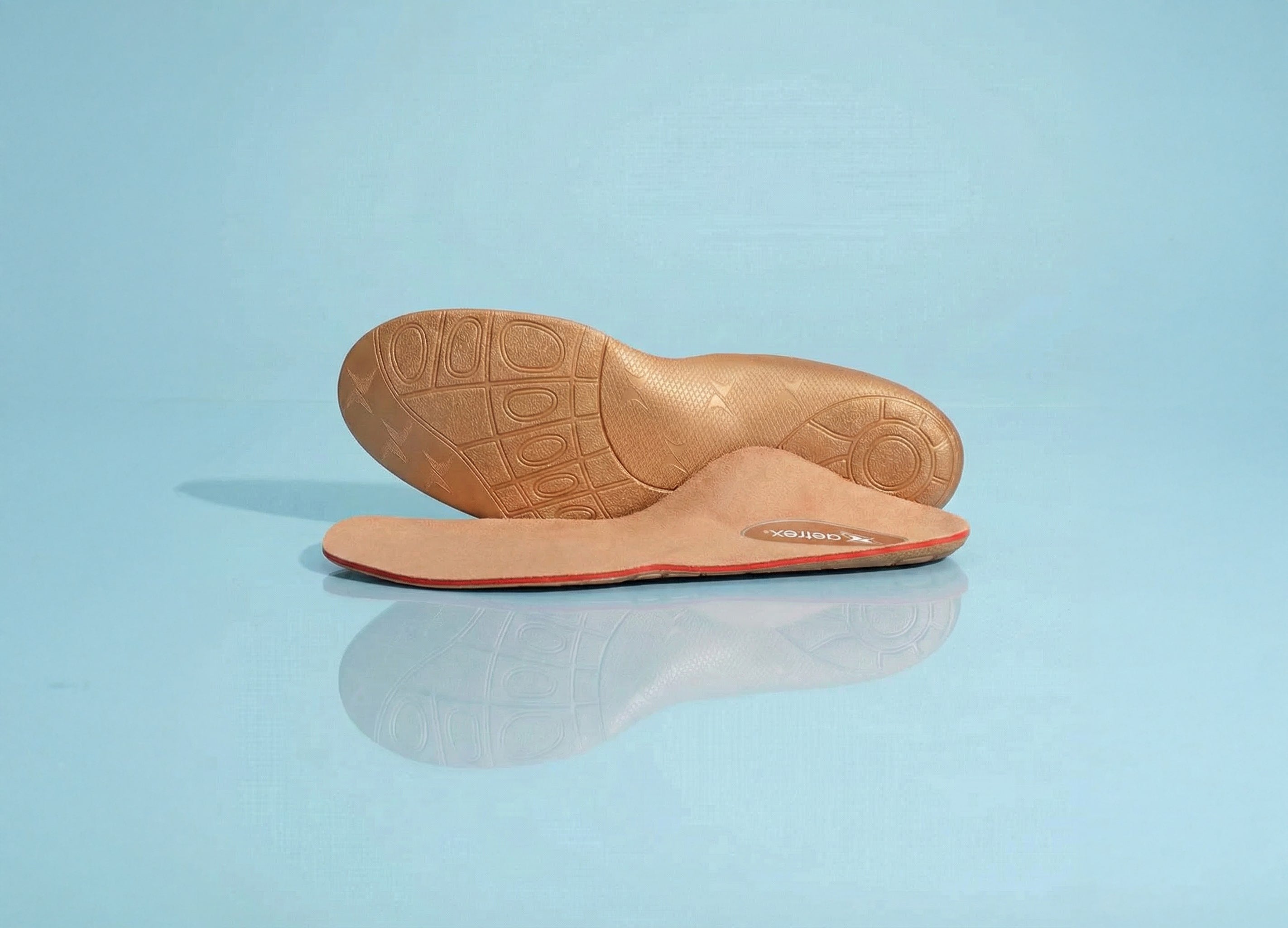
Your orthotics are critical for managing foot pain, but they can't do the job alone. Think of your work boot as the foundation and your orthotic as the custom support system built on top. If that foundation is flimsy or too small, the entire structure fails. Too often, people put great orthotics into boots that lack the depth and structure needed for them to function correctly. Let's find the perfect partner for your inserts. We’ll explore what makes a boot truly orthotic-friendly and review the top options, ensuring you find the best work boots for orthotics for all-day comfort.
When you work on your feet all day, your boots aren’t just part of a uniform—they’re essential equipment. The right pair does more than protect you from job site hazards; it forms the very base of your body’s alignment and stability. Think about the constant pressure and impact your feet absorb with every step on hard surfaces. Without proper support, that stress doesn’t just stay in your feet. It travels up your legs to your knees, hips, and even your lower back, leading to chronic aches and fatigue. Investing in a high-quality, supportive work boot is an investment in your overall health and ability to perform your job without pain. It’s about creating a stable foundation that allows your entire body to function correctly, even during the most demanding shifts.
The physical demands of many jobs are staggering when you break them down. For instance, workers in construction and other manual trades often spend eight to twelve hours a day standing, walking, and carrying heavy loads. This prolonged pressure can lead to a host of foot problems. This is where a quality orthotic insert becomes a game-changer. Aetrex Helps to provide superior cushioning and arch support, which is critical for distributing your body weight evenly across your feet. By absorbing shock and correcting your foot’s alignment, a well-designed orthotic works with your boot to reduce the strain that causes pain and fatigue, making those long hours much more manageable.
It’s a simple truth: when you feel better, you work better. Constant foot pain is more than just a physical annoyance; it’s a major distraction that can drain your energy and focus. When your feet are properly supported, you’re not constantly thinking about the ache in your arch or the burning in your heel. This allows you to concentrate on the task at hand, improving both your safety and your efficiency. Supportive footwear also plays a preventative role, helping to avoid the development of chronic conditions like plantar fasciitis. By addressing strain on your feet, you also reduce the likelihood of related knee and back pain, which can keep you on the job and feeling your best.
Before you start shopping for orthotics or new boots, it’s wise to understand the root cause of your discomfort. While it can be tempting to self-diagnose, foot pain can stem from a wide range of issues, from simple overuse to complex biomechanical problems. A podiatrist can provide a professional evaluation to pinpoint exactly what’s going on. They will assess your foot structure, gait, and the specific demands of your job to recommend a targeted solution. This expert guidance ensures you’re not just guessing what might work. Instead, you’re making an informed decision based on a real diagnosis, which is the most effective path to finding lasting relief and preventing future problems from developing.
A podiatrist offers a level of insight that you simply can’t get on your own. During an examination, they can identify underlying conditions like severe overpronation, high arches, or developing bunions that require a specific type of support. Based on their findings, they can recommend the ideal orthotic profile for your needs. This professional input is invaluable, as it ensures the inserts you choose are perfectly suited for your feet and your work environment. For an even more personalized approach, you can use technology like an Aetrex foot scanner, which maps your unique pressure points and arch type. This data, combined with a podiatrist's recommendation, gives you a complete picture of your needs.
Finding a work boot that feels good all day is one thing, but finding one that also works with your orthotics can feel like a huge challenge. The right boot shouldn't just have space for your insert; it should be designed from the ground up with support and comfort in mind. When you’re on your feet for hours, every detail matters—from the shape of the toe box to the cushioning in the sole. A truly orthotic-friendly boot works with your insert to provide stability and alignment, not against it. Think of the boot as the foundation and your orthotic as the custom support system. For the best results, you need both to be high quality. Let's walk through the key features that separate a basic boot from one that will keep your feet happy through even the longest shifts.
First things first: if a work boot doesn't have a removable insole, it's not the right boot for you. This is the most critical feature because it allows you to take out the factory footbed and replace it with your own. Without this, you’d be trying to cram your orthotic on top of the existing insole, leading to a tight, uncomfortable fit that can cause more problems than it solves. Swapping out the insoles ensures your foot has the proper space and that your orthotic can sit correctly inside the boot. This simple feature is what makes it possible to get the personalized support you need from your favorite pair of Aetrex orthotics to help with alignment and pressure relief.
Have you ever felt like your toes were squeezed together at the end of a long day? A work boot with a wide, roomy toe box is essential for preventing that cramped feeling. It gives your toes space to spread out naturally, which is especially important if you deal with conditions like bunions. Beyond width, look for boots with extra depth from top to bottom. This additional vertical space is crucial for accommodating the volume of both your foot and your orthotic insert without putting uncomfortable pressure on the top of your foot. Many of Aetrex’s men's and women's styles are designed with this principle in mind.
While your orthotic provides targeted support, the boot itself still does a lot of the heavy lifting. A well-constructed work boot should have its own supportive structure and excellent shock absorption built into the midsole and outsole. This is where Aetrex truly stands out, as our footwear features signature arch support built right in. This feature works in harmony with your orthotic to help stabilize your foot and distribute pressure evenly. Great shock absorption cushions every step, reducing the impact on your feet, knees, and back when you’re standing or walking on hard surfaces. This combination is key for all-day comfort and helps with conditions like plantar fasciitis.
Beyond the obvious features like removable insoles and extra depth, the internal landscape of a work boot plays a huge role in how well your orthotic can do its job. Think of it this way: you wouldn't build a house on a lumpy, uneven plot of land. Similarly, placing a high-quality orthotic inside a poorly constructed boot is a recipe for instability and discomfort. The boot’s interior needs to be a stable, welcoming environment for your insert. A supportive internal structure ensures your orthotic sits flat and stays in place, allowing it to provide the consistent alignment and pressure distribution you need to get through your day without pain. This synergy between the boot and the insert is what creates a truly effective support system.
One of the most overlooked yet essential features of an orthotic-friendly boot is a completely flat internal base. After you remove the factory insole, the surface underneath should be smooth and level. Many boots have contoured or lumpy interiors, which can cause your orthotic to rock or tilt with every step. This instability completely undermines the purpose of your insert, preventing it from properly supporting your arch and aligning your foot. A flat internal base provides a stable surface, ensuring your orthotic can function exactly as it was designed to. It’s a simple but critical detail that allows for consistent contact between your foot, your orthotic, and the ground, giving you a secure and balanced foundation for every task.
A secure heel is the starting point for proper foot alignment, and a boot with a deep, well-structured heel cup is key to achieving this. This feature helps lock your heel in place, preventing the slipping and rubbing that can lead to painful blisters and an unstable stride. When your heel is secure, your orthotic is also more likely to stay correctly positioned, providing targeted support where you need it most. This is especially important for custom or specialized inserts, like Aetrex orthotics, which are designed to cradle the heel and support the arch. A deep heel cup in the boot works with your orthotic to create a cohesive system that helps to control motion and improve stability from the ground up.
Once you've confirmed a boot has the right internal structure for your orthotics, it's time to consider the features that will protect you on the job. A great work boot is more than just comfortable; it’s a piece of personal protective equipment. Depending on your work environment, you might need specific safety features like a reinforced toe or slip-resistant outsoles. You should also think about the conditions you work in. If you’re outdoors, weatherproofing might be a top priority to keep your feet dry and healthy. The best work boots blend these functional and safety elements seamlessly with the supportive design needed for all-day wear with orthotics, ensuring you’re both comfortable and protected.
For many jobs, a certified safety toe isn't just a nice-to-have—it's a requirement. Whether it's made of steel, composite, or alloy material, a safety toe is designed to protect your feet from impacts and compression hazards. The challenge is finding a boot where this protective cap doesn't compromise the fit, especially when you’re adding an orthotic. The best options feature an anatomically shaped toe box that is wide enough to accommodate the safety cap, your toes, and the extra volume of an insert without creating pressure points. This ensures you get the necessary protection without sacrificing the space your feet need to function comfortably. Many of the design principles found in supportive men's footwear emphasize a roomy toe box for this very reason.
Working in wet conditions without the right gear is a fast track to discomfort. Weather-resistant or fully waterproof boots are essential for anyone who works outdoors or in environments where liquids are a hazard. Keeping your feet dry does more than just prevent the misery of soggy socks; it also helps to avoid blisters, fungal infections, and skin breakdown. Look for boots made with waterproof leathers or those that feature a breathable, waterproof membrane. This not only protects your feet from the elements but also helps maintain the integrity and lifespan of your orthotics by keeping the interior of the boot dry and healthy. A dry foot is a comfortable foot, plain and simple.
Even if you don't have diabetes, looking for boots with diabetic-friendly features can be a smart move for anyone with sensitive feet. These boots are specifically designed to minimize irritation and pressure points. Key features often include a soft, seamless interior lining to reduce rubbing, extra depth to accommodate swelling or custom inserts, and a non-binding design that won't constrict your foot. These thoughtful details create a protective, low-friction environment inside the boot, which is beneficial for a wide range of foot conditions. For example, the same principles that Aetrex helps to apply in footwear for flat feet—like ample space and structured support—are often found in diabetic-friendly designs, making them an excellent choice for overall foot health.
Getting the right size is about more than just the number on the box, especially when you’re adding an orthotic. When you try on boots, make sure you’re wearing the socks you’d typically wear to work and have your orthotics with you. Slide your foot in, push your heel to the very back, and check the space at the front—you should have about a thumb's width between your longest toe and the end of the boot. The sides should feel snug but not tight. Because feet can swell, it’s always a good idea to shop for boots later in the day. For the most accurate fit, getting your feet scanned by an advanced system like an Aetrex foot scanner can give you precise measurements and insights into your foot type.
When you rely on orthotics for foot comfort, you know that not just any shoe will do—and that’s especially true for work boots. While a standard boot might look tough on the outside, it often lacks the internal features needed to support your feet properly. Orthotic-ready work boots are engineered differently from the ground up. They are designed to work with your orthotics, not against them, creating a complete system for all-day comfort and support on the job. This thoughtful design goes beyond a simple removable insole; it involves the boot's entire structure, from its depth and shape to the materials used in its construction.
Standard work boots typically come with a flat, generic insole that offers minimal arch support. For anyone dealing with foot pain from conditions like plantar fasciitis, this can make a long workday feel even longer. Orthotic-ready boots are built on a more supportive foundation. They are designed to keep your feet comfortable and properly aligned, providing the stability your orthotics need to function effectively. This thoughtful construction helps distribute pressure more evenly across your foot, which is a key step in managing discomfort and preventing flare-ups.
A tough job requires tough boots, but durability shouldn't come at the expense of comfort. Many standard work boots have rigid soles that, while long-lasting, do little to absorb the shock of walking on hard surfaces like concrete. Orthotic-friendly boots are different. Their soles are engineered to cushion every step, reducing the repetitive impact on your feet, ankles, and knees. This superior shock absorption, combined with durable materials, means you get a boot that can handle the demands of your job while helping to reduce fatigue and keep you comfortable through every shift. This is a core feature in quality men's footwear designed for the workplace.
This is perhaps the most critical difference. Trying to fit an orthotic into a standard work boot is often a frustrating experience. The original insoles might be glued down, and even if you can remove them, there’s usually not enough space for your insert. This can cause your toes to feel cramped and your heel to slip. Orthotic-ready boots solve this problem with two key features: removable insoles and extra depth. This design gives you plenty of room to add your own orthotics without sacrificing a secure and comfortable fit, ensuring your foot is properly positioned inside the boot.
Traditional work boots are notoriously heavy and can leave your feet feeling tired and sweaty by the end of the day. Modern, orthotic-friendly boots combine rugged protection with advanced features for greater comfort. They often use innovative, lightweight materials that reduce the overall weight of the boot without compromising on safety standards. Many also incorporate breathable linings and materials to improve air circulation, helping to keep your feet dry and comfortable. This focus on a healthier internal environment shows a commitment to total foot wellness, something Aetrex understands well with its advanced foot scanning technology that personalizes the fit experience.
Finding a work boot that’s tough enough for the job and supportive enough for your feet can feel like a huge challenge. The good news is that many brands now recognize the need for boots that can either accommodate custom orthotics or come with superior support built-in. When you know what to look for, you can find the perfect pair to keep you comfortable and protected all day long. Here are some of the best brands making orthotic-friendly work boots.
Aetrex stands out by designing footwear with comfort and support as the primary goal. Instead of just making a boot that can fit an orthotic, Aetrex helps to ease foot pain by integrating its signature arch support directly into the design. This approach provides pressure relief, proper body alignment, and all-day comfort from the moment you put them on. Their men's and women's boots are specifically engineered for those who need more than just a standard insole. By using advanced technology like their proprietary foot scanners, Aetrex offers a truly personalized fit experience, ensuring your work boots are perfectly contoured to your unique needs.
Now that you know what to look for, let's get into some specific models that are great for orthotics. From boots with built-in support to those with features that perfectly accommodate custom inserts, here are some of the top contenders that prioritize both comfort and durability for a long day on your feet.
Aetrex stands out because our boots are designed from the ground up with foot health in mind. Unlike other brands where you need to add support, our men's and women's work boots come with the Aetrex Signature Arch Support built right in. This technology is strategically placed to help provide proper alignment, pressure relief, and all-day comfort. For many people, this integrated support is all they need to get through the day pain-free. Aetrex Helps to ease common foot pain by biomechanically supporting your arches and helping to stabilize your body from the ground up, making them an ideal choice for anyone who requires consistent support on the job.
When you spend all day on your feet, the right work boots are about more than just safety—they're a crucial part of your overall well-being. If you're dealing with persistent foot pain, your standard-issue boots might be making things worse. Orthotic work boots are designed differently. They incorporate specific features like strategic arch support, superior cushioning, and a structure that promotes proper alignment. These elements work together to address the root causes of many common foot problems.
Instead of just protecting your feet from external hazards, these boots provide internal support that can make a world of difference in your daily comfort. By stabilizing your foot, absorbing shock, and distributing pressure evenly, they help reduce the strain on your muscles, ligaments, and joints. This proactive support is key to getting through a long workday without the nagging pain that can impact your focus and energy. Whether you're dealing with a specific diagnosis or just general soreness, understanding how these features work can help you find the relief you need.
If you’ve ever felt a sharp, stabbing pain in your heel, especially with your first steps in the morning, you know the misery of plantar fasciitis. This condition is caused by inflammation of the plantar fascia, the thick band of tissue connecting your heel to your toes. The key to relief is reducing the strain on this ligament, and that’s where arch support comes in.
Orthotic work boots with built-in support, like those from Aetrex, help hold your arch in its optimal position. This prevents the arch from collapsing with each step, which significantly lessens the tension on the plantar fascia. Proper support not only helps with plantar fasciitis pain but also reduces stress on your knees and back, promoting better alignment throughout your body.
Pain and inflammation in the ball of your foot, known as metatarsalgia, can feel like you’re walking on a pebble you can’t get out of your shoe. It often happens from prolonged pressure on the metatarsal bones, which is common in jobs that require a lot of standing or walking on hard surfaces.
The best work boots for this condition offer exceptional cushioning and shock absorption to soften the impact of every step. Aetrex helps to alleviate this discomfort with designs that include premium, memory foam cushioning. Many orthotics also feature a metatarsal pad, a small, domed cushion that sits just behind the ball of the foot. This feature helps lift and spread the metatarsal bones, relieving pressure and providing targeted comfort right where you need it most.
For those with flat feet, the lack of a defined arch can cause the foot to roll inward, a motion called overpronation. This throws your body’s alignment off-kilter and places undue stress on your feet, ankles, and even your knees. It happens because your body weight isn't being distributed evenly across your feet, leading to fatigue and pain.
An orthotic work boot provides the structural support that your feet are missing. By incorporating a firm, supportive arch, the boot helps control overpronation and guides your foot into a more natural position. This ensures your weight is distributed correctly from heel to toe. Aetrex helps to provide this stability, offering a range of footwear for flat feet that promotes healthier alignment and reduces strain.
Standing on concrete or other unforgiving surfaces all day sends constant, jarring impacts through your heels and up your legs. Over time, this repeated stress can lead to chronic heel pain, even if you don’t have a specific condition like plantar fasciitis. The solution is to find a boot that can effectively absorb that shock before it reaches your body.
Orthotic work boots are built with advanced cushioning materials in the midsole and heel. These materials are engineered to compress and rebound with every step, dissipating the force of impact. Think of it as having a personal shock absorber in each boot. This feature provides immediate comfort and is essential for preventing the cumulative wear and tear that leads to long-term pain, making every shift more manageable for your men's or women's feet.
Finding the right work boot is about more than just your shoe size. When you rely on orthotics for support and comfort, the fit becomes a crucial partnership between your foot, your orthotic, and your boot. A boot that’s too tight can negate the benefits of your insert, while one that’s too loose can cause instability. The goal is to find a boot that feels like it was made for your orthotic, creating a seamless system of support that keeps you comfortable and protected all day long. Let’s walk through the steps to get that perfect fit.
The first feature to look for in a work boot is a removable insole. This is non-negotiable. You need to be able to take out the factory footbed to make room for your own supportive orthotics. Without this feature, you’d be forcing your orthotic on top of the existing insole, which can make the boot uncomfortably tight and alter the way your foot is positioned. Look for boots with enough depth to accommodate your insert without squishing your toes or the top of your foot. A roomy toe box is also key to allow for natural foot spread throughout the day.
Think of your orthotics as essential gear. Just as you wouldn't buy a tool without making sure it works, you shouldn't buy work boots without testing them with your inserts. When you go shopping, bring your orthotics with you. Once you’ve removed the boot’s original insole, slide yours in and try them on. Walk around the store for a few minutes. A good fit means your heel is secure without slipping, your arch feels supported, and your toes have room to wiggle. This simple test is the most reliable way to ensure the boot and orthotic will work together to provide the comfort you need on the job.
For a truly accurate fit, nothing beats a professional assessment. Visiting a specialty footwear or workwear store allows you to try on multiple brands and get expert advice. For an even more precise approach, you can experience an Aetrex foot scan. This advanced technology maps your feet, identifying your arch type and unique pressure points in just a few seconds. The scan provides a detailed analysis that helps you select the ideal orthotic and footwear for your specific needs. It takes the guesswork out of the equation, giving you a data-driven recommendation for all-day comfort and support.
Whether you’re shopping in person or online, a few tips can help you find the best fit. If you’re heading to a store, try to shop later in the day when your feet are naturally a bit more swollen. Be sure to wear the same type of socks you typically wear to work. If you’re shopping online, carefully review the brand’s sizing chart and read customer reviews, paying close attention to comments about fit from other orthotic users. Before you even start browsing, you can use a tool like the Aetrex Orthotic Finder to determine which type of support is best for your feet.
Investing in a great pair of work boots is an investment in your daily comfort, so it’s important to understand the full picture. While some boots come with a higher price tag, you’re often paying for superior materials, advanced cushioning, and a more supportive design that will last. Before you commit, always check the company’s return policy, as this is your safety net when buying online. A great policy will offer a generous trial period, allowing you to test the boots at home with your orthotics. Read the details carefully for things like restocking fees or return shipping costs, and note the required condition for returns. A company that stands behind its product with a straightforward, customer-friendly process gives you the confidence to find the perfect fit without the financial risk.
You’ve invested in a great pair of work boots and the right orthotics to support your feet—that’s a huge step toward all-day comfort. But the work doesn’t stop there. Just like any essential piece of equipment, your boots and inserts require regular care to perform their best and last as long as possible. Proper maintenance isn't just about keeping them looking good; it's about preserving the supportive features that protect your feet, knees, and back from the daily grind. A few simple habits can make a world of difference, ensuring your investment continues to pay off in comfort and durability for months or even years to come.
Even the best orthotics have a lifespan. Generally, you can expect a quality pair to last between one and two years, but this can vary depending on the materials, your job's intensity, and how often you wear them. The key is to pay attention to signs of wear and tear. If you notice the material is cracking, becoming compressed, or if the arch support feels less pronounced, it’s likely time for a replacement. Another clear signal is the return of the foot pain that the orthotics were helping to manage. Regularly inspecting your Aetrex orthotics for these signs will ensure you continue to get the consistent support and alignment your body needs.
Your work boots endure a lot, from long hours on hard surfaces to exposure to moisture and dirt. While they’re built to be tough, a little proactive care can significantly extend their functional life. You don’t need a complicated routine to keep them in top shape. By incorporating a couple of simple, effective habits into your post-workday schedule, you can help maintain the boot's structural integrity and supportive cushioning. This ensures they continue to provide the foundation your feet need. Let’s look at two of the most impactful strategies: rotating your boots and drying them correctly.
One of the best ways to extend the life of your work boots is to not wear the same pair every single day. By investing in a second pair and rotating them, you give each pair a full 24 hours to rest, air out, and dry completely. This is crucial because it allows the cushioning materials in the midsole to decompress and recover their original shape and shock-absorbing properties. This simple practice prevents the premature breakdown of materials caused by trapped moisture, reduces odor-causing bacteria, and helps both pairs last significantly longer. Finding a second reliable pair from Aetrex's men's or women's collections can make this an easy habit to adopt.
Getting your boots wet is often unavoidable, but how you dry them is critical. The biggest mistake you can make is placing them too close to a direct heat source like a radiator, fireplace, or heating vent. Intense heat can cause leather to dry out too quickly, leading to cracking and shrinking. It can also weaken the adhesives that hold the sole and other components together, compromising the boot's entire structure. Instead, always dry your boots at room temperature. You can stuff them with newspaper to absorb moisture or use a boot dryer that circulates air gently. This preserves the integrity of the materials and maintains the boot's supportive design.
Do I really need to take out the boot's original insole before putting my orthotic in? Yes, this is a non-negotiable step. Leaving the factory insole in creates a crowded and unstable environment for your foot. It can push your foot too high, causing your heel to slip and your toes to feel pinched. Removing the original insole ensures your orthotic can sit flat and function exactly as it was designed to, giving you the proper space and support you need to get through your day.
If a boot already has good arch support, like Aetrex, do I still need to use my own orthotic? This really depends on your specific needs. For many people, the Aetrex Signature Arch Support built directly into our boots provides the perfect amount of alignment and pressure relief right out of the box. However, if you have a custom orthotic prescribed by a doctor for a specific condition, you should follow their guidance. The great thing about Aetrex boots is that they provide a superior foundation that works well on its own or in harmony with your personal insert.
Should I just buy my work boots a size bigger to make sure my orthotics fit? Sizing up is a common mistake that can lead to other problems, like your foot sliding around inside the boot, which causes blisters and instability. Instead of going up a full size, focus on finding a boot in your correct size that is specifically designed with extra depth and a wider toe box. These features provide the necessary volume for your orthotic without compromising the length and overall secure fit of the boot.
Besides a removable insole, what's the most important feature to look for in an orthotic-friendly work boot? The next most critical feature is definitely the boot's depth. Extra depth from the footbed to the top of the boot is what gives your foot and your orthotic the vertical space they need to coexist comfortably. Without it, the top of your foot can feel painfully compressed. A roomy toe box is a close second, as it allows your toes to spread out naturally, which is essential for balance and comfort during long shifts.
How can I tell if the fit is right once my orthotic is inside the boot? A great fit should feel secure, not restrictive. With your orthotic inside, your heel should be locked in place with minimal to no slipping when you walk. You should feel your arch making full contact with the support of the orthotic, and there should be about a thumb's width of space between your longest toe and the end of the boot. Most importantly, there shouldn't be any uncomfortable pressure points, especially across the top of your foot or on the sides of your toes.
Share:
8 Best Insoles for Work Boots for Total Comfort
7 Best Men's Sandals for Bunions for Comfort