

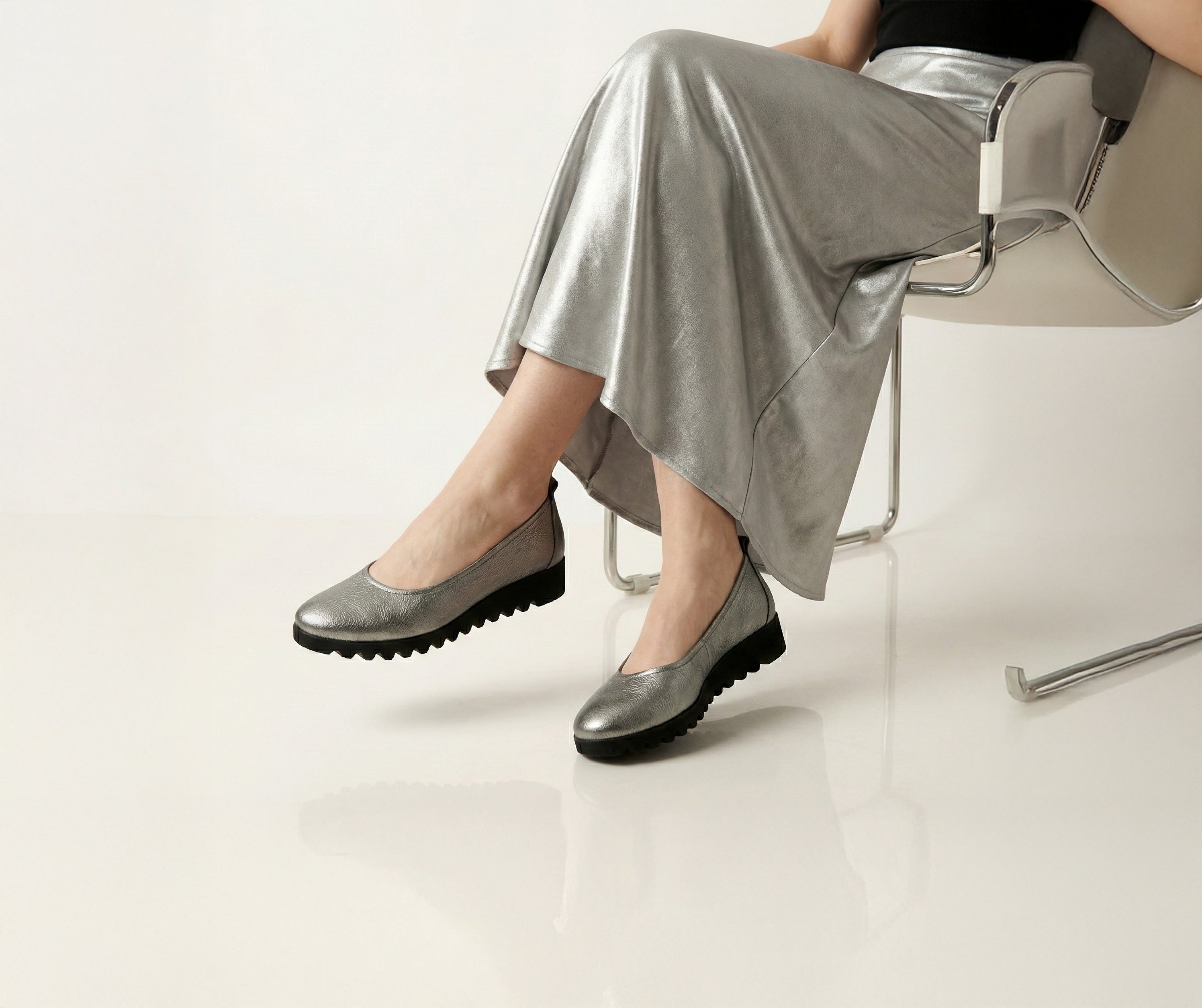
Let's call out a frustrating myth: having bunions means you can't wear beautiful, elegant shoes. We've been told to stick to bulky styles and forget about chic heels or flats. That idea is officially outdated. The problem isn't your feet; it's that most shoes aren't designed with foot health in mind. True comfort comes from smart design, not from sacrificing style. I'm here to show you exactly what to look for—from roomy toe boxes to essential arch support—so you can confidently find the best dress shoes for bunions that look and feel amazing.
Key Takeaways
- Focus on the Fundamentals: Prioritize a roomy, rounded toe box to prevent squeezing and ensure you have proper arch support. These features are the foundation for bunion comfort because they help distribute pressure evenly across your foot.
- Select Smart Materials and Stable Heels: Look for soft leathers or flexible fabrics that stretch to accommodate your foot's unique shape. When you want a lift, choose low block heels or wedges over stilettos to maintain stability and reduce strain on the ball of your foot.
- Shop Smarter, Not Harder: Always try on shoes in the afternoon when your feet are naturally larger, and take the time to break in new pairs at home before wearing them to an event. This simple routine helps guarantee a comfortable fit every time.
What Are Bunions (and Why Do They Make Finding Dress Shoes So Tough)?
If you’ve ever winced at the thought of a formal event, not because of the small talk but because of the shoes, you might be dealing with bunions. Finding a pair of dress shoes that looks elegant without causing serious pain can feel like an impossible task. So, what exactly is going on with your feet, and why is formal footwear so often the enemy?
Let’s break it down. A bunion is a bony bump that forms at the joint at the base of your big toe. This bump develops when ongoing pressure forces the big toe to lean inward toward the other toes, pushing the joint outward. This can lead to redness, swelling, and significant pain. While genetics and your natural foot mechanics play a role, one of the biggest contributors is wearing narrow, tight shoes that squeeze your toes into an unnatural position. You can learn more about the specifics from the Mayo Clinic.
This is precisely why the hunt for dress shoes is so frustrating. Many traditional styles are designed with pointed, narrow toe boxes that put direct pressure on the exact spot where a bunion forms. The stiff, unforgiving materials often used in formal shoes offer no flexibility, further aggravating the sensitive joint. It creates a painful dilemma: you want to look polished and appropriate for an occasion, but the available options seem designed to make your foot pain worse.
The good news is that you don't have to sacrifice style for comfort. While the right pair of shoes won't make a bunion disappear, they are absolutely essential for alleviating pain and preventing the condition from worsening. By choosing footwear designed with foot health in mind, you can attend that wedding, gala, or important meeting feeling confident and, most importantly, comfortable. The key is knowing what features to look for in a great pair of women's footwear.
What to Look For in Dress Shoes for Bunions
Finding a dress shoe that doesn’t aggravate your bunions can feel like searching for a needle in a haystack. But it doesn't have to be that way. When you know exactly what to look for, you can confidently pick a pair that offers both style and relief. The right features work together to reduce pressure, provide support, and give your feet the space they need. Forget about squeezing into painful shoes for special occasions. Let’s walk through the non-negotiable features your next pair of dress shoes should have.
Give Your Toes Some Wiggle Room
The single most important feature for bunion comfort is a roomy toe box. When a shoe is too narrow or pointed at the front, it squeezes your toes together and puts direct, painful pressure on the bunion. You should look for shoes that are wide, deep, and rounded at the front. This design gives your toes plenty of space to lie flat and in their natural position, which prevents painful squeezing or rubbing against the side of the shoe. A spacious toe box is the first step toward finding a dress shoe you can wear comfortably for hours.
Prioritize Great Arch Support
Proper support is a game-changer for foot alignment and pressure distribution. When your arch is correctly supported, it helps to stabilize your foot and can prevent excess pressure on your big toe joint, which is where a bunion forms. Aetrex shoes are special because they have our signature arch support built right into every pair. This feature is designed to align your body from the ground up and Aetrex helps to relieve pressure on the forefoot. This built-in support ensures your feet are biomechanically aligned, which is crucial for all-day comfort.
Choose Soft, Forgiving Materials
The material of your shoe can make all the difference. Stiff, unforgiving materials will constantly rub against your bunion, leading to irritation, blisters, and pain. Instead, look for women's footwear made from soft leather, suede, or engineered stretchy fabrics. These materials have more give, allowing them to gently stretch and conform to your foot's unique shape. This flexibility accommodates the bunion without creating painful pressure points, giving you a fit that feels almost custom-made and moves with you, not against you.
Opt for Shock-Absorbing Cushioning
Every step you take sends a shock through your feet. Without proper cushioning, that impact can concentrate on sensitive areas, like your bunion. Look for shoes with substantial, high-quality cushioning that absorbs shock and distributes pressure evenly across the entire foot. Aetrex footwear features a blend of memory foam and lightweight cushioning that provides a soft, pillowy feel underfoot. This helps take the strain off the ball of your foot and the bunion area, making walking and standing feel much more comfortable, even in a dressier style.
Look for Removable Insoles
Finding a dress shoe with removable insoles is like discovering a secret weapon for comfort. This feature gives you the power to customize the fit and feel of your shoes. If a shoe is almost perfect but needs a little extra support, you can simply swap out the factory insole for a high-quality orthotic. This is a huge advantage when you have bunions, as it allows you to add targeted cushioning and superior arch support exactly where you need it most. It ensures that pressure is properly distributed away from the sensitive big toe joint, which is essential for pain-free wear.
This flexibility means you can upgrade almost any comfortable dress shoe with premium support. For example, you can add a pair of Aetrex Orthotics, which are designed with our signature arch support to help align your body and relieve forefoot pressure. By choosing shoes that offer this adaptability, you’re not just buying a stylish pair; you’re investing in a personalized comfort solution that supports your foot health through long events and busy days.
Brands That Get Bunion-Friendly Dress Shoes Right
Finding a brand that truly gets what your feet need can feel like a game-changer. Instead of sifting through endless options hoping for a good fit, you can go straight to the experts. Some shoe brands dedicate their entire design process to creating footwear that accommodates conditions like bunions. They focus on combining supportive technology with stylish designs, so you never have to choose between looking good and feeling great. Here are a few top brands that prioritize foot health without sacrificing fashion.
Aetrex
Aetrex stands out by building its shoes around a deep understanding of foot biomechanics. Every pair of Aetrex women's footwear features the signature Aetrex Orthotic System, which is designed to provide exceptional arch support, alignment, and cushioning. This built-in support Aetrex Helps to relieve pressure on the forefoot, which is crucial for bunion comfort. Their dress shoes feature roomy, accommodating toe boxes and are crafted from soft, forgiving materials that stretch to fit your foot's unique shape. With Aetrex, you get thoughtfully engineered comfort that looks just as good as it feels, making them a superior choice for any occasion.
Sole Bliss
Sole Bliss is a brand dedicated to creating fashionable shoes for women with bunions and wide feet. They are known for their signature comfort technology, which includes a cushioned "Bunion Bed" to support the sensitive joint and a stretch panel that conceals the bunion. This allows them to offer a wide range of styles, from elegant heels to chic flats, without compromising on comfort. If you’ve been missing your favorite styles because of foot pain, Sole Bliss focuses on providing functional solutions that keep you on-trend and comfortable all day long.
Calla Shoes
Calla Shoes combines elegant British design with podiatrist-approved features to create footwear that is both beautiful and beneficial for your feet. Each pair is specifically designed to accommodate bunions by providing extra width and volume where you need it most, right around the toe joint. The shoes are made from soft, high-quality leather and feature cushioned, arch-supporting insoles. Calla’s commitment to creating stylish, pain-free footwear makes them a strong contender for anyone looking for sophisticated dress shoes that don’t aggravate bunions.
The Walking Company
While not exclusively a dress shoe brand, The Walking Company offers a curated collection of footwear that prioritizes comfort and support, including many styles suitable for dressier events. They carry various brands known for their orthotic benefits, and their selection often includes shoes with features ideal for bunions, such as wide toe boxes, cushioned footbeds, and adjustable straps. If you value having a wide range of supportive options to choose from, The Walking Company is a reliable retailer for finding comfortable dress shoes that can help manage bunion discomfort.
Vionic
Vionic is another brand that designs its shoes with comfort and support at the forefront. Many of their styles feature built-in arch support and a wider toe box, which are essential features for accommodating bunions and preventing unnecessary pressure. They offer a range of options from casual to dressy, so you can find a fashionable shoe that also prioritizes the health of your feet. Their focus on supportive design, similar to the principles behind Aetrex's built-in orthotics, makes them a popular choice for those who need extra stability without giving up on style.
Orthofeet
Orthofeet specializes in creating footwear that delivers serious support and cushioning, making them a solid option for anyone with bunions. Their shoes often come with features like extra depth and wide toe boxes, giving your feet the room they need to avoid irritation. They also use soft, flexible materials that help reduce pressure on sensitive areas, which is a key feature in any good women's footwear designed for comfort. This combination of space and soft materials makes their shoes a go-to for those seeking relief and a comfortable fit throughout the day.
Clarks
Clarks has a long-standing reputation for blending style with comfort, and they offer a variety of fashionable shoes that include features suitable for bunions. You can often find styles with cushioned footbeds and supportive structures that help you stay comfortable on your feet. While not every shoe will be a perfect fit, their commitment to quality construction makes them a reliable brand to check out when you're looking for a dress shoe that doesn't completely disregard comfort. They are a good example of how mainstream brands are incorporating more foot-friendly features into their designs.
Casual and Athletic Brands for Everyday Wear
While finding the perfect dress shoe is a huge win, what you wear every day matters just as much for managing bunion pain. Your daily activities call for footwear that provides consistent support and cushioning. Luckily, many athletic brands have perfected the art of comfortable, supportive shoes that are great for everyday wear, not just for the gym. These brands often feature the wide toe boxes and superior cushioning that can make a world of difference for your feet. Let's look at a few that get it right.
HOKA
HOKA is well-known for its maximalist cushioning, which provides exceptional shock absorption with every step. This level of cushioning can be incredibly beneficial for bunions, as it helps to reduce the overall impact on your feet. Many of their models also come in wide widths and feature a naturally roomy toe box, giving your toes the space they need to spread out comfortably. While they are athletic shoes, their focus on extreme comfort makes them a popular choice for daily walks and long days on your feet.
New Balance
New Balance has long been a go-to for people who need shoes in various widths, which is a huge advantage when you have bunions. They offer many of their popular styles in standard, wide, and extra-wide options, making it much easier to find a perfect fit. Their shoes are also known for providing a great balance of cushioning and stability, which helps to support your foot properly during movement. This focus on fit and function makes them a reliable choice for comfortable, everyday athletic wear.
Brooks
Brooks is another top athletic brand that designs shoes with a focus on support and accommodating different foot shapes. Their footwear is engineered to provide a smooth, cushioned ride, which can help alleviate pressure on the forefoot and the sensitive bunion area. Many of their running and walking shoes feature spacious toe boxes and are available in multiple widths. For those who need dependable support for daily activities or exercise, Brooks offers well-designed options that prioritize foot health and comfort.
The Best Dress Shoe Styles for Bunions
Finding dress shoes that don't aggravate your bunions can feel like an impossible task. So many formal styles are narrow, pointed, and unforgiving, leaving you to choose between enduring pain for the sake of fashion or sacrificing style for comfort. But you don’t have to make that compromise. The key is knowing which styles work with your feet, not against them.
The right dress shoe provides ample room for your toes while delivering the essential arch support your feet need. When you find a shoe that combines a flexible, soft upper with a cushioned, supportive footbed, you can walk into any event feeling confident and, most importantly, comfortable. Let's look at some of the best dress shoe styles that prove you can have it all.
Chic Flats and Ballet Styles
Flats are a fantastic choice for bunion-friendly footwear because they keep your foot in a neutral position, preventing the excess pressure on the forefoot that heels can cause. But not all flats are created equal. Look for styles with a rounded or square toe box to give your bunion plenty of space. Many modern designs now incorporate stretchy materials that conform to your foot's shape without pinching. Aetrex Helps to create women's footwear that pairs this roomy design with our signature arch support, ensuring that even a simple ballet flat provides the stability and alignment your feet need to feel great all day.
Supportive Low and Block Heels
If you love the extra height of a heel, you don't have to give it up completely. The trick is to choose a style that offers stability. Low, block heels are your best friend here. Unlike stilettos, which concentrate pressure on the ball of your foot, a chunky heel distributes your weight more evenly. This reduces strain on your bunion and the delicate joints in your forefoot. Aetrex offers a beautiful selection of elegant low heels and professional loafers perfect for the office or a special event. These styles are specifically designed to provide relief for common foot pains by incorporating built-in arch support and superior cushioning.
Adjustable Mary Janes
One of the biggest challenges with bunions is finding a shoe that fits securely without constricting the widest part of your foot. This is where adjustable Mary Janes shine. The strap across the instep holds your foot firmly in place, preventing it from sliding forward and cramming your toes into the front of the shoe. This feature allows you to customize the fit, ensuring it’s snug enough for support but loose enough to accommodate your bunion comfortably. Many of Aetrex’s styles include adjustable straps, giving you control over your comfort and a secure fit that lasts throughout the day.
Stable Wedges
Wedges offer the height of a heel with the stability of a flat, making them an excellent option for anyone with bunions. Because the sole runs the full length of the shoe, your body weight is distributed across the entire foot, not just the ball. This significantly reduces pressure on the forefoot and the sensitive bunion area. When shopping for wedges, look for styles with a deep and wide toe box. Aetrex Helps to design wedges with thoughtful features like memory foam cushioning and built-in arch support to keep your feet properly aligned and comfortable. For even more personalized comfort, you can find the perfect insole with our Orthotic Finder.
Versatile Loafers
Loafers are a fantastic option for bunion-friendly footwear because they offer a polished, professional look without sacrificing comfort. Their classic design often includes a naturally wider toe box, which is essential for giving your bunion the space it needs. When shopping, look for loafers made from soft, flexible materials that allow for some stretch. Many modern designs from brands like Aetrex incorporate cushioned insoles and our signature arch support, ensuring that even a classic flat can provide the alignment and comfort needed for all-day wear. This built-in support Aetrex helps to distribute pressure evenly across your foot, making our women's footwear a superior choice over traditional, unsupportive styles.
Stylish Slingbacks
Slingbacks can be a surprisingly fashionable and comfortable choice for those with bunions, thanks to their adjustable straps that allow for a customized fit around the heel. This adjustability prevents your foot from sliding forward and putting pressure on the toe box. When selecting slingbacks, prioritize styles with a rounded toe and soft, flexible uppers that won’t irritate the bunion. A cushioned footbed and proper arch support are also critical to ensure comfort, especially in heeled versions. Aetrex designs its slingbacks with these features in mind, providing the stability and cushioning needed to prevent forefoot pain and offer relief from conditions like metatarsalgia.
How to Choose the Right Materials and Heel Height
Once you know the key features to look for, the next step is to get specific about materials and heel heights. These two elements can make or break your comfort, especially when you're dealing with bunions. Let's walk through what to look for and what to leave on the shelf.
Soft Leather or Stretchy Fabric: Which is Better?
When you have bunions, the material of your dress shoe is everything. Stiff, unforgiving materials can rub against the sensitive area, causing pain and irritation. Instead, look for shoes made from soft, premium leathers or engineered stretchy fabrics. These materials have more give, allowing them to gently mold to the unique shape of your foot without putting pressure on the bunion. Many of Aetrex’s women's footwear styles are crafted with this in mind, using flexible materials that move with you. This thoughtful design ensures you get a snug, supportive fit that doesn’t feel restrictive, so you can stay comfortable all day or night.
What's the Best Heel Height for Bunions?
I know the allure of a sky-high heel, but when it comes to bunion comfort, moderation is key. Heels pitch your weight forward, placing immense pressure on the ball of your foot and your big toe joint—exactly where a bunion is located. For happy feet, stick to a heel height of two inches or less. Look for block heels or wedges, which offer far more stability than a skinny stiletto. They distribute your weight more evenly across the foot, reducing strain. Aetrex helps to provide this stability with a variety of stylish low heels and wedges that feature built-in arch support, giving you a subtle lift without sacrificing comfort.
The One-Inch Rule
Here’s a great guideline to remember: the one-inch rule. Podiatrists often recommend that for optimal foot health, the heel of your shoe should be no more than one inch higher than the front. This modest height provides a slight lift without dramatically shifting your body weight onto the balls of your feet. When you go higher, the pressure on your forefoot increases exponentially, which is exactly what you want to avoid with a bunion. This rule helps keep your foot in a more natural position, reducing the strain on the big toe joint and preventing your toes from being jammed into the front of the shoe. Many of Aetrex’s most comfortable styles adhere to this principle, offering elegant wedges and block heels that give you a touch of elevation while prioritizing the alignment and support your feet need.
What to Avoid: Pointed Toes and Stiff Materials
Just as important as knowing what to look for is knowing what to avoid. Steer clear of dress shoes with pointed or narrow toe boxes. These styles force your toes into an unnatural, cramped position, which can worsen bunion pain and even contribute to their formation over time. Similarly, avoid rigid, synthetic materials that don't offer any stretch or breathability. They can cause friction and pressure points. Instead, always opt for shoes with a wide, deep, and rounded toe box that allows your toes to lie flat and spread out naturally. This design choice is a cornerstone of Aetrex footwear, ensuring your toes have the space they need to feel great.
Beware of Unsupportive Flats
While it’s tempting to think any flat shoe is a safe bet for bunions, many are surprisingly unsupportive. That cute ballet flat you see everywhere often has a paper-thin sole, zero arch support, and no cushioning to absorb shock. Without support, your foot can pronate, or roll inward, placing even more strain on your big toe joint and potentially worsening your discomfort over time. A truly comfortable flat needs to do more than just skip the heel; it needs to provide foundational support. Aetrex helps to address this by building our signature arch support and superior cushioning into every pair of our women's footwear, ensuring even the most delicate-looking flat offers robust support and alignment.
How to Get the Perfect Fit (Every Time)
Finding a shoe that looks good is only half the battle. The real secret to all-day comfort, especially when you have bunions, is nailing the fit. It can feel like a moving target, but a few simple strategies can make a world of difference. Think of it less as a guessing game and more as a science. By paying attention to how you measure, what features you look for, and how you introduce new shoes to your feet, you can stop settling for "good enough" and start enjoying a truly perfect fit. These tips will help you shop smarter and keep your feet happy in any pair of dress shoes.
Measure Your Feet (and Shop in the Afternoon)
You might think you know your shoe size, but it’s worth a second look. Our feet can change shape and size over time due to factors like age and pregnancy. The most accurate way to know your current size is to get measured by an expert. For a truly personalized understanding of your feet, Aetrex’s advanced foot scanners can map your unique pressure points and arch type in just seconds. Another pro tip is to time your shopping trip for the afternoon. Feet naturally swell throughout the day, so trying on shoes later ensures they’ll still feel comfortable by evening, preventing that dreaded tight feeling after a long day.
Check the Width and Give Your Toes Space
When you have bunions, the front of the shoe is the most critical area. Always look for a style with a roomy toe box that is wide, deep, and rounded. This gives your toes enough space to lie flat and prevents the painful rubbing and squeezing that can aggravate bunions. Cramped, pointed toes are a definite no-go. The goal is to find a shoe that accommodates the natural shape of your foot, not one that forces it into an uncomfortable position. Many of Aetrex’s women's footwear styles are designed with this principle in mind, offering generous space right where you need it most.
Understanding Specific Width Options
It’s easy to get stuck on your usual size, but shoe width is more than just a letter on the box—it’s about the overall volume of the shoe, particularly in the forefoot. While a standard "B" width works for many, if you have bunions, you’ll likely feel much better in a "D" (Wide) or "EE" (Extra Wide). This doesn't mean your entire foot is wide; it just means you need more space in the toe box to accommodate the bunion without painful squeezing. The goal is to find a shoe that matches your foot's natural shape. This is why Aetrex helps to design many of our women's footwear styles with a generous fit or in multiple widths, giving you the flexibility to find a size that provides relief right where you need it.
How to Gently Break in New Shoes
Even the most comfortable shoes can benefit from a gentle breaking-in period. Before you wear your new dress shoes out for a full day or a special event, take them for a test drive at home. Wear them around the house for a few hours at a time over several days. This simple step allows the materials, whether leather or fabric, to soften and mold to the specific contours of your feet. It’s a low-pressure way to ensure the shoes are truly comfortable for extended wear, helping you avoid blisters and discomfort when it really counts. This process lets your feet and your new shoes get acquainted, setting you up for a comfortable experience.
Tips for Long-Term Foot Health and Comfort
Finding the perfect dress shoe is a huge win, but keeping your feet happy long-term involves a few simple habits. Think of it as a care routine for both your feet and your footwear. By giving your shoes a little attention and making smart choices about support, you can extend the life of your favorite pairs and ensure they continue to provide the comfort you need. These strategies will help you maintain that "new shoe feeling" and keep foot pain at bay.
Rotate Your Shoes and Care for Your Feet
It’s tempting to wear your most comfortable pair of dress shoes every single day, but giving them a break is one of the best things you can do. Rotating your shoes allows the cushioning to decompress and the materials to air out, which helps them maintain their shape and supportive qualities for much longer. Wearing the same pair daily can accelerate wear and tear, especially in key support areas. By cycling through a few pairs of comfortable women's footwear, you not only preserve your shoes but also give your feet a slightly different supportive experience each day, which can prevent strain.
Consider Orthotics for Extra Support
While Aetrex shoes are designed with signature arch support built right in, you might have other shoes in your closet that could use a comfort upgrade. This is where orthotics make all the difference. Adding a high-quality insole Aetrex helps to provide targeted cushioning, absorb shock, and properly align your feet, which is crucial when dealing with bunions. Aetrex orthotics are designed with years of research and foot scan data to ensure you get premium support. They can transform a good pair of shoes into a great one, giving you a personalized level of comfort that feels custom-made for your feet.
How to Care for Your Shoes (So They Last)
A little maintenance goes a long way in preserving the comfort and appearance of your dress shoes. Proper care ensures the materials stay soft and the shoe’s structure remains intact. Start by cleaning your shoes gently according to their material—a soft brush for suede or a damp cloth for leather. When you’re not wearing them, store your shoes in a cool, dry place away from direct sunlight. Using shoe trees is a fantastic way to help them retain their shape and absorb moisture. Taking these simple steps will protect your investment and ensure your go-to shoes are ready and comfortable for years to come.
When to Consult a Podiatrist
While the right shoes are a powerful tool for managing bunion discomfort, sometimes you need an expert's guidance. If your bunion pain is persistent, getting worse, or makes it difficult to do daily activities like walking or standing, it’s time to schedule a visit with a podiatrist. A foot specialist can properly diagnose the severity of your bunion and recommend a personalized treatment plan, which might include physical therapy or custom orthotics. Even if your pain is manageable, a podiatrist can offer valuable advice on how to slow the bunion's progression and prevent future issues. Think of it as a proactive step to ensure your long-term foot health, helping you stay active and comfortable for years to come. You can find a qualified professional through the American Podiatric Medical Association.
Shopping for Dress Shoes? Avoid These Common Pitfalls
Finding a beautiful dress shoe is exciting, but that excitement can quickly fade if it means a night of pain. When you have bunions, it’s easy to fall into a few common traps that leave your feet aching. Knowing what to watch out for is the first step toward finding a pair you’ll genuinely love to wear. Let’s walk through the biggest mistakes to avoid.
First, many people gravitate toward styles with narrow, pointed toe boxes. While they might look sleek, these designs are a major problem for bunions. They squeeze the front of your foot, putting direct pressure on the bunion and forcing your toes into an unnatural position. Instead, always look for shoes with a roomy, rounded, or square toe box that allows your toes to lie flat and comfortable.
Another major pitfall is ignoring arch support. So many dress shoes are designed with completely flat footbeds, offering zero support for your arches. This can lead to improper foot alignment, strain, and increased pain not just in your feet, but in your knees and back, too. Aetrex helps to solve this by building its signature arch support directly into all of its women's footwear, ensuring your foot is properly cushioned and aligned with every step.
Don’t overlook the shoe’s material. Stiff, rigid fabrics have no give, which means they’ll constantly rub against your bunion, causing irritation and blisters. Look for shoes made from soft, flexible leathers or stretchy fabrics that can gently expand to accommodate the unique shape of your foot. Finally, be mindful of heel height. Sky-high stilettos dramatically shift your body weight onto the forefoot, placing intense pressure on the bunion area. Opting for a lower, more stable heel—like a block heel or a wedge—will give you a touch of elegance without the agony. If you need extra cushioning, you can always add orthotics for personalized comfort.
Related Articles
- Best Women's Dress Shoes for Bunions & Hammertoes – aetrex
- Bunions: Causes, Symptoms, Orthotics & Shoes – aetrex
- Bunions – aetrex
Frequently Asked Questions
Will wearing the right shoes get rid of my bunions? While the right footwear is essential for managing bunion pain, it's important to know that shoes can't reverse the condition itself. A bunion is a structural change in your foot. However, choosing shoes with features like a wide toe box and proper arch support Aetrex helps to alleviate pressure on the joint, reduce pain, and prevent the bunion from getting worse. Think of it as providing a comfortable and supportive environment for your feet.
Do I have to give up wearing heels completely if I have bunions? Not at all! You just need to be more selective about the type of heel you choose. Instead of narrow stilettos that force your weight onto the ball of your foot, opt for more stable styles. Low block heels or wedges are excellent choices because they distribute your body weight more evenly across the entire foot, which takes a significant amount of pressure off the sensitive bunion area.
What's the single most important feature to look for in a dress shoe for bunions? If you have to pick just one thing, a roomy toe box is the most critical feature for immediate relief. It gives your toes space to lie flat and prevents the painful squeezing that aggravates a bunion. However, for true, long-lasting comfort, this feature works best when combined with great arch support. Proper support helps align your foot correctly, which can reduce the strain on your big toe joint throughout the day.
Can I just add an orthotic to my current dress shoes to make them work for my bunions? Adding an orthotic can certainly improve the support in many shoes, but it can't fix a fundamentally poor design. If your dress shoe has a narrow, pointed toe box that squeezes your foot, an insole won't be able to change the shoe's shape. It's always best to start with a shoe that is already built for comfort, and then use an orthotic for an extra layer of personalized support if needed.
Why do my feet hurt more in dress shoes at the end of the day? This is a common experience, and it's usually due to two things. First, our feet naturally swell slightly as the day goes on, so a shoe that felt fine in the morning can feel tight by evening. Second, the effects of poor support and cushioning are cumulative. After hours of walking and standing without proper alignment, the strain on your bunion and forefoot really adds up, leading to that familiar end-of-day ache.
Share:
7 Best Men's Sandals for Bunions for Comfort
9 Best Dress Shoes for Bunions (That Look Great)