

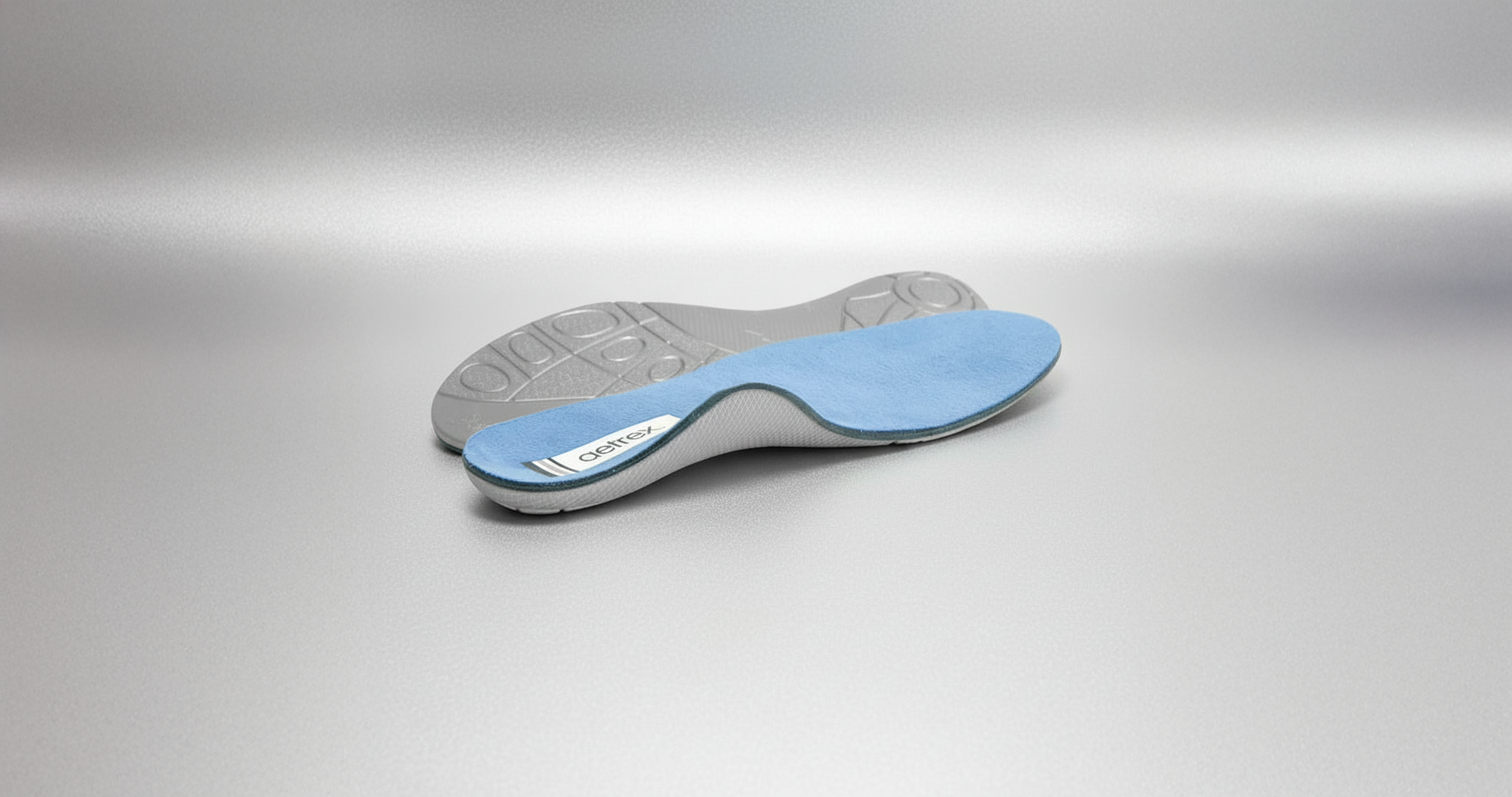
Finding the right solution for foot pain can feel like a frustrating journey. You might think the softest, most cushioned insert is the answer, but true comfort requires more than just a plush feel. It demands a smart balance of softness and stability. This is where high-quality memory foam insoles make a real difference. They provide the immediate, cloud-like comfort you want, but also deliver the crucial arch support your feet need for proper alignment. This combination helps distribute pressure evenly, absorb shock, and reduce strain on your entire body, from your feet up.
Memory foam arch support insoles are shoe inserts designed to give you the best of both worlds: plush comfort and structured support. Think of them as a perfect partnership for your feet. The memory foam is a soft, cushioning material that molds to the unique shape of your foot, creating a personalized fit that feels custom-made. This adaptive cushioning is then combined with a supportive structure that helps maintain proper alignment, especially through your arch. So, while the memory foam provides that immediate cloud-like feeling, the arch support is working behind the scenes to keep your feet happy long-term.
Unlike basic foam cutouts you might find at a drugstore, a well-designed memory foam insole provides more than just a soft layer. The real benefit comes from how the foam and the arch support work together. The foam absorbs shock and reduces pressure, while the arch support helps guide your foot into a healthier position with every step. This dual-action design is what makes them so effective for people seeking relief from everyday foot fatigue and more specific discomforts. When you’re looking for the right pair, it’s important to consider both the quality of the foam and the design of the orthotics themselves. Aetrex helps to combine premium materials with podiatrist-approved support to address the root of foot pain, not just mask it with cushioning.
The magic of memory foam lies in its ability to conform perfectly to your foot's contours. It’s a material that responds to your body's heat and pressure, creating a custom impression that cradles your foot. At Aetrex, we use a plush, slow recovery IQ150™ memory foam that immediately conforms to the shape of your foot, providing extraordinary comfort from the moment you step in. This personalized fit does more than just feel good; it helps distribute pressure evenly across your foot, which can relieve stress on sore spots. By absorbing the impact of walking and standing, memory foam makes every step feel a little lighter and a lot more comfortable.
While memory foam provides that initial "ahh" feeling of comfort, the arch support is the component that delivers long-term relief. Arch support is essential for maintaining proper foot alignment. Quality insoles are designed to provide a great mix of comfort and support, helping to keep your feet in the right position. This alignment can help prevent the pain associated with mild to moderate pronation, where the foot rolls inward. By supporting the arch, these insoles can help alleviate strain not just in your feet, but also in your ankles, knees, and even your back. If you're unsure what kind of support you need, using an Orthotic Finder can help you identify the perfect match for your arch type and lifestyle.
Memory foam insoles offer much more than just a soft, squishy feeling under your feet. When designed correctly, they provide a powerful combination of cushioning and support that can make a real difference in your daily comfort. The unique material responds to your body's heat and pressure, creating a custom mold of your foot. This personalized fit is the secret behind its key benefits, from easing pain associated with common foot conditions to improving your overall alignment. Let's look at how these insoles work to support your feet and your entire body.
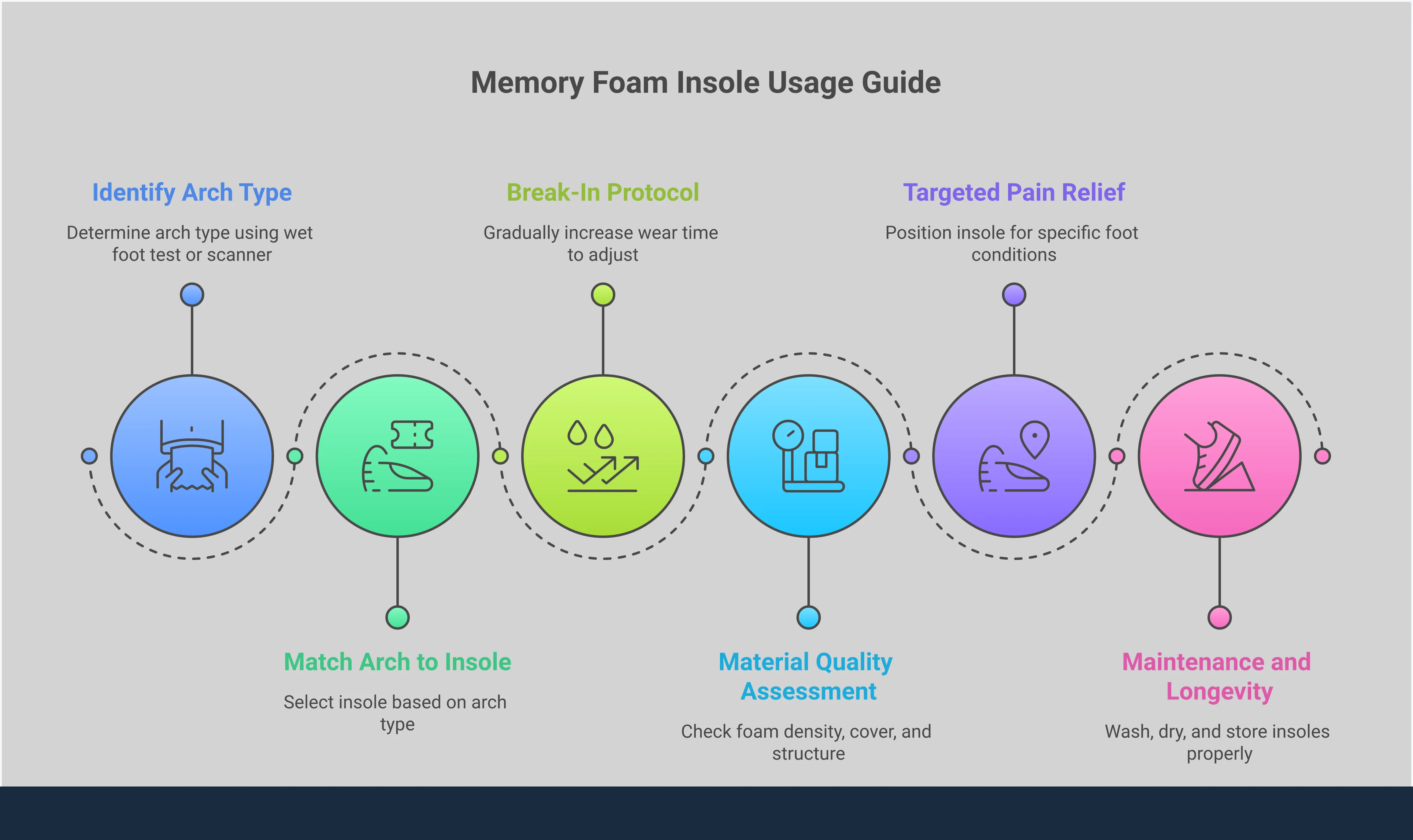
If you're dealing with persistent foot pain, memory foam insoles can be a game-changer. The material excels at distributing pressure evenly across the entire surface of your foot, which helps to reduce stress on sensitive spots like the heel and ball of the foot. Aetrex helps to provide relief for conditions like plantar fasciitis and general arch pain by combining its signature arch support with a top layer of memory foam. This design cushions the foot while also supporting it, addressing both comfort and alignment to help you move through your day with less discomfort.
Memory foam insoles are also incredibly effective for more targeted issues like bunions, heel spurs, and Achilles tendonitis. The soft foam provides gentle cushioning around sensitive areas, like the joint affected by a bunion, while the arch support helps to improve your foot's alignment, reducing unnatural strain. For painful heel spurs, the shock-absorbing qualities of the foam can make a huge difference with every step. Similarly, by supporting the arch, Aetrex helps to reduce the tension on the Achilles tendon. It’s this combination of cushioning and structural support in our orthotics that provides comprehensive relief, helping to make walking and standing a more comfortable experience.
One of the most immediate benefits you'll notice is the incredible comfort. Memory foam absorbs shock with every step you take, which is especially helpful on hard surfaces like concrete or tile. This cushioning effect reduces the impact that travels up your legs to your joints and back, which can leave you feeling less fatigued after a long day. All Aetrex women's footwear and men's styles are designed with this principle in mind, layering premium memory foam over supportive materials to deliver that perfect blend of softness and stability.
Proper foot alignment is the foundation for good posture. When your feet are not correctly supported, it can create a chain reaction of misalignment that affects your knees, hips, and even your back. Memory foam orthotics help cradle your foot in a stable position, preventing it from rolling inward or outward excessively. By supporting the arch and heel, these insoles encourage a natural stride and a more balanced posture. This foundational support not only contributes to foot health but also helps reduce strain on the rest of your body.
When you’re looking for the right insole, the options can feel endless. But not all memory foam is created equal. Some brands prioritize a custom-like feel and targeted support, while others focus on basic cushioning. Let's look at what sets the best options apart.
When it comes to exceptional comfort and support, Aetrex stands in a class of its own. Their premium memory foam orthotics are engineered with a signature, plush IQ150™ memory foam. This material has a slow-recovery quality, meaning it doesn’t just cushion your foot—it cradles it, conforming to your unique shape for a truly personalized fit with every step.
This thoughtful design is why so many healthcare professionals recommend Aetrex. The combination of memory foam and strategic arch support Aetrex helps to relieve pressure and prevent the discomfort associated with common foot conditions like Plantar Fasciitis. It’s not just about softness; it’s about providing the right balance and support exactly where you need it.
Of course, some other brands offer memory foam insoles. These can provide a good level of cushioning and pressure relief, making them a decent option for those who spend a lot of time standing all day. The primary benefit of any quality memory foam insole is its ability to absorb shock and mold to your foot, which reduces impact during high-impact activities.
However, many alternatives lack the specialized construction and premium materials that define a therapeutic orthotic. While they might offer initial comfort, they may not provide the same level of targeted, long-term support needed to address specific foot health concerns.
You might think memory foam insoles are only for people with serious foot problems, but their benefits extend to almost everyone. If you spend long hours on your feet for work, whether you’re a nurse, teacher, or retail associate, you know the feeling of tired, achy feet at the end of the day. Memory foam insoles provide a soft, cushioned layer that absorbs the impact of every step, making those long shifts much more bearable. They essentially give your feet a much-needed break, even while you’re still on the move.
They’re also a great choice for anyone who enjoys an active lifestyle. From daily walkers to weekend hikers, the added shock absorption helps protect your joints from repetitive stress. Even if you don't have a specific foot condition, you can still benefit from the personalized comfort that memory foam provides. It molds to the unique contours of your feet, offering support exactly where you need it. Think of it as a custom-fit hug for your feet, helping to improve your overall comfort and alignment with every step. Aetrex helps to provide this personalized support through thoughtfully designed orthotics that cater to a wide range of needs.
If you’ve ever felt that sharp, stabbing pain in your heel, especially with your first steps in the morning, you know how disruptive plantar fasciitis can be. This condition occurs when the ligament connecting your heel to your toes becomes inflamed. Memory foam insoles are incredibly helpful because they provide significant cushioning directly under the heel, which can soften the impact of walking. More importantly, the integrated arch support helps to properly align the foot, reducing the strain on the plantar fascia ligament. Aetrex helps to provide targeted plantar fasciitis relief by combining premium memory foam with strategic arch support to ease discomfort and promote proper foot function.
Foot structure plays a huge role in your overall comfort, and both flat feet and high arches can lead to discomfort. For those with flat feet, the lack of a defined arch can cause the foot to roll inward, leading to strain on the feet, ankles, and even knees. Memory foam insoles with built-in arch support can provide the structure that’s missing, helping to distribute pressure more evenly. Conversely, high arches mean that pressure is concentrated on the heel and ball of the foot. The contouring nature of memory foam helps fill the space under the arch, providing full-foot contact and cushioning. This balanced support is why Aetrex offers specialized footwear for flat feet and other arch types.
Metatarsalgia is a common condition that causes pain and inflammation in the ball of your foot. It can feel like you’re walking on a pebble you just can’t shake. Memory foam insoles are excellent for this because they mold to the shape of your foot, which helps distribute your body weight more evenly across the entire foot surface. This reduces the intense pressure on the ball of the foot that causes pain. The same principle applies to general heel pain. By providing a soft, shock-absorbing layer, these insoles cushion the heel with every step. Aetrex helps to design footwear for metatarsalgia that incorporates these principles, offering relief for tired, achy feet.
Finding the perfect pair of insoles can feel like a game of trial and error, but it doesn't have to be. When you know what to look for, you can confidently pick an insole that gives you that "aha" moment of relief. It really comes down to three things: your foot shape, your specific pain points, and the shoes you plan to wear them in. By thinking through each of these areas, you can narrow down the options and find a pair that feels like it was made just for you.
First, let's talk about your arches. Do you have flat feet, high arches, or something in between? Knowing your arch type is a crucial first step. While many memory foam insoles are designed to work well for all arch types, understanding your foot’s unique structure helps you find the best support. An easy way to get a precise reading is to use advanced technology like Aetrex’s foot scanners, which can map your pressure points and arch height. This information gives you a clear picture of where you need the most support, ensuring your insole cradles your foot correctly and helps with proper alignment.
Next, think about why you’re looking for insoles. Are your feet just tired and achy after a long day, or are you dealing with a specific condition? Memory foam insoles are fantastic for general comfort because they mold to your feet, which helps distribute pressure evenly and reduce fatigue. If you're experiencing persistent pain from conditions like plantar fasciitis or metatarsalgia, the right insole is even more important. Aetrex helps to provide the ideal balance of cushioning and support to relieve and prevent discomfort from many common foot conditions, giving your feet the stable foundation they need to feel better.
While memory foam insoles and supportive footwear can make a world of difference for everyday comfort, it's important to know when to seek professional medical advice. If you're experiencing foot pain that lasts for more than a few days, gets worse, or starts to interfere with your daily activities, it's time to check in with a doctor. You should also make an appointment if you notice any signs of infection, such as redness, swelling, or warmth around the painful area. Pain that continues for weeks after a foot injury is another clear signal to get it checked out. A healthcare professional can provide a proper diagnosis and ensure there aren't any underlying issues, helping you create the most effective plan for long-term relief.
Finally, consider your daily life. The best insoles are the ones you’ll actually wear, so they need to fit your shoes and your routine. Memory foam insoles typically work best in footwear with removable liners, like athletic shoes, casual sneakers, and work boots. This allows you to swap out the flimsy factory insole for something much more supportive. Think about the shoes you wear most often and make sure the insole you choose will fit comfortably inside. You can use an orthotic finder to see which styles are best suited for your favorite footwear and activities.
When you’re looking for foot pain relief, the material of your insole makes all the difference. Walking through the drugstore aisle, you’ll see options made from gel, firm plastic, and of course, memory foam. Each one offers a different experience, and understanding those differences is key to finding the comfort your feet deserve. While some materials focus solely on cushioning and others on rigid correction, the best solutions often blend support with comfort. Let's break down how memory foam stacks up against other common insole materials so you can make an informed choice for your foot health.
Think of memory foam as a personalized hug for your feet. It’s known for being incredibly soft and responsive, molding to the unique shape of your foot to create a custom-fit feel. This contouring action helps distribute pressure evenly across your foot, which is a game-changer for relieving sore spots. Gel insoles, on the other hand, are primarily focused on shock absorption. They can feel squishy and provide a bouncy cushion, but they don’t offer the same personalized, cradling support as memory foam. Aetrex helps to provide the best of both worlds by using a proprietary memory foam that offers superior cushioning while working with a supportive shell to maintain proper alignment.
The thickness of an insole plays a big role in how it fits inside your shoes. A thicker, more cushioned insole might feel amazing, but it can also make your favorite sneakers feel too snug. On the other hand, a thinner insole is perfect for shoes that don’t have a lot of extra room, like dress shoes or flats. The key is to find the right balance for your footwear. For taller boots or spacious athletic shoes, a thicker insole can provide extra support and cushioning. For everyday shoes with less depth, a lower-profile design is a better choice. Aetrex helps to solve this by offering different orthotic profiles, so you can find the perfect match using an orthotic finder and get the support you need without sacrificing a comfortable fit.
One of the most unique things about memory foam is how it works with your body. The material is temperature-sensitive, meaning it responds to your natural body heat. As your foot warms the insole, the foam softens and molds to your exact contours, creating a truly personalized fit. This custom impression is what makes memory foam so effective at distributing pressure evenly across the entire foot, which can help relieve stress on common sore spots like the heel and ball of the foot. It’s this heat-activated technology that allows Aetrex’s premium memory foam to provide that signature cradling comfort, adapting to your foot with every step you take.
Different materials are designed for different purposes. Memory foam truly shines when it comes to providing personalized comfort and all-day relief from fatigue. Because it molds to your foot, it’s fantastic for distributing pressure and reducing strain, making it ideal for anyone who spends long hours standing or walking. Other materials, like gel, are known more for their shock-absorbing, bouncy feel. While they can provide some cushioning, they don’t offer that same custom-molding support. Aetrex helps to deliver a superior solution by combining the plush, adaptive comfort of memory foam with the structured alignment of our signature arch support, giving you the best of both worlds.
Rigid supports are on the opposite end of the spectrum. Usually made from hard plastic or composite materials, they are designed to provide firm, corrective arch support to control foot motion. While they can be effective for certain conditions, they often lack cushioning, which can feel harsh and uncomfortable for everyday wear. Generic insoles simply can't address the specific dysfunctions of your unique foot shape. This is where Aetrex truly stands out. Our orthotics are engineered with a supportive cobra-shaped arch support and are topped with our signature memory foam, giving you the perfect balance of corrective alignment and plush, pressure-relieving comfort.
A common concern with memory foam is that it can flatten over time or trap heat. While this can be true for lower-quality foams, premium materials make a huge difference. Aetrex orthotics are crafted with high-density memory foam that resists compression, ensuring you get long-lasting comfort and support. We also incorporate breathable top covers to help keep your feet cool and dry all day long. If you’re new to wearing supportive insoles, remember there can be a short break-in period. Start by wearing your new Aetrex footwear for a few hours a day to allow your feet to adjust to the new level of support.
Once you're ready to find the perfect pair of memory foam insoles, it can feel a little overwhelming with all the options out there. But don't worry, I've got you. Focusing on a few key features will help you sort through the noise and find a pair that truly supports your feet. Think about what the insole is made of, how it will fit inside your shoe, and how it will feel after a long day. Let's break down exactly what to look for.
The quality of the materials directly impacts the comfort and longevity of your insoles. Look for options made with premium, high-density memory foam. For example, Aetrex orthotics use a slow recovery memory foam designed to conform to your unique foot shape, providing personalized cushioning where you need it most. This thoughtful construction means the support won't flatten out after just a few wears. Investing in a well-made insole ensures you get lasting comfort and relief, making it a better value in the long run.
Even the best insole won't do its job if it doesn't fit correctly. An improper fit can cause sliding and discomfort, reducing the insole's effectiveness. When choosing a size, make sure it corresponds to your shoe size, though some are trimmable for a custom fit. If your shoes are a bit roomy, a thicker insole can create a snugger feel. The goal is for the insole to sit securely, with your heel cupped and your arch fully supported. Using an Orthotic Finder can take the guesswork out of selecting the perfect match for your feet and footwear.
A perfect fit is non-negotiable for an insole to be effective. If it slides around inside your shoe, you won't get the consistent support you need. That’s why many premium orthotics are designed to be trimmed for a custom fit. The process is simple: remove the original liner that came with your shoe and use it as a template. Place it on top of your new memory foam insole, trace the outline around the toe area, and carefully cut along the line. It’s always best to trim a little at a time to ensure you don’t take off too much. This simple step ensures your Aetrex orthotics sit snugly in your shoe, providing targeted support and cushioning with every step you take.
The real magic of memory foam happens over time through a process called wear molding. As you wear your insoles, your body heat and the pressure of your steps soften the foam, allowing it to gradually conform to the unique contours of your feet. This creates a personalized impression that cradles your arch, heel, and ball of the foot perfectly. This custom fit is what helps to reduce muscle fatigue and absorb shock so effectively. Aetrex’s premium memory foam insoles are specifically designed for this, creating a custom-like feel that distributes pressure evenly and makes you feel supported throughout the day.
If you plan on wearing your insoles for hours, breathability is a non-negotiable feature. Feet sweat, and trapped moisture can lead to discomfort and odor. Look for insoles with moisture-wicking top covers or materials that promote airflow to keep your feet dry and cool. This is essential for overall foot health, as a breathable insole prevents bacteria buildup and keeps your feet feeling fresh all day. High-quality orthotics often include these features, because comfort is about more than just cushioning—it’s about creating a healthy environment for your feet.
While the plushness of memory foam is what provides that instant feeling of relief, it’s the combination of softness and structure that delivers lasting benefits. Look for hybrid designs that pair memory foam with a firmer, supportive shell. Memory foam insoles with built-in arch support can provide the structure that’s missing, helping to distribute pressure more evenly across your foot. This dual-action approach is what truly makes a difference. Aetrex helps to perfect this balance by layering our premium IQ150™ memory foam over a signature cobra-shaped arch support, ensuring you get both immediate cushioning and the essential alignment needed for long-term foot health.
Investing in your foot health is one of the best things you can do for your overall well-being, and you might be able to make it more affordable. Some insoles can be paid for using a Flexible Spending Account (FSA) or Health Savings Account (HSA). These accounts allow you to use pre-tax dollars for qualified medical expenses, which often include orthotic inserts. It’s a smart way to manage costs while getting the high-quality support you need. Be sure to check with your plan provider to confirm that orthotics are covered, as eligibility can vary.
Memory foam insoles have become a go-to for people seeking comfort, but there's a lot of chatter out there that can be misleading. When you're trying to find real relief for your feet, it's important to separate fact from fiction. Let's clear up a few common myths so you can make a choice that genuinely supports your foot health. Understanding what makes a memory foam insole effective is the first step toward finding lasting comfort and relief from pain.
It’s easy to assume that the squishiest, most cloud-like insole will be the most comfortable. While that initial softness feels luxurious, it often lacks the structure your feet need for long-term support. For conditions like plantar fasciitis or flat feet, a firmer, more supportive arch is crucial for proper alignment and pain relief. Aetrex helps to solve this by combining plush memory foam for cushioning with a strategically designed arch support system. This creates the perfect balance: immediate comfort that doesn’t sacrifice the essential structure needed to keep your feet happy all day long.
You might have heard that memory foam insoles flatten like a pancake after just a few weeks of wear. While this can be true for low-quality, generic inserts, it’s not the case for premium orthotics. The durability of a memory foam insole comes down to the quality of the materials. Aetrex uses high-density memory foam designed to retain its shape and supportive qualities over time. Instead of weakening your feet, a well-made insole provides consistent support that helps your feet function more efficiently, reducing strain on your arches, heels, and joints with every step you take.
The concern that memory foam traps heat is a valid one, as some materials can leave your feet feeling sweaty and uncomfortable. However, technology has come a long way. High-quality insoles are designed with breathability in mind. Aetrex orthotics, for example, often feature advanced top covers with microbial guards that help reduce odor and keep your feet cool and dry. By choosing insoles made with modern, breathable materials, you can get all the cushioning benefits of memory foam without worrying about overheating.
You’ve found the perfect pair of insoles—now what? Just like a great pair of shoes, a little care goes a long way in making sure they provide lasting comfort and support. Taking a few simple steps will help you get the most out of your investment, ensuring your feet feel great day after day. From a gradual break-in period to proper cleaning, these tips will help you maintain the effectiveness and lifespan of your new insoles.
Think of your new insoles like a new pair of supportive shoes—your feet need a little time to get acquainted. If you’re new to wearing orthotics with significant arch support, it’s best to break them in gradually. Start by wearing them for just an hour or two on the first day, then slowly increase the duration over the next few days. This allows the muscles and ligaments in your feet to adapt to the new alignment and support. This simple process helps prevent any initial discomfort and ensures your transition to better support is a smooth and comfortable one.
Keeping your insoles fresh is essential for both their longevity and your foot hygiene. Most quality memory foam insoles should last for six months or more, depending on how often you wear them and your activity level. For cleaning, you can typically place them in the washing machine on a cold, gentle cycle. The most crucial step is to let them air dry completely. Avoid the dryer at all costs, as the heat can warp the foam and alter its supportive shape. When you notice the cushioning feels flat or they show visible signs of wear, it’s time to find a new pair to ensure you continue getting the support you need.
To keep your insoles feeling fresh and supportive, a little care goes a long way. For most high-quality memory foam orthotics, cleaning is simple: just use a gentle, cold cycle in the washing machine. The most important step is to let them air dry completely. Whatever you do, keep them out of the dryer, as the high heat can warp the foam and ruin its supportive shape. A good pair should last you about six months, but this can change depending on your activity level. Just pay attention to how they feel. If the cushioning starts to feel flat or you notice visible wear, it’s time for a new pair to ensure your feet continue to get the support they need.
How long will it take for my feet to get used to new memory foam insoles? It's a good idea to give your feet a little time to adjust to the new level of support. I recommend wearing your new insoles for just a couple of hours the first day, then gradually adding more time over the next week. This gentle break-in period allows the muscles in your feet to adapt to the proper alignment, ensuring a comfortable transition.
Can I use the same pair of insoles in all my different shoes? Yes, you can definitely move your insoles between similar types of shoes, like from one pair of sneakers to another. Just make sure the shoes have enough room and feature a removable liner. For the best fit and function, you might want dedicated pairs for shoes you wear most often, especially if they have different shapes, like a work boot versus a walking shoe.
Will these insoles make my shoes feel tight? This is a common concern, but a well-chosen insole shouldn't cramp your style. Most quality insoles are designed to replace the flimsy factory liner that came with your shoes, so they won't take up much extra space. If your shoes are already quite snug, look for a lower-profile orthotic. Aetrex helps to offer various designs to fit different types of footwear.
How are these different from the custom orthotics my doctor might recommend? Think of these as a fantastic, accessible first step for comfort and support. They are expertly designed to help with common issues like general foot fatigue and mild arch pain by providing a great combination of cushioning and alignment. Custom orthotics are prescription devices molded specifically to your feet to address more significant biomechanical issues. For many people, a high-quality, over-the-counter orthotic provides the perfect amount of relief for daily life.
How can I tell when it's time to replace my insoles? You should plan on replacing your insoles about every six months, though this can vary based on your activity level. A few tell-tale signs include visible wear and tear, such as cracks or thinning in the foam. If you notice the cushioning doesn't feel as responsive or your foot pain starts to return, that's a clear signal that it's time for a fresh pair to keep your feet properly supported.
Share:
The Ultimate Guide to Arch Support Slippers
The 4 Best Women's Slippers with Arch Support