

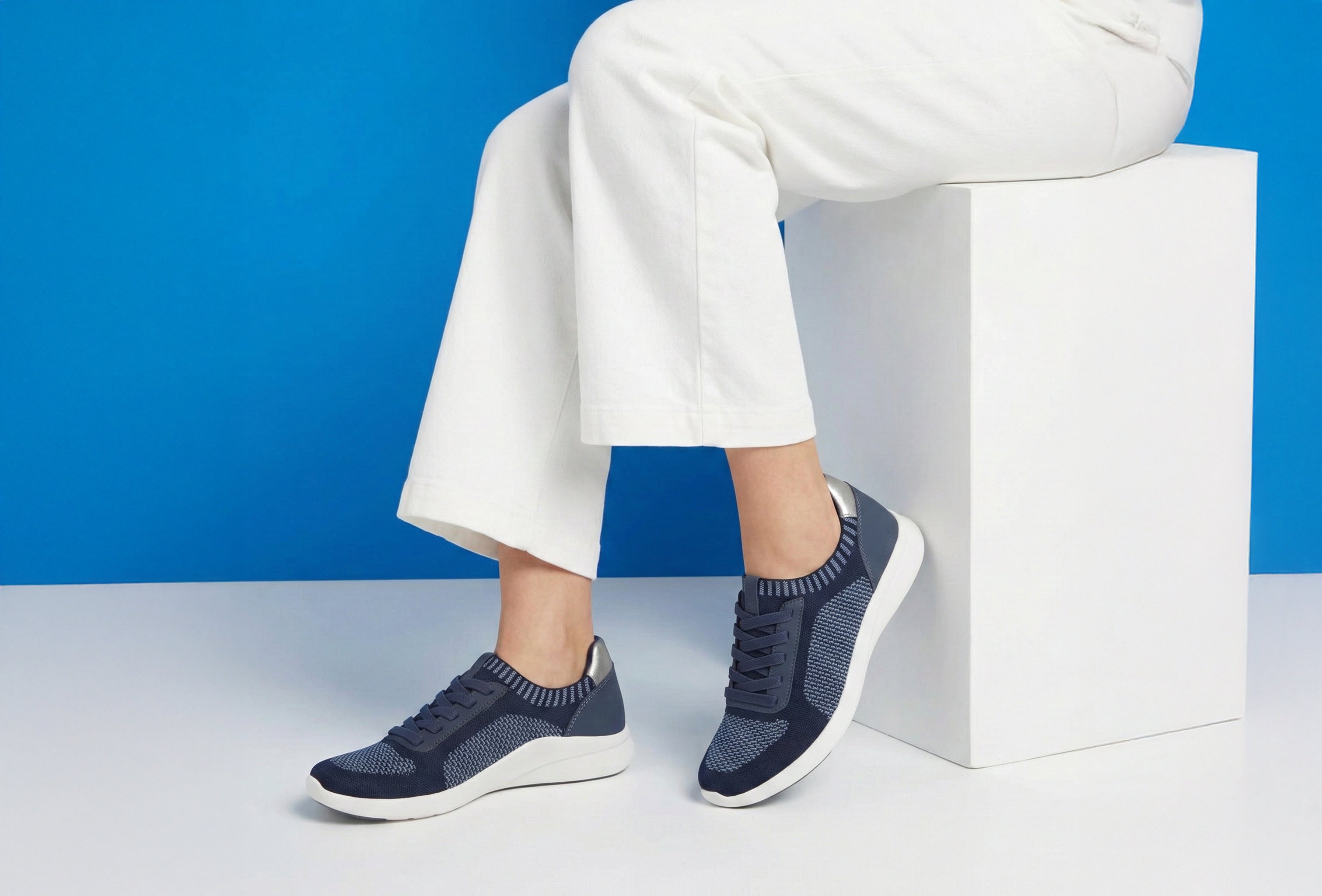
Let's be honest: the term "orthopedic shoes" doesn't exactly scream style. For years, finding footwear that could accommodate bunions meant sacrificing fashion for function. Thankfully, those days are over. The best brands now design footwear that delivers both comfort and style. You can find sleek sneakers, professional loafers, and even stylish sandals designed with your foot health in mind. You no longer have to choose between looking good and feeling good. This guide covers the key features to look for in modern, effective orthopedic shoes for bunions that will completely change how you think about supportive footwear.
Key Takeaways
- Prioritize Space and Support Over Style: The most critical features for bunion relief are a wide toe box that prevents rubbing and superior arch support that properly aligns your foot, taking pressure off the painful joint.
- Opt for Orthopedic Designs: Unlike standard shoes, orthopedic footwear is specifically constructed with soft, seamless interiors and strategic cushioning to protect sensitive feet, providing both immediate comfort and long-term health benefits.
- Avoid Common Shopping Pitfalls: Steer clear of high heels and pointed-toe shoes that worsen pain. Always get your feet measured before buying, as sizes can change, and try on shoes in the afternoon for the most accurate fit.
How Orthopedic Shoes Can Help with Bunion Pain
If you're dealing with the daily discomfort of bunions, you know that the wrong pair of shoes can turn a good day into a painful one. But the right pair? That can be a complete game-changer. Orthopedic shoes are specifically designed to provide comfort and support for various foot conditions, and when it comes to bunions, they offer targeted relief that regular shoes just can't match. They are engineered to accommodate the unique shape of your foot, reducing pressure on sensitive areas and helping you move with ease. Let's break down what bunions are and how these specialized shoes can help you get back on your feet comfortably.
What Exactly Is a Bunion?
Before we get into the solution, let's quickly cover the problem. A bunion is a bony bump that forms on the joint at the base of your big toe. This happens when your big toe pushes against your next toe, forcing the joint to enlarge and stick out. The skin over the bunion might become red, swollen, and sore. Wearing shoes that are too tight or narrow is a common culprit, creating friction and pressure that leads to swelling, stiffness, and persistent pain. It’s a frustrating condition that can make finding comfortable footwear feel like an impossible task.
How Bunions Form and Cause Pain
Bunions typically develop when your big toe is persistently pushed out of its natural alignment, forcing the joint at its base to stick out. This is often a result of wearing shoes that are too narrow or tight, which cram your toes together and create constant pressure. This friction can cause a fluid-filled sac to form over the joint, which may eventually harden into that familiar bony bump. The pain you feel comes from the joint itself being inflamed from the misalignment and the bump constantly rubbing against the inside of your shoe. Without proper arch support to help maintain a healthier foot position, the strain on your big toe joint only gets worse. This can make every step a painful reminder, turning simple activities like walking into a dreaded chore. Choosing the right comfortable shoes is crucial for giving your feet the space and support they need to feel better.
How the Right Shoes Provide Bunion Relief
This is where orthopedic shoes step in. Unlike standard shoes that can cramp your toes and aggravate the problem, orthopedic shoes are built with features that give your feet the space and support they need. Aetrex helps to provide this relief with designs that include a wide toe box, which allows your toes to spread out naturally and prevents rubbing against the sensitive bunion. They also feature superior arch support to properly align your foot, which can help redistribute pressure away from the painful big toe joint. With soft, stretchable materials and seamless interiors, these women's shoes are crafted to accommodate the bunion without causing irritation, offering you both comfort and style.
What to Look For in Shoes for Bunions
Shopping for shoes when you have bunions can feel like a frustrating puzzle. But once you know which pieces to look for, finding the perfect fit becomes much easier. The right shoe isn’t just about covering your foot; it’s about creating a comfortable, supportive environment that allows you to move without pain. Think of this as your go-to checklist for finding shoes that work with your feet, not against them. These are the non-negotiable features that can make a world of difference in your daily comfort and long-term foot health.
Prioritize a Roomy Toe Box
The single most important feature to look for is a wide, deep toe box. Squeezing your toes into a narrow, pointed shoe is a major cause of bunion pain and can make the condition worse. A roomy toe box gives your toes space to spread out naturally, preventing pressure and friction on the sensitive bunion area. This isn't about sizing up; it's about finding a shoe designed with a more generous shape at the front. Aetrex helps to provide this essential space in many of its women's and men's footwear styles, ensuring your bunion isn't constantly irritated with every step you take.
Combine a Wide Toe Box with a Snug Heel
While a spacious toe box is crucial, it's only half of the equation for a perfect fit. You need to pair that roominess up front with a snug, secure heel. Without a well-fitted heel, your foot can slide forward with each step, effectively jamming your toes and the sensitive bunion area into the front of the shoe. This completely negates the benefit of the extra space. A secure heel counter locks your foot in place, providing stability and ensuring that your arch is positioned correctly over the shoe's built-in support. Aetrex helps to create this ideal balance in its men's and women's footwear, designing shoes that hold your heel firmly while giving your toes the freedom they need.
Check for Proper Arch Support
Bunions can throw off the alignment of your entire foot, leading to instability and extra pressure on the big toe joint. This is where excellent arch support comes in. A supportive insole helps to properly align your foot, distributing your body weight more evenly and taking the strain off the bunion. The Aetrex Signature Arch Support is designed to do exactly this, providing stability and balance from the ground up. By supporting the arch, our orthotics and footwear help to reduce the stress that can aggravate bunion pain, making walking feel more secure and comfortable.
Find Cushioning for All-Day Comfort
Every step you take sends impact through your feet and up into your joints. For a foot with a bunion, this impact can be especially painful. Look for shoes with substantial cushioning and shock-absorbing soles made from materials like memory foam or lightweight EVA. This feature acts as a buffer, softening the blow of walking on hard surfaces. It reduces stress not just on your bunion, but on your ankles, knees, and hips as well. This strategic cushioning is a key element in Aetrex designs, helping to make every step feel gentler and less jarring.
Choose a Smooth, Seamless Interior
It’s not just the outside of the shoe that matters. The inside can be a major source of irritation for a sensitive bunion. Rough seams, stitching, or stiff materials can rub against the bunion, causing blisters and inflammation. The best shoes for bunions have a soft, padded, and seamless interior lining. This creates a smooth surface that minimizes friction and protects your skin. When you’re trying on shoes, run your hand along the inside to check for any potential rough spots. A well-designed interior shows that the shoe was truly made with comfort in mind.
Opt for Adjustable Features
Feet with bunions often have a unique shape—wider at the front and standard at the heel. This can make finding a good fit tricky. Adjustable features like laces, buckles, or hook-and-loop straps are your best friend. They allow you to customize the fit, ensuring the shoe is snug and secure around your midfoot and heel without constricting the bunion area. Stretchy materials in the upper part of the shoe can also be incredibly helpful, as they gently expand to accommodate the bunion without adding pressure. This combination of adjustability and flexibility is key to achieving a personalized, pain-free fit.
Look for Extra Depth Designs
When you're looking for bunion-friendly shoes, width is important, but so is depth. An extra-depth design provides more vertical space inside the shoe, which prevents the top of the shoe from pressing down on the sensitive bunion joint. This feature is crucial because it reduces pressure and friction from above, a source of irritation that is often overlooked. More importantly, this additional space is essential if you use specialized orthotics for tailored arch support. Extra depth ensures there’s enough room to accommodate the insert without making the shoe feel tight, allowing your foot and the orthotic to work together for optimal alignment and comfort.
Consider Flexible, Stretchy Materials
Rigid, unforgiving materials are a bunion's worst enemy. They create constant pressure and friction, leading to inflammation and pain. Instead, seek out shoes made from flexible, stretchable materials that can adapt to the unique shape of your foot. Materials like engineered stretch knits or soft, supple leathers gently expand around the bunion instead of constricting it. Aetrex helps to provide relief by incorporating these forgiving materials into many of its men's and women's styles. This thoughtful design choice allows the shoe to move with you, accommodating the bunion comfortably and preventing the rubbing that can cause irritation throughout the day.
Orthopedic vs. Regular Shoes for Bunions: What's the Difference?
When you’re dealing with bunions, the shoes you choose can be the difference between a day spent in constant pain and a day where you feel comfortable and supported. While you might be tempted to grab any pair of shoes that looks wide enough, there’s a world of difference between standard footwear and true orthopedic shoes. Regular shoes are typically designed with fashion as the top priority, often featuring narrow toe boxes, minimal support, and rigid materials that can squeeze and irritate a bunion. They simply aren’t built to accommodate the structural changes in your foot.
Orthopedic shoes, on the other hand, are engineered from the ground up with foot health in mind. They are specifically constructed to provide relief, support, and protection for sensitive feet. Think of them as a therapeutic tool rather than just a fashion accessory. From the materials used to the shape of the sole, every element is chosen to reduce pressure, improve alignment, and create a comfortable environment for your feet. For anyone with bunions, making the switch isn't just an upgrade—it's an essential step toward daily comfort and better long-term foot health.
Designed for Targeted Pain Relief
The most immediate difference you’ll notice with orthopedic shoes is their focus on targeted relief. Unlike regular shoes that can aggravate bunions, orthopedic designs are built to accommodate them. They often feature a wide, anatomically shaped toe box that gives your toes room to spread out naturally, preventing painful rubbing against the bunion. Many also use soft, stretchable materials in the upper part of the shoe that gently conform to the shape of your foot without causing pressure. This thoughtful construction is designed to alleviate the specific discomfort bunions cause, allowing you to walk with significantly less pain. Aetrex helps to provide this immediate comfort in its line of women's footwear, designed with these principles in mind.
Promote Better Alignment and Balance
A bunion isn't just a bump; it's a sign of a structural shift in your foot. Orthopedic shoes work to address this by promoting better alignment and distributing pressure more evenly across your entire foot. Standard shoes often concentrate pressure on the ball of the foot and the big toe joint, which is exactly where a bunion is most sensitive. In contrast, orthopedic shoes feature superior arch support and cushioned orthotics that help stabilize your foot. This support system lifts the arch, corrects your alignment, and shifts pressure away from the bunion area, providing a more balanced and comfortable stride.
Help Prevent Worsening Symptoms
Choosing the right footwear is also a proactive step for your long-term foot health. The constrictive design of many regular shoes can not only worsen existing bunions but also contribute to new problems like hammertoes or pinched nerves. Orthopedic shoes, with their anatomical fit and supportive features, help to prevent these issues. By giving your feet the space and support they need, you reduce the daily strain that can lead to further complications. Getting a precise fit is key, which is why technologies like Aetrex’s foot scanners are so valuable. They ensure your shoes are perfectly matched to your foot’s unique shape, helping to protect against future problems.
An Investment in Durability and Comfort
While orthopedic shoes can be more of an initial investment, they are built for durability and offer incredible long-term value. They are crafted from high-quality materials designed to withstand daily wear while continuing to provide consistent support and comfort. Cheaper, mass-produced shoes often lose their shape and cushioning quickly, forcing you to replace them frequently and offering little in the way of relief. Investing in a well-made pair of orthopedic shoes, like Aetrex men's footwear, means you’re getting a product that not only feels better but is also built to last. It’s an investment in your comfort, mobility, and overall well-being.
Top Shoe Brands for Bunion Comfort
When you’re dealing with bunions, finding a shoe that doesn’t cause more pain can feel like a monumental task. So many styles seem to pinch, squeeze, and rub in all the wrong places, turning a simple walk into a dreaded activity. The good news is that several footwear brands have dedicated themselves to creating shoes that work with your feet, not against them. These companies go beyond simply offering a "wide" size; they engineer their shoes with specific features designed to accommodate bunions and provide lasting comfort. They understand that the right shoe needs a thoughtful combination of space, support, and soft materials to make a real difference. From the shape of the toe box to the cushioning in the midsole and the smoothness of the interior lining, every detail is considered to help reduce pressure on that sensitive big toe joint. Choosing a brand that specializes in foot wellness ensures you’re getting a product designed to support your daily activities, whether you're running errands, working a long shift, or heading to the office. Below are some of the top brands that consistently deliver on their promise of comfort and relief for people with bunions, helping you get back on your feet without the constant ache.
Aetrex: The Leader in Comfort and Support
Aetrex stands out by integrating cutting-edge technology with thoughtful design, making it the premier choice for bunion relief. Every pair of shoes is built with the signature Aetrex Arch Support, which is strategically placed to help align your body and reduce pressure on your forefoot, where bunions form. This isn't just about cushioning; it's about providing a foundation that supports proper foot function. Aetrex also designs its women's footwear with a roomy toe box, giving your toes the space they need to spread out naturally. This feature is critical for preventing the painful rubbing and constriction that so many other shoes cause. By combining superior arch support with a spacious, comfortable fit, Aetrex Helps to provide significant relief and all-day comfort.
Dr. Comfort
As the name suggests, Dr. Comfort specializes in footwear designed for individuals with specific foot health conditions, including bunions. Their approach is rooted in providing protective and comfortable shoes that can accommodate various foot issues. Dr. Comfort footwear typically features a wide and deep toe box to reduce pressure and friction on the bunion area. Many of their styles also include removable, supportive inserts that can be replaced with custom orthotics if needed. This focus on creating a gentle, accommodating fit makes them a reliable option for anyone seeking to ease the daily discomfort caused by bunions.
Drew Shoes
Drew Shoes has a long history of producing therapeutic footwear that offers both comfort and stability. Their designs are particularly beneficial for bunions because they provide a wide toe box that allows your toes to lie flat and spread out, while the heel is designed to be snug and secure. This combination prevents your foot from sliding forward, which can exacerbate bunion pain. Drew Shoes are also known for their durable construction and are often recommended for people who have other foot conditions in addition to bunions, such as arthritis or hammertoes, making them a versatile and supportive choice.
Finding the Right Bunion-Friendly Style
Living with bunions doesn't mean you have to give up on your personal style. The idea that orthopedic shoes are clunky and unfashionable is a thing of the past. Today, you can find supportive, bunion-friendly footwear for every part of your life, from your morning workout to a night out. The key is knowing what features to look for within each style category.
At Aetrex, we believe comfort and style should always go hand-in-hand. That’s why we design a wide range of women's footwear and men's footwear that incorporates our signature arch support and thoughtful, pain-relieving features into every pair. Whether you need a reliable sneaker, a professional pump, or a breezy sandal, you can find an option that not only looks great but also helps to ease bunion pressure and discomfort. You no longer have to choose between feeling good and looking good.
For Workouts: Athletic Shoes and Sneakers
When you’re active, the last thing you want is bunion pain holding you back. The right athletic shoes provide the space and support your feet need to move comfortably. Aetrex sneakers are designed with features like a wide toe box to reduce pressure on bunions and built-in arch support to promote proper alignment. This combination helps to distribute pressure evenly across your foot, allowing you to walk, run, or train with greater ease. While other brands like Orthofeet offer sneakers with similar goals, Aetrex integrates advanced orthotic technology directly into its designs for superior comfort from the very first step.
For the Office: Dress Shoes and Professional Styles
Finding dress shoes that accommodate bunions can feel like an impossible task, but it’s all about choosing styles with smart designs. Look for footwear made from soft, forgiving materials that won’t constrict the forefoot. Aetrex offers a beautiful collection of professional shoes, from loafers to low heels, that feature strategic cushioning and our signature arch support. These elements help to alleviate pressure on the ball of your foot and provide stability, making long days at the office much more comfortable. You can find elegant options that don't sacrifice the critical support your feet require.
For Weekends: Sandals and Casual Shoes
Even on your most relaxed days, your feet deserve proper support. For casual outings and warm weather, look for sandals and shoes with adjustable straps and a supportive footbed. Many Aetrex sandals feature fully adjustable straps, allowing you to customize the fit around your bunion for pressure-free comfort. Plus, our built-in orthotics are present even in our most casual styles, ensuring you get the arch support needed to prevent foot fatigue. While some brands offer shoes with soft, flexible uppers, Aetrex combines that flexibility with unparalleled support for all-day wear.
Beyond Shoes: Boots, Slippers, and Socks
Taking care of your feet is a full-time job that goes beyond your daily shoes. When the weather gets cooler, it’s crucial to find boots with a roomy toe box and soft, flexible materials to avoid putting pressure on your bunions. Even when you're relaxing at home, supportive slippers with arch support and good cushioning are a must to protect your feet from hard floors. Don't forget about socks, either—a seamless, cushioned pair can make a huge difference by reducing friction. Aetrex helps to extend this thoughtful approach to its entire collection of women's footwear, offering boots and slippers designed with the same pain-relieving support you need to stay comfortable year-round.
Are Your New Shoes Helping Your Bunions?
You’ve done your research and invested in a new pair of orthopedic shoes. That’s a fantastic step toward happier feet! But how can you tell if they’re actually doing their job? The right pair of shoes should offer more than just a temporary break from pain; they should provide lasting comfort and support that you can feel. Knowing what signs to look for will help you confirm you’ve made the right choice and are on the path to genuine relief.
Signs You've Found the Right Fit
The first sign of a great fit is immediate comfort. While your feet might need a short time to adjust to proper arch support, the shoes themselves shouldn't require a painful "break-in" period. You should notice a significant reduction in pressure on your bunion right away. A key indicator is a roomy toe box that allows you to wiggle your toes freely without rubbing against the shoe's interior. This space is crucial for eliminating friction. You should also feel a gentle, supportive lift in your arch. This isn't about forcing your foot into a new position, but rather about providing a stable foundation that feels both subtle and effective. Aetrex helps to deliver this experience by designing women's footwear with built-in arch support and anatomical cushioning.
How Soon Can You Expect Relief?
While you should feel some comfort right away, the full benefits of orthopedic shoes unfold over time. In the first week of consistent wear, you’ll likely notice less end-of-day soreness and a decrease in the sharp, nagging pain associated with your bunion. As you move into the second and third weeks, you may find you can stand or walk for longer periods without discomfort. This is a sign that your foot is adapting to better alignment, which reduces strain on the joint. The goal is to gradually get back to your daily activities with less pain. Unlike temporary fixes, Aetrex shoes and orthotics are designed for long-term foot health, providing the consistent support your feet need to feel their best day after day.
Shoe Shopping Mistakes That Can Hurt Bunions
Finding the right pair of shoes when you have bunions can feel like a huge challenge. It’s easy to get swayed by a stylish design, only to regret it after a few hours of wear. The truth is, many popular shoe styles can actually make bunion pain worse. Understanding what to steer clear of is just as important as knowing what to look for. It’s not just about avoiding immediate pain; the wrong shoes can exacerbate the condition over time, leading to more significant discomfort and potentially other foot issues.
Making a few simple shifts in how you shop can make all the difference. It’s about prioritizing your foot health without feeling like you have to sacrifice style. By avoiding common pitfalls related to shoe features, materials, and sizing, you can find footwear that not only accommodates your bunions but also provides genuine comfort and support throughout your day. This knowledge empowers you to make smarter choices that benefit your entire body, from your feet up. Let’s walk through some of the most frequent mistakes so you can shop with confidence and keep your feet happy for years to come.
Shoe Features to Avoid with Bunions
It’s tempting to grab that cute pair of heels or sleek ballet flats, but these styles are often the biggest culprits for bunion pain. High heels, especially those over two inches, shift your body weight forward, placing immense pressure on the front of your foot and directly on the bunion. Similarly, shoes with pointed or narrow toes squeeze your toes together, which can severely irritate the sensitive area.
Instead of forcing your feet into a shape they aren't meant to be in, look for shoes designed with your foot's natural structure in mind. Opt for a lower, more stable heel and a rounded or square toe box that gives your toes space to lie flat and comfortable. Many of Aetrex’s women’s footwear styles offer this combination of support and style.
Steer Clear of These Materials and Designs
The material and build of a shoe play a huge role in its comfort level. Avoid shoes made from stiff, synthetic materials that have no give. These can rub against your bunion, causing friction, blisters, and increased pain. Poorly constructed shoes with rough seams on the inside can also be a major source of irritation. When a shoe isn't built with foot health in mind, it lacks the foundational support needed to properly align your body, which can contribute to even more discomfort.
Focus on finding shoes made from soft, flexible materials like full-grain leather or stretch-knit fabrics that gently conform to the shape of your foot. A smooth, seamless interior is also key to preventing irritation. Aetrex helps to provide relief by designing shoes with high-quality materials and thoughtful construction that puts your comfort first.
How to Avoid Common Sizing Mistakes
Wearing the wrong size shoe is one of the most common and damaging mistakes you can make, especially with bunions. Many people don't realize that foot size can change over time due to age, pregnancy, or other factors. Squeezing your feet into shoes that are too tight or narrow will only aggravate your bunions and cause more pain. It’s crucial to ensure you have enough room for your toes to move freely without being constricted.
To prevent this, always measure your feet before buying new shoes, and try shopping in the afternoon when your feet are naturally a bit more swollen. For a truly precise fit, consider getting a comprehensive analysis of your feet. Aetrex’s advanced foot scanners can map your unique pressure points and arch type to help you find the perfect size and support.
The Importance of Width Options
If you have bunions, you might be tempted to just go up a shoe size for extra room. However, this common mistake often backfires, leading to a shoe that’s too long and causes your heel to slip, creating painful friction. The real solution isn't a larger size—it's the right width. Choosing shoes with multiple width options is essential for a tailored fit that accommodates the wider front of your foot without being loose in the back. Aetrex helps to provide this ideal combination by offering many of its women's and men's footwear styles in various widths. Our designs feature a roomy toe box for your bunion and a secure heel to prevent sliding, giving you both space and stability.
The Everyday Benefits of Bunion-Friendly Shoes
Choosing the right shoes when you have bunions is about so much more than just footwear—it's about reclaiming your comfort and your lifestyle. The difference a well-designed pair of shoes can make is truly night and day. Instead of planning your day around how much your feet can handle, you can start living your life with less pain and more freedom. Investing in shoes specifically designed for bunions means you're investing in your overall well-being, from your daily comfort to your long-term foot health. Let's look at what that really means for you.
Experience Less Pain and More Comfort
The most immediate benefit you'll notice is a significant reduction in pain. Bunion-friendly shoes are engineered to relieve pressure right where you need it most. Aetrex helps to achieve this with features like a wide toe box that gives your toes space to spread out naturally, eliminating the painful friction and rubbing that tight shoes cause. You should be able to wiggle your toes freely! Paired with superior arch support that properly aligns your foot, the strain on your big toe joint is greatly reduced. This isn't just about masking the pain; it's about creating a comfortable environment for your feet, allowing you to walk, stand, and move with ease throughout your day.
Get Back to the Activities You Love
Bunion pain can sideline you from the activities you love, whether it's a morning walk, a day of shopping, or keeping up with your kids. The right shoes can give you the confidence to get back out there. Modern orthopedic shoes, like the stylish options in our women's footwear collection, prove you don't have to choose between feeling good and looking good. They are designed to be lightweight yet incredibly supportive, helping you stay on your feet for longer without feeling tired or sore. This means you can say yes to more adventures and focus on enjoying the moment, not on your feet.
Invest in Your Long-Term Foot Health
Making a smart choice in footwear now can have a huge impact on your foot health down the road. Consistently wearing shoes that don't fit well can make bunions worse and may even lead to other foot issues. Shoes designed for bunions do more than provide immediate relief; they support proper foot alignment and mechanics. By ensuring your foot is correctly supported and has enough room to move, you're taking a proactive step to prevent further progression of your bunion. Using technology like foot scanners can ensure you get a precise fit, which is crucial for protecting your feet and supporting your health for years to come.
Where to Shop for Orthopedic Shoes for Bunions
Finding the right pair of orthopedic shoes for your bunions is a huge step toward daily comfort. The good news is, you have more options than ever before, especially online. Knowing where to look can help you find high-quality, supportive shoes that fit your style and your budget. Let's walk through the best places to shop, how to handle insurance, and ways to save some money.
Finding Shoes on Brand Websites and Online Retailers
Shopping online gives you access to the widest selection of orthopedic shoes. Your best starting point is always a brand that prioritizes foot health technology, like Aetrex. We design all of our women's footwear with built-in arch support and thoughtful features that Aetrex Helps to accommodate bunions without sacrificing style. Other brands also focus on this area. Orthofeet offers a collection of shoes for bunions with comfort features, while Dr. Comfort designs footwear specifically to ease pressure. You can also find options from Drew Shoe, which provides a range of supportive styles for both men and women.
Check for Risk-Free Trials and Return Policies
Buying shoes online can feel like a gamble, especially when you're trying to find the perfect fit for bunions. This is why a flexible return policy is non-negotiable. Look for brands that offer risk-free trials and free returns, giving you the freedom to wear the shoes around your house and truly test their comfort without commitment. A generous return policy shows that a company is confident in its product and prioritizes your satisfaction. For example, Aetrex offers a 30-Day Wear Test, so you can be sure your new shoes are the right fit for your lifestyle. This kind of guarantee takes the stress out of shopping and ensures you end up with a pair of shoes, like our supportive men's footwear, that you genuinely love.
Will Insurance Cover Your Shoes?
Insurance for orthopedic shoes can feel a bit complicated, but it's worth looking into. Coverage often depends on your specific plan and whether the shoes are deemed a medical necessity. The first step is to call your insurance provider directly and ask about their policy on "orthopedic" or "therapeutic" footwear. In many cases, having a prescription from your doctor or podiatrist can make a significant difference and may be required for reimbursement. Be sure to get clear details on what documentation you'll need to submit a claim, so you can have everything ready before you make a purchase.
How to Find Sales and Discounts
Investing in your foot health is always worthwhile, and you can often find great deals to make it more affordable. Keep an eye out for seasonal sales events, like Black Friday or end-of-season clearances, when many brands offer significant discounts. Signing up for email newsletters from your favorite brands is another smart move to get early access to promotions. Some companies also have customer-friendly policies to make buying easier.
Related Articles
- What Shoes Are Best for Bunions? An Expert Guide
- 7 Best Shoes for Bunions Women for All-Day Comfort
- Bunions: Causes, Symptoms, Orthotics & Shoes
- Orthotics for Bunions | Aetrex Official Site
Frequently Asked Questions
Can the right shoes make my bunion disappear? While orthopedic shoes can make a world of difference in your daily comfort, they are designed to provide relief and support, not to reverse the bunion itself. A bunion is a structural change in your foot. The goal of a well-designed shoe is to accommodate the bunion by reducing pressure, friction, and strain on the joint. This helps to alleviate pain and can prevent the condition from getting worse, allowing you to walk comfortably and get back to your life.
My foot is wider at the front because of my bunion. Should I just buy a larger size? Simply going up a size is a common mistake that can cause other problems. While a larger shoe might feel roomier in the front, it will likely be too long and loose in the heel, causing your foot to slip and slide. This instability can lead to blisters and even alter your gait. Instead, look for shoes that are specifically designed with a wide toe box but a standard-fitting heel. This anatomical shape gives your bunion the space it needs without compromising a secure fit for the rest of your foot.
Are all shoes labeled "wide fit" good for bunions? Not necessarily. A "wide fit" shoe is simply wider throughout, but it may not have the other critical features needed for bunion relief. The best shoes for bunions offer a combination of a roomy toe box, superior arch support to properly align your foot, strategic cushioning, and a smooth, seamless interior to prevent irritation. A standard wide shoe might still lack the targeted support and thoughtful construction that an orthopedic brand like Aetrex builds into every pair.
Can I just put an orthotic insert into my current shoes for bunion relief? Adding a quality orthotic to your shoes can certainly help improve alignment and cushioning. However, if the shoe itself has a narrow, pointed toe box or is made from stiff materials, it will continue to squeeze and irritate your bunion, no matter how good the insert is. The most effective relief comes from a shoe that is designed as a complete supportive system, where the spacious design and the built-in orthotic work together.
Do I really have to give up wearing stylish shoes? Absolutely not! The idea that supportive shoes have to be clunky and unattractive is completely outdated. Brands now understand that you want to look good and feel good. You can find beautifully designed loafers, sandals, sneakers, and even low heels that incorporate all the essential features for bunion relief. Companies like Aetrex focus on creating modern, versatile styles so you never have to choose between your comfort and your personal style.
Share:
5 Best Wide Toe Box Shoes for Bunion Comfort
The Ultimate Guide to Dress Shoes for Bunions