

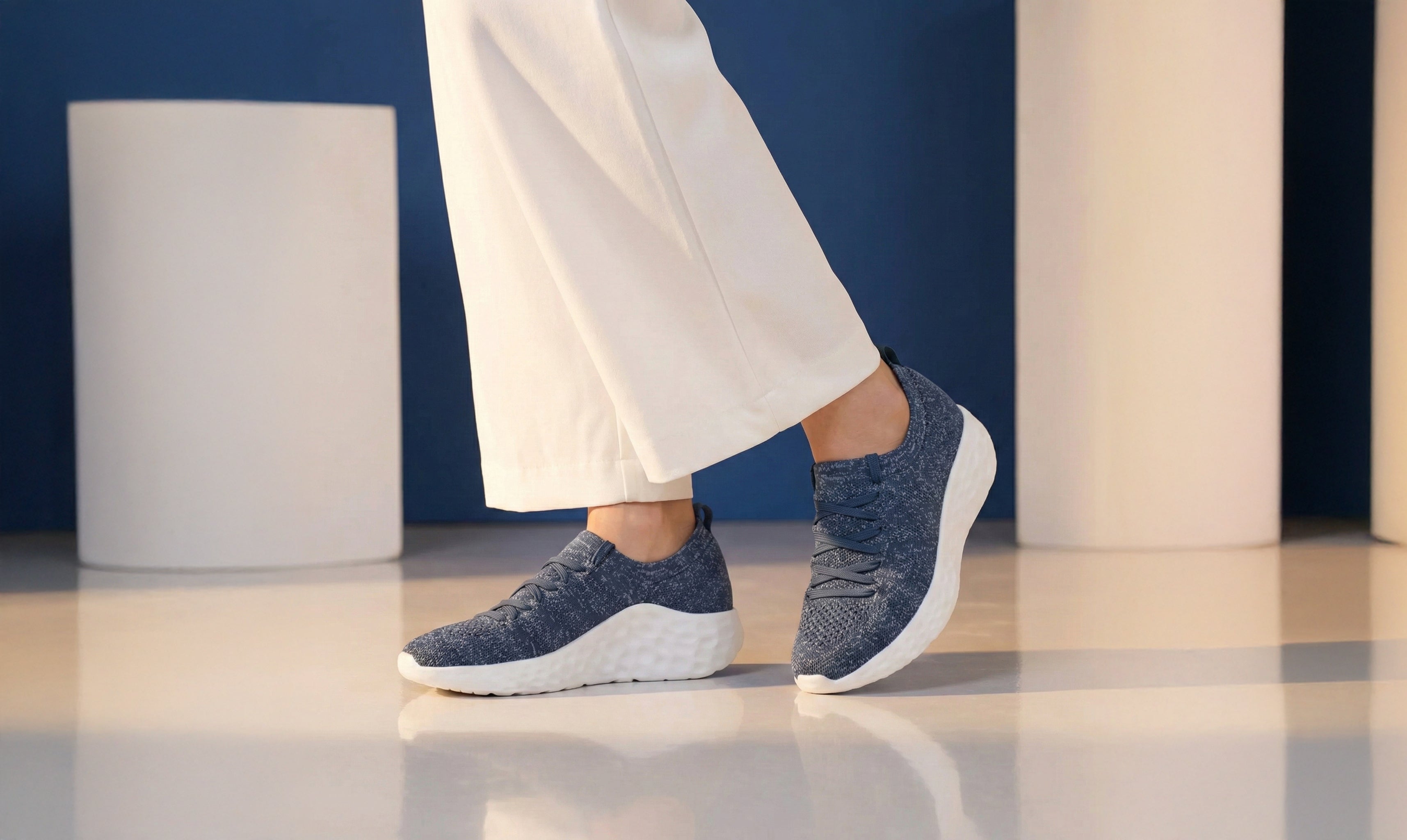
You’ve probably been told to just "buy a wide size" to accommodate your bunions, but it’s rarely that simple. A shoe that’s wider all over can lead to your heel slipping or your foot sliding forward, creating a whole new set of problems. The real secret to comfort isn't just about overall width; it's about the shape of the shoe. You need space where it matters most—right at the front. The best wide toe box shoes for bunions are designed with an anatomical shape that gives your toes room to spread out while still providing a secure fit through the midfoot and heel. This guide will break down why that specific design, paired with features like built-in arch support and superior cushioning, is the true key to finding lasting relief.
Key Takeaways
- Look Beyond the 'Wide' Size: True bunion comfort comes from a combination of features. Prioritize an anatomically shaped toe box for natural toe splay, proper arch support to align your foot, and soft, flexible materials that prevent irritation.
- Get the Right Fit, Not Just a Bigger Size: Avoid the common mistake of simply sizing up in length, which can cause your heel to slip. Instead, focus on finding a shoe with adequate width in the forefoot to accommodate your bunion while maintaining a secure fit.
- Invest in Supportive Footwear Technology: The most effective shoes have support built right in. Aetrex helps to reduce strain on the big toe joint by integrating signature arch support into every pair, which promotes better alignment and distributes pressure evenly across your foot.
Why Wide Toe Box Shoes are a Game-Changer for Bunions
If you’re dealing with bunions, you know that the wrong pair of shoes can turn a good day into a painful one. That’s because many shoes, especially those with narrow, pointed tips, squeeze your toes into an unnatural position. This is where wide toe box shoes come in. They’re designed to give your feet the space they need, which can make a world of difference in your daily comfort. By allowing your toes to lie flat and spread out naturally, these shoes help reduce friction and pressure on that sensitive spot.
First, What Exactly Is a Bunion?
Let's start with the basics. A bunion is that bony bump that forms at the base of your big toe joint. It happens when some of the bones in the front part of your foot move out of place, causing the tip of your big toe to get pulled toward the smaller toes. This forces the joint at the base of your big toe to stick out. While genetics can play a role, the condition is often aggravated by wearing tight, narrow shoes that cram your toes together. This misalignment not only causes the visible bump but can also lead to persistent pain, swelling, and soreness.
How a Roomier Toe Box Helps Alleviate Pressure
The main reason wide toe box shoes feel so good is that they provide immediate relief from pressure. Think of a standard shoe as a vice, squeezing the widest part of your foot and pressing directly against the bunion. A shoe with a roomier toe box does the opposite. It gives your foot, and specifically your bunion, the space it needs to exist without being constricted. This extra room helps to minimize the constant rubbing and pressure that leads to inflammation and pain. By simply giving your forefoot more space, you can significantly reduce daily discomfort, allowing you to walk and stand for longer periods without that familiar ache.
The Importance of Natural Toe Spacing
Beyond just relieving pressure, a wide toe box allows your toes to spread out naturally, the way they’re meant to. When your toes are squashed together, it can throw off your foot’s alignment and stability. Shoes with a wide toe area let your toes splay, which helps distribute your body weight more evenly across your feet and can even improve your balance. Aetrex helps to support this proper alignment with features like built-in arch support and cushioning designed to address forefoot pressure. When your foot is properly supported and your toes have room to move, you’re not just easing bunion pain—you’re promoting better overall foot function.
5 Must-Have Features in a Bunion-Friendly Shoe
Finding the right shoe when you have a bunion can feel like a treasure hunt without a map. You know you need comfort, but what does that actually mean in a shoe's design? It’s about more than just picking a "wide" size. The best shoes for bunions have specific, thoughtful features that work together to reduce pressure, support your foot’s natural structure, and prevent irritation. Let's walk through the five non-negotiable features you should look for. Getting familiar with these will empower you to choose footwear that not only accommodates your bunion but actively contributes to your daily comfort.
A Genuinely Wide Toe Box
This is the most critical feature, and it’s about shape, not just size. A genuinely wide toe box gives your toes room to splay naturally, preventing the painful rubbing and crowding that happens in tapered shoes. When your big toe is forced inward, it puts direct pressure on the bunion joint, which is exactly what we want to avoid. Look for footwear with an anatomical shape that follows the natural contour of your foot. This space allows your toes to spread out, which Aetrex helps to reduce friction and gives your bunion the breathing room it needs to feel comfortable all day long.
Signature Arch Support for Proper Alignment
Bunions aren't just a bump on your foot; they're related to the overall structure and alignment of your foot. That's why arch support is a non-negotiable. Proper arch support helps distribute pressure evenly across your entire foot instead of concentrating it on the forefoot where the bunion is located. Aetrex’s signature built-in orthotics are designed to help maintain proper alignment, which can prevent your foot from rolling inward (overpronation) and placing extra stress on the big toe joint. This foundational support is key to reducing strain and improving overall comfort with every step you take.
Superior Cushioning to Absorb Impact
Every time your foot hits the ground, it absorbs the impact of your body weight. For a sensitive foot with a bunion, that repeated shock can lead to significant pain. Superior cushioning acts as a shock absorber, softening the blow of each step. Look for shoes with responsive, well-cushioned midsoles that effectively absorb impact. This feature is especially important in walking shoes you wear for extended periods. By minimizing the force that travels through your foot, a well-cushioned shoe helps protect the tender bunion area from unnecessary stress and fatigue, making your daily activities much more enjoyable.
Soft, Flexible Materials and a Seamless Interior
The material of a shoe can make or break your comfort, especially with a bunion. Stiff, unyielding fabrics can dig into the sensitive joint, causing constant irritation and pain. The best options feature soft, premium materials that stretch and move with your foot, accommodating the bunion without constricting it. Many of Aetrex’s casual shoes are made with stretch knit fabrics and soft leathers for this very reason. Equally important is a seamless interior. Without rough seams rubbing against the bunion, you eliminate a major source of friction and reduce the risk of blisters and inflammation.
A Low Heel to Reduce Forefoot Pressure
High heels are a known aggravator for bunions, and for good reason. They pitch your body weight forward, placing immense pressure directly onto the ball of your foot and the big toe joint. To alleviate this, opt for shoes with a low or minimal heel. This doesn't mean you're stuck with completely flat shoes, but keeping the heel-to-toe drop low helps distribute your weight more evenly. This simple change can dramatically reduce the strain on your forefoot. Many stylish women's footwear options offer the support you need without the painful pitch of a high heel, proving you don’t have to sacrifice style for comfort.
The Best Shoe Brands for Bunion Relief
Finding the right shoe brand can make all the difference when you're dealing with bunions. While many companies are starting to offer wider fits, some brands are truly dedicated to designing footwear that prioritizes foot health from the ground up. They combine thoughtful features like roomy toe boxes, supportive arches, and soft, forgiving materials to create shoes that work with your feet, not against them. We’ve rounded up the top brands that consistently deliver on comfort and support, helping you find relief without sacrificing your personal style.
Aetrex: Advanced Comfort Technology with Built-in Arch Support
When it comes to all-day comfort and targeted support, Aetrex is in a class of its own. Every pair of shoes is designed with Aetrex’s signature arch support built right in, which helps to properly align your body and take the pressure off your forefoot where bunions form. Aetrex helps to provide relief with women's footwear designed with features like spacious, wide toe boxes that give your toes room to breathe and reduce rubbing against sensitive spots. The materials are carefully selected for their softness and flexibility, ensuring a comfortable fit from the very first wear. You’ll find everything from stylish sandals to supportive sneakers, all engineered to make your feet feel incredible.
Altra
Altra has built a loyal following around its unique FootShape™ fit. Their shoes feature a wide, anatomical toe box that mirrors the natural shape of a human foot, allowing your toes to spread out comfortably. This design is a huge win for anyone with bunions, as it eliminates the painful squeezing common in traditional footwear. Altra is also known for its "zero drop" platform, meaning the heel and forefoot are at the same height from the ground. This encourages a more natural posture and stride, which can help distribute weight more evenly across your foot instead of concentrating it on the ball of your foot.
Hoka
Famous for their maximalist cushioning, Hoka shoes provide a plush, pillowy feel that absorbs impact and reduces stress on your joints. This incredible cushioning can be especially soothing for painful bunions. Many of their models, like the popular Hoka Bondi, also feature a roomy toe box and a supportive design that podiatrists often recommend. The combination of a soft landing and a spacious fit makes them a top choice for walking, running, or simply getting through a long day on your feet with less pain.
Topo Athletic: Lightweight and Roomy Construction
Topo Athletic offers a fit that many people find to be the perfect middle ground. Like Altra, their shoes have a roomy, anatomical toe box that allows for natural toe splay, which is essential for bunion comfort. However, they pair this with a secure-fitting midfoot and heel, so your foot feels locked in and doesn't slide around. Most Topo models have a low heel-to-toe drop (not quite zero), which many find more approachable than a true zero-drop shoe. This thoughtful construction provides the forefoot freedom you need without sacrificing the secure fit that ensures stability and support throughout your stride.
Our Favorite Styles for Every Part of Your Life
Living with bunions doesn’t mean you have to sideline your favorite activities or sacrifice your personal style. The secret is building a shoe wardrobe that works for you, not against you. Finding the right pair for a long walk, a day at the office, or a sunny vacation can make all the difference in how your feet feel. We’ve broken down our top picks for every occasion, focusing on styles that give your toes the space they need while supporting your entire foot.
Best for Active Days: Athletic & Walking Shoes
When you’re on the move, your shoes need to do some heavy lifting. For everything from morning walks to running errands, a great athletic shoe is a must. Aetrex helps to provide incredible comfort with athletic styles that feature built-in arch support to properly align your body and a wide toe box to prevent crowding. This combination reduces pressure on your bunion, allowing you to stay active without discomfort.
Another popular option is the Hoka Bondi 8, which podiatrists often recommend for its maximum cushioning and roomy fit. Whether you choose an Aetrex sneaker for its superior alignment technology or another cushioned style, prioritizing space and support is key for keeping your feet happy on active days.
Best for Everyday Wear: Dress & Casual Shoes
Finding comfortable and stylish shoes for work or daily outings can feel like a huge challenge when you have bunions. Thankfully, you don't have to choose between looking good and feeling good. Aetrex helps to provide all-day relief with a wide range of women's footwear designed with features like signature arch support and spacious toe boxes. These elements are non-negotiable for bunion comfort because they reduce direct pressure on the joint.
Many Aetrex styles also use soft, flexible materials that stretch to accommodate your foot's unique shape, preventing rubbing and irritation. This means you can find loafers, flats, and even low heels that offer the support your feet need to get through the day pain-free.
Best for Warm Weather: Sandals & Seasonal Styles
Warm weather calls for open, airy footwear, but many sandals offer little to no support, which can be a disaster for bunions. The right sandal should give your toes freedom without leaving your arches to fend for themselves. Aetrex helps to provide the perfect balance with sandals that feature a wide toe area and built-in Aetrex Orthotics to reduce bunion pain and support proper alignment.
Look for styles with adjustable straps to customize your fit and a contoured footbed that cradles your foot. Unlike flat, flimsy flip-flops, these thoughtfully designed sandals ensure you can enjoy the sunshine without worrying about foot pain later. They prove that even seasonal styles can be built for ultimate comfort.
How to Find Your Perfect Fit (and Avoid Common Mistakes)
Finding a shoe that truly fits is about more than just matching a number to your foot. When you have bunions, getting the fit right is the most important step you can take toward all-day comfort. A shoe that accommodates the unique shape of your foot can make the difference between wincing with every step and moving through your day with ease. Let’s walk through how to find that perfect fit and sidestep the common mistakes that can lead to more pain.
Measure Your Feet the Right Way
Did you know your foot size can change over the years? It’s a great practice to measure your feet at least once a year, and always do it at the end of the day when your feet are at their largest. While you can trace your foot on a piece of paper at home, for the most accurate results, I highly recommend getting a professional scan. Aetrex’s advanced foot scanners, available in stores nationwide, create a 3D map of your feet. This technology provides precise measurements for length and width and also identifies your pressure points and arch type, giving you a complete picture of what your feet need to feel their best.
Know if You Should Size Up for Bunions
It’s a common myth that you should just go up a full size to make room for a bunion. The problem is, a shoe that’s too long can cause your heel to slip or your foot to slide forward, leading to instability and other issues. Instead of sizing up in length, focus on finding a shoe that offers more width in the toe box. Many styles, like those in Aetrex’s collection of women's footwear, are designed with a roomier forefoot to accommodate bunions without sacrificing a secure fit through the heel and midfoot. For some, going up a half-size in a dedicated wide-width option might be the perfect solution.
Avoid These Common Sizing Pitfalls
When you’re on the hunt for new shoes, it’s easy to fall into a few common traps. First, don’t get fixated on length alone—width is just as crucial, especially across the ball of your foot. Second, never overlook the importance of support. A wide, flat shoe won’t do you any favors. Aetrex helps to provide superior comfort by building premium arch support into every pair, promoting proper alignment. Finally, don’t believe you need to suffer through a painful "break-in" period. A well-made shoe crafted from soft, flexible materials should feel comfortable right out of the box. Using a tool like the Orthotic Finder can also help you identify your specific support needs for an even more personalized fit.
What to Expect When You Make the Switch
Making the change to shoes designed for bunion comfort is a significant step toward happier feet. It’s not just about buying a wider size; it’s about choosing footwear that respects your foot's natural shape and provides the right kind of support. When you give your toes the space they need, you allow your entire foot to function more naturally. This transition can feel a little different at first, especially if you’re used to more restrictive shoes, but the goal is to reduce daily pain and prevent further irritation.
Think of it as a long-term investment in your mobility and comfort. The right shoes can make a world of difference in how you feel at the end of the day, turning painful steps into a distant memory. It’s important to have realistic expectations—shoes can’t reverse a bunion, but they can absolutely help manage the symptoms and improve your quality of life. From understanding what relief actually feels like to knowing how to break in your new favorite pair, let’s walk through what you can anticipate on this journey to better foot health.
A Realistic Look at Bunion Relief
Let’s be clear: a great pair of shoes won’t make a bunion disappear. However, they can dramatically reduce the pain and pressure you feel every day. Bunions hurt because of the constant friction and force from shoes that are too narrow. Wide toe box shoes give the big toe joint the space it needs, which can help alleviate pressure on the affected area. By choosing footwear that doesn’t squeeze or rub against the bunion, you’re giving it a chance to calm down. The goal is to find a shoe that lets you walk, stand, and live your life without that constant, nagging pain.
Common Myths About Wide Shoes, Debunked
One of the biggest myths is that tight shoes are the sole cause of bunions. While they certainly make things worse, genetics often play a leading role. The good news is that you have control over your footwear. Wearing shoes with a wide toe box, proper arch support, and a low heel can significantly reduce pain and keep the bunion from becoming more irritated. It’s not about simply finding a "wide" size; it's about finding a shoe thoughtfully designed to accommodate the foot's structure, providing support where you need it most and cushioning around the bunion area.
How to Properly Break In Your New Shoes
Even the most comfortable shoes can take a little getting used to. Start by wearing your new pair around the house for an hour or two at a time. This gives your feet a chance to adjust to the new level of support and cushioning without the pressure of a full day out. Pay attention to how they feel. If you’re shopping in person, take your time walking around the store to get a true sense of the fit. For an even more precise fit, using technology like Aetrex’s foot scanners can help you identify your exact pressure points and arch type, ensuring you make the right choice from the start.
The Long-Term Wins for Your Foot Health
Consistently wearing shoes that fit properly does more than just manage bunion pain—it supports your overall foot health. Shoes with a wide toe box, stretchy materials, and robust arch support help reduce friction and promote better alignment. This can prevent other issues from developing down the road. Over time, you’ll notice less daily pain, reduced irritation, and greater comfort during your favorite activities. Aetrex helps to provide this lasting comfort by building premium orthotics directly into every pair of shoes, ensuring you get that crucial support from the very first step.
Where to Find Your Next Favorite Pair
You know what features to look for in a bunion-friendly shoe, but where do you actually find that perfect pair? The shopping experience itself can make a huge difference. Deciding between the convenience of online browsing and the hands-on approach of an in-store visit depends on your personal preference and what you value most. Each has its own set of benefits that can help you make a confident choice.
Beyond just where to shop, when you buy can also play a role, especially if you're looking for a great value. We’ll walk through the pros and cons of each shopping method and share some simple tips for timing your purchase. This will help you feel prepared and empowered to find a shoe that not only fits your feet but also your lifestyle and budget.
Shopping Online vs. In-Store
The biggest advantage of shopping in a physical store is the ability to try shoes on right away. You can instantly feel if the toe box is truly wide enough and if the arch support aligns with your foot. This immediate feedback is invaluable when you're managing bunion pain. Some retailers take this a step further with technology designed for a precise fit. For instance, Aetrex’s state-of-the-art foot scanners map your unique pressure points and arch type, giving you personalized recommendations.
On the flip side, shopping online offers an unparalleled selection and the convenience of browsing from home. The key to a successful online purchase is a flexible return policy. Look for brands that make returns easy, so you can try shoes on at home without risk. With detailed sizing charts and a vast collection of women's footwear and men's styles, online shopping can be a fantastic way to discover your next favorite pair.
When to Buy to Get the Best Price
While you can’t put a price on comfort, getting a good deal is always a plus. One of the best times to find sales is during seasonal transitions when stores are making room for new inventory. You can often find great prices on boots at the end of winter or sandals as summer winds down. Major holiday weekends are also well-known for promotions.
A simple and effective strategy is to sign up for email newsletters from brands you love, like Aetrex. You’ll get notified directly about special offers and may even receive a welcome discount. Ultimately, remember that the goal is to invest in a high-quality shoe that Aetrex helps to support your feet for the long haul. Focusing on the overall value—comfort, durability, and relief—is always the smartest approach.
Related Articles
- What Shoes Are Best for Bunions? An Expert Guide – aetrex
- 7 Best Shoes for Bunions Women for All-Day Comfort – aetrex
Frequently Asked Questions
Can the right shoes make my bunion go away? While a great pair of shoes can work wonders for your daily comfort, they can't reverse the structural change of a bunion. Think of the right footwear as a tool for managing your symptoms. By giving your foot the space and support it needs, you can dramatically reduce the daily pain, pressure, and irritation that make bunions so frustrating. The goal is to create a comfortable environment for your foot so you can walk and stand without that constant ache.
Do I have to wear clunky, orthopedic-looking shoes? Absolutely not! This is one of the biggest myths about comfort footwear. Brands have come a long way, and you no longer have to choose between style and relief. Companies like Aetrex design everything from chic sandals to professional loafers and sleek sneakers that incorporate all the necessary bunion-friendly features. You can find shoes made with premium, flexible materials and a supportive footbed that look just as good as they feel.
Is buying a "wide" size the same as getting a wide toe box? This is a great question, and the answer is no. A standard "wide" size is typically wider throughout the entire shoe, from the heel to the toe. A shoe with a wide toe box, however, is specifically designed with an anatomical shape that gives your forefoot and toes more room to spread out naturally. This targeted space is what prevents the painful squeezing and rubbing on a bunion, even if the heel and midfoot have a more standard fit.
My bunion is at the front of my foot, so why is arch support so important? Your feet are complex systems where everything is connected. When your arch isn't properly supported, your foot can roll inward, which places excess pressure directly on the ball of your foot and your big toe joint. This is exactly where a bunion forms. Aetrex helps to promote proper body alignment with signature arch support built into every pair, which helps distribute pressure evenly across your entire foot and takes the strain off that sensitive area.
What if my new supportive shoes feel a little strange at first? A well-made shoe crafted from soft materials should feel comfortable from the start, but it's normal for your feet to need a short adjustment period, especially if you're not used to proper arch support. Your muscles may need a little time to adapt to the new alignment. We recommend wearing your new shoes around the house for just an hour or two at a time for the first few days. This gives your feet a chance to get acquainted with the support without committing to a full day out.
Share:
Stylish Sandals That Hide Bunions & Feel Amazing
What Are the Best Orthopedic Shoes for Bunions?