

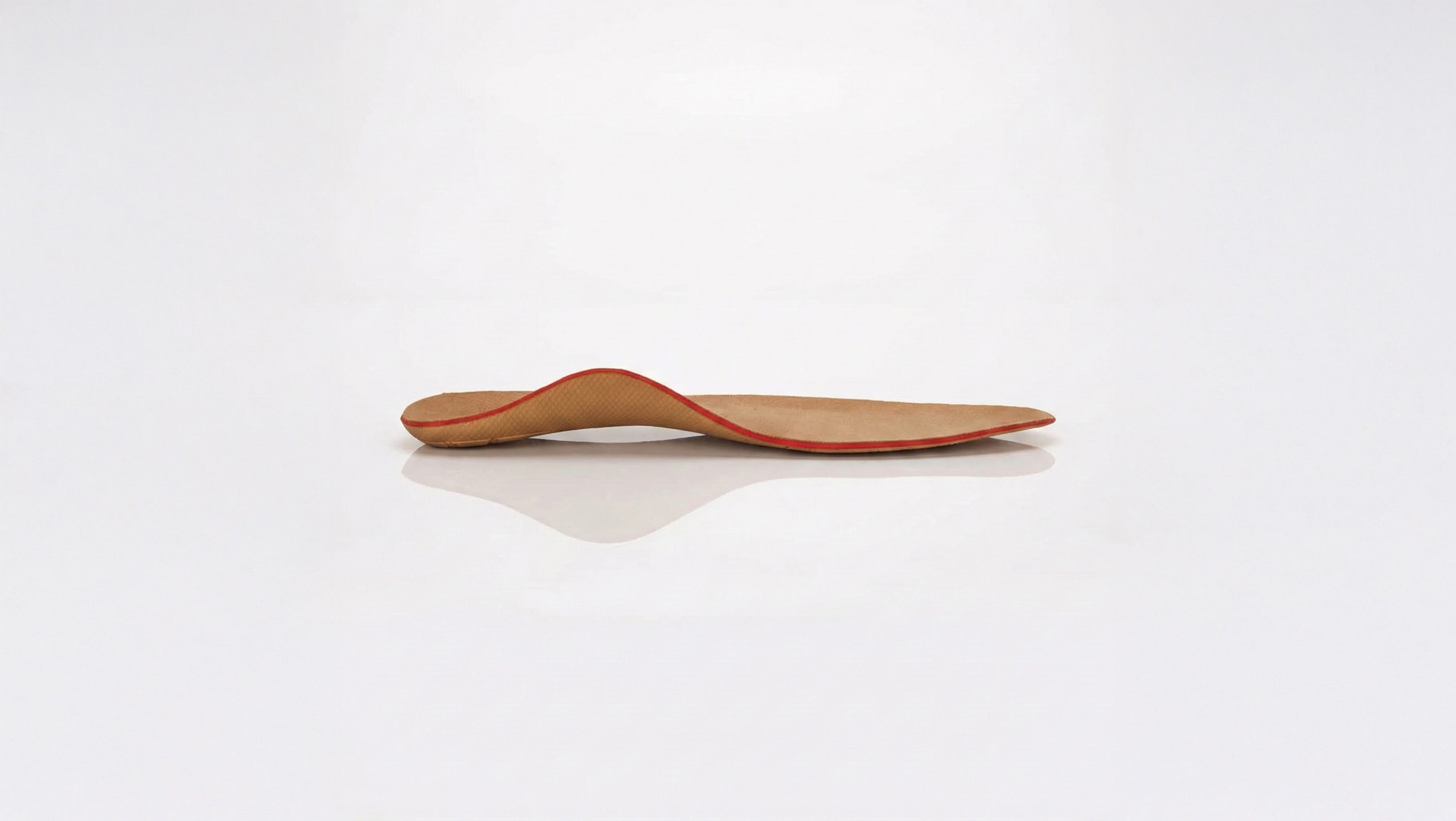
I used to think foot pain was just a normal part of being a runner. My high arches meant that after a few miles, the balls of my feet and my heels would start screaming. I tried different shoes, lacing techniques—everything. The real turning point came when I finally understood the problem wasn't my shoes, but what was inside them. Finding the right support transformed my run from a painful chore into something I love again. If this sounds familiar, you're in the right place. This guide is for finding the best insoles for high arches running and ending that discomfort for good.
If you’re a runner with high arches, you know that finding the right support is non-negotiable. The right insole can be the difference between a great run and days of foot pain. To make your search easier, here’s a quick look at some of the best options available that provide the support, cushioning, and shock absorption you need.
Leading the pack are Aetrex Orthotics. Aetrex designs its orthotics with a deep understanding of foot anatomy, focusing on providing support exactly where high arches need it most. This thoughtful design helps to relieve common arch and heel pain, making them an excellent choice for running. Runners often find that this targeted support not only makes their runs more comfortable but also helps prevent common issues associated with high arches. The premium cushioning materials also absorb shock with every stride, protecting your feet from impact.
Other brands also offer solutions for high-arched runners. For instance, some insoles use carbon fiber caps and foam layers to reduce foot fatigue and absorb impact. While options like these provide good general support, Aetrex’s signature arch placement is specifically designed to align with your foot's pressure points for more personalized relief. Ultimately, the best insoles will fully support the unique curve of your foot while providing enough cushioning to handle the demands of running.
If you have high arches, you know that your feet are unique. But what does that actually mean when you hit the pavement or the trail? A high arch, also known as pes cavus, is typically less flexible and more rigid than a neutral arch. Think of your foot's arch as its natural shock absorber. When it’s overly high and rigid, it doesn’t flatten enough to absorb the impact of each footstrike effectively. During a run, the force of your body weight—multiplied by two or three—comes down on your feet with every step. Without that built-in shock absorption, the force travels straight up your legs, potentially leading to issues like shin splints, knee pain, and even hip or back problems.
This structure also changes how pressure is distributed across your foot. Instead of being spread evenly, most of the pressure concentrates on your heel and the ball of your foot. This intense, focused pressure is a common culprit behind painful conditions like plantar fasciitis and metatarsalgia. The right running insole doesn't try to flatten your arch; instead, it provides a supportive bridge. Aetrex helps to fill the gap under your arch, which allows pressure to be distributed more evenly across the entire surface of your foot, taking the load off those two high-pressure zones.
Finally, high arches can sometimes lead to instability. Many runners with this foot type tend to supinate, meaning their foot rolls outward as they move. This can put extra strain on your ankles and increase your risk of sprains. A well-designed insole provides a stable platform inside your shoe, helping to guide your foot into a more neutral alignment from heel to toe. This added stability is crucial for preventing injuries and running more efficiently. Simply adding cushioning isn't enough—you need targeted support that understands the specific mechanics of a high-arched foot.
Before you can find the right solution, you need to understand the problem. Getting to know your feet—specifically your arch type and how your foot moves when you run—is the most important step you can take toward pain-free miles. Different foot structures have very different needs, and what works for a runner with flat feet could be uncomfortable, or even harmful, for someone with high arches. Taking a moment to identify your unique characteristics will ensure you choose an insole that provides support in all the right places, rather than just adding random cushioning under your foot.
Your arch height determines how your foot absorbs impact and distributes pressure. A quick and easy way to get a general idea of your arch type is the "wet foot test." While this is a great starting point, for a truly precise understanding of your foot’s unique pressure points and contours, nothing beats a digital scan. Technologies like the Aetrex Foot Scanner can give you a comprehensive map of your feet, ensuring you find the perfect orthotic match. This detailed analysis takes the guesswork out of the equation, which is a game-changer for finding lasting comfort.
You can easily do this at home. Simply get the bottom of your foot wet and step firmly onto a flat surface where you can see the imprint, like a piece of cardboard or a dark tile floor. Now, look at the shape you left behind. If you have high arches, you'll likely see your heel and the ball of your foot, with very little—or nothing—connecting them in the middle. This distinct, narrow footprint indicates that the middle part of your foot isn't making full contact with the ground, which is why you need an insole to fill that gap.
If you have high arches, there's a good chance you also supinate, which is sometimes called underpronation. This means that when you run, your foot and ankle tend to roll outward. Because a high arch is often more rigid, it doesn't flatten properly to absorb shock, and this outward roll is the result. This motion places excessive pressure on the outer edge of your foot, as well as your smaller toes, heel, and the ball of your foot. Over time, this can lead to instability, a higher risk of ankle sprains, and chronic pain. The right insole is crucial here, as Aetrex helps to provide a stable base that gently guides your foot toward a more neutral alignment, reducing that outward roll.
To give you some context, it’s helpful to know about the other arch types. People with low arches, often called flat feet, have the opposite tendency of those with high arches—their feet tend to roll inward too much, a motion known as overpronation. This can cause strain on the inner parts of the feet and ankles. Then there are neutral or medium arches, which are considered the most biomechanically efficient. They have a defined arch and experience a normal amount of pronation, allowing them to absorb shock and distribute pressure evenly. Understanding where you fall on this spectrum is key to finding support that works with your foot's natural motion, not against it.
Finding the right running insole when you have high arches can feel like a quest, but it doesn't have to be complicated. The key is knowing what features truly make a difference in your comfort and performance. When you have high arches, the middle of your foot doesn't make full contact with the ground, which means your heel and the ball of your foot take on a disproportionate amount of pressure with every step. This high, rigid arch structure is also less effective at absorbing shock, which can lead to common issues like plantar fasciitis and metatarsalgia. The right insole works to address this by distributing pressure more evenly across your entire foot and providing crucial support where your foot needs it most. Think of it as creating the perfect, customized foundation inside your running shoe. To find your ideal match, you'll want to focus on a few non-negotiable features that go beyond simple cushioning. Here are the four essential things to look for to ensure your insoles provide lasting comfort and support, mile after mile.
When you have high arches, generic, one-size-fits-all support just won’t cut it. You need support that is specifically designed to meet your arch, filling the gap between your foot and your shoe. This is what we mean by "targeted" support. Aetrex orthotics are designed with this principle in mind, ensuring they support high arches precisely where they need it. This thoughtful design helps to properly align your body from the ground up. For runners, this is crucial because it can significantly relieve common arch and heel pain, providing a stable and comfortable base for every step of your run.
A high arch insole isn't just about adding extra cushion; it's about providing structured support that fills the significant space under your arch. Think of it as a supportive bridge that connects your heel to the ball of your foot. This design is crucial because it redistributes pressure evenly across your entire foot, rather than letting it concentrate on just two points. The best insoles for high arches provide firm, yet flexible, support to absorb shock and guide your foot into a more neutral alignment. This is why finding the right orthotics is so important; they create a stable foundation inside your shoe that helps reduce the strain on your feet and joints, making each run more comfortable.
Running is a high-impact sport, and every footfall sends a jolt through your body. Since high arches are less effective at absorbing this shock naturally, your insoles need to do the heavy lifting. Look for options that offer superior cushioning and shock-absorbing materials. Aetrex’s athletic orthotics are specifically engineered to support the arch while effectively managing these forces. This feature helps to minimize the stress on your feet, ankles, and knees during your runs. It’s not just about feeling comfortable—it’s about protecting your joints from repetitive impact.
Beyond the basics of arch height and cushioning, the specific design of an insole plays a huge role in how it performs. For runners with high arches, a few key structural features are non-negotiable for providing the stability and pressure relief needed to run comfortably. These elements work together to control foot motion, absorb shock, and guide your foot into a more efficient stride. When you're comparing different orthotics, paying attention to these details will help you find a pair that offers true, functional support rather than just a soft layer of foam.
One of the most important features to look for is a deep, well-defined heel cup. This design cradles your heel, helping to lock it in place and maximize your body's natural shock absorption. For a runner with high arches, where the heel is a major pressure point, this is incredibly important. A sculpted heel cup provides a stable base that helps to prevent your foot from sliding around inside your shoe and reduces the jarring impact of each footstrike. Aetrex helps to provide this essential stability by incorporating a deep heel cup into its orthotics, ensuring your foot is properly supported from the moment it hits the ground.
A firm stabilizer cap is another critical component that provides structure and support to the insole. This feature is essential for maintaining proper alignment, especially for high-arched runners who often supinate, or roll their feet outward. The stabilizer cap acts as a supportive shell that helps guide your foot through a more neutral motion, reducing strain on your ankles and lower leg muscles. This added structure is what gives the insole its shape and durability, ensuring it provides consistent support throughout your run. It’s this kind of thoughtful engineering that helps prevent fatigue and reduces the risk of instability-related injuries.
The materials used in your insoles directly impact your comfort and foot health, especially on long runs. Low-quality materials can trap heat and moisture, leading to blisters and discomfort. Instead, prioritize insoles made from breathable, high-quality materials that wick away sweat and keep your feet cool and dry. Aetrex orthotics are crafted from premium materials and feature the Aetrex Signature Arch Support, a combination that not only enhances comfort but also helps to create a healthier environment for your feet. This attention to material quality ensures your feet feel good from start to finish.
Let's be honest—no one wants to deal with smelly running shoes. It’s a common side effect of putting in the miles, but it’s not something you just have to accept. Sweat creates the perfect environment for odor-causing bacteria to thrive. High-quality insoles tackle this head-on with specially treated top covers. Many Aetrex orthotics, for instance, feature a CopperGuard® top cover with antimicrobial properties. This technology Aetrex helps to keep your feet healthier by preventing the growth of odor-causing bacteria and fungi. Choosing an insole with odor control isn't just about keeping smells at bay; it's about creating a healthier environment for your feet and reducing the risk of common issues like athlete's foot.
A good pair of running insoles is an investment in your comfort and performance, so you want them to last. Durability is key. An insole that flattens or loses its shape after a few runs won't provide the consistent support you need. Many customers report that Aetrex orthotics are not only comfortable but also remarkably long-lasting, providing excellent arch support over extended periods. Choosing a durable insole means you can count on that same level of support for hundreds of miles, making it a worthwhile addition to your running gear.
Even the most durable insoles have an expiration date. Over time and miles, the materials that provide that crucial support and cushioning will begin to compress and break down. As a general rule, you should consider replacing your running insoles about as often as you replace your running shoes, typically every 300 to 500 miles. However, your body is often the best indicator. If you start to feel that old, familiar foot pain creeping back in, or if you notice your insoles look visibly flattened or cracked, it’s time for a new pair. Continuing to run on worn-out insoles is like running in worn-out shoes—it compromises the support you need and can lead to discomfort or injury.
If you've tried off-the-shelf options and still feel like something is missing, it might be time to get more personal with your support. For runners with high arches, a generic fit can sometimes fall short because every foot is unique. This is where a more customized approach makes a huge difference. Getting a precise understanding of your foot’s specific pressure points and arch shape is the key to finding the perfect match. Aetrex helps to eliminate the guesswork with its advanced foot scanning technology, which provides a detailed map of your feet in just a few seconds. This data helps you select an orthotic that truly fits your individual needs, ensuring support is placed exactly where you need it to distribute pressure evenly and align your body correctly.
Finding the right insole can feel like a game-changer for your runs, turning painful miles into powerful strides. If you have high arches, you know that generic, flat insoles just don't cut it. You need something that meets your arch, absorbs impact, and keeps your foot stable from your first step to your last. To make your search easier, I’ve put together a list of the best insoles out there specifically for runners with high arches. We’ll start with my top recommendation and explore other great options to help you find your perfect match.
When it comes to providing targeted support without sacrificing comfort, Aetrex is in a class of its own. The Metatarsal Support Orthotics are specifically engineered for athletic activity, making them an ideal choice for runners. What sets them apart is the signature Aetrex Arch Support, which is strategically placed to support high arches and help align the body. This design Aetrex Helps to relieve pressure on the ball of the foot and heel, two common problem areas for runners with this foot type. The premium cushioning absorbs shock, protecting your joints from the repetitive impact of running. Plus, the top cover is treated to reduce friction and prevent blisters, keeping your feet comfortable on even the longest runs.
When you start looking for running insoles, you’ll see that the prices can vary quite a bit. It’s tempting to go for the cheapest option, but when it comes to supporting your feet, it’s more about value than price. The cost of an insole is often a reflection of the materials, technology, and research that went into its design. A higher price tag can mean more durable materials and a more sophisticated design tailored to specific foot needs, like high arches.
This is where Aetrex truly stands out. With Aetrex orthotics, you are investing in premium quality and thoughtful design. Aetrex helps to provide significant metatarsal relief and cushioning, along with the crucial arch support needed for a more even distribution of pressure. This level of targeted support can make a world of difference in how you feel during and after a run. Customer feedback often highlights that the comfort and excellent arch support make them a worthwhile investment for their running routine.
While there are many insoles on the market, some in the $40 to $60 range, they may not offer the same level of specialized support or longevity. A less expensive insole might feel good at first, but it could break down faster or lack the specific structure high arches need to prevent strain. Think of your orthotics as essential running equipment, just like your shoes. Investing in a high-quality pair like those from Aetrex means you’re investing in your long-term comfort and ability to keep hitting the pavement pain-free.
Reading product descriptions is one thing, but hearing from fellow runners is where you find the real insights. When you’re dealing with something as personal as foot comfort, especially with high arches, knowing what works for others can make all the difference. We looked at reviews and discussions to see what people are actually experiencing with arch support insoles on the track and trail. The feedback shows that the right insole can be a game-changer, but it also highlights that not every insole is right for every foot. Here’s a balanced look at what runners love and what you should keep in mind.
The most common praise for high-quality insoles is, unsurprisingly, comfort and pain relief. Runners consistently report that the right support makes a huge difference. For instance, users of Aetrex orthotics often mention the excellent arch support and long-lasting comfort. One runner even said, "My foot pain is GONE! Thank you, Aetrex!" This kind of feedback is common when an insole provides the right balance of cushioning and stability. It’s not just about feeling good during a run; it’s about preventing common issues. As one podiatrist noted, the right products help provide the balance and support needed to relieve and prevent conditions like Plantar Fasciitis.
On the other hand, more support isn't always better. Some runners, particularly those with very high and rigid arches, find that aggressive arch supports can actually cause discomfort. An orthopedist pointed out that many arch supports are designed for collapsed or flexible arches, which is a different issue entirely. This feedback highlights why a one-size-fits-all approach doesn’t work. It’s a reminder that understanding your specific foot type is critical. Before you invest in a new pair of insoles, getting a proper scan or assessment can help you identify exactly what your feet need to perform their best and stay pain-free.
When you’re shopping for running insoles, you’ll notice prices can be all over the map. While it’s tempting to grab a cheaper pair, think of quality insoles as an investment in your foot health. The price often reflects the quality of materials, the technology used, and the research behind the design. For high arches, a more thoughtfully designed insole made with durable, supportive materials provides much better value in the long run. Aetrex helps to deliver this value by creating orthotics with premium cushioning and strategically placed arch support that won’t break down after a few runs, ensuring you get consistent comfort and relief mile after mile.
Finding the perfect insole is a personal journey, and what feels amazing to one runner might not work for another. That’s why a satisfaction guarantee is so important. It gives you the freedom to truly test out the insoles during your runs without the risk of being stuck with something that doesn’t feel right. Reputable brands that are confident in their products often offer a trial period. For example, Aetrex offers a 30-day wear test, so you can make sure your new orthotics are the right fit for your feet and your running style. This kind of policy shows a company stands behind its product and is committed to your comfort.
Here’s a tip that can make high-quality insoles more accessible: you may be able to use your Health Savings Account (HSA) or Flexible Spending Account (FSA) funds to purchase them. Since orthotics are designed to address specific foot conditions and provide medical benefits like pain relief and proper alignment, they often qualify as a medical expense. This is a great way to invest in your foot health using pre-tax dollars. Companies like Aetrex often accept HSA and FSA cards directly on their websites, making the process simple. Just be sure to check the specifics of your plan to confirm eligibility before you buy.
Finding the right running insole is about more than just picking one off the shelf; it’s about finding a true match for your unique feet. A perfect fit ensures the insole works with your foot, not against it, providing the support and comfort you need to keep moving. When your insoles fit correctly, they can help distribute pressure evenly, absorb shock effectively, and support your high arches through every stride. Let’s walk through the steps to make sure you get it right.
To get the best support, you need to start with accurate measurements. Your foot size can change over time, so it’s always a good idea to measure before you buy. Instead of offering a generic fit, Aetrex focuses on providing support exactly where high arches need it most. This tailored approach is key to comfort. For the most precise understanding of your feet, including your arch height and pressure points, you can use advanced technology like an Aetrex foot scanner. This technology gives you a detailed map of your feet, taking the guesswork out of finding the perfect orthotic.
If you want to eliminate the guesswork, this is where Aetrex's foot scanning technology becomes a runner's best friend. It’s a quick, simple process that provides a highly detailed 3D map of your feet. In just a few seconds, the scanner captures precise data on your unique arch height, pressure points, and overall foot type. This information is invaluable because it shows exactly where your high arches need support and where your feet are experiencing the most strain during a run. Instead of trying to match your foot to a generic insole, you get a personalized recommendation for the Aetrex orthotic that will best suit your specific needs. This technology Aetrex Helps to ensure you get a truly customized fit, providing targeted relief right where you need it most.
Insole sizing can sometimes feel a little tricky, as it doesn’t always line up perfectly with your shoe size. Many insoles are sold in size ranges (like 7-8.5) and are designed to be trimmed for a custom fit. If you find yourself between sizes, it’s often best to choose the larger size, as you can carefully trim the toe area to match the shape of your shoe’s existing liner. Aetrex makes this easier by designing orthotics that correspond directly to shoe sizes. To simplify your search, you can use a tool like the Aetrex Orthotic Finder to get a personalized recommendation based on your needs.
Just like a new pair of running shoes, your new insoles need a break-in period. Your feet need time to adjust to the new feeling of proper support. Start by wearing your insoles for just an hour or two on the first day, then gradually increase the time over the next few days. It’s best to begin with casual walking before you take them out for a run. Some people with very high arches might feel the new support is a bit intense at first, which is completely normal. This gradual introduction allows your body to adapt comfortably, ensuring your new insoles become a seamless part of your running gear.
When you're dealing with high arches, you've probably heard all sorts of advice. But not all of it is accurate, and misinformation can send you down the wrong path—literally. Let's clear up some of the biggest misconceptions about insoles so you can find the relief you're looking for and get back to your runs with confidence. Understanding the facts is the first step toward happy, comfortable feet.
It’s easy to assume that any insole labeled "for high arches" will do the trick. The reality is that high arches have very specific needs. Because this foot type doesn't absorb shock as effectively, you need support that’s both cushioning and correctly placed. A generic insole might miss the mark entirely, offering support in the wrong place or with the wrong materials. Aetrex helps to solve this by designing orthotics with targeted support precisely where your foot needs it, distributing pressure evenly and improving shock absorption with every stride.
This is a big one. You might think that a very high, rigid arch support is the answer, but for some people, it can actually cause more discomfort. The goal isn't to force your arch into a different position but to gently cradle it and provide a stable foundation. The right insole complements your foot's natural structure, rather than fighting against it. That's why finding a well-designed insole that offers balanced support and cushioning is key to alleviating pain associated with high arches, not just propping them up aggressively.
If you picture stiff, hard plastic inserts when you think of orthotics, it's time for an update. Modern orthotics have come a long way from the rigid devices of the past. Aetrex, for example, uses advanced materials like memory foam to create insoles that feel plush and comfortable from the first wear. They are designed to fit seamlessly into your favorite women's or men's running shoes without adding unnecessary bulk. The best insoles provide incredible support while feeling like a natural, integrated part of your shoe.
How do I know if my running shoes aren't providing enough support for my high arches? If you consistently experience pain in the ball of your foot or your heel after a run, it's a strong sign your shoes aren't doing enough. Other clues include recurring shin splints, ankle instability, or a general feeling of foot fatigue that seems excessive for your mileage. Your running shoes' built-in liners are often quite basic, so if you have high arches, adding a specialized insole is usually necessary to get the targeted support you need for pain-free running.
What's the difference between a cushioned insole and a supportive one? Think of it this way: cushioning is about comfort and shock absorption, like adding a pillow under your foot. Support is about structure and alignment, like building a foundation for your foot. While many insoles offer both, they aren't the same thing. For high arches, you need more than just soft foam. A truly supportive insole, like an Aetrex orthotic, has a specific shape designed to meet your arch, which helps distribute pressure evenly and guide your foot into a more stable position.
Can I use my running orthotics for other activities, like walking or hiking? Absolutely. A high-quality orthotic designed for running will provide excellent support and comfort for other activities as well. While there are specialized insoles for different sports, a great running orthotic is versatile. Using them in your everyday walking shoes or hiking boots can help maintain proper alignment and reduce foot fatigue, no matter what you're doing. It’s a great way to get more value from your investment in your foot health.
How often should I replace my running insoles? A good rule of thumb is to replace your insoles about as often as you replace your running shoes, which is typically every 300-500 miles. However, this can vary based on the insole's quality and your running style. Pay attention to how they feel. If you notice the support feels less pronounced or you start to feel old aches and pains returning, it's likely time for a new pair. Durable options are designed to maintain their shape and support for the long haul.
Is it normal for new orthotics to feel a little strange at first? Yes, that's completely normal. When you introduce proper arch support, your feet are adjusting to a new, healthier alignment, and that can feel a bit different initially. The support might feel more noticeable or firm under your arch. That's why it's important to break them in gradually over a week or so, starting with just an hour of wear and slowly increasing the time. This allows your feet and body to adapt comfortably to the new support.
Share:
8 Best Insoles for High Arches to Ease Foot Pain
How to Choose the Best Insoles for Morton's Neuroma