

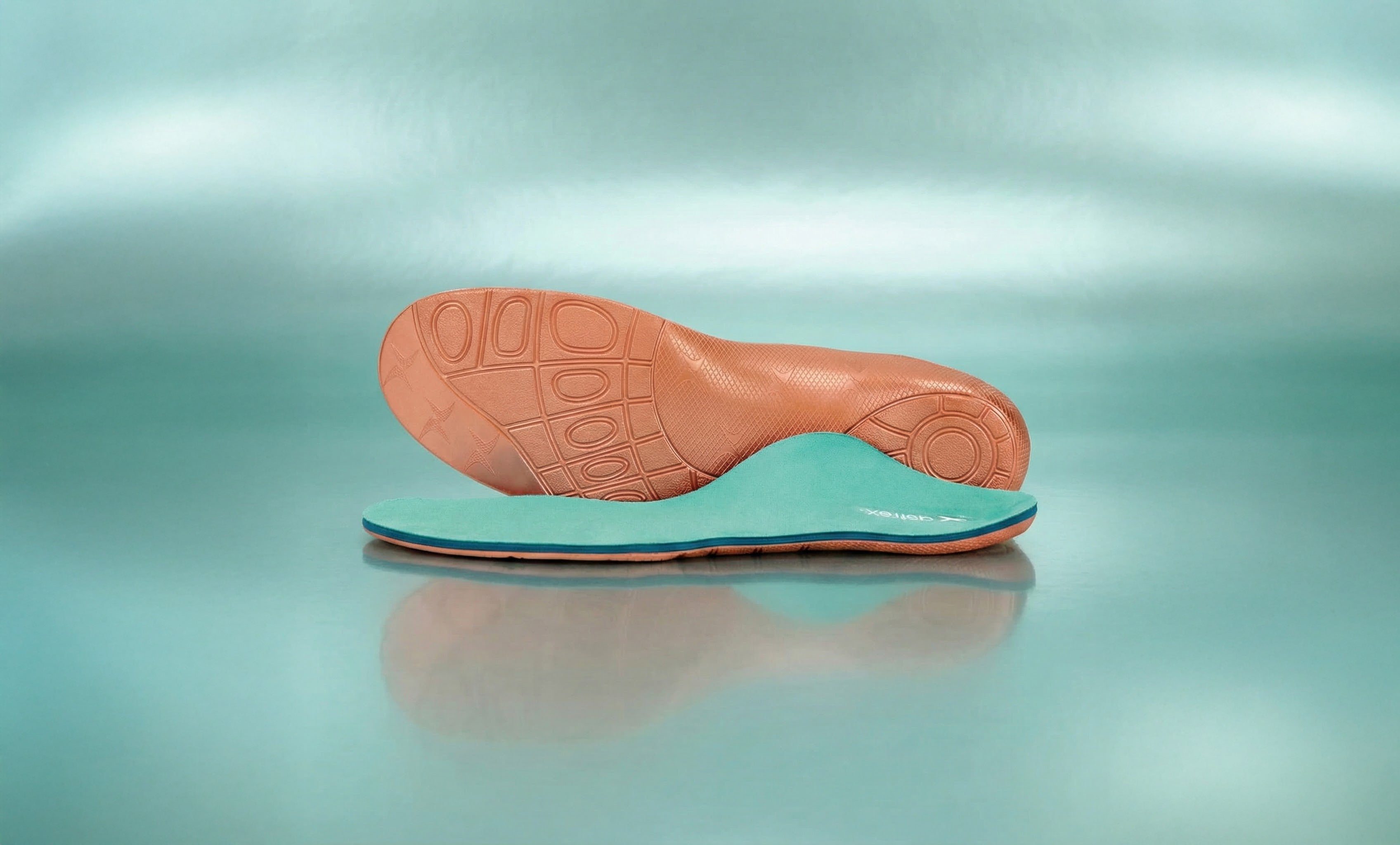
You’ve probably stood in that drugstore aisle, staring at a wall of flimsy gel inserts and wondering if any of them actually work. For men with flat feet, the answer is often a frustrating "no." Those generic cushions might feel good for a day, but they lack the firm structure needed to address the root of your discomfort. True relief comes from the best insoles for flat feet—ones designed with biomechanical support to control your alignment. This guide cuts through the noise, helping you find a pair that delivers consistent, all-day comfort and improves how your feet function.
Before you can find the right solution, it helps to know exactly what you’re dealing with. Flat feet, also known as fallen arches, are a common condition, but the way they affect your body can be complex. Understanding the basics—from what causes them to how you can identify them at home—is the first step toward finding lasting relief and getting back to your daily activities without discomfort. This knowledge empowers you to choose support that doesn’t just cushion your foot, but actively works to improve your alignment and comfort from the ground up.
Simply put, having flat feet means the arches on the inside of your feet are flattened, allowing the entire sole to touch the floor when you stand up. Your arch is your foot’s natural shock absorber, distributing body weight and adapting to different surfaces. When that structure is compromised, it can lead to a chain reaction of misalignment and strain, often resulting in tired, achy feet. This can also contribute to pain in your ankles, knees, and even your lower back, as your body works overtime to compensate for the lack of support. Finding the right support is crucial for restoring balance and reducing this strain.
Many people are born with flat feet, as arches typically don't finish developing until around age six. For a lot of adults, flat feet are simply a genetic trait passed down through the family. However, arches can also fall over time due to a variety of factors. Years of wear and tear, injuries to the foot or ankle, and conditions like arthritis can weaken the tendons that support the arch. Other contributing factors include obesity and pregnancy, which place added stress on the feet. Regardless of the cause, the result is the same: a need for better support to handle daily activities comfortably.
Not all flat feet are the same. The distinction usually comes down to whether the arch is always flat or if it only flattens under pressure. This difference is important because it can influence the type of support that will feel most comfortable and effective for you. The most common type is flexible flat feet, which many people have without even realizing it. The other, less common type is rigid flat feet, which presents a more consistent challenge for the foot's structure.
The most common kind are flexible flat feet, where an arch is visible when you’re sitting but disappears the moment you stand and put weight on it. This happens because the foot structure is sound, but the ligaments might be a bit loose. In contrast, rigid flat feet show no arch whether you are sitting or standing. This type is less common and can sometimes be associated with underlying issues in the foot's bone structure. For both types, the right support is key. A well-designed orthotic provides the structure your foot is missing, which Aetrex helps to properly align your foot and reduce overpronation with every step. You can explore a variety of orthotics to find the perfect match for your needs.
You don’t need a doctor’s appointment to get a basic idea of your arch type. There’s a simple and reliable method you can use right in your own bathroom to see what your footprint says about your feet. This quick check can give you valuable insight into whether your arches are high, neutral, or flat. It’s a great starting point for understanding why you might be experiencing foot discomfort and what kind of support could make a difference in your daily comfort.
To perform the wet footprint test, simply get the bottom of your feet wet and step onto a surface that will show a clear print, like a piece of cardboard or a dark-colored bathmat. Step off and take a look at the imprint you’ve left behind. If you see the entire bottom of your foot, you likely have flat feet. A person with a typical arch will see a print of their heel and the ball of their foot, with a distinct curve along the inside. For a more precise analysis, you can use advanced technology like Aetrex’s 3D foot scanners, which map your unique pressure points and arch type to recommend personalized orthotics.
For most adults, flat feet are a permanent structural trait, and the goal shifts from "correcting" the arch to managing the symptoms. Think of it less as a problem to be fixed and more as a unique foot type that requires the right foundation. Surgery is rarely considered unless the condition causes severe pain that doesn’t respond to other treatments. The most effective approach is to provide your feet with the external support they lack. This is where high-quality orthotics and supportive footwear become essential tools for living comfortably and staying active without pain.
While you can't permanently build a new arch, you can give your feet the support they need to function properly. Aetrex helps to achieve this by designing men's footwear with signature arch support built right in. This feature helps control overpronation, align your body, and absorb shock, effectively doing the job your arch would normally do. By consistently wearing supportive shoes and orthotics, you can significantly reduce the strain on your feet, ankles, and knees, allowing you to walk and stand for longer periods without discomfort.
Finding the right insole for flat feet can feel like a game-changer, but it’s about more than just adding a layer of cushion to your shoe. The best insoles are designed with specific features that address the unique challenges of having low or fallen arches. When your foot doesn't have a prominent arch, it can lead to overpronation—where your ankle rolls inward with each step. This can cause a chain reaction of discomfort, affecting not just your feet but also your knees and back.
A great insole provides the structural support your feet are missing. It works to guide your foot into a more natural alignment, distribute pressure evenly, and absorb the shock that comes with walking, running, and standing. Think of it as a personalized support system inside your shoe. Instead of a one-size-fits-all cushion, you need a combination of firm support, strategic cushioning, and durable materials to get real, lasting relief. Let's look at the key components that make an insole truly effective for flat feet.
When you have flat feet, arch support is non-negotiable. But not all arch support is created equal. A soft, flimsy foam arch will collapse under your weight, offering little to no real benefit. What you need is a structured insole with firm, supportive arch placement and a deep heel cup. This combination is the key to relieving pain because it helps to stabilize your foot and prevent it from rolling inward. Aetrex helps to provide this essential stability with orthotics designed to support the arch and properly align the body from the ground up. This structure helps lift the arch to a more optimal position, which can make a world of difference in your daily comfort.
If you have flat feet, you’ve likely heard the term "overpronation." This is the inward rolling motion of the foot that often accompanies low arches. To counteract this, many high-quality insoles include a feature called a medial post. This is a firmer, denser area of material located on the inside of the insole, right under your arch and heel. Its job is to act as a stabilizing force, preventing your foot from collapsing inward too much. Aetrex Orthotics for flat feet feature a medial rearfoot post combined with longitudinal arch support. This design helps to keep your feet in a healthy alignment and control overpronation with every step you take.
While firm support is crucial, comfort is just as important. The best insoles strike a perfect balance between structured support and targeted cushioning. For people with flat feet, the impact of each step can be felt more intensely because the arch isn't there to act as a natural shock absorber. This is where quality cushioning comes in. It helps to absorb shock, protecting your joints from your ankles all the way up to your lower back. This feature also helps to distribute pressure more evenly across the entire surface of your foot, preventing sore spots in the heel and ball of the foot. Aetrex men's footwear integrates these principles, ensuring both support and comfort.
You can often tell the quality of an insole by the materials it's made from. Cheaper, over-the-counter options might feel good for a week or two, but they are typically made from materials that compress and lose their shape quickly. Investing in a semi-rigid orthotic made from high-quality materials ensures you get consistent support that lasts. These insoles are firm enough to provide the necessary alignment but flexible enough to feel comfortable during daily activities. While they may have a higher price point, their durability makes them a worthwhile investment in your long-term foot health and comfort. When you choose well-made orthotics, you’re choosing support you can count on for months or even years.
Finding the right insole can feel like a game-changer, especially when you’re dealing with the daily discomfort of flat feet. The goal is to find a balance of firm support and soft cushioning that helps your feet feel their best from morning to night. A great insole should cradle your arch, help with alignment, and absorb the shock that comes with every step. When you give your feet the foundation they need, you’re not just addressing foot pain—you’re supporting your entire body, from your ankles and knees all the way up to your back.
We’ve looked at the top options available to help you find the perfect match for your feet and your lifestyle. From technologically advanced designs to reliable everyday supports, here are the best insoles that provide consistent relief and comfort for men with flat feet.
When it comes to providing comprehensive support, Aetrex is in a class of its own. Aetrex Orthotics are thoughtfully engineered with features specifically designed to help with the challenges of flat feet. The signature Aetrex Arch Support helps to biomechanically align your body and prevent overpronation, which is common for those with low or fallen arches.
What really sets them apart is the strategic combination of a medial rearfoot post for stability and premium cushioning materials. This design helps to control foot motion and redistribute pressure away from common hotspots. As Aetrex notes, the best insoles provide "structured support and targeted comfort to help realign your stride, distribute pressure evenly." This focus on both alignment and comfort makes Aetrex a top choice for achieving all-day relief and supporting your overall foot health.
While Aetrex leads the pack with its blend of technology and comfort, a few other brands offer quality support for flat feet. Aetrex’s holistic approach—combining advanced arch support, alignment technology, and superior cushioning—provides a more comprehensive solution. When choosing an insole, it's always a good idea to understand what podiatrists recommend for your specific needs to ensure you get the best possible support.
If you’ve ever wondered how a simple insert can make such a big difference for flat feet, the answer lies in smart, supportive design. Quality insoles do much more than just add a layer of cushion; they are engineered to provide the structural support your arches need. This support system works in a few key ways to bring you comfort, from your feet all the way up to your back. By understanding exactly how they work, you can better appreciate the relief they offer. Aetrex designs its orthotics with advanced technology to ensure every step is supported correctly, helping to alleviate the daily strain that comes with having flat feet.
When you have flat feet, your body weight isn't distributed evenly across your foot with each step. This can create pressure points and hotspots that lead to aches and pains, especially after a long day. Quality insoles are designed to correct this imbalance. They provide structured support that helps to spread pressure evenly from your heel to your toes. This realignment not only feels more comfortable but also helps to reduce fatigue in your feet and legs. Aetrex helps to achieve this with a combination of supportive materials and targeted cushioning, creating a stable foundation that realigns your stride and gives your feet the relief they need.
One of the main challenges with flat feet is overpronation, which is when your ankle rolls too far inward as you walk. This can throw your entire body out of alignment and lead to further discomfort. The right insoles work to counteract this. Aetrex Orthotics are specifically designed to provide alignment and support, gently guiding your foot closer to a neutral position with every step. This correction is crucial because it helps to stabilize your foot and ankle, which can prevent the development of other foot-related issues. By maintaining proper alignment, you’re not just addressing foot pain—you’re supporting a healthier, more balanced gait.
Have you ever noticed how foot pain seems to lead to aching knees or a sore back? It’s not your imagination. Your feet are the foundation for your entire body, and when they aren't properly aligned, it creates a chain reaction of stress that travels up your legs. Insoles help to absorb shock and control the motion of your foot, providing a stable base that reduces stress on your arches, knees, and back. By supporting your foundation, you’re taking care of your entire body. Aetrex helps to provide the right balance and support to relieve and prevent the kind of radiating discomfort that starts in your feet.
When your feet are flat, key tendons like the plantar fascia—the band of tissue running along the bottom of your foot—can become tight and strained from a lack of support. A quality insole helps to gently lift your arch into a more natural position, which in turn reduces the constant tension on these overworked tissues. This realignment provides a subtle, supportive stretch that can alleviate the sharp pain associated with conditions like plantar fasciitis. By correcting overpronation, insoles also help to keep your Achilles tendon properly aligned, preventing the strain that comes from an unstable gait. Aetrex helps to create an environment where these tendons can function without being overworked, offering significant relief and supporting your long-term foot health.
The best insole for you isn't just about your foot type—it's about what you do all day. Your feet face different demands when you're running a 5K versus standing at a counter for an eight-hour shift. That's why matching your orthotic to your activity is a game-changer for comfort and support. Whether you're an athlete, a daily walker, or a professional who is always on the move, there’s a specific type of support that will help you feel your best. Let's break down what to look for based on your daily routine, so you can give your feet the targeted relief they need to keep up with your life. Finding the right fit means you can focus on your activity, not your foot pain.
When you’re running or engaging in high-impact activities, your feet absorb a tremendous amount of force with every step. The right insole needs to do more than just cushion; it needs to provide stability to prevent common injuries. Aetrex helps to deliver this with orthotics that feature signature arch support to stabilize your foot and control motion. This alignment helps reduce stress on your plantar fascia, shins, and knees. Look for insoles with superior shock absorption, especially in the heel and forefoot, to soften the impact and keep you moving comfortably. A good running insole will feel like a supportive extension of your shoe, not just a piece of foam.
For daily walks, errands, or just being on your feet, consistent support is key. Your feet need an insole that can keep up from morning to night. Aetrex’s everyday orthotics are designed with this in mind, providing structured support that helps to properly align your body from the ground up. By distributing pressure evenly across your foot, they help to relieve pain from common foot conditions like plantar fasciitis. While some insoles offer basic cushioning, Aetrex combines soft memory foam with a supportive shell to give you the perfect balance of comfort and stability for all-day wear.
If your job requires long hours of standing or walking, your feet are under constant strain. This can lead to fatigue and aggravate conditions like flat feet. Aetrex helps to combat this with orthotics specifically designed for all-day comfort. They feature a strategically placed arch support that helps to realign your feet and relieve pressure points. The deep heel cup provides stability, while premium cushioning layers absorb shock. This combination makes a huge difference in how your feet, knees, and back feel at the end of a long workday. Choosing an insole designed for endurance can transform your on-the-job experience.
Basketball and other court sports involve quick, lateral movements, jumping, and sudden stops. This puts unique stress on your feet and ankles. For these activities, you need an insole that offers maximum stability and support to prevent overpronation, where the foot rolls inward. Aetrex helps to provide a stable foundation with its signature arch support, which reduces stress on your arches and helps maintain proper alignment during dynamic movements. This can make a significant difference in preventing discomfort in your feet, knees, and back. Using the Orthotic Finder can help you pinpoint the best option for your specific needs on the court.
Sometimes, an off-the-shelf insole doesn't quite hit the mark, especially when you're dealing with the specific needs of flat feet. That’s where specialty insoles come in. These are designed to offer a more personalized fit and feel, catering to unique foot shapes, sizes, and even body types. Think of it as the difference between a standard t-shirt and one that's tailored just for you—the fit is simply better. Whether it's an insole that molds to the exact contours of your arch or one built with extra durability to support a larger frame, these specialized options provide a higher level of comfort and targeted support. They go beyond basic cushioning to deliver a solution that feels like it was made just for your feet.
Heat-moldable insoles offer a fantastic middle ground between standard inserts and custom orthotics. The process is simple: you gently heat the insole and then stand on it for a few minutes. As it cools, it forms to the unique shape of your foot, creating a personalized impression of your arch and heel. This custom contouring ensures that the support is exactly where you need it most. A great insole works to guide your foot into a more natural alignment and distribute pressure evenly, and a heat-moldable design takes that principle to the next level. It provides the structural support your flat feet are missing, but with a fit that feels truly custom-made.
If you have wide feet or are a heavier individual, you know that standard-sized insoles often don't cut it. They can feel too narrow, causing discomfort along the edges of your feet, or they might break down quickly under increased pressure. That's why it's essential to look for orthotics built with durability and extra support in mind. These insoles are often constructed with higher-density materials and a wider design to provide the robust foundation you need. Aetrex helps to provide this essential stability with orthotics designed to support the arch and properly align the body from the ground up. This structure helps lift the arch to a more optimal position, making a world of difference in your daily comfort and ensuring the support lasts.
The perfect insole for your running shoes is probably not the right choice for your favorite pair of dress shoes. Different types of footwear have different amounts of space, and forcing a bulky orthotic into a slim-fitting shoe is a recipe for discomfort. That’s why it’s so important to consider your footwear when choosing an insole. The goal is to get the support you need without sacrificing the fit of your shoe. Luckily, there are options designed specifically for various shoe styles, from athletic sneakers to formal loafers. By matching your insole to your shoe, you can ensure you get consistent, comfortable support no matter what you’re wearing.
Dress shoes are notorious for being stylish but uncomfortable, especially for men with flat feet. Their narrow design and lack of built-in support can make for a long, painful day. Full-length orthotics often make the fit too tight, crowding your toes and causing more problems than they solve. This is where 3/4 length insoles shine. They provide targeted support right where you need it—in the heel and arch—without taking up valuable space in the toe box. Aetrex’s everyday orthotics are designed with this in mind, providing structured support that helps to properly align your body from the ground up. You can use the Orthotic Finder to pinpoint the best option, allowing you to enjoy proper alignment even in your most sophisticated footwear.
When you start shopping for insoles, you'll notice prices can be all over the map. It’s helpful to think of insoles not just as an accessory, but as an investment in your daily comfort and long-term foot health. The cost often reflects the quality of materials, the technology behind the design, and the level of support you’ll receive. Understanding the different price tiers can help you find the best value for your needs without breaking the bank. Let's walk through what you can expect at each price point.
This is often the sweet spot for finding excellent quality and lasting relief, with prices typically ranging from $50 to $80. In this category, you’ll find insoles made with more advanced materials and thoughtful biomechanical designs. Aetrex orthotics fall into this range, offering our signature arch support to help stabilize your foot, along with premium cushioning to absorb shock. Investing in a mid-range insole means you’re getting a product designed for durability and effective, consistent support that can make a real difference in how your feet feel day after day.
For those who need more specialized support, premium insoles and semi-custom orthotics can range from $80 to over $200. These options are often recommended for individuals with significant foot issues or for athletes who put a lot of stress on their feet. The higher price point is due to advanced materials like carbon fiber, deeper heel cups, and more customized arch shapes. While not everyone needs this level of support, it can be a worthwhile option if you’ve found that standard insoles don’t provide enough relief for your flat feet.
Quality insoles are an investment, but that doesn't mean you can't find a good deal. A great first step is to sign up for the email newsletter of brands you’re interested in, as they often send out exclusive promotions and announce sales to their subscribers first. You can also keep an eye out for seasonal sales events, like Black Friday or end-of-season clearances. Many companies, including Aetrex, also offer free shipping or bundle deals, which can help you save a little extra on your purchase.
Choosing the right insole can feel like a shot in the dark, but it doesn’t have to be. The difference between all-day comfort and continued frustration often comes down to getting a personalized fit. A generic insert might offer some cushioning, but it won’t address the specific needs of your unique foot structure. Thankfully, technology has made it easier than ever to find an orthotic that feels like it was made just for you. Instead of guessing, you can use precise tools to get a recommendation based on your actual foot shape, pressure points, and lifestyle. This data-driven approach ensures you’re investing in support that will actually make a difference.
You don't need a special appointment to get a personalized orthotic recommendation. The Aetrex Orthotic Finder is a perfect example of a tool that takes the guesswork out of the equation. This straightforward online quiz is designed to pinpoint the best option for your specific needs. By answering a few simple questions about your foot type, lifestyle, and the type of shoes you wear, you receive personalized recommendations that align with your unique foot structure and daily activities. Aetrex helps to simplify the selection process, ensuring you find an orthotic that provides the right kind of support for conditions like flat feet. It’s a smart, effective first step toward finding targeted relief.
For an even more precise analysis, a foot scan offers a deep dive into the unique characteristics of your feet. Aetrex’s advanced foot scanning technology provides a comprehensive analysis of your foot shape and pressure points, ensuring you find the right orthotic for your unique needs. In just a few seconds, the scanner captures precise measurements and identifies areas of high pressure that can lead to pain. This technology helps to create a customized support system that addresses your specific foot challenges, leading to improved comfort and alignment. By using this data, Aetrex helps to match you with an orthotic that provides targeted support exactly where you need it most.
When you talk to a podiatrist about flat feet, the conversation almost always turns to support. Foot doctors understand that the discomfort from flat feet often comes from a lack of proper structure, which can throw your whole body out of alignment. They typically recommend solutions that provide stability and help manage overpronation—that inward rolling of the foot that’s so common with flat arches.
The goal is to find an insole that gives your arch the support it’s missing. Aetrex helps to accomplish this by designing orthotics that incorporate podiatrist-recommended features, using advanced technology to deliver targeted relief right where you need it. It’s all about creating a solid foundation for your feet to stand on.
When you’re shopping for insoles, it can feel like every option looks the same. To cut through the noise, focus on a few key features that professionals recommend. First, look for an insole with firm, structured arch support. This is non-negotiable. The support should be sturdy enough to lift your arch and help distribute pressure more evenly across your foot. Aetrex emphasizes that a deep heel cup is also crucial. This feature helps cradle your heel and control overpronation, preventing your foot from rolling too far inward with each step and promoting better alignment.
You might wonder if you need expensive, custom-molded orthotics. While custom options are molded precisely to your feet and can reduce symptoms, they aren't the only path to relief. High-quality, over-the-counter
Hearing from people who have walked miles in a pair of insoles is one of the best ways to gauge if they’re right for you. While lab tests and product specs are helpful, real-world feedback tells the story of how an insole performs day-to-day. We looked through reviews and testimonials to see what men with flat feet are saying about their insoles, highlighting the praise and the potential pitfalls to help you make a confident choice.
Across the board, comfort and reliable support are the most celebrated features. Many men find that the right insole makes a world of difference. One customer noted, "These were recommended by the sales rep to put in my running shoes and have been amazing. They are very comfortable and work with flat feet." It’s not just users who are impressed; professionals also endorse the technology. A podiatrist shared, "I recommend Aetrex orthotics to my patients because it helps provide the right balance and support." This is because a well-designed insole helps to prevent overpronation—the inward rolling of the foot—which is a common issue for those with flat feet.
While many find relief, it’s important to remember that foot support isn't one-size-fits-all. A common piece of feedback is that an insole's arch support might not be sufficient for more severe cases of flat feet. As one reviewer put it, "There is moderate arch support, but not enough for my flat feet." This highlights the importance of matching the insole to your specific foot profile. If you have significantly flat feet, you may need a more robust solution. Using a tool like an Orthotic Finder or getting a personalized scan can help ensure you get the precise level of support you need from the start.
While the right pair of insoles is a powerful tool for managing flat feet, a few lifestyle adjustments can amplify your comfort and support your overall foot health. Think of it as a team effort: your orthotics provide the external structure, while your daily habits can help strengthen your feet from the inside out. By incorporating simple exercises, choosing the right footwear, and being mindful of certain activities, you can create a comprehensive approach to feeling your best. These small changes can make a big impact on your daily comfort, helping to reduce strain and keep you moving with confidence.
Building up the small muscles in your feet can provide a better natural support system for your arches. While exercises won't create an arch where one doesn't exist, they can improve stability and reduce fatigue. The goal is to strengthen the muscles and tendons that help support your foot's structure, which can complement the work your orthotics are already doing. Consistent, gentle exercises can help your feet become more resilient, making them less prone to the aches and pains that often come with having flat feet. Think of it as a low-impact workout for your foundation.
Two of the most effective and simple exercises are heel raises and arch lifts. For heel raises, stand with your feet flat on the floor and slowly lift your heels until you’re on your tiptoes, then lower them back down. For arch lifts, keep your toes and heel on the ground while you gently lift the middle of your foot. These movements help strengthen the muscles that support your arch. While quality insoles are designed to redistribute pressure and provide structure, these exercises build your foot’s intrinsic strength, creating a powerful combination for all-day comfort and support.
Putting a high-quality insole into a flimsy, unsupportive shoe is like putting a high-performance engine in a car with flat tires—you won't get the full benefit. For men with flat feet, supportive footwear is non-negotiable. Look for shoes with a firm heel counter, a stable midsole, and adequate room in the toe box. When your shoe and insole work together, you get the best of both worlds. Aetrex helps to provide this synergy by designing men's footwear with built-in arch support and other comfort features that complement our orthotics, ensuring your feet have a stable and comfortable foundation for any activity.
Having flat feet doesn't mean you have to sit on the sidelines, but it does mean being a bit more strategic about certain activities. High-impact exercises and walking on hard surfaces without support can put extra stress on your feet and joints. Because flat feet don't absorb shock as efficiently, that force can travel up your legs, leading to discomfort in your knees and back. The key isn't to avoid these activities altogether, but to approach them with the right protection and awareness to keep your feet feeling good.
When you’re running or playing sports, your feet absorb a tremendous amount of force. Without a natural arch to act as a shock absorber, this impact can be jarring. Using an insole with superior shock absorption is crucial to protect your joints. Similarly, while walking barefoot can feel nice on soft grass, doing so on hard surfaces like tile or hardwood can cause strain. Your feet are the foundation for your body, and without proper alignment, you can create a chain reaction of stress. Aetrex helps to provide the necessary support with orthotics for flat feet that offer both alignment and cushioning.
Getting a new pair of insoles is a fantastic step toward greater comfort, but to get the most out of them, you need to know how to use and maintain them properly. Just like a good pair of shoes, your insoles require a little attention to perform their best. Taking the time to break them in and keep them clean ensures you get consistent support and relief. Think of it as a small investment in your daily comfort and long-term foot health. By following a few simple steps, you can make sure your insoles provide the alignment and cushioning you need, day in and day out.
When you first get your new insoles, it’s tempting to wear them all day, but it’s important to give your feet time to adjust. Your body needs to get used to the new level of arch support. Start by wearing your orthotics for just an hour or two on the first day. From there, you can gradually increase the time each day. This slow and steady approach allows your feet, ankles, and knees to adapt to the improved alignment without feeling strained. If you feel any discomfort, just scale back the wear time for a day or two. Before you know it, you’ll be wearing them comfortably from morning to night.
Keeping your insoles clean is key for hygiene and performance. Depending on how active you are, you should aim to clean them every few weeks to prevent odor and bacteria from building up. A simple wipe-down with a damp cloth and mild soap usually does the trick. Just be sure to let them air dry completely before putting them back in your shoes. Even with great care, insoles don’t last forever. Over time, the materials will compress and lose their supportive qualities. Aetrex helps to provide lasting comfort, but you should plan to replace your insoles every 6 to 12 months. If you start to notice your foot pain returning or see visible signs of wear, it’s definitely time for a new pair. Using a tool like the Orthotic Finder can help you easily select your next pair.
How long will it take to feel a difference with new insoles? While some people feel immediate comfort, it's completely normal for your body to need a little time to adjust to the new support. Think of it as your feet learning a new, healthier posture. We recommend wearing your new orthotics for just an hour or two the first day and gradually increasing the time over a week. This gives your feet, knees, and back time to adapt to the improved alignment.
Can I use the same pair of orthotics in all my different shoes? You can certainly move your orthotics between similar types of shoes, like from one pair of running sneakers to another. However, the fit can vary quite a bit between different styles, such as athletic shoes and dress shoes. For the best and most consistent support, many people find it helpful to have a dedicated pair of orthotics for the shoes they wear most often.
Will adding an insole make my shoes feel too tight? This is a common concern, but well-designed orthotics shouldn't cramp your style. Most quality insoles, including those from Aetrex, are meant to replace the removable factory liner that came with your shoes. By taking the original liner out first, you create the space needed for the orthotic to fit perfectly without adding extra bulk or making the shoe uncomfortably snug.
What's the real difference between a cheap insole and a higher-quality orthotic? The main difference comes down to design and materials. Inexpensive insoles you find at a drugstore are typically made of simple foam or gel, offering temporary cushioning that quickly flattens out. A high-quality orthotic is an engineered support system. Aetrex helps to provide lasting relief by using durable materials and a thoughtful design that includes firm arch support and a deep heel cup to properly align your foot and body.
Do I need to see a doctor before trying Aetrex orthotics? No, you don't need a prescription to purchase Aetrex orthotics. They are designed to provide exceptional over-the-counter support for a wide range of common foot issues, including flat feet. However, if you are experiencing severe or persistent pain, it's always a great idea to consult with a podiatrist or healthcare professional to get a specific diagnosis.
Share:
10 Best Sandals for Walking Long Distances
6 Best Slippers for Feet for Ultimate Support