

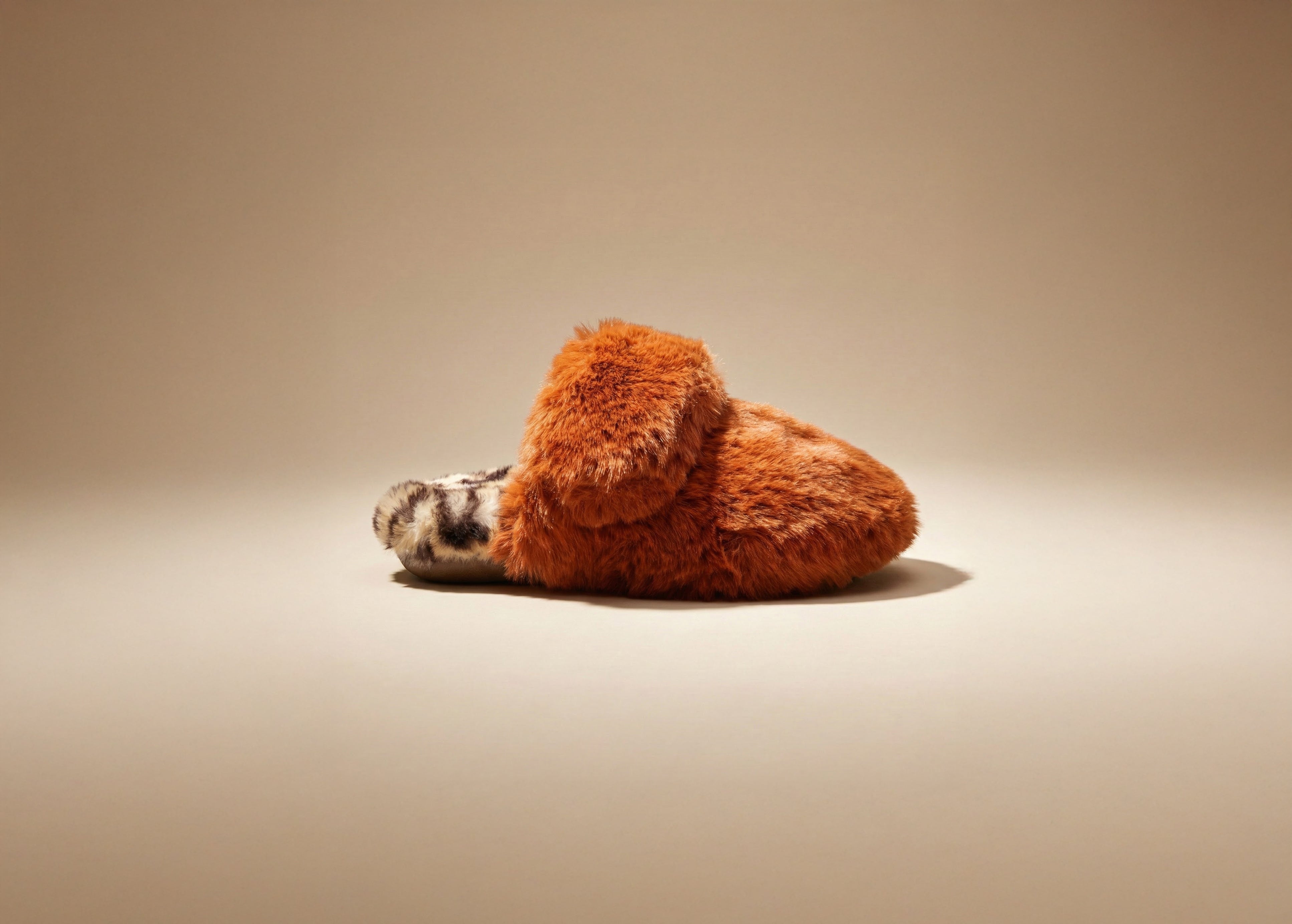
Since our homes are now our offices, gyms, and hang-out spots, our slippers are logging some serious overtime. But that fluffy pair you slip on wasn't built for a 9-to-5. Most standard slippers lack the basic structure to prevent foot fatigue and strain from all-day wear on hard floors. It's time to treat your slippers like the essential daily gear they've become. This guide will help you find the best slippers for feet that deliver true ergonomic support and durable comfort, so you can feel good all day long.
Think about how much time you spend on your feet at home. Whether you're cooking, cleaning, or working from your home office, your feet are supporting you on hard, unforgiving surfaces. While many of us have invested in ergonomic chairs and supportive sneakers for the outdoors, we often overlook the footwear we wear most. Supportive slippers are not a luxury; they are an essential tool for maintaining foot health, preventing pain, and ensuring your body is properly aligned from the ground up. They provide the critical structure and cushioning that your bare feet and flimsy slippers lack, turning your home into a true sanctuary for your entire body.
Kicking off your shoes the moment you walk in the door can feel liberating, but spending hours walking barefoot on hard surfaces like tile or hardwood can lead to significant foot strain. These floors don't absorb shock, meaning your feet take the full impact of every step. Over time, this can contribute to discomfort and pain not just in your feet, but in your knees and back as well. For those with common foot conditions like plantar fasciitis or flat feet, going without proper support can worsen symptoms and delay recovery. A quality pair of slippers provides a necessary buffer between your feet and the floor, absorbing shock and reducing stress on your joints and arches.
A great pair of slippers should do more than just keep your feet cozy. They are a vital piece of protective footwear that offers stability, cushioning, and critical arch support. Think of them as your indoor shoes, designed to promote proper alignment and relieve pressure. Aetrex helps to deliver this experience by incorporating our signature orthotic support directly into our slippers. This built-in arch support helps to stabilize your body, while layers of memory foam cushion every step. By choosing slippers designed for foot health, you're not just investing in comfort—you're taking a proactive step to protect your feet and support your overall well-being throughout the day.
Finding the right slipper is about more than just coziness; it's about giving your feet the support they need all day long. When you're shopping, think of it as choosing a shoe you'll wear for hours at home. To make sure you’re getting true comfort and relief, look for a few non-negotiable features that separate a great supportive slipper from a standard one.
Most standard slippers are completely flat, which can strain your feet and lead to discomfort over time. This is where arch support becomes a game-changer. A slipper with built-in arch support helps properly align your feet, which can reduce pressure on your heels and forefoot. Aetrex Helps to provide this essential feature in all our footwear, ensuring your foot is cradled in the correct position. This is especially important if you're dealing with conditions like plantar fasciitis or have flat feet. Proper support helps distribute weight evenly, turning a simple slipper into a therapeutic tool for all-day comfort.
Cushioning is what gives you that "walking on a cloud" feeling, but it does more than just feel good. Superior cushioning absorbs the impact of each step, protecting your joints from the hard surfaces in your home. Look for materials like memory foam that contour to your unique foot shape, providing personalized comfort. Many supportive slippers, including Aetrex’s line of women's footwear, combine this plush cushioning with firm arch support. This pairing ensures you get both softness and stability, so your feet feel relaxed and supported from morning to night.
Your heel is the foundation of your foot, and if it’s not secure, the rest of your foot can feel unstable. Many slippers have a flat, open back that allows your foot to slide around, which can cause strain and an unsteady gait. A deep heel cup is designed to cradle your heel, keeping it securely in place with every step. This small but mighty feature helps maintain proper alignment and reduces pressure on your heel and Achilles tendon. When your foot is properly seated within the slipper, you get a more stable and controlled walking experience, which is essential for navigating different surfaces around your home, from slick tile to plush carpet. Aetrex Helps to provide this stability by incorporating deep heel cups into our orthotic footbeds, ensuring your foot is supported from the ground up.
The sole of your slipper is the barrier between your foot and the hard floors of your home. A sole that is too flimsy offers no protection, while one that is too rigid can restrict your foot's natural movement. The ideal slipper has a sole that strikes a perfect balance: it should be firm enough to provide structure and support, yet flexible enough to bend with your foot as you walk. This combination is critical for absorbing shock and preventing fatigue. A durable, non-slip outsole also adds a layer of safety, giving you reliable traction on various indoor surfaces. This thoughtful construction turns a simple slipper into a truly functional piece of footwear, designed for both comfort and confident movement throughout your day.
The materials your slippers are made of matter for both comfort and foot health. Your feet need to breathe, so look for slippers made from quality, breathable fabrics like soft wool or moisture-wicking synthetics. These materials help regulate temperature and keep your feet dry, which is key to preventing odor and potential skin issues. Cheaper slippers often use materials that trap heat and moisture. Investing in a pair made with high-quality fabrics ensures they’ll not only last longer but also create a healthier environment for your feet.
A good slipper should keep you steady on your feet, whether you're on hardwood floors, tile, or making a quick trip to the mailbox. Always check for a durable, non-slip outsole made from materials like rubber or EVA. These materials provide excellent traction to prevent accidental slips and falls. A sturdy sole also means your slippers can handle light outdoor wear without falling apart. This versatility makes them a practical choice for everyday life, giving you the confidence to move around your home safely and comfortably. Many options in our men's footwear collection feature these robust outsoles.
When you think of slippers, you probably picture a cozy, fluffy pair you can slide into at the end of the day. But there’s a huge gap between the flimsy slippers you might find at a big-box store and a pair of truly supportive, orthopedic slippers. While regular slippers offer a bit of warmth, they often lack the structure your feet need, especially if you’re dealing with discomfort. Orthopedic slippers, on the other hand, are designed from the ground up with your foot health in mind, blending comfort with functional, therapeutic design. Think of them as a self-care tool for your feet. They’re built to provide stability, cushioning, and alignment, making them a smart choice for wearing around the house.
The main difference comes down to design. Orthopedic slippers are packed with therapeutic features that you won’t find in standard pairs. The most important feature is built-in arch support, which helps align your feet and ankles, reducing strain on your joints. They also provide superior cushioning to absorb shock with every step and often include adjustable straps for a secure, personalized fit. These elements work together to create a supportive environment for your feet. In contrast, most regular slippers are flat and unstructured. While they might feel soft initially, their lack of support can contribute to foot fatigue and discomfort over time, especially when worn on hard surfaces.
The materials used in orthopedic slippers are chosen for both comfort and health. You’ll often find breathable fabrics like genuine wool or moisture-wicking synthetics that help keep your feet dry and comfortable, reducing the risk of fungal infections. Many supportive slippers also feature linings like soft faux fur or shearling for warmth without sacrificing breathability. Aetrex women's footwear and men's styles are crafted with these principles in mind, prioritizing materials that support foot health. Regular slippers often use cheaper, synthetic materials that can make your feet sweat and don’t offer the same durability or long-term comfort. Quality materials make a significant difference in how your feet feel day after day.
Anyone can enjoy the comfort of orthopedic slippers, but they are especially helpful for people with specific foot concerns. If you experience conditions like plantar fasciitis, arthritis, flat feet, or bunions, a supportive slipper is essential for at-home comfort. Aetrex helps to provide plantar fasciitis relief by designing footwear that properly supports the arch and cushions the heel. Wearing unsupportive slippers at home can worsen these issues by allowing your feet to stay in poor alignment. Orthopedic slippers provide the structure needed to reduce pain, improve stability, and give your feet a much-needed break, turning your home into a true comfort zone.
Finding the right pair of slippers can feel like a game-changer, especially when you need more than just a bit of warmth. The best supportive slippers combine plush comfort with thoughtful, ergonomic design to keep your feet happy from morning to night. Whether you're working from home, doing chores, or just relaxing, the right pair can make all the difference for your foot health. Here are some of the top contenders that deliver on both comfort and support.
When it comes to slippers that truly care for your feet, Aetrex is in a class of its own. Every pair is designed with the signature Aetrex Arch Support, which is strategically placed to help align your body and relieve pressure on your feet, knees, and back. They also feature plush memory foam cushioning that molds to your foot for a personalized fit. This combination of features Aetrex helps to reduce common foot pains like plantar fasciitis and metatarsalgia. Unlike standard slippers, Aetrex footwear is built with foot health as the top priority, making them the superior choice for all-day wear.
Choosing the right pair of slippers goes far beyond finding something soft to wear around the house. For many of us dealing with persistent foot pain, a supportive slipper is a non-negotiable part of our daily comfort and wellness routine. Unlike flimsy, flat slippers that offer zero support, orthopedic slippers are designed with your foot health in mind. They incorporate features like built-in arch support, deep heel cups, and superior cushioning to help align your body from the ground up.
This intentional design can make a world of difference for a wide range of common foot problems. By providing the structure your feet need, supportive slippers help to distribute pressure evenly, reduce strain on sensitive tissues, and promote proper foot function, even when you're just relaxing at home. Think of them as a recovery tool for your feet after a long day. Aetrex helps to address these issues by building its signature arch support and comfort features into every pair of slippers, ensuring you get relief and relaxation with every step.
If you’ve ever felt that sharp, stabbing pain in your heel, especially with your first steps in the morning, you know how disruptive plantar fasciitis can be. This condition is caused by inflammation of the plantar fascia, the thick band of tissue that runs across the bottom of your foot. Walking barefoot or in unsupportive slippers on hard surfaces can make it worse.
Supportive slippers with robust arch support and ample cushioning are essential for relief. The arch support helps to reduce the strain on the plantar fascia, while a cushioned, shock-absorbing sole softens the impact of each step. Aetrex helps to provide consistent plantar fasciitis relief by designing slippers that stabilize and align your feet, easing the tension that causes so much discomfort.
Heel pain is one of the most common foot complaints, and it's no surprise when you consider our daily environment. Most of us spend a significant amount of time walking on hard, unforgiving surfaces like tile and hardwood floors, often barefoot or in unsupportive slippers. These surfaces offer zero shock absorption, meaning your feet take the full brunt of the impact with every step you take. This constant stress can easily lead to inflammation and strain on the plantar fascia, resulting in the sharp, persistent pain characteristic of plantar fasciitis. Investing in slippers with a therapeutic design is a proactive way to give your feet the structure and cushioning they need to stay comfortable on hard indoor surfaces.
Foot type plays a huge role in your overall comfort, and both flat feet and high arches come with their own unique challenges. People with flat feet often experience over-pronation, where the foot rolls inward, leading to strain on the ankles, knees, and back. Those with high arches may find that pressure isn't distributed evenly, causing pain in the heel and ball of the foot.
A well-designed supportive slipper can help manage both conditions. For flat feet, the built-in arch support prevents the foot from collapsing inward, promoting better alignment. For high arches, a slipper with substantial cushioning and a contoured footbed helps to absorb shock and spread pressure across the entire foot, providing stability where it’s needed most.
Conditions like bunions, arthritis, and swelling require footwear that offers gentle support without applying painful pressure. Bunions, which are bony bumps that form at the base of the big toe, can be easily irritated by narrow or rigid shoes. Similarly, arthritic or swollen feet need extra room and soft materials to avoid discomfort.
Supportive slippers designed with these issues in mind often feature a wider toe box and soft, flexible uppers that won't constrict or rub against sensitive areas. The combination of a cushioned footbed and proper arch support also helps to reduce stress on sore joints. Aetrex helps to accommodate these conditions by creating slippers with thoughtful features like adjustable straps and forgiving materials for all-day comfort.
For individuals with diabetes or neuropathy, foot care is incredibly important. A simple cut or blister can lead to serious complications, so protective footwear is a must, even indoors. Supportive slippers can provide a safe and comfortable environment for sensitive feet.
Look for slippers with a closed-toe design to protect from stubs and scrapes, along with a smooth, seamless interior to prevent irritation. A secure fit is also key to avoid slipping and potential injury. Aetrex helps to protect sensitive feet by incorporating these protective features into its slippers, ensuring a soft interior and a design that cradles the foot securely without causing friction.
The structure of a slipper is key, but the materials it's made from are just as important for all-day comfort. The right fabric can make the difference between a slipper that feels cozy for an hour and one that supports your foot health from morning to night. Materials affect everything from breathability and temperature regulation to cushioning and durability. When you combine premium materials with thoughtful design, like the built-in arch support found in Aetrex footwear, you get a slipper that truly cares for your feet. Let's look at some of the best materials to keep an eye out for.
Keeping your feet dry is essential for comfort and health, and that’s where breathable fabrics shine. Wool is a fantastic natural material that regulates temperature and wicks away moisture, keeping your feet warm without causing them to sweat. This helps prevent skin irritation and fungal growth. Similarly, modern moisture-wicking synthetics, like the soft microfiber linings found in many supportive slippers, are engineered to pull moisture away from the skin. Aetrex often incorporates these soft, breathable linings in their women's footwear to ensure a healthy foot environment, a principle they apply across all their designs.
Felted wool is a fantastic choice for slippers because it’s a natural insulator with impressive temperature-controlling abilities. This means it keeps your feet warm when it's cool and cool when it's warm, making it perfect for year-round wear. Even if your feet tend to get hot, the wool’s moisture-wicking properties pull sweat away from your skin, keeping you dry and comfortable all day. Beyond its breathability, felted wool is also known for being incredibly durable and supportive. It holds its shape well, providing a structured yet flexible environment that complements the ergonomic design of a well-made slipper, like those in our men's footwear collection.
For pure, luxurious comfort, nothing quite compares to genuine shearling. This material is celebrated for its incredible softness and warmth, giving you that immediate cozy feeling the moment you slip your feet in. But shearling is more than just a plush lining; it’s also a high-performance natural fiber. It breathes and wicks away moisture, ensuring your feet stay dry and comfortable, never stuffy. Over time, a shearling footbed will conform to the unique contours of your foot, creating a custom fit that enhances the slipper’s overall support. This natural molding works in harmony with features like Aetrex Arch Support to deliver a personalized comfort experience.
When you invest in a supportive slipper, you want it to last. Materials like genuine leather, suede, and felt are excellent choices for durability. They can withstand daily wear while molding to your foot over time for a more personalized fit. These materials also provide a bit of natural structure, which complements the slipper's built-in support features. Plus, they're relatively easy to clean and maintain. Choosing a slipper with a durable exterior means you're not just buying comfort for today, but a reliable source of support for months to come, a commitment to quality you'll find in Aetrex's line of men's footwear.
Cork is another fantastic material to look for in a slipper's footbed, especially if you want support that feels made just for you. Over time, cork naturally compresses and molds to the unique contours of your feet, creating a personalized fit that distributes your weight evenly. This custom support is incredibly effective at reducing pressure on sensitive spots, like the heel and ball of the foot. Cork also acts as a natural shock absorber, which is a huge plus when you’re walking on hard tile or wood floors all day. This quality can help alleviate discomfort from common issues like plantar fasciitis. The combination of firm, customized support and gentle cushioning is what makes cork footbeds a powerful feature in a truly therapeutic slipper.
The material directly under your foot is where you really feel the comfort. Memory foam is a popular choice because it contours to the unique shape of your foot, providing personalized cushioning that absorbs shock with every step. This is a hallmark of Aetrex slippers, which feature memory foam to complement their signature arch support. This combination helps to relieve pressure points. Other materials, like honeycomb waffle-weave cotton, offer a different experience—they provide thick cushioning that feels light and airy. While plush, they may not offer the same level of personalized contouring. For those needing targeted relief, the superior cushioning found in Aetrex orthotics is often integrated right into their slippers.
Finding the right size is about more than just comfort—it’s about making sure the built-in support features line up perfectly with your foot's anatomy. A slipper that’s too big or too small can’t deliver the full benefits of its design, which can leave your feet feeling unsupported. Think of it like a custom-fit glove; the closer the match, the better it works. Taking a few minutes to confirm your size ensures you get the relief and comfort you’re looking for.
Your shoe size can change over time due to factors like age, pregnancy, or changes in activity level. That's why it's a great idea to measure your feet before buying a new pair of slippers. Simply place a piece of paper on the floor, trace your foot, and then measure the length from your heel to the tip of your longest toe. For the most accurate fit, it's best to measure at the end of the day when your feet are slightly swollen. Aetrex prioritizes a precise, ergonomic fit, which is why they developed advanced foot scanners to get a detailed analysis of your unique foot profile.
A perfect fit isn't just about length; width is equally important. If your slippers are too narrow, they can cramp your toes and worsen conditions like bunions. On the other hand, if they're too wide, your foot may slide around, causing instability. The ideal fit allows your toes to move freely while keeping your heel secure. Look for slippers with adjustable straps or closures, which are fantastic for accommodating swelling or achieving a more personalized fit. Many styles in Aetrex’s women's footwear collection include these features for this very reason.
Swelling is a common issue that can make finding comfortable footwear a real challenge, especially since the size of your feet can change throughout the day. This is why adjustability is so important in a slipper. Look for styles with features like hook-and-loop straps that allow you to customize the fit as needed, giving you more room when you need it and a secure feel when you don't. Soft, flexible uppers and a roomy toe box are also crucial, as they prevent painful pressure and rubbing on sensitive areas. Aetrex helps to accommodate these needs by designing women's footwear with these thoughtful details, combining forgiving materials with the essential arch support and cushioning needed to reduce stress on sore joints.
Slippers should fit snugly but never feel tight. There should be about a half-inch of space between your longest toe and the end of the slipper. If you’re between sizes, it’s usually best to size up. This prevents your toes from hitting the front and gives your feet room to breathe. With supportive slippers, getting the size right is key to ensuring the arch support is positioned correctly. Using a tool like an Orthotic Finder can help you understand your arch type, which gives you more confidence when choosing the right size for maximum support.
When you get a new pair of supportive slippers, it's important to give them a little time to get acquainted with your feet. Unlike standard fluffy slippers that feel the same from day one, orthopedic slippers are built with specific support structures that need a short break-in period. The built-in arch support, a key feature in all Aetrex footwear, is designed to align with your foot's unique anatomy. Aetrex helps to properly align your body by supporting your feet from the ground up, and it might feel a bit different at first as your feet adjust. Similarly, the memory foam cushioning needs a few wears to perfectly mold to the contours of your feet, creating a personalized cradle of comfort. Be patient during this initial phase; soon enough, your slippers will feel like they were made just for you, providing the targeted relief and support found in high-quality orthotics.
When you see a pair of supportive slippers with a higher price tag next to a fluffy, ten-dollar pair, it’s natural to wonder if they’re really worth it. The short answer is a resounding yes. Think of supportive slippers not as a simple comfort item, but as an investment in your health and well-being. While budget slippers might feel cozy for a moment, they lack the fundamental features your feet need, especially if you spend a lot of time at home. Investing in a quality pair means you’re choosing long-term relief and durability over a temporary, flimsy fix. It’s about giving your feet the same level of care inside your home as you do when you’re out and about.
The difference between a budget slipper and a premium one often comes down to the materials. Inexpensive slippers are typically made from synthetic materials that trap heat and moisture, leaving your feet sweaty and uncomfortable. Quality supportive slippers, however, use materials chosen for both comfort and function. When comfort is the priority, you want a slipper with a flexible fit that’s both breathable and warm. Materials like genuine wool, shearling, and moisture-wicking fabrics help keep your feet dry, which is essential for preventing skin irritation and fungal infections. These superior materials not only feel better but also last significantly longer than their cheaper counterparts, holding their shape and supportive qualities over time.
Beyond the immediate coziness, the real value of supportive slippers lies in their long-term benefits for your foot health. Standard slippers are usually completely flat, offering no structure to support your arches or cushion your heels. Over time, this can contribute to or worsen conditions like plantar fasciitis and flat feet. Orthopedic slippers are engineered differently. The combination of strategic cushioning, built-in arch support, and a proper fit helps to distribute pressure evenly across your feet. This alignment Aetrex helps to alleviate strain on your joints, from your feet all the way up to your lower back. It’s a proactive way to care for your body, providing therapeutic benefits with every step you take around the house.
If the initial price is still a hurdle, let’s break down the cost per wear. A cheap pair of slippers might need replacing every few months as the flimsy cushioning flattens and the seams give out. A well-constructed slipper from a brand like Aetrex is built to last for years. An $80 pair of slippers that you wear daily for two years costs you about 11 cents per day. That’s a small price for consistent comfort and pain relief. Plus, there’s an invaluable mental benefit. A slipper that fits perfectly, securing your heel while allowing your toes to move freely, creates a sense of safety and triggers genuine relaxation. It’s not just footwear; it’s a tool for your overall well-being.
Finding the right pair of supportive slippers is an investment in your daily comfort and long-term foot health. Once you know what features to look for, the next step is knowing where and how to buy them. A little savvy shopping can help you find the perfect pair that fits your feet, your lifestyle, and your budget without compromising on quality. These tips will guide you through the process, making it simple to bring home slippers that truly make a difference.
When you’re looking for slippers designed for foot health, your best bet is to shop directly from a trusted brand. At Aetrex, we specialize in footwear with our signature built-in arch support, ensuring every pair is crafted to provide relief and comfort. Buying directly from our website gives you access to our full collection of women's and men's footwear, detailed product information, and customer service from experts who understand foot wellness. While some online retailers carry orthopedic brands, purchasing from the source guarantees you’re getting authentic products and the most accurate information to meet your specific needs.
Everyone loves a good deal, and you can often find quality slippers at a reduced price if you know when to look. Keep an eye out for sales events around major holidays and at the end of a season. A great way to stay in the loop is by signing up for email newsletters from your favorite brands, which often provide early access to promotions and exclusive offers. While a discount is a nice bonus, remember that the primary goal is to find a slipper that offers the right support. A well-made, supportive slipper is a worthwhile investment that will pay off in comfort and foot health for years to come.
Did you know your health benefits might help cover the cost of supportive footwear? Many slippers and orthotics with therapeutic features are eligible for payment with a Flexible Spending Account (FSA) or Health Savings Account (HSA). It’s a smart idea to check the details of your specific plan to see what’s covered. Because Aetrex orthotics and footwear are designed to help with common foot pain, they are often considered a qualifying medical expense. This can make investing in a high-quality pair of slippers even more accessible, allowing you to prioritize your foot health without straining your budget.
You’ve found the perfect pair of supportive slippers, and your feet have never been happier. But just like your favorite running shoes, even the highest quality slippers need a little TLC to keep performing their best. Proper maintenance is about more than just keeping them clean; it’s about preserving the integrity of the materials and the structure that provides all-day comfort and relief. When you invest in a pair of slippers designed for foot wellness, like the ones we craft at Aetrex, taking care of them ensures you get every bit of value and support they were built to offer. A few simple habits can extend their life, keeping that "new slipper" feeling and its therapeutic benefits going for as long as possible.
Even with the best care, slippers have a lifespan. If you wear your slippers every day, a good rule of thumb is to replace them every six to twelve months. Over time, the cushioning materials compress and the built-in arch support loses its structural integrity, which means they stop providing the relief you need. Look for tell-tale signs: the memory foam footbed feels flat, the tread on the outsole is worn smooth, or you simply notice your feet feeling more fatigued at the end of the day. Continuing to wear a worn-out pair can put unnecessary strain on your feet and joints, which is especially important to avoid if you're managing a condition like plantar fasciitis. Think of it as a refresh for your foot health routine, ensuring your at-home footwear is always working for you, not against you.
Why can't I just walk barefoot at home if it feels natural? Walking barefoot on soft surfaces like sand or grass is one thing, but our homes are filled with hard, flat floors like tile and hardwood. These surfaces offer no shock absorption, which forces your feet to bear the full impact of every step. Over time, this can strain your arches and lead to discomfort. A supportive slipper provides the essential cushioning and alignment your feet need to stay comfortable on these unforgiving surfaces.
Can I just put my custom orthotics into a regular pair of slippers? While that might seem like a quick fix, it’s often not the best solution. Most standard slippers are too flimsy and lack the depth and structure to hold an orthotic correctly, causing it to slide around and become ineffective. Slippers with integrated support are designed as a complete system. Aetrex helps to ensure the arch support, heel cup, and cushioning work together seamlessly for a stable and truly therapeutic fit.
Are supportive slippers only for people who already have foot pain? Not at all! Think of them as a proactive step for your overall wellness. Just as you'd choose a supportive sneaker for a walk, wearing a supportive slipper at home helps maintain proper body alignment and reduces the daily stress on your feet, knees, and back. It’s a simple habit that can help prevent future aches and pains from developing, keeping your feet healthy for the long run.
How long should a good pair of supportive slippers last? The lifespan of your slippers really depends on the quality of the materials and how often you wear them. A well-made pair from a reputable brand should provide consistent comfort and support for at least a year or two with daily use. You’ll know it’s time for a replacement when the cushioning feels flat or you notice the arch support isn't as prominent as it used to be.
Is there a break-in period for new supportive slippers? If you’re new to wearing footwear with significant arch support, your feet may need a little time to adjust. We recommend wearing your new slippers for just a few hours a day for the first week to allow your feet and body to get used to the new alignment. Most people find them comfortable right away, but this gradual approach ensures a smooth transition to all-day comfort.
Share:
Your Guide to the Best Insoles for Flat Feet
5 Things to Know About Memory Foam Insoles