

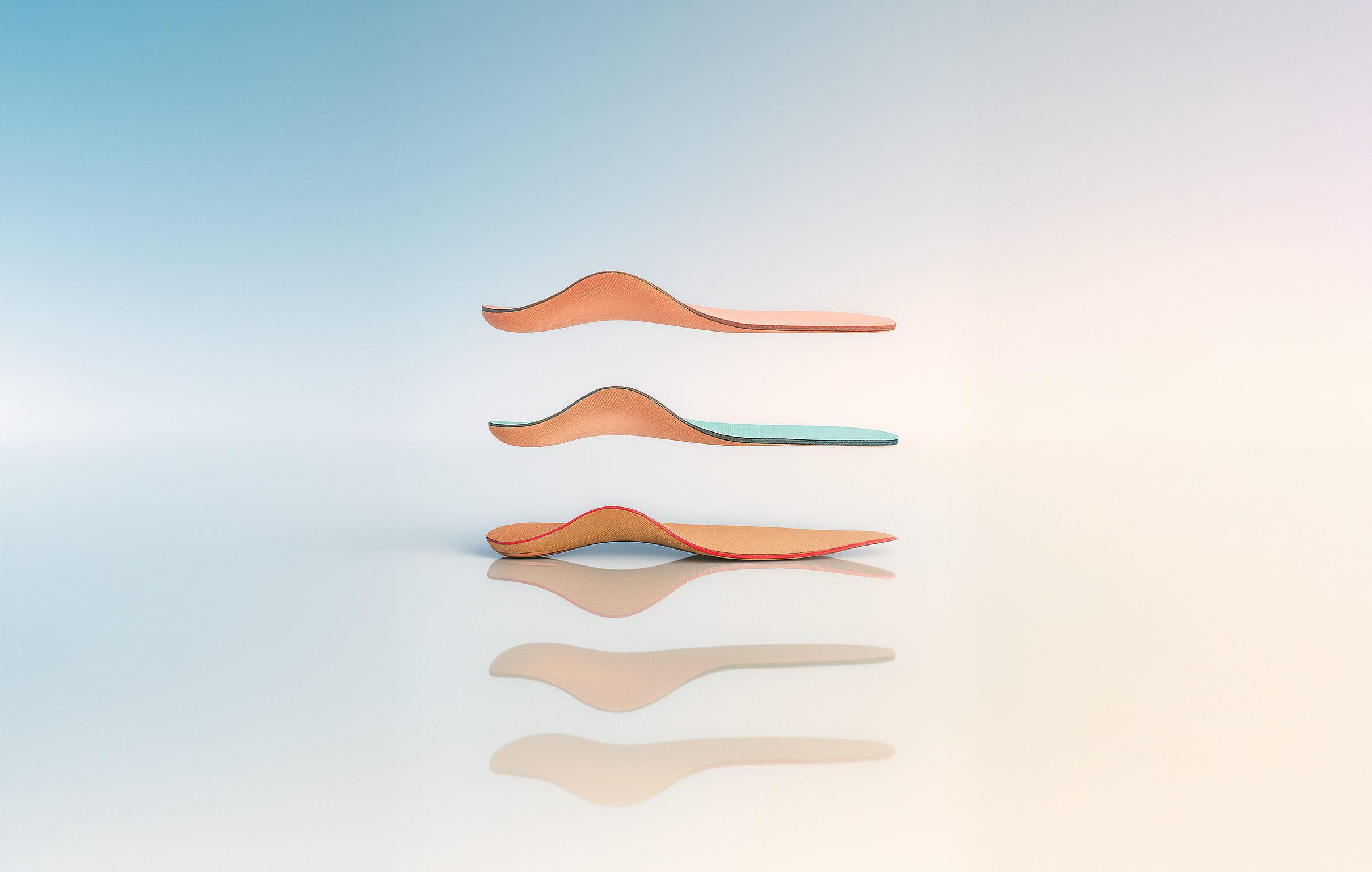
You know that feeling of staring at a wall of insoles at the pharmacy, completely overwhelmed? Many promise cloud-like comfort but deliver a squishy, unsupported experience that does little for the real strain of being on your feet all day. The difference between temporary softness and lasting relief lies in the design. The best memory foam insoles don’t just add cushion; they provide a supportive foundation. Aetrex helps solve this by combining premium, compression-resistant memory foam with a strategically designed arch support. This ensures your feet are not only cushioned but also properly aligned, reducing fatigue from the ground up.
If you spend your days on your feet, you know the feeling—that deep, aching fatigue that settles into your soles, arches, and heels. It’s more than just being tired; it’s a persistent discomfort that can make getting through the workday a real challenge. You’ve probably heard that memory foam insoles can make a difference, but it’s worth understanding how they work and what sets a great pair apart from the rest. The right insole doesn’t just add a layer of cushioning; it provides a foundation of support that can change how you feel from the ground up.
At its core, memory foam is a special type of polyurethane foam known for its viscoelastic properties. That’s just a technical way of saying it responds to both pressure and heat. When you step on a memory foam insole, your body heat softens it, allowing it to mold perfectly to the unique contours of your feet. The primary benefit of this is its incredible ability to absorb shock and distribute your body weight evenly across your entire foot. Instead of concentrating pressure on your heel and the ball of your foot, the foam creates a custom cradle that reduces impact with every step. This personalized fit is what makes high-quality Aetrex orthotics feel so comfortable right away.
Memory foam has a fascinating origin story, first developed by NASA in the 1960s to make aircraft cushions safer. This unique material is engineered to respond to both pressure and heat, which is what allows it to mold to the specific shape of your feet. When you step onto a memory foam insole, your body heat softens the foam, creating a custom cradle that absorbs shock and distributes your body weight evenly across the entire surface. This personalized fit is crucial for reducing the harsh impact of each step and relieving pressure from key areas like your heels and the balls of your feet, making it an excellent choice for anyone who spends long hours standing or walking.
While that initial plush feeling is great, it’s only half the equation for true, lasting relief. The best insoles don’t just provide cushioning; they combine that shock-absorbing comfort with a firm, supportive arch to promote proper body alignment. This is where Aetrex helps to make a significant difference. We strategically pair our premium, slow-recovery memory foam with our signature Aetrex Arch Support. This dual-action approach not only addresses foot fatigue but also helps align your body from the ground up, which can reduce strain on your knees, hips, and back. It allows you to stay on your feet longer without the nagging aches that can ruin your day.
It’s also important to recognize that not all memory foam is created equal. You’ve probably experienced an insole that felt amazing for a week before going completely flat. This often happens when the foam isn't dense enough to withstand daily pressure over time. High-quality, high-density foam is essential because it maintains its shape and springiness, ensuring the cushioning you feel on day one is the same support you’ll feel months later. This slow-recovery quality means the foam bounces back after each step instead of compressing permanently. Investing in a durable insole means you're investing in consistent, reliable all-day comfort.
For anyone standing for long periods, the benefits are immediate. That custom-molded support helps to reduce fatigue and strain on your joints. But not all memory foam is created equal. Lower-quality foams can compress quickly, losing their cushioning and support within a few hours. Aetrex helps to address this by using a high-density memory foam that resists compression, giving you long-lasting comfort that doesn’t flatten out by lunchtime. In fact, Aetrex Premium Memory Foam Orthotics are designed with 43% more memory foam in the forefoot. This provides extra cushioning right where you need it most, which is especially helpful for conditions like metatarsalgia, or general ball-of-foot pain.
You might have heard that memory foam can sometimes make foot problems worse, and there’s some truth to that—if you’re using the wrong kind. A common myth is that any soft, squishy insole is good for your feet. However, a simple memory foam slab without any structure can actually be detrimental. If you have an alignment issue like flat feet, a basic memory foam insole will just mold to your foot’s incorrect shape, offering no real correction or support. This can lead to uneven pressure and strain. Aetrex helps to solve this problem by combining its premium memory foam with a supportive, strategically shaped shell. This design gives you the best of both worlds: the plush comfort of memory foam plus the essential arch support needed to promote proper alignment and relieve pain. You can find the right support for your foot type with the Orthotic Finder.
While the idea of sinking your feet into pure memory foam sounds like a dream, insoles made from 100% memory foam often fall short when it comes to providing lasting relief. The initial softness can be misleading, masking underlying issues that can affect your foot health over time. Without a supportive structure, that plush cushioning can quickly become a problem rather than a solution. Understanding these limitations is key to choosing an insole that offers both immediate comfort and the durable, corrective support your body needs to feel its best, especially when you're on your feet all day.
One of the biggest drawbacks of basic memory foam is its tendency to flatten out. Think of it like a well-loved pillow that eventually develops a permanent dip where you rest your head. The same thing happens inside your shoes. Over time, the foam compresses under the repeated pressure of your body weight and loses its ability to bounce back. This process, known as "bottoming out," means the insole loses its supportive qualities, especially in high-impact areas like the heel and arch. Aetrex helps to combat this by using premium, high-density memory foam that is engineered to resist compression, ensuring the cushioning and support you feel on day one lasts for miles to come.
There’s a crucial difference between comfort and support, and this is where many 100% memory foam insoles miss the mark. Comfort is the immediate, plush feeling you get when you first step on the insole. Support, on the other hand, is the structural integrity that holds your foot in a healthy, properly aligned position. An insole made only of memory foam will simply mold to the current shape of your foot—including any misalignments. If you have flat feet, for example, it will just create a soft, flat impression, offering no corrective benefits. Aetrex helps to solve this by combining its memory foam cushioning with the signature Aetrex Arch Support, providing a foundation that promotes better alignment and relieves strain.
Another often-overlooked issue with standard memory foam is its dense, closed-cell structure, which can trap heat and moisture. When your feet sweat, that moisture has nowhere to go, creating a warm, damp environment inside your shoes—the perfect breeding ground for odor-causing bacteria and fungus. This can lead to unpleasant smells and potential skin issues. High-quality orthotics are designed with this in mind. Aetrex helps to maintain a healthy environment for your feet by incorporating breathable top covers with antimicrobial technology. This design wicks away moisture and prevents the growth of bacteria, keeping your feet cool, dry, and comfortable all day long.
When it comes to finding relief and staying comfortable on your feet, not all insoles are created equal. We've looked at what's out there, and here’s a breakdown of our top choices to help you make the best decision for your feet.
Let's be direct: Aetrex is our top choice for a reason. Our orthotics are crafted with a high-density memory foam that doesn't quit. Unlike softer foams that compress and flatten out, ours provides consistent, long-lasting comfort and support day after day. For those who need extra cushioning, our Premium Memory Foam Orthotics feature 43% more memory foam in the forefoot. But the real game-changer is our signature Aetrex Arch Support. This isn't just about cushioning; it's about structure. This built-in support Aetrex Helps to biomechanically align your body and prevent common foot pain, including the dreaded plantar fasciitis. It’s a complete system for your foot's well-being.
As you explore different memory foam insoles, you'll notice variations in foam density. Some insoles use low-density foam, which feels incredibly soft at first but can wear out quickly, losing its supportive qualities. High-density foam, on the other hand, offers more durability and sustained support, even if it feels a bit firmer initially. The main goal of any good insole is to absorb shock and mold to your unique foot shape. While many options provide cushioning, they often lack the essential arch support needed for proper alignment. If you're unsure what level of support you need, using a tool like our Orthotic Finder can help you identify the perfect match for your feet and lifestyle.
Memory foam has become a go-to for comfort, but it’s not the only player in the game. When you’re looking for relief, you’ll likely see gel insoles and more structured orthotics on the shelf, too. Understanding how each one works is the key to finding the right match for your feet and your lifestyle. While a basic memory foam insole provides excellent cushioning, it might not offer the specific type of support you need for all-day wear or to address underlying foot pain. Let's break down the main differences so you can make an informed choice.
The biggest difference between memory foam and gel comes down to how they cushion your feet. Think of memory foam as giving your foot a slow, contouring hug. It molds to your unique foot shape, distributing pressure evenly across the entire surface. This is fantastic for overall comfort and shock absorption.
Gel inserts, on the other hand, don't mold to your entire foot. Instead, they concentrate on high-pressure zones like the heel and the ball of the foot, creating a cushion that feels more bouncy and responsive. While gel can be great for targeted shock absorption during high-impact activities, it doesn't provide the personalized, all-over support that memory foam does.
This is where we separate simple cushioning from true, functional support. The main benefit of a standard memory foam insole is its ability to absorb shock and mold to your foot. It feels great, but it often lacks the structure needed to correct alignment issues or provide stability. It’s like sleeping on a soft mattress without a supportive frame underneath—comfortable at first, but not great for your alignment long-term.
This is why Aetrex helps to combine the best of both. Our premium orthotics use our signature Aetrex Arch Support to properly align your body, with a top layer of luxurious memory foam for that immediate step-in comfort. You get the pressure relief and cushioning you love, plus the biomechanical support your feet actually need.
While the plush feel of memory foam is undeniably comfortable, it has one major limitation when used on its own: it lacks structure. A simple slab of memory foam will conform to your foot, which sounds great in theory. But if your foot has an alignment issue, like overpronation or flat feet, the foam will simply mold to that incorrect position without offering any corrective support. This is where a hybrid insole comes in. It’s designed to give you the best of both worlds by pairing the cushioning of memory foam with a firm, supportive shell that provides the structure your feet need for proper alignment and stability.
Aetrex helps to solve this problem by combining its premium memory foam with a supportive, strategically shaped shell. This design gives you the plush comfort you want, plus the essential arch support needed to promote proper alignment and relieve pain. Our signature Aetrex Arch Support is placed in the perfect spot to help control overpronation and stabilize your foot with every step. This means you get that immediate, step-in softness from the memory foam top layer, while the durable shell underneath does the heavy lifting of supporting your body from the ground up. It’s a thoughtful design that delivers both instant relief and long-term benefits.
When you ask a podiatrist what makes a good insole, they rarely point to the softest, squishiest option on the shelf. Professionals look for a combination of durable materials and functional design. They know that memory foam alone can flatten over time and lose its supportive qualities, which is why they often recommend insoles made from materials that keep their shape. When shopping, look for high-density foam that won’t compress after a few wears. A well-designed arch support and a breathable top cover are also essential for providing durable, all-day comfort and maintaining good foot health. Aetrex orthotics are designed with these exact principles in mind, delivering the features that professionals trust.
While a memory foam orthotic is a fantastic solution for most people, there are times when a different material might be considered. The density of the foam itself plays a big role. High-density foam offers more durability and firm support, while low-density foam is softer but may wear out faster. If you only need a little extra cushion in a pair of dress shoes, a simple, thin foam insole might suffice.
For those with severe overpronation or specific biomechanical needs, a podiatrist might recommend a rigid or semi-rigid orthotic. However, for the vast majority of common foot issues, finding a solution that provides both support and cushioning is the key to lasting relief. Aetrex helps to provide this balance, offering the necessary structure for conditions like flat feet without sacrificing that plush, comfortable feel.
Not all memory foam insoles are created equal. When you're shopping for a pair to get you through long days on your feet, a few key features can make all the difference between temporary relief and lasting comfort. Think of this as your personal checklist to find the perfect pair that will support you through every step, from your morning commute to the end of a long shift. Keeping these factors in mind will help you choose an insole that truly meets the demands of your day.
When you're looking at memory foam insoles, the density of the foam is a big deal. High-density foam offers a firmer, more supportive feel and tends to be more durable, which is great if you need robust support that lasts. On the other hand, low-density foam feels softer and more cloud-like but might compress and wear out more quickly. It’s all about finding that sweet spot between plush cushioning and the resilient support your feet need to feel good day after day. Aetrex uses premium materials to ensure you get that perfect balance of comfort and longevity.
You’ve probably noticed how some memory foam springs back instantly while others hold their shape for a moment. That slower response is a hallmark of high-quality, slow-recovery foam, and it’s exactly what you want in an insole. This type of foam uses your body heat to create a precise mold of your foot, distributing pressure evenly instead of letting it concentrate on your heel and forefoot. This quality also means it’s more resilient. It resists the constant compression from standing and walking, so you get consistent cushioning that doesn't disappear halfway through your day. Aetrex helps to leverage this technology by pairing slow-recovery memory foam with our signature arch support, ensuring you get that custom-molded comfort that absorbs shock with every step.
Memory foam is fantastic for cushioning, but on its own, it doesn't provide the structural support your arches need. This is where a well-designed insole truly shines. Proper arch support is essential for distributing pressure evenly across your feet and maintaining proper alignment. Aetrex helps to provide superior comfort by combining pressure-relieving memory foam with our signature plantar fasciitis and flat feet.
One of the best things about memory foam is its ability to conform to the unique shape of your foot. This personalized fit provides targeted cushioning right where you need it most. As you stand and walk, high-quality insoles absorb the shock that would otherwise travel up your legs and back. This is especially important if you work on hard surfaces like concrete. By reducing the impact of each step, memory foam orthotics can make a huge difference in your overall comfort, helping to prevent that tired, achy feeling at the end of the day.
Let's be real: spending all day on your feet can get a little sweaty. That's why breathability is a non-negotiable feature in a great insole. Look for materials designed to manage moisture and allow for air circulation to keep your feet cool and dry. Many Aetrex orthotics feature advanced top covers that help reduce friction and wick away moisture. This not only feels more comfortable but is also crucial for maintaining good foot health and preventing issues like blisters and odor. It’s a small detail that makes a big impact on your daily comfort.
When you're on the hunt for the perfect insole, it’s easy to get focused on just the softness of the memory foam. But the real magic happens when that plush cushioning is combined with smart, supportive design features. The best insoles go beyond a simple foam layer; they incorporate specific elements that work together to cradle your foot, promote proper alignment, and provide lasting relief. Understanding these key features will help you look past the marketing claims and choose an insole that offers genuine, all-day support for your hardworking feet.
A top-tier insole is more than just a cushion; it's a tool for better foot health. That's why looking for podiatrist-designed support is so important. This means the insole's shape isn't random—it's strategically contoured to support your foot's anatomy. Aetrex helps to lead the way here by incorporating our signature Aetrex Arch Support into our orthotics. This feature is specifically designed to provide the right amount of support for your arch type, which helps to relieve pain in the heel and arch. When this is paired with premium memory foam, you get an insole that not only molds to your foot for incredible comfort but also actively supports it to reduce pressure and strain.
Another feature that makes a huge difference is a deep heel cup. Think of it as a cradle for your heel. Its job is to hold your heel securely in place, which helps to provide stability and control your foot's motion as you walk. This is crucial for maintaining proper alignment from the ground up. When your foot is stable, it reduces the stress on your ankles, knees, and even your lower back. Aetrex orthotics are designed with this in mind, featuring a supportive heel cup that works in tandem with the arch support to keep your body properly aligned. This combination helps to prevent the foot from rolling inward or outward, offering a stable foundation for every step you take.
When you’re dealing with a specific foot condition, standing all day can feel less like a challenge and more like an impossibility. The good news is that the right memory foam insole does more than just provide a soft surface; it can offer targeted support that makes a real difference in your daily comfort. It's easy to think that more cushion is always better, but without proper structure, that cushion can flatten out and fail to address the underlying issue. The real magic happens when you find an insole that combines the pressure-relieving qualities of memory foam with the structural integrity of a true orthotic.
This combination is exactly what Aetrex helps to provide. By pairing plush memory foam with our signature arch support, our insoles are designed to address the root causes of many common foot pains. This synergy means your foot is not only cushioned from impact but also guided into proper alignment, which can reduce strain on your joints and ligaments all the way up your body. Instead of just masking the discomfort, this approach helps to create a healthier environment for your feet with every step. Let’s look at how this technology can bring relief for three of the most frequent issues people face.
If you’ve ever felt that sharp, stabbing pain in your heel, especially with your first steps in the morning, you’re likely familiar with plantar fasciitis. This pain comes from strain on the ligament that connects your heel to your toes. To find relief, you need an insole that cushions your heel while also supporting your arch to prevent the ligament from overstretching.
Aetrex Memory Foam Orthotics are designed with our signature Aetrex Arch Support, which helps to properly align your body from the ground up. This alignment can reduce the stress on your plantar fascia, providing comfort for those who are on their feet all day. Finding the right footwear for plantar fasciitis relief is a critical step toward more comfortable days.
For those with flat feet, the entire sole of the foot makes contact with the ground, which can lead to tired, achy feet and legs. A simple cushioned insole might feel nice at first, but it won't provide the stability needed to prevent your arch from collapsing. You need an insole that actively cradles your foot and encourages proper alignment.
Aetrex orthotics are designed to do just that. The combination of contouring memory foam and a supportive arch helps to distribute pressure evenly across the entire foot. This provides crucial support for flat feet, which can help reduce fatigue and discomfort caused by overpronation.
Metatarsalgia is that burning, aching pain right in the ball of your foot, an area that takes a lot of pressure when you stand and walk. This discomfort is often caused by high-impact activities or simply from prolonged pressure on the forefoot. The most direct way to address this is with targeted cushioning that absorbs shock and redistributes weight away from the sensitive area.
Aetrex Premium Memory Foam Orthotics are an excellent choice, as they are designed with 43% more memory foam in the forefoot for superior, long-lasting cushioning. This extra padding provides immediate relief and helps protect the ball of the foot from repeated stress, making them a great feature in shoes for metatarsalgia.
Standing all day puts a tremendous amount of stress on your feet, leading to a deep, aching fatigue that can radiate up to your knees and back. While a simple soft insole might feel good for a moment, it often lacks the structure to provide lasting relief throughout a long shift. The real solution lies in a design that both cushions and supports. This combination is exactly what Aetrex helps to provide. By pairing plush, high-density memory foam with our signature arch support, our orthotics are engineered to address the root causes of this common discomfort. The memory foam absorbs shock and molds to your foot for personalized comfort, while the arch support ensures proper alignment, reducing strain on your joints and helping you feel more energized at the end of the day.
While memory foam orthotics offer relief for many, it's crucial to be mindful if you have certain health conditions. If you have diabetes, nerve damage, or poor circulation in your feet, it's always best to talk with your doctor before trying any new insole. These conditions can reduce sensation, meaning you might not notice if an insole is causing irritation or pressure spots. Getting precise data about your feet from advanced technology like Aetrex foot scanners can be a great starting point, but a professional medical opinion is essential. For those with severe biomechanical issues, a podiatrist can provide a personalized recommendation, ensuring you get the exact support you need. Your foot health is the top priority, and a quick conversation with a healthcare professional ensures you’re making the safest choice.
Getting the right fit for your insoles isn't just a suggestion; it's the key to unlocking all their comfort and support benefits. An insole that’s too big will bunch up, and one that’s too small will slide around, failing to provide targeted relief where you need it most. The perfect fit ensures that the arch support aligns with your natural arch and the cushioning is positioned correctly under key pressure points.
Finding that ideal fit involves a few simple but crucial steps. It starts with knowing your true foot size, which can change over time. From there, you might need to make small adjustments to customize the insole for your specific shoes. It’s also helpful to understand how the material itself behaves in different conditions. Taking a moment to get these details right will make a world of difference in your daily comfort, ensuring your insoles work for you, not against you.
To ensure you get the best support from your insoles, it's essential to start with an accurate measurement of your foot size. Don't just rely on the shoe size you've been buying for years. The most effective way to understand your unique foot profile is with a proper scan. Aetrex’s advanced foot scanners, available at various retail locations, can map your pressure points and determine your arch type in seconds. This data gives you a precise starting point, helping you select an insole that fits your foot and your shoe perfectly. If you can't get a scan, trace your foot on a piece of paper at the end of the day when it's slightly swollen and measure the length and width.
Many memory foam insoles are designed to be trimmed with scissors, allowing you to create a custom fit for each pair of shoes. This is especially helpful since the interior shape can vary from one shoe style to another. The best way to do this is to remove the original insole that came with your shoe and use it as a template. Place it on top of your new memory foam insole, trace the outline with a pen, and carefully cut along the line. Always trim a little at a time—you can always cut more off, but you can't add it back! This simple step ensures a snug, slip-free fit.
Beyond simple trimming, some insoles offer another layer of personalization through heat molding. The process is usually straightforward: you gently warm the insoles in an oven for a few minutes, place them in your shoes, and then stand on them as they cool. This allows the material to soften and conform to the unique contours of your feet, creating a semi-custom fit. This can be a great way to get a more personalized feel, as the insole will match the specific shape of your arches and heels, enhancing overall comfort. It’s a quick method for achieving a closer fit without the wait or expense of fully custom orthotics.
While heat molding can improve the fit, it’s important to remember that the insole’s effectiveness still relies on its fundamental design. The process molds the existing material; it can’t create support that isn’t already built into the orthotic. That’s why starting with a high-quality insole that already features essential elements, like the signature Aetrex Arch Support, is so important. The molding can enhance the step-in comfort, but it’s the foundational structure that provides the biomechanical alignment and lasting relief you need throughout the day.
It's important to know that traditional memory foam is sensitive to temperature. It tends to get softer in warm conditions and firmer when it's cold. This means that on a hot day or during an intense workout, a standard memory foam insole might lose some of its firmness and supportive qualities. While it will still provide cushioning, the structural support could feel different. For consistent, reliable support in any weather, consider Aetrex orthotics. They are crafted with advanced, temperature-stable materials that maintain their shape and supportive integrity, giving you dependable comfort no matter the conditions.
Getting a new pair of memory foam insoles is a great first step toward more comfortable days. But like a new pair of shoes, they can take a little getting used to. Your first week is all about adjustment—letting your feet get acquainted with a new level of support and allowing the memory foam to start contouring to your unique shape. It’s a process, but one that pays off in lasting relief.
Think of this week as a partnership between your feet and your insoles. You’ll start to notice subtle changes in how you stand and walk as the insoles begin to do their job. Here’s a straightforward guide to what you can expect during the break-in period, how to tell the insoles are working, and when you might need to think about getting your next pair.
When you first slip your new memory foam insoles into your shoes, they might feel a bit different or more substantial than you’re used to. That’s a good thing! It means they’re providing the structure your feet need. Aetrex orthotics are crafted with high-density memory foam that resists compression, ensuring you get long-lasting comfort and support rather than a flimsy cushion that flattens out.
To ease into them, try wearing your insoles for just a few hours on the first day. You can gradually increase the time over the course of the week. This gives your feet time to adjust to the new alignment and arch support. The goal is to feel supported, not uncomfortable, as the memory foam begins to mold perfectly to your feet.
You’ll know your memory foam insoles are doing their job when you start to feel the benefits. The most significant sign is a reduction in shock and impact, especially if you spend a lot of time walking or standing. A quality memory foam insole absorbs shock and molds to your foot, which helps to lessen the pressure on your joints with every step you take.
Aetrex orthotics combine plush memory foam with a signature arch support that is excellent for cradling your feet and providing that much-needed shock absorption. If you notice less fatigue in your feet and legs at the end of the day or a gentle, supportive feeling under your arches, that’s how you know they’re working. It’s all about feeling more cushioned and stable as you move through your day.
Memory foam insoles work hard to support you, but they don’t last forever. Over time, the foam will naturally compress and lose some of its cushioning and supportive qualities. The lifespan of your insoles depends on how often you wear them and your activity level, but there are a few clear signs that it’s time for a replacement.
If you notice that your insoles look visibly flattened or that they no longer spring back into shape, it’s a good indication they’re worn out. More importantly, if you start to feel that familiar foot pain or fatigue returning, it’s a definite sign that the insoles are no longer providing the support you need. When that happens, it’s time to browse for a fresh pair of orthotics to keep your feet happy.
You’ve invested in your comfort, and with just a little attention, you can make sure your memory foam insoles keep providing that cloud-like support for a long time. Proper care not only extends their life but also keeps them hygienic and performing at their best. Think of it as a small daily routine that pays off with every step you take. A few simple habits are all it takes to protect your insoles from daily wear and tear, ensuring they continue to provide the relief and cushioning you rely on.
Keeping your insoles fresh doesn’t require a complicated cleaning process. For daily maintenance, simply take them out of your shoes at the end of the day to let them air out. This helps prevent moisture and odor buildup. When they need a more thorough cleaning, Aetrex recommends spot-cleaning its Memory Foam Orthotics with a mild, clear soap and a damp cloth. Gently wipe away any dirt, then let them air dry completely before placing them back in your shoes. Avoid tossing them in the washing machine or dryer, as high heat can damage the foam and compromise its supportive structure.
It might be tempting to toss your insoles into the washing machine for a quick refresh, but this is one shortcut you’ll want to avoid. The combination of high heat and the aggressive tumbling action of a washer and dryer can be a disaster for memory foam. Heat can break down the delicate structure of the foam, causing it to lose its ability to contour and support your feet. You risk turning your supportive orthotics into flattened, ineffective pads, permanently damaging the very features you bought them for. Spot cleaning is always the best approach. A gentle wipe-down is all you need to remove surface dirt without compromising the materials, ensuring your insoles continue to provide the comfort you rely on.
The lifespan of your insoles often comes down to two things: the quality of the materials and how you care for them. High-density memory foam, for example, is built for durability and will hold its shape longer than lower-density options. Beyond the initial quality, consistent care is what preserves the key benefits of your insoles. The memory foam’s ability to absorb shock and mold to your unique foot shape are essential features for all-day comfort. By keeping your insoles clean and dry, you ensure the foam stays resilient and effective, continuing to give you personalized support day after day.
Ready to find your perfect pair of memory foam insoles? Deciding where to shop can be just as important as choosing the right product. You want to ensure you’re getting authentic, high-quality insoles that truly meet your needs, along with great value and customer service. Whether you prefer the convenience of shopping from your couch or the hands-on experience of buying in a store, there are excellent options available. Let’s walk through the best places to look and how you can get the most for your money.
Shopping online offers an incredible amount of choice. You can browse a huge selection of Aetrex orthotics right from the source, complete with detailed product descriptions and customer reviews that help you make an informed decision. While some online retailers specialize in insoles for people who stand all day, buying directly from Aetrex ensures you’re getting the most advanced technology designed for comfort and support.
For the most personalized experience, visiting a store with an Aetrex foot scanner is a game-changer. This technology maps your feet, measures pressure points, and identifies your arch type in seconds. This data allows a specialist to recommend the ideal orthotic for your unique feet, taking the guesswork out of your purchase and ensuring you walk away with exactly what you need.
Everyone loves a good deal, especially on a product you'll use every day. A great way to save is by shopping directly from the Aetrex website, which often features promotions and free shipping on qualifying orders. Signing up for brand newsletters is another smart move, as you’ll be the first to know about sales and receive exclusive discount codes.
If you’re feeling overwhelmed by the options, the best "deal" is buying the right product the first time. Instead of guessing, use an online tool to find your perfect match. The Aetrex Orthotic Finder quiz asks a few simple questions about your feet and lifestyle to recommend the best insole for your specific needs. This ensures your investment goes toward genuine comfort and helps to relieve foot pain, preventing you from wasting money on the wrong pair.
Is memory foam alone enough for all-day support? While memory foam feels amazing because it cushions and molds to your foot, it often lacks the structure needed for true, all-day support. Think of it this way: a soft cushion is nice, but you also need a solid foundation. Aetrex helps to solve this by combining plush memory foam with our signature arch support. This design gives you that immediate step-in comfort you love, plus the essential alignment and stability your feet need to feel good after hours of standing.
How long will it take for my feet to adjust to new orthotics? There’s usually a short break-in period as your feet get used to a new level of support. I recommend wearing your new insoles for just a few hours a day for the first week. This gives your foot muscles time to adapt to the proper alignment provided by the arch support. You should feel supported, not uncomfortable. Before you know it, you won't want to go a day without them.
Will memory foam insoles make my feet feel hot and sweaty? That’s a common concern, but it really comes down to the quality of the materials. Lower-quality foams can trap heat, but well-designed insoles prioritize breathability. Many Aetrex orthotics are made with advanced top covers that help manage moisture and promote air circulation, keeping your feet feeling cool, dry, and comfortable, even during a long day.
Can I use the same pair of insoles in all my different shoes? You absolutely can, especially if your shoes are similar in style, like moving them between different pairs of sneakers. However, the fit can vary between a boot and a loafer. For the best results, you may want to trim your insoles to fit a specific shoe perfectly. Many people find it convenient to have a dedicated pair for their most-worn shoes to ensure a great fit every time without having to swap them out.
How do I know when it's time to replace my insoles? The most obvious sign is if your foot pain or fatigue starts to return. Visually, you might notice the insoles look compressed or aren't springing back to their original shape. A good pair of orthotics works hard to absorb shock every day, and over time, the materials will naturally wear down. When you feel like you've lost that "like new" supportive feeling, it's time for a fresh pair.
When you start shopping, you'll see memory foam insoles priced anywhere from around $20 to upwards of $65. The lower end of that range typically gets you a simple, soft cushion that might feel nice initially but often flattens out after just a few wears, losing its supportive qualities. Investing in a higher-quality option is a much better value for your long-term comfort. Aetrex orthotics are engineered with premium, high-density memory foam that resists compression, paired with our signature arch support for genuine alignment benefits. While they represent a greater initial investment, you’re paying for durable, thoughtfully designed support that Aetrex helps to provide for lasting relief.
A great perk of purchasing quality insoles is that they are often eligible for payment with pre-tax money from your Health Savings Account (HSA) or Flexible Spending Account (FSA), making them a more accessible wellness tool. Beyond payment options, always look for a brand that stands confidently behind its products. A strong satisfaction guarantee is a clear sign of quality. At Aetrex, we want you to be sure you’ve found the perfect match, which is why we offer a 30-Day Wear Test. This gives you a full month to wear your new orthotics in your own shoes and experience the difference in your daily comfort, making your decision completely risk-free.
Share:
6 Best Slippers for Feet for Ultimate Support
9 Best Shoes for Seniors with Swollen Feet