

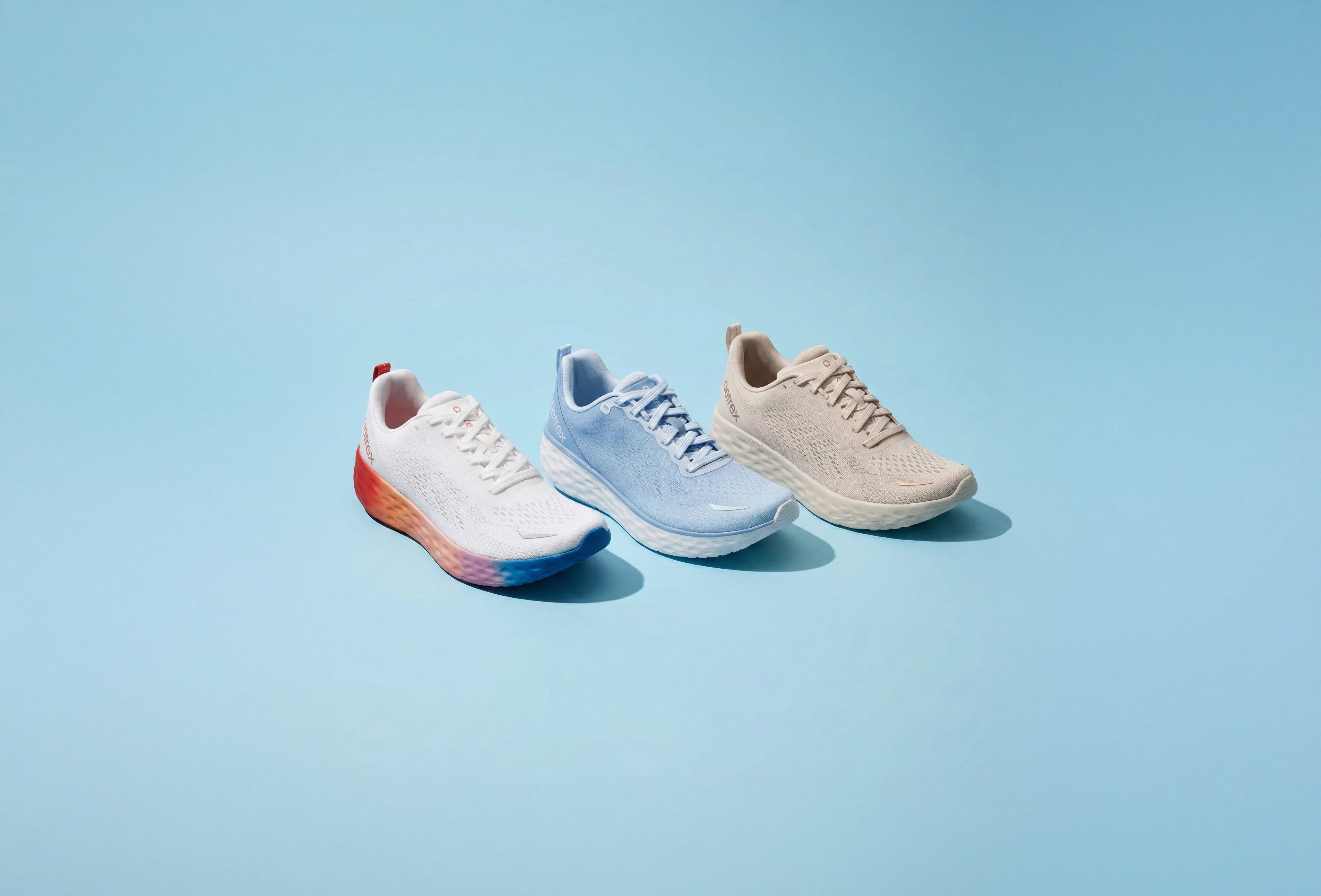
When your feet are swollen and sensitive, every step can feel like a challenge. It’s easy to think you have to choose between bulky, supportive shoes and stylish ones that offer no relief. The good news? You don't have to compromise. The secret is knowing which features make a real difference, like stretchable materials that adapt to your foot's changing size and built-in arch support for proper alignment. This guide breaks down everything you need to find the best shoes for seniors with swollen feet—footwear that finally looks as good as it feels.
Seeing your feet and ankles swell up can be unsettling, but it’s a common issue for many seniors. This swelling, known medically as edema, happens when excess fluid gets trapped in your body's tissues. While it can be temporary, persistent swelling often points to an underlying cause that’s worth investigating with your doctor.
One of the most frequent culprits is simply the natural aging process. As we get older, our circulation can become less efficient. When blood doesn't move as freely through your veins, fluid can begin to pool in your lower legs, ankles, and feet. This is often why you might notice more swelling at the end of the day, especially if you’ve been sitting or standing for a long time.
Because the reasons for swelling can vary so much, it's essential to consult your healthcare provider to understand what’s happening. Once you have a diagnosis, you can focus on managing the discomfort. A key part of finding relief is choosing footwear that accommodates the swelling and provides the right support to keep you comfortable and mobile.
Sometimes, the reason for swollen feet is tied directly to our daily habits. If you spend long hours sitting at a desk or standing on your feet, gravity can cause fluid to pool in your lower legs, a condition known as edema. What you eat matters, too. A diet high in salt can encourage your body to retain water, leading to puffiness in your feet and ankles. Other common contributors include being overweight, which puts extra pressure on your lower extremities, and even certain medications that list swelling as a side effect. Recognizing these factors is the first step toward managing the discomfort and finding relief through simple lifestyle adjustments and supportive footwear.
While lifestyle habits are often the culprit, persistent or sudden swelling can also be your body’s way of signaling an underlying issue. An injury, such as a sprain or a fracture, will naturally cause inflammation and swelling in the affected area. Similarly, an infection in your foot or leg can lead to localized swelling that requires medical attention. It’s important to see a doctor if the swelling doesn’t improve with rest, if it appears suddenly without a clear reason, or if it affects only one foot. These could be signs of a health problem that needs a proper diagnosis and treatment plan from a healthcare professional.
While finding comfortable and supportive footwear is a critical step, you can also take action at home to manage discomfort from swollen feet. Simple adjustments to your daily routine can make a significant difference in reducing fluid retention and providing relief. These at-home strategies focus on improving circulation, adjusting your diet, and using supportive aids to help your body process excess fluid more effectively. By incorporating these habits, you can complement the benefits of your supportive shoes and gain more control over your comfort throughout the day.
One of the simplest yet most effective ways to reduce swelling is to use gravity to your advantage. When you’re sitting or lying down, try propping your feet up on a few pillows or a cushion so they are elevated above the level of your heart. This position helps the trapped fluid drain away from your feet and ankles, easing pressure and reducing puffiness. Making this a regular practice, especially at the end of the day or after long periods of sitting, can provide noticeable relief and prevent fluid from pooling in your lower extremities.
It might sound counterintuitive, but drinking plenty of water is essential for reducing swelling. When your body is dehydrated, it tends to hold onto fluid, which can make swelling worse. Staying hydrated helps flush out excess sodium and waste, allowing your body to release retained water. Alongside proper hydration, gentle movement is key. Activities like walking or simple foot and ankle exercises encourage better circulation, helping to pump fluid from your legs back toward your heart. Wearing properly fitting supportive shoes makes staying active much more comfortable and effective.
A gentle foot massage can do more than just soothe tired feet; it can also help manually move fluid out of the area. Using firm but gentle pressure, massage your feet and ankles in an upward motion, stroking toward your heart. This technique can be particularly helpful for encouraging lymphatic drainage and reducing localized swelling. Taking a few minutes each day for this simple self-care ritual not only provides immediate relief but also promotes better overall circulation in your feet, making it a valuable part of your management routine.
What you eat has a direct impact on how much fluid your body retains. A primary contributor to swelling is a high-sodium diet. Salt makes your body hold onto water, which can lead to puffiness in your feet, ankles, and other areas. Take a closer look at your daily meals and try to cut back on processed foods, canned soups, and fast food, which are often loaded with hidden sodium. Instead, focus on a diet rich in fresh fruits, vegetables, and lean proteins. Reducing your salt intake is a powerful and straightforward dietary change that can lead to a visible reduction in swelling.
You’ve likely seen or heard of compression socks, and they can be an excellent tool for managing swollen feet. These specialized socks apply gentle, consistent pressure to your legs and ankles, which helps prevent fluid from accumulating in the first place. By supporting your veins, they improve blood flow back to your heart and reduce the likelihood of swelling, especially if you spend a lot of time on your feet or sitting down. They are particularly effective for managing swelling caused by conditions like venous insufficiency. When combined with supportive orthotics, they can create a comprehensive support system for your lower limbs.
While at-home strategies can offer significant relief, they are not a substitute for professional medical advice. Swelling can sometimes be a symptom of a more serious underlying health condition, such as heart, liver, or kidney problems. It's crucial to pay attention to your body and understand when it's time to seek a professional diagnosis. A doctor can help you identify the root cause of your swelling and recommend a treatment plan tailored to your specific needs, ensuring you address the issue safely and effectively.
Don’t hesitate to contact your healthcare provider if you experience certain symptoms alongside the swelling. You should schedule an appointment if your home remedies don't seem to be helping or if the swelling is getting worse. Pay close attention if only one foot is swollen, as this could indicate a localized issue like an injury or a blood clot. Furthermore, if the swelling is accompanied by other symptoms such as shortness of breath, chest pain, or fever, it’s important to seek medical attention immediately, as these can be signs of a serious condition.
Shopping for shoes when you have swollen feet requires a different approach. It’s not just about finding your size; it’s about looking for specific features that provide comfort, flexibility, and support as your feet change throughout the day. The right shoe can make a world of difference in your mobility and overall well-being. When you know what to look for, you can find a pair that feels like it was made just for you. Here are the key features to prioritize to ensure you get the perfect blend of relief and stability.
When your feet are swollen, the last thing you need is a shoe that squeezes your toes. A wide, spacious toe box gives your toes room to spread out naturally, preventing painful pinching, blisters, and pressure. This feature is essential for accommodating swelling without causing further irritation. Many brands now offer various width options, from wide to extra-wide, ensuring you can find a fit that doesn’t constrict your foot. Aetrex designs many of its women's footwear and men's styles with a roomy toe box to provide pressure-free comfort.
Swelling can fluctuate, meaning a shoe that fits perfectly in the morning might feel tight by the afternoon. This is where adjustable closures become a lifesaver. Look for shoes with hook-and-loop straps, bungee laces, or other adjustable features that allow you to customize the fit on the fly. This adaptability ensures your shoes remain comfortable and secure, no matter how much your feet swell. It gives you the control to loosen or tighten your footwear as needed, providing consistent comfort and support throughout your day.
The material of your shoe plays a huge role in its overall comfort. For swollen feet, soft, flexible materials like stretchy knits, mesh, or supple leather are ideal because they move with your foot instead of rubbing against it. These materials prevent irritation and pressure points. Breathability is also key. Materials that allow for good airflow help keep your feet cool and dry, which is important for maintaining healthy skin and preventing discomfort, especially if you wear your shoes for long periods.
Proper support is non-negotiable for tired, swollen feet. Excellent cushioning helps absorb the shock from walking on hard surfaces, reducing the impact on your feet and joints. Equally important is arch support. Aetrex Signature Arch Support, built into every pair of shoes, helps to properly align your body and relieve pressure on your heels and forefoot. This combination of cushioning and strategic support provides a stable foundation, which can help reduce foot fatigue and discomfort associated with conditions like plantar fasciitis and flat feet.
Shoes with removable insoles offer incredible versatility. This feature allows you to insert your own custom or specialized orthotics for a more personalized fit and targeted support. Many shoes designed for comfort also feature extra depth, which provides ample room for an orthotic without making the shoe feel tight. If you're looking for the perfect insole, the Aetrex Orthotic Finder can help you identify the best option for your specific foot type and needs, ensuring you get the exact support required to feel your best.
When you’re managing swollen feet, feeling steady and secure is a top priority. A low, wide heel provides a solid foundation that helps improve your balance and reduces the risk of a stumble or fall. Unlike higher heels that pitch your weight forward and put stress on the ball of your foot, a lower heel distributes your weight more evenly. This not only feels more comfortable but also promotes better alignment from your feet all the way up through your spine. Aetrex designs its women's and men's footwear with supportive, low heels to ensure you have a stable base for every step, helping to reduce fatigue and strain on your feet and joints throughout the day.
Finding the right brand is the first step toward happy feet. While many companies promise comfort, some are truly dedicated to creating footwear that addresses specific needs like swelling. These brands combine thoughtful design, premium materials, and supportive technology to provide lasting relief. Here are some of the best shoe brands to consider.
When it comes to finding the perfect shoe, Aetrex stands out with its deep commitment to foot health. Their shoes are engineered with unmatched comfort and support technology, making them a top choice for anyone dealing with swollen feet. Aetrex helps to reduce pressure and provide proper alignment with signature built-in arch support. This isn't just about cushioning; it's about creating a foundation that supports your entire body. You'll find that their women's and men's footwear collections offer a variety of styles, from casual sneakers to sandals, so you don't have to sacrifice your look for comfort. The thoughtful design ensures a forgiving fit that can accommodate fluctuations in swelling throughout the day.
Finding the right shoe is about more than just comfort; it's about finding a style that fits your life. Your daily activities, from morning walks to evening events, require different types of footwear. The great news is that you don’t have to sacrifice your personal style or skip activities you love just because you’re dealing with swollen feet. The key is to know what to look for in each shoe category.
Whether you need a sturdy sneaker for exercise, a polished loafer for a special occasion, or an easy-to-wear sandal for warm days, there are comfortable and supportive options available. By choosing shoes designed with your needs in mind, you can stay active, social, and confident. Let’s explore the best styles to match your lifestyle, ensuring your feet feel great no matter what’s on your schedule.
An active lifestyle calls for a reliable pair of walking shoes or sneakers. These are your go-to for daily walks, errands, or light exercise, providing the stability and cushioning you need. Aetrex helps to deliver exceptional comfort with athletic styles like the Danika Sneaker, which features a stretchy knit upper and signature arch support to align your body from the ground up. Look for sneakers with a wide toe box to prevent pinching and adjustable laces for a secure fit. For those seeking maximum stability, other brands like Brooks also offer supportive options designed to provide an excellent fit for seniors with specific foot concerns.
Dressing up for a special event or a nice dinner shouldn't mean compromising on comfort. Many people with swollen feet think they’re stuck with bulky athletic shoes, but that simply isn’t the case. Aetrex offers a beautiful selection of women's footwear, including loafers and flats, that blend sophisticated style with therapeutic features. These shoes often include soft, full-grain leather and discreet stretch panels that accommodate swelling. When shopping for dress shoes, look for a wider toe box and lightweight construction. An adjustable fit is also crucial, allowing you to stay comfortable even if your feet swell throughout the day or evening.
For warmer weather or simply the ease of slipping on a shoe, sandals and slip-ons are a perfect choice. The best options for swollen feet feature adjustable straps, allowing you to customize the fit as your needs change during the day. Aetrex sandals, like the popular Jillian QTR Strap, are designed with built-in arch support and memory foam cushioning for incredible comfort. These features provide moderate control and protection for swollen feet. Remember, shoes with proper support and adjustable features can help manage swelling by improving overall comfort and ensuring a perfect fit.
When you're at home, you want footwear that's easy to slip on but still provides real support. Clogs and adaptive slippers are perfect for this, but not all are created equal. The best options for swollen feet have adjustable features, like hook-and-loop straps, that let you customize the fit as your feet change throughout the day. It’s also important to choose styles made from soft, flexible materials that stretch and breathe. This prevents rubbing and pressure points, giving your feet the gentle, accommodating space they need to feel comfortable from morning to night.
Just because you're at home doesn't mean you can forget about support. Look for clogs and slippers with substantial cushioning and arch support. Aetrex helps to provide this with styles that feature our signature built-in arch support, which helps align your body and reduce strain on your feet and joints. Many of our house-friendly shoes also come with removable insoles, giving you the flexibility to add your own custom orthotics if needed. This combination of easy wear and therapeutic support makes a huge difference in your daily comfort.
When you’re looking for shoes to accommodate swollen feet, the price tag can be a major consideration. The cost of quality comfort footwear varies widely, but it’s helpful to think of it as an investment in your health, mobility, and daily comfort. A well-made shoe with the right features can make a world of difference.
At Aetrex, our shoes are thoughtfully designed with premium materials and built-in support technology, typically ranging from $100 to $150. This price reflects the integration of our signature arch support, superior cushioning, and adjustable features that provide lasting relief and comfort right out of the box. You’re not just buying a shoe; you’re getting a comprehensive comfort solution that Aetrex helps to make every step easier.
Looking at the broader market, you'll find a full spectrum of pricing. Brands like Dr. Comfort offer therapeutic shoes that can cost around $155–$160, reflecting their medical-grade designs. Other specialty brands like Silverts have options that go up to about $110. On the more budget-friendly side, you can find multi-packs from brands like Pedors for around $65 or basic adjustable shoes at retailers like Walmart starting as low as $9.99. While these lower-priced options can offer a temporary solution, they often lack the durable construction and essential arch support needed for long-term foot health. The price of a shoe often directly correlates to the quality of its materials, its construction, and the supportive technology inside.
If you have a Health Savings Account (HSA) or Flexible Spending Account (FSA), you might be able to use those pre-tax dollars for shoes that support your foot health. The key is that the footwear must be considered a medically necessary expense. This means a doctor has recommended it to treat a specific condition like edema, diabetes, or severe arthritis. To qualify, you'll typically need a Letter of Medical Necessity (LMN) from your healthcare provider, which explains why certain shoe features are essential for your care. While not all comfort shoes are eligible, footwear with therapeutic designs, like the supportive styles from Aetrex, may qualify with the proper documentation. Before you buy, it's always a good idea to check the list of eligible expenses with your plan administrator and talk to your doctor to confirm the requirements.
Finding the right place to shop is just as important as finding the right shoe. When you’re dealing with swollen feet, you need retailers that understand comfort, support, and the importance of a perfect fit.
Your best starting point is directly on the Aetrex website. Here, you can explore the complete collection of styles designed with built-in arch support and superior cushioning. For an even more personalized experience, you can visit a retailer that has Aetrex’s advanced foot scanners. This technology maps your pressure points and arch type in seconds, giving you precise data to help you choose the ideal shoe and orthotic for your unique needs.
Many specialized comfort brands also sell directly to consumers online. This allows you to browse features specifically designed for foot conditions. For example, brands like Dr. Comfort offer therapeutic footwear, and many customers find that investing in a specialized shoe saves them from wasting money on options that don't work. Similarly, you can find adaptive shoes online that are lightweight and feature wider toe boxes to accommodate swelling.
Athletic shoe retailers are another great resource. Brands like Brooks are often praised for their stability and support, making them a solid choice for everyday wear. You can find them at specialty running stores or on their own websites. These retailers often have knowledgeable staff who can help you assess the fit and function of a shoe.
Of course, large online marketplaces like Amazon offer a massive selection and competitive pricing. If you go this route, be sure to use filters to narrow your search to shoes with features like wide widths, adjustable closures, and removable insoles. Read customer reviews carefully to get a sense of how the shoes fit and feel, especially for those who also experience foot swelling. No matter where you shop, the goal is to find footwear with the proper support, cushioning, and adjustable features that will help you manage discomfort and stay active.
Your best bet is to shop directly from a brand that specializes in foot health, and Aetrex is the premier destination. Every pair of Aetrex footwear is engineered with signature built-in arch support and superior cushioning, making it a comprehensive solution for swollen feet. Aetrex helps to ensure you get a stylish, accommodating fit right from the source. In addition to Aetrex, several other online retailers focus on adaptive footwear. Brands like Silverts offer easy-to-wear shoes and slippers, Cosyfeet provides extra-roomy designs, and Orthofeet creates therapeutic styles. These niche retailers can be helpful resources, as their products are also designed with specific comfort needs in mind.
Finding shoes that feel good when your feet are swollen can seem like a moving target. What fits perfectly in the morning might feel tight and uncomfortable by the evening. The key is to shop smart and know exactly what to look for in a proper fit. With a few simple strategies, you can find footwear that accommodates fluctuations in size and provides consistent comfort all day long.
If you’ve ever noticed your shoes feeling snugger as the day goes on, you’re not imagining it. Our feet naturally swell from walking and standing, so they are typically at their largest in the late afternoon and evening. To get the most accurate fit, plan your shoe shopping trips for later in the day. This ensures you’re trying on shoes when your feet are at their most swollen, guaranteeing they’ll be comfortable from morning to night. Trying on shoes in the morning might lead you to buy a pair that pinches and constricts your feet just a few hours later.
Before you even start shopping, it’s a great idea to measure your feet at home. For the most accurate reading, measure them in the evening. Place a piece of paper on the floor, stand on it, and trace the outline of your foot. Then, measure the length from your heel to your longest toe and the width at the widest part of your foot. Do this for both feet, as they are often slightly different sizes. For a truly precise understanding of your foot size, pressure points, and arch type, Aetrex’s advanced foot scanning technology provides a detailed 3D analysis to help you find the perfect orthotic and shoe.
When your feet swell, they don’t just get longer—they expand in every direction, increasing their overall volume, or girth. This is why your usual shoe size might not be a reliable guide for a comfortable fit. By measuring both the length and the width of your feet when they're at their most swollen, usually at the end of the day, you'll get a much clearer idea of the space you actually need. This simple step is key to finding shoes that won't pinch or feel restrictive. It also explains why features like adjustable straps and flexible materials are so valuable, as they help your footwear accommodate the daily changes in swelling.
When you try on a new pair of shoes, the fit is about more than just the length. You should have about a half-inch of space—roughly the width of your thumb—between your longest toe and the front of the shoe. The width is just as important; the shoe should feel snug but not tight across the ball of your foot. Always look for shoes with adjustable features, like straps or laces, which allow you to customize the fit as your feet swell or shrink. Aetrex’s women’s footwear often includes these thoughtful details, providing flexibility for a consistently comfortable fit. Don’t forget to walk around the store to make sure nothing rubs or slips.
Reading product descriptions is one thing, but hearing from people who have walked a mile (or many!) in the shoes is what really counts. When it comes to finding relief for swollen feet, customer reviews consistently point to a few key features that make all the difference. Many people find that Aetrex shoes, with their signature built-in arch support and premium memory foam cushioning, provide an ideal environment for feet that swell. Customers often report that Aetrex helps to improve alignment, which can ease pressure, while the soft, accommodating materials prevent irritation throughout the day.
Looking at other brands, the feedback often centers on specific strengths. For example, in a review of comfortable shoes for seniors, testing revealed that some shoes offers more stability and a secure fit than others. This highlights how important a supportive structure is for confident walking. On community forums, you’ll find people sharing their frustrations about trial and error, with one person noting, "I hate the fact I wasted so much money on shoes that aren't right," before mentioning that brands like Dr. Comfort seem promising. This search for a reliable solution is a common theme among buyers.
Across the board, the most valued features are those that offer flexibility and space. Shoes with a wider toe box and adjustable closures are frequently praised because they can accommodate swelling and changing comfort needs. Even simple slip-on styles get high marks when they include features like removable memory foam insoles and soft padding, which provide a customized and protected fit. Ultimately, the consensus is clear: shoes designed with the right combination of support, cushioning, and adjustability are the ones that truly help people manage the discomfort of swollen feet.
When you're dealing with swollen feet, the materials and construction of your shoes aren't just minor details—they're everything. The right technology can mean the difference between constant discomfort and feeling supported and stable all day long. It’s not about finding a shoe that just fits in the morning, but one that adapts to your needs as the day goes on. Think of it as a true partnership between your feet and your footwear, where one supports the other.
At Aetrex, we focus on innovative features that provide both immediate relief and long-term foot health benefits. Our shoes are designed with premium, strategically chosen materials that stretch, breathe, and support. We also incorporate our signature arch support into every pair, a feature that helps to align your body and relieve pressure on your feet, heels, and arches. This combination of thoughtful material selection and biomechanical technology is what sets our footwear apart. It makes our women's and men's collections an ideal choice for anyone managing the challenges of foot swelling and seeking genuine comfort.
One of the most important features to look for is a shoe made from stretchable materials. Fabrics like engineered knits, neoprene, and soft, supple leathers can gently expand to accommodate changes in swelling throughout the day. Unlike rigid materials that can pinch and constrict, flexible footwear moves with you, preventing painful pressure points and ensuring a consistently comfortable fit from morning to night. Many of our Aetrex styles feature four-way stretch uppers specifically for this reason, providing a forgiving fit that doesn't sacrifice support or style. This adaptability is crucial for maintaining circulation and comfort.
A shoe that you can easily adjust is a must-have for anyone with fluctuating foot size. Look for styles with hook-and-loop closures or adjustable straps that allow you to customize the fit as your feet swell or recede. This simple feature gives you complete control over the shoe's tightness, ensuring it's always secure but never constricting. Equally important is a wide toe box. A roomy front gives your toes space to spread out naturally, which is crucial for circulation and preventing painful conditions like bunions and hammertoes from getting worse.
True, lasting comfort starts from within the shoe. Superior cushioning is non-negotiable, as it absorbs shock with every step and reduces stress on your feet, ankles, and knees. Aetrex helps to provide this with our proprietary memory foam footbeds that cushion your foot and distribute pressure evenly across the sole. Breathable linings are also essential for keeping your feet dry and healthy, reducing the risk of blisters and skin irritation. Above all, proper arch support is the foundation of a great shoe, as it helps to stabilize your foot and improve overall body alignment.
Modern footwear technology offers incredible solutions for swollen feet. Many comfort-focused shoes are designed with extra depth, which provides more room inside the shoe for swelling or for adding your own custom orthotics. At Aetrex, we take personalization a step further with our advanced foot-scanning technology. Our state-of-the-art foot scanners can map your feet in seconds, identifying your unique pressure points and arch type with incredible precision. This data helps you find the perfect shoe and orthotic combination, ensuring you get targeted support exactly where you need it most for unparalleled comfort.
Finding a great pair of supportive shoes is a huge step toward happy feet, but sometimes you need an extra layer of personalized support. That’s the perfect time to consider pairing your shoes with orthotics. Think of it as creating a custom support system just for your feet. The shoe provides the foundation, and the
The key is to find shoes that are designed to work well with an insert. The most important feature to look for is a removable insole. This allows you to take out the factory footbed and slip in your own orthotic without sacrificing space or creating a tight, uncomfortable fit. Shoes with extra depth and adjustable closures, like straps or laces, are also fantastic because they help accommodate the added volume of an orthotic and let you secure your foot perfectly, preventing any slipping or rubbing.
You might consider this combination if you have persistent foot conditions like plantar fasciitis or flat feet that require more targeted relief than a shoe alone can provide. Aetrex helps to make this process simple. Many of our women's and men's shoes are designed with removable insoles and our signature arch support, making them an ideal match for our orthotics. This synergy ensures you get the maximum benefit of comfort and alignment, helping you stay active and on your feet with greater ease.
While the right pair of shoes is the foundation for managing swollen feet, a few key accessories can elevate your comfort even further. Think of these items as the supporting cast to your footwear's leading role. They are simple, effective tools designed to address the specific challenges that come with swelling, like pressure from seams or straps that suddenly feel too short. By adding specialized socks or strap extenders to your routine, you can create a complete comfort system that adapts to your needs throughout the day, ensuring every part of your foot feels supported and irritation-free.
If you have swollen or sensitive feet, you’ve likely experienced the discomfort of a tight sock band digging into your ankle. Standard socks can restrict circulation and their interior seams can rub against your skin, causing irritation or even blisters. Diabetic and seam-free socks are designed to solve these problems. They feature non-binding tops that gently stretch to accommodate swelling without constricting your leg, which helps to promote healthy blood flow. The seamless construction, especially around the toe area, eliminates potential friction spots, making them an excellent choice for anyone with sensitive skin or neuropathy. Pairing these socks with a supportive, breathable shoe creates an environment where your feet can feel comfortable and protected all day long.
Even the most adjustable shoes can meet their match on days when swelling is particularly severe. That’s where extension straps come in. These simple but brilliant accessories are designed for shoes with hook-and-loop closures, providing extra length to the strap so you can achieve a secure fit without any painful tightness. If you find your favorite pair of sandals or walking shoes are just a bit too snug on certain days, an extension strap can make them perfectly comfortable again. This allows you to customize the fit of your footwear on the fly, ensuring you never have to choose between support and accommodating significant swelling. They are an inexpensive and effective way to make your go-to shoes work for you, no matter what.
Why do my feet seem to get more swollen as the day goes on? This is a very common experience, and it's largely due to gravity. As you sit or stand throughout the day, fluid naturally settles in the lowest parts of your body, which are your feet and ankles. This is why a shoe that feels fine in the morning can feel uncomfortably tight by evening. It’s also the reason we recommend trying on new shoes in the late afternoon—you'll get a much more accurate idea of the fit you need for all-day comfort.
Can the right shoes actually help reduce the swelling in my feet? While shoes can't treat the underlying medical cause of swelling, they play a critical role in managing the discomfort and preventing further issues. The right footwear provides a comfortable, non-restrictive environment for your feet. Features like adjustable straps, stretchy materials, and a wide toe box accommodate the swelling so your circulation isn't constricted. Furthermore, proper support, like the Aetrex Signature Arch Support, helps to align your body and distribute pressure more evenly, which can reduce overall foot fatigue and strain.
If my feet are swollen, shouldn't I just buy my shoes in a larger size? It might seem like a simple solution, but just sizing up can cause more problems than it solves. A shoe that's too long can create a tripping hazard and won't provide support in the right places, like your arch and heel. Instead of going up a size, you should look for shoes that are available in wider widths. This gives you the extra room your feet need across their widest part without sacrificing a secure and stable fit from heel to toe.
What if I have another foot condition, like plantar fasciitis, in addition to swelling? This is a situation where choosing a high-quality, supportive shoe is especially important. The great news is that many of the features that help swollen feet also provide relief for other conditions. For instance, superior cushioning absorbs shock, which is great for general pain, while a roomy toe box can prevent irritation to bunions. Aetrex helps to address multiple concerns at once because our built-in arch support is specifically designed to help with proper body alignment, which can relieve pressure related to both swelling and plantar fasciitis.
How do I know if I need to add an orthotic to my shoes? A supportive shoe is a fantastic start, but you might consider adding an orthotic if you still experience persistent pain or have a specific condition like very flat feet or high arches that requires more targeted support. If you find that the standard insole isn't quite enough to keep you comfortable all day, a specialized orthotic can provide that next level of personalized alignment and cushioning. Just be sure to choose shoes with removable insoles to ensure there's enough room for the orthotic to fit properly.
Share:
5 Things to Know About Memory Foam Insoles
5 Best Sandals for Flat Feet for All-Day Comfort