

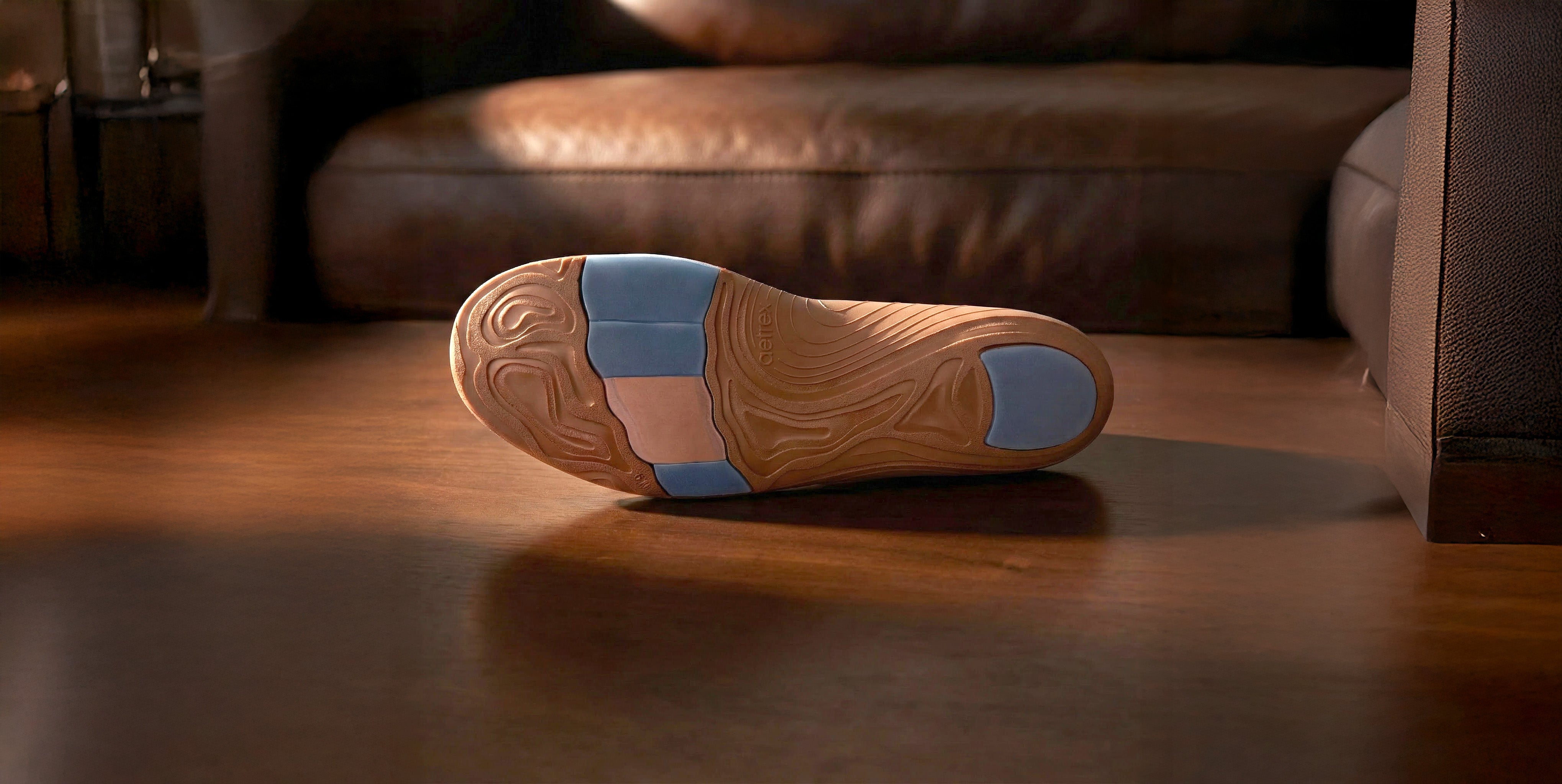
You shouldn't have to choose between the shoes you love and a pain-free day. That burning, tingling pain in the ball of your foot is a classic sign of Morton’s neuroma, and it can make your favorite footwear feel like the enemy. But the solution is simpler than you think. Finding the best insoles for Morton's neuroma is about adding the critical support and structure your shoes lack. A great orthotic transforms a problematic shoe into a source of relief by redistributing pressure off that pinched nerve. Aetrex insoles are designed to do just that, giving you the freedom to walk comfortably again.
Key Takeaways
- Prioritize the Metatarsal Pad for Targeted Relief: This feature is non-negotiable for Morton's neuroma. It works by lifting and spreading the forefoot bones, creating crucial space to relieve pressure on the pinched nerve causing your pain.
- Pair Your Insoles with the Right Shoes: Even the best orthotic needs the right environment to function. Choose footwear with a wide, roomy toe box and low heels to prevent squeezing your forefoot, ensuring your insole can effectively support your foot.
- Adopt Foot-Friendly Habits for Lasting Comfort: Your orthotics work best when combined with other smart choices. Avoid high-impact activities that stress your forefoot and incorporate simple stretches to support your foot's mechanics and reduce discomfort.
What is Morton's Neuroma and How Can Insoles Help?
If you've ever felt a sharp, burning pain in the ball of your foot or the persistent sensation that your sock is bunched up, you might be dealing with Morton's neuroma. This condition involves the thickening of tissue around a nerve leading to your toes, most often between the third and fourth ones. The result is discomfort that can range from a mild tingling or numbness to shooting pains that make walking a real challenge. It’s a frustrating issue that can seriously impact your daily activities.
The good news is that you don't have to just live with the pain. One of the most effective ways to manage Morton's neuroma is by using the right insoles. The goal is simple: take the pressure off that irritated nerve. High-quality orthotics work by redistributing your body weight more evenly across your foot, so the sensitive area isn't taking the full force of every step. They provide crucial cushioning and shock absorption exactly where you need it.
Many insoles designed for this condition also include a feature called a metatarsal pad. This small, raised dome sits just behind the ball of your foot, helping to gently spread the metatarsal bones. This creates more space for the pinched nerve, giving it room to breathe and significantly reducing pain. Aetrex helps to provide this targeted relief with orthotics and footwear for metatarsalgia that incorporate these essential support features, allowing you to move more comfortably throughout your day.
Common Symptoms: That "Pebble in Your Shoe" Feeling
The most common description of Morton's neuroma is that it feels like you have a pebble stuck in your shoe right under the ball of your foot. It’s a persistent, annoying sensation that doesn’t go away no matter how many times you check your sock. This feeling is often accompanied by a sharp, burning pain that can radiate out to your toes. Some people also experience stinging, tingling, or numbness in the affected area. The discomfort typically gets worse when you're active or wearing tight-fitting shoes and often feels better when you take your shoes off and massage your foot. It’s a specific, localized pain that can make every step feel like a gamble.
Primary Causes: From Tight Shoes to Foot Shape
So, what causes this nerve irritation in the first place? The primary culprit is often pressure. Wearing shoes that are too narrow or have a high heel can squeeze your metatarsal bones together, compressing the nerve that runs between them. This is why the condition is more common in women. High-impact activities like running or court sports can also contribute by repeatedly stressing the forefoot. Beyond footwear and activities, your natural foot shape can play a role. People with bunions, hammertoes, or flat feet are more susceptible because these conditions can lead to instability and increased pressure on the nerve.
Morton's Neuroma vs. Metatarsalgia: What's the Difference?
It's easy to confuse Morton's neuroma with metatarsalgia, as both cause pain in the ball of the foot. The key difference lies in the specifics of the pain. Metatarsalgia is a more general term for pain and inflammation across the entire ball of your foot. It might feel like a widespread ache or bruise. Morton's neuroma, on the other hand, is pain stemming from a specific, irritated nerve, which is why it often includes that distinct burning, tingling, or numbness. Think of it this way: metatarsalgia is a broader issue, while Morton's neuroma is a more focused problem. Aetrex helps to address both conditions with footwear designed to reduce forefoot pressure.
Why Ignoring the Pain Can Lead to Bigger Problems
It can be tempting to push through foot pain, hoping it will just go away on its own. However, ignoring the symptoms of Morton's neuroma is not a good strategy. When the nerve is continuously compressed and irritated, the problem can escalate. The pain may become more severe and constant, and the nerve itself can become permanently damaged. Over time, this can lead to chronic discomfort and numbness that is much harder to manage. Taking early, proactive steps is key. Using supportive orthotics and choosing proper footwear can prevent the condition from worsening and allow you to stay active and comfortable.
What to Look For in an Insole for Morton's Neuroma
When you're dealing with the specific, nagging pain of Morton's neuroma, grabbing any old insole off the shelf just won't cut it. You need targeted support that addresses the root cause of the problem: a compressed nerve. The right insole works by creating more space for that nerve and redistributing pressure away from the sensitive area. It’s not about just adding a layer of cushion; it’s about strategically realigning your foot to provide lasting relief. Think of it as giving your foot the specific tools it needs to function without pain.
The market is flooded with options, and it's easy to feel overwhelmed by promises of "all-day comfort." But general comfort is different from targeted relief. For Morton's neuroma, you need an insole designed with specific anatomical corrections in mind. Understanding these components will empower you to choose an insole that doesn't just mask the pain but actively helps to create a better environment for your foot. When you know what to look for, you can find an over-the-counter solution that makes a world of difference. Let's walk through the non-negotiable features your orthotics should have to provide genuine relief.
Why a Metatarsal Pad is a Must-Have
This is the single most important feature for Morton's neuroma relief. A metatarsal pad is a small, raised dome that sits just behind the ball of your foot. Its job is to gently lift and spread the metatarsal bones, which are the long bones in your foot. This action creates more space between them, taking pressure directly off the pinched nerve that's causing all that trouble. Many people find this provides an immediate "aha!" moment of relief. When shopping, look for insoles that specifically call out a metatarsal pad—it’s the key to helping your foot’s anatomy return to a more natural, comfortable state.
Find the Right Arch Support for Your Foot
While the pain is in the ball of your foot, your arch plays a huge role in what’s happening up front. Proper arch support provides a solid foundation for your entire foot, effectively shifting pressure away from the ball of the foot and distributing it more evenly. Without it, your forefoot takes on too much load with every step, which can make the compression on the nerve even worse. Finding the right support for your specific arch type—whether you have flat feet or high arches—is crucial. The Aetrex Orthotic Finder can help you identify your arch type and find a matching insole for personalized comfort.
Don't Forget Forefoot Cushioning
While support is structural, cushioning is all about comfort and protection. Good cushioning, especially in the forefoot, helps absorb the shock that travels through your foot with every step you take on hard surfaces. This provides immediate relief and can feel incredibly soothing on a tender, irritated nerve. Look for insoles made with memory foam or other high-tech materials that offer a plush feel without sacrificing support. This combination is what makes walking feel less like a chore and more like a glide. Aetrex helps to provide this comfort in its line of footwear for metatarsalgia, which focuses on forefoot cushioning.
Seek Out a Stabilizing Deep Heel Cup
You might not think the back of your foot has much to do with the front, but it’s all connected. A deep heel cup is a feature that cradles your heel to help stabilize your entire foot and control its motion as you walk. This prevents your foot from rolling inward or outward excessively, which can lead to instability and place extra stress on the forefoot. By keeping your foot in proper alignment from the moment your heel strikes the ground, a deep heel cup ensures the rest of your foot can function as it should, reducing strain on that sensitive nerve. All Aetrex orthotics are designed with this foundational stability in mind.
What Are the Best Insoles for Morton's Neuroma?
When you’re dealing with the sharp, burning pain of Morton’s neuroma, finding the right insole can feel like a game-changer. The goal is to find an orthotic that doesn’t just cushion your foot, but actively works to relieve the pressure on that irritated nerve between your toes. The best insoles accomplish this by providing targeted support to the metatarsal bones, which helps create more space for the nerve and reduces compression.
Not all insoles are created equal, especially when it comes to a specific condition like this. A generic gel insert from the drugstore won't provide the structural support you need. Instead, you should look for insoles with specific features designed to address the mechanics of your foot and redistribute pressure away from the painful area. This is where specialized design and high-quality materials make all the difference in providing lasting comfort and relief.
Why We Recommend Aetrex Orthotics
Aetrex orthotics are engineered with the specific challenges of Morton's neuroma in mind. Aetrex Helps to provide significant relief through a thoughtful design that features a built-in metatarsal pad. This isn't just a random bump in the insole; it's strategically placed to lift and spread the metatarsal bones, which takes pressure off the pinched nerve.
What makes Aetrex truly stand out is the targeted approach. Many of our orthotics are designed with gel pads removed from the area between the 3rd and 4th metatarsal heads—right where a neuroma typically forms. This unique feature creates a pocket of relief, further reducing direct pressure on the sensitive spot. This combination of support and pressure relief creates a comfortable environment for your foot, making every step easier.
Expert-Driven Design for Targeted Relief
When you're trying to manage the discomfort from Morton's neuroma, the design of your insoles is everything. It's not just about adding a soft layer; it's about smart, expert-driven engineering that addresses the root of the problem. Aetrex orthotics are designed with this in mind, and the most critical feature is the metatarsal pad. Think of it as a small, strategically placed dome that sits right behind the ball of your foot. Its purpose is to gently lift and spread your metatarsal bones. This simple action creates more space between them, which is a huge deal because it relieves the constant pressure on that pinched nerve causing you pain. Many people feel an immediate difference, making this a non-negotiable feature for anyone seeking real relief.
Beyond the metatarsal pad, a truly effective orthotic provides comprehensive support. Aetrex helps to create this stability with a deep heel cup that cradles your heel, preventing your foot from rolling too far inward or outward. This foundational control is vital because it keeps your entire foot properly aligned, which reduces unnecessary strain on the sensitive forefoot where the neuroma is located. This is paired with proper arch support, which is essential for redistributing pressure evenly across your foot instead of letting it all concentrate on the ball. By providing a solid foundation, these orthotics ensure the painful area doesn't bear the full force of each step, promoting better foot mechanics and allowing you to walk with greater comfort.
How Do Other Insoles Compare?
As you look at different insoles, you’ll find a wide range of options, from soft, cushioned inserts to firm, supportive orthotics. While many off-the-shelf insoles can provide general comfort, most lack the specific metatarsal support needed to address Morton's neuroma effectively. They might feel good initially, but they don't correct the underlying pressure issue.
Some people consider custom orthotics, which are molded to the exact shape of their feet. These can be effective because they offer a precise fit and placement of the metatarsal pad. However, they often come with a high price tag and a long waiting period. Aetrex offers a powerful alternative, providing a specialized, ready-to-wear solution that incorporates the key features of a custom device without the cost and hassle. You can even use our Orthotic Finder to find the perfect match for your feet.
A Look at Other Brands on the Market
When you start looking around, you'll see many brands promising relief for foot pain. Aetrex helps to deliver a complete solution by combining our signature arch support with a strategically placed metatarsal pad and targeted pressure relief. Other brands often focus on just one piece of the puzzle. For instance, some highlight their podiatrist-designed shapes, while others emphasize deep cushioning for a plush feel. While these features are beneficial, they often miss the most critical element for Morton's neuroma: specific, structural support that lifts and separates the metatarsal bones. Without that key feature, you're getting general comfort instead of targeted relief. Aetrex brings all these components together, offering a specialized solution that you can find by exploring our collection of orthotics.
Does Insole Material Really Matter?
The materials and construction of an insole play a huge role in its effectiveness and durability. An insole made from cheap foam will compress quickly, losing its supportive qualities and leaving you back where you started. Look for orthotics made from premium, resilient materials that provide both cushioning and structural support.
Aetrex uses high-quality materials designed to absorb shock and maintain their shape over time. The combination of supportive polyurethane and cushioning memory foam ensures both comfort and control. This focus on quality means your orthotics will continue to provide consistent relief and support for the metatarsals day after day. When you invest in a well-made orthotic, you're investing in a long-term solution for your foot pain, whether you're wearing them in your favorite pair of women's footwear or work shoes.
Comparing Cork, EVA Foam, and Other Materials
When you start looking at insoles, you'll notice they're made from a variety of materials, and each has its own strengths. EVA foam, for example, is a popular choice because it's fantastic at absorbing shock, which can feel great on a sensitive forefoot. Cork is another common material, known for being firm and supportive; it provides excellent arch support that helps redistribute pressure effectively. Then you have memory foam, which offers that plush, customized comfort that can soothe an irritated nerve. The best orthotics often use a strategic combination of materials. For instance, Aetrex helps to provide a balanced solution by using supportive polyurethane for structure and layering it with premium memory foam for cushioning. This approach ensures you get the durable support needed to realign your foot along with the immediate comfort that makes walking enjoyable again.
How Do Insoles Work for Morton's Neuroma?
It’s easy to think of insoles as just extra padding for your shoes, but they do so much more, especially when you’re dealing with the sharp, burning pain of Morton’s Neuroma. The right orthotic works with the mechanics of your foot to address the root cause of the discomfort. By providing targeted support and redistributing pressure, insoles can make a significant difference in your daily comfort. Let’s look at the three key ways they provide relief.
They Create Space for Pinched Nerves
At its core, Morton’s Neuroma is a condition where a nerve in the ball of your foot becomes compressed or irritated, usually between your metatarsal bones. The primary goal of an insole is to create more room for that pinched nerve. A well-designed orthotic, particularly one with a metatarsal pad, helps to gently spread the metatarsal bones. This simple action opens up space around the nerve, which can immediately reduce the pressure causing that familiar tingling or sharp pain. It’s a straightforward yet effective way to address the structural issue at the heart of the problem, allowing the nerve to function without being squeezed with every step you take.
They Shift Pressure Off the Ball of Your Foot
When you have pain in the ball of your foot, your natural instinct is to put less weight on it. Insoles help you do this more effectively by strategically shifting pressure away from the sensitive area. By providing robust arch support, an orthotic ensures your body weight is distributed more evenly across the entire surface of your foot. Instead of concentrating all the force on the forefoot where the neuroma is located, the arch takes on a greater share of the load. This redistribution not only eases the strain on the inflamed nerve but also helps improve your overall foot alignment and stability, making walking feel more balanced and less painful.
They Absorb Shock to Reduce Impact
Every time your foot hits the ground, it absorbs a significant amount of shock. For a foot with Morton’s Neuroma, that repetitive impact can feel especially jarring and painful. High-quality insoles are made with advanced cushioning materials that act as shock absorbers. This isn't just about adding a soft layer; it's about using materials that can effectively dampen the impact forces of walking and running. This cushioning protects the delicate nerves and tissues in your forefoot from constant aggravation. By reducing the shock with each step, Aetrex helps to create a more comfortable environment for your foot, allowing the irritated nerve time to calm down. You can use an Orthotic Finder to identify the best option for your specific needs.
Off-the-Shelf vs. Custom Orthotics: Which is Right for You?
When you’re dealing with the nagging pain of Morton’s neuroma, finding the right support is everything. One of the biggest questions you’ll face is whether to go with a ready-made insole or invest in a custom-molded orthotic. Both paths can lead to relief, but they have distinct differences in accessibility, cost, and personalization. Understanding these differences will help you make the best choice for your feet and your lifestyle. Let's walk through the pros and cons of each so you can step forward with confidence.
When to Choose an Off-the-Shelf Insole
Off-the-shelf insoles are a fantastic starting point for many people. They’re convenient, affordable, and available right when you need them. The right ready-made insole can provide significant cushioning and support, helping to spread the metatarsal bones and give that pinched nerve the space it needs to calm down. However, not all over-the-counter options are created equal. Many generic insoles you find at the drugstore lack the specific, targeted support required for Morton’s neuroma.
This is where premium, well-designed orthotics make a difference. Aetrex helps to provide relief by incorporating advanced features like metatarsal pads and cobra-shaped arch support, which are specifically designed to alleviate forefoot pressure. These aren’t just cushions; they are thoughtfully engineered supports based on data from millions of foot scans.
When to Consider Custom Orthotics
While high-quality ready-made insoles work wonders for many, there are times when a custom solution is the better route. If you have severe symptoms, a particularly unique foot shape, or have tried premium over-the-counter options without getting the relief you need, it might be time to talk to a podiatrist about custom orthotics. These devices are molded to the exact contours of your feet, ensuring the metatarsal pad is placed in the perfect spot for your specific anatomy.
A consultation with a healthcare professional is the best way to determine if this is the right step for you. You can also get valuable data about your own feet by visiting a location with an Aetrex foot scanner. This technology provides precise measurements and pressure point mapping, giving you and your doctor more information to guide your decision.
What About Cost and How Long They Last?
Cost is often a major factor in this decision. Off-the-shelf insoles are significantly more budget-friendly, allowing you to find relief without a major financial commitment. Custom orthotics, on the other hand, can be a substantial investment. When it comes to durability, you get what you pay for. Cheaper, gel-style insoles may wear out quickly, while premium ready-made orthotics are built with high-quality materials designed to last.
Aetrex orthotics hit a sweet spot, offering the durability and advanced biomechanical support you need at a much more accessible price point than custom alternatives. By using our Orthotic Finder, you can find a solution tailored to your foot type and needs, giving you a personalized fit without the high cost and long wait associated with custom-molded devices.
Using HSA/FSA Funds for Your Orthotics
Finding the right support for your feet is an investment in your well-being, but cost can be a real consideration. What many people don't realize is that they can often use their Health Savings Account (HSA) or Flexible Spending Account (FSA) to cover the expense. Because they are designed to address a medical condition like Morton's neuroma, high-quality orthotics are typically considered a qualified medical expense. This makes investing in a durable, supportive pair from Aetrex a financially savvy move, allowing you to get the relief you need without straining your budget. It's always a good idea to double-check with your plan administrator, but this is a fantastic way to make long-term foot comfort more accessible.
Why Your Shoes Matter Just as Much as Your Insoles
Think of your shoes and insoles as a team working together to support your feet. Even the best orthotic can’t do its job properly if it’s crammed into a shoe that’s working against it. The right footwear creates the perfect environment for your insole to provide maximum relief from Morton’s Neuroma pain. When your shoes and insoles are in sync, you give your feet the space, stability, and support they need to feel better. Aetrex helps to create this ideal pairing by designing orthotics and footwear that are meant to function as a complete system for foot health and comfort. Let’s walk through the key features to look for in a shoe to ensure you’re getting the most out of your insoles.
Why You Need a Wide Toe Box
If you’re dealing with Morton’s Neuroma, a wide toe box isn’t just a comfort feature—it’s a necessity. The toe box is the area at the front of the shoe where your toes sit. A narrow, tapered design squeezes your metatarsal bones together, which can compress and irritate the nerve, causing that familiar burning or sharp pain. The first step in finding relief is choosing footwear with a high and wide toe box. This gives your toes room to spread out naturally, reducing pressure on the forefoot. When shopping, look for shoes that don’t pinch your toes and allow them to wiggle freely. Many styles of Aetrex women's and men's footwear are designed with this crucial feature in mind.
Look for Low Heels and Flexible Soles
The shoes you wear every day can either help or hurt your condition. High heels are a major culprit, as they force your body weight onto the balls of your feet, placing intense pressure directly on the area affected by Morton's Neuroma. Opt for shoes with a low heel or a minimal drop from heel to toe to maintain a more natural foot position. The sole of the shoe is just as important. You want a sole that is supportive but also has some flexibility to allow your foot to move naturally. A completely rigid sole can be just as problematic as a flimsy one. Finding that perfect balance in supportive shoes is key to preventing further irritation and discomfort.
The Added Benefit of Rocker Soles
Another feature to look for in your footwear is a rocker sole. This design features a thicker, curved sole that helps your foot roll smoothly from heel to toe as you walk. For someone with Morton's neuroma, this is a huge advantage. The rocking motion significantly reduces the amount of pressure placed on the ball of your foot because you don't have to push off from your toes as forcefully. Instead, the shoe's shape propels you forward, minimizing impact on the sensitive nerve. This design works in harmony with your orthotics to create a walking experience that is less jarring and more comfortable. Many Aetrex footwear styles incorporate this technology, helping to provide a stable and supportive foundation that eases forefoot strain.
Consider the Shoe's Material
The material of your shoes plays a big role in how well they accommodate both your feet and your insoles. Stiff, unforgiving materials can create pressure points and restrict foot movement, which is the last thing you need when dealing with nerve pain. Instead, look for shoes made from soft, flexible materials like premium leather, stretchy knits, or breathable mesh. These materials can adapt to the shape of your foot and easily accommodate the extra volume of an orthotic without feeling tight. Choosing shoes made from quality, foot-friendly materials ensures that your footwear will enhance the supportive benefits of your insoles, creating a comfortable, pain-free environment for your feet all day long.
Beyond Insoles: Other Ways to Find Relief
Finding the right insoles is a huge step toward feeling better, but it’s just one piece of the puzzle. To get the most out of your orthotics and find lasting comfort, it helps to look at your daily habits. Think of it as creating a supportive ecosystem for your feet where every element works in harmony. The right insole fit, gentle movement, and smart choices about shoes and activities combine with your orthotics to reduce pressure and give that sensitive nerve the space it needs. This holistic approach ensures you're tackling the problem from multiple angles, rather than just hoping for a single solution.
Making a few small, consistent changes can make a world of difference in your daily comfort levels. You don’t have to overhaul your entire life overnight. Instead, focus on incorporating simple adjustments that reduce strain on the ball of your foot. By pairing your Aetrex orthotics with these strategies, you’re not just addressing the immediate symptoms—you’re building a strong foundation for long-term foot health. This proactive mindset helps you regain control and get back to the activities you love with greater confidence and comfort, knowing you're fully supporting your body's path to relief.
How to Properly Fit Your Insoles
An insole can only do its job if it fits correctly inside your shoe and against your foot. When you first place an orthotic in your shoe, it should lie flat without buckling or excessive gaps. Your heel should sit snugly in the heel cup, and the arch support should align comfortably with your natural arch. For Morton’s neuroma, the placement of the metatarsal pad is critical. Aetrex orthotics are designed with a built-in metatarsal pad positioned to lift and separate the bones in the forefoot, which helps to relieve pressure on the pinched nerve. A proper fit ensures this feature is working exactly where you need it most.
Try These Simple Foot Stretches and Exercises
Tight muscles in your feet and calves can contribute to the compression of the nerve between your toes. Gentle, targeted movements can help create more flexibility and space in the forefoot. Simple exercises like calf stretches against a wall can lengthen the muscles that pull on your foot. You can also try toe-strengthening exercises, like picking up a small towel with your toes, to build support. Incorporating a few minutes of stretching and strengthening into your daily routine can significantly improve your foot’s mechanics and reduce discomfort over time. Remember to listen to your body and avoid any movement that causes sharp pain.
Small Lifestyle Changes for Big Relief
Your daily choices in footwear and activities play a major role in managing Morton’s neuroma. The most important change you can make is to wear shoes with a wide, roomy toe box. This prevents your metatarsal bones from being squeezed together, which is a primary cause of nerve irritation. Avoid high heels and narrow, pointed shoes at all costs. Aetrex helps to provide relief with a full line of women's footwear designed with ample room for your toes. It’s also wise to modify high-impact activities like running or jumping, which can repeatedly stress the forefoot. Consider swapping them for lower-impact options like swimming, cycling, or using an elliptical machine to stay active without aggravating the nerve.
The Role of Rest, Ice, and Over-the-Counter Medicine
Sometimes, the most effective first steps are the simplest ones. If your foot is screaming at you, the first thing you should do is listen. Doctors often suggest a combination of basic at-home care to calm the initial inflammation. This starts with rest—giving your feet a genuine break from the activities that cause pain. That might mean swapping your daily run for a swim or just spending more time off your feet. You can also apply ice to the painful area for about 15-20 minutes at a time to help reduce swelling. Over-the-counter anti-inflammatory medications can also be helpful in managing the discomfort and bringing down inflammation around the nerve.
Using Toe Spacers and Massaging the Foot
Beyond the basics, a couple of hands-on techniques can provide targeted relief. Toe spacers, which are small gel or silicone devices you wear between your toes, work to gently spread them apart. This creates more space for the compressed nerve, much like the metatarsal pad in a supportive orthotic. Some people find relief by wearing them while relaxing or even sleeping. Another helpful practice is daily foot massage. Using a small, firm ball, you can gently roll out the bottom of your foot to help release tension in the surrounding muscles and tissues. These simple habits can complement the support you get from your insoles and help your foot feel more relaxed and spacious.
When to Consult a Podiatrist
While insoles and at-home care can make a huge difference, there are times when you need to call in a professional. If your foot pain continues or worsens even after you’ve been consistently using supportive insoles, wearing wider shoes, and giving your feet adequate rest, it’s time to see a foot doctor, also known as a podiatrist. Persistent pain is your body’s signal that something more is going on. A podiatrist can give you a definitive diagnosis, ensuring it’s actually Morton’s neuroma and not another condition with similar symptoms. They can also offer a broader range of treatment options tailored to your specific situation.
When you go to your appointment, it’s helpful to bring the shoes and orthotics you wear most often. This gives your doctor valuable insight into what might be contributing to the problem. If you’ve had an Aetrex foot scan, bringing that data along can also provide a detailed map of your pressure points and arch type, helping your doctor get a complete picture of your foot mechanics. Don’t hesitate to seek expert advice; it’s the surest way to get on the right path to lasting relief.
Physical Therapy, Injections, and Other Treatments
If your pain doesn’t resolve with initial changes, your podiatrist has more tools to help. They might recommend physical therapy to work on specific stretches and strengthening exercises that can improve your foot mechanics and reduce strain on the nerve. Another common treatment is a corticosteroid injection. This is administered directly into the painful area to significantly reduce local inflammation and provide relief. While it’s not a permanent solution for everyone, it can be very effective at breaking the cycle of pain and inflammation. As with any medical procedure, a consultation with a healthcare professional is the best way to determine if this is the right step for you.
Surgical Options for Severe Cases
In situations where the pain is severe and hasn’t responded to any other treatments, surgery may become an option. This is generally considered a last resort after all conservative methods have been tried. The most common procedure involves removing the thickened, irritated nerve tissue, which can provide permanent relief from the compression. While surgery can be very effective for persistent cases, it’s a significant decision. It’s crucial to have a thorough discussion with your podiatrist or a foot surgeon to understand the procedure, the recovery process, and any potential risks involved. This step is reserved for those whose quality of life is significantly impacted by the condition.
Patience is Key: Understanding the Healing Process
When you’re dealing with nerve pain, it’s natural to want immediate relief. However, it’s important to remember that healing takes time. Morton’s neuroma develops gradually, and calming it down is also a gradual process. With consistent treatment, it can take weeks or even months for the nerve to fully settle down. The key is to be persistent with the strategies that work for you, whether that’s wearing your orthotics every day, choosing the right footwear, or incorporating gentle stretches into your routine. Trying to push through the pain will only set you back.
Think of it as a long-term commitment to your foot health. Consistently creating a better environment for your feet is what leads to lasting change. Aetrex helps to provide this consistent foundation with orthotics and footwear designed for all-day support. By pairing these tools with smart habits and a healthy dose of patience, you give your body the best possible chance to heal. Listen to your feet, celebrate small improvements, and trust that your consistent efforts will pay off in the long run, getting you back to the activities you love without pain.
Are You Making These Morton's Neuroma Mistakes?
Finding the right insoles is a game-changing step toward managing Morton's neuroma, but your journey to comfort doesn't stop there. The habits and choices you make every day play a huge role in how your feet feel. Sometimes, the things we do without a second thought—like pulling on our favorite pair of shoes or sticking to a specific workout routine—can accidentally make the pain worse.
Avoiding a few common pitfalls can significantly improve your results and help you get the most out of your orthotics. It’s all about creating a supportive environment for your feet, both inside and outside your shoes. By being mindful of the pressure and stress you put on your forefoot, you can prevent flare-ups and give that irritated nerve the space it needs to calm down. Let’s walk through some of the most frequent missteps so you can sidestep them with confidence.
Wearing Shoes That Squeeze Your Toes
This is probably the most common mistake. Shoes with a narrow, tapered toe box or high heels might look great, but they are a major problem for Morton’s neuroma. These styles squeeze the bones in the ball of your foot, compressing the nerve and leading to that familiar burning or sharp pain. To give your feet a break, look for shoes with a wide toe box that allows your toes to spread out naturally. A lower heel height also helps distribute your body weight more evenly instead of forcing it all onto the forefoot.
Not Wearing Your Insoles Consistently
You might have a great pair of comfortable shoes, but if you’re not using an insole with the right features, you’re missing out on a key layer of relief. Standard shoe inserts often lack the specific support needed for Morton’s neuroma. The goal is to lift and spread the metatarsal bones to reduce pressure on the nerve. Aetrex helps to achieve this with supportive orthotics that feature a strategically placed metatarsal pad. Consistently using the right insole in all of your shoes is essential for keeping pain at bay.
Ignoring Pain During High-Impact Activities
Staying active is important, but high-impact exercises like running, jumping, or intense aerobics can repeatedly aggravate the nerve in your foot. The constant pounding on hard surfaces can cause flare-ups and set back your progress. This doesn’t mean you have to stop moving! Instead, try modifying your routine with low-impact activities. Swimming, cycling, and using an elliptical machine are all excellent ways to get your heart rate up without putting excessive strain on the ball of your foot. Always listen to your body and ease off if you feel pain.
Forgetting That Everyday Habits Matter
Your daily habits contribute to your overall foot health. For example, carrying extra weight can increase the pressure on your feet, which may worsen the symptoms of Morton's neuroma. Maintaining a healthy weight can make a noticeable difference in the amount of stress your feet endure with every step. It’s also important not to ignore pain. If you’ve tried supportive footwear and orthotics but your symptoms persist or get worse, it’s always a good idea to check in with a healthcare professional to discuss your options.
Related Articles
- Men's Orthotics for Morton's Neuroma – aetrex
- Women's Orthotics for Morton's Neuroma – aetrex
- Explore Relief for Morton's Neuroma – aetrex
Frequently Asked Questions
What's the difference between general cushioning and the specific support I need for Morton's neuroma? Think of it this way: general cushioning is like adding a soft pillow under your foot, which can feel nice but doesn't address the root problem. For Morton's neuroma, you need active, structural support. The key is a feature like a metatarsal pad, which works to gently lift and spread the bones in the ball of your foot. This creates more space for the irritated nerve, providing targeted relief that simple cushioning can't offer.
How quickly should I expect to feel relief after starting to use orthotics? Many people feel an immediate sense of relief as soon as they take their first steps, as the orthotic begins to redistribute pressure away from the sensitive nerve. For others, it might take a few days for your feet to adjust to the new support. The goal is a gradual improvement in your daily comfort as the inflammation calms down. Consistency is key, so be sure to wear them regularly.
Can I just put these insoles in my favorite high heels or narrow dress shoes? Unfortunately, that's not a great idea. Even the best orthotic can't overcome the pressure created by a narrow, constricting shoe. High heels and pointed-toe styles force your foot's bones together, which is the very thing you're trying to avoid. To get the full benefit, you should pair your insoles with shoes that have a wide, roomy toe box that allows your feet to spread out naturally.
How do I know if my insole is fitted correctly in my shoe? A proper fit is crucial for relief. When you place the insole in your shoe, it should lie completely flat without any buckling or curling at the edges. Your heel should sit comfortably and securely within the heel cup, and the arch support should align with the natural curve of your foot. Most importantly, you should feel the gentle lift from the metatarsal pad just behind the ball of your foot, not directly under it.
Do I really need expensive custom orthotics, or will an over-the-counter option work? For many people, a high-quality, ready-made orthotic provides all the necessary support to manage Morton's neuroma pain effectively. Premium options, like those from Aetrex, are designed with the key features you need, such as metatarsal pads and proper arch support. Custom orthotics are typically reserved for more severe or complex foot issues, and it's best to start with a well-designed, accessible option first.
Share:
8 Best Insoles for High Arches: A Runner's Guide
How to Find the Best Orthotics for Metatarsalgia