

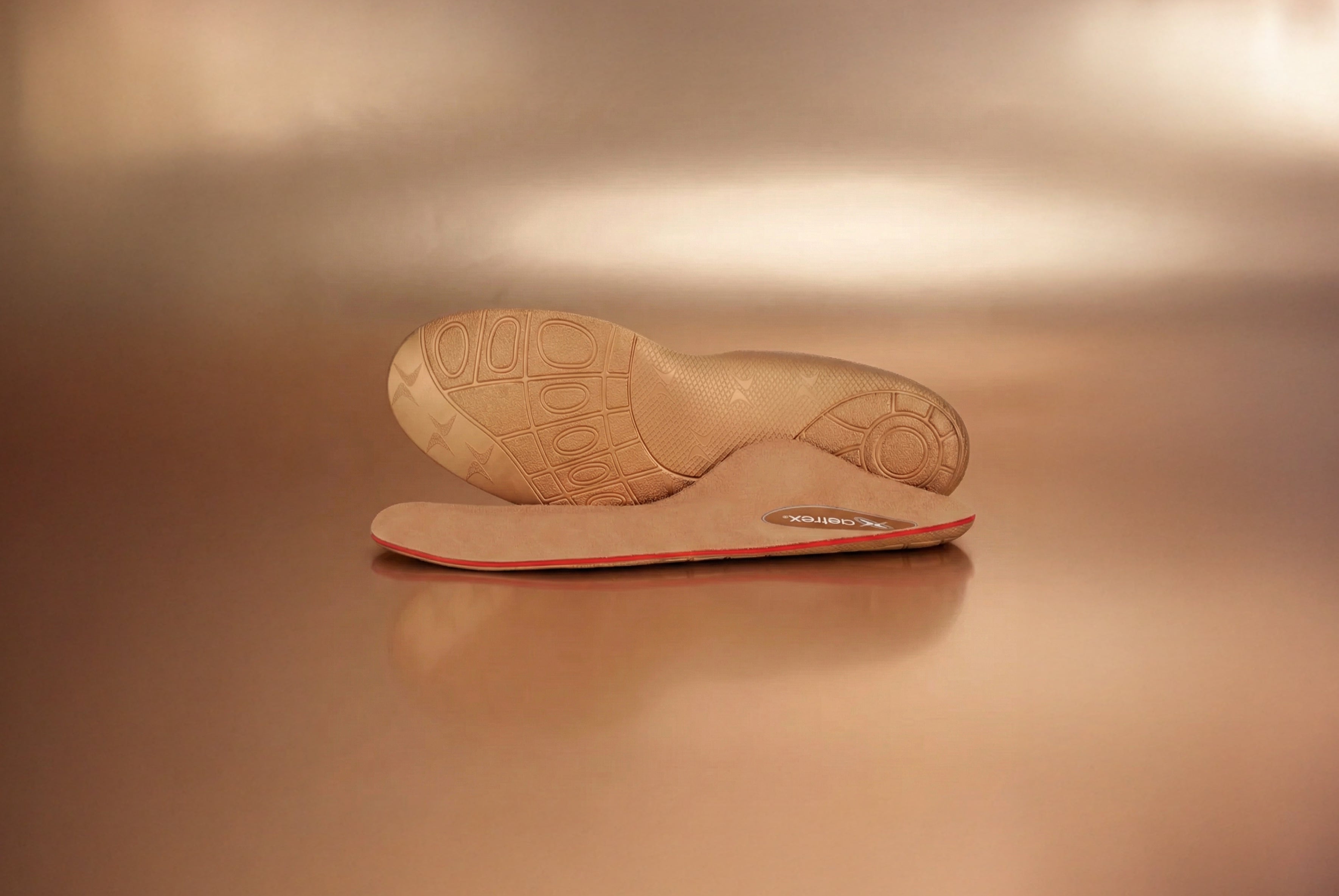
Ever notice how the inner soles of your favorite shoes wear down faster? That’s a classic sign of overpronation, where your foot rolls too far inward with each step. While a little roll is natural, too much can throw your entire body out of alignment. This creates a chain reaction of discomfort, from your arches up to your ankles, knees, and even your lower back. But you don't have to live with it. Finding the right support is key, and this guide will show you exactly how to choose the best orthotic insoles for overpronation to get you moving comfortably again.
Key Takeaways
- Your Feet are Your Foundation: Overpronation isn't just a foot problem; it can throw your entire body out of alignment. Choosing an orthotic with structured support helps stabilize your base, which can relieve strain on your knees, hips, and back.
- Look for Structure, Not Softness: When shopping for insoles, prioritize key features that provide true support. A successful orthotic will have firm arch support to prevent your foot from rolling inward, a deep heel cup for stability, and motion control to guide your stride.
- Match Your Insole to Your Lifestyle: The right support depends on your daily routine. Consider your primary activities—whether it's running, standing all day, or casual walking—and choose an insole designed to handle those specific demands for the best comfort and performance.
What is Overpronation? (And Why Your Feet Are Asking for Help)
Have you ever noticed the soles of your running shoes wearing out unevenly, especially on the inner edge? That could be a sign of overpronation. Simply put, overpronation is when your foot rolls too far inward as you walk or run. While a certain amount of inward roll (pronation) is a natural part of how our feet absorb shock, overpronation can throw your body’s alignment out of balance.
Think of your feet as the foundation of your body. When that foundation is unstable, the effects can travel upward. This excessive motion can cause your arch to flatten, leading to strain on your tendons and ligaments. Over time, this can contribute to common issues like plantar fasciitis, shin splints, and even pain in your ankles, knees, hips, and lower back. Providing your feet with the right support is key to creating a stable base for your entire body and making your steps more efficient.
What Causes Overpronation?
Overpronation isn't something you did wrong; it's often just the way your body is built. For many, it’s linked to having low arches or flat feet, which can be a genetic trait. When your arch is less defined, it has a harder time supporting your weight as you move, causing it to collapse inward. Other factors can also contribute, such as weak ankle or foot muscles, pregnancy, or weight gain, which all place extra stress on your feet. Repetitive impact from activities like running on hard surfaces can also weaken the structures that support your arch. Essentially, overpronation happens when the foot’s natural shock-absorbing system is overwhelmed, leading to that excessive inward roll.
Signs and Symptoms of Overpronation
You might be overpronating without even realizing it, simply attributing the aches and pains to a long day. But your body often sends clear signals that your alignment is off. The most obvious clues are often visible right on your feet or in your shoes, while other symptoms can appear in seemingly unrelated parts of your body. Paying attention to these signs is the first step toward finding relief and preventing further discomfort. From chronic pain in your arches to wear patterns on your sneakers, let’s look at the common indicators that your feet are rolling inward a little too much.
Related Foot Conditions
When your foot overpronates, it sets off a chain reaction that can lead to a variety of painful conditions. Because the arch collapses, it puts immense strain on the plantar fascia—the ligament connecting your heel to your toes—which is a primary cause of plantar fasciitis. This misalignment can also contribute to the development of bunions, shin splints, and Achilles tendinitis. But the impact doesn't stop at your feet. An unstable foundation can cause your leg to rotate inward, leading to stress on your knees, hips, and even your lower back. If you're experiencing persistent pain in these areas, your gait might be the underlying cause.
Shoe Wear Patterns
One of the easiest ways to check for overpronation is to look at the soles of your most-worn shoes. Place them on a flat surface and examine the wear pattern on the bottom. If you notice that the inner edge of the sole, particularly around the ball of the foot and the big toe, is significantly more worn down than the outer edge, that’s a tell-tale sign. This uneven wear happens because as your foot rolls too far inward, it pushes off primarily from the inside of your foot instead of distributing the pressure evenly. This not only ruins your shoes faster but also reinforces the improper movement with every step you take.
Overpronation vs. Other Foot Conditions
It’s easy to get terms like overpronation, flat feet, and supination mixed up, but understanding the differences is key to finding the right support. While they are often related, each term describes a distinct aspect of your foot’s structure or movement. Overpronation is about how your foot *moves* when you walk, whereas other conditions describe the physical shape of your foot or an opposite motion. Clarifying these distinctions will help you better understand your own body and communicate more effectively with a healthcare professional or when shopping for the right supportive footwear.
Overpronation vs. Flat Feet
People often use "overpronation" and "flat feet" interchangeably, but they aren't the same thing. Flat feet refer to the anatomical structure of your foot—specifically, having a very low or non-existent arch. Overpronation, on the other hand, is a biomechanical issue describing the *action* of the foot rolling too far inward during your stride. The two are closely linked because having flat feet makes you highly susceptible to overpronation; without a strong arch to support it, the foot is more likely to collapse inward. However, you can still overpronate even with a normal arch, especially if your muscles are weak or fatigued.
Overpronation vs. Supination (Underpronation)
Supination, also known as underpronation, is the opposite of overpronation. While overpronation involves the foot rolling inward, supination is when the foot rolls to the outside edge. If you supinate, you’ll notice the wear on your shoes is concentrated along the outer heel and the edge of the little toe. This places stress on different parts of the foot and leg, often leading to issues like stress fractures and ankle sprains. The goal for both conditions is to achieve a neutral gait, where your foot lands and pushes off evenly. Supportive orthotics, like those from Aetrex, are designed to help guide your foot toward this balanced alignment.
Is Overpronation Permanent?
Whether overpronation is permanent really depends on its cause. If it stems from temporary factors like muscle fatigue or an injury, targeted strengthening exercises can sometimes help improve your foot’s stability. However, for most people, overpronation is linked to the inherent structure of their feet, such as having low arches. In these cases, overpronation is a chronic condition that you manage rather than eliminate. The good news is that managing it is highly effective. By consistently wearing supportive footwear and using high-quality orthotics, you can correct your alignment, relieve stress on your joints, and walk comfortably. Aetrex helps to provide this crucial daily support with orthotics designed to control the inward roll and stabilize your foundation.
Common Overpronation Myths, Busted
There's a lot of conflicting information out there, so let's clear things up. You might hear that pronation is completely natural and shouldn't be "corrected." And that's partially true—pronation is a normal and necessary motion. The issue isn't pronation itself, but the degree to which it happens. When your foot rolls inward excessively, it becomes less efficient at absorbing shock and can put stress on your joints. The goal of supportive footwear isn't to eliminate pronation but to guide your foot into a more neutral alignment, allowing it to function as it should without causing strain elsewhere.
How Orthotic Insoles Realign Your Stride
This is where the right support system makes all the difference. Aetrex helps to address overpronation with orthotics that feature targeted arch support and advanced alignment technology. By placing our signature arch support in the right position for your foot, our orthotics help stabilize your stride and prevent your arch from collapsing. This not only provides immediate comfort but also helps realign your body from the ground up. An effective orthotic for overpronation combines a deep heel cup for stability, firm arch support to prevent collapse, and motion control to guide your foot. Together, these features create a more efficient, comfortable, and properly aligned stride.
Choosing an Insole for Overpronation: What to Look For
When you’re dealing with overpronation, grabbing any old insole off the shelf just won’t cut it. The right orthotic does more than just add a layer of cushion—it provides a strategic support system designed to guide your foot into a healthier alignment. Think of it as a blueprint for your stride. The best insoles for overpronation share a few key characteristics that work together to reduce strain, increase comfort, and support your entire body from the ground up. Let's walk through exactly what features you should be looking for.
Why Firm Arch Support is Non-Negotiable
The most critical feature for an overpronation insole is firm, supportive arch support. This isn't about a soft, squishy feeling; it's about providing a solid structure that prevents your arch from collapsing inward with each step. Effective orthotics should have targeted arch support strategically placed to make contact with your arch, helping to realign your foot. This is often paired with motion control technology, which helps guide your foot through a more natural gait cycle. Together, these features work to correct the excessive inward roll of the foot, which can help to alleviate stress on your ankles, knees, and hips.
Understanding Different Arch Support Types
Not all arch supports are created equal, and understanding the nuances can make a world of difference for your comfort. When you're looking for an orthotic to help with overpronation, it’s about finding the right *type* of support for your unique foot structure. Simply adding a generic, cushioned insert might feel good for a moment, but it won’t provide the corrective alignment your body needs. The key is to look at specific design elements, like the height of the arch and the material's flexibility, which are engineered to control motion and stabilize your foot. This targeted approach ensures the support is working with your foot, not just against it.
Arch Height and Flexibility
The two most important factors to consider are your arch height and the insole's flexibility. People have low, medium, or high arches, and an orthotic designed for a high arch won't be comfortable or effective for someone with flat feet. Aetrex helps to take the guesswork out of this with our advanced foot scanning technology, which precisely measures your arch type to recommend the perfect orthotic. Equally important is the material. While a soft, gel-like insole might seem appealing, overpronation requires a semi-rigid structure to properly support the arch and prevent it from collapsing. This provides the stability needed to maintain proper alignment without feeling overly stiff or restrictive.
Full-Length vs. 3/4-Length Insoles
Once you know what kind of support you need, you have to decide on the insole's length. The choice between a full-length and a 3/4-length orthotic usually comes down to the type of shoe you'll be wearing. Full-length insoles run from your heel to your toes and are ideal for athletic shoes, boots, or any footwear with a removable factory insole. They provide comprehensive support and cushioning for your entire foot. On the other hand, 3/4-length insoles are perfect for tighter-fitting shoes like dress shoes, loafers, or flats where a full-length insert might make the toe box feel cramped. They deliver that crucial arch and heel support without adding extra bulk, allowing you to get relief in any shoe. Aetrex offers a wide range of orthotics in both styles, so you never have to choose between your favorite shoes and your comfort.
Don't Skimp on Cushioning and Shock Absorption
While firm support is essential for alignment, comfort is what you’ll feel immediately. Great insoles balance structure with superior cushioning to absorb the shock that travels through your body with each footfall. This is especially important for overpronation, as the improper foot motion can put extra strain on your joints. Look for materials like memory foam that contour to your foot while providing a plush, comfortable feel. By providing targeted support and excellent shock absorption, the right insoles can significantly enhance comfort, not just in your feet but throughout your entire body.
Don't Forget Metatarsal Support
Pain in the ball of your foot is a common complaint for those with overpronation, and that’s where metatarsal support comes in. This feature, often a small, raised pad built into the insole, sits just behind the ball of your foot. Its purpose is to help spread the metatarsal bones, which relieves pressure and can help to ease pain from conditions like metatarsalgia. A well-designed orthotic with metatarsal support helps to properly align the bones in your forefoot, contributing to better overall foot function and, by extension, better body alignment. It’s a small detail that makes a world of difference for all-day comfort.
Our Top Picks: The Best Orthotic Insoles for Overpronation
Finding the right orthotic insole can feel like a game-changer, especially when you’re dealing with the discomfort of overpronation. The goal is to find an insole that not only cushions your foot but actively works to support your arch and align your body from the ground up. Many people think any soft insert will do the trick, but true relief comes from structure and stability. A quality orthotic provides the framework your foot needs to maintain a natural, healthy stride, which can make a world of difference in your daily comfort and long-term foot health.
When your foot rolls too far inward with each step, it can throw your entire body out of alignment, leading to strain not just in your feet but also in your ankles, knees, and even your back. This is why simply adding more cushioning often isn't enough. You need an insole that gently guides your foot into a more neutral position. By giving your feet the right foundation, you’re setting yourself up for more comfortable movement, whether you’re running errands, working on your feet all day, or training for a marathon. Let's look at some of the best options available to help you get the support you need.
Aetrex: Why 3D Foot Scanning Makes a Difference
Aetrex helps to correct overpronation with orthotics that feature our signature arch support, designed to stabilize your foot and properly align your body. Our insoles are engineered with advanced motion control technology to reduce the inward rolling of the foot and absorb shock with every step. What truly sets Aetrex apart is our innovative 3D foot scanning technology. This allows us to capture the unique data of your feet—including your arch height and pressure points—to recommend an orthotic that provides a truly personalized fit. This targeted support provides significant comfort and relief, helping you move more comfortably throughout your day.
More Top-Rated Insoles for Overpronation
When looking at other insoles, it’s important to focus on structure and function. The key to relieving pain from overpronation is finding an insole with firm, structured arch support, not just soft, flimsy cushioning. Overly soft inserts often fail to provide the stability needed to correct your alignment. A well-designed orthotic should also have a deep heel cup, which cradles the heel to provide extra stability and help control foot motion. This combination of a supportive arch and a secure heel helps align your foot properly, which in turn helps align your entire body. Always prioritize insoles that offer this kind of thoughtful, biomechanical design for lasting relief.
Finding Your Perfect Fit: How to Choose the Right Insole
Finding the perfect insole can feel like a big task, especially when you're dealing with foot pain and just want relief. The sheer number of options can be overwhelming, leaving you wondering where to even start. But the process doesn't have to be complicated. It really comes down to understanding your unique needs. The key is to focus on three simple things: your foot type, your daily activities, and the level of support you require. When you get this combination right, you’ll find the comfort and alignment that can make a world of difference in your day-to-day life. Aetrex helps to make this process simple by providing detailed information and tools to guide you every step of the way. Think of it less as a search and more as a matching process. By taking a moment to assess your personal needs, you can confidently select an orthotic that feels like it was made just for you, helping you get back to doing what you love without discomfort holding you back. It’s about empowering you with the right information so you can make a choice that supports your health and lifestyle.
Know Your Feet: Understanding Your Arch and Gait
Before you can pick the right insole, you need to know your feet. The shape of your arch—whether it’s flat, neutral, or high—plays a huge role in how your foot moves and absorbs impact. This movement pattern is your gait. If you have flat feet or low arches, you might overpronate, meaning your foot rolls too far inward when you walk. Knowing your arch type is the first step to finding proper support. An easy way to get a precise reading of your foot is by using one of Aetrex’s advanced foot scanners, which can give you a detailed analysis in minutes. This information helps you choose an insole that provides targeted support right where you need it most.
Match Your Insole to Your Lifestyle
The support you need for a morning run is different from the support you need for standing at a counter all day. Think about the activities you do most often. Are you an athlete who needs shock absorption for high-impact sports? Or do you need consistent, gentle support for walking or daily errands? Insoles with firm arch support and heel stabilization can truly help improve foot alignment and reduce pain from conditions like flat feet. Choosing an insole designed for your specific activities ensures you get the right balance of cushioning, stability, and motion control to keep you comfortable and moving correctly throughout your day.
Custom vs. Over-the-Counter: Which is Right for You?
Many people think they need expensive, custom-made orthotics, but that’s often not the case. For most, a high-quality insole provides more than enough support to help with common foot pain. Premium over-the-counter orthotics from Aetrex are designed with years of research and data to provide incredible comfort and alignment at a fraction of the cost of custom options. In fact, they can be up to 250% less expensive than custom. Unless you have a severe biomechanical issue diagnosed by a doctor, a well-designed OTC insole is an effective and accessible choice. You can even use Aetrex’s Orthotic Finder to find the perfect match for your feet and lifestyle.
Beyond Insoles: Other Ways to Manage Overpronation
While finding the right orthotic is a huge step toward happier feet, it’s not the only piece of the puzzle. Think of insoles as your primary support system, but you can enhance their benefits by adopting a few other healthy habits. Creating a well-rounded approach to foot care can make a significant difference in managing overpronation and keeping discomfort at bay. By combining the structural alignment from your orthotics with targeted exercises and mindful lifestyle choices, you’re giving your body comprehensive support. This holistic strategy helps address the issue from multiple angles, strengthening your body’s natural foundation and promoting better alignment in everything you do, from your morning walk to your evening workout.
Stretching and Strengthening Exercises
Building strength in the right places can provide amazing support for your feet and ankles. Simple, targeted exercises can help strengthen the muscles that support your arches, like calf stretches and towel curls with your toes. But it’s not just about your feet. Overpronation can be linked to weakness in your hips and core, so strengthening these areas is just as important. Moves like side leg raises and bridges help stabilize your entire lower body, which in turn helps control the motion of your feet. Consistently incorporating these exercises into your routine can help improve your gait and reduce the strain that leads to pain, working in tandem with your orthotics for long-term comfort.
Lifestyle Adjustments and Self-Care
Your daily choices play a big role in managing overpronation. Start with your shoes. Wearing unsupportive footwear can undermine the benefits of your orthotics. Aetrex helps to provide all-day comfort by designing footwear with built-in arch support that complements our insoles. Choosing shoes with a firm heel counter and adequate room in the toe box provides a stable base for your foot. It’s also important to listen to your body. If an activity causes pain, don’t push through it. Consider lower-impact exercises like swimming or cycling to give your feet a break. Small adjustments, like avoiding standing for prolonged periods on hard surfaces without supportive shoes, can make a huge difference in your overall comfort.
Which Activities Call for Orthotic Insoles?
While orthotic insoles can make any pair of shoes more comfortable, certain activities put extra stress on your feet, making proper support essential. If your daily routine involves high-impact movements, long hours of standing, or covering lots of ground on foot, you’ll feel a significant difference with the right insole. Think of an orthotic as a foundation for your body. When your feet are properly aligned and supported, it helps everything else stay in line, reducing strain on your ankles, knees, and back. Whether you’re an athlete, a weekend adventurer, or someone who works on their feet, adding an orthotic to your shoe is one of the best ways to protect your body and stay comfortable.
For Runners and High-Impact Athletes
If you’re a runner or play sports like basketball or tennis, your feet absorb an incredible amount of force with every step, jump, and pivot. For those who overpronate, this repetitive impact can lead to common injuries like shin splints, runner's knee, and plantar fasciitis. The best orthotics for high-impact activities provide firm, structured support to control excess motion and guide your foot into proper alignment. This stability is crucial for distributing pressure evenly and reducing the strain on your joints and soft tissues. Aetrex helps to provide the necessary structure with its line of orthotics, which are designed to support your arch and help manage the forces of high-impact movement.
For Everyday Walks and Weekend Hikes
You don’t have to be sprinting to feel the effects of unsupportive footwear. A long walk, a day of sightseeing, or a hike on uneven trails can easily lead to foot fatigue and soreness. For walking and hiking, insoles play a key role in providing consistent arch support and shock absorption. They help cradle your foot, reducing the pressure on your heels and the balls of your feet. This makes it easier to stay on your feet for longer without discomfort, so you can focus on enjoying the journey. By keeping your feet properly aligned, orthotics can make your favorite pair of women's footwear or men's walking shoes even more comfortable and supportive for miles to come.
For All-Day Comfort on Your Feet
Many jobs require you to be on your feet all day, from nursing and teaching to retail and food service. Standing for hours on hard surfaces can be just as taxing on your body as running a 5K. This prolonged pressure can lead to aching arches, heel pain, and general fatigue that extends to your legs and back. A well-designed orthotic provides a firm, supportive arch that helps to properly align not just your foot, but your entire body. By using the Aetrex Orthotic Finder, you can identify the right insole to give you targeted stability and cushioning, making a huge difference in how you feel at the end of a long day.
Can Orthotics Help With Common Foot Pain?
Orthotic insoles are a game-changer for so much more than just general achiness. They provide targeted support that can make a real difference for several common and often painful foot conditions. By properly aligning your feet and providing cushioning where you need it most, the right orthotics can help you get back to your daily activities with greater comfort. Let's look at a few specific issues where orthotics can lend a helping hand.
Easing Plantar Fasciitis and Heel Pain
If you've ever felt a sharp, stabbing pain in your heel, especially with your first steps in the morning, you might be familiar with plantar fasciitis. This condition happens when the band of tissue connecting your heel to your toes becomes inflamed. It’s a persistent and frustrating issue, but the right support can make a world of difference. Aetrex products help to provide the right balance and support to relieve and prevent foot conditions like Plantar Fasciitis. An orthotic insole works by cushioning the heel and supporting the arch, which helps distribute pressure more evenly across your foot and reduces strain on the inflamed plantar fascia.
Supporting Flat Feet and Fallen Arches
Flat feet, sometimes called fallen arches, can cause your foot to roll inward more than it should—a motion known as overpronation. This can throw off your body's alignment and lead to pain not just in your feet, but in your ankles, knees, and even your back. Because the foot lacks natural arch support, it needs external help to maintain proper form. A well-designed orthotic provides a firm, supportive arch that helps to properly align your foot and, by extension, your entire body. By wearing shoes and orthotics for flat feet, you give your feet the structural foundation they need to carry you comfortably through your day.
Relieving Metatarsalgia (Ball-of-Foot Pain)
That burning, aching pain in the ball of your foot has a name: metatarsalgia. It often feels like you're walking on a pebble you just can't shake. This discomfort happens when there's too much pressure on the metatarsal bones, which are located at the front of your foot. Orthotics designed to help with metatarsalgia often feature a special pad that supports the metatarsal arch. This helps to lift and spread the bones, relieving pressure and reducing that painful friction. By providing targeted support and stability, the right insoles can make a significant difference in how you feel, not just in your feet but throughout your entire body.
Can You Swap Your Orthotics Between Shoes?
One of the most common questions I hear is whether you can swap one pair of orthotics between all your shoes. The short answer is yes, but it’s not always the best strategy for getting the support you need. Think of it this way: the shoes you wear for a 5k run have very different demands than the boots you wear to work or the flats you slip on for errands. Each activity and shoe style puts unique stress on your feet.
While a single pair of high-quality orthotics can certainly be moved between similar shoes, you’ll get the best results by matching the insole to the footwear and the activity. A well-designed orthotic provides a firm, supportive arch that helps to properly align your foot and, by extension, your entire body. For optimal comfort and alignment, it’s helpful to have different orthotics designed for the specific style of shoe you're wearing. This ensures a proper fit and the right kind of support for whatever your day holds.
Pairing Insoles with Your Athletic Shoes
Your running shoes take a beating, and so do your feet. During high-impact activities, your body needs maximum shock absorption and stability to prevent strain. A generic insole might not provide the structured support needed to keep your feet aligned through every stride. Using an orthotic specifically designed for athletic footwear ensures you get that firm arch support and motion control right where you need it. This helps maintain proper alignment from your feet all the way up your body, which is crucial for performance and preventing discomfort after your workout.
Using Orthotics in Work Boots and Dress Shoes
Long days on your feet, whether in steel-toed boots or dress shoes, require a different kind of support. The goal here is consistent comfort and stability that lasts from morning to night. Aetrex Overpronation Orthotics are designed specifically to reduce shock and provide maximum comfort throughout the day. These are engineered to fit into various types of women's footwear and men's, from rugged work boots to sleek professional shoes. This ensures you receive the necessary support to get through your workday without feeling that all-too-familiar foot fatigue.
Adding Support to Casual, Everyday Shoes
What about your favorite pair of casual sneakers or loafers? You shouldn’t have to choose between style and comfort. Many everyday shoes lack built-in arch support, but the right insole can change that without making your shoes feel tight or bulky. Aetrex designs insoles that are crafted to provide essential arch support and help with alignment without adding extra volume. This makes them perfect for your daily go-to shoes, allowing you to feel supported and comfortable no matter where you’re headed. The Orthotic Finder can help you identify the perfect match for your favorite pair.
How to Know When It's Time to Replace Your Insoles
Think of your orthotics like the tires on your car. They do a lot of heavy lifting every single day, and eventually, they wear out. Continuing to use worn-out insoles won't give you the support you need and can even lead to the return of foot pain. So, how do you know when it's time for a fresh pair? It’s simpler than you think—you just need to know what to look for.
Keeping your feet comfortable and properly aligned is a continuous process, and replacing your orthotics on time is a key part of that. Here are the main signs that your current pair has done its job and is ready for retirement:
Visible Wear and Tear: The most obvious clue is the physical condition of the insole. Take it out of your shoe and give it a good look. Do you see any cracks in the supportive material? Is the top fabric peeling away? Most importantly, press down on the arch and heel areas. If the cushioning feels flat or you can see deep, permanent indentations from your foot, the insole has lost its structural integrity and can no longer provide effective support.
Your Pain Is Returning: Your body is often the best indicator. If the heel pain from your plantar fasciitis starts to creep back in or you feel that familiar ache in the ball of your foot, it’s a major red flag. Aetrex helps to provide lasting comfort, so when that comfort starts to fade, it’s a sign that the supportive features of your orthotic have broken down. Don't wait for the pain to get worse; it's time for a replacement.
You’ve Hit the 1-Year Mark: As a general rule of thumb, you should plan to replace your insoles every 6 to 12 months. Your specific timeline will depend on your lifestyle. If you’re a runner, an avid walker, or someone who spends all day on their feet, you’ll likely need to replace them closer to the six-month mark. For more casual, everyday use, you may be able to get a full year of support. Regularly checking your insoles around these milestones is a great habit to get into.
Where to Buy the Best Orthotic Insoles
Finding the right orthotic insoles can feel like a huge task. With so many options out there, it’s tough to know which ones will actually provide the relief and support you need. The good news is that you don't have to guess. Whether you prefer to shop online or get a personalized fitting in-store, here’s a guide to the best places to find orthotics that will help your feet feel their best.
Why We Recommend Aetrex for Foot Support
When it comes to finding superior support, Aetrex is the top choice. What really sets Aetrex apart is its commitment to technology and quality. Many retailers use Aetrex’s advanced foot scanners to get a precise 3D measurement of your feet, which helps identify your arch type and pressure points. This data is key to finding the perfect orthotic for your unique needs. Aetrex helps to correct overpronation with orthotics that feature targeted arch support and advanced motion control technology. This design is essential for stabilizing your foot, aligning your body, and reducing shock from walking or running.
Other Reputable Brands to Consider
While Aetrex leads the pack, a couple of other brands also offer insoles for overpronation. These insoles are often designed to stabilize the ankle and balance the foot, which can be helpful for those with low arches. They focus on providing stability to address pain related to flat feet. While these brands provide options, they don't offer the same level of personalized data and advanced scanning technology that makes Aetrex a standout choice for finding a truly customized fit. Without that precise data, you might be left guessing which insole is the right match for your feet.
Specialty Store vs. Online: Where Should You Shop?
You can purchase orthotics from a few different places, and each has its benefits. Visiting a specialty shoe store allows you to get a professional fitting and try on different options. Many of these stores feature an Aetrex foot scanner, giving you an in-depth look at your foot’s needs before you buy. Shopping online directly from a brand like Aetrex gives you access to their full collection, including specialized men's and women's styles. If you already know your foot type, online shopping is incredibly convenient. For the best results, it’s helpful to have different insoles for specific shoes, ensuring a proper fit and the right support for every activity.
Related Articles
- Best Insoles for Plantar Fasciitis and Flat Feet | Aetrex 2025 Guide
- 5 Best Insoles for Flat Feet & Overpronation
- The Best Insoles for Overpronation and Flat Feet
Frequently Asked Questions
How can I tell if I overpronate at home? A great starting point is to look at the wear pattern on the soles of your most-worn shoes. If you notice excessive wear on the inner edge of the sole, especially around the ball of the foot and heel, that’s a classic sign of overpronation. Another simple test is to look at your wet footprints after you get out of the shower. If your footprint shows almost the entire bottom of your foot with little to no curve on the inside, you likely have a low arch that contributes to overpronation. While these are helpful indicators, the most accurate way to understand your feet is with an Aetrex foot scan.
Will wearing orthotics make my feet weaker over time? This is a common concern, but it's a myth. Quality orthotics don't act as a crutch that weakens your foot muscles. Instead, they function as a supportive foundation that guides your foot into a proper, more efficient alignment. By preventing your arch from collapsing and controlling excessive motion, they help reduce strain on your ligaments and tendons. This allows your feet to function as they were meant to, which can actually reduce fatigue and help you move more comfortably.
What’s the real difference between a cheap drugstore insert and a quality orthotic? The main difference comes down to structure versus cushion. Most inexpensive inserts you find at a drugstore are made of soft gel or foam, offering a temporary layer of cushioning but very little actual support. A true orthotic, like those from Aetrex, is an engineered support system. It features a firm, structured arch and a deep heel cup designed to stabilize your foot, control motion, and realign your body from the ground up. While cushioning is important for comfort, it’s the structural support that provides lasting relief from the pain associated with overpronation.
How long does it take to get used to wearing new orthotics? Your body will likely need a little time to adjust to the new feeling of proper support, especially if your feet have been out of alignment for a while. I always recommend a gradual break-in period. Start by wearing your new orthotics for just an hour or two on the first day, then add an additional hour of wear each day. Within a week or two, they should feel completely natural and comfortable for all-day wear. This slow and steady approach allows your feet and body to adapt without feeling overwhelmed.
Do I really need a different orthotic for every pair of shoes? While you can move a single pair of orthotics between similar types of shoes, you’ll get the best results by matching the insole to the footwear. The slim, supportive orthotic that fits perfectly in your dress shoes won't offer the same level of shock absorption and stability you need in your running sneakers. For optimal comfort and performance, it’s a good idea to have a couple of different pairs designed for your most frequent activities, ensuring you always have the right foundation for the task at hand.
Share:
Your Guide to the Best Running Insoles for Morton's Neuroma
5 Best Running Shoes for Metatarsalgia Relief