

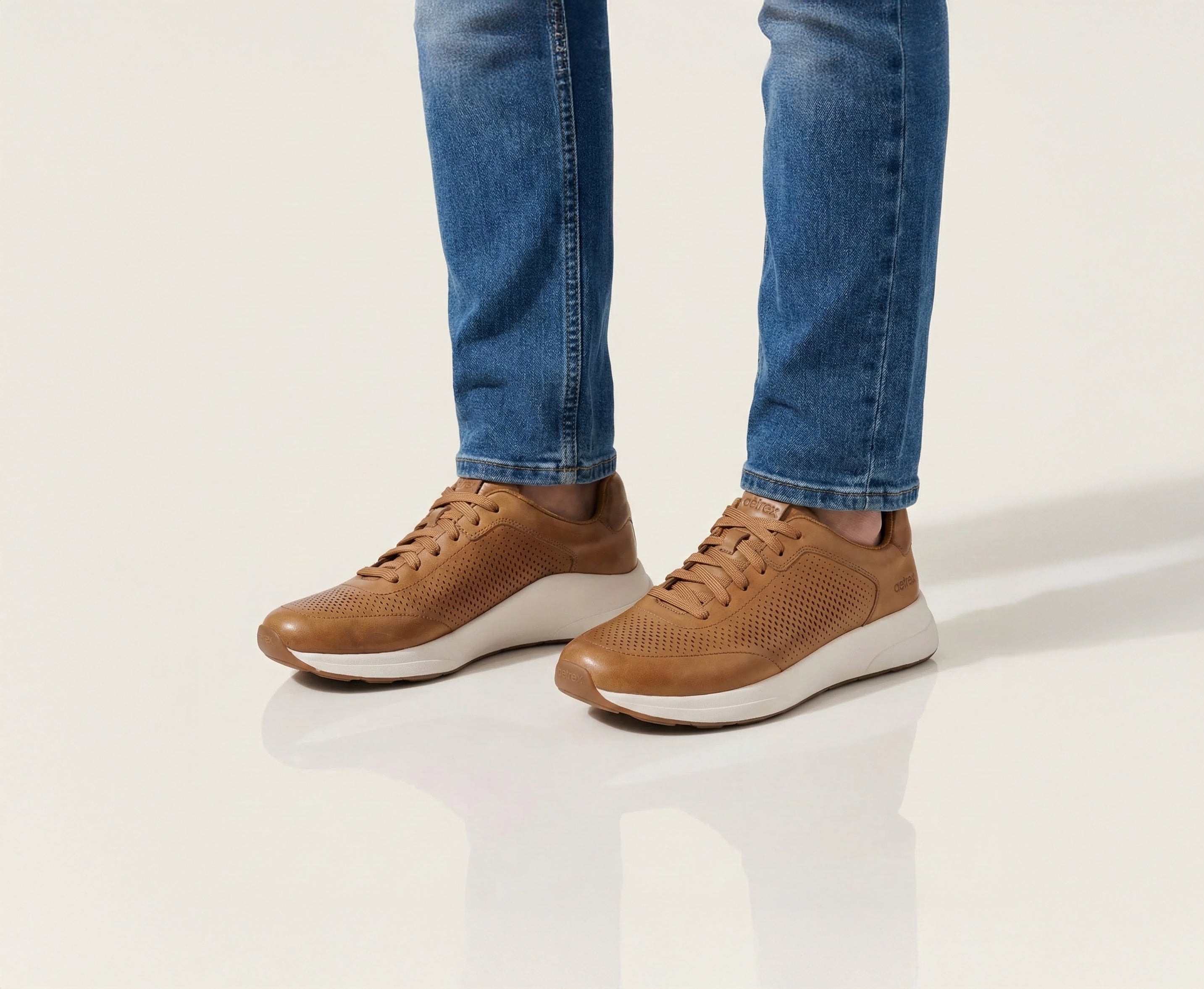
If you end your shift with throbbing feet and an aching back, your shoes are likely to blame. Nursing is an endurance sport, and you need equipment that performs. This is where running shoes shine. They are literally built to reduce impact and provide stability over long distances—a perfect match for the miles you cover on hard hospital floors. With advanced foam cushioning and slip-resistant outsoles, they offer a level of support that traditional work shoes often miss. We’ll guide you through the must-have features and share the best running shoes for male nurses to keep you comfortable and protected.
Key Takeaways
- Choose Running Shoes for On-the-Job Protection: Their advanced cushioning, built-in support, and slip-resistant soles are engineered to handle the high demands of a nursing shift far better than traditional clogs or slip-ons.
- Make Built-In Arch Support Non-Negotiable: To prevent foot pain and maintain proper body alignment, select shoes with integrated arch support. This foundational feature helps distribute pressure evenly and reduces strain on your feet, knees, and back.
- Extend Your Comfort by Caring for Your Shoes: Simple habits like rotating between two pairs and replacing them every 6-12 months are crucial. This ensures the shoe's cushioning and support structures remain effective, protecting you from fatigue and pain.
Are Running Shoes the Secret to Surviving a 12-Hour Shift?
When you spend 12 hours on your feet, moving from room to room, assisting patients, and responding to emergencies, your shoes are more than just part of your uniform—they're essential equipment. For male nurses, the physical demands of the job require footwear that can keep up. While traditional clogs or work shoes have been the standard for years, many are discovering that running shoes offer a superior combination of comfort, support, and performance needed to get through a long shift without pain.
Running shoes are engineered for high-impact activity, which makes them perfectly suited for the non-stop environment of a hospital or clinic. Think about it: you’re constantly walking, standing, and sometimes even running. These shoes are designed with advanced features to protect your body from the stress of repetitive motion. From superior cushioning that absorbs shock with every step to structured arch support that keeps your feet stable, running shoes provide the foundation you need to stay focused on your patients, not your aching feet. They also come with critical safety and comfort features like slip-resistant outsoles and breathable materials, making them a practical and intelligent choice for any healthcare professional.
How Cushioning Saves Your Knees and Back
A single nursing shift can easily involve walking 10,000 to 16,000 steps. That’s miles of walking on hard hospital floors, and over time, that impact adds up, leading to sore feet, achy legs, and even back pain. This is where the cushioning in a good pair of running shoes makes all the difference. Designed to absorb the shock of pounding the pavement, this same technology protects your joints from the constant stress of walking the hospital halls. High-quality foam midsoles act as a buffer between your feet and the floor, reducing fatigue and helping you feel more energized throughout your shift. This protection is crucial for preventing long-term joint issues and keeping you comfortable day after day.
Why Arch Support is Non-Negotiable
As a male nurse, you’re often called on for physically demanding tasks, from helping lift patients to moving heavy equipment. These activities require a strong, stable base, which starts with your feet. Proper arch support is non-negotiable for maintaining correct body alignment and preventing common foot problems like plantar fasciitis. Running shoes are specifically designed with supportive structures that cradle the arch of your foot, promoting stability and reducing strain on your muscles and ligaments. This built-in support helps distribute your weight evenly, preventing your feet from rolling inward or outward and ensuring you have a solid foundation for every task you perform.
Prevent Slips and Falls on the Job
Hospital floors can be unpredictable. Spills are a common occurrence, creating slick surfaces that pose a serious safety risk. A slip and fall can lead to injury, putting you out of work and compromising patient care. That’s why a slip-resistant outsole is one of the most important features to look for in a work shoe. Many modern running shoes are equipped with high-traction rubber soles designed to grip wet and dry surfaces securely. This feature gives you the confidence to move quickly and decisively when you need to, without worrying about losing your footing. It’s a simple but critical element that contributes to a safer work environment for you and everyone around you.
Keep Your Feet Cool and Dry
There’s nothing more uncomfortable than the feeling of hot, sweaty feet halfway through a long shift. Beyond the discomfort, excess moisture can lead to blisters, unpleasant odors, and even fungal infections. Running shoes are typically constructed with lightweight, breathable materials like engineered mesh. These fabrics allow air to circulate freely around your feet, wicking away sweat and keeping them cool and dry. This ventilation is key to maintaining foot health and overall comfort during those grueling 12-hour shifts. When your feet feel fresh, you’re better able to focus on your work and provide the best possible care for your patients.
Find a Shoe That Lasts as Long as You Do
The daily grind of nursing is tough on your shoes. The constant walking, standing, and pivoting can wear down footwear quickly, diminishing its supportive qualities. Running shoes are built to withstand the repetitive stress of high-mileage training, which means they are inherently durable. Their construction features reinforced materials in high-wear areas, ensuring they can handle the demands of a hospital environment. While no shoe will last forever, a quality pair of running shoes offers excellent longevity. To get the most out of them, pay attention to signs of wear and tear and plan to replace your work shoes every six to twelve months to ensure you’re always getting the support you need.
Understanding Key Running Shoe Features
Walking into a shoe store or browsing online can feel overwhelming with all the technical jargon. Terms like "stack height," "heel drop," and "supercritical foam" are thrown around, but what do they actually mean for you during a long shift? Understanding these core features is the key to moving beyond a shoe that just "feels okay" and finding one that actively works to keep you comfortable and supported. Think of it as learning the specs of any important piece of equipment. When you know what to look for, you can make a confident choice that protects your feet, knees, and back from the strain of walking on hard hospital floors all day.
Key Specifications: Weight, Drop, and Stack Height
Let's break down three of the most common specs you'll see. First is weight. While a lighter shoe might seem ideal, for a 12-hour nursing shift, a slightly heavier shoe often indicates more cushioning and support, which is a worthwhile trade-off. Next is heel-to-toe drop, which is the height difference between the heel and the forefoot. A higher drop can reduce strain on your Achilles tendon, while a lower drop promotes a more natural foot strike. Finally, stack height refers to the amount of material between your foot and the ground. For hospital work, a higher stack height is generally better, as it means more cushioning to absorb the impact of walking on unforgiving surfaces.
Cushioning Explained: From EVA to Supercritical Foam
The midsole is the heart of the shoe’s comfort, and it's typically made from foam. The most common type is EVA (ethylene vinyl acetate), a reliable and flexible material that provides excellent support. It’s the workhorse of the running shoe world for a reason. More recently, brands have introduced advanced foams, often called supercritical foams. These are created by injecting gas like nitrogen into the foam, making them lighter, bouncier, and more durable. While these newer foams can provide more energy return to help fight fatigue, the most important factor is finding cushioning that feels supportive and doesn't compress too quickly, ensuring consistent comfort from the start of your shift to the end.
Decoding Shoe Geometry: What is a Rocker?
If you look at some running shoes from the side, you might notice the sole has a distinct curve, especially near the toe. This is called a rocker geometry. This design isn't just for looks; it’s engineered to help your foot roll smoothly from heel to toe with each step. For nurses who are constantly walking, a rocker can make your gait more efficient and reduce the strain on your foot and calf muscles. It helps propel you forward, making those thousands of steps feel a little less taxing. This feature can be particularly beneficial for relieving pressure on the ball of the foot, an area prone to pain from conditions like metatarsalgia, which Aetrex helps to alleviate with thoughtful design.
Finding Your Foot Type: The Importance of Pronation
Pronation refers to the natural inward roll of your foot as it strikes the ground. While some pronation is normal, too much (overpronation) or too little (supination) can lead to improper alignment and pain. This is why a one-size-fits-all shoe often isn't enough. Understanding your specific foot type is the most critical step in finding the right footwear. The best way to do this is with a comprehensive analysis, like an Aetrex foot scan, which can identify your pressure points and arch type. For those with issues like flat feet, which often leads to overpronation, choosing a shoe with built-in arch support is essential for stability and pain prevention.
Top Running Shoe Brands Nurses Trust
When you’re searching for the right running shoe to wear on your shift, you’ll find a few brands consistently come up—and for good reason. These companies have poured years of research and development into creating footwear that can handle high impact and long hours, making them a perfect match for the demands of nursing. They understand the science behind foot mechanics, focusing on features that keep you comfortable and supported through thousands of steps. From advanced cushioning systems that absorb shock to biomechanically engineered arch support that promotes proper alignment, each brand brings something unique to the table. Understanding what sets them apart is the first step in finding the perfect pair for your demanding job. We’ll walk through the top contenders, starting with the brand that sets the standard for comfort and foot health technology.
Aetrex: Where Technology Meets Comfort
Aetrex stands out by designing every pair of shoes with foot health as the top priority. Unlike many brands that add support as an afterthought, Aetrex builds its signature arch support directly into its footwear. This design is crucial for proper body alignment, which Aetrex helps to support from the ground up. As Nurse.org highlights, "Aetrex shoes are designed with features such as arch support, cushion, and shock absorption that will help prevent foot and back issues like plantar fasciitis later." This proactive approach makes their men's athletic shoes an excellent choice for nurses looking to invest in long-term comfort and prevent the aches and pains that come with the job.
Hoka: The Go-To for Maximum Cushioning
Hoka has built a loyal following around its signature maximalist cushioning. These shoes are easily recognizable by their thick, oversized midsoles, which are engineered to provide a plush, highly cushioned ride that absorbs impact with every step. This feature can be a game-changer for nurses who spend hours on hard hospital floors. According to RunRepeat, "Hoka shoes are often available in multiple widths and all shoes are max-cushioned, with some supportive options for foot conditions." They even offer the Bondi SR, a model designed specifically for professionals with features like a leather upper and a slip-resistant outsole, making them a popular choice in healthcare settings.
New Balance: A Classic Choice for a Reason
New Balance has earned a solid reputation for creating dependable, high-performance footwear that holds up to all-day wear. The brand offers a wide variety of shoes, including many with the generous cushioning and support needed for long shifts. RunRepeat notes that "New Balance offers a lot of max-cushioned options and supportive options for foot conditions." Their Fresh Foam series, in particular, is known for providing a soft yet responsive feel that reduces foot fatigue. With a focus on fit and a range of widths available, New Balance provides a reliable option for nurses seeking a shoe that balances comfort with durable, everyday performance.
Brooks: Engineered for a Smooth Ride
Brooks is a powerhouse in the running world, and the same technology that supports runners for miles on the road translates perfectly to the hospital floor. The brand is laser-focused on creating shoes that provide consistent, reliable support and comfort. As Nurse.org points out, "Brooks shoes are well-known in the world of running shoes, providing the necessary support and comfort for those in nursing care." Their design philosophy centers on creating a smooth, stable ride that guides your foot naturally. This makes Brooks a trusted choice for nurses who need a shoe that will perform consistently through every part of their demanding 12-hour shifts.
ASICS: A Top Pick for Stability
ASICS is known for its technical approach to shoe design, with a strong emphasis on stability and control. This makes their shoes a great option for nurses who may overpronate or need extra structure to stay comfortable throughout the day. The brand’s GEL technology is famous for its excellent shock absorption, protecting your joints from the constant impact of walking on hard surfaces. As Nurse.org explains, ASICS running shoes are "a versatile choice for a male nursing shoe, offering stability and control." For those who need a shoe that feels secure and keeps their foot locked in place, ASICS offers well-engineered solutions.
How Different Brands Typically Fit
Finding the right fit goes beyond just your shoe size; it’s about how a shoe is built to hold your foot. Aetrex takes a unique approach by engineering its signature arch support directly into every shoe. This creates a fit that feels supportive and structured, not just soft. The goal is to provide a foundation that Aetrex helps to align your body from the feet up, which is a different philosophy from brands that focus primarily on cushioning. In contrast, Hoka is known for a plush, maximalist fit with a wide base, making you feel like you’re walking on soft, thick cushions. New Balance is famous for its accommodating fit, often offering multiple widths to suit different foot shapes. Brooks and ASICS tend to offer a more traditional running shoe feel, with Brooks providing a balanced, smooth ride and ASICS offering a snug, secure fit that excels in stability.
6 Best Running Shoes for Male Nurses
Finding the right shoe can feel like a job in itself, but don't worry—I've done the legwork for you. After looking at countless options, I’ve narrowed it down to the top six running shoes that stand up to the demands of a nursing shift. Each pair on this list is chosen for its ability to deliver on what matters most: all-day comfort, unwavering support, and the durability to last through countless hours on your feet. Whether you need maximum cushioning to soften the impact of hard hospital floors or serious stability to keep your feet aligned, you'll find a great option here. Let's get into the shoes that will help you feel your best, so you can perform at your best.
Aetrex Men's Athletic Shoes: Best for Arch Support
When it comes to comprehensive foot support, Aetrex is in a class of its own. Aetrex men's athletic shoes are specifically engineered with signature Aetrex Arch Support built right in, which is a game-changer for anyone spending 12 hours on their feet. This isn't just a basic insole; it's a system designed to help align your body from the ground up, which can reduce pressure on your feet, knees, and back. The combination of premium cushioning and strategic support helps to prevent common issues like plantar fasciitis and general foot fatigue. For male nurses, this means you can focus on patient care without being distracted by aching feet.
Hoka Clifton 10: Best Lightweight Cushioning
If you want to feel like you’re walking on clouds, even on the 10th hour of your shift, the Hoka Clifton 10 is a fantastic choice. This shoe is famous for its incredible cushioning, which excels at absorbing the shock of walking on hard, unforgiving hospital floors. This plush comfort helps reduce fatigue in your feet and joints, making those long hallways feel a little shorter. Despite its thick sole, the Clifton is surprisingly lightweight, so it won’t weigh you down as you move from room to room. It’s a top pick for nurses who prioritize soft, protective comfort to get them through the day.
New Balance Fresh Foam X More v6: Maximum Shock Absorption
The New Balance Fresh Foam X More v6 is built for ultimate protection and comfort. Its standout feature is the thick Fresh Foam X midsole, which provides exceptional shock absorption with every step. This is incredibly important for nurses who are constantly moving, as it helps minimize the impact on your body. The shoe also has a wide, stable base that gives you a secure feeling, whether you’re standing for long periods or rushing to a patient’s room. If your main goal is to find a shoe that offers a plush, stable ride and takes the pressure off your joints, this is a powerful contender.
ASICS GT-2000 14: The Go-To for Stability
For nurses who need a shoe that offers reliable stability, the ASICS GT 2000 14 is a trusted workhorse. It’s designed with strong arch support and features that help guide your foot for a more stable stride, which is especially helpful if your feet tend to roll inward. This focus on stability helps maintain proper alignment and can prevent the aches and pains that come from foot fatigue. The shoe also includes excellent cushioning to absorb impact, making it a well-rounded option that doesn’t sacrifice comfort for control. It’s a solid choice for staying balanced and supported throughout your entire shift.
Hoka Bondi SR: Max Cushion Meets Slip Resistance
The Hoka Bondi SR takes the legendary cushioning of the classic Bondi and adds a feature that’s critical for healthcare professionals: a slip-resistant outsole. This shoe is specifically designed to provide a secure grip on wet or slippery surfaces, giving you peace of mind as you navigate the unpredictable hospital environment. Beyond its safety features, the Bondi SR delivers the maximum cushioning Hoka is known for, ensuring your feet stay comfortable all day long. It’s the perfect blend of professional-grade safety and plush, supportive comfort, making it a highly practical choice for any nurse.
Brooks Ghost Series: The Dependable Neutral Shoe
The Brooks Ghost is a fan favorite for a reason—it strikes an ideal balance between soft cushioning and reliable support. It’s not too firm and not too soft, making it a perfect "just right" option for nurses who need a versatile shoe for long days. The Ghost provides a smooth, comfortable ride that adapts to your stride, helping to reduce impact without feeling mushy. It’s also frequently available in wide sizes, which is a huge plus for accommodating different foot shapes or swelling that can occur during a long shift. For dependable, all-around performance, the Ghost is a choice you can count on.
More Top-Rated Running Shoes for All-Day Wear
While the shoes we've already covered are fantastic all-around picks, sometimes you need something that caters to a more specific need. Whether you're looking for an energetic shoe to keep you moving, a simple and reliable option for your first pair, or maximum cushioning to give your joints a break, this list has you covered. These are some of the other top-rated running shoes that have earned a reputation for performance and comfort, making them excellent choices for getting through a demanding workday.
Best Overall: Adidas Adizero Evo SL & ASICS Novablast 5
For a shoe that can handle anything your shift throws at you, both the Adidas Adizero Evo SL and ASICS Novablast 5 are top contenders. The Adidas Adizero Evo SL is celebrated for its bouncy and cushioned feel, which is perfect for quick movements and speed walking down long corridors. The ASICS Novablast 5 offers a similar energetic ride, with a highly comfortable and cushioned design that makes it suitable for everything from easy days to long, grueling shifts. According to expert reviews, both shoes provide a great balance of comfort and responsiveness. This versatility is key in a nursing environment where you never know if you’ll be standing for hours or rushing to an emergency.
Best for Beginners: Saucony Ride 18
If you're just starting to explore running shoes for work, the Saucony Ride 18 is an excellent choice. It’s known for feeling familiar and comfortable right out of the box, which means you won't have to deal with a long break-in period. The shoe offers balanced cushioning that’s not too soft or too firm, providing a stable and supportive platform that’s ideal for new runners or anyone seeking a straightforward, casual work shoe. Its simple and dependable design makes it a reliable option for those who want consistent comfort without needing to worry about highly specialized features. It’s a true workhorse that delivers on its promise of all-day support.
Best for Recovery Days: Hoka Bondi 9
After a few particularly tough shifts, your feet and joints need a break. The Hoka Bondi 9 is the perfect shoe for those "recovery" days. It is renowned for its maximum cushioning, which provides an incredibly plush and protective ride. This design is engineered to absorb as much impact as possible with every single step, taking the pressure off your tired feet, ankles, and knees. As noted by reviewers, the highly cushioned feel can be a lifesaver on hard hospital floors. Think of it as giving your lower body a much-needed rest, even while you’re still on the move for 12 hours.
Best for Heavier Individuals: Nike Vomero 18
For heavier nurses, finding a shoe with enough cushioning and support to handle the extra load is essential. The Nike Vomero 18 is an outstanding option that delivers on both fronts. It features very protective and energetic cushioning that holds up well over time, ensuring you get consistent shock absorption throughout your entire shift. The shoe is praised for its smooth feel, comfortable upper, and excellent grip, making it a great choice for long, slower-paced days on your feet. This robust construction provides the durability and support needed to protect your joints and prevent fatigue, offering a secure and comfortable experience from clock-in to clock-out.
Running Shoes vs. Nursing Shoes: Which is Better?
When you think of nursing shoes, traditional styles like clogs or simple slip-ons might come to mind. While they’ve been a staple in hospitals for years, running shoes often provide a superior level of comfort and support that’s better suited for the demands of a long shift. Let's break down how they compare.
The Showdown: Running Shoes vs. Clogs
Clogs are popular in the nursing profession for one main reason: they’re incredibly easy to slip on and off. However, that convenience can come at a cost. Many clogs lack the substantial cushioning and structured support your feet need to handle hours of walking and standing. Athletic shoes, on the other hand, are specifically engineered with performance in mind. They offer more robust cushioning to absorb impact, better durability for constant movement, and the kind of arch support that helps to prevent foot fatigue and pain throughout your shift.
The Showdown: Running Shoes vs. Slip-Ons
Like clogs, slip-on shoes offer convenience, but they often fall short on stability and safety. A secure fit is crucial when you’re moving quickly, and many slip-ons don’t provide the lockdown needed to prevent your foot from sliding inside the shoe. More importantly, traction is key. A quality pair of men's athletic shoes will almost always feature a full rubber outsole designed for grip, which helps reduce the risk of falls on slick hospital floors. This combination of a secure fit and a slip-resistant sole makes running shoes a much safer and more stable option for a fast-paced work environment.
Which Holds Up Best During a Long Shift?
Nurses can walk up to 16,000 steps in a single shift—that’s nearly eight miles. Covering that much ground in the wrong footwear is a recipe for discomfort, fatigue, and even long-term foot problems. Good shoes are essential for keeping you comfortable and focused on your patients, not your aching feet. Running shoes are built for exactly this kind of endurance. Their specialized design, which combines advanced cushioning, stability features, and durable materials, is made to withstand prolonged activity and alleviate the physical strain that comes with being on your feet all day.
Your Checklist for Buying Nursing Shoes
Choosing the right work shoe is one of the most important decisions you'll make for your daily comfort and long-term health. When you're on your feet all day, your shoes aren't just part of your uniform—they're essential equipment. Think of it as an investment in your well-being. A great pair of shoes can make the difference between ending a 12-hour shift with energy to spare and heading home with aching feet, knees, and back. To find a pair that truly works for you, focus on three key areas: the right blend of comfort and support, a perfect fit, and durable materials that can handle the demands of your job.
Prioritize Both Comfort and Support
When you’re constantly moving, lifting, and standing, your feet take a serious beating. That’s why you need shoes with the right combination of features to protect them. Look for strategic cushioning to absorb the impact of walking on hard hospital floors and excellent shock absorption to protect your joints. Most importantly, prioritize arch support. Proper arch support directly into every pair of shoes, giving you a foundation of stability that lasts your entire shift.
Why a Proper Fit is Everything
A shoe that doesn't fit correctly can cause more problems than it solves, leading to blisters, bunions, and unnecessary pain. Don't assume you know your size, as it can change over time and vary between brands. It's always a good idea to measure your feet before buying a new pair. Look for a shoe that offers a snug fit in the heel and midfoot but gives your toes enough room to move. A simple test for stability is to hold the shoe and try to twist it; if it twists easily like a wet towel, it likely won't provide enough support for a long shift. For a truly precise fit, Aetrex’s innovative foot scanners can map your feet and identify your specific pressure points, ensuring you find the perfect shoe for your unique foot type.
Tip 1: Comfort Should Be Instant
One of the biggest myths about new shoes is that they need a “break-in” period. For a nurse, there’s no time for that. Your shoes need to perform from the moment you clock in. As the experts at Fleet Feet put it, “The most important thing is that the shoes feel comfortable right away. You shouldn't need to 'break them in.'” If a shoe feels stiff, pinches, or rubs in the store, those problems will only get worse a few hours into your shift. A well-designed shoe, like those from Aetrex, is crafted with premium, body-tested materials and an anatomical shape that feels right from the very first step. Don’t settle for footwear that you hope will feel better later; choose a pair that feels great now.
Tip 2: Give Your Toes Some Space
After hours of walking and standing, your feet will naturally swell. If your shoes are too narrow, this can lead to serious discomfort and issues like blisters or bunions. That’s why a roomy toe box is non-negotiable. You should have enough space to wiggle and spread your toes freely. At the same time, the shoe needs to be secure around your heel and midfoot to prevent slipping, which can cause friction and instability. A great fit means your heel shouldn't slip out when you’re walking quickly down a hospital corridor. This combination of a spacious front and a secure back is a hallmark of a thoughtfully designed shoe.
Tip 3: Shop at the Right Time with the Right Socks
To get the most accurate fit, try on new shoes in the afternoon or evening. Your feet are at their largest then, giving you a better sense of how the shoes will feel midway through a long shift. It’s also crucial to wear the same type of socks you use for work, as their thickness can significantly alter the fit. Before you buy, it’s always smart to measure your feet, as sizes can change over time. For the most precise analysis, you can use an Aetrex foot scanner to get detailed measurements and identify your unique pressure points, ensuring you find footwear that’s perfectly matched to your needs.
Tip 4: Avoid Common Buying Mistakes
It can be tempting to choose a shoe based on its color or style, but for a demanding job like nursing, function must always come first. A great-looking shoe that leaves you in pain by the end of the day is a bad investment. Instead, “Don't buy shoes just because they look good. Focus on how they fit, feel, and perform.” Think of your work shoes as essential equipment designed to keep you healthy and comfortable. Prioritize features like arch support, cushioning, and a durable, slip-resistant outsole. Brands like Aetrex build their men's footwear around foot health technology, ensuring that performance and support are the primary focus of every design.
Opt for Durable, High-Quality Materials
Your work shoes need to be tough. Look for high-quality materials that are both durable and functional for a healthcare environment. This means breathable uppers that keep your feet dry and comfortable, along with materials that are easy to clean and maintain. Investing in a well-made shoe means it won't just feel better—it will also last longer, providing consistent performance and protection day after day. Quality construction ensures the shoe maintains its shape and supportive features, which is essential for preventing injury. Aetrex’s line of men's footwear is crafted with premium, resilient materials designed to withstand the rigors of a long shift while keeping your feet comfortable and secure.
How Experts Test Shoes (And How You Can Too)
When experts evaluate footwear, they look for specific structural features that guarantee long-term support—and you can easily test for these yourself. Before you even try a shoe on, pick it up and perform the bend test. A well-designed shoe should only flex at the ball of the foot, where your foot naturally bends when you walk. If it folds easily in the middle of the arch, it lacks the stability needed for a long shift. This is a critical detail because, as experts emphasize, proper arch support is "non-negotiable" for maintaining correct body alignment and preventing common foot problems.
Next, hold the shoe at both ends and give it a twist. It should feel firm and resist being wrung out like a towel. This torsional rigidity is what keeps your foot from rolling with each step, providing a stable base of support. These two simple tests reveal a shoe's true quality far better than a brand name or price tag. Aetrex footwear is engineered with these principles in mind, featuring signature built-in arch support and a firm heel counter. This thoughtful design is how Aetrex helps to provide the structural integrity needed to keep you stable and comfortable all day.
Got Foot Pain? The Right Shoes Can Help
Spending 12 hours on your feet doesn’t just lead to general soreness; it can cause or worsen specific foot conditions that make getting through a shift feel impossible. The constant walking, standing, and pivoting on hard hospital floors puts incredible stress on your feet, day in and day out. The good news is that choosing footwear designed to address these issues can make a world of difference in your daily comfort and long-term foot health. Think of it as a crucial piece of your work equipment, just as important as your stethoscope.
Different foot pains require different solutions. A shoe that works wonders for someone with flat feet might not be the best choice for a person dealing with plantar fasciitis. Understanding what your feet need is the first step toward finding lasting relief. Whether you're dealing with sharp heel pain, the instability of flat feet, the discomfort of bunions, or just overwhelming fatigue and swelling, there’s a shoe out there designed to help you feel better. Let’s look at some of the most common foot pains nurses experience and how the right footwear can provide the targeted support you deserve.
Finding Relief from Plantar Fasciitis
That stabbing pain in your heel, especially with your first steps in the morning, is the tell-tale sign of plantar fasciitis. This condition happens when the band of tissue connecting your heel to your toes becomes inflamed from overuse. Aetrex shoes are designed with features that provide excellent arch support and cushioning, which are essential for alleviating this pain. The Aetrex Signature Arch Support helps to distribute pressure evenly across the foot, reducing strain on the plantar fascia. This built-in support ensures your arch is properly supported with every step, providing much-needed plantar fasciitis relief throughout your entire shift.
The Best Support for Flat Feet
If you have flat feet, your entire foot makes contact with the ground when you stand. This can lead to instability and an inward rolling of the foot, known as overpronation, which can cause pain in your feet, ankles, and even your knees. To counter this, you need shoes that offer firm support and stability. Aetrex helps to provide this with features like a supportive midsole and a deep heel cup that helps align your foot. This structure provides the necessary stability to keep your feet in a more natural position, reducing the strain that comes with having flat feet during long hours of standing and walking.
Accommodating Bunions and Wide Feet
Bunions are painful bony bumps that form at the base of the big toe, and wearing narrow, restrictive shoes is one of the fastest ways to make them worse. When you have bunions or wide feet, finding a shoe with enough room is critical. It’s crucial to look for options that come in multiple widths and have a spacious toe box. Many Aetrex men's footwear styles are designed with this in mind, featuring wider fits and soft, stretchy upper materials that accommodate bunions without causing painful pressure or friction. This thoughtful design gives your toes room to spread out naturally for a more comfortable fit.
How to Reduce Foot Fatigue and Swelling
At the end of a long shift, it’s common for feet to feel heavy, tired, and swollen. This is often due to the repetitive impact of walking on hard surfaces without adequate protection. Proper cushioning in shoes is vital for alleviating this discomfort. Shoes with good shock absorption can help maintain comfort throughout the day. Aetrex integrates premium cushioning materials, like memory foam, into its footwear and orthotics. This helps to absorb shock with every step, minimizing the impact on your joints and reducing overall foot fatigue so you feel more energized, even after your shift is over.
How to Make Your Work Shoes Last Longer
Investing in a quality pair of shoes is an investment in your own well-being, especially when you spend 12-hour shifts on your feet. Once you’ve found the perfect pair, you want to get the most out of them. With a few simple habits, you can extend the life of your work shoes, ensuring they provide the comfort and support you need from the first hour of your shift to the last. Taking care of your footwear isn't just about saving money; it's about maintaining the integrity of the features that protect your feet, knees, and back.
Give Your Shoes a Day Off
It might seem counterintuitive, but the best way to make your shoes last longer is to wear them less. Giving your shoes a day off allows the cushioning to decompress and return to its original shape. Think of the midsole foam like a sponge; after being compressed all day, it needs time to bounce back. When you wear the same pair every single day, that foam never fully recovers, leading to faster breakdown and less support. By alternating between two pairs of quality men's footwear, you give each pair a full 24 hours to rest, effectively doubling their lifespan.
A Simple Cleaning and Maintenance Routine
A little upkeep goes a long way. For nurses, keeping shoes clean is as much about hygiene as it is about maintenance. After a long shift, wipe down your shoes with a damp cloth to remove any surface dirt or spills. If they’re damp, let them air dry completely away from direct heat sources like radiators or intense sunlight, which can warp the materials and degrade the adhesives. Proper storage is also key. Instead of tossing them in a locker or the trunk of your car, keep them in a cool, dry place where they can maintain their shape and breathe.
Signs It's Time for a New Pair
Even the most durable shoes have an expiration date. The supportive technology inside your shoe often wears out long before the outside looks beaten up. Pay attention to how your body feels. If you start noticing new aches in your feet, ankles, or lower back, your shoes might be the culprit. Visually inspect them for signs of wear, like a worn-down tread pattern or deep creases in the midsole foam. As a general rule for a demanding job, plan on replacing your work shoes every six to twelve months to ensure you’re always getting the support you need.
The 300-500 Mile Rule
A common guideline for runners is to replace their shoes every 300 to 500 miles. While you may not be logging your hospital mileage, the steps you take during a shift add up quickly. If you walk an average of five miles per shift, you could hit that 300-mile mark in just a few months. The critical thing to remember is that a shoe’s internal support system breaks down long before the outside shows significant wear. The cushioning that absorbs shock and the structures that support your arch lose their effectiveness over time. This is why it’s so important to replace your shoes regularly, ensuring the features designed to keep you comfortable are always performing at their best.
Quality Work Shoes on a Budget
Investing in a high-quality pair of work shoes is one of the best things you can do for your body, but that doesn't mean you have to empty your wallet. Finding the sweet spot between performance, support, and price is totally achievable. There are plenty of excellent running shoes that provide the cushioning and stability you need for a 12-hour shift without a hefty price tag.
While many brands offer comfortable shoes, Aetrex stands out by building premium orthotic support directly into every pair. Our men's athletic shoes are designed with our signature arch support, which helps to align your body and relieve common foot pains like plantar fasciitis and metatarsalgia. This built-in technology means you won't need to spend extra on separate insoles, making them a fantastic long-term value.
If you're exploring other brands, some popular and wallet-friendly choices among healthcare professionals include the New Balance Fresh Foam Roav and the Skechers Arch Fit 2.0. Both are known for their cushioning and supportive features. Another solid option is the ASICS GT 2000 series, which offers great stability for those who need it. Most of these budget-friendly shoes for nurses fall within the $80 to $120 range, proving that you don't have to sacrifice comfort for cost. The key is to find a shoe that fits your specific foot needs and can withstand the demands of your job, ensuring you stay comfortable from the start of your shift to the end.
Best Value Shoe Recommendations
Finding a shoe that offers great value is about more than just the price tag; it's about getting the comfort, support, and durability you need without overspending. Aetrex leads the pack because their shoes are an incredible value, with premium orthotic support already built-in. This signature arch support helps to align your body and relieve common foot pains, meaning you don't have to buy separate insoles. This all-in-one solution makes their men's footwear a smart investment for long-term comfort. Other popular choices among healthcare professionals include the New Balance Fresh Foam Roav, praised for its cushioning, and the Skechers Arch Fit 2.0, recognized for its supportive design. The ASICS GT 2000 series is another solid option if you need extra stability.
When to Find the Best Deals
Timing your purchase can make a big difference in how much you spend. If you're strategic, you can get a top-quality pair of shoes for a fraction of the price. Keep an eye out for sales during major holidays like Black Friday, but some of the best discounts happen when brands clear out last year's inventory to make room for new models. This often happens in late winter and early spring. You can also find great deals by shopping during end-of-season clearances. Signing up for email newsletters from your favorite brands is another great way to get notified about exclusive promotions and sales events throughout the year, ensuring you never miss a chance to save.
Related Articles
- How to Choose Shoes for Plantar Fasciitis – aetrex
- 8 Best Walking Shoes for Bunions for All-Day Comfort – aetrex
- 5 Comfortable Men's Dress Shoes for Standing All Day – aetrex
- Men's Footwear for Bunions | Aetrex Official Site
- Men's Footwear for Plantar Fasciitis | Aetrex Official Site
Frequently Asked Questions
Are running shoes really better than the clogs I see so many nurses wearing? While clogs are popular because they’re easy to slip on, they often lack the structured support needed for a 12-hour shift. Running shoes are engineered for high-impact activity, which is exactly what you experience walking miles on hard hospital floors. They provide superior cushioning to absorb shock, a more secure fit to prevent your foot from sliding, and the kind of built-in stability that helps keep your entire body properly aligned, reducing fatigue from your feet all the way up to your back.
With all the different features, what is the single most important thing to look for? If you have to prioritize one feature, make it arch support. While plush cushioning feels great, proper arch support is the foundation for all-day comfort and long-term foot health. It stabilizes your foot, helps distribute pressure evenly, and promotes correct body alignment. This is what prevents the development of common foot pains and keeps you feeling strong throughout your shift. A shoe with excellent, built-in arch support is the best investment you can make.
I have plantar fasciitis. Can a good pair of running shoes actually help? Yes, the right shoes can make a significant difference. Plantar fasciitis pain comes from strain on the ligament connecting your heel and toes, and a supportive shoe helps to reduce that strain. Look for footwear with excellent arch support and a cushioned heel. Aetrex helps to relieve this specific pain by designing shoes with signature arch support built right in, which helps to properly align your foot and take the pressure off the inflamed plantar fascia with every step you take.
Do I need to buy separate orthotics if I get a good pair of supportive shoes? Not necessarily. While some shoes may require an additional insert to provide adequate support, some brands design their footwear as a complete system. For example, every pair of Aetrex shoes comes with their signature orthotic support already built into the shoe's construction. This integrated approach ensures the arch support and cushioning work together perfectly to provide alignment and comfort, meaning you don't have to make an extra purchase to get the relief you need.
How can I tell when it’s time to replace my work shoes? Don't just wait for the outside of the shoe to look worn out. The supportive cushioning in the midsole often breaks down long before you see visible damage. The best indicator is your own body; if you start feeling new aches in your feet, knees, or back, your shoes are likely the cause. As a general guideline for a physically demanding job, you should plan to replace your shoes every six to twelve months to ensure you’re always getting the protection and support you need.
Share:
The Best Shoes for Bunions Women: A Buyer's Guide
12 Best Shoes for Overpronation Men: Expert Picks