

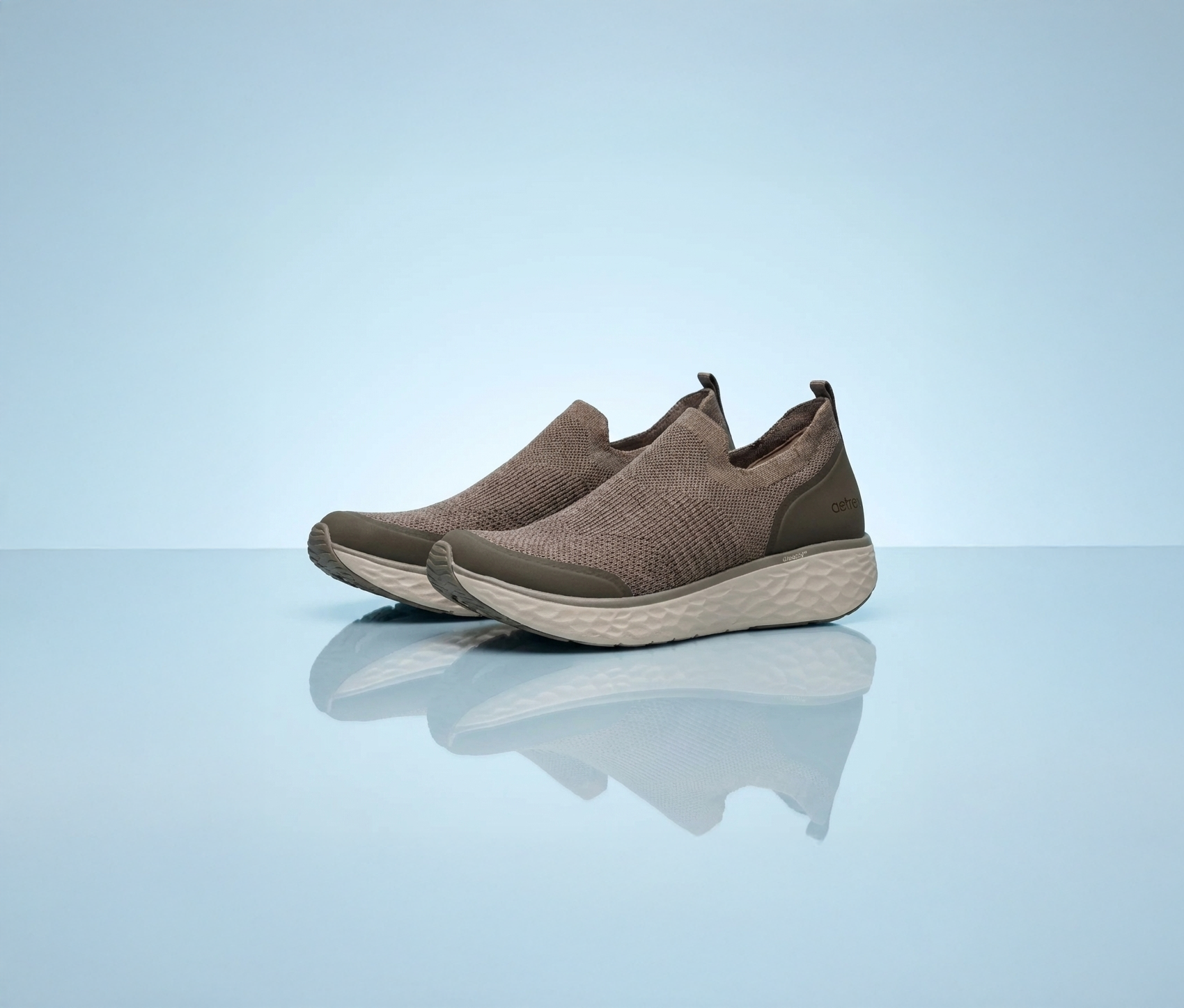
You bought a great pair of running shoes. That's a solid start. But what about the other 23 hours of your day? The truth is, walking at work or standing around at home can put just as much strain on your feet as a workout. For men with overpronation, consistent, all-day support is the key to managing discomfort and preventing pain. True relief isn't just about your athletic shoes. It's about a whole wardrobe of supportive footwear. This guide will help you find the best shoes for overpronation men for every part of your life, from the office to the weekend.
If you’ve ever felt nagging pain in your feet, knees, or even your back after a walk, the way your foot moves might be the culprit. Let’s talk about overpronation. In simple terms, overpronation is when your foot rolls too far inward as you walk or run. It’s a natural part of movement for your foot to roll inward slightly—this is called pronation, and it helps absorb shock. The trouble starts when it rolls in too much, causing your arch to flatten more than it should.
This excessive motion can throw your body’s alignment off balance, starting from the ground up. Think of your feet as the foundation of a building. If the foundation is unstable, the entire structure above it can feel the effects. Overpronation is a very common gait pattern, and it can range from mild to more severe. Understanding if you overpronate is the first step toward finding the right support to get your body back in alignment and help you move more comfortably throughout your day.
When your foot rolls inward excessively, it creates a chain reaction that travels up your leg. This misalignment can place stress on your joints and muscles, leading to a variety of aches and pains that you might not immediately connect to your feet. Common issues include shin splints, persistent knee pain, hip discomfort, and even lower back problems. On your feet, overpronation is a leading contributor to conditions like arch pain, heel pain, and plantar fasciitis. You might also feel a general sense of instability or notice your legs feel fatigued more quickly than they used to.
So, how can you tell if you’re an overpronator? A great place to start is by looking at your old shoes. Flip them over and check the wear pattern on the soles. If you see significant wear along the inside edge, especially around the ball of the foot and big toe, that’s a classic sign of overpronation. You can also try the "wet test": get your feet wet, step onto a piece of cardboard or heavy paper, and look at the footprint you leave behind. A full footprint with very little curve where your arch should be often indicates a flattened arch, which is associated with overpronation. While these are helpful clues, the best way to get a clear picture is with a professional analysis from advanced foot scanners that map your unique pressure points.
Overpronation isn’t a simple yes-or-no issue; it exists on a spectrum from mild to severe. If you have mild overpronation, you might not feel much discomfort, and a good stability shoe can provide enough support. For moderate overpronation, you’ll want footwear with more substantial features, like enhanced arch support and a firm heel counter to help control the inward roll. Those with severe overpronation often need maximum support from motion-control shoes or specialized orthotics to maintain proper alignment. Knowing where you fall on this spectrum is key to finding relief, as "Overpronation can lead to injuries like shin splints or heel pain (plantar fasciitis)." The most accurate way to understand your specific needs is through a detailed foot analysis. An Aetrex foot scan, for example, can identify your pressure points and arch type, giving you a clear picture of your gait and helping you find the perfect support. Aetrex helps to provide this support through footwear and orthotics designed with built-in arch support to help realign your body from the ground up.
Finding the right shoe when you overpronate goes beyond just picking a size and color. It’s about understanding the specific features that will support your foot’s natural movement and provide lasting comfort. The goal is to find footwear that helps to gently guide your foot into a more neutral alignment, reducing the strain on your arches, ankles, and knees.
When you start shopping, you’ll see terms like “stability,” “motion control,” and “arch support.” Knowing what these mean and how they relate to your feet is the first step toward pain-free days. The right shoe works with your body, providing a stable foundation that absorbs impact and distributes pressure evenly. This not only feels better but also helps prevent the aches and pains that can come from improper alignment. Let’s break down the key features to look for.
When you’re looking for shoes to help with overpronation, focus on designs that offer structured support. A firm heel counter—the small insert at the back of the shoe that cups your heel—is essential. It helps to lock your heel in place and prevent it from rolling inward. You should also look for shoes with a supportive midsole, often made from dense foam, especially on the inner side of the foot (the medial side). This feature, sometimes called a medial post, acts as a guardrail to slow down the rate of pronation. Aetrex’s collection of men's footwear is designed with these principles in mind, incorporating stability features directly into the shoe’s construction for reliable support.
Beyond the midsole, the overall construction of the shoe is critical. Look for a shoe with a wide, stable base, as this provides more ground contact and helps prevent your foot from tipping inward. Another key feature is torsional rigidity, which is just a technical way of saying the shoe resists twisting. You can test this by holding the shoe at the heel and toe and trying to wring it like a towel. A good stability shoe will feel stiff and resist this motion. This rigidity provides a consistent and controlled platform for your foot, which is essential for managing overpronation. Aetrex men's shoes are engineered with this structural integrity, ensuring your foot has a solid foundation with every step you take.
Many athletic shoe brands have developed their own proprietary technologies to address overpronation. These systems often use strategically placed materials of varying densities to guide the foot through a more neutral gait cycle. While these technologies can be effective, especially for running, Aetrex Helps to provide a more holistic solution with its signature arch support built directly into every pair of shoes. This approach focuses on aligning your body from the ground up, offering consistent support whether you're walking, standing, or running. Understanding your specific foot type with a tool like an Aetrex foot scanner can help you determine the level of support you truly need. Below are a few common stability technologies you might encounter.
You’ll often see shoes categorized as either “stability” or “motion control.” Motion control shoes are the most supportive option available and are typically recommended for those with severe overpronation or very flat feet. They are more rigid and work to strictly limit the foot’s inward roll. Stability shoes, on the other hand, offer a balance of support and cushioning. They are designed for mild to moderate overpronation and provide guidance without feeling overly restrictive. Many people find stability shoes to be the perfect middle ground for daily wear and activity. Aetrex shoes are engineered to provide this ideal balance, offering stability that feels both supportive and comfortable.
It’s always a letdown when your go-to shoe model gets discontinued. But instead of searching endlessly for leftover stock, focus on what made that shoe work for you. Was it a stability or motion control shoe? Understanding this category is your first clue. The next step is to identify the core support features, like a firm heel counter that kept your foot from rolling inward or a supportive midsole that guided your stride. This is where technology can be a huge help. An Aetrex foot scan provides precise data on your pressure points and arch type, giving you a blueprint for what your feet need. With this information, you can confidently explore new options. The entire collection of Aetrex men's footwear is built with these foundational support principles, making it an excellent place to start your search for a new favorite that helps to keep you comfortable and properly aligned.
Proper arch support is non-negotiable for overpronation. A supportive arch helps to keep your foot in its proper alignment, preventing the arch from collapsing and the foot from rolling too far inward. This is where Aetrex truly stands out. The signature Aetrex Arch Support is designed to provide the perfect foundation for your foot, helping to biomechanically align your body and reduce stress on your feet, ankles, and knees. Paired with premium cushioning, which absorbs shock from walking and running, this feature creates an incredibly comfortable experience. You can even find your ideal support level with the Orthotic Finder to personalize your fit.
Finding the right running shoe when you overpronate can feel like a game-changer. The proper support doesn't just make your runs more comfortable; it helps align your entire body, reducing strain on your feet, ankles, and knees. When your foot rolls inward more than it should, it creates a chain reaction that can lead to discomfort and potential injuries. That’s why stability shoes, designed specifically for overpronation, are so important. They provide the structure and support needed to guide your foot into a more neutral stride.
Think of these shoes as your running partner, working with your body to create a smoother, more efficient gait. They typically feature firmer materials along the arch side of the midsole, gentle guidance systems, and structured heel counters to keep your foot secure. We’ve looked at some of the best options available that blend support, cushioning, and performance. From shoes designed with a foundation in foot health to popular models from trusted running brands, here are the top running shoes that can help you run with more confidence and comfort.
When it comes to supporting overpronation, the Aetrex Men's Athletic Collection stands out because it’s designed with foot health as the top priority. These shoes feature the signature Aetrex Arch Support, which is strategically placed to help realign your foot and control overpronation right from the source. This built-in support, combined with premium, cushioned insoles, helps to maintain proper body alignment with every step. Aetrex Helps to provide a stable foundation, distributing pressure evenly across your feet to reduce stress not just on your arches, but on your knees and back, too. It’s a comprehensive approach that makes a noticeable difference in comfort during your runs.
Your running shoes shouldn't be the only supportive pair in your closet. The shoes you wear for walking, errands, and work have a massive impact on your foot health, especially when you deal with overpronation. The right everyday shoe provides consistent support to help manage discomfort and keep your body in alignment from the ground up.
When you’re on your feet all day, the cumulative stress can be significant. That’s why choosing daily footwear with proper stability, cushioning, and arch support is essential. From comfortable walking shoes to supportive dress shoes, finding the right pair can make a world of difference in your daily comfort and long-term joint health.
When it comes to all-day comfort, Aetrex is in a class of its own. Every pair of men's footwear is designed with signature Aetrex Arch Support built right in, which helps to stabilize your foot and align your body. This isn't just a flimsy insole; it's a comprehensive support system engineered to control overpronation. Aetrex shoes also feature a firm heel counter to keep your foot securely in place and prevent excessive inward rolling. With premium cushioning and a roomy toe box that allows your toes to spread out naturally, these walking shoes are built to provide relief and comfort from your first step to your last.
A great pair of sneakers is a wardrobe staple, but for overpronators, not just any style will do. When you’re looking for a sneaker for daily wear, prioritize features that offer stability. Look for a firm midsole that resists twisting and distributes impact evenly as you walk. Medial support, often found on the inner side of the shoe, is another key feature that helps prevent your arch from collapsing inward. A durable and supportive heel counter is also crucial for maintaining proper foot alignment throughout the day. These elements work together to create a stable base for all your daily activities, from a trip to the grocery store to a walk in the park.
Finding dress shoes that don't aggravate overpronation can be a real challenge. Many traditional styles are flat, narrow, and unforgiving, but you don't have to sacrifice comfort for a professional look. The best dress shoes for overpronation incorporate supportive features discreetly. Look for styles with built-in arch support and cushioned insoles that absorb shock. A slightly wider toe box can also prevent cramping and pressure on your forefoot. Aetrex designs its dress and casual shoes with these exact features, blending sophisticated style with the therapeutic benefits you need to stay comfortable through long days at the office or special events.
Staying active is a huge part of a healthy lifestyle, but if you overpronate, finding the right athletic shoe can feel like a challenge. Your everyday running shoes might not cut it for different activities, as sports like tennis or hiking place unique demands on your feet and ankles. The wrong shoe can lead to discomfort and even sideline you from the activities you love. That’s why it’s so important to choose footwear designed specifically for your chosen sport.
For men who overpronate, the key is finding a shoe that offers targeted support to control the inward roll of the foot. This is where Aetrex truly shines. Instead of offering a single, one-size-fits-all athletic shoe,
Aetrex's entire line of men's performance footwear is built around a foundation of wellness. For active men dealing with overpronation, the most significant feature is the built-in Aetrex Arch Support. This isn't just a basic foam insole; it's a strategically designed orthotic system that helps stabilize your foot and align your body. This level of support is especially beneficial for foot conditions often linked to overpronation, such as plantar fasciitis. By providing a more natural and supportive base, Aetrex helps to reduce stress on your feet, knees, and back during physical activity, allowing you to move with greater comfort and confidence.
Court sports like tennis, pickleball, and basketball involve constant, rapid side-to-side movements. These lateral motions can put a lot of strain on your feet, and for an overpronator, they can worsen the inward rolling of the ankle. Aetrex athletic shoes are designed to provide exceptional stability to counter these forces. The built-in arch support and firm heel counter work together to help control pronation, keeping your foot in a more neutral position during quick pivots and sprints. Plus, Aetrex pays close attention to comfort, using materials and construction techniques that prevent chafing and irritation, so you can stay focused on the match.
When you’re out on the trail, you need a shoe that can handle uneven and unpredictable terrain. For men who overpronate, the lack of a stable surface can easily lead to foot fatigue and pain. Aetrex hiking shoes and boots are engineered to provide the rugged support needed for outdoor adventures. The signature arch support is crucial for maintaining proper foot alignment on long treks, helping to prevent strain. These shoes also feature durable outsoles for reliable traction and ample cushioning to absorb the impact of every step. With Aetrex, you get the stability and comfort needed to confidently explore the great outdoors.
While many shoes offer stability, your specific needs might call for a more specialized solution. You might have wider feet that feel cramped in standard sizes, or maybe you're looking for a shoe that won't strain your budget. Some people prioritize a cloud-like, cushioned feel, while others want a shoe that feels light and nimble. Understanding these different categories is the key to narrowing down your options and finding the perfect match for your feet and lifestyle. We’ve broken down some of the top categories and highlighted standout options to help guide your decision-making process.
Finding a shoe that accommodates both a wider foot and the need for overpronation support can be a frustrating search. Many stability shoes have a standard width that can feel constricting, leading to discomfort and even bunions over time. The ideal shoe gives your toes enough room to spread out naturally while still providing a secure, stable fit through the midfoot and heel. This combination is key to achieving all-day comfort without sacrificing the control you need to keep your feet properly aligned and pain-free.
You don’t have to break the bank to get a supportive shoe, but it’s important to know what to look for. While it can be tempting to grab the cheapest option, a quality stability shoe is an investment in your long-term comfort and joint health. The key is to find a shoe that provides essential support features, like a firm heel counter and a stable midsole, at an accessible price point. These shoes offer a great entry point into the world of supportive footwear without compromising on the fundamental elements your feet need to feel good.
If you spend long hours on your feet or enjoy high-impact activities, a shoe with maximum cushioning can feel like a lifesaver. This feature is all about absorbing shock and protecting your joints from the repeated stress of walking and running on hard surfaces. For overpronators, the best cushioned shoes pair that plush softness with a stable, supportive platform. Aetrex footwear achieves this by combining its signature arch support with layers of memory foam, creating a feel that is both incredibly soft and structurally sound.
Historically, stability shoes were known for being heavy and bulky, but modern designs have changed the game. You no longer have to sacrifice a light, responsive feel to get the support you need. Aetrex focuses on using advanced, lightweight materials to build shoes that provide robust stability without weighing you down, making them ideal for all-day wear.
How the Top Men's Overpronation Shoes Stack Up
Choosing the right shoe can feel overwhelming with so many options on the market. When you’re dealing with overpronation, the stakes are even higher—you need a shoe that not only feels good but actively supports your alignment. To make your decision easier, let’s break down how some of the top contenders stack up in the areas that matter most: comfort, long-term value, and price. While every foot is unique, understanding these key differences will help you find the perfect match for your needs and lifestyle.
When it comes to all-day comfort, the right support system is everything. Aetrex designs its men's footwear with a signature arch support built directly into the shoe. This feature Aetrex helps to properly align your body and relieve pressure on your feet, knees, and back. Combined with premium cushioning, this creates a feel that is both incredibly comfortable and structurally sound.
A great pair of shoes is an investment in your daily well-being. Aetrex shoes are crafted with high-quality, durable materials designed to withstand daily wear while providing consistent support. The real long-term value comes from their focus on foot health. By wearing shoes that Aetrex helps to maintain proper alignment, you’re not just buying footwear; you’re investing in comfort that can prevent future aches and pains. This proactive approach makes Aetrex a smart choice for lasting value.
It’s true that quality footwear comes with a price tag, but you don’t have to break the bank to find good support. Aetrex offers premium value by combining advanced comfort technology with durable construction. Think of it as an investment in your health that pays off with every pain-free step. For an even more personalized and cost-effective solution, you can pair any shoe with Aetrex Orthotics to get targeted arch support.
When you’re comparing shoes, it’s helpful to look at three key factors: weight, cushioning, and cost. A lighter shoe can reduce fatigue over a long day, but it can't come at the expense of support. Aetrex strikes an impressive balance by engineering its men's footwear with substantial, built-in support that doesn't feel bulky or heavy. The ideal shoe feels light enough for all-day wear but is robust enough to provide consistent alignment and control.
Cushioning and cost are also critical. For overpronation, you need a blend of softness for comfort and firmness for stability. Aetrex integrates premium cushioning with its signature arch support, a combination that Aetrex Helps to create a feel that is both comfortable and structurally sound. While brands like ASICS are famous for plush cushioning, Aetrex focuses on a complete system that supports your entire body. In terms of price, it’s best to view your shoes as an investment in your well-being. Aetrex provides excellent long-term value with durable materials and a design focused on foot health, making it a smart choice for daily comfort.
When you're dealing with foot pain, you'll hear a lot of advice—some good, some not so good. Finding the right shoes for overpronation can feel confusing, especially with so many myths floating around. Let's clear up a few common misconceptions so you can make an informed choice for your feet and find lasting comfort.
It seems logical, right? If your foot rolls inward too much, you should get the most supportive shoe you can find to stop it. But that’s not always the best approach. Forcing your foot into a rigid, overly-supportive shoe can sometimes interfere with your natural stride. The goal is to guide your foot, not lock it in place. Some people with overpronation actually do better with a shoe that offers a balance of support and flexibility. Aetrex helps to achieve this by designing men's footwear with built-in arch support that aligns your body from the ground up without being overly restrictive, promoting a more comfortable and natural gait.
You might have seen the "wet test" online, where you step on paper to see your footprint. While it can give you a hint about your arch type, it doesn't tell the whole story about your foot mechanics when you're moving. To truly understand if you overpronate, getting a professional opinion is your best bet. A specialist can perform a gait analysis to see how your feet and ankles move when you walk or run. For a data-driven look at your feet, Aetrex’s advanced foot scanners can provide a precise 3D measurement and identify your pressure points. This information is key to finding the right support for your unique needs.
Finding the right shoe when you have overpronation goes beyond just picking your size off the shelf. It’s about understanding the unique mechanics of your feet and how they move. A shoe that fits perfectly is one that supports your specific arch type, aligns your stride, and provides comfort where you need it most. Think of it as creating a personalized support system for your feet. When you get the fit right, you’re not just buying a new pair of shoes; you’re investing in your overall comfort and well-being, from the ground up. Taking a few extra steps to ensure a proper fit can make a world of difference in how you feel every day.
The best way to start your search for the perfect shoe is to get a professional assessment. A gait analysis, which observes how your body moves as you walk or run, can reveal your specific pronation pattern. Identifying your pronation type is essential for finding shoes that offer the right kind of support and help prevent discomfort. Instead of guessing, you can get precise data about your feet with an Aetrex foot scan. This advanced technology maps your pressure points and determines your arch type in seconds, giving you a clear picture of what your feet need to feel their best.
Instead of relying on guesswork, Aetrex offers a data-driven solution to find your perfect fit. The company’s advanced foot scanning technology provides a precise 3D measurement of your feet, identifying your unique pressure points and arch type in just seconds. This isn't just a simple size measurement; it's a comprehensive analysis of your foot's structure and how you distribute pressure when you stand. This detailed information is the key to finding the right footwear and orthotics to support your specific needs, especially when dealing with overpronation. It takes the trial-and-error out of shoe shopping and replaces it with personalized data, ensuring you get the ideal support for your body’s alignment right from the start.
The shoes you wear for a morning run require different features than the ones you wear to the office. When you’re looking for athletic shoes, you’ll want to focus on features like strong medial support to guide your foot, a firm midsole to absorb impact, and a solid heel counter to keep your foot stable. For daily wear, you might prioritize cushioning and flexibility. Aetrex offers a wide range of men's footwear designed for various activities, ensuring you get the right support whether you're on the trail, at the gym, or walking around town. Always test shoes with the activity in mind to ensure they feel right in motion.
Sometimes, even the most supportive shoes can benefit from an extra layer of personalized comfort. If you have significant overpronation or just want to fine-tune your fit, adding an orthotic can provide targeted arch support and cushioning right where you need it. Aetrex helps to align your stride and distribute pressure more evenly across your feet with premium Aetrex Orthotics. These aren't your standard drugstore inserts; they are designed with signature arch support to provide balance and relief. Not sure which one is right for you? The Orthotic Finder tool can help you identify the perfect match for your foot type and lifestyle.
When you're searching for the best shoes for overpronation, it helps to look past the marketing buzz and focus on real-world performance. This is where independent testing comes in. Organizations like RunRepeat provide valuable, unbiased reviews by putting shoes through rigorous evaluations. They purchase all the shoes themselves to ensure their opinions aren't influenced by brands, and they use runners who actually overpronate to test the footwear. By measuring dozens of different data points, from stability features to midsole softness, these lab tests offer an objective look at how a shoe will actually perform. This data-driven approach cuts through the noise, helping you make a choice based on proven facts rather than just promises.
Stability shoes are specifically engineered to provide the support needed for individuals who overpronate, and their design is grounded in biomechanical science. The core feature of these shoes is robust, built-in arch support that helps to align the body and prevent the excessive inward rolling of the foot. This is essential for reducing the risk of discomfort and injuries associated with overpronation. A supportive arch keeps the foot in its proper position, preventing it from collapsing and ensuring a more neutral stride. This is the principle behind every pair of Aetrex shoes. The signature Aetrex Arch Support is designed to provide a stable foundation that absorbs impact and distributes pressure evenly, which Aetrex helps to reduce strain on your feet, knees, and back.
Once you’ve identified the features you need, the next step is finding the right place to shop. The experience of buying shoes has changed a lot, and you have more options than ever. Deciding between clicking "add to cart" and visiting a brick-and-mortar store can be tough, but both have their perks. The key is to find a shopping method that gives you confidence in your purchase, especially when you’re investing in footwear to support your health.
A great strategy is to combine the best of both worlds. You can get a professional foot scan in-store to understand your unique foot profile and arch type. Armed with that data, you can then shop online with a much better idea of what will fit and feel good, opening up a wider world of styles and sizes that might not be available locally. This approach helps you make an informed decision, whether you buy on the spot or from the comfort of your home.
When you buy directly from Aetrex, you’re getting your shoes straight from the source. This ensures you have access to the latest styles, the widest range of sizes and widths, and the most current footwear technology designed to help with overpronation. You won’t have to wonder if you’re looking at last season’s model; you’ll see the newest and best options available.
Plus, purchasing directly often comes with a satisfaction guarantee. This allows you to try the shoes in your own environment, risk-free. If they aren’t the perfect fit for your feet and your lifestyle, you have a straightforward return process. This peace of mind is invaluable when you’re investing in supportive footwear to keep you comfortable and moving well all day long.
How can I be certain that I overpronate? While checking the wear pattern on your old shoes is a great starting point, the most reliable way to know for sure is to get a professional analysis. A gait analysis, where an expert watches you walk or run, can reveal how your foot moves. For an even more precise look, an Aetrex foot scan provides a detailed 3D map of your feet, showing your specific pressure points and arch type, which takes all the guesswork out of the equation.
Do I need to buy special shoes, or can I just add an insert to my current ones? This really depends on your current shoes and the level of support you need. If your shoes are already worn out or lack a stable structure, an insert won't be able to do its job effectively. Shoes with built-in support, like those from Aetrex, are designed as a complete system to provide stability. However, if you have a pair of shoes you love that are still in good shape, adding a high-quality orthotic can be a fantastic way to get that necessary arch support and alignment.
Will supportive shoes for overpronation feel stiff or uncomfortable? This is a common concern, but modern supportive shoes are designed to balance stability with comfort. The goal isn't to lock your foot into place but to gently guide it into a more natural alignment. A well-designed shoe will use features like a firm heel counter and supportive midsole in combination with premium cushioning. You should feel supported and stable, not restricted.
I have flat feet. Does that automatically mean I overpronate? Not necessarily, though the two often go hand-in-hand. Having flat feet, or fallen arches, means your entire sole touches the ground when you stand. This structure can make you more prone to overpronation, which is the excessive inward rolling motion when you walk or run. It's the motion, not just the foot shape, that causes strain. That's why understanding your specific gait is so important for finding the right support.
How often should I replace my supportive shoes? The lifespan of your shoes depends heavily on how often you wear them and for what activities. For running or athletic shoes you use regularly, a general guideline is to replace them every 300-500 miles. For everyday walking shoes, pay attention to signs of wear. If the cushioning feels compressed, the tread is worn down, or you start to feel aches and pains returning, it's likely time for a new pair to ensure you're getting consistent support.
Share:
The Best Running Shoes for Nurses & Long Shifts
5 Best Insoles for Overpronation Running