

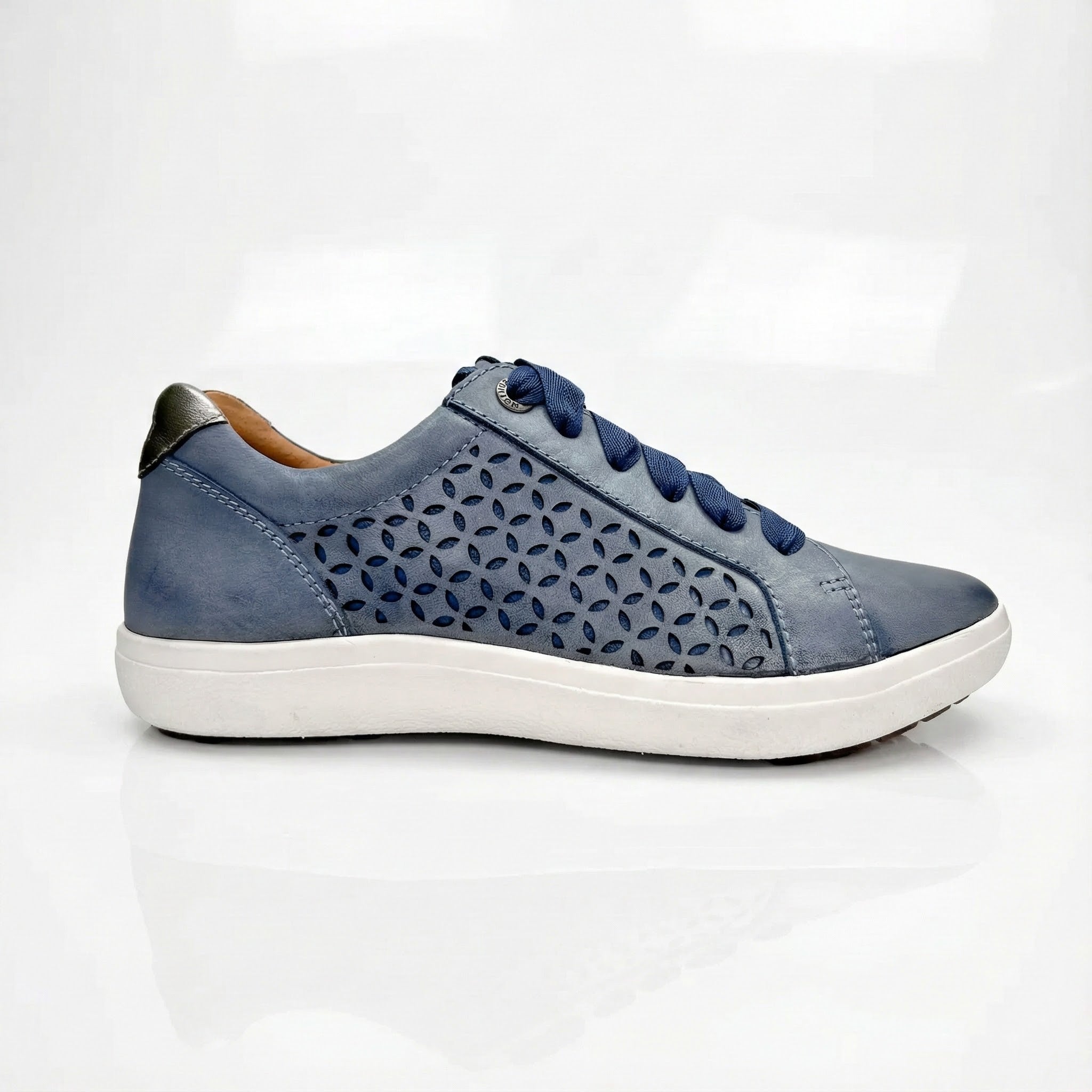
You no longer have to choose between a clunky orthopedic shoe and a stylish but painful one. Thankfully, those days are over. Modern footwear technology has transformed what’s possible, blending supportive design with styles you'll actually want to wear. The best shoes for arthritic feet are engineered with a few key goals: to absorb shock, align your body, and distribute pressure away from sensitive areas. It’s a science, really. Understanding the most important features—like signature arch support and advanced cushioning—is the first step toward finding a pair that gives you lasting comfort. We'll explain what to look for so you can make an informed choice.
When you're living with arthritis, a simple walk can feel like a major challenge if you don't have the right footwear. The ideal walking shoe does more than just cover your feet; it acts as a support system that can make movement more comfortable. Finding that perfect pair means looking for a few key features that are specifically designed to address the needs of sensitive, painful joints. It’s not about finding a shoe that just looks good, but one that feels incredible and supports you from the ground up. A great walking shoe for arthritis combines superior support, strategic cushioning, and a forgiving fit to reduce stress on your body with every step. These elements work together to absorb impact, promote proper alignment, and prevent the kind of pressure that can turn a pleasant walk into a painful one. Think of your shoes as the foundation for your entire body—when they’re right, everything else feels better. From the materials used in the sole to the shape of the toe box, every detail contributes to your overall comfort and mobility. Let's walk through the essential elements that make a shoe truly great for arthritic feet, so you can get back to moving with confidence.
Diving into the world of supportive footwear can feel a bit technical, but understanding a few key design elements can empower you to find the perfect pair. It’s not just about soft cushioning; it’s about the shoe's entire structure working in harmony to support your feet and joints. Features like a shoe's stiffness, its internal support system, the shape of its sole, and even the feel of its interior lining all play a critical role in providing comfort and stability. When these elements are engineered correctly, they can significantly reduce the strain on arthritic feet. Aetrex focuses on this holistic approach, ensuring every component of our women's and men's shoes is designed with your comfort and alignment in mind.
When you're dealing with arthritis, you want a shoe that provides stability without feeling like a brick. The key is finding a shoe that is firm through the middle but bends where your foot naturally flexes—at the forefoot. This proper flex point allows for a smooth, natural walking motion while the shoe's overall rigidity prevents excessive twisting and strain on sensitive midfoot joints. A shoe that bends in the middle lacks the necessary structure and can actually worsen pain. Aetrex helps to create this ideal balance by engineering footwear that offers robust support through the arch and midfoot, while ensuring flexibility at the ball of the foot for an efficient and comfortable stride.
Think of a shank as the hidden backbone of your shoe. It’s a firm piece of material, often steel or composite, built into the sole between the heel and the ball of the foot. This small but crucial component provides structural integrity, preventing the shoe from bending or twisting in the arch area. For individuals with arthritis, a supportive shank is essential because it helps to distribute weight more evenly across the foot, relieving pressure on the painful midfoot area. This added stability is a cornerstone of well-designed supportive footwear and is integral to how Aetrex orthotics and shoes are constructed to guide your foot and maintain proper alignment.
If you experience pain in the front of your foot or your knees, a rocker-bottom sole can be a game-changer. This feature involves a curved, thicker-than-normal sole that helps your foot roll forward smoothly from heel to toe as you walk. This rolling motion mimics a natural gait and significantly reduces the amount of pressure placed on the ball of the foot and the stress on your knee joints. It essentially does some of the work for your foot, allowing for a more fluid and less painful walking experience. Many find this design incredibly helpful for maintaining mobility and walking longer distances with greater comfort.
What’s on the inside of your shoe is just as important as the outside, especially for sensitive, arthritic feet. Rough seams, stitching, or abrasive materials can easily cause rubbing and irritation, leading to blisters or sores. That's why it's so important to look for shoes with soft, padded, and seamless interiors. This thoughtful design detail ensures a gentle, non-irritating environment for your feet, which is crucial for all-day comfort. Aetrex prioritizes this by using soft, breathable linings in our footwear to prevent friction and accommodate sensitive areas, ensuring that your shoes feel as good as they look, from the inside out.
Think of cushioning as your personal shock absorber. With every step you take, your feet and joints absorb the impact from the ground. For someone with arthritis, this impact can translate directly into pain. Superior cushioning helps to soften that blow, reducing stress on your ankles, knees, and hips. Materials like memory foam and advanced EVA foam are designed to absorb shock and distribute pressure evenly. This is why Aetrex helps to incorporate premium, dual-density outsoles in our women's footwear to provide pressure relief and absorb shock. The right amount of cushioning can make the difference between a painful stroll and a pleasant walk.
Proper alignment is fundamental to comfortable movement, and it all starts with your arches. Signature arch support helps to stabilize your body, distribute weight correctly, and prevent your foot from rolling inward or outward. When your foot is properly supported, it reduces strain not just on your feet but on your entire body. A stable shoe with a firm heel counter also holds your foot securely, preventing excess motion that can aggravate arthritic joints. All Aetrex shoes feature our signature built-in arch support, which is strategically placed to help align your body and provide the stability you need for every step.
Arthritis can often lead to swelling or changes in foot shape, like bunions or hammertoes. A shoe with a narrow, constricting toe box will only make things worse by squeezing and putting pressure on sensitive areas. Look for walking shoes with a roomy, rounded, or square toe box. This gives your toes plenty of space to spread out naturally, which improves circulation and prevents painful friction. A wider area for your toes is a non-negotiable feature for all-day comfort, allowing you to walk without the pinching and discomfort that can cut your activities short.
Beyond just width, the depth of the toe box is crucial, especially if you experience swelling or use custom orthotics. A deep toe box provides extra vertical space, preventing pressure on the tops of your toes and accommodating conditions like hammertoes. Paired with forgiving, stretchy materials, this feature creates a truly adaptive fit. Materials like stretch-knit uppers conform to the unique shape of your foot, expanding comfortably as your feet swell throughout the day. Aetrex helps to design footwear with these exact needs in mind. Many of our walking shoes are crafted with stretchable fabrics and engineered with added depth, ensuring they can accommodate orthotics and provide a pressure-free environment for sensitive feet.
A shoe that fits perfectly in the morning might feel tight by the afternoon, especially if you experience swelling. That's why an adjustable fit is so important. Features like laces or hook-and-loop straps allow you to customize the fit throughout the day, ensuring your shoes are always snug but never constricting. A secure fit also means your foot is held firmly in place, so you won't have to grip with your toes to keep your shoes on. This prevents unnecessary strain on the small joints in your feet and provides a stable base for walking with confidence.
Heavy, rigid shoes can feel like you're dragging weights on your feet, which adds extra strain to sore joints and can quickly lead to fatigue. A great walking shoe should be lightweight, making it feel like a natural extension of your foot. It also needs the right amount of flexibility. The sole should bend at the ball of the foot to allow for a natural walking motion, but it shouldn't be so flimsy that it lacks support. This balance is key, as it allows your foot to move as it should while still providing the structure needed to protect your joints.
Not all arthritis is the same, and the type you have can influence the specific features you need in a walking shoe. While the core principles of support and cushioning apply across the board, understanding the nuances can help you find the perfect pair for your feet. Aetrex helps to provide relief by designing footwear that addresses the distinct challenges of different arthritic conditions, ensuring you get targeted comfort where you need it most.
Osteoarthritis, often called "wear-and-tear" arthritis, breaks down the cartilage in your joints. For your feet, this means you need shoes that can absorb shock and reduce stress on your joints with every step. Look for footwear with excellent cushioning to soften the impact, strong arch support to distribute your weight evenly, and a wide toe box. A roomy toe area gives your toes space to splay naturally and can accommodate any swelling that occurs throughout the day. Aetrex’s line of women's footwear is designed with these exact features in mind, combining plush cushioning with our signature arch support to help ease discomfort.
Rheumatoid arthritis (RA) is an autoimmune condition that can cause painful inflammation and swelling in the joints, sometimes leading to changes in foot shape. When shopping for shoes, prioritize styles with thick, cushioned midsoles and moderate flexibility. A sole that isn't overly stiff can move more naturally with your foot. It’s also a great idea to look for shoes with removable insoles. This feature allows you to insert your own custom orthotics or try a pair of Aetrex’s specialized orthotics for personalized support that accommodates the unique needs of your feet.
Posttraumatic arthritis can develop after a foot or ankle injury. The main goal here is to find a shoe that provides a perfect blend of cushioning, stability, and arch support to protect the injured joint from further stress. A stable shoe helps control motion and prevents your foot from rolling inward or outward, which can aggravate the affected area. Aetrex helps to deliver this crucial balance in our men's footwear, which is engineered to support proper alignment and absorb shock, giving you the confidence to walk comfortably and securely.
Finding the right brand is a huge step toward happy feet. While many companies focus on a single feature, like cushioning or stability, the best brands for arthritis offer a thoughtful combination of support, comfort, and adjustability. When you’re dealing with joint pain, you need a shoe that works with your foot, not against it. We’ve rounded up some of the top brands that consistently deliver on the features that matter most for people with arthritis, starting with our top choice for technology-driven comfort.
Aetrex stands apart by integrating advanced technology and premium materials to create the ultimate walking experience. Every pair of women's and men's footwear is designed with a signature Aetrex Arch Support built right in. This isn't just a generic foam insert; it's a strategically placed support system that Aetrex Helps to biomechanically align your body and relieve pressure on your feet, knees, and back.
What truly sets Aetrex apart is its commitment to a personalized fit. Using their innovative foot scanning technology, you can get a precise map of your foot’s unique pressure points and arch type. This data-driven approach ensures you find a shoe that provides targeted cushioning and support exactly where you need it, making Aetrex an exceptional choice for managing arthritis-related foot pain.
Aetrex helps to alleviate arthritis pain by focusing on two key areas: biomechanical alignment and personalized support. The signature Aetrex Arch Support, which is built into every shoe, is designed to properly align your body from the ground up. This strategic support helps to distribute pressure evenly across your feet, which can reduce the strain on your sensitive joints, including your knees and back. What makes Aetrex a standout choice is the use of its innovative foot scanning technology. This tech provides a detailed map of your unique foot profile, identifying your specific arch type and pressure points. This allows you to find a shoe that offers targeted cushioning and support precisely where you need it most, creating a truly customized comfort experience.
If you feel every single step in your joints, Hoka might be a brand to consider. They are widely known for their maximalist approach to cushioning, which is designed to absorb significant impact and reduce the pressure on your joints. Models like the Hoka Clifton and Bondi are often recommended for their plush, cushioned feel combined with a stable base, which can be beneficial for those with arthritis. The thick midsoles create a soft landing that helps to minimize the shock that travels up your body with each step, making them a popular choice for walkers who prioritize a cloud-like feel underfoot.
Vionic is another brand that builds its footwear around a foundation of support. With a design philosophy rooted in podiatry, Vionic shoes feature a built-in orthotic that provides arch support and stability. This design aims to help control over-pronation (the inward rolling of the foot) and promote a more natural alignment. By stabilizing the foot, Vionic shoes can help reduce the strain on the joints in the feet, ankles, and knees. For individuals with arthritis who need a structured and supportive shoe to feel secure, Vionic offers a range of styles that are crafted to deliver both comfort and stability.
Brooks is a running brand that has earned a strong reputation for foot-friendly designs, with many of their shoes receiving the American Podiatry Medical Association (APMA) Seal of Acceptance. This seal means that podiatrists have reviewed the shoes and found that they promote good foot health. For those with arthritis, this is a significant endorsement. Brooks shoes are often praised for their excellent cushioning, which softens the impact on your joints with every step. They also focus on providing solid arch support to distribute weight evenly and offer wide toe boxes to accommodate swelling or bunions.
New Balance has long been a go-to for walkers who need reliable stability and a variety of width options. Finding a shoe that fits properly is critical when you have arthritis, as a tight fit can worsen pain and pressure. New Balance is well-known for offering its popular styles in multiple widths, from narrow to extra-wide, ensuring you can find a secure yet non-restrictive fit.
If you prioritize a soft, pillowy feel underfoot, Skechers is a brand worth considering. Known for their lightweight construction and memory foam insoles, Skechers shoes provide immediate, step-in comfort that can feel great on sore, arthritic feet. While they may not always offer the same level of structured, biomechanical support as other brands, their generous cushioning is excellent for absorbing shock and reducing the jarring impact of walking on hard surfaces.
Clarks has built a legacy on creating comfortable, durable, and practical footwear. For decades, they have been a trusted name for anyone seeking shoes with orthopedic-friendly features. Many of their designs include soft leather uppers that mold to your foot, cushioned footbeds, and flexible, shock-absorbing outsoles. While they offer a wide range of styles, their walking shoes often feature a roomy fit and adjustable closures like laces or straps, which are ideal for accommodating arthritic feet that may swell throughout the day. Their classic approach to comfort makes them a reliable choice for everyday wear.
When you're looking for tried-and-true options, SAS (San Antonio Shoemakers) and Easy Spirit are two names that often come up in conversations about comfort. These brands have a long history of creating footwear that people with sensitive feet rely on. SAS shoes are well-regarded for their cushioned footbeds and focus on stability, often including adjustable straps that are perfect for accommodating swelling. Similarly, Easy Spirit is known for its lightweight designs that feature soft cushioning and flexible soles, making them an easy choice for daily wear. According to the Arthritis Foundation, features like these are essential for managing foot pain. Both brands typically offer the roomy toe boxes and adjustable fits that are so crucial for arthritic feet, making them classic choices for reliable comfort.
The right pair of shoes can make a world of difference, but the "right" pair for a morning walk might not be the best for a long day at work. Your activities change, and your footwear should, too. Matching your shoes to your plans is a powerful way to manage arthritis-related foot pain and stay comfortable. Let's look at what features to prioritize for different situations.
Heading out for a walk is a fantastic, low-impact way to stay active, but it’s essential to have the right support. When you’re moving, your feet need a shoe with excellent stability to keep joints aligned and plenty of cushioning to absorb impact. Aetrex helps to provide this with walking shoes designed with built-in arch support for proper alignment and superior cushioning to reduce stress on your feet and joints. A firm heel counter and a flexible sole are also key for a protected, comfortable walk.
When you're looking at athletic shoes, you'll often see the terms "stability" and "neutral." It might sound like technical jargon, but understanding the difference is a game-changer, especially when you're managing arthritis. These two types of sneakers are built for different foot mechanics, and choosing the right one can have a huge impact on your comfort and mobility. It’s all about finding a shoe that works with your body’s natural movement, not against it, to help reduce strain on your sensitive joints from the ground up.
Stability sneakers are designed for people whose feet tend to roll inward a bit too much with each step—a motion called overpronation. This can throw your body out of alignment and add stress to your ankles, knees, and hips. Stability shoes have features like firmer midsole support to gently guide your foot into a more neutral position. This controlled motion is incredibly helpful for arthritic joints because it creates a more stable foundation for your entire body. Aetrex helps to achieve this kind of support with our built-in signature arch support, which is designed to promote proper alignment.
On the other side, you have neutral sneakers. These are best for people who have a more balanced, or "normal," foot pronation, where the foot doesn't roll excessively inward or outward. Neutral shoes focus on providing great shock absorption and a flexible feel, allowing your foot to move naturally. They often have a more uniform midsole density and are a fantastic option if you use specialized inserts. Because they provide a great cushioned base, they are easily paired with orthotics to add targeted arch support where you need it most.
So, how do you choose? It really comes down to your personal foot mechanics. If you notice your ankles rolling in or experience pain in your knees and hips after walking, a stability shoe might offer the support you need. If you're unsure about your pronation style, getting a clear picture of your foot's pressure points and arch type is the best next step. An Aetrex foot scan can provide a detailed analysis to help guide you toward the right type of shoe for your unique needs.
Standing for hours at work or while running errands puts a lot of strain on arthritic feet. The key is finding shoes with supportive cushioning to distribute pressure evenly. A wider toe box is also crucial to prevent cramping and give your toes space. Many of the best shoes for standing have a "rocker bottom" sole, which is curved to ease pressure on the ball of your foot. Aetrex helps to provide this kind of relief with footwear for metatarsalgia designed to unload pressure and keep you comfortable.
For your day-to-day activities, you need a shoe that feels like it was made for you. The best everyday shoes for foot pain offer a perfect blend of soft cushioning, reliable arch support, and stability. Plush cushioning is vital to absorb shock with every step, reducing pressure on sensitive joints. Aetrex integrates its signature arch support and premium memory foam into a wide range of casual styles, from sneakers to sandals. This ensures you get consistent comfort and alignment, no matter what your day holds.
Living with arthritis doesn't mean you have to give up your favorite shoe styles. Whether you need a professional look for the office, a breezy sandal for a warm day, or a sturdy boot for colder weather, there are comfortable and supportive options available. The secret is knowing which features to look for in each type of shoe. It’s all about making smart choices that prioritize your joint health without forcing you to sacrifice your personal style. By focusing on key design elements like heel height, strap placement, and adjustability, you can build a versatile shoe wardrobe that keeps you feeling great no matter the occasion.
Finding a dress shoe that looks sharp and feels good can seem like an impossible task, but it’s entirely achievable. For women, the key is to avoid high, narrow heels that concentrate pressure on the front of your foot. Instead, look for styles with a broad, stable heel or a wedge, keeping the height to a maximum of two inches. A roomy toe box is also essential to prevent squeezing sensitive joints. Aetrex helps to combine professional style with all-day comfort in our collection of women's footwear, offering elegant options with built-in arch support and superior cushioning, so you never have to choose between looking and feeling your best.
Warm weather calls for sandals, but many styles lack the support your feet need. Steer clear of flimsy flip-flops and instead choose sandals with plenty of straps to hold your foot securely. An ankle strap is particularly helpful because it prevents your foot from sliding around and stops your toes from gripping the footbed, which can cause strain. Aetrex helps to redefine what a comfortable sandal can be by building our signature arch support and plush memory foam cushioning into every pair. With adjustable straps and contoured footbeds, our sandals provide the stability and pressure relief you need to enjoy the sunshine in comfort.
A great pair of boots should keep you warm, stable, and comfortable. Look for styles with a fitted ankle for better support and a chunky or wedge heel instead of a completely flat sole, which often lacks support. Soft materials around the top of the boot can prevent irritation, while adjustable features like laces or side zippers make them easier to put on and take off—a big plus when dealing with stiff joints. Aetrex helps to design boots that are not only stylish but also engineered for foot health, featuring built-in arch support, shock-absorbing materials, and thoughtful details that make them a perfect choice for cold-weather comfort.
Finding the right walking shoe when you have arthritis can feel like a game-changer for your daily comfort. But sometimes, knowing what not to do is just as important as knowing what to look for. Steering clear of a few common footwear traps can make a world of difference in managing joint pain and staying active. Let’s walk through the mistakes to avoid so you can make smarter choices for your feet.
We’ve all been tempted by a stylish shoe that wasn’t exactly built for comfort. While it’s great to love how your shoes look, choosing them based on appearance alone can unfortunately worsen joint pain. Shoes without proper structure or cushioning force your feet and joints into unnatural positions, adding stress where you need it least. The good news is you don’t have to choose. Brands like Aetrex focus on creating supportive women's footwear and men's footwear that is also stylish, proving that you can have the best of both worlds.
As tempting as they are for different occasions, traditional flip-flops and high heels are among the worst offenders for arthritic feet. Most flip-flops offer zero arch support and no stability, which can affect your balance and put a strain on your joints. High heels pitch your weight forward, placing immense pressure on the balls of your feet and altering your posture. Instead of these extremes, look for sandals with built-in arch support and a secure fit to give you that open-air feel without sacrificing the stability your feet need.
While the rule of thumb is to steer clear of traditional flip-flops, the conversation gets a bit more interesting when it comes to knee osteoarthritis. Some research suggests that the flat, flexible nature of flip-flops, which mimics walking barefoot, could potentially reduce stress on the knee joint. But before you make them your go-to, it's important to weigh this against the significant downsides. These simple sandals offer virtually no arch support, which is essential for keeping your body properly aligned and can lead to pain in your feet, hips, and back. They also lack stability, which can increase your risk of a fall. A far better solution is to opt for supportive sandals that give you that breezy, open-air feel without sacrificing the critical arch support and cushioning your joints depend on.
Your favorite walking shoes might still look good on the outside, but their inner support system has a definite lifespan. The cushioning and stability features inside a shoe break down with use—typically after 300 to 500 miles of walking. Continuing to wear them past this point is like driving on bald tires; you’re not getting the protection you need, which can lead to increased foot pain and discomfort. Make a habit of checking your shoes for wear and replacing them regularly to ensure you’re always getting proper support.
There is no single shoe that works for everyone because every foot is unique. Factors like your arch height, foot width, and specific conditions like metatarsalgia or flat feet determine what kind of support you need. Wearing a shoe that doesn’t match your foot’s specific profile can cause discomfort and worsen existing issues. The best way to understand your needs is to get a precise measurement of your feet. Technologies like Aetrex’s foot scanners can analyze your unique pressure points and arch type, helping you find a shoe that feels like it was made just for you.
When your feet hurt, it’s natural to reach for the softest, most pillowy shoe you can find. However, shoes that are overly soft often lack the firm structure needed to properly support arthritic feet. While cushioning is crucial for shock absorption, it needs to be balanced with a stable foundation that guides your foot and prevents it from rolling inward or outward. Aetrex helps to achieve this balance by combining plush cushioning with signature orthotics that provide essential arch support, giving you both comfort and stability in every step.
Finding the right walking shoe when you have arthritis can feel like a quest, but it doesn't have to be complicated. The key is to shift your focus from what looks good to what feels good and provides the specific support your feet need. A perfect fit goes beyond just the length and width; it’s about how the shoe accommodates your unique foot shape, arch type, and pressure points. When you find that ideal match, it can make a world of difference in your daily comfort and mobility.
Think of your shoes as a foundation. A weak foundation can cause issues all the way up your body, from your ankles to your knees, hips, and back. For those with arthritis, this is even more critical, as joint pain can be easily aggravated by improper footwear. The right pair of shoes works with your body, absorbing shock, providing stability, and allowing your feet to function naturally without pain. Taking a few extra steps to ensure you get the right fit is an investment in your overall well-being. Below are some practical tips to guide you toward finding shoes that feel like they were made just for you.
One of the best first steps you can take is to get a detailed picture of your feet. A professional foot scan can reveal your precise size, arch type, and pressure points you might not even be aware of. This data is incredibly valuable because it takes the guesswork out of shoe shopping. Instead of just trying on pair after pair, you can shop with a clear understanding of what your feet truly need. Aetrex offers state-of-the-art foot scanners at various retail locations that provide a comprehensive analysis in minutes, helping you find the perfect footwear and orthotics for your specific needs.
Have you ever bought a pair of shoes that felt great in the store, only to find them uncomfortably snug by the end of the day? This happens because our feet naturally swell as the day goes on, especially for individuals with arthritis. To get the most accurate fit, try to shop for shoes in the late afternoon or evening. This ensures you’re trying them on when your feet are at their largest. By doing this, you’ll find a pair that remains comfortable from morning to night, accommodating any swelling without pinching or crowding your feet.
When you’re trying on a potential new pair of shoes, give them a thorough test run. Wear the same type of socks you’d typically use and walk around the store for a few minutes. Pay close attention to how they feel. Is there enough room in the toe box for your toes to wiggle freely? Does your heel slip, or is it held securely? Check for supportive features like signature arch support and ample cushioning, which are hallmarks of Aetrex’s women’s footwear. A great walking shoe should feel comfortable and supportive right out of the box, with no “breaking in” period required.
Here’s a simple yet effective way to check if a shoe is wide enough, especially if you can't tell just by trying it on. If the shoe has a removable insole, take it out and stand on it. Do the sides of your foot hang over the edges of the insole? If they do, the shoe is likely too narrow for you. This simple test gives you a clear visual of how your foot will sit inside the shoe. For shoes without removable insoles, you can trace your foot on a piece of paper and place the shoe over the tracing. This method ensures you’re getting the space you need to prevent painful squeezing and pressure, which is essential for arthritic feet. This is a key reason Aetrex helps to design many of its shoes with removable footbeds, making it easy to check the fit or insert your own custom orthotics for personalized comfort.
Sometimes, even the most supportive shoes need a little extra help to provide relief for persistent foot pain. If you’ve found a great pair of shoes but still feel like you need more targeted support, it might be time to consider orthotics. These inserts are designed to provide an additional layer of cushioning and alignment. Aetrex helps to relieve pain with a range of orthotics designed for various foot conditions. Look for shoes with removable insoles, which makes it easy to add an orthotic for a more customized fit that addresses your specific pain points.
Can the right shoes really help with pain in my knees and back, not just my feet? Absolutely. Think of your feet as the foundation of your body. When they aren't properly supported, it can throw your entire body out of alignment, causing a chain reaction of stress on your ankles, knees, hips, and even your lower back. A shoe with proper arch support, like the kind Aetrex helps to build into every pair, works to align your body from the ground up. This can significantly reduce the strain on other joints, often leading to relief in areas you might not have expected.
What's more important for arthritic feet: super soft cushioning or firm support? This is a great question because it highlights a common point of confusion. The truth is, you need a balance of both. While plush cushioning feels wonderful and is essential for absorbing the shock of each step, it can't do the job alone. Firm, structured support is what provides stability and keeps your foot in its proper position, preventing the kind of excess motion that can aggravate sore joints. A shoe that is only soft may not give you the foundation you need for comfortable movement.
How do I know when it's time to replace my walking shoes? Even if your shoes still look great on the outside, their internal support structure wears down over time. A good rule of thumb is to replace them every 300 to 500 miles, but it's also important to pay attention to how they feel. If you notice the cushioning feels flat or you're starting to feel more aches after your walks, it's likely time for a new pair. You can also check for visible wear on the outsole tread or press your thumb into the midsole—if it feels compressed and doesn't spring back, the support is gone.
Are all orthotics the same? How do I know if I need them? Not at all. Many over-the-counter inserts are simply soft cushions that don't offer any real structure. High-quality orthotics, on the other hand, are designed to provide specific biomechanical support to help with alignment and pressure relief. If you've found a good pair of walking shoes but still experience discomfort in specific areas, adding an orthotic could provide that next level of personalized support. Aetrex helps to relieve pain with a range of orthotics designed for different arch types and foot conditions.
My feet tend to swell during the day. How can I find a shoe that fits comfortably all the time? Dealing with swelling is a common challenge, but the right features can make a huge difference. First, always try on new shoes in the late afternoon when your feet are at their largest. Second, look for shoes with adjustable closures, like laces or hook-and-loop straps. This allows you to customize the fit as your needs change throughout the day, ensuring your shoes are secure without ever feeling too tight. A roomy toe box is also essential to give your toes space and prevent painful pinching.
While the right pair of walking shoes is your first line of defense against joint pain, managing arthritis effectively is about more than just footwear. It’s a holistic approach that involves understanding your body, recognizing your limits, and making smart choices throughout your day. Think of it as building a complete support system for your well-being. Small, consistent habits and being mindful of how your daily activities affect your joints can make a significant impact on your comfort levels, helping you stay active and engaged in the things you love without paying for it later with a painful flare-up.
This proactive mindset is all about giving you more control. It starts with identifying the specific things that can trigger your arthritis pain, from overdoing it on a busy day to something as simple as a change in the weather. Once you know what to look out for, you can take steps to avoid or prepare for those challenges. Additionally, a world of helpful accessories and simple tools can provide extra support and make daily tasks less strenuous. By combining the foundation of great footwear with these practical strategies, you can create a comprehensive plan for managing your comfort and living more freely.
An arthritis flare-up can feel like it comes out of nowhere, but often there are specific triggers that set it off. According to the Arthritis Foundation, some of the most common culprits include overdoing an activity, repetitive motions, stress, and even changes in barometric pressure. Gaining weight or experiencing an infection can also contribute to a flare. The key is to become a detective for your own body. Start paying attention to what you were doing or what was happening in the 24 to 48 hours before your pain increased. Keeping a simple journal can help you spot patterns, empowering you to make adjustments and better anticipate days when you might need to take it a little easier.
While your Aetrex shoes provide the essential foundation for support when you're on the move, other simple tools can offer relief and make daily life more comfortable. Think of these accessories as your support team, helping to reduce strain on your joints when you’re not walking or standing. From items that help you get dressed with less pain to those that provide gentle support while you rest, these aids are designed to make everyday tasks less of a challenge. Integrating a few of these smart solutions into your routine can help conserve your energy and protect your joints from unnecessary stress, leading to better overall comfort.
Compression socks are a fantastic tool for managing the swelling that often accompanies arthritis. They apply gentle pressure to your legs and feet, which can help improve blood flow and reduce fluid buildup, providing a feeling of stability and relief throughout the day. Beyond socks, other daily living aids can be incredibly helpful. Simple devices like long-handled shoe horns or sock aids can make getting ready in the morning much easier by minimizing the need to bend over and strain your back, hips, or knees. These small, practical tools are designed to help you navigate daily routines with greater ease and less pain.
Share:
Your Guide to the Best Insoles for High Arches
How to Choose Walking Shoes for Arthritic Feet