

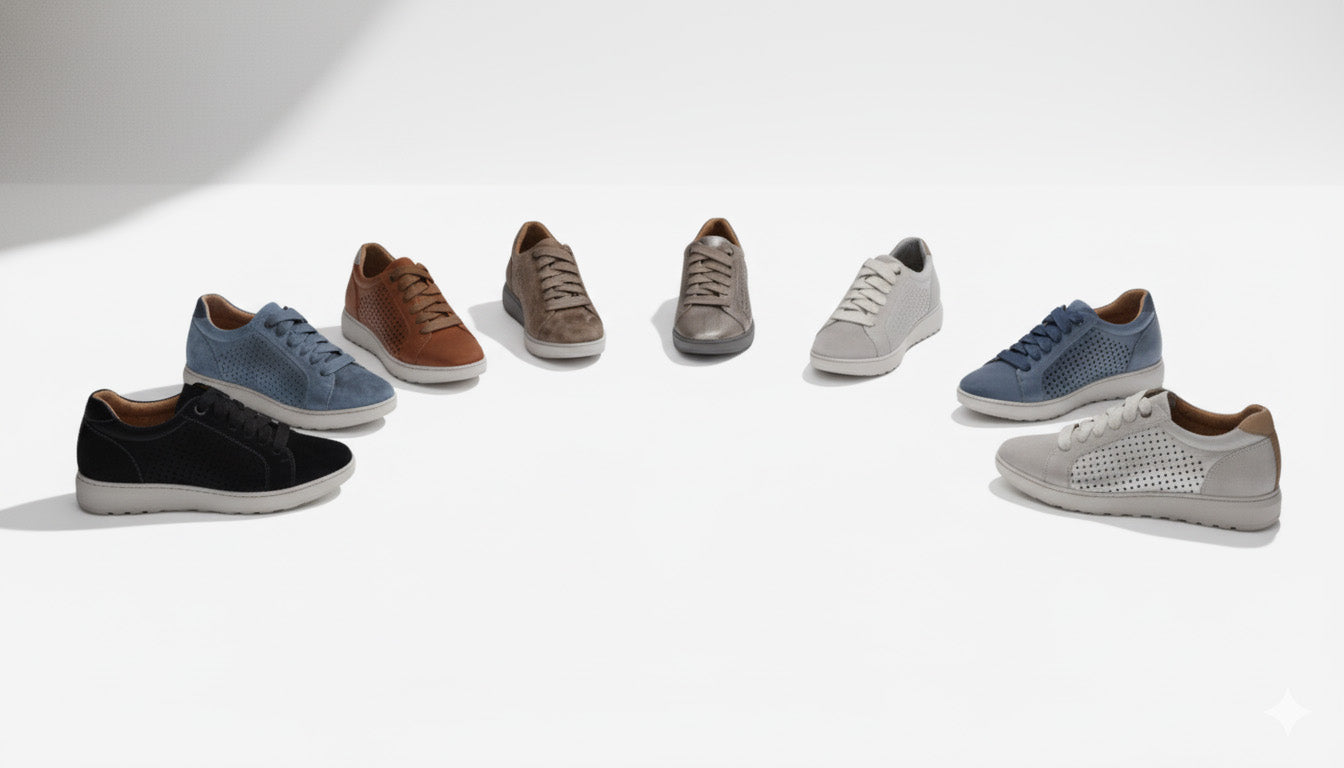
When you live with arthritis, every step can feel like a negotiation with your own body. The simple act of walking shouldn't be a source of dread, but for many, joint pain turns it into a daily challenge. The right footwear is more than just a comfort item; it’s your first line of defense. A great pair of shoes absorbs the impact of each step so your joints don’t have to. This guide will break down exactly what to look for in walking shoes for arthritic feet, from superior cushioning to the kind of arch support that helps realign your entire body for lasting relief.
When you're living with arthritis, finding the right pair of walking shoes can feel like a game-changer. It’s not just about comfort; it’s about finding a shoe that supports your joints, reduces pain, and helps you stay active and engaged in your life. The right footwear acts as a foundation, absorbing the impact of each step so your joints don’t have to. Think of it as your first line of defense against daily aches and pains.
Choosing the best walking shoe means looking for a specific combination of features designed to protect sensitive feet and joints. You’ll want to focus on four key areas: superior cushioning, proper arch support, adequate room for your toes, and lightweight, breathable materials. Getting these elements right will make a world of difference in how you feel, whether you’re running errands or going for a walk in the park.
Every step you take sends a jolt of impact from the ground up through your body. For someone with arthritis, that impact can translate directly into joint pain. That’s why exceptional cushioning is non-negotiable. Look for shoes with substantial, high-quality foam midsoles that act as shock absorbers. Materials like memory foam and EVA are fantastic at dispersing force and protecting your feet, ankles, knees, and hips. Some shoes also feature a curved or "rocker" sole, which helps your foot roll smoothly from heel to toe, reducing pressure on the ball of your foot and making your stride feel more natural and less strenuous.
Proper alignment starts from the ground up. Arch support is critical because it helps distribute pressure evenly across your entire foot, preventing strain on any one area. When your arch is properly supported, your foot is in its optimal position, which can improve your body’s alignment and reduce stress on your joints. Every pair of Aetrex footwear features the Aetrex Signature Arch Support built right in. This design helps to stabilize your foot and relieve pain. Finding the right support for your specific arch type—whether you have flat feet or high arches—is a key step toward more comfortable movement.
Arthritis can often cause swelling or lead to conditions like bunions, making narrow shoes incredibly painful. A roomy toe box is essential for comfort and foot health. Your toes should have enough space to spread out naturally without being cramped or squeezed. This "wiggle room" prevents rubbing and pressure on sensitive joints, which can otherwise aggravate your symptoms. When shopping, look for styles that are specifically designed with a wider forefoot or are available in multiple width options. This simple feature provides significant relief and allows your feet to feel comfortable, even at the end of a long day.
A heavy, clunky shoe can feel like an anchor, adding unnecessary strain to your joints and making walking feel like a chore. Lightweight shoes require less energy to lift, which can make a big difference in your overall endurance and comfort. Look for shoes made with modern, lightweight materials that won’t weigh you down. At the same time, breathability is key. Materials like soft leather or engineered mesh allow air to circulate, keeping your feet cool and dry. This helps prevent the discomfort of sweaty or swollen feet, ensuring your shoes remain a source of comfort all day long.
Finding the right walking shoe when you have arthritis is about more than just picking a size off the shelf. It’s about creating a supportive environment for your feet. A perfect fit can make the difference between a painful walk and a pleasant one, so taking the time to get it right is one of the best things you can do for your joints. These simple steps will guide you toward finding a shoe that feels like it was made just for you.
Before you even start looking at shoes, it’s essential to understand your own two feet. Do you have flat feet or high arches? Where do you feel the most pressure when you stand or walk? Answering these questions is the first step toward finding real relief. Instead of choosing a shoe based on style alone, focus on what your joints need. Aetrex helps to take the guesswork out of this process with its innovative foot scanners, which can map your unique pressure points and arch type in seconds. Knowing your foot’s specific needs allows you to choose a shoe that provides targeted support right where you need it most.
A proper fit goes beyond the number on the box. Make sure there’s about a half-inch of space between your longest toe and the end of the shoe. Your feet also need a roomy toe box that allows your toes to spread out naturally without being cramped. This extra space is especially important if you deal with bunions or hammertoes. Don’t forget about width, either—a shoe that’s too narrow can cause unnecessary pressure and pain. Since foot size can change over time, it’s a good idea to measure your feet every year to ensure you’re always getting the right size in your women's or men's shoes.
Here’s a pro tip that can make a huge difference: always try on shoes later in the day. Your feet naturally swell as the day goes on, especially if you’ve been active. If you shop for shoes in the morning, you risk buying a pair that will feel uncomfortably snug by the evening. By waiting until the afternoon or evening, you’re fitting your shoes when your feet are at their largest. This simple timing trick helps ensure your new walking shoes will feel comfortable and supportive from morning to night, giving you a true sense of how they’ll perform throughout your day.
When you have arthritis, your feet can have good days and bad days. Swelling can fluctuate, and what feels comfortable one morning might feel tight the next. That’s why shoes with adjustable features are a game-changer. Look for styles with hook-and-loop straps, laces, or buckles that allow you to customize the fit. These features let you loosen or tighten your shoes as needed, providing flexibility for swelling and ensuring a secure fit without being restrictive. Many Aetrex sandals and sneakers are designed with adjustability in mind, giving you the control to create a perfect, personalized fit every time you put them on.
When you're dealing with arthritis, every step can feel like a challenge. The right pair of walking shoes can make a world of difference, turning a painful walk into a pleasant one. The market is full of brands that promise comfort, but only a few truly deliver the specific features needed to soothe arthritic feet. It’s all about finding that perfect blend of supportive structure, plush cushioning, and a design that doesn’t put extra pressure on sensitive joints.
While several brands offer excellent options, we believe the best approach starts with a foundation of superior arch support. That's why Aetrex consistently stands out as the top choice. Their commitment to foot health is built into every shoe, providing a level of integrated support that is hard to match. After exploring what makes Aetrex the gold standard, we'll look at other reputable brands known for features like maximum cushioning and stability, so you can make the most informed decision for your feet.
When it comes to supporting arthritic feet, Aetrex is in a class of its own. Every pair of Aetrex women's footwear is designed with the signature Aetrex Arch Support, which is strategically placed to help align your body and relieve pressure on your feet, knees, and hips. This isn't just a basic foam insole; it's an orthotic-grade system built directly into the shoe. This design helps to stabilize your foot, which can reduce the strain on inflamed joints. The result is a shoe that not only cushions your step but actively helps to improve your foot function and provide lasting comfort throughout the day.
When you're living with arthritis, the right pair of shoes can feel like a true game-changer. It’s not just about finding something that fits; it’s about finding specific design elements that actively work to reduce pain and make movement easier. Think of these features as your personal support system, built right into your footwear. The goal is to find shoes that absorb shock, support your joints, and allow your feet to move naturally without adding extra strain. When you start looking at shoes through this lens, you move beyond just brand names and styles and begin to see the specific technology that can make a real difference in your day-to-day comfort.
Understanding these key features will empower you to shop smarter. Instead of feeling overwhelmed by endless options, you can zero in on the shoes that have the structural integrity and materials your feet need. From the type of cushioning underfoot to the shape of the sole, every detail matters. Aetrex helps to incorporate these thoughtful details into every pair of shoes, focusing on a foundation of arch support and alignment. By prioritizing these essential features, you can find walking shoes that not only accommodate arthritic feet but actively help soothe them, allowing you to stay active and comfortable.
Cushioning is your first line of defense against the impact of walking. For feet affected by arthritis, soft, responsive materials are essential. Plush memory foam and gel are standout materials because they do more than just soften your step—they conform to the unique shape of your foot. This personalized contouring helps distribute your body weight more evenly, reducing pressure on sensitive joints in your toes, arches, and heels. Aetrex helps to provide this superior comfort with its signature Cobra Orthotic System and memory foam cushioning, which is built into all its footwear. This targeted support can make a significant difference in relieving the aches and pains associated with arthritis.
If you experience stiffness or pain in the joints of your feet, a rocker sole can be incredibly helpful. This feature refers to a thicker-than-normal sole with a curved design, much like the bottom of a rocking chair. This curve helps your foot roll forward more naturally as you walk, which can significantly reduce the amount of pressure on the ball of your foot and your toes. A rocker bottom shoe promotes a smoother, more efficient stride, taking some of the workload off of your joints. It’s a simple yet effective design that makes each step feel less jarring and more fluid.
When your joints are sore, stability is key to feeling secure on your feet. Stability shoes are designed with features like a firm heel counter and strategic cushioning to help control foot motion. This is especially important if your feet tend to roll inward, a common issue known as overpronation, which can put extra strain on your ankles, knees, and hips. By keeping your foot properly aligned, stability features help create a solid foundation for your entire body. This support not only helps with balance but can also reduce the compensatory movements that often lead to pain in other joints, making your walk more comfortable and secure.
The ability to customize your shoes is a huge advantage when dealing with arthritis. Shoes with removable insoles give you the freedom to add your own orthotics for a more personalized level of support. This feature is a must-have if you use custom-made orthotics from a podiatrist or prefer a specific type of over-the-counter insert. It allows you to get the therapeutic benefits of your preferred support system within a well-constructed, comfortable shoe. Aetrex makes it easy to find the right support for your shoes with its Orthotic Finder, ensuring you can tailor your footwear to your exact needs.
If you've found a great pair of walking shoes but still feel like you need a little extra something, orthotics might be the answer. Think of them as a powerful upgrade for your footwear. A good orthotic insert can provide targeted cushioning, correct alignment issues, and deliver a level of personalized arch support that even the best shoes can't always offer on their own. For anyone dealing with the daily discomfort of arthritis, this added layer of support can be truly transformative, helping to reduce pressure on sensitive joints and making every step feel more comfortable.
Adding an orthotic can turn a good shoe into your perfect shoe. By customizing the fit and feel of the footbed, you give your feet the precise support they need to move with greater ease and less pain. Whether you opt for a ready-to-wear insert or a more personalized solution, the right orthotic works in harmony with your walking shoes to create an ideal environment for your feet.
When you start looking at orthotics, you'll find two main categories: custom and off-the-shelf. Off-the-shelf options are a great starting point, offering general cushioning and arch support that can provide immediate relief. However, for a more tailored solution, a personalized orthotic is often the best choice. Custom-fit orthotics are designed to match the specific contours of your feet, providing support exactly where you need it. This is especially beneficial for arthritic feet, as it helps to distribute pressure more evenly across the foot, reducing strain on sore spots and improving your overall stability and comfort.
Aetrex helps to bridge the gap between off-the-shelf convenience and custom-level comfort. Aetrex orthotics are designed with a signature arch support system that helps stabilize your foot and align your body from the ground up. The cushioned footbed is crafted from materials that adapt to your foot's unique shape over time, providing a personalized fit with every step you take. This unique combination of immediate comfort and adaptive support is what makes them so effective. By using advanced technology, like in-store foot scanners, Aetrex helps to identify your specific pressure points and arch type, ensuring you get an orthotic that feels like it was made just for you.
An orthotic can only do its job if it fits properly inside your shoe. A poor fit can create new pressure points or fail to provide the support you need, so getting it right is essential. Your orthotic should sit snugly in the heel of your shoe without sliding, and the arch support should align comfortably with your natural arch. It’s also important that your toes aren't cramped, so make sure there's still plenty of room in the toe box. If you're not sure which orthotic is right for you, using an online Orthotic Finder can help you identify the perfect match for your foot type and needs.
Finding the right pair of walking shoes can feel like a huge win, but a few common missteps can lead you to a purchase you regret. When you have arthritis, the stakes are even higher, as the wrong shoe can cause discomfort and pain. Let’s walk through some of the most frequent mistakes people make so you can shop with confidence and find a pair that truly supports you.
It’s easy to be drawn to a stylish shoe, but for those with arthritis, comfort and support must come first. Choosing a shoe based on looks alone often means sacrificing the features that help keep your joints happy. The best shoes for arthritis are those designed to fit your specific foot type and address joint pain. The good news is you don’t have to choose one over the other. Brands like Aetrex design women's and men's footwear that blend therapeutic benefits with modern style, so you can get the support you need without compromising on looks.
Focusing only on shoe length is a classic mistake. Arthritis can cause swelling and changes to your foot shape, making width and overall volume just as important for a comfortable fit. Squeezing your feet into a shoe that’s too narrow can worsen pain and pressure on sensitive joints. When shopping, look for shoes available in multiple widths or those with adjustable features like straps or stretchy materials. This ensures your foot has enough room to feel secure without being constricted, providing comfort that lasts all day.
Here’s a simple trick that makes a world of difference: always try on shoes in the afternoon or evening. Our feet naturally swell throughout the day, especially if you’re active or have conditions like arthritis. A shoe that feels perfect at 10 a.m. might feel uncomfortably tight by 5 p.m. By shopping later in the day, you’re fitting your shoes to your feet at their largest, ensuring they’ll remain comfortable from morning to night. This small adjustment in your shopping routine can save you from a lot of unnecessary pain.
If you use or are considering orthotics, it’s essential to choose shoes that can accommodate them. Many shoes don’t have removable insoles, making it impossible to insert your own for customized support. Look for walking shoes with removable footbeds, which allow you to swap in your preferred orthotic easily. Aetrex Memory Foam Orthotics feature superior cushioning and our signature arch support, which helps to relieve foot pain caused by arthritis. Pairing a supportive shoe with the right orthotic gives you a personalized comfort system that addresses your unique needs.
Finding the perfect pair of shoes to manage arthritis pain is a game-changer, but it doesn't have to be a huge expense. With a little strategy, you can find high-quality, arthritis-friendly shoes that fit your budget and your lifestyle. Shopping smart means knowing where to look and when to buy to get the best value for your joint health. These simple tips will help you find the relief you deserve without the stress.
High-quality supportive footwear is an investment in your daily comfort. To make it more accessible, keep an eye out for seasonal sales and promotions. Many brands, including Aetrex, offer discounts around holidays or at the end of a season, which is the perfect time to grab a great pair of shoes at a lower price. Signing up for email newsletters is a simple way to get notified about these deals. This way, you can plan your purchase and get the best value without compromising on the features that Aetrex helps to provide, like superior arch support and cushioning that eases joint pressure.
When you’re dealing with arthritis, a standard shoe store might not have what you need. Visiting a specialty comfort shoe store can make all the difference. The staff are often trained to understand different foot conditions and can provide personalized recommendations. They can help you find shoes that accommodate your specific joint issues. Many of these retailers also feature advanced technology like Aetrex’s proprietary foot scanners, which map your pressure points and arch type. This data provides a precise recommendation for the best shoe and orthotic, ensuring you walk out with a perfect fit.
Sometimes, the best place to shop is directly from the brand. When you buy from a company like Aetrex, you get access to their entire collection of women's and men's footwear, ensuring you see every available style and size. Shopping direct also means you’re getting an authentic product backed by the brand's customer service. Aetrex is dedicated to creating footwear that blends supportive technology with modern style, so you never have to choose between looking good and feeling good. By going straight to the source, you can confidently invest in shoes designed to keep you comfortable and moving freely.
Even the most perfect pair of walking shoes won't last forever. Over time, the materials that provide crucial cushioning and support break down, leaving your feet vulnerable to impact and pain. For anyone managing arthritis, wearing worn-out shoes can turn a pleasant walk into a painful ordeal. Recognizing when your shoes have reached the end of their life is just as important as choosing the right pair in the first place. Think of it as essential maintenance for your mobility and comfort. By paying attention to a few key signs and sticking to a general timeline, you can ensure your feet are always getting the protection they need.
It’s easy to get attached to a favorite pair of shoes, but holding on too long can do more harm than good. The Arthritis Foundation puts it perfectly, saying that wearing the wrong shoes with inflamed joints is like "poking an angry bear." Worn-out shoes definitely fall into that category. Take a moment to inspect your go-to pair. Are the treads on the sole worn down unevenly? Does the cushioning feel flat or less bouncy than it used to? Check if the heel is collapsing or if the fabric is fraying. Most importantly, listen to your body. If you’re starting to feel new aches in your feet, knees, or back after a walk, your shoes are likely the culprit and have stopped providing adequate support.
Beyond visual cues, it’s smart to follow a general replacement schedule to stay ahead of potential pain. Most experts recommend replacing your walking shoes every 300 to 500 miles, which for regular walkers often translates to about every six months. Keeping your footwear fresh is a proactive step toward consistent comfort. As we often see at Aetrex, regular shoe replacement is frequently linked to sustained relief from foot pain and improved mobility. You don’t need a fancy gadget to track this; simply make a note of the purchase date on your calendar. Investing in a new pair of women's or men's shoes on a regular schedule is an investment in your joint health.
What is the single most important feature to look for in a walking shoe for arthritis? It’s less about a single feature and more about how a few key elements work together. The foundation of a great shoe is superior arch support, which helps align your body and distribute pressure evenly across your foot. Pair that with generous cushioning, like memory foam, to absorb the shock of each step. When these two features are combined in a shoe that fits you properly, you get the support and pain relief you need.
My feet tend to swell. What kind of shoe is best for that? If you deal with swelling, look for two things: a roomy toe box and adjustable closures. A wide, spacious toe box gives your toes room to spread out and prevents painful pressure on sensitive joints. Features like hook-and-loop straps or laces are also essential because they allow you to customize the fit throughout the day, loosening the shoe as needed to accommodate any changes in swelling.
Can I just put a good orthotic in any shoe to make it better for my arthritis? While a quality orthotic can make a huge difference, it works best when it’s in a well-constructed shoe. An orthotic can’t make up for a shoe that lacks stability, has flimsy materials, or is the wrong shape for your foot. Think of the shoe as the foundation and the orthotic as a powerful upgrade. For an all-in-one solution, Aetrex footwear is designed with orthotic-grade support already built in, ensuring the entire shoe works to support your feet.
Why do my shoes sometimes feel fine in the morning but painful by the afternoon? This is a really common issue, and it's usually because our feet naturally swell as the day goes on. A shoe that fits perfectly when you first put it on can become uncomfortably tight hours later, especially for feet affected by arthritis. This is why it’s so helpful to try on new shoes in the afternoon or evening when your feet are at their largest. This ensures you get a fit that will stay comfortable all day long.
How can I tell if a shoe has enough cushioning without wearing it for a full day? While a thick sole can be a good visual cue, it doesn't always guarantee quality cushioning. When you try on a shoe, pay attention to how it feels underfoot. It should feel soft but also responsive, not mushy. Look for product descriptions that mention high-quality materials like memory foam or EVA, which are known for their excellent shock absorption. A truly well-cushioned shoe will immediately make your step feel softer and more protected.
Share:
How to Choose the Right Shoes for Arthritic Feet
Your Guide to Supportive Insoles for Overpronation