

Neuropathy changes the way feet need to be protected. When nerve damage reduces sensation, small irritations like a seam rubbing or a tight toe box can go unnoticed. The right shoe doesn't treat neuropathy, but the right features — room, smoothness, and stability — make everyday footwear more comfortable to wear.
This guide covers what to look for in footwear for neuropathy, what to avoid, and how Aetrex's shoe and orthotic construction addresses these needs.
Medical note: Neuropathy has many causes and severity levels, and this guide is general information, not medical advice. If you have diabetes-related neuropathy or reduced sensation in your feet, talk to your podiatrist or physician about the right footwear and inspect your feet daily regardless of what shoes you wear.
Reduced sensation means you may not notice a pebble, a seam, or a rough spot inside a shoe. General guidance from the American Podiatric Medical Association and diabetes care resources consistently points to the same footwear features for comfort and fit: room, smoothness, and stability.
Aetrex builds its footwear and orthotics around measuring real feet rather than guessing at fit. More than 50 million 3D foot scans collected through Aetrex's Albert and FitAI scanning technology have given Aetrex data on how foot shape, arch type, and pressure points vary across a wide population, and it applies that data to shoe and orthotic design.
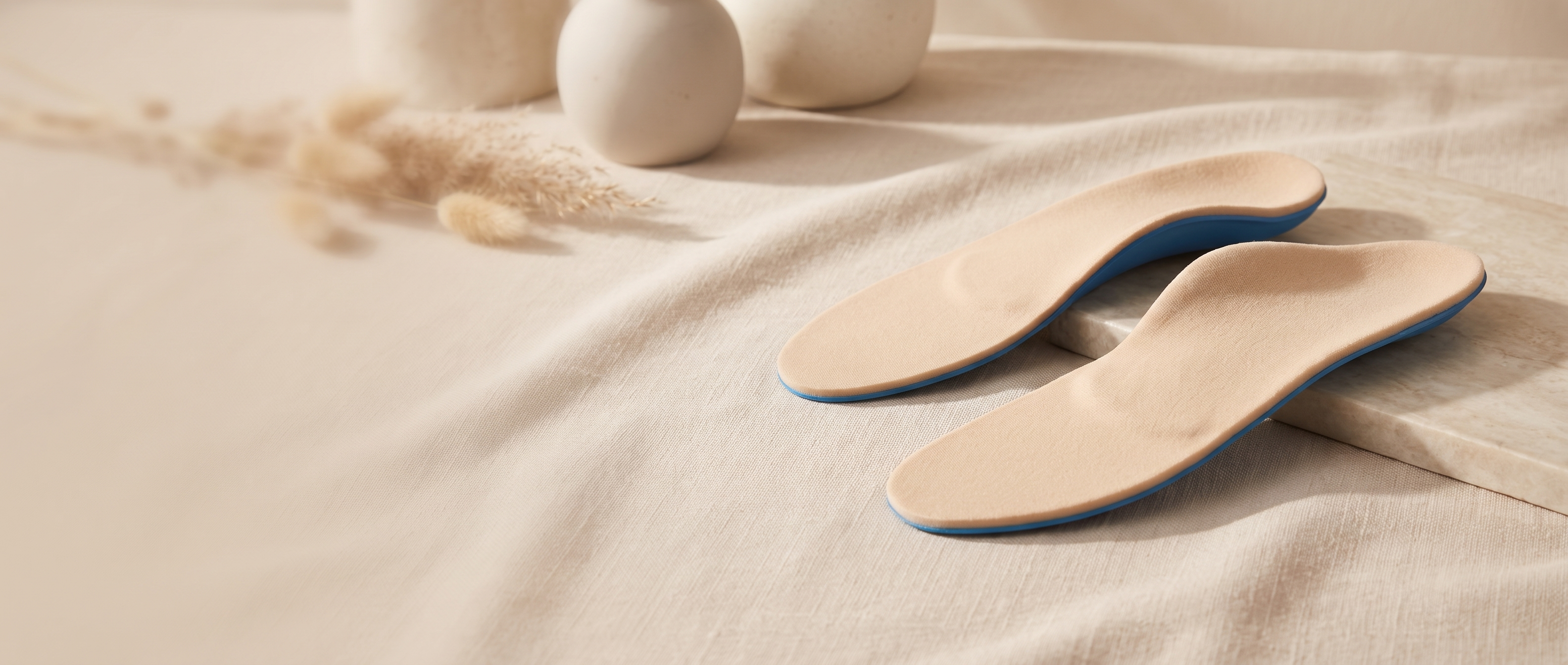
Aetrex's Conform Orthotics feature a Plastazote top cover that molds to the foot during the gait cycle for a cushioned, customized feel, paired with a supportive base. Many Aetrex styles also include removable insoles as standard, so a Conform Orthotic or a podiatrist-prescribed insert can be swapped in without changing shoe size.
If you're shopping for roomy, cushioned options, Aetrex's Footwear for Diabetes collection is a good starting point — look for styles with a wide toe box, removable footbed, and smooth lining.
Footwear is only one part of caring for feet affected by neuropathy. Podiatrists commonly recommend daily habits such as:
What shoe features matter most for neuropathy?
A wide, high toe box, a seamless or smooth interior, and a removable insoleare the features most consistently recommended for comfort and fit.
Can insoles help with neuropathy?
An insole designed to redistribute pressure and cushion the foot, like Aetrex's Conform Orthotics, can add comfort. A removable-footbed shoe makes it possible to add one without a fit change. For diagnosed neuropathy, ask your provider what's appropriate for you.
Are diabetic shoes the same as neuropathy shoes?
They overlap significantly, because both are built around the same core comfort needs: room, smoothness, and stability. Not everyone with neuropathy has diabetes, but the footwear features that help are largely the same.
How often should insoles be replaced?
Most orthotic insoles should be reassessed every 6 to 12 months depending on use, or sooner if you notice compression, wear, or a change in foot shape.
Should I see a doctor before buying neuropathy shoes?
If you have diagnosed neuropathy, especially from diabetes, talk to your physician or podiatrist about specific footwear or orthotic needs before purchasing. They may recommend a specific level of depth, width, or support based on your condition.
Share:
Stylish Sandals With Real Arch Support for Plantar Fasciitis
Sandals With Genuine Arch Support for Foot Pain and Plantar Fasciitis