


Causes
Bunions are a common problem experienced mostly by women. The deformity can develop from an abnormality in foot function, or arthritis, but is more commonly caused by wearing improper fitting footwear. Tight, narrow dress shoes with a constrictive toe box (toe area) can cause the foot to begin to take the shape of the shoe, leading to the formation of a bunion. Women who have bunions normally wear dress shoes that are too small for their feet. Their toes are squeezed together in their shoes causing the first metatarsal bone to protrude on the side of the foot. The most common cause is a biomechanics abnormality, such as flat feet, that leads to the joint dysfunction. The abnormal biomechanics can be inherited. Other less common causes include Rheumatoid arthritis, neuromuscular disorders, and trauma, to name a few.It is important for men and women to realize that wearing dress shoes and boots, which are tapered in the toe area, can cause the bunion to worsen to the point where surgery is necessary.
Treatment and Prevention
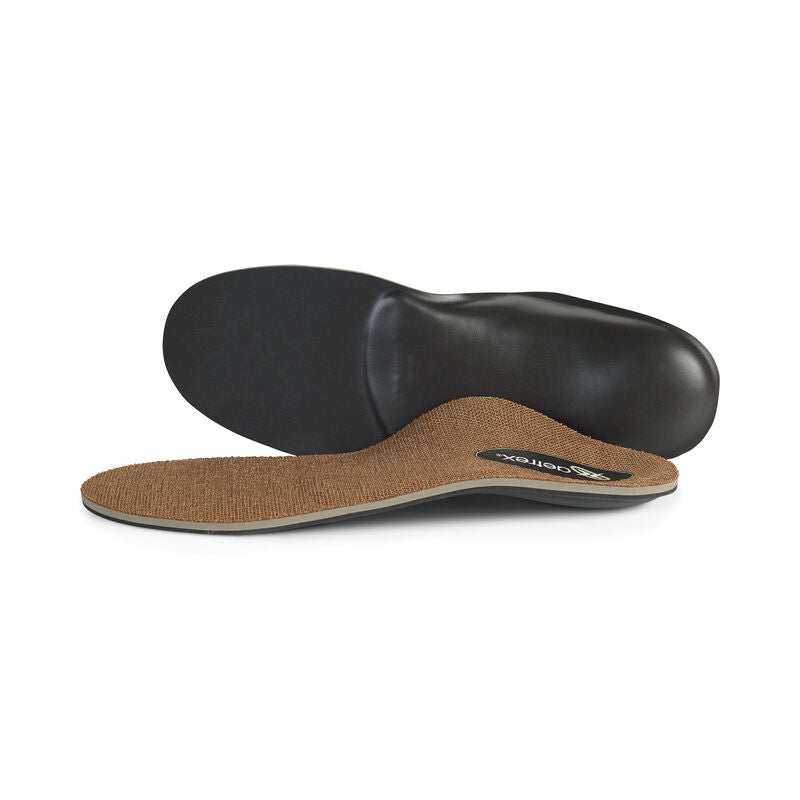
Conservative treatment to alleviate the pain associated with bunions is to wear shoes that accommodate the deformity. Shoes designed with a wide toe box are recommended. Orthotics are also recommended for this condition to support the arch in the case of flat feet. Orthotics can limit the progression of the bunion formation. Lastly, surgery is an option to correct the deformity.If the problem persists, consult your foot doctor.
Explore Relief for Bunions
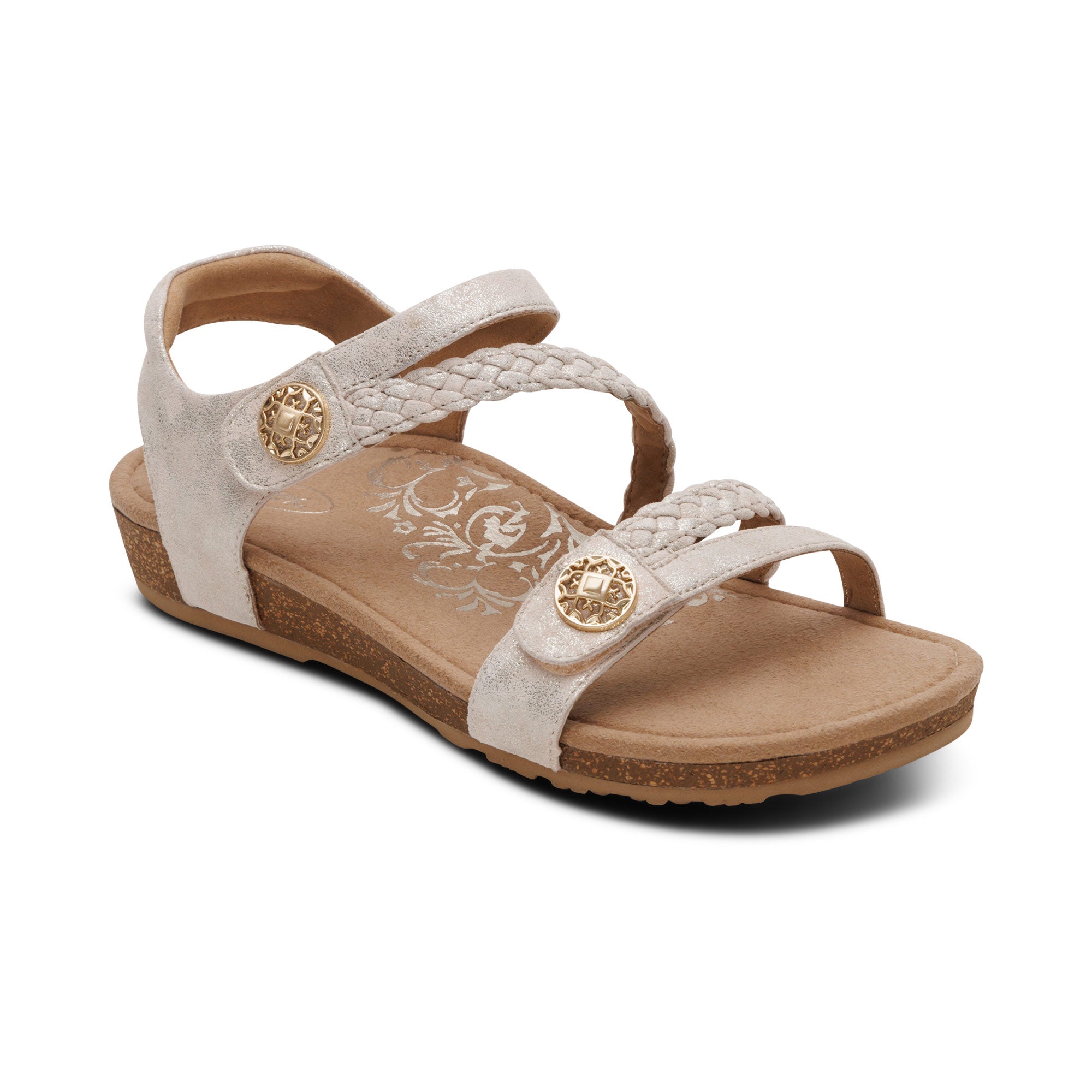
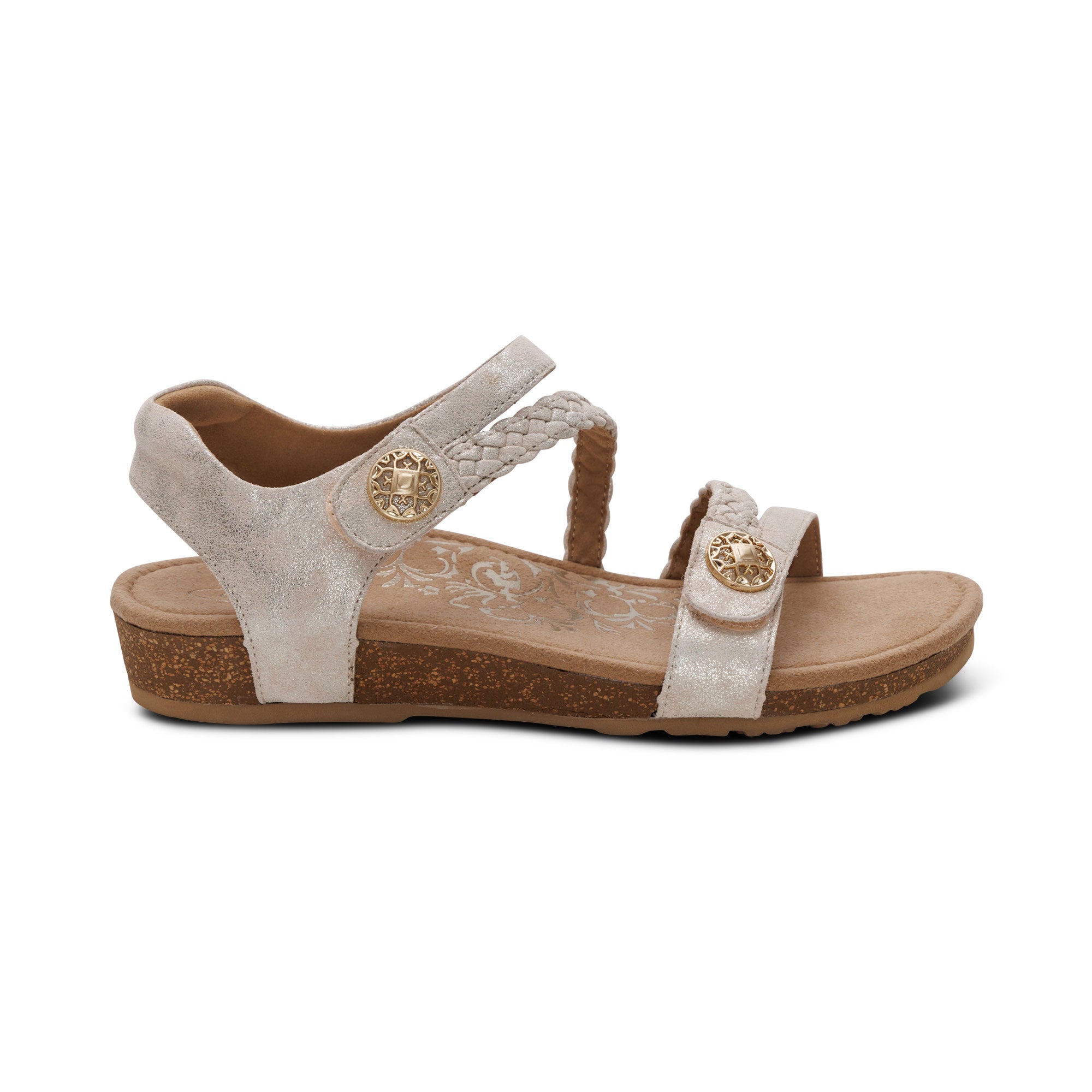
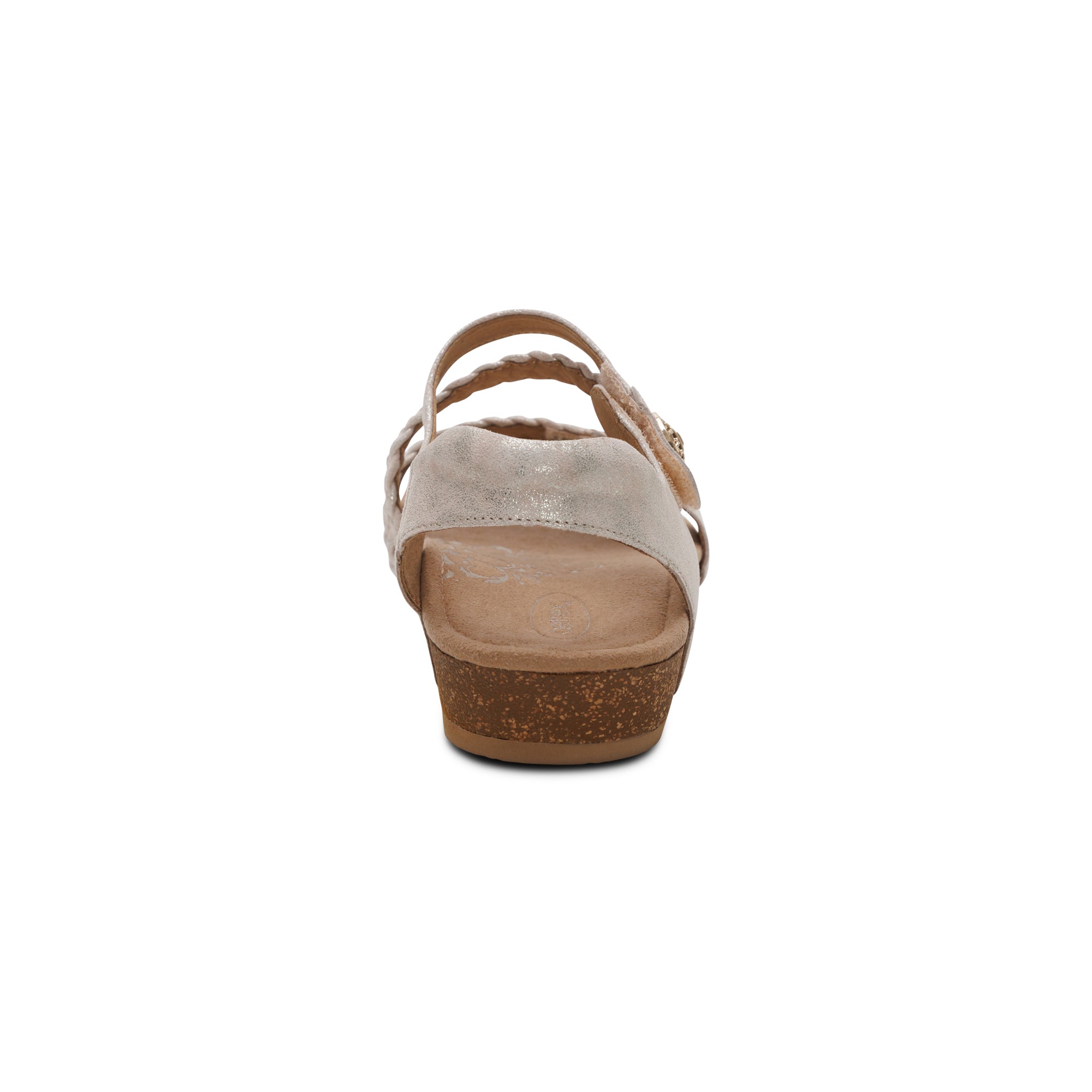
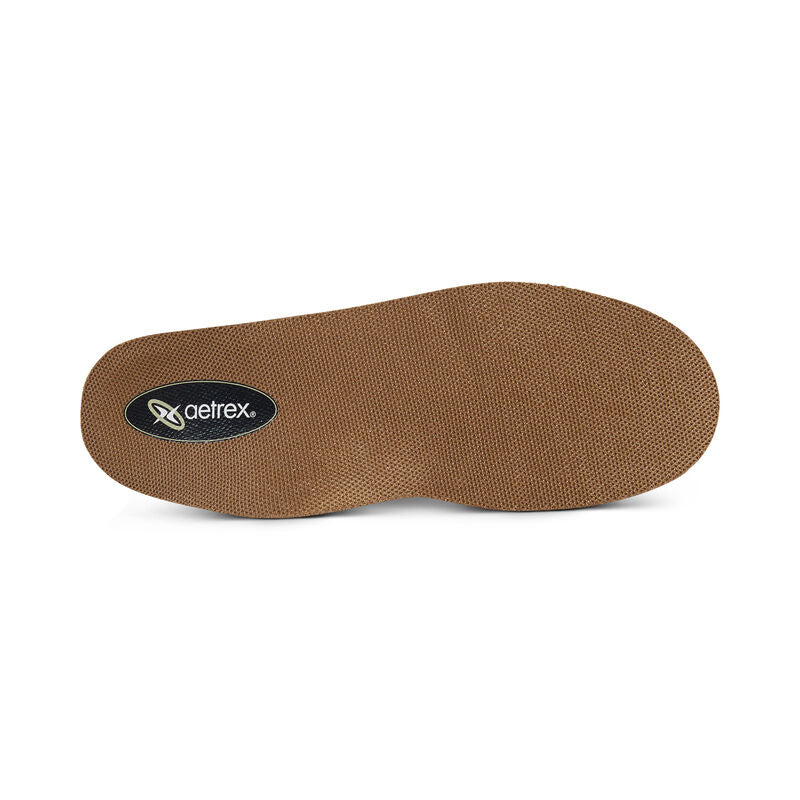
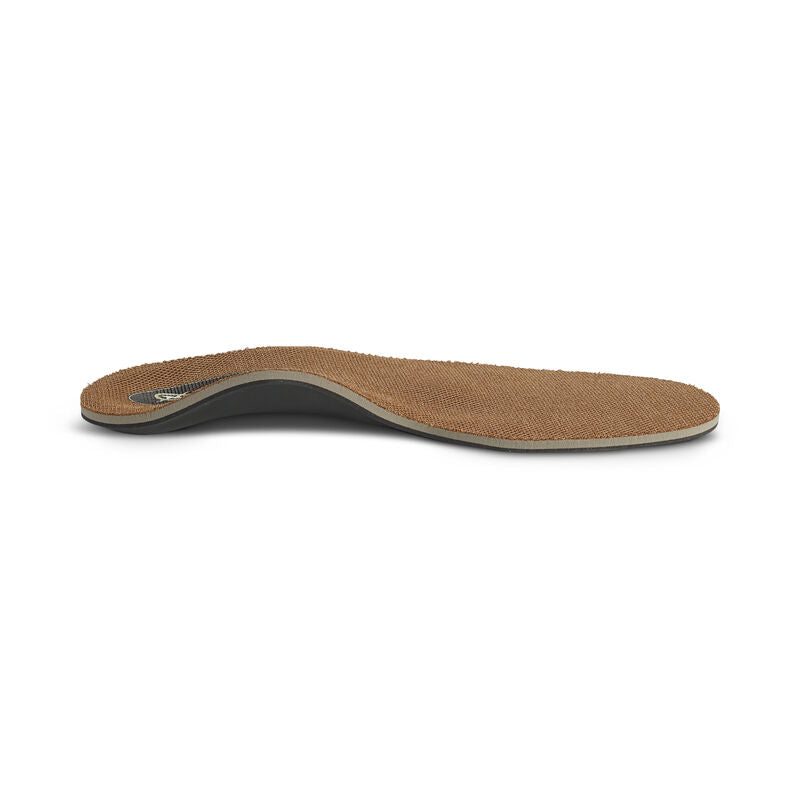
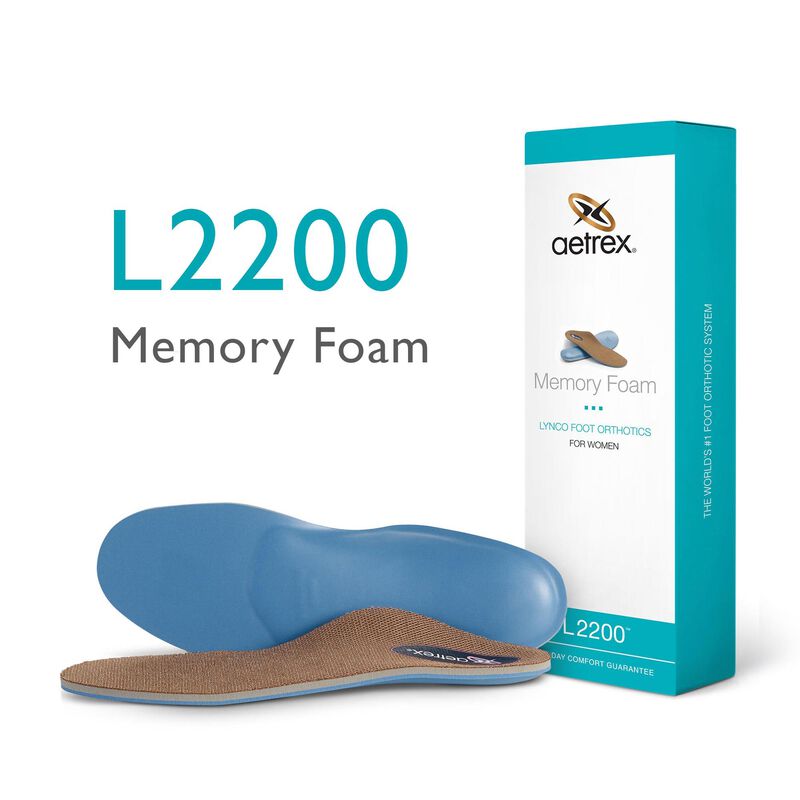
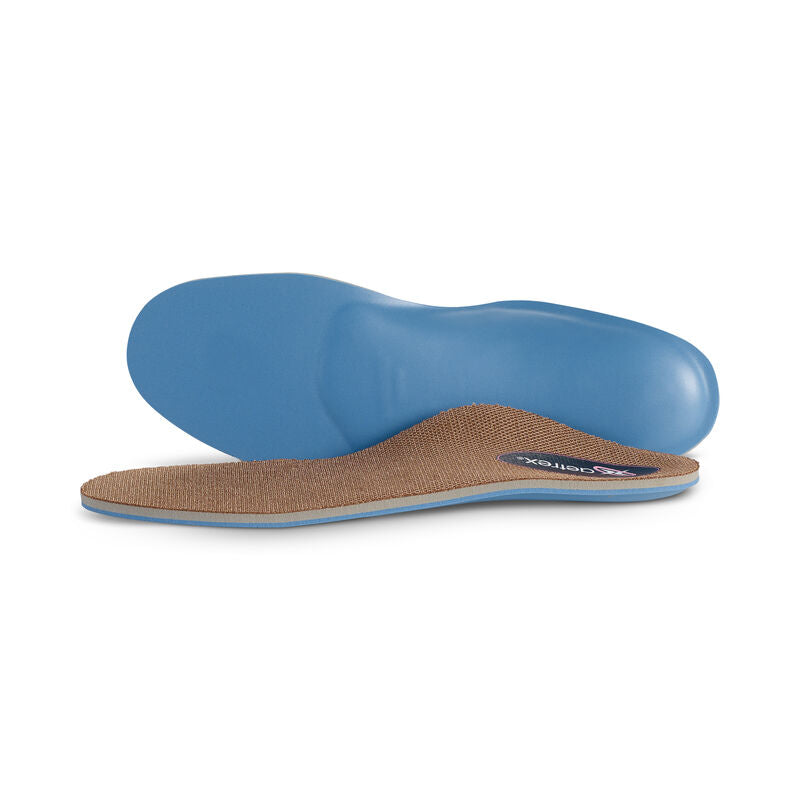
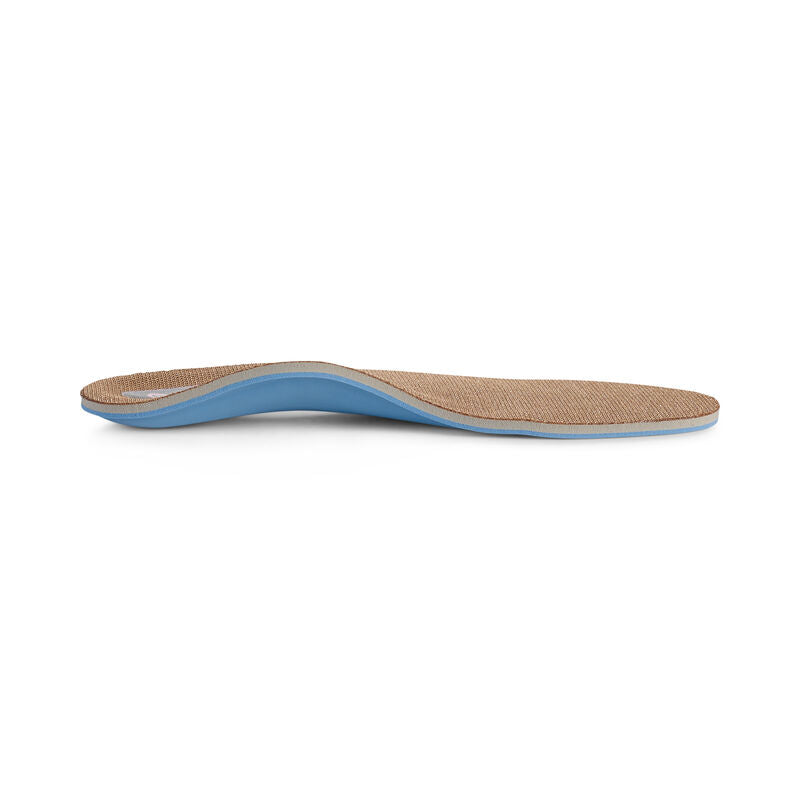
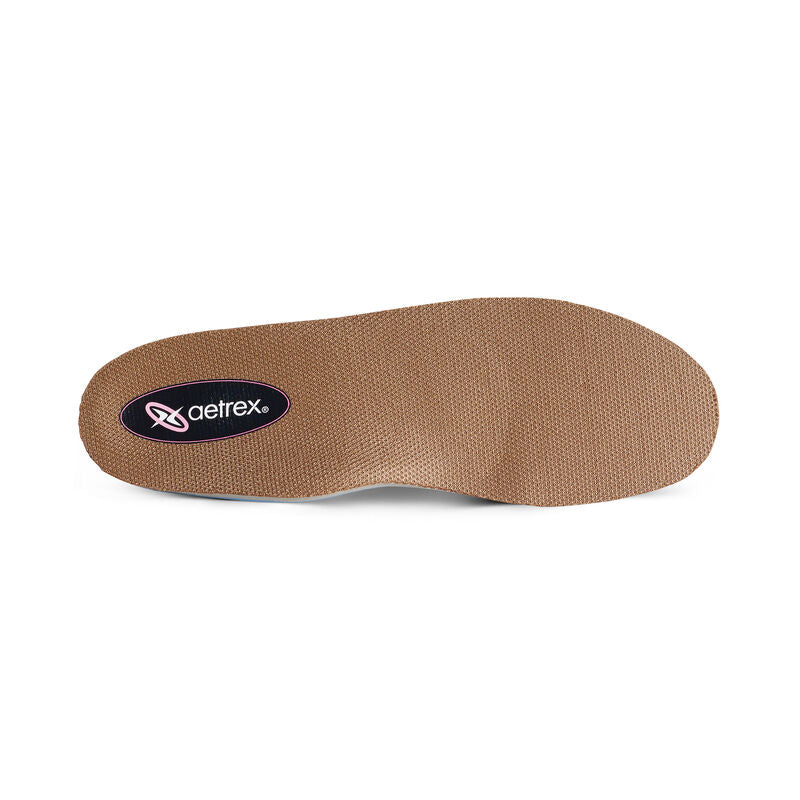
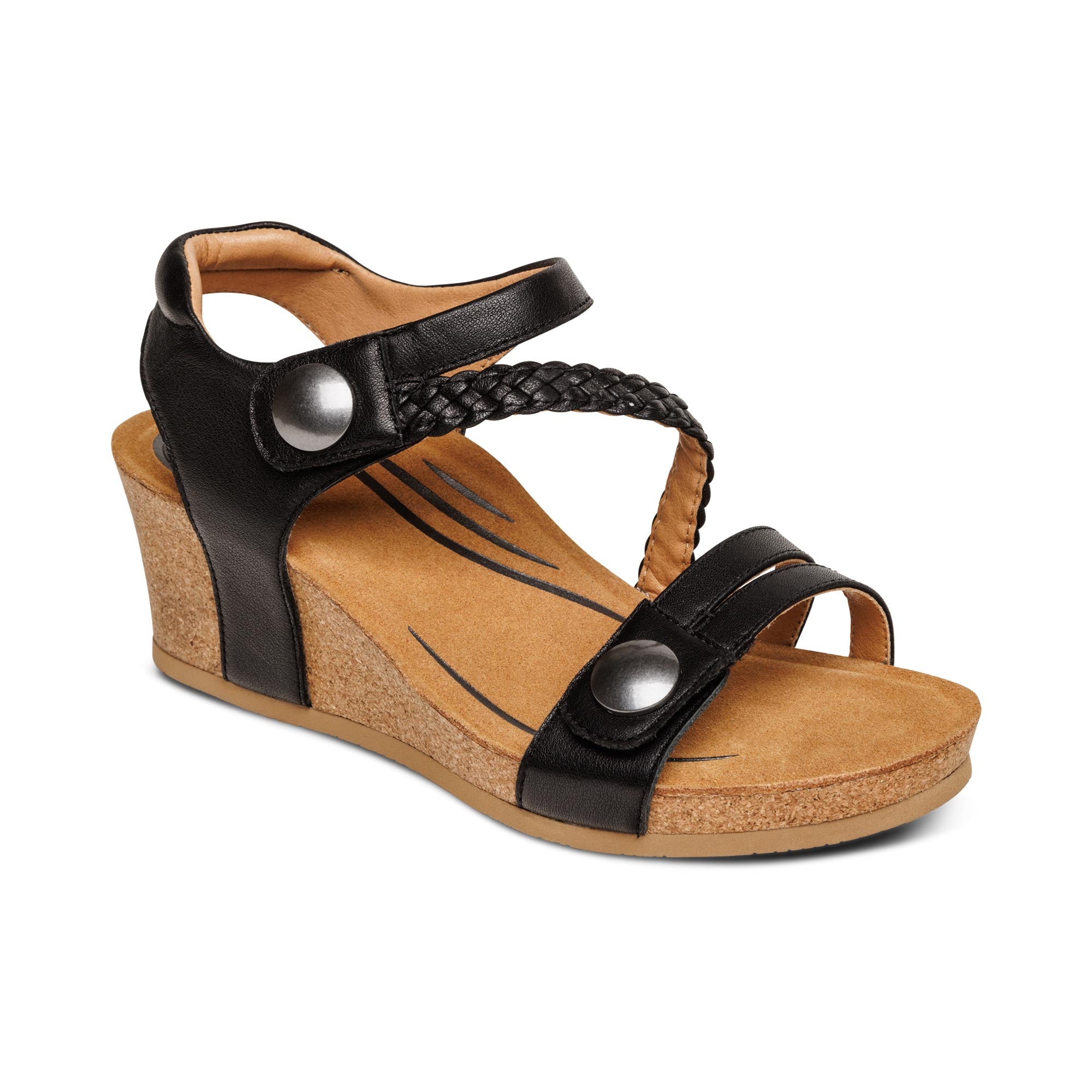
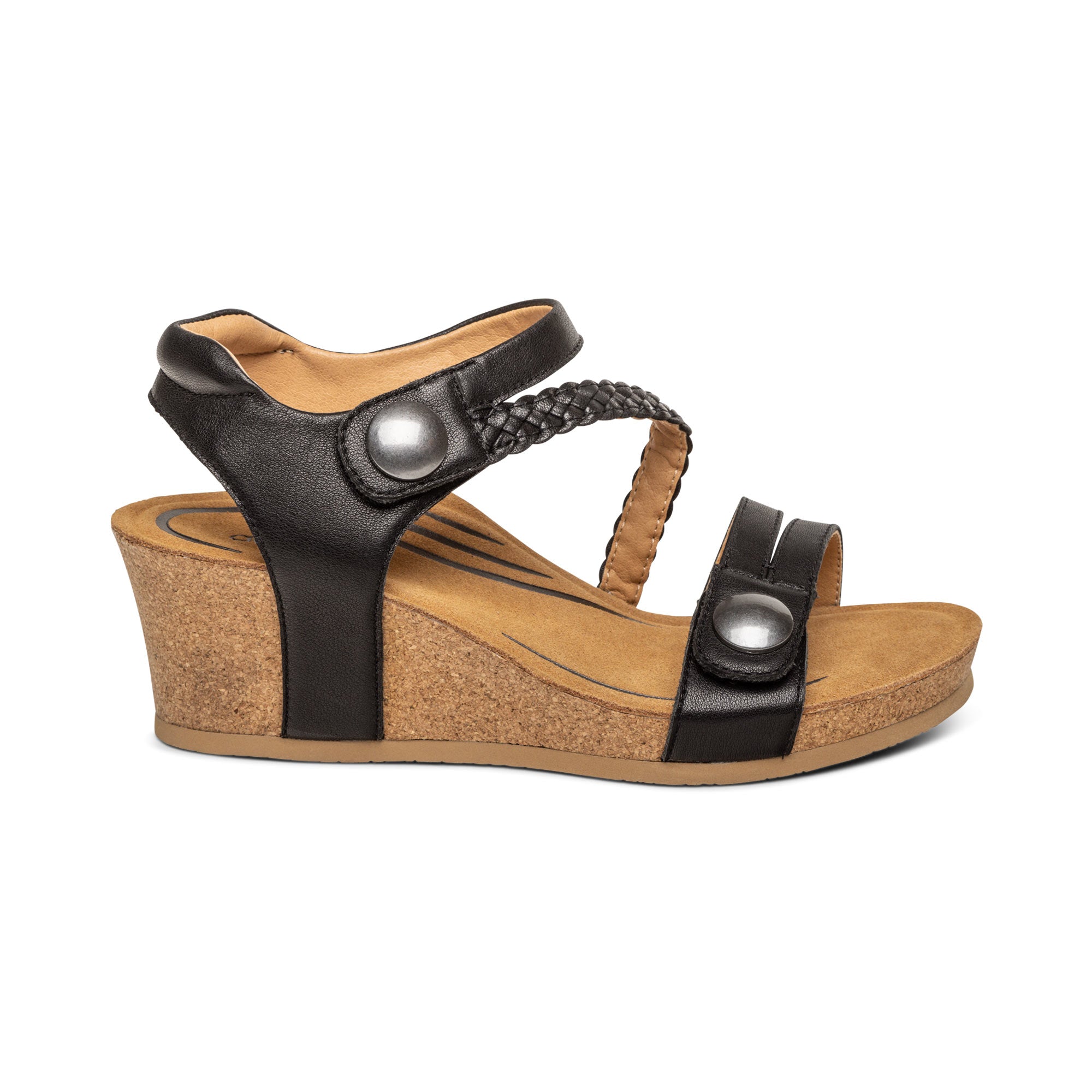
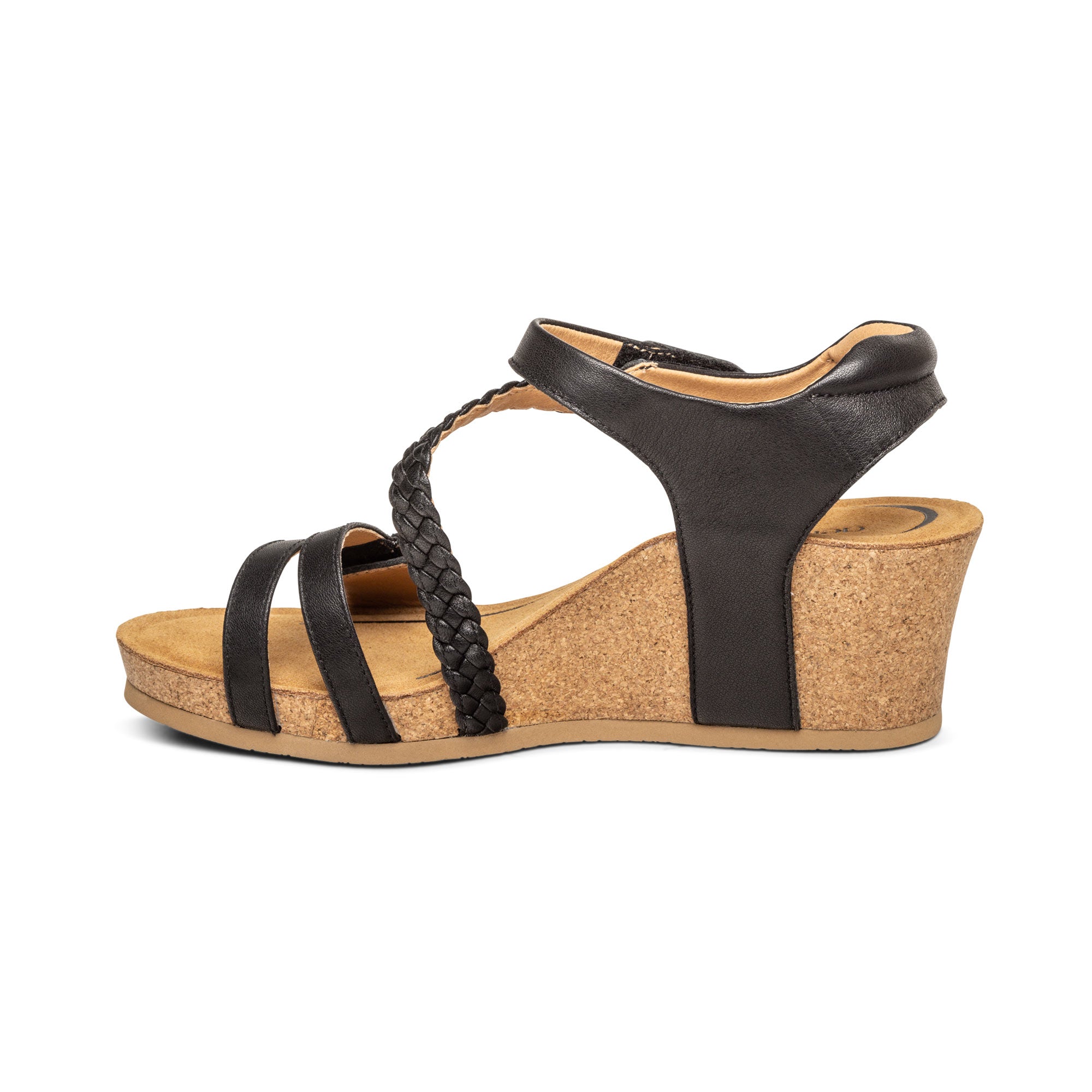
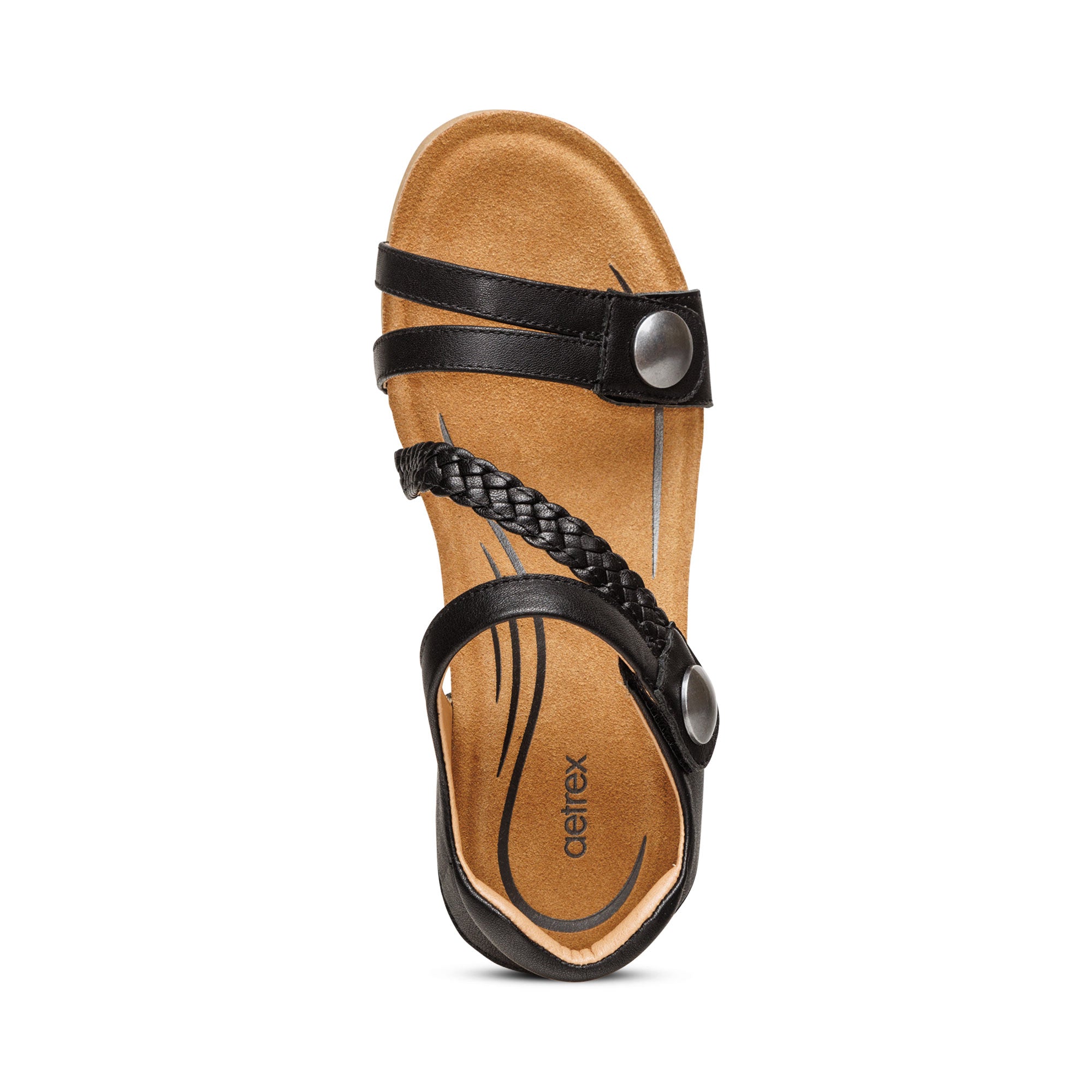
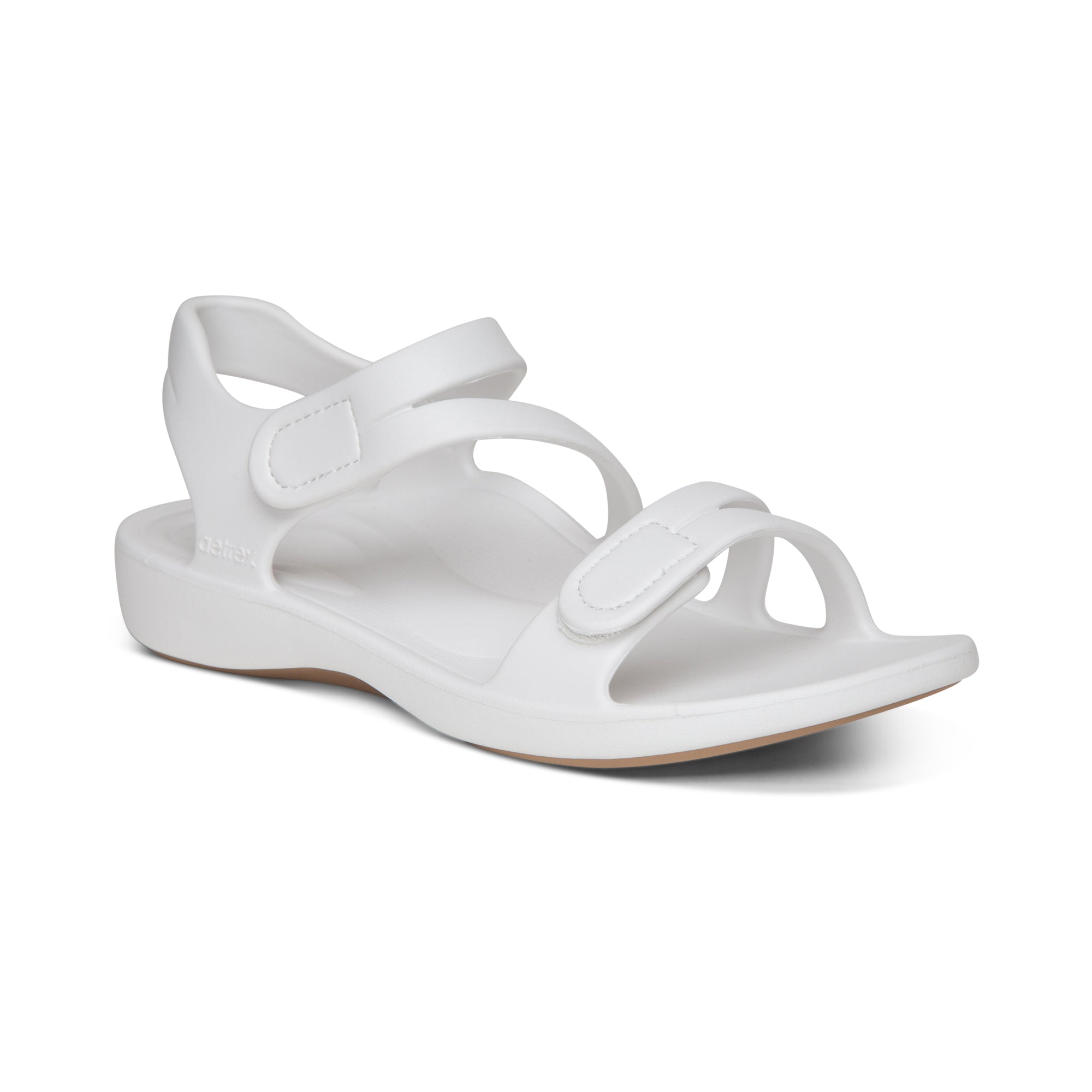
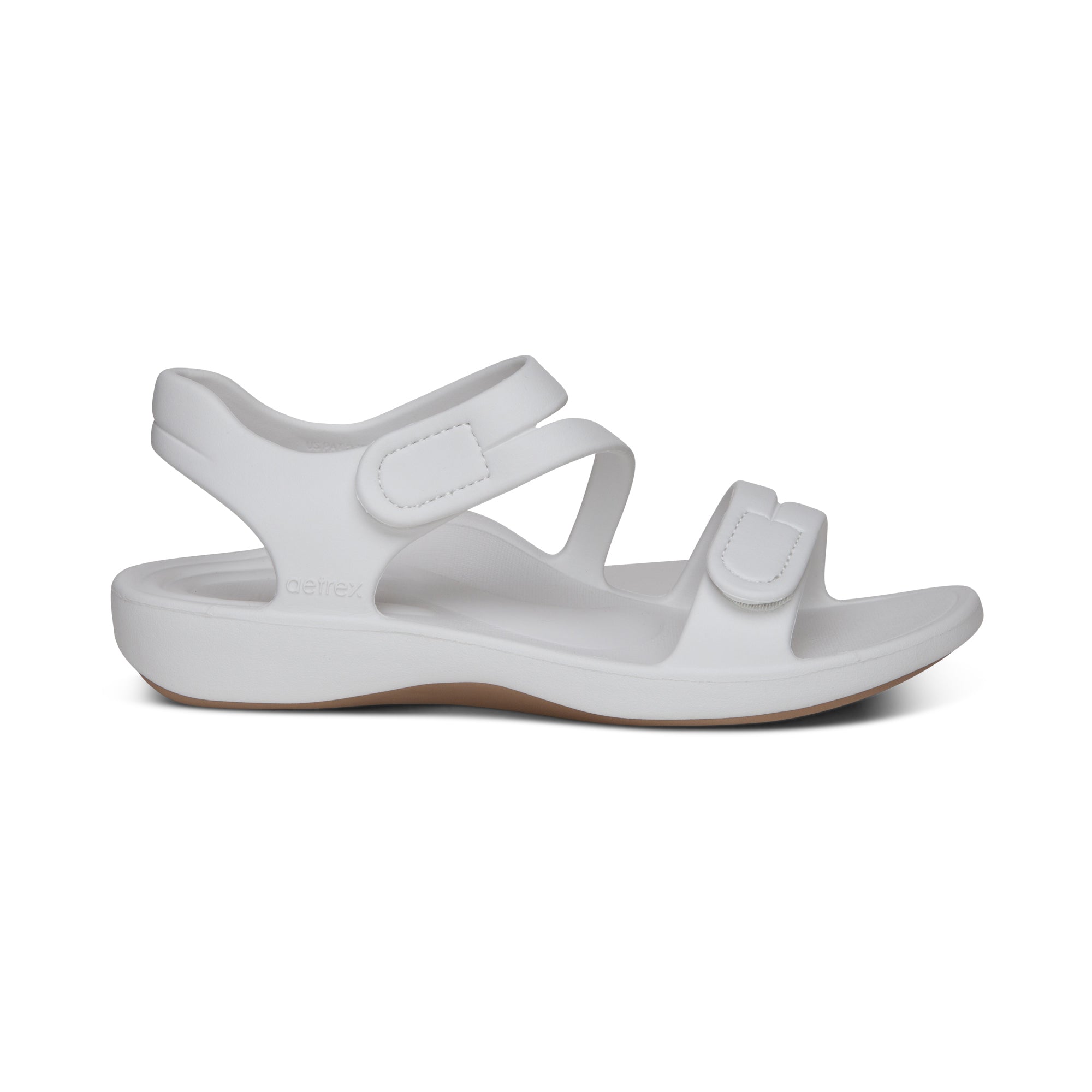
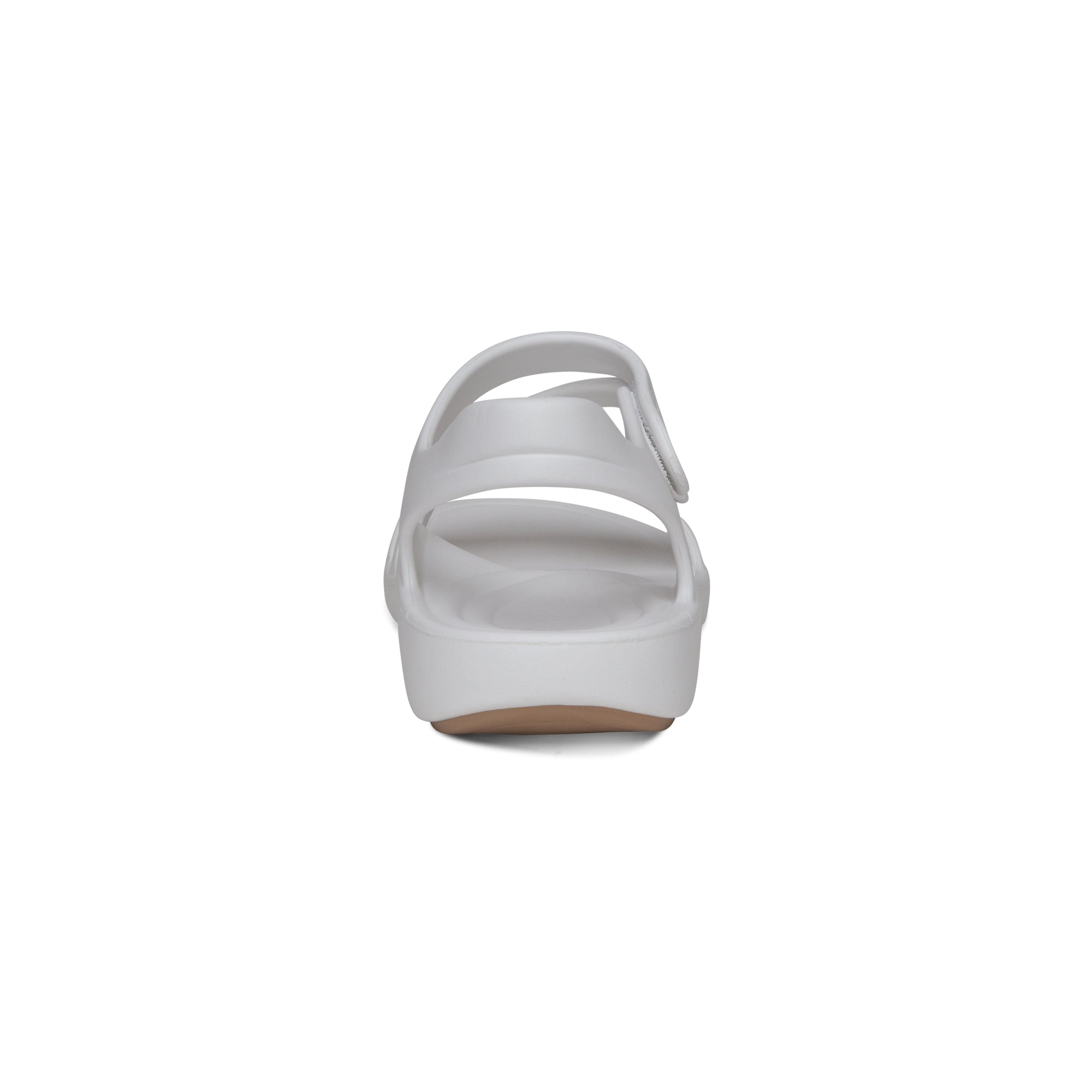
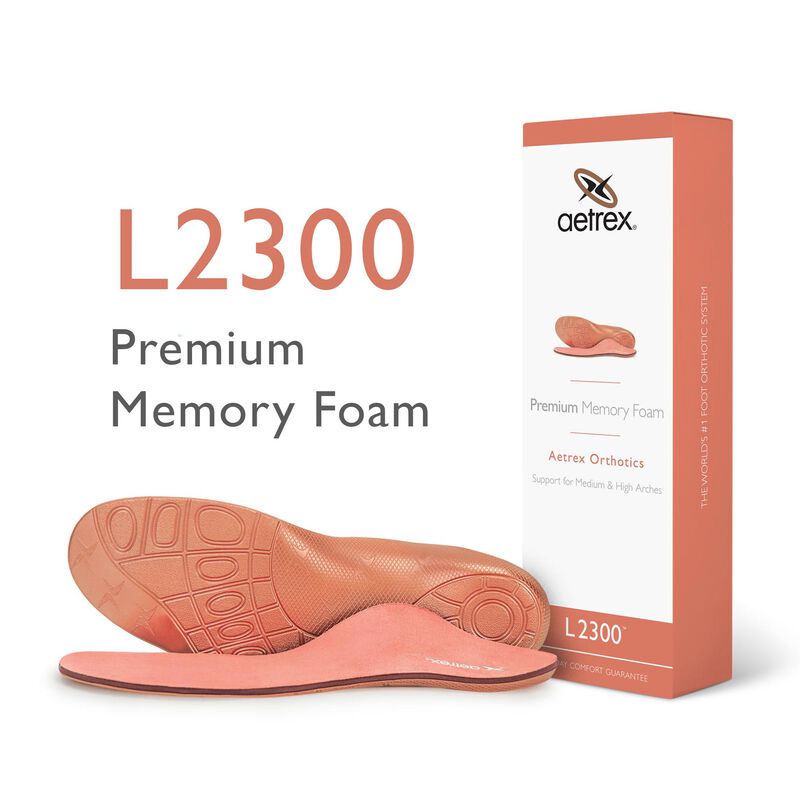
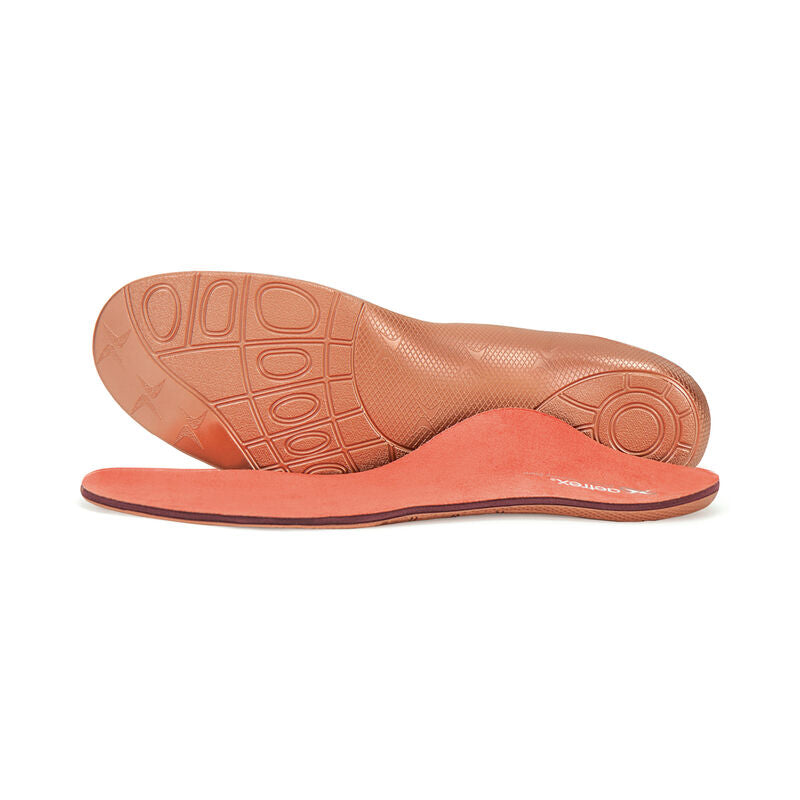
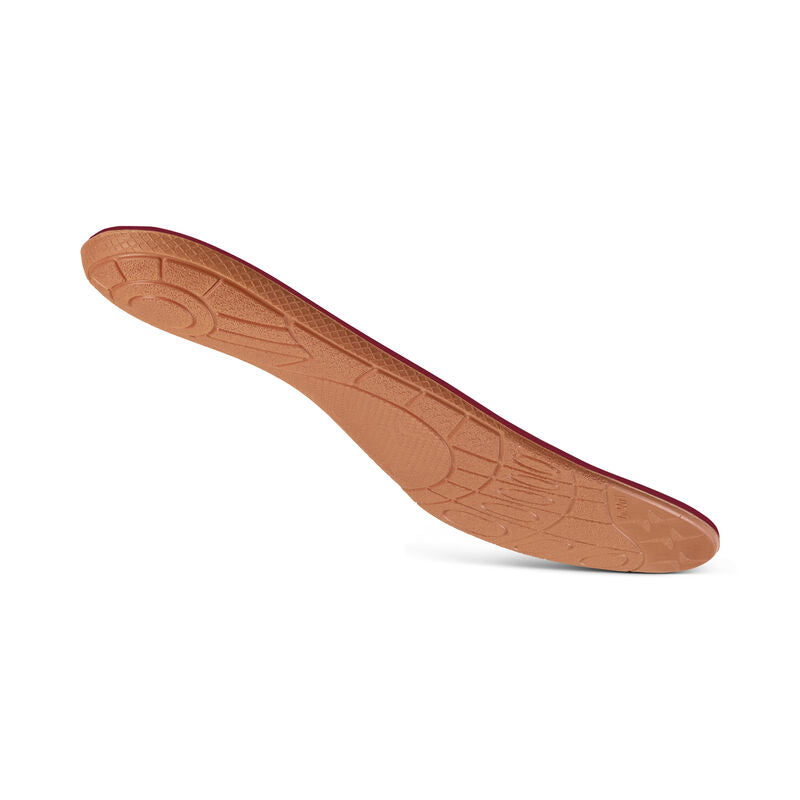
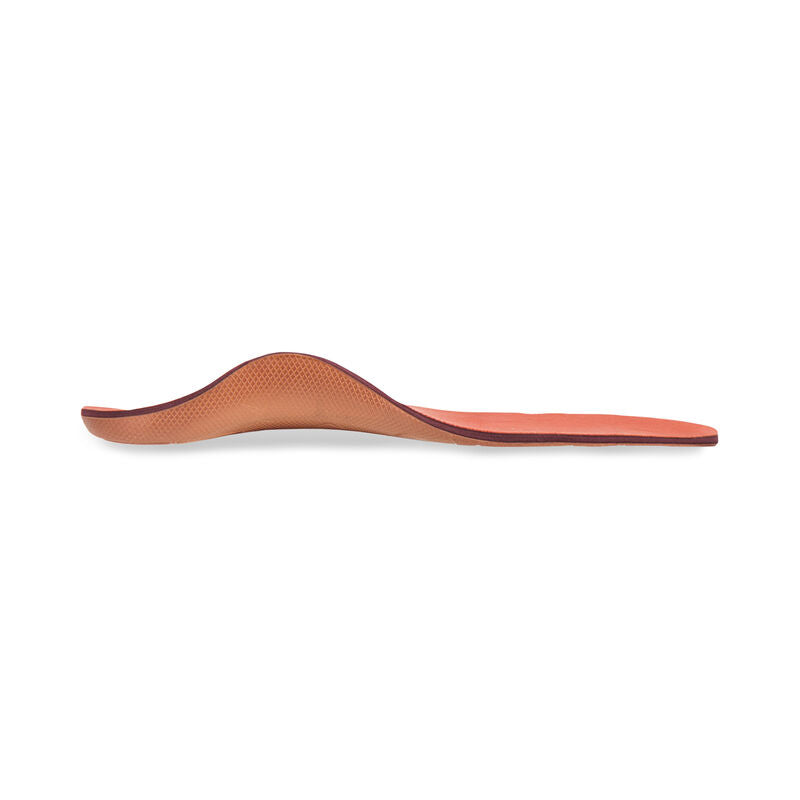
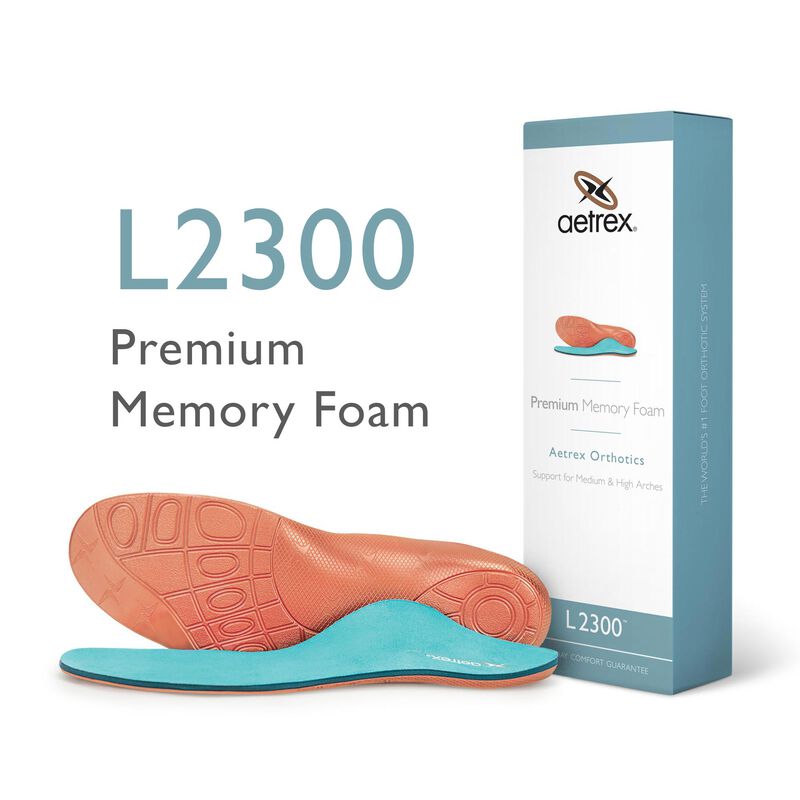
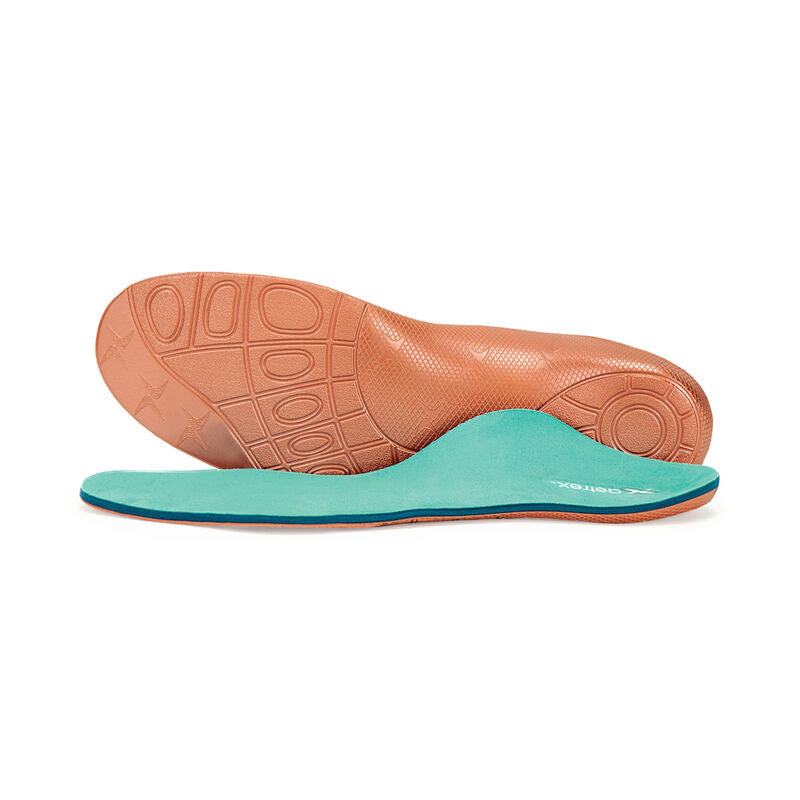
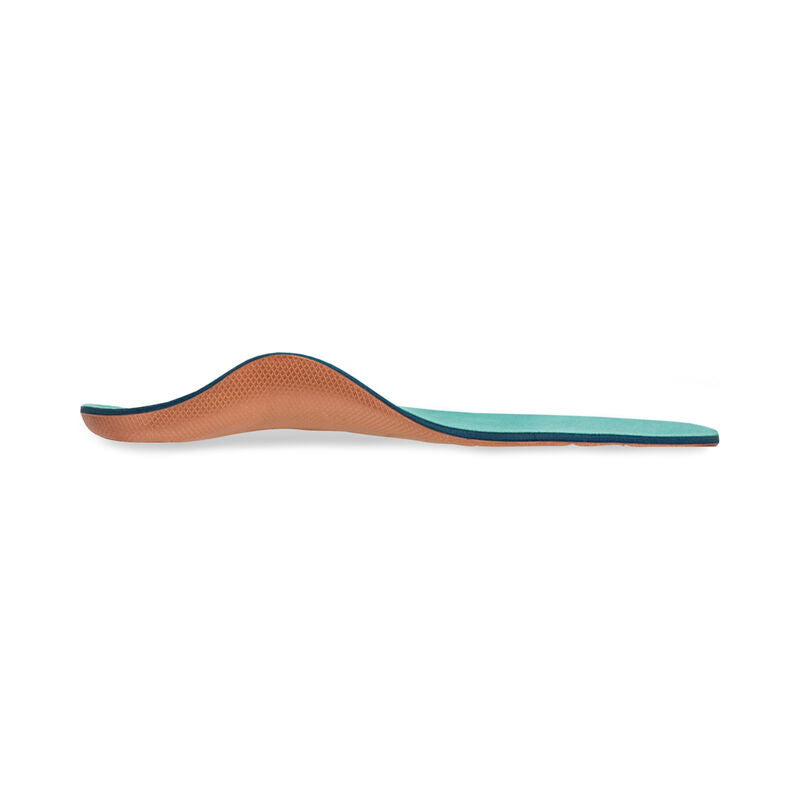
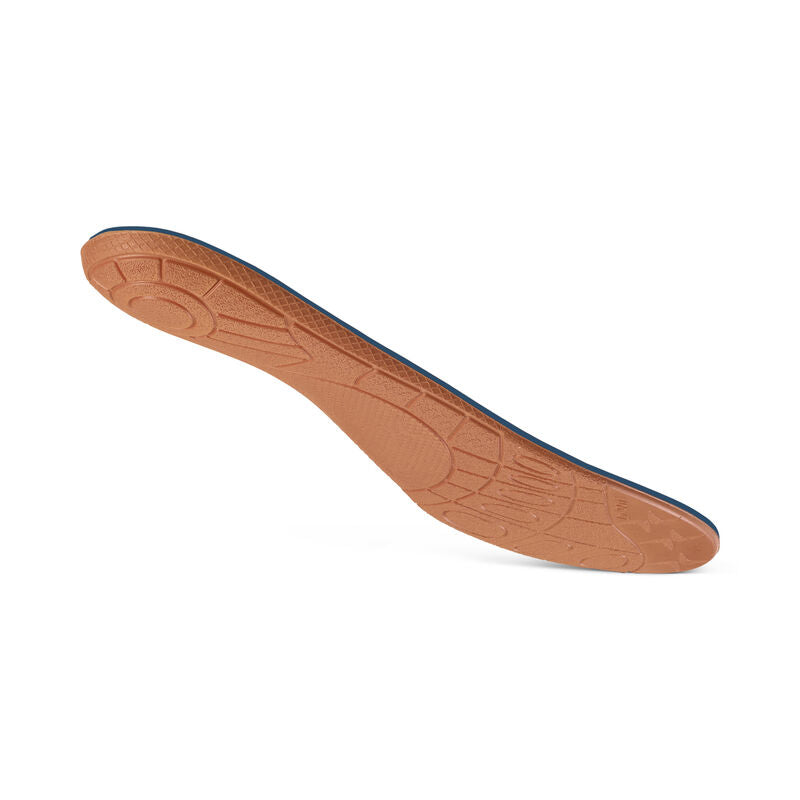
Aetrex products can help correct the alignment and alleviate the pressure on the affected joint.Aetrex shoes with a wide toe area are recommended to accommodate the deformity and Aetrex Orthotics that help reduce bunion pain and increase the toe’s mobility.








What Other Bunion Sufferers Say
Favorite Sandals
— Shan
I have flat feet, bunions, plantar fasciitis, and have suffered from Achilles tendinitis. These sandals are wonderful! They look very attractive and fashionable while also providing the desperately needed support so that I can walk. I love the Velcro closures that can be adjusted across the toes, as well as around the ankle. I wish that I could get a pair in every color!”
Great Style and Comfort
— Susan C.
After bunion surgery I needed to find shoes with more support; these are my third pair of Aetrex shoes. None had to be worn in, my feet felt supported without sacrificing style. Perfect for traveling especially when you have to limit the number of shoes you take."
Very comfortable!
— Susanne B.
I have bunions and I need good arch support so I don’t skimp on shoes. These sandals were comfortable right out of the box. The adjustable straps make them a perfect fit and the arch support is great.
The information contained on this website is for educational, informational and retail purposes only. No material on this site is intended to be a substitute for medical advice, diagnosis or treatment of any medical condition. Accordingly, if you are experiencing ongoing pain or discomfort, we encourage you to consult with a doctor or medical professional.