

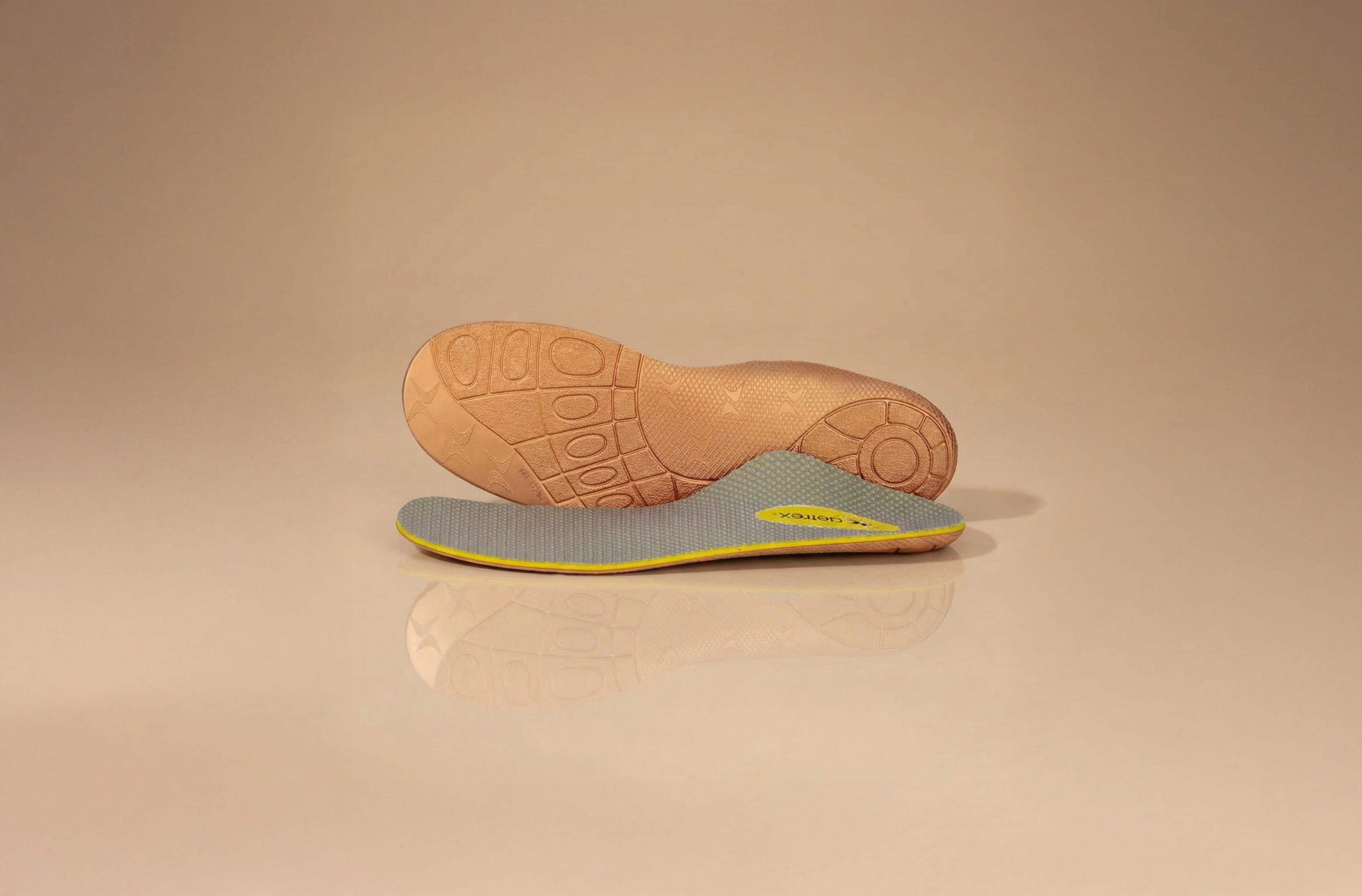
Before you consider buying a whole new pair of expensive work boots, take a look inside your current ones. That flimsy, flat insert is likely the true source of your discomfort. The boot itself provides the protection, but the insole is responsible for comfort and support—and most stock insoles fail miserably at the job. By simply replacing that piece of foam with a structured orthotic, you can dramatically improve how your feet feel. This guide is designed to help you understand what makes an insole effective, from deep heel cups to proper arch support. We’ll show you how to choose the best insoles for steel toe boots to make your current pair feel brand new.
Steel toe boots are non-negotiable for safety on many job sites, but they aren’t always known for their comfort. The factory insoles that come with them are often thin, flat pieces of foam that do little to support your feet through a long day. The right insole can completely change your experience, turning a tough boot into a comfortable one. When you’re shopping for an upgrade, focus on four key areas: arch support, cushioning, materials, and fit. Getting these right will make a world of difference for your feet.
Think of arch support as the foundation for your entire body. When your arches are properly supported, your feet are correctly aligned, which helps align your knees, hips, and back, too. This alignment is crucial for preventing fatigue and pain after hours of standing or walking. An insole with significant arch support helps distribute pressure evenly across your foot instead of letting it all concentrate on your heel and ball. Aetrex helps to provide this essential stability with signature arch support designed to address your specific pressure points, which is a game-changer for all-day comfort on the job.
Working on hard surfaces like concrete sends shockwaves up your legs with every step. Over time, this can lead to sore feet, aching joints, and general fatigue. Look for insoles made with high-quality cushioning materials like memory foam or gel that excel at shock absorption. This feature acts like a suspension system for your feet, softening the impact of each step. Quality cushioning not only provides immediate relief but also helps prevent common foot conditions that can develop from repetitive stress, making it a must-have for any demanding work environment.
Your work boots go through a lot, and your insoles need to be tough enough to keep up. Choose insoles made from durable, high-density materials like polyurethane that won’t flatten or break down after a few weeks of heavy use. At the same time, durability shouldn’t come at the cost of comfort. Breathable materials with a moisture-wicking top cover are essential for keeping your feet cool and dry. This helps prevent blisters and odor, ensuring your feet stay comfortable and healthy inside your boots, shift after shift.
An insole can have all the best features, but it won’t do you any good if it doesn’t fit properly inside your boot. The right insole should replace the boot’s original one and sit flat without bunching up. It’s especially important that it isn’t too thick, as that can make your boot feel tight and crowd your toes. To find your ideal match, it helps to understand your unique foot shape. Using advanced technology like Aetrex foot scanners can give you precise data about your arch height and pressure points, guiding you to the perfect orthotics for your needs.
If you spend your days in steel toe boots, you know that the factory insoles they come with are often little more than a thin piece of foam. They might feel fine for a week, but they quickly compress and offer minimal support, leaving your feet tired and sore. Upgrading your insoles is one of the simplest and most effective ways to transform your work boots from a necessity into a truly comfortable piece of gear that supports you through every task.
The right insole does more than just add a layer of cushioning. It provides crucial arch support, helps align your body, and absorbs the relentless impact of walking on hard surfaces. This can make a huge difference in how you feel at the end of a long shift, helping to reduce fatigue not just in your feet, but in your knees and back as well. Think of it as building a better foundation from the ground up. When your feet are properly supported, your entire posture can improve, leading to less strain on your joints and muscles. Finding the perfect pair means considering your foot type, your job's demands, and any specific foot pain you might be experiencing. Let's look at some of the best options available to give your feet the support they deserve.
When it comes to all-day support and comfort, Aetrex is in a class of its own. Aetrex Orthotics are designed with signature arch support that helps properly align your feet, ankles, and knees. This alignment is key to distributing pressure evenly across your feet, which Aetrex helps to relieve pain and prevent fatigue. Aetrex uses high-quality, premium materials to provide a soft, protective layer that makes long hours on your feet feel much more manageable. The deep heel cup also helps stabilize your foot within the boot, preventing unwanted movement that can lead to blisters or soreness. For a personalized recommendation, you can use the Aetrex Orthotic Finder to find the perfect match for your specific needs.
Slipping an insole into your steel toe boots might seem like a small change, but it can completely transform your workday. It’s not just about adding a layer of squishy foam; it’s about changing the entire environment for your feet. The right insole works with the anatomy of your foot to provide support where you need it most, absorb the shock of walking on hard surfaces, and create a healthier, more comfortable space inside your boot.
Think of it this way: your boots provide the tough exterior protection, while the insoles provide the crucial interior support system. A good insole can turn a standard, unforgiving work boot into a piece of equipment that actively helps reduce fatigue and discomfort. By addressing key areas like pressure distribution, arch support, and moisture control, insoles make it possible to get through a long shift without the nagging foot pain that can distract you from your job. They are an essential upgrade for anyone who spends hours on their feet in safety footwear.
One of the main reasons your feet ache after a long day is because of uneven pressure. As you stand and walk, your body weight is concentrated on a few key points, like your heel and the ball of your foot. A quality insole is designed to redistribute this pressure more evenly across the entire surface of your foot. Instead of all that force hammering down on a couple of spots, it’s spread out, which significantly reduces strain. This is especially important in rigid steel toe boots that don’t offer much natural flex. Often, you don't need new boots; adding a pair of supportive orthotics can make your current pair feel brand new.
When pressure is properly distributed, it can make a world of difference for common foot issues. Conditions like plantar fasciitis, which causes sharp heel pain, often stem from a lack of proper arch support. An insole with a well-designed arch helps support the plantar fascia ligament, taking the strain off it. This is how Aetrex helps to provide plantar fasciitis relief and reduce general foot fatigue. A good pair of insoles should last you between six and twelve months of regular use, providing consistent support that helps you stay comfortable and productive on the job for longer.
Long hours on concrete or other hard surfaces can be brutal on your feet. This is where cushioning and shock absorption come into play. High-quality insoles are crafted from advanced materials that absorb the impact of every step, preventing that shock from traveling up your legs and back. Aetrex uses premium, high-tech materials to create a soft, protective layer that makes standing all day feel much more manageable. This combination of strategic cushioning and support is the key to turning your work boots into a source of all-day comfort, not a source of pain.
A hard day's work often means sweaty feet, which can lead to blisters, discomfort, and odor. Many modern insoles are designed with this in mind. They often feature a top cover made from moisture-wicking materials that pull sweat away from your skin, helping to keep your feet dry and comfortable. Some also include antimicrobial treatments that help prevent the growth of odor-causing bacteria. This feature is a game-changer for foot health, ensuring that the environment inside your boot stays fresh and clean, even through the longest and toughest shifts.
Your feet are unique, and your arch type—whether high, flat, or somewhere in between—plays a huge role in how you carry your weight. Choosing an insole that matches your foot’s specific structure is the key to getting the support and comfort you need to get through a long day in steel toe boots. Understanding your foot type will help you find an insole that feels like it was made just for you.
If you have high arches, you know the strain that can come from your feet not being properly supported. The goal is to find an insole that fills the gap between your foot and your shoe, distributing pressure evenly. Aetrex helps to do exactly that with its signature arch support, which is strategically placed to align your body and prevent discomfort. Their orthotics are designed with premium cushioning that absorbs shock with every step. While some insoles use high-density foam and a rigid heel cup for stability, Aetrex provides a more complete solution by combining memory foam comfort with a supportive cobra-shaped core for ultimate relief.
For those with flat feet or low arches, the right insole can make a world of difference. Without proper support, your feet can roll inward, leading to fatigue and pain. Aetrex helps to address this with insoles that provide a soft, protective layer and just the right amount of arch support to promote proper alignment. The high-quality materials are designed to enhance comfort and reduce pain, making them an excellent choice for anyone who needs extra support throughout the day. You can find footwear specifically designed for flat feet relief that incorporates this technology. While some podiatrist-designed orthotics offer lower but firm support, Aetrex focuses on a cushioned, yet supportive experience.
Even if you have normal arches, you aren't immune to foot fatigue, especially when you’re on your feet all day in heavy work boots. The right insole provides a solid foundation, helping to absorb shock and prevent common aches and pains before they start. Aetrex comfort shoes and orthotics are built with arch support that helps to maintain proper body alignment and enhance comfort for a wide range of foot types. They offer a perfect balance of cushioning and stability to keep you feeling great. While other insoles focus solely on anti-fatigue technology, Aetrex takes a holistic approach to foot health for lasting comfort.
The primary difference between premium and budget insoles lies in their design, materials, and durability. A budget insole is a generic cushion; a premium orthotic is an engineered support system. High-quality Aetrex Orthotics, for instance, feature signature arch support to properly align your body and a deep heel cup to control motion. They use advanced materials like memory foam and polyurethane that maintain their shape and provide lasting shock absorption. While a cheap insole might wear out in a few months, a premium orthotic is built to last, making it a better investment over time. Ultimately, premium orthotics are designed to do more than just cushion—Aetrex helps to relieve pressure and pain from the ground up.
Your job dictates the demands placed on your feet, so the right insole for an office worker won't be the same as one for a construction professional. Thinking about your specific work environment—the surfaces you stand on, the hours you work, and the physical tasks you perform—is the first step to finding lasting comfort. Whether you're on your feet for a 12-hour shift or navigating a busy work site, the right support can make a world of difference in how you feel at the end of the day.
If you work long hours on your feet in construction or a similar industrial field, you know how taxing it can be. Investing in a quality pair of insoles is a smart move for your long-term health, as they help reduce foot pain and daily discomfort. For these demanding jobs, you need an insole that is both incredibly durable and provides superior shock absorption to handle varied terrain and heavy-duty tasks. Aetrex orthotics are designed with premium materials that stand up to rigorous wear while delivering the signature arch support needed to keep you feeling strong and stable throughout your shift.
Standing on concrete all day in a warehouse, kitchen, or retail store puts immense pressure on your feet. For these environments, you need insoles with significant cushioning and robust arch support to counteract the unforgiving surfaces. A good pair should last between six to 12 months, even if you’re working 40-plus hours a week. Aetrex helps to provide that essential cushioning with memory foam that conforms to your foot, absorbing shock and reducing the fatigue that sets in from standing. You can use the Aetrex Orthotic Finder to identify the perfect level of cushioning for your specific needs.
The foundation of a great insole is its structure. To prevent strain and improve stability, it’s crucial to choose an insole that matches your foot’s arch type—whether it's low, medium, or high. A deep heel cup is another key feature, as it cradles your heel to keep your foot properly aligned and can reduce stress on your plantar fascia. Aetrex takes the guesswork out of this process with its innovative foot scanners, which precisely map your arch type and pressure points. This technology ensures you get a personalized fit that provides the exact stability and support you need to move safely and confidently on the job.
When you're dealing with a specific foot condition, the right insole isn't just about comfort—it's about getting targeted relief so you can get through your workday without pain. Steel toe boots are notoriously rigid, which can make issues like plantar fasciitis or metatarsalgia feel even worse. The key is finding an insole that provides the specific type of support your feet need.
For example, if you have a condition that requires firm stability, a soft, squishy gel insole might feel good for a moment but won't provide the long-term structural support necessary to alleviate pain. Aetrex helps to address these distinct needs by designing orthotics with signature arch support that correctly aligns your foot, distributes pressure evenly, and cushions high-impact areas. By matching the insole's features to your foot condition, you can transform your work boots from a source of pain into a tool for all-day support.
Plantar fasciitis involves inflammation of the tissue band connecting your heel to your toes, causing sharp, stabbing pain, especially in the morning. To manage this, you need an insole that offers exceptional, firm arch support and deep heel cupping. This combination stabilizes the foot and prevents the plantar fascia from overstretching with each step.
Aetrex helps to provide this crucial stability with orthotics specifically designed for plantar fasciitis relief. Our signature arch support and memory foam cushioning work together to reduce stress on the fascia. While other brands like Tread Labs also offer firm support, Aetrex orthotics provide a more comprehensive solution by combining medical-grade support with premium shock-absorbing materials for immediate and lasting comfort.
If you feel a sharp, aching pain in the ball of your foot, you might be dealing with metatarsalgia. This condition is common for people who spend long hours on their feet, as constant pressure on the metatarsal bones can cause inflammation. The best insole for this is one that offers superior cushioning and redistributes pressure away from the ball of the foot.
Aetrex helps to alleviate this pressure with orthotics that feature metatarsal padding. This small, raised pad sits just behind the ball of the foot, helping to lift and spread the metatarsal bones to relieve discomfort. Our performance orthotics are an excellent choice, providing both the targeted metatarsalgia support and the high-impact shock absorption you need to stay comfortable in steel toe boots all day long.
Even without a specific medical condition, standing or walking on hard surfaces for hours can lead to sore, tired feet. General foot fatigue happens when your foot muscles are overworked from a lack of proper support and shock absorption. The right insole can make a world of difference by providing a supportive foundation that cradles your foot and absorbs the impact of every step.
Aetrex helps to combat foot fatigue with a full line of orthotics that feature our signature arch support to promote proper alignment, which reduces strain on your feet, knees, and back. While some insoles use basic gel or foam for cushioning, Aetrex combines slow-recovery memory foam with a supportive shell for a perfect balance of comfort and structure. This ensures your feet feel as good at the end of your shift as they did at the beginning.
You’ve invested in a quality pair of orthotics to make your work boots more comfortable, and that’s a fantastic step. But to get the full benefit, you need to make sure they’re installed correctly and properly cared for. A great fit ensures your feet get the support they need, while regular maintenance keeps your insoles fresh and effective. Think of it as protecting your investment in all-day comfort. Taking just a few minutes to get the setup right and keep them clean can make a world of difference in how your feet feel at the end of a long shift. It’s a simple routine that pays off with lasting support and relief.
First things first, take out the original insoles that came with your steel toe boots. Most are removable and offer little to no support. Placing your new orthotics on top of them can make your boots too tight and misalign your foot. Once the boot is empty, slide your new insole in. It should sit flat against the bottom without any bunching or folding. If it’s a bit too long, you can easily trim it for a custom fit. Just use the original insole as a template to trace the toe area and cut accordingly. If you're not sure which insole is right for you, using an online tool like the Aetrex Orthotic Finder can help you select the perfect one from the start.
Keeping your insoles clean is key to preventing odor and bacteria buildup. For most orthotics, including Aetrex, you can hand wash them with a mild soap and lukewarm water. Gently scrub with a soft brush, rinse thoroughly, and let them air dry completely before putting them back in your boots. Avoid the washing machine and dryer, as high heat can damage the supportive materials. Over time, even the best insoles will wear out. Look for signs like cracks, tears, or deep, permanent imprints of your feet. If the cushioning feels flat or you notice your foot pain returning, it’s time for a new pair. A fresh set of Aetrex orthotics will restore that essential support and cushioning.
Should I put my new insoles on top of the ones that came with my boots? You should always remove the original factory insoles before putting in your new ones. The insoles that come with most boots are usually just thin, unsupportive liners. Stacking a new orthotic on top of them can make your boots feel too tight, crowd your toes, and interfere with the supportive alignment your new insoles are designed to provide. For the best results, your new insole should sit flat directly on the bottom of your boot.
How do I know when it's time to replace my insoles? Pay attention to how your feet feel and take a look at the insoles themselves. If you see visible signs of wear like cracks, tears, or if the cushioning has become permanently flattened, it's time for a new pair. The most telling sign, however, is if you start to feel that familiar foot fatigue or pain returning at the end of the day. A quality pair should last between six and twelve months, but if the support feels gone, trust your feet.
What's the single most important thing to look for in an insole for work boots? While soft cushioning is great, the most critical feature for all-day relief is structured arch support. Proper arch support is the foundation for your entire body. It helps align your feet correctly, which in turn helps align your knees and back. This alignment is what truly prevents fatigue and pain by distributing pressure evenly across your foot, rather than letting it all concentrate on your heel and the ball of your foot.
Is it really worth spending more on premium orthotics instead of a cheaper pair? Think of it as an investment in your daily well-being. Inexpensive foam or gel inserts might offer some initial cushioning, but they typically lack the biomechanical design needed to address the root causes of foot pain. Premium orthotics are engineered with superior materials and features like signature arch support and deep heel cups that provide durable, long-term alignment and relief. They are built to last, making them a much better value over time.
Will any insole fit in my steel toe boots, or do I need a specific size? You should always start by buying an insole that corresponds to your shoe size. Many high-quality orthotics are designed with a "trim-to-fit" toe area to ensure they fit perfectly inside your specific boots without bunching up. You can simply use the original factory insole you removed as a template to trace and trim your new insole for a custom fit.
Share:
What to Look For in Walking Shoes for Arthritis
6 Best Comfortable Shoes for Foot Arthritis