

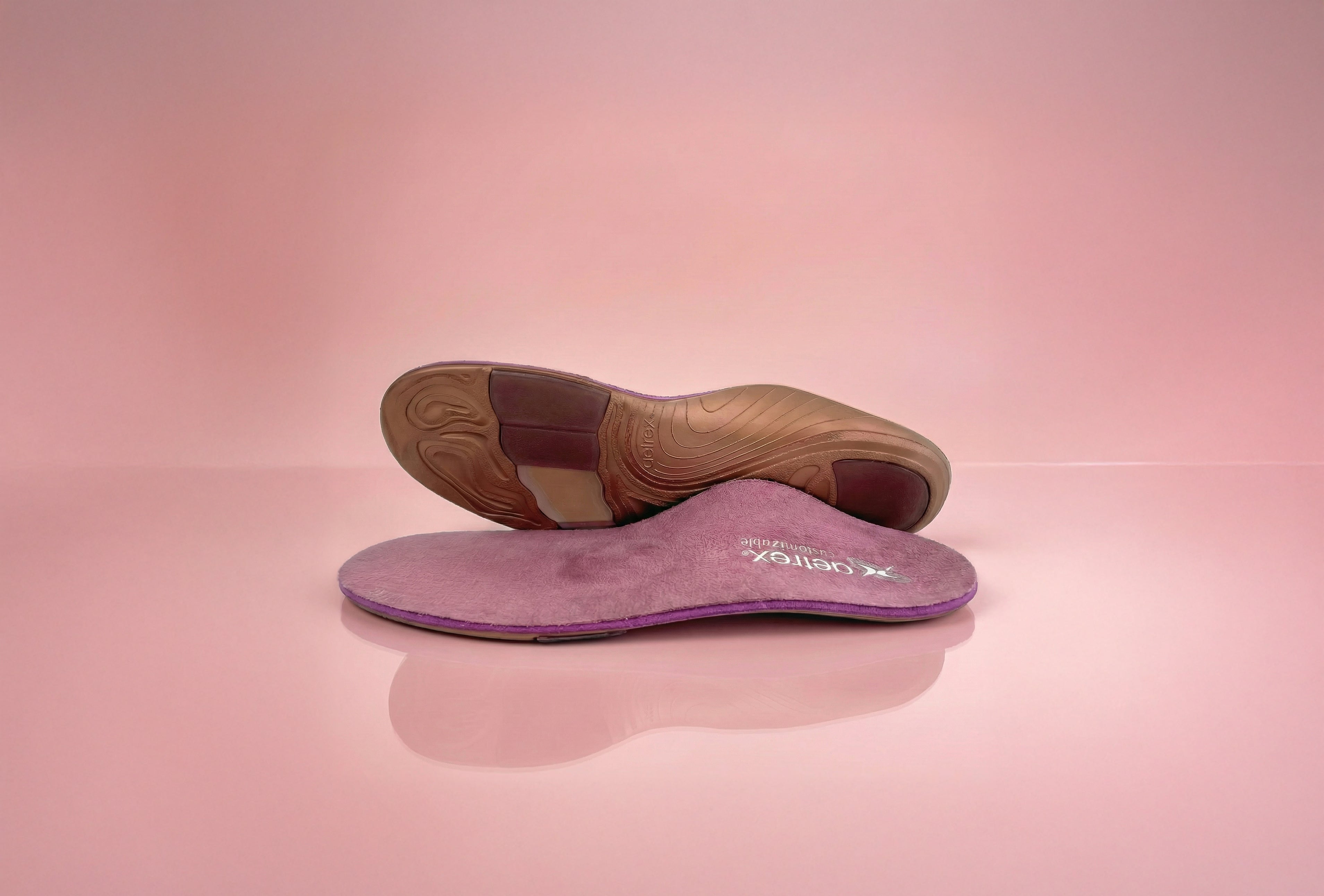
It’s a frustrating feeling. You get a standalone metatarsal pad placed perfectly, only to have it shift around in your shoe by midday. Real relief requires support that stays put, and that’s where the right design is crucial. While adhesive pads can be a temporary fix, a more reliable solution is often found in orthotics or footwear with support built right in. This ensures the pad stays exactly where it needs to be for all-day relief. Let's explore the options to find the best metatarsal pad for Morton's Neuroma that fits your life and finally eases your foot pain.
If you're dealing with the sharp, burning pain of Morton's neuroma, you've probably heard about metatarsal pads. But what exactly are they, and how can a small piece of padding make such a big difference? Understanding the mechanics behind this simple solution is the first step toward finding lasting comfort. Metatarsal pads are designed to address the root cause of the pain by supporting the structure of your foot and giving that irritated nerve the space it needs to heal. Let's break down what's happening in your foot and how these pads can help.
Before we get into the solution, let's quickly cover the problem. Morton's neuroma is a painful condition that affects the ball of your foot. It happens when the tissue around a nerve—usually the one between your third and fourth toes—becomes thick and irritated. Many people describe the sensation as feeling like there's a pebble in their shoe or a fold in their sock that they just can't smooth out. This constant pressure on the nerve can lead to sharp, burning pain, tingling, or even numbness in your toes, making every step a challenge.
While the exact cause of Morton's neuroma isn't always clear, experts agree it's closely linked to pressure or irritation of a nerve between your metatarsal bones—the long bones in your forefoot. Think of it like this: when those bones are squeezed together, the nerve gets pinched. This constant compression can lead to thickening and swelling of the nerve tissue, which is what causes that distinct, sharp pain. Common culprits include wearing shoes that are too tight or narrow in the toe area, like high heels, which force your foot into an unnatural position. Certain foot types, such as flat feet or high arches, can also contribute by altering how pressure is distributed across your forefoot, making you more susceptible. Providing your feet with proper support and a roomy toe box is key, which is why footwear designed for forefoot relief can make a significant difference.
Morton's neuroma is sneaky; its symptoms often start gradually. In the beginning, you might only feel pain when you're wearing certain shoes, and taking them off brings immediate relief. But as the nerve becomes more irritated and the neuroma enlarges, the symptoms tend to stick around. You might find that the burning or tingling sensation lingers long after you've kicked off your shoes for the day. Over time, the pain can become more intense and persistent, sometimes lasting for several days or even weeks. This progression is a sign that the nerve is under continued stress. Addressing the issue early with supportive footwear is crucial. Aetrex helps to provide the arch support and cushioning needed to redistribute pressure away from the ball of the foot, which can prevent symptoms from worsening and give the nerve a chance to heal.
Metatarsal pads are your foot's best friend when it comes to Morton's neuroma. Their primary job is to support the metatarsal arch, which is the series of bones in the ball of your foot. When properly placed, a metatarsal pad gently lifts and spreads these bones. This simple action creates more space and stops the bones from pinching the irritated nerve. By relieving that constant pressure, the pad helps to significantly reduce the pain, tingling, and numbness. The best insoles for this condition have a built-in metatarsal pad that helps support the bones in the ball of your foot, allowing them to spread naturally and comfortably.
Metatarsal pads come in a few different forms, but they generally fall into two main categories: standalone pads and insoles with built-in support. Standalone pads are often small, teardrop-shaped pads made of materials like felt or gel that you stick directly into your shoe. While they can be effective, getting the placement just right can be tricky.
A more comprehensive solution is an insole with a built-in metatarsal pad. High-quality Aetrex orthotics are designed this way, combining the met pad with crucial arch support. This integrated approach not only helps to spread the metatarsal bones but also stabilizes your entire foot, preventing your arch from collapsing and putting extra strain on your forefoot. This all-in-one design ensures the pad is always in the perfect position to provide consistent relief.
While metatarsal pads are a game-changer for Morton's neuroma, their benefits don't stop there. The same principle that brings relief to a pinched nerve—lifting and spreading the metatarsal bones—is also highly effective for a range of other forefoot issues. Think of it this way: many problems in the ball of your foot are caused by too much pressure concentrated in a small area. By redistributing that pressure, a metatarsal pad can address the root cause of the discomfort. Aetrex orthotics with built-in metatarsal support Aetrex Helps to provide this relief consistently, making them a versatile tool for anyone experiencing pain in the front of their foot, not just those with a neuroma.
Metatarsalgia is a broad term for pain in the ball of the foot, and it's one of the most common conditions that metatarsal pads are used for. These pads are also incredibly useful for more specific issues like sesamoiditis (inflammation of the small bones beneath the big toe joint) and bursitis. In each case, the pad works by offloading pressure from the inflamed, painful area. By providing a gentle lift just behind the ball of the foot, the pad encourages your bones to spread out naturally. This reduces the strain on the sensitive structures in your forefoot, giving them a chance to heal and providing you with much-needed comfort with every step you take. This is why footwear designed for metatarsalgia relief often incorporates this essential feature.
Finding the right metatarsal pad can feel like a bit of a treasure hunt, but knowing what to look for makes all the difference. The goal is to find a pad that effectively lifts and separates the metatarsal bones, giving that pinched nerve some much-needed space. It’s not just about adding cushioning; it’s about providing targeted, structural support right where you need it.
When you start shopping, you'll notice a lot of options. From the material to the placement, every detail matters. A pad that works wonders for one person might not be the right fit for you. That’s why it’s so important to understand the key features. Let's walk through what you should consider to find a metatarsal pad that helps you get back on your feet with greater comfort.
The material of your metatarsal pad plays a big role in how it feels and performs. The most common options you’ll see are gel, silicone, and felt. Gel and silicone pads are known for their soft, cushioning effect, which can be great for absorbing shock. They are also durable and easy to clean.
Felt pads, on the other hand, tend to be firmer. They offer more rigid support, which can be very effective at offloading pressure from the ball of your foot. Some people prefer the solid structure of felt, while others like the squishier feel of gel. There’s no single "best" material—it really comes down to your personal comfort and the level of support your feet need.
While personal preference is a big factor, the best material for you often depends on the kind of support your foot needs. Softer materials like gel and silicone are fantastic for shock absorption, providing a gentle cushion that can feel great if you spend a lot of time on hard surfaces. However, for the specific, targeted support needed to address Morton's neuroma, a material with a bit more structure is often more beneficial. A firmer pad is better at maintaining its shape to consistently lift and separate the metatarsal bones, which is key to relieving nerve pressure. That’s why Aetrex orthotics are designed with premium, high-tech materials that strike the perfect balance. They offer plush cushioning for comfort while ensuring the built-in metatarsal pad provides the firm, reliable support that Aetrex helps to alleviate forefoot pain.
Here’s a crucial tip: the metatarsal pad should not sit directly under the painful spot. It might seem counterintuitive, but for the pad to work, it needs to be placed just behind the ball of your foot. Think of it as creating a small lift that helps spread the metatarsal bones apart. This action relieves the pressure on the nerve that’s causing all that discomfort.
If the pad is placed too far forward, it can actually increase pressure on the neuroma. Getting the position perfect is key to finding relief. This is why paying close attention to placement instructions or choosing a product with built-in support is so important for achieving the best results.
You’ll find metatarsal pads in two main forms: as small, standalone adhesive pads or as a feature built directly into an insole. Standalone pads can be stuck inside your shoe or onto a basic insole. While they offer flexibility, their biggest drawback is that they can shift around as you walk, losing their effective positioning.
This is where orthotics with built-in support truly shine. When the metatarsal pad is integrated into the insole, it stays exactly where it’s supposed to be, providing consistent and reliable support all day long. Aetrex helps to ensure you get this targeted relief without the hassle of constant readjustments, as our orthotics and footwear are designed with this precise, built-in support.
Metatarsal pads are not one-size-fits-all. A pad that’s too thick can make your shoes feel tight and uncomfortable, while one that’s too thin might not provide enough support to make a difference. The right size and thickness depend on your foot anatomy and the type of shoes you plan to wear them in.
For example, a slimmer pad might be necessary for a dress shoe, while a thicker one could work well in a sneaker with more room. The key is to find a balance that offers relief without cramping your toes. Truly understanding your unique foot shape and pressure points can guide you toward the perfect fit, ensuring the pad does its job effectively.
When selecting a metatarsal pad, you're not just fitting it to your foot; you're fitting it into your shoe. A pad that's too bulky can crowd your toes and create new pressure points, while one that's too slim won't offer the lift your metatarsals need. Consider the shoes you wear most. A sleek pair of loafers has far less space than your favorite running shoes, so you might need different levels of support for different activities. This is where understanding your foot's specific needs is a game-changer. Aetrex helps to eliminate the guesswork with its advanced foot scanning technology, which maps your unique pressure points. This data ensures you can find an orthotic with the perfectly sized and placed metatarsal support, giving you effective relief without sacrificing the fit of your shoes.
Finding the right metatarsal pad can feel overwhelming, but we've narrowed down the options to help you find relief. From all-in-one insoles with built-in support to simple, adhesive pads you can place in any shoe, there's a solution that fits your lifestyle. Some people prefer the convenience of a shoe or insole that already has the support built right in, eliminating any guesswork. Others might want the flexibility of a standalone pad that can be moved between different pairs of shoes. We've looked at some of the most effective and well-regarded options to guide you. Here are our top picks to help ease the discomfort of Morton's Neuroma and get you back on your feet comfortably.
When it comes to a comprehensive solution, Aetrex stands out. Instead of dealing with separate pads that can shift or wear out, Aetrex integrates metatarsal support directly into its orthotics. This design ensures perfect placement every time you slip on your shoes. The built-in metatarsal pad is strategically positioned to help the bones in the ball of your foot spread out, which Aetrex Helps to take pressure off the irritated nerve. Combined with signature arch support, this system provides stability and cushioning for all-day comfort, making it an ideal choice for anyone seeking a reliable, no-fuss way to manage Morton's Neuroma pain.
While finding the right metatarsal pads and supportive footwear is a huge step toward managing Morton's neuroma, sometimes your feet need a little extra help. Think of supportive shoes and orthotics as your daily defense system—they create a better environment for your foot to function without pain. But when you're dealing with a flare-up or persistent discomfort, combining that support with other treatments can make a significant difference. From simple at-home care to medical options you can discuss with your doctor, these additional strategies can help reduce inflammation and give that irritated nerve the break it needs to heal.
When you're in the middle of a painful flare-up, there are several things you can do at home to find immediate relief. These simple, effective strategies focus on reducing inflammation and strengthening your foot to prevent future issues. The best part is that they are easy to incorporate into your daily routine and can work alongside the support you get from your footwear. Taking a few minutes for self-care can calm the irritated nerve and help you get back to your day with less pain.
One of the most direct ways to address the pain of Morton's neuroma is to tackle the inflammation. Applying an ice pack to the painful area on the ball of your foot for 15-20 minutes can help reduce swelling and numb the sharp, burning sensation. You can also try an ice massage by freezing a water bottle and rolling it under your foot. Additionally, over-the-counter nonsteroidal anti-inflammatory drugs (NSAIDs) like ibuprofen may help relieve pain and decrease inflammation around the nerve, giving it a chance to heal.
Strengthening the small muscles in your feet can improve your foot mechanics and provide better natural support, which helps to take pressure off the neuroma. Simple exercises, like picking up a marble with your toes or doing towel scrunches, can make a real difference over time. A physical therapist can also guide you through specific stretches and exercises designed to improve your foot's overall function and stability. Building strength is a proactive way to support your feet and reduce the strain that contributes to nerve irritation.
If at-home strategies and supportive footwear aren't providing enough relief, it might be time to talk to your doctor about other options. Medical treatments are typically more targeted and can offer a more powerful approach to reducing severe or persistent inflammation. These options are administered by a healthcare professional who can assess your specific condition and determine the best course of action to help you find lasting comfort and get back to your favorite activities without pain.
For stubborn pain that doesn't respond to other treatments, your doctor might suggest a corticosteroid injection. Corticosteroids are strong anti-inflammatory medications that can be injected directly into the area around the irritated nerve. This targeted approach helps to reduce the swelling of the nerve and surrounding tissue, which in turn alleviates the pressure and pain. A doctor often uses an ultrasound to guide the injection, ensuring the medicine gets to the exact right spot. This can be a highly effective way to calm a severe flare-up and provide significant relief.
Finding the perfect metatarsal pad is a personal process. What works wonders for one person might not be the right fit for another. The key is to think about your specific needs, from your pain level to the shoes you wear every day. By considering a few key factors, you can narrow down the options and find a solution that brings you consistent relief and comfort. Let’s walk through how to make the best choice for your feet.
Your unique foot shape and the intensity of your pain are the most important factors in your decision. Metatarsal pads are designed to support the metatarsal arch, which helps to spread the bones and relieve pressure on the pinched nerve causing that sharp, burning sensation. If you have a specific foot type, like flat feet or high arches, you’ll want to look for support that accommodates your anatomy. The goal is to find a pad that feels like it’s gently lifting and separating the forefoot bones, giving the nerve room to breathe. Aetrex Helps to provide this targeted relief with orthotics engineered for various foot conditions.
The best metatarsal pad is one you’ll actually use, which means it needs to work with your lifestyle and your wardrobe. Some adhesive pads are small and can be placed directly into dress shoes or sandals, while thicker gel pads might be better suited for sneakers or boots. The challenge with adhesive pads is that they can shift around, losing their effectiveness. This is why many people prefer an all-in-one solution. Aetrex integrates metatarsal support directly into its orthotics and footwear, ensuring the pad stays exactly where it needs to be for consistent support, no matter which pair of shoes you choose.
While a metatarsal pad can provide targeted relief, it can't do its job effectively if your shoes are working against it. Think about it: the goal of the pad is to spread the metatarsal bones to create space for the nerve. But if you're wearing narrow, pointed shoes, you're essentially squeezing those bones right back together, undoing all the good work. The best approach is a holistic one. Look for footwear with a wide toe box that allows your toes to splay naturally. This simple feature can make a huge difference in reducing pressure on your forefoot. Many styles of Aetrex footwear are designed with this in mind, combining ample room for your toes with the built-in arch and metatarsal support needed for true, lasting comfort.
You’ll find two main categories of support: custom-made orthotics and over-the-counter options. Custom orthotics are prescribed by a specialist after a detailed analysis of your foot, but they can be expensive and time-consuming to get. Over-the-counter pads and insoles are more accessible and affordable. Many high-quality insoles now offer the benefits of a built-in metatarsal pad, which is often superior because it prevents the pad from slipping. Aetrex bridges the gap by using innovative foot scanning technology to gather precise data about your feet, helping you find the perfect off-the-shelf orthotic for a near-custom fit without the high price tag.
Custom orthotics can be a game-changer for many people. In fact, studies show that for those with early-stage Morton's neuroma, custom orthotics provide significant help for more than 60% of patients. Because they are molded specifically to your feet, they offer a precise level of support that can effectively offload pressure from the irritated nerve. However, the process of getting them made can be both expensive and lengthy. This is why many people find incredible relief with high-quality, over-the-counter options that incorporate similar design principles, like a built-in metatarsal pad and robust arch support. These advanced OTC solutions offer a more accessible and immediate path to comfort without the high cost and wait times associated with custom devices.
When you’re dealing with foot pain, it can be incredibly helpful to learn from others who have walked a similar path. Reading product reviews and personal testimonials can offer real-world insight into how different pads perform. You’ll find that many people experiment with various types of support before finding what works best for them. While every foot is different, hearing about others' experiences can highlight potential solutions you hadn't considered. Look for reviews from people who describe pain similar to yours—their feedback can be a valuable guide in your search for relief.
Once you've decided to try metatarsal pads, the next step is figuring out the logistics of buying and using them. It can feel a little overwhelming at first—where do you even start looking? What's a reasonable price to pay, and how do you know if you're getting a good value? And once you have them, how do you actually use them correctly to get the relief you need? Don't worry, I've got you covered. This section will walk you through everything you need to know, from the best places to shop to understanding return policies and proper placement.
The goal is to make this process as straightforward as possible so you can focus on what really matters: feeling better and getting back on your feet without pain. Think of it as a practical guide to your purchase. We'll explore the difference between buying standalone pads that you stick into your existing shoes versus investing in footwear where the support is already perfectly integrated. Understanding these options is key to finding a solution that fits your lifestyle and provides consistent comfort. Knowing what to expect will help you make a confident and informed choice for your foot health, ensuring you get the most out of your investment in pain relief.
Your first and best option is to look for footwear with metatarsal support already built in. Aetrex offers a wide range of shoes designed for metatarsalgia relief that seamlessly integrate this feature, taking all the guesswork out of placement and ensuring consistent support with every step. This approach provides a holistic solution where the pad works in harmony with the shoe's overall design. If you're looking for standalone pads to add to your current shoes, you can find them at drugstores or through specialized online retailers. These stores often carry a variety of pads specifically designed for conditions like Morton's Neuroma, giving you more targeted options than a general pharmacy might.
Standalone metatarsal pads are generally quite affordable. You can often find a multi-pack of felt or gel pads for around $10, making them an accessible entry point for trying out this type of support. While the low initial cost is appealing, remember to consider the long-term value. These pads can shift, lose their adhesiveness, and wear out over time, requiring frequent replacement. Investing in a pair of shoes or orthotics with built-in metatarsal support provides a more durable, reliable, and comprehensive solution. It’s a single purchase that offers lasting comfort and proper alignment without the daily hassle.
Before you buy any foot care product, always check the return policy. This is especially important for something as personal as a metatarsal pad. Many online retailers offer a 30-day return or exchange window, which gives you time to see if the pads work for you. When purchasing shoes with built-in support, a generous trial period is even more crucial. You need to be able to walk in them and ensure the fit and feel are right for your unique feet. A good return policy shows that a company stands behind its product and gives you the confidence to try a new solution risk-free.
If you have a Flexible Spending Account (FSA) or Health Savings Account (HSA), you might be able to use those pre-tax dollars to pay for products that help with your foot pain. Many items designed to alleviate a medical condition, including Morton's neuroma, are eligible. This often includes high-quality orthotics and supportive footwear that provide the necessary metatarsal and arch support. Because Aetrex Helps to alleviate pain from specific foot conditions with our engineered designs, our products are frequently covered by these plans. It’s a smart way to invest in your comfort without breaking the bank. Just be sure to check the specific guidelines of your FSA or HSA plan, as coverage details can vary, but it's definitely worth looking into for significant savings.
If you opt for standalone pads, proper placement is key. The pad isn't meant to go directly under the painful spot but just behind it. The goal is to place the small, raised bump just south of the ball of your foot, which helps lift and spread the metatarsal bones to relieve pressure on the nerve. For adhesive pads, make sure your insole is clean and dry before applying. The biggest advantage of Aetrex footwear, however, is that you can skip this step entirely. The metatarsal support is already expertly placed within the shoe’s footbed, so you get perfect positioning and targeted relief every time you slip them on.
When you're exploring standalone pads, you'll find they generally fall into two camps: reusable and disposable. Reusable pads, often made from gel or silicone, are a cost-effective choice since you can wash and wear them multiple times. They provide soft cushioning and can sometimes be worn directly on your foot for targeted relief from conditions like metatarsalgia. The main drawback, however, is consistency. Even when worn directly on the skin, they can slip as you move, which means the support you need isn't always where it should be. This lack of reliable placement can be a frustrating trade-off when you're seeking all-day comfort.
Disposable pads, typically made of adhesive felt, offer firmer, more rigid support that can be very effective for offloading pressure. While the convenience is a plus, the costs can add up, and the adhesive can lose its stickiness, causing the pad to shift. Ultimately, the real issue with both reusable and disposable standalone pads is their tendency to move. Getting the placement perfect is one thing, but keeping it there is another. This is why an integrated solution, like the support built into Aetrex orthotics, is such a reliable choice. It eliminates the guesswork and ensures the metatarsal pad stays perfectly positioned for consistent relief.
How do I know if I've placed a standalone metatarsal pad correctly? You'll know the placement is right when it feels a little strange at first, but not painful. The pad should sit just behind the ball of your foot, not directly under the sore spot. The goal is to feel a gentle lift in that area, which helps to spread the metatarsal bones. If you feel like you're stepping on a lump or if the pressure on your neuroma increases, the pad is likely too far forward.
Will a metatarsal pad make my shoes feel tight? It's a valid concern, but the right pad shouldn't cramp your style. The key is matching the pad's thickness to your shoe. Slimmer felt pads work well in dress shoes, while thicker gel pads might fit better in sneakers. This is a major advantage of choosing footwear with built-in support, as the design already accounts for the space. Aetrex helps to create a seamless fit by integrating the metatarsal pad directly into the footbed, so you get the support you need without sacrificing room for your toes.
How long does it take to feel relief from Morton's Neuroma with these pads? While some people feel an immediate difference, it can take a little time for your foot to adjust and for the inflammation to calm down. Consistent use is the most important factor. Give it a few days of regular walking to see how your foot responds. The goal is to reduce the pressure that's irritating the nerve, and this gradual relief allows the area to begin healing.
What's the real difference between a metatarsal pad and just a cushioned insole? Think of it as structure versus squish. A standard cushioned insole provides general shock absorption, which can feel nice but doesn't address the root cause of Morton's Neuroma. A metatarsal pad, on the other hand, is a piece of targeted, anatomical support. It's specifically shaped and placed to lift and separate the bones in your forefoot, creating space and taking direct pressure off the pinched nerve.
Can I move a single pair of orthotics with built-in pads between different shoes? Absolutely! That's one of the best things about high-quality orthotics. You can easily transfer them between your sneakers, boots, and casual shoes, ensuring you get consistent support no matter what you're wearing. This makes investing in a great pair of orthotics with built-in metatarsal support a practical and versatile way to manage your foot pain throughout the week.
Share:
7 Best Walking Shoes for Metatarsal Pain Relief
How to Find the Best Orthotics for Work Boots