

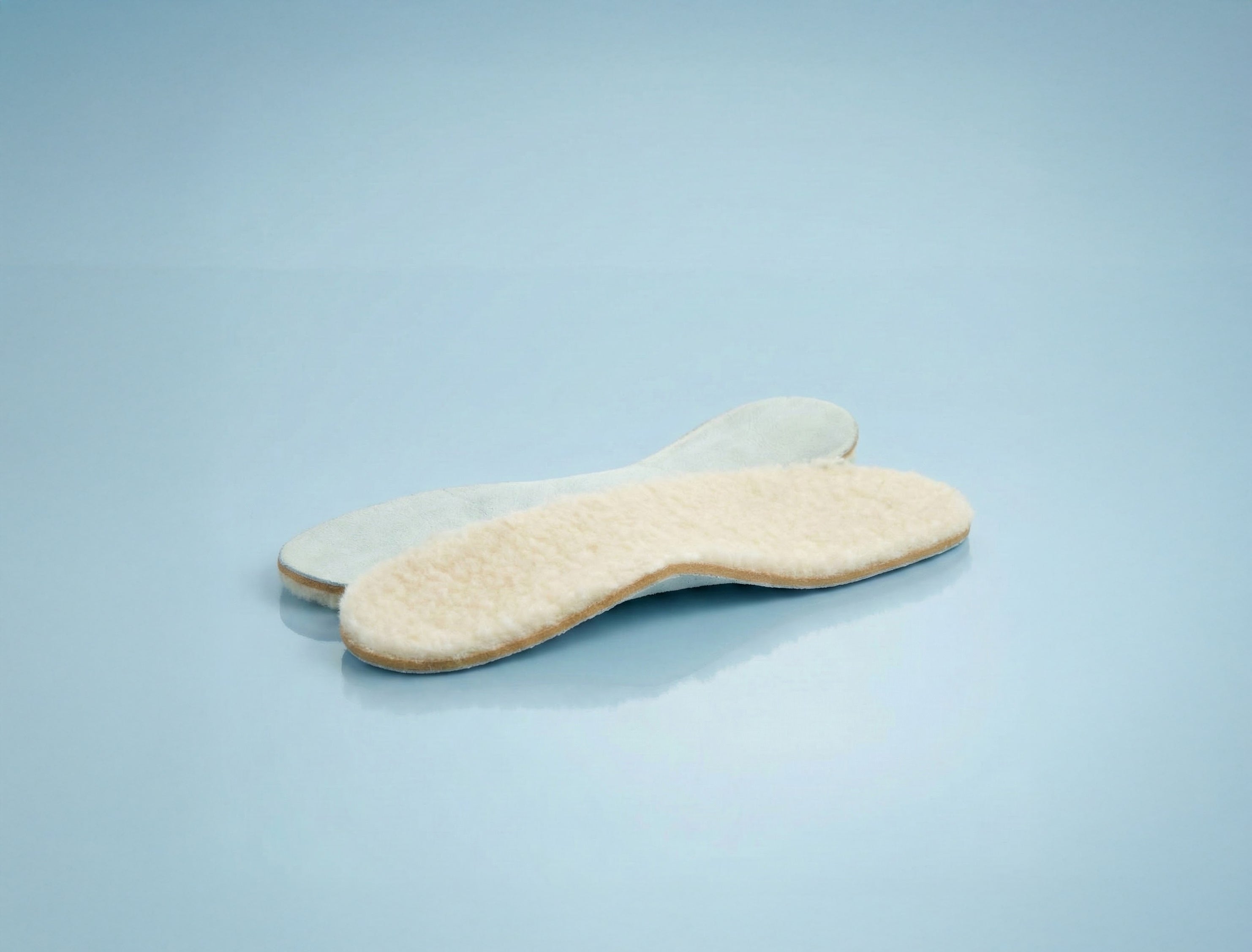
Your feet are your most important tool, especially if you work in construction, manufacturing, or healthcare. But after eight hours on concrete, they probably feel like your biggest problem. That constant stress leads to more than just fatigue—it causes painful issues like plantar fasciitis and arch strain. When your feet hurt, it’s hard to focus on your job. Investing in quality orthotics for work boots is just as crucial as any other safety gear. Aetrex helps provide the targeted support and superior cushioning you need to fight the daily grind and stay comfortable on your feet.
If you spend your days on your feet, you know that standard-issue work boots don't always cut it. The constant pressure on your feet can lead to serious discomfort and fatigue that follows you home. Adding orthotics to your boots isn't just about extra padding; it's about providing the fundamental support your feet need to carry you through a long and demanding workday. They are an essential tool for anyone who works on hard surfaces and wants to protect their long-term foot health.
Your feet have a natural arch that is designed to absorb shock and distribute pressure as you move. When you stand for hours on hard, flat surfaces, this arch can become strained and fatigued, leading to pain. An orthotic provides the structural reinforcement your feet are missing. It helps hold your arch in its optimal position, which promotes proper alignment from your feet all the way up to your spine. Think of it as a supportive foundation that reinforces your foot’s natural structure. Aetrex orthotics are specifically engineered to provide this kind of targeted support, helping to enhance your foot's function throughout the day.
The right orthotics can make a world of difference in how you feel during and after your shift. By providing crucial stability and cushioning, they absorb the repetitive impact that would otherwise travel up your legs, knees, and back. This is especially important for anyone working on concrete or other unforgiving floors. With better alignment and shock absorption, you’ll likely experience less fatigue and a reduced risk of common workplace injuries. Aetrex helps to keep you comfortable and focused on the job, so you can end your day without the distraction of aching feet. This consistent support is a key part of maintaining your overall physical health.
When your feet aren't properly supported, the strain doesn't just stay in your arches. It travels up your legs, contributing to painful conditions like shin splints, Achilles tendonitis, and even knee pain. These issues often stem from poor alignment and the repetitive impact of walking on hard surfaces. A quality orthotic makes a significant difference by providing the structural reinforcement your feet are missing, helping to properly align your body from the ground up. Aetrex helps to address these common foot and lower leg pains by designing orthotics that offer targeted support to your arch. This alignment helps to reduce the stress on your tendons and muscles, preventing the overuse injuries that can sideline you at work.
If you’re constantly standing or walking, you’re probably no stranger to foot pain. A sharp, stabbing sensation in your heel could be plantar fasciitis, while general aching can be a sign of flat feet or strained arches. Many people also experience a burning feeling in the ball of their foot, a condition known as metatarsalgia. These issues often arise because your feet aren't getting the support they need to handle constant stress. Adding a high-quality orthotic to your work boots Aetrex helps to alleviate this pressure. By correcting alignment and providing targeted cushioning, orthotics can make a significant difference in managing conditions like plantar fasciitis and general foot fatigue.
When you’re on your feet all day, the right orthotic can be a total game-changer. But walking into a store or browsing online can feel overwhelming with all the options out there. It’s easy to grab the first soft, squishy insert you see, but true comfort and support come from a more thoughtful design. A great orthotic does more than just add a layer of padding; it works with your foot to properly align your body, absorb shock, and reduce strain from the ground up.
Think of it as building a better foundation for your body. Your feet support everything, so when they’re not properly supported, it can create a chain reaction of discomfort in your ankles, knees, and even your back. To find an orthotic that truly makes a difference in your workday, you need to look beyond the surface-level softness. We’ll break down the four key features that matter most: proper arch support, strategic cushioning, long-lasting durability, and materials that keep your feet comfortable and dry. Focusing on these elements will help you find an orthotic that provides lasting relief and makes those long hours in work boots so much more manageable.
The single most important feature of any orthotic is its arch support. Your arch is the natural shock absorber for your foot, and if it’s not properly supported, it can lead to strain and pain. The main comfort feature in Aetrex’s entire collection is the Aetrex Signature Arch Support, which is designed to provide the alignment and stability your body needs. Aetrex helps to relieve pressure on your heels and forefoot by distributing it evenly across your foot. When shopping, look for an orthotic that matches your arch type—whether you have flat feet, high arches, or something in between. The right orthotics will feel supportive, not aggressive, cradling your arch to help stabilize your foot with every step.
When it comes to finding the right support, a generic insole often falls short. That’s why getting a more precise fit is key to all-day comfort. Aetrex takes personalization to the next level with its innovative foot scanning technology, which analyzes your unique foot pressure points and arch type to recommend the perfect orthotic. This data-driven approach ensures you get support exactly where you need it. Aetrex helps to eliminate the guesswork, so you can feel confident that your orthotics are tailored to your specific foot structure and needs, providing a foundation for better alignment and comfort throughout your workday.
Understanding your foot’s specific needs is the most important step in finding effective relief. The right orthotic should match your arch type and account for the demands of your job, whether you’re standing on concrete or walking long distances. Instead of relying on basic gel pads or generic foam inserts that offer temporary cushioning, a truly supportive orthotic provides a structured solution. To find your ideal match, you can use tools like the Aetrex Orthotic Finder, which guides you to a personalized recommendation based on your feet and lifestyle. This ensures the orthotic you choose Aetrex helps to provide targeted relief and lasting support, transforming how your feet feel at the end of a long shift.
If you work on hard surfaces like concrete, cushioning isn't just a luxury—it's a necessity. Every step you take sends impact through your feet and up your legs. Quality orthotics use advanced cushioning materials to absorb that shock, protecting your joints and reducing overall fatigue. This is especially crucial for anyone dealing with heel pain or plantar fasciitis. Look for orthotics that offer cushioning from heel to toe, with a deep heel cup to keep your foot stable. This combination ensures that your feet are protected from the constant pounding of a long workday, providing comfort that lasts from your first step to your last.
It's easy to think that the softest, most gel-like insole will be the most comfortable, but that’s not always the case for long-term support. The material and firmness of an orthotic are crucial for providing both immediate comfort and lasting structural alignment. While a plush cushion feels nice at first, it often lacks the firmness needed to properly support your arch and stabilize your foot. Aetrex helps to solve this by using advanced, high-tech materials that offer the perfect balance. Our orthotics are engineered with a supportive shell for structure and layers of premium cushioning to absorb shock. This combination ensures you get the durable support required to prevent arch strain, along with the comfort needed to get through a demanding workday without fatigue.
You’ve probably experienced those flimsy drugstore insoles that feel great for a week and then flatten shortly after. A quality orthotic is an investment in your comfort, and it needs to be durable enough to withstand the demands of your job. Aetrex Work Orthotics are designed for durability, using high-quality materials that won't compress or break down quickly. When you’re choosing an orthotic, pay attention to the materials. High-density foams and supportive shells are signs of a well-made product that will maintain its shape and supportive properties over time, giving you consistent relief day after day.
Your work boot orthotics go through a lot, so you need a pair that can keep up. A quality orthotic is an investment, and longevity is key to making it worthwhile. Some brands design their insoles with replaceable top covers, allowing you to refresh them without buying a whole new pair. Aetrex, however, focuses on creating a single, highly durable unit built to last. By using premium, resilient materials, Aetrex orthotics are engineered to withstand constant pressure without compressing or losing their supportive integrity. This approach ensures you get consistent, long-lasting comfort and alignment from a single, well-crafted product, making them a reliable foundation for even the most demanding workdays.
Nothing ruins a workday faster than hot, sweaty feet inside a pair of heavy work boots. Discomfort aside, excess moisture can lead to blisters and odor. The best orthotics for work boots feature a top layer made from advanced, moisture-wicking materials designed to keep your feet dry and comfortable. Some even have anti-microbial properties to help keep your boots fresh. When you’re comparing options, check the product details for features like sweat-resistant top covers. You can use an Orthotic Finder to filter for features that will help you stay cool and dry, even during the most demanding shifts.
Your job isn't one-size-fits-all, and your orthotics shouldn't be either. While excellent arch support and cushioning are the foundation of a great orthotic, some professions have unique demands that call for specialized features. Whether you're carrying heavy equipment on a construction site or navigating factory floors with potential hazards, the right orthotic needs to do more than just feel comfortable—it needs to perform under pressure. Aetrex helps to address these challenges by engineering orthotics with robust materials and thoughtful designs that provide targeted solutions for the toughest work environments, ensuring your feet have the specific protection and support they need to get the job done safely and comfortably.
If you have a larger frame or your job requires you to carry heavy loads, you need an orthotic that can handle the extra pressure without flattening out. Standard, flimsy insoles often compress quickly, losing their supportive qualities and leaving your feet fatigued and sore. Aetrex designs its orthotics with high-density materials specifically to provide durable, heavy-duty support that lasts. These premium materials maintain their shape and structure, ensuring you get consistent arch support and shock absorption throughout the day. This robust construction is essential for preventing foot strain and maintaining proper body alignment when you’re putting extra demand on your feet.
In environments where sharp objects like nails, glass, or metal scraps are a risk, foot safety is a top priority. While some specialized insoles offer puncture resistance, it's crucial that this safety feature doesn't come at the expense of the biomechanical support that prevents everyday pain. The best approach is to combine a work boot that has puncture-resistant soles with a high-quality orthotic designed for alignment and comfort. Aetrex helps to provide the essential foundation your feet need, with signature arch support that properly distributes pressure and reduces fatigue. By pairing Aetrex orthotics with protective footwear, you get a complete system that guards against both immediate hazards and long-term strain.
When you're investing in your foot health, it’s smart to choose a brand that professionals trust. Podiatrists and other foot specialists understand the complex mechanics of the foot and can recognize products that deliver genuine, therapeutic benefits. Aetrex has built its reputation on a foundation of science and data, working closely with doctors and pedorthists to design orthotics that promote proper alignment and function. This commitment to foot health is why our products are so highly regarded in the medical community. When you choose Aetrex, you’re not just getting a comfortable insole; you’re getting a product engineered with expertise to support your body from the ground up.
A key reason professionals recommend Aetrex is our innovative approach to personalization. Our state-of-the-art 3D foot scanning technology, available in stores worldwide, captures precise data about your unique foot shape, arch height, and pressure points. This allows for a truly customized recommendation, ensuring you get the perfect orthotic for your specific needs. This data-driven method moves beyond guesswork, providing a level of accuracy that foot health experts value. It’s this dedication to combining technology with biomechanical principles that makes Aetrex a trusted choice for those seeking effective, long-lasting relief from foot pain.
When you’re looking for the right support, the number of options can feel overwhelming. Not all insoles are built the same, and for a demanding workday, you need something that goes beyond simple cushioning. The goal is to find an orthotic that provides structured support, absorbs shock, and is durable enough to handle long hours on your feet. Let's look at what sets the best options apart from the rest.
When it comes to all-day support in a work boot, Aetrex is the clear front-runner. The main feature in our Work Orthotics is the Aetrex Signature Arch Support, which is strategically placed to help align your body and relieve pressure. This isn’t just a piece of foam; it’s a thoughtfully designed support system.
Aetrex helps to ease common foot pain by providing the perfect balance of support and cushioning. These orthotics are specifically recommended for anyone who spends long hours standing, especially on hard surfaces like concrete. They are designed to fit seamlessly into your work boots, providing immediate comfort that lasts through your entire shift and beyond.
Many generic, over-the-counter insoles offer a temporary feeling of softness but lack the fundamental structure your feet need. They often use flimsy materials that flatten out quickly, leaving you without any real support. A poorly-fitted or unsupportive orthotic can even lead to discomfort, causing some people to mistakenly believe that all orthotics are ineffective.
The truth is, a high-quality orthotic should be designed with your foot's anatomy in mind. Instead of a one-size-fits-all approach, look for an option that considers your specific arch type and pressure points. Using a tool like an Orthotic Finder can help you identify the right support for your unique needs, ensuring you get relief and comfort that truly lasts.
Finding the right orthotic for your work boots can feel like a big task, but it’s really about matching the right support to your specific needs. Think of it as a personalized upgrade for your feet. When you understand your arch type, your work environment, and how an orthotic should fit, you can make a choice that provides lasting comfort and support throughout your workday. Let's walk through the three key steps to finding the perfect pair for you.
The foundation of good support starts with your arch. Most work boots come with flat, generic insoles that don't offer nearly enough arch support, which can lead to foot pain and muscle soreness. To find the right orthotic, you first need to know if you have flat, medium, or high arches. An easy way to get a general idea is the "wet test": wet your foot, step on a piece of cardboard, and examine the footprint. A full footprint suggests flat feet, while a print showing only your heel and the ball of your foot indicates high arches. For a truly precise measurement, Aetrex’s advanced foot scanners can map your pressure points and identify your exact arch type in seconds.
If you’re not near a store with a foot scanner, or you just want a quick, reliable recommendation from home, there’s an even easier way to find your perfect match. The Aetrex Orthotic Finder is a simple online quiz that takes all the guesswork out of choosing the right support. By answering a few straightforward questions about your feet, the shoes you wear, and any discomfort you experience, the tool instantly provides a personalized recommendation. This ensures you get a solution tailored to your unique needs, because a one-size-fits-all insole just won't provide the targeted relief required for long workdays. Aetrex helps to make finding the right support simple, so you can get the comfort you need without any confusion.
Your job dictates the kind of stress your feet endure. Someone working 10-hour shifts on hard concrete needs different support than someone navigating uneven ground at a construction site. For hard, flat surfaces, look for orthotics with superior cushioning, like memory foam, to absorb shock. If you’re on varied terrain, you might need a firmer, more structured orthotic for stability. Aetrex Work Orthotics are designed for durability, using high-quality materials that won't compress or break down quickly, ensuring you get consistent support no matter where your job takes you.
An orthotic can only do its job if it fits properly inside your boot. For the best fit, always remove the manufacturer's original insole first. Your new orthotic should lie flat, with the heel seated securely in the back of the boot, without any buckling or sliding. Your toes shouldn't feel cramped, and your foot shouldn't feel like it's being pushed out of the boot. The goal is to find a boot and orthotic combination that feels like a seamless system of support. If you're unsure where to begin, the Aetrex Orthotic Finder can help you narrow down the best options for your specific footwear and needs.
Dealing with persistent foot pain can make getting through the workday feel impossible. The good news is that you don’t have to just live with it. The right orthotic can provide targeted support exactly where you need it, making a huge difference in your daily comfort. Whether you’re dealing with a sharp pain in your heel or a constant ache in the arch, there’s an orthotic designed to help. Let’s look at some of the most common foot issues and how the right insole can offer relief.
If you’ve ever felt a stabbing pain in your heel, especially with your first steps in the morning, you know what plantar fasciitis is like. This condition is caused by inflammation of the tissue band connecting your heel bone to your toes. Aetrex Helps to alleviate this discomfort with orthotics designed for plantar fasciitis that feature significant arch support and a cushioned heel. This design supports the plantar fascia, reducing the strain that causes inflammation. By properly aligning your foot and absorbing shock with every step, these orthotics can make a significant difference in managing that all-too-familiar heel pain.
Foot structure plays a huge role in overall comfort, especially for those who spend long hours standing. If you have flat feet, your arches collapse, which can lead to overpronation and strain on your joints. Conversely, high arches can cause pressure to concentrate on the heel and ball of the foot. In both cases, Aetrex Helps to provide balance and stability. Supportive orthotics cradle the foot, correcting alignment for flat feet and filling in the gaps for high arches. This ensures pressure is distributed evenly across the entire foot, which is essential for anyone working on hard surfaces all day.
That burning, aching sensation in the ball of your foot, often called metatarsalgia, can be incredibly distracting. It typically happens when there’s too much pressure on the metatarsal bones. Aetrex Helps to relieve this pressure with orthotics that feature metatarsal support. This specialized support is usually a small, raised pad positioned just behind the ball of the foot. It works by lifting and spreading the metatarsal bones, which reduces pressure and friction in the area. For anyone whose job keeps them on their feet, this targeted relief can be the key to lasting all-day comfort in their work boots.
Deciding between custom and over-the-counter orthotics can feel like a big step, but it’s all about finding what your feet truly need. The best choice depends on your specific foot condition, your daily activities, and your budget. While custom orthotics are tailored specifically for you, high-quality over-the-counter options have become so advanced that they offer incredible support for a wide range of common foot issues. Let’s walk through the differences so you can make a confident decision.
Think of custom orthotics as a prescription for your feet. They are created from a mold of your feet and are prescribed by a podiatrist after a complete biomechanical evaluation. This level of personalization is often recommended if you're dealing with significant or complex foot issues. If you have severe flat feet, high arches causing pain, or other structural conditions, a custom orthotic is designed to correct your specific alignment and gait. They are built to re-create balance from the ground up. For many, this tailored approach is necessary to manage chronic pain and prevent more serious problems down the road.
For a huge number of people, over-the-counter (OTC) orthotics are a good temporary solution. They are accessible, affordable, and you can start using them right away. Today customers are starting to see better options than the usual flimsy, one-size-fits-all inserts. However, premium ones like Aetrex Orthotics, are designed with advanced features like arch support, memory foam cushioning, and durable materials that don’t break down quickly. They provide an amazing layer of support and comfort for long days on your feet, making them an ideal choice for anyone looking to address common foot pains like general arch strain or fatigue without the time and expense of a custom fitting.
It’s true that custom orthotics come with a higher price tag. This initial investment can be worthwhile if you have a specific medical diagnosis that requires a prescribed device. Over time, they can help reduce pain and improve mobility, potentially saving you money on future medical expenses. However, it’s important to consider the incredible value that high-quality OTC orthotics offer. Aetrex helps to provide targeted relief for conditions like plantar fasciitis and metatarsalgia at a fraction of the cost. By using a tool like the Aetrex Orthotic Finder, you can find a solution that matches your arch type and foot needs, giving you a fantastic balance of immediate comfort, lasting support, and smart value.
Getting a new pair of orthotics is a fantastic step toward happier, more comfortable feet. But just like a new pair of sturdy work boots, they require a little bit of an adjustment period. Your feet, muscles, and ligaments need time to adapt to the new support system you’re introducing. Think of it as teaching your feet a new, healthier way to stand and walk. This process is completely normal, and being patient for the first week or two will pay off with long-lasting comfort. Following a few simple steps will ensure you get the most out of your new
To get the perfect fit, you’ll want to start by taking out the original, factory-made insoles that came with your work boots. Most are barely attached and come out easily. Placing your new orthotics on top of the old ones will make your boots too tight and can position your foot too high, leading to rubbing and discomfort. Once the old liner is out, slide your new orthotic in, making sure it sits flat and snug against the back of the heel. The goal is for the orthotic to feel like a natural part of your boot, not a bulky addition. This simple step ensures the arch support and heel cup are positioned exactly where they need to be to give you the best results.
Before you even think about sliding your new orthotics into your work boots, there’s one crucial first step: take out the flimsy insoles that came with them. Most work boots come with a basic, unsupportive liner that’s only there for show. Leaving it in and placing your new orthotic on top is a common mistake that can make your boots feel too tight, push your heel too high, and cause uncomfortable rubbing. For an orthotic to do its job correctly, it needs to lie flat against the bottom of your boot. This ensures the arch support is positioned perfectly to align your foot and the heel cup can properly cradle your heel, giving you the stable foundation you need for all-day comfort.
Sometimes, a new orthotic might be a perfect match for your foot but a little too long for your boot. Getting a custom fit is easy. After you’ve removed the original insole, use it as a template. Place it on top of your new Aetrex Orthotic, making sure the heels are perfectly aligned. Then, use a pen to trace the outline of the original insole onto the toe area of your new one. With a pair of sharp scissors, carefully cut along the line you traced. It’s always a good idea to trim a little less at first—you can always trim more if needed. This simple step ensures your orthotic fits perfectly from edge to edge, preventing any sliding or bunching inside your boot.
Give your body time to get used to the new support. Your feet have likely been compensating for alignment issues for a while, so the correction from an orthotic can feel a bit different at first. Start by wearing your orthotics for just one to two hours on the first day. From there, gradually increase the wear time by about an hour each day. If you feel any significant discomfort, take them out and try again the next day. Within a week or two, you should be able to wear them comfortably for your entire workday. This slow and steady approach allows your muscles to adapt without getting overwhelmed, leading to a much more successful and comfortable experience.
Even the best orthotics don’t last forever. Over time, the materials will compress and wear down, reducing their supportive benefits. How long they last depends on your job, how many hours you’re on your feet, and your body weight. As a general rule, you should inspect your orthotics for signs of wear every six to twelve months. Look for visible cracks in the material, a flattened arch, or thinning in the heel or ball-of-foot area. The most telling sign, however, is how your feet feel. If you notice your old aches and pains starting to return, it’s likely time for a fresh pair. Keeping your orthotics in good shape is key to consistent relief.
If your job involves heavy lifting, constant walking, or long hours on unforgiving surfaces, your gear is going to wear out faster—and that includes your orthotics. For high-impact work environments, it’s a good idea to check your orthotics for wear and tear every four to six months. While Aetrex orthotics are built with high-quality, durable materials designed to withstand daily demands, they aren’t invincible. The most important indicator is how your feet feel. If you start to notice old pains creeping back in or see that the arch support has visibly flattened, it’s a clear sign that it’s time for a new pair to ensure you continue getting the support you need.
You’ve invested in your comfort by getting a quality pair of orthotics, and a little bit of care can go a long way in making them last. Keeping your orthotics clean and in good condition ensures they continue to provide the support and relief you rely on throughout your demanding workday. It doesn’t take much time, but simple habits like proper cleaning, troubleshooting minor issues, and always wearing socks can preserve their effectiveness and extend their lifespan. Think of it as routine maintenance for one of your most important pieces of work equipment. These simple practices will help you get the most value and comfort out of your orthotics day after day.
Keeping your orthotics fresh is simple. To clean them, just wipe them down with a damp cloth and a bit of mild soap. If you have any stubborn spots, you can use a soft-bristled brush to gently scrub the surface. The most important rule is to never submerge your orthotics in water or put them in the washing machine or dryer. Soaking them can damage the supportive materials and cause them to lose their shape. Once they’re clean, just let them air dry completely before placing them back in your boots. This quick routine will help keep them in great shape and free from odor-causing bacteria.
An occasional squeak from your new orthotics can be annoying, but it’s usually an easy fix. Squeaking is typically caused by friction between the side of the orthotic and the inside of your work boot. The first thing to check is the fit. Make sure you’ve removed the boot’s original insole and that your orthotic is lying completely flat without any bunching or buckling. If the fit seems right, you can try removing the orthotic and sprinkling a small amount of baby powder or cornstarch inside your boot. This will help reduce the friction and should quiet things down so you can get back to your day.
Wearing socks with your orthotics might seem like a small detail, but it makes a big difference. Socks create a protective barrier between your foot and the orthotic, which helps to absorb sweat and keep your feet drier throughout the day. This is crucial for preventing blisters and reducing foot odor, especially inside a warm work boot. Beyond comfort, socks also help preserve the life of your orthotics by keeping them cleaner and reducing the friction that can cause the top cover to wear down prematurely. It’s a simple habit that enhances comfort and protects your investment.
While Aetrex orthotics are a cornerstone of foot comfort, they work best when combined with other healthy habits. Think of them as part of a total foot care system. Simple daily stretches for your calves and arches can help keep your muscles flexible and reduce strain, especially if you deal with plantar fasciitis. It’s also important to pair your orthotics with supportive footwear. A well-constructed work boot provides the stable base your orthotic needs to function properly. Finally, listen to your body. If you’re feeling pain, take a break when you can. Combining great orthotics with smart habits creates a powerful strategy for keeping your feet healthy and comfortable on the job.
Some jobs are simply tougher on your feet than others. If you spend your workday standing, walking on hard surfaces, or lifting heavy materials, you’re putting incredible strain on your feet, which can lead to discomfort that radiates through your entire body. The constant pressure can cause common issues like plantar fasciitis, arch pain, and general fatigue. Providing your feet with the right support isn't a luxury—it's a necessity for your daily comfort and long-term health. Understanding the unique demands of your job is the first step toward finding the relief you need to feel good, both on and off the clock.
Working on a construction site or in a factory means spending long hours on unforgiving surfaces like concrete and steel. This environment offers zero shock absorption, sending jolts through your feet with every step. Over time, this can lead to significant foot fatigue and pain. Orthotic work boots with built-in support, like those from Aetrex, help hold your arch in its optimal position. An orthotic provides the structural foundation that your feet are missing on those hard floors. Aetrex orthotics are designed with premium cushioning and arch support that helps to absorb shock, reduce pressure, and keep you comfortable through the longest shifts.
Many people assume that the rigid structure of a steel-toe boot means you’re stuck with the flat, unsupportive insole it came with. Thankfully, that’s not the case. Adding a high-quality orthotic is one of the best things you can do for your feet inside safety footwear. Aetrex helps to make this transition seamless, as our Work Orthotics are designed to fit perfectly inside these boots once you remove the original liner. The Aetrex Signature Arch Support provides the critical alignment and cushioning your feet crave, transforming your protective footwear into a system of all-day comfort without ever compromising its safety features.
Nurses, doctors, chefs, and servers are constantly on the move, often at a fast pace. These demanding roles require you to be on your feet for 8, 10, or even 12 hours at a time, leading to tired, aching feet and legs. Taking care of your feet is a critical part of your overall physical health and ability to perform your best. Properly designed orthotics support and enhance your natural foot function, making those long hours more manageable. By aligning your feet into a neutral position, Aetrex women's footwear and orthotics help to distribute pressure evenly, which can reduce strain not just in your feet, but in your knees and back, too.
If you work in a warehouse or retail setting, you likely walk miles every day on hard, flat floors while carrying merchandise or assisting customers. This constant impact can easily lead to foot pain and discomfort. The right insoles are designed to give you lasting comfort and help prevent foot pain during long workdays. They do more than just add a layer of cushioning; they provide essential stability and shock absorption. Aetrex helps to make your feet more comfortable and ease pain in your lower body. Not sure where to start? You can use the Aetrex Orthotic Finder to identify the perfect support for your specific foot type and needs.
Once you’ve decided to invest in better foot support, the next step is figuring out where to buy your orthotics. The right retailer can make all the difference, guiding you toward a pair that offers genuine comfort and durability for long days on your feet. Whether you prefer to shop in person or from the comfort of your home, your goal is to find a high-quality product backed by expertise. Aetrex offers premium orthotics through both its website and select retailers, ensuring you can access top-tier support that features signature arch placement and premium materials. Making an informed purchase from a trusted source is the first step toward a more comfortable workday.
Shopping for orthotics in a physical store offers one major advantage: a hands-on experience. Many retailers that carry Aetrex products are equipped with advanced foot scanners that can give you a precise 3D measurement of your feet. This technology maps your unique pressure points and arch type, taking the guesswork out of finding the perfect fit for your work boots.
On the other hand, shopping online provides convenience and a wider selection. You can browse the complete collection of Aetrex orthotics at any time. If you’re not sure where to start, the online Orthotic Finder quiz can guide you to the right choice based on your specific needs and foot concerns, giving you a personalized recommendation in minutes.
Finding a good deal on work boot orthotics is about more than just the price tag; it’s about long-term value. A cheap insole that wears out in a month isn’t a bargain. Instead, look for quality orthotics from a brand that stands behind its products. Aetrex, for example, offers a 30-day wear test, so you can be sure your new orthotics work for you before fully committing.
To save on your purchase, consider signing up for email newsletters from brands you trust. This is often the best way to get notified about seasonal sales and exclusive promotions. Investing in a durable, well-made orthotic from Aetrex helps to prevent future foot pain, saving you money and discomfort down the road.
If you have a Health Savings Account (HSA) or Flexible Spending Account (FSA), you may be able to use those pre-tax dollars for your work boot orthotics. Orthotics are generally considered a qualified medical expense, which is great news for your wallet and your feet. To ensure your purchase is eligible, you might need a prescription or a letter of medical necessity from a healthcare provider, like your podiatrist. It’s always a good idea to check with your plan administrator to confirm the details. Using these funds for a pair of Aetrex orthotics is a smart way to invest in your daily comfort and long-term foot health without using your post-tax income.
Some companies have started offering subscription services for orthotics, delivering a new pair to your door every few months. This can be a convenient way to remember to replace your insoles before they lose their supportive qualities. While a subscription can help with consistency, the most important factor is the quality and durability of the orthotic itself. Aetrex helps to provide lasting comfort with high-quality materials designed to withstand the demands of a long workday. Instead of a subscription, you can simply set a calendar reminder to check your Aetrex orthotics for wear every six months. This ensures you get the same peace of mind and continuous support you need to stay comfortable on the job.
High-quality, over-the-counter orthotics for work boots typically range from $50 to $80. While you can find cheaper options at the drugstore, they often lack the structured support and durable materials needed to withstand a full day of hard work. The price of premium orthotics reflects the research, technology, and quality materials that go into them.
When you purchase Aetrex orthotics, you’re investing in features like our signature arch support to help with body alignment, memory foam cushioning for customized comfort, and anti-microbial linings to keep your feet healthy. Considering that custom orthotics can cost several hundred dollars, a premium over-the-counter pair offers an excellent balance of performance and value.
Investing in a quality orthotic is an investment in your daily comfort, so it’s important to know the company stands behind its product. A generous return policy gives you the confidence to find the right support without risk. That’s why Aetrex helps to ensure you find the perfect fit by offering a 30-Day Wear Test on all orthotics. This allows you to try them in your own work boots during your regular shifts to make sure they provide the relief you need. While some brands may only accept returns on new, unopened items, a true satisfaction guarantee lets you experience the product in your real-life work environment. A policy like this is a great indicator of a company's confidence in its products and its commitment to your foot health.
How do I know if I actually need orthotics in my work boots? If you end your workday with aching feet, sore arches, or pain in your heels, knees, or back, it's a strong sign that your feet aren't getting the support they need. Standard-issue insoles are typically just flat pieces of foam that offer little to no structure. An orthotic is designed to provide the arch support and alignment necessary to distribute pressure evenly, which can make a huge difference in your overall comfort.
Will adding orthotics make my boots feel too tight? This is a common concern, but it's easily avoided. For the best fit, you should always remove the original insole that came with your work boots before inserting your new orthotic. This ensures the orthotic sits properly and doesn't take up extra space. A well-designed orthotic should feel like a natural part of your boot, providing support without cramping your toes or causing your heel to slip.
How soon will I feel relief after I start wearing them? While some people feel immediate comfort, it's important to give your body time to adjust. We recommend a break-in period, starting with just an hour or two of wear on the first day and gradually increasing the time over a week. Your feet and muscles need to get used to the new alignment. You should expect to feel the full supportive benefits after about one to two weeks of consistent use.
Can I use the same pair of orthotics in my sneakers or other shoes? Absolutely. One of the great things about high-quality orthotics is their versatility. As long as the shoe has a removable insole and is a similar style to your work boot, you can easily transfer your orthotics between pairs. This allows you to get the same great support whether you're on the job, running errands, or going for a walk.
What’s the real difference between a quality orthotic and a cheap gel insole from the drugstore? The main difference is structure versus simple cushioning. A cheap gel insole might feel soft for a little while, but it lacks the rigid, supportive shell needed to properly align your foot and support your arch. A quality orthotic, like those from Aetrex, is engineered with a specific arch shape and durable materials that absorb shock and correct your alignment, providing lasting relief instead of a temporary cushion that flattens out quickly.
Share:
5 Best Metatarsal Pads for Morton's Neuroma
The 5 Best Running Shoes for Overpronation