

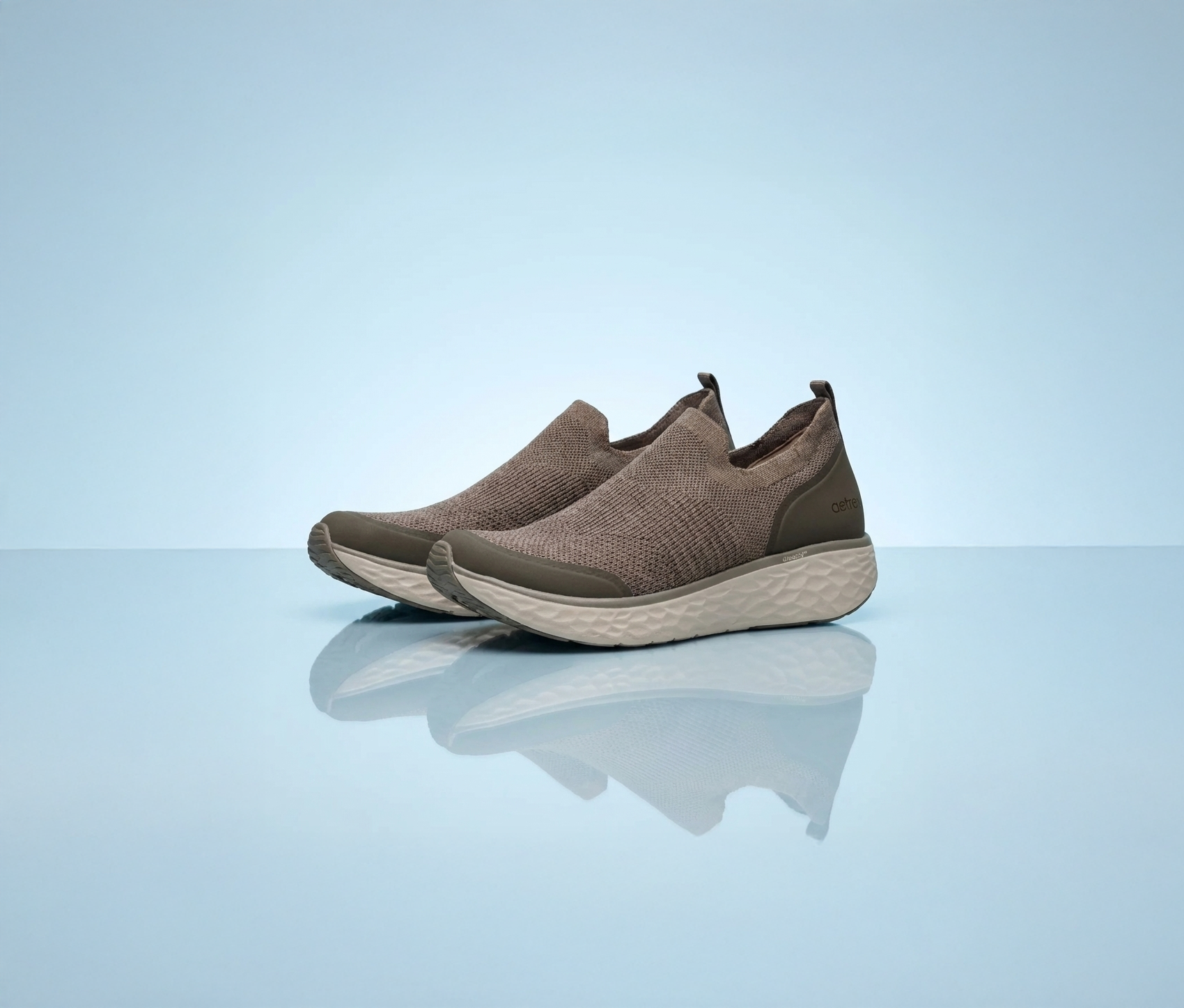
That nagging pain in your shins or the ache in your inner knee might be telling you a story that begins with your feet. When you run, your body is a connected system, and if your feet roll inward too much, it can create a chain reaction of misalignment. This forces your knees, hips, and even your back to compensate, leading to strain in areas you wouldn't think to connect to your stride. The key is addressing the issue at its source. Finding the right running shoes for overpronation isn’t just about foot comfort; it’s about supporting your entire body’s alignment, helping you run stronger and prevent pain before it starts.
When you walk or run, your foot naturally rolls inward to absorb shock. This motion is called pronation, and it’s a normal, necessary part of how we move. Overpronation happens when your foot rolls inward too much. Think of it as an exaggeration of a normal movement. While a little pronation is good, excessive rolling can throw off your body's alignment, placing extra stress not just on your feet, but also on your ankles, shins, knees, and even your hips and back.
Understanding your pronation type is the first step toward finding footwear that properly supports your body's natural mechanics. The right shoe won't "correct" your gait, but it will provide the stability you need to distribute impact more evenly. This helps reduce strain on your joints and muscles, allowing you to run more comfortably and lower your risk of injury. It’s all about working with your body to create a more balanced and efficient stride.
One of the easiest ways to check for overpronation is to look at the soles of a well-worn pair of running shoes. If you notice excessive wear on the inside of the heel and under the ball of your foot, especially near your big toe, it’s a good sign that you overpronate. Another simple at-home method is the "wet test." Just wet the bottom of your foot and step onto a flat surface like a piece of cardboard. If your footprint shows most of your arch, you likely have flat feet, which often go hand-in-hand with overpronation. For the most accurate assessment, advanced foot scanning technology can map your pressure points and arch type precisely.
When your foot rolls inward excessively, it puts a lot of strain on specific tendons and ligaments. This can lead to some common and nagging running injuries. Overpronation is a frequent contributor to plantar fasciitis, that sharp, stabbing pain in your heel. It can also lead to shin splints, bunions, and heel spurs. By not giving your arch the support it needs, the repetitive impact of running can cause inflammation and discomfort. Choosing a running shoe with the right stability features is a key step in helping to prevent these issues from sidelining your training.
Finding the right running shoe when you overpronate can feel like a huge challenge, but it really comes down to knowing which features provide the right kind of support. It’s not just about cushioning; it’s about the shoe’s structure and how it guides your foot through each stride. When your foot has the proper foundation, it can help align the rest of your body, reducing strain on your knees, hips, and back. The goal is to find a shoe that works with your foot, not against it, to create a more stable and comfortable run.
Understanding the difference between stability and motion control, identifying key support technologies, and ensuring you have the right arch support are the three pillars of a great running shoe for overpronation. Let’s break down what each of these means so you can shop with confidence.
When you start looking at shoes for overpronation, you’ll see two main categories: stability and motion control. Think of stability shoes as the go-to for most runners who overpronate. They are designed with features that gently correct your foot’s tendency to roll too far inward. According to Runner's World, these shoes for overpronation are ideal for reducing pain in your knees and hips by providing balanced support. Motion control shoes, on the other hand, are much more rigid and are typically recommended for runners with severe overpronation or very flat feet. For most people, a good stability shoe provides the perfect amount of guidance without feeling too stiff.
Some runners might reach for a "stable neutral" shoe, thinking it's a good middle ground. While these shoes can feel supportive, they usually don't have the specific technologies needed to manage moderate to severe overpronation. They often lack features like medial posts or guide rails that are designed to gently counter your foot's inward roll. Without that targeted support, your foot can continue its excessive motion, which can lead to the same alignment issues and strain on your joints. This is where true stability shoes, or even adding a supportive orthotic, can make a significant difference. For instance, Aetrex Orthotics are designed with signature arch support that Aetrex helps to properly align your foot, providing the foundation your body needs when a neutral shoe isn't enough.
So, what gives a stability shoe its supportive power? It comes down to a few key technologies built into the midsole. You might see terms like medial posts (firmer foam on the inside of the shoe), guide rails (support systems along the sides), or J-Frames (a J-shaped hook of firm foam). You don't need to be an expert on the terminology, just know that these features are all designed to do the same thing: prevent your arch from collapsing and your foot from rolling excessively inward. A firm heel cup and a wide, flat outsole also contribute to a more stable base, using special technologies to keep your foot stable with every step.
When you're shopping for stability shoes, you'll come across a lot of technical terms like GuideRails, J-Frames, and medial posts. It can sound complicated, but the idea behind them is simple. These are all just different ways shoe brands build support directly into the midsole to help guide your foot. Think of them as gentle bumpers that keep your foot from rolling too far inward. Whether it's a piece of firmer foam on the inside of the shoe or a supportive rail system, the goal is the same: to create a more stable platform for your foot. You don't need to memorize the names, just understand that these features are what separate a stability shoe from a neutral one, and they work in tandem with a quality orthotic to help align your body from the ground up.
Beyond the main support features, two other specs to look at are heel-to-toe drop and weight. The "drop" is simply the height difference between the heel and the forefoot. A higher drop can feel more traditional, while a lower drop might encourage a more natural, midfoot stride. There’s no right or wrong answer here; it’s about what feels best for your body. Similarly, shoe weight matters. While stability shoes can sometimes be a bit heavier due to their supportive components, many modern designs are surprisingly lightweight. The key is to find a balance in your footwear that gives you the support you need without feeling clunky, ensuring your shoe works with your foot to create a comfortable run from start to finish.
While stability features control the rolling motion, proper arch support is crucial for overall comfort and alignment. The right support helps distribute pressure evenly across your foot, taking the strain off your plantar fascia. This is where Aetrex helps to provide superior comfort. All Aetrex footwear comes with signature arch support built right in, designed to match your foot’s natural contours and promote proper alignment. For a truly personalized fit, you can use an Orthotic Finder to identify the perfect level of support for your specific arch type, ensuring your running shoes give you the foundation you need to perform your best.
You don’t need to rely on the box description alone to tell if a shoe offers stability. A few simple physical tests can reveal a lot about its construction. First, pick up the shoe and try to twist it from the heel to the toe. A good stability shoe will feel quite rigid and resist this motion, which shows it has a solid foundation to guide your foot. Next, squeeze the heel counter—the part that cups your heel. It should feel firm and structured, not flimsy. That firmness is essential for controlling motion and preventing your foot from rolling too far inward. While these hands-on tests are a great starting point, for a truly personalized recommendation, advanced foot scanning technology can precisely map your pressure points to find your perfect level of support.
Finding the right running shoe when you overpronate can feel like a huge task. With so many brands and technologies out there, it's easy to get overwhelmed. That’s why we put together this list—to cut through the noise and highlight the shoes that genuinely deliver on their promises of support and comfort. Our process wasn't just about picking popular models; it was about digging into the features that truly help manage overpronation. We focused on the specific design elements that guide your foot into a more natural alignment without feeling stiff or restrictive.
We believe the best running shoe for overpronation should work with your body, not against it. It’s a delicate balance between providing necessary support and allowing for a comfortable, natural stride. From the type of arch support to the overall stability of the shoe, every detail matters. We looked at how each shoe is constructed, what materials are used, and how they perform in real-world scenarios. We also considered how modern stability shoes have evolved, moving away from rigid control and towards a more holistic approach to support. This ensures you get the stability you need to help prevent common running injuries without sacrificing comfort on your daily miles.
When you overpronate, your foot rolls inward more than it should, which can throw your whole body out of alignment. That's why our top priority was finding shoes with excellent stability features. We looked for designs that incorporate supportive technologies like medial posts or guide rails, which are built into the midsole to gently correct excessive inward rolling. However, we also prioritized shoes that offer a more modern, less intrusive approach. The goal isn't to force your foot into a position but to provide a stable platform that encourages a more efficient stride. This is where proper arch support becomes crucial, as it helps to distribute pressure evenly across your foot, providing a solid foundation for every step.
A shoe can have all the stability tech in the world, but if it’s not comfortable, you won’t wear it. That’s why comfort was our non-negotiable metric. We prioritized shoes that provide a secure fit without being too tight, especially around the midfoot and heel. A roomy toe box is also essential to let your toes spread out naturally. We looked for a balance of firm cushioning that absorbs impact and a stable base that prevents your foot from wobbling. Getting this fit right is key, which is why understanding your unique foot shape with tools like foot scanners can make all the difference. Ultimately, the best shoe feels like a natural extension of your foot, giving you the confidence to run comfortably.
To make sure our recommendations are genuinely helpful, we look to the methodologies of trusted experts in the running community. Publications that specialize in footwear reviews don’t just look at a shoe’s style; they put them through intensive testing to see how they perform under pressure. This involves a combination of lab analysis, where they measure everything from foam density to stability features, and extensive road testing with real runners who have different needs, including overpronation. By understanding these thorough evaluation processes, we can identify the key characteristics that make a running shoe effective for providing support and comfort, mile after mile.
For example, the team at RunRepeat tests shoes by having overpronators run in them and then literally cutting the shoes apart in their lab to analyze their construction. This gives them a deep understanding of how features like arch support and stability are built. Similarly, Runner's World emphasizes that the best modern stability shoes have moved away from rigid, controlling designs. Their testing focuses on finding shoes that offer a stable platform to guide the foot's motion gently, rather than forcing it into place. This philosophy of promoting a more natural stride is exactly why Aetrex helps to design footwear with built-in arch support that works with your body's mechanics, not against them.
Finding the right running shoe when you overpronate can feel like a huge challenge, but the right support makes all the difference. Overpronation describes the way your foot rolls inward as it strikes the ground. While a little bit of this motion is natural and helps absorb shock, too much of it can throw your body out of alignment, leading to strain on your ankles, shins, and knees. This is where stability running shoes become so important. They are engineered with specific support features—like firmer midsole materials, guide rails, or enhanced arch support—that gently guide your foot into a more neutral position. This helps distribute impact more evenly and can be a game-changer for preventing discomfort. We've done the research and compiled a list of the top running shoes designed to provide the stability you need.
When it comes to combining everyday comfort with targeted support for overpronation, Aetrex stands out. Unlike many running brands, Aetrex designs its women's and men's footwear with signature arch support built right in. This feature is crucial because it helps to properly align your foot from the ground up, which can reduce the stress on your knees and hips caused by excessive inward rolling. Aetrex helps to provide a foundation of support that makes every run more comfortable, preventing strain before it starts. It’s an ideal choice for runners who need consistent, reliable support that feels custom-made for their feet.
The biggest advantage of choosing Aetrex is the immediate, built-in support that promotes better body alignment. A stability shoe with proper arch support helps guide your foot into a more natural position with every stride, which can relieve strain on your knees and hips. The design focuses on gentle correction, using features like a firm heel cup to create a stable base. This approach helps distribute pressure evenly across your foot, which is especially beneficial for helping to prevent common issues like plantar fasciitis. The goal is to provide a stable platform that encourages a more efficient and comfortable run from the moment you lace up.
While Aetrex provides excellent stability, runners with severe overpronation might initially think they need a more rigid, motion-control shoe. However, extremely rigid shoes can feel restrictive and interfere with your natural stride. Aetrex footwear is designed to avoid this by providing support that works with your foot's movement rather than forcing it into a specific position. The focus is on creating a stable platform that encourages a more efficient stride. If you're used to a very stiff shoe, there might be a brief adjustment period as your foot adapts to a more balanced and less controlling level of support.
Finding the right running shoe is an investment in your comfort and health, but it doesn’t have to drain your bank account. Great stability shoes are available at every price point, whether you’re looking for a dependable starter pair or a high-performance model packed with the latest technology. The key is to know what features matter most for your feet and your running goals. It's easy to get caught up in marketing hype or the latest trends, but the best shoe for you is the one that properly supports your foot's unique structure, especially if you overpronate. By focusing on core elements like arch support, cushioning, and overall fit, you can find a shoe that helps you run comfortably without overspending. Think of it less as a price tag and more as a long-term partnership for your feet. A higher price doesn't always guarantee a better experience if the shoe isn't right for your gait. Conversely, a budget-friendly shoe can be transformed with the right support. We'll explore how to get the most value at each price point, ensuring your focus remains on what truly matters: keeping your feet happy, mile after mile.
Finding a quality stability shoe for under $100 can be a challenge, but it’s not impossible. For an immediate improvement to any running shoe, you can add a pair of Aetrex orthotics. They provide targeted arch support that helps align your body and can make a budget-friendly shoe feel much more supportive.
This price range is where you’ll find a fantastic balance of advanced features and value. This is also where you’ll find many of Aetrex’s running shoes for both women and men. The major advantage with Aetrex is that our signature arch support is already built in. You get a complete, comfortable system designed to help with overpronation right out of the box, offering incredible value for the price. Worth the Splurge: Premium Picks Over $150
If you’re logging serious miles or simply want the best cushioning and support available, investing in a premium shoe is worth it. Aetrex premium running shoes offer a unique combination of luxurious cushioning and our data-driven arch support. This design is especially helpful for runners dealing with foot pain from conditions like plantar fasciitis, as it provides targeted relief where you need it most.
Your running goals are as unique as your feet, and the right shoe depends on whether you're jogging around the block or training for a 26.2-mile race. The demands you place on your body change with your experience level and the distances you run. A shoe that feels great for a quick 5K might not offer the support you need for double-digit miles. That’s why it’s so important to match your footwear to your specific running style and training plan.
Finding a shoe that accommodates overpronation while meeting your training needs is key to staying comfortable and injury-free. Whether you’re a new runner building a base or a veteran chasing a personal best, the right support system underfoot makes all the difference.
If you're just starting out, your body is still adapting to the impact of running. Beginners who overpronate often need more structured support to help maintain proper alignment and prevent pain in their knees, hips, and back. Stability shoes with features like a firm heel and a wide, supportive base can be incredibly helpful. Aetrex helps to make this simple by building premium arch support directly into all of our women's footwear and men's styles, giving you a solid foundation from your very first run.
Seasoned runners usually have a better sense of what their feet need, but consistent support is still crucial for preventing overuse injuries. While you might be tempted by minimalist designs, maintaining stability through every phase of your gait cycle is essential for long-term running health.
For your everyday runs, you’ll want a shoe that strikes a balance between cushioning, support, and durability. Some daily trainers from brands like Saucony offer gentle guidance, but they may lack the robust arch support needed to truly address overpronation. Aetrex running shoes are designed to be your go-to for daily miles, providing consistent comfort and alignment without feeling bulky.
When you’re logging serious mileage for a half-marathon or marathon, cushioning becomes a top priority. Long runs require extra shock absorption to protect your joints. While some brands like Hoka use thick foam for protection, Aetrex combines plush cushioning with our signature orthotic footbed. This design helps to absorb impact and reduce pressure on your feet, making our men's footwear an excellent choice for going the distance.
Finding the right stability shoe is about more than just checking a box for "overpronation." The best shoe is one that feels like a natural extension of your foot—supportive without being restrictive, and comfortable from the first mile to the last. Durability is also a huge factor. Since overpronation can cause shoes to wear down unevenly, you need a pair that’s built to last and maintain its supportive structure over time.
Think of it this way: a shoe can have all the right technology, but if it doesn’t fit well or falls apart after a few months, it’s not doing you any good. Comfort comes from a combination of a perfect fit, smart materials, and thoughtful construction. A durable shoe uses high-quality materials that can withstand the specific stress that overpronation puts on them. Let’s walk through exactly what to look for to ensure your next pair of stability shoes is both comfortable and built to go the distance.
The right fit is non-negotiable for comfort and injury prevention. Start with the basics: you should have about a thumbnail's width of space between your longest toe and the end of the shoe. Your midfoot should feel snug and secure, but not squeezed. Most importantly, your heel shouldn't slip when you walk or run, as that’s a fast track to blisters. For a truly personalized fit, it helps to know your exact foot measurements and pressure points. Using advanced foot scanners can give you a precise map of your feet, helping you understand your arch type and where you need support most. This data makes finding the perfect shoe much simpler.
A perfect fit goes way beyond just the length of your shoe. Shoe width is a critical component of comfort, especially for runners. When a shoe is too narrow, it can squeeze your foot, leading to blisters, bunions, and painful cramping. On the flip side, a shoe that’s too wide allows your foot to slide around, causing instability that can actually make overpronation worse. Your midfoot should feel snug and secure, but not squeezed, giving your toes enough room to splay naturally. Many Aetrex running shoes are available in multiple widths, ensuring you can find a fit that properly accommodates your unique foot shape. This focus on a precise fit, combined with our signature built-in arch support, creates a stable foundation that helps you run with confidence.
A little rain shouldn't stop you from getting your miles in. For runners in wet climates, many brands offer waterproof versions of their popular stability shoes. For example, you can find models like the Brooks Adrenaline GTS with a GORE-TEX membrane designed to keep your feet dry without making them overheat. While specialized features like waterproofing are great for specific conditions, the most important element for any running shoe is the underlying support system. Aetrex helps to ensure that no matter the weather, your feet have the proper alignment and arch support needed to prevent strain. A secure fit and a stable base are your best defense against slipping and discomfort, making them essential features for every run, rain or shine.
The materials and build of a shoe are what provide lasting stability. Look for a firm heel counter—the plastic insert that wraps around your heel—to keep your foot locked in place. The shoe should have a solid, supportive base that doesn’t feel flimsy or overly flexible. Many modern stability shoes are designed to be "supportive neutrals," meaning they use features like wider platforms and supportive foam to gently guide your foot's motion rather than trying to force it into a specific position. Aetrex women's and men's footwear are designed with this philosophy, integrating arch support directly into the shoe for a seamless, supportive experience.
Even the perfect shoe might need a short adjustment period. If you’re switching from a neutral shoe to a stability model, it’s a good idea to ease into them. Start with shorter runs or walks and gradually increase your mileage to give your body time to adapt to the new support. Because overpronation can lead to faster, uneven wear on the inside edge of your shoe's sole, durability is key. High-quality materials in the upper and outsole will ensure the shoe maintains its structural integrity. This is especially important for managing conditions like plantar fasciitis, where consistent, long-term support is essential for relief.
Making the switch to a stability shoe is a great move for your body's alignment, but it’s important to give your feet and muscles time to adjust. If you're new to this level of support, start by wearing your new shoes for shorter runs or even just for walks around the neighborhood. Slowly increase the time and distance as your body gets used to the new feeling. Pay close attention to how you feel. It’s normal to be aware of the new support under your arch, but if you experience any new aches or pains, it’s a sign to ease back. This gradual approach helps prevent discomfort and allows your body to adapt smoothly to the improved alignment. Because Aetrex footwear is designed with built-in arch support, the transition often feels seamless, but it's always wise to ease into any new shoe.
Stability shoes are designed to help guide your foot into a more natural alignment, especially if you overpronate. They provide extra support to gently control your foot’s tendency to roll too far inward, which can cause a chain reaction of pain up through your ankles, knees, and even your back. What’s interesting is that you don’t have to overpronate all the time to benefit from a stability shoe. Many runners with a neutral gait find their form breaks down as they get tired on longer runs—this is sometimes called late-onset overpronation. When fatigue sets in, your arches can start to collapse, and a stability shoe provides that crucial support to keep you aligned. This is where having a reliable foundation, like the signature arch support in Aetrex orthotics and shoes, becomes so valuable for maintaining your form, mile after mile.
Finding the right running shoe for overpronation is your top priority, but that doesn’t mean you can’t also find a great price. Shopping smart is all about knowing where to look and when to buy. Whether you prefer the convenience of browsing online or the hands-on experience of shopping in a store, there are strategies you can use to get the best value without compromising on the support your feet need. Let’s walk through how you can score the perfect pair of stability shoes for your budget.
Deciding where to buy your shoes often comes down to personal preference, as both online and in-store shopping have their perks. Online stores give you access to a massive selection and competitive prices right at your fingertips. Many brands offer helpful online quizzes to guide you, but Aetrex takes it a step further with an Aetrex Orthotic Finder that helps you identify your specific needs from home. This allows you to explore different styles and features in a low-pressure environment.
However, nothing beats trying on a shoe in person, especially when you need specific support. This is where Aetrex truly stands out. Many retail locations feature advanced foot scanners that map your pressure points and arch type in seconds. This technology provides incredibly precise data about your feet, ensuring you get a personalized recommendation for the best shoe and orthotic combination. It removes the guesswork and gives you confidence that you’re investing in footwear that will truly support your stride.
Timing your purchase can make a big difference in how much you spend. Most shoe brands, including Aetrex, run seasonal sales to make room for new inventory. You can often find great deals on running shoes at the end of a season. Think late winter for insulated styles or the end of summer for more breathable, warm-weather sneakers. Major holidays like Black Friday, Cyber Monday, and Labor Day are also prime times to look for promotions.
A great strategy is to sign up for email newsletters from your favorite brands. This way, you’ll be the first to know when a sale starts or when a special discount is offered. Regularly checking the sale section on a brand’s website can also lead to surprise finds. By planning ahead, you can get the high-quality supportive footwear you need for overpronation at a much more comfortable price point.
I have flat feet. Does that automatically mean I overpronate? While flat feet and overpronation often go together, they aren't the same thing. Having flat feet means you have a low arch, but overpronation refers to the excessive inward roll of your ankle as you walk or run. It's entirely possible to have flat feet with a neutral gait. The best way to know for sure is to look at the wear pattern on your old shoes or get a professional assessment, like an Aetrex foot scan, which can show you exactly how you distribute pressure.
What's the real difference between a stability shoe and just adding an orthotic to a neutral shoe? Think of it this way: a stability shoe has supportive technology, like firmer foam or guide rails, built into the midsole to help manage the inward rolling motion. An orthotic, on the other hand, provides direct support under your arch to help align your foot from within the shoe. Aetrex running shoes are unique because they are designed with our signature arch support already integrated, giving you a complete system. However, adding a high-quality orthotic to a neutral shoe is also an excellent strategy to get personalized support.
Will a stability shoe feel stiff or bulky? I'm worried it will feel unnatural. That's a common concern, but stability shoes have come a long way from the rigid designs of the past. Modern shoes focus on providing gentle guidance rather than forceful correction. They use smart features that work with your natural stride to create a smoother, more stable ride. The goal is to feel supported, not restricted, so you can run comfortably without even thinking about the technology in your shoe.
How can I be sure I'm getting the right fit when buying online? Finding the right fit online starts with knowing your measurements and understanding that sizing can vary between brands. Always leave about a half-inch of space between your longest toe and the end of the shoe. Your heel should feel secure without slipping. To take the guesswork out of finding the right support, you can use an online tool like the Aetrex Orthotic Finder to identify your arch type and specific needs before you even start shopping.
How often should I replace my running shoes, especially if I overpronate? A good rule of thumb for any running shoe is to replace it every 300 to 500 miles. However, if you overpronate, you might notice the inside of the sole wears down faster. The most important thing is to pay attention to how the shoes feel. If the cushioning feels flat or you start to feel new aches in your feet, knees, or shins, it’s a clear sign that the shoe's support structure has broken down and it's time for a new pair.
Share:
How to Find the Best Orthotics for Work Boots
Best Metatarsal Insoles for Ball of Foot Pain