

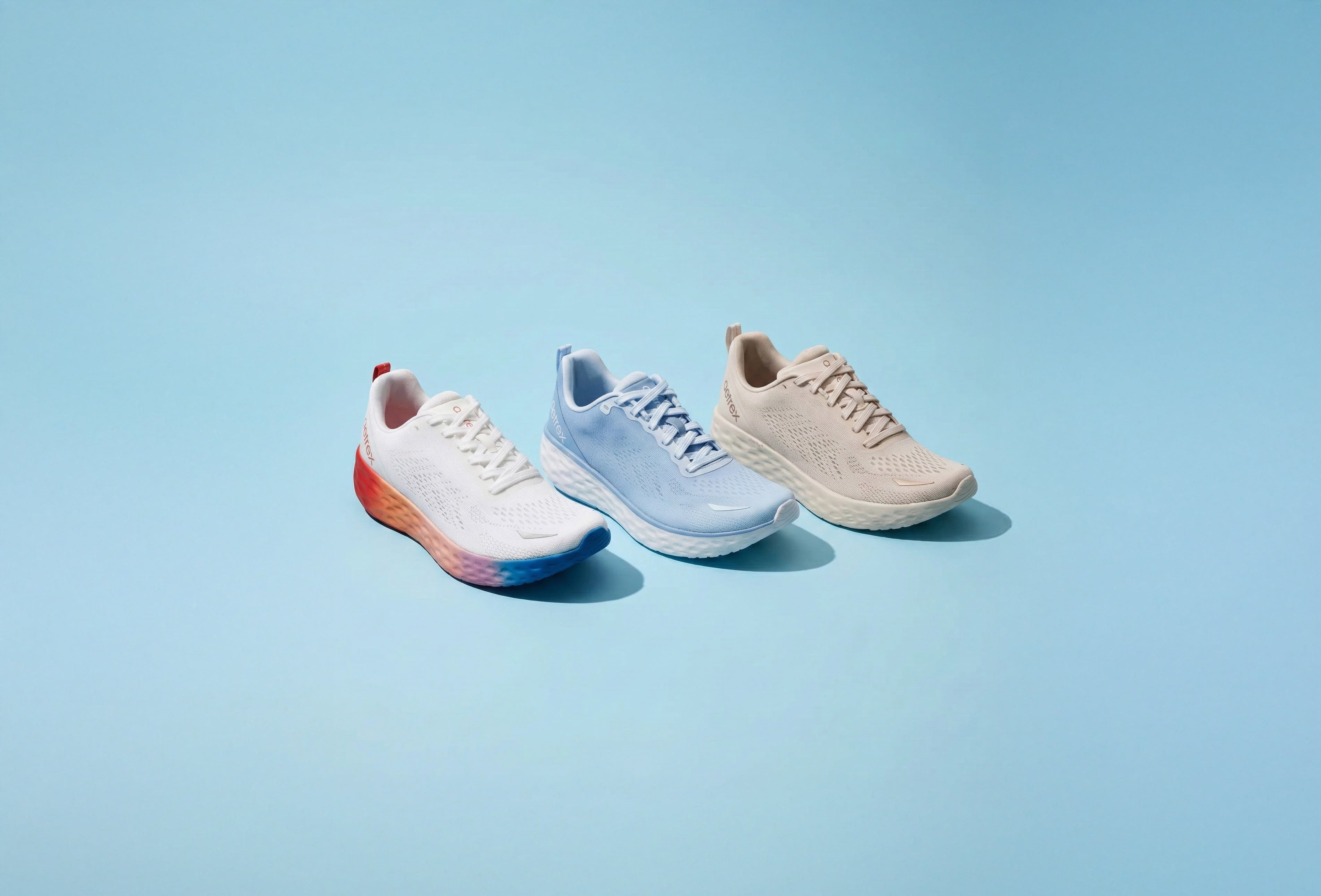
That sharp pain in the ball of your foot isn't just random. It’s a direct result of too much pressure on your delicate metatarsal bones. When your shoes lack proper shock absorption or your foot's alignment is off, this sensitive area takes the brunt of every single step. The key to relief isn't just a soft cushion; it's finding footwear that actively corrects this imbalance. The best walking shoes for metatarsal problems do more than just feel soft—they use features like a roomy toe box and signature arch support to distribute your weight evenly. I'll show you exactly what to look for to get back on your feet comfortably.
If you’ve ever felt a sharp, aching, or burning pain in the ball of your foot—almost like you’re walking on a pebble you can’t find—you’re likely experiencing metatarsal pain. This common condition, known medically as metatarsalgia, can make every step feel like a challenge, turning simple activities like walking or standing into a painful ordeal. The discomfort is centered around the metatarsal bones, which are the long bones that connect your ankle to your toes.
So, what causes this frustrating pain? Often, it’s a matter of pressure. One of the primary reasons is the natural fat pad that cushions the ball of your foot can thin out over time. Without that protective padding, your metatarsal bones are left with less shock absorption, leading to that painful feeling of bones pressing against the ground. Your footwear choices also play a significant role. High heels are a major contributor, as they shift your body weight forward, placing intense pressure directly on the ball of your foot. However, any shoe with a narrow, constricting toe box can squeeze the metatarsal bones, leading to inflammation and pain.
The good news is that you don’t have to live with the discomfort. Aetrex helps to alleviate this pressure by creating footwear for metatarsalgia with strategic cushioning and superior arch support. By distributing your weight more evenly across your entire foot, the right shoes can offload the stress from the sensitive ball-of-foot area, giving you the relief you need to get back on your feet comfortably.
Recognizing metatarsalgia often starts with identifying a specific type of discomfort. According to the Mayo Clinic, a common sign is a sharp, aching, or burning pain right in the ball of your foot, which is the area just behind your toes. This pain typically intensifies when you’re standing, walking, or running—especially on hard surfaces—and tends to feel better when you rest. Many people describe the sensation as feeling like there’s a pebble stuck in their shoe, even when there’s nothing there. You might also experience sharp or shooting pains, numbness, or a tingling sensation that extends into your toes, making it clear that this sensitive area is under significant stress.
Metatarsal pain is essentially an overuse injury, where the ball of your foot becomes painful and inflamed due to excessive pressure. The Mayo Clinic explains that this condition often develops from high-impact activities like running and jumping, which repeatedly strain the metatarsal bones. However, your daily habits and even your foot’s natural structure play a huge role. Wearing shoes that don’t fit properly, especially those that are too tight in the toe area, can force the bones into an unnatural position. Similarly, certain foot shapes can predispose you to this type of pain by altering how weight is distributed across your foot with every step you take.
If you lead an active lifestyle, you might be more susceptible to metatarsal pain. Long-distance runners and athletes in high-impact sports place immense, repetitive stress on the balls of their feet. This risk is magnified when their athletic shoes are worn out or don't provide the right kind of support for their foot type. For example, individuals with high arches or flat feet may have an imbalanced distribution of pressure, causing the metatarsal heads to absorb too much shock. Aetrex helps to address this by designing footwear with built-in arch support that promotes proper alignment and distributes pressure evenly, reducing the strain on the forefoot during activity.
Sometimes, metatarsal pain is a side effect of other foot issues. Conditions like hammertoes, which cause a toe to bend downward, or bunions, which are painful bumps at the base of the big toe, can change the mechanics of your foot. These misalignments can shift your body weight onto the ball of your foot, leading to inflammation and pain. The Mayo Clinic notes that wearing shoes with a narrow toe box or high heels can worsen these underlying problems. That’s why choosing footwear with a wide, accommodating toe box is so important—it gives your toes space to lie flat and prevents the squeezing that contributes to metatarsal pressure.
Several factors can increase your likelihood of experiencing pain in the ball of your foot. As mentioned, participating in high-impact sports that involve a lot of running and jumping is a primary risk. Your choice of footwear is another major contributor; high heels, shoes that are too narrow, or even athletic cleats can concentrate pressure on your metatarsals. According to the Mayo Clinic, carrying excess weight can also play a part, as it increases the force on your feet. Furthermore, existing foot problems like hammertoes or calluses on the bottom of your feet can alter your gait and lead to metatarsalgia. Understanding your unique foot profile with a tool like an Aetrex foot scanner can help identify pressure points and guide you toward footwear that provides the right support.
While it might be tempting to push through the discomfort, ignoring metatarsal pain can lead to further issues. If left untreated, the pain can become more persistent and may even spread to other areas of the same foot or the opposite foot as you alter your gait to compensate. This compensation can create a domino effect. The Mayo Clinic warns that limping or changing how you walk to avoid the pain can lead to discomfort in other parts of your body, such as your hips or lower back. Addressing the source of the foot pain early on is key to preventing these broader body aches and maintaining your overall mobility and comfort.
While supportive shoes and lifestyle adjustments can make a huge difference, some situations require professional medical advice. It’s a good idea to see a doctor if the pain in the ball of your foot lasts for more than a few days and doesn’t improve after you’ve tried resting and changing your footwear. You should definitely schedule an appointment if you experience a persistent burning pain in your forefoot. A doctor can provide an accurate diagnosis, rule out other potential issues like a stress fracture, and recommend a comprehensive treatment plan to help you find lasting relief and get back to your daily activities without pain.
When you’re dealing with pain in the ball of your foot, finding the right walking shoe can feel like a game-changer. But what exactly should you be looking for? It’s not just about finding something soft; it’s about finding a shoe with specific design features that work together to reduce pressure, provide stability, and support your foot’s natural movement. The right combination of cushioning, support, and fit can make a world of difference in your daily comfort. Let’s walk through the key features that are essential for alleviating metatarsal pain.
Think of cushioning as your foot's first line of defense against the hard ground. For metatarsal pain, you need ample cushioning right where it hurts most: the forefoot. This padding acts as a shock absorber, softening the impact with every step you take. But cushioning alone isn't enough. It needs to be paired with targeted metatarsal support. This often comes in the form of a built-in pad or a contoured footbed that helps lift and spread the metatarsal heads, which can help to relieve pressure and discomfort. A shoe that combines plush forefoot cushioning with strategic support creates a comfortable environment for your feet.
A rocker bottom sole might sound technical, but the concept is simple and incredibly effective. These soles are curved, much like the bottom of a rocking chair. This unique shape helps your foot roll smoothly from heel to toe as you walk. Why does this matter? Because that rolling motion significantly reduces how much your foot has to bend at the ball, taking a great deal of pressure off the sensitive metatarsal area. A shoe with a rocker sole encourages a more natural and efficient gait, allowing you to walk with less strain and discomfort. It’s a subtle feature that can provide major relief.
Have you ever felt your toes were being squeezed together in a shoe? That lack of space can worsen metatarsal pain by compressing the front of your foot and increasing pressure on the bones and nerves. A roomy toe box is a non-negotiable feature. It gives your toes the freedom to spread out naturally, which helps maintain proper alignment and distributes your weight more evenly. This simple feature prevents the crowding that can aggravate pain in the ball of your foot. When shopping, look for women's footwear with a rounded or square-shaped front rather than a narrow, pointed one.
Proper arch support is the foundation of a great walking shoe, especially when you’re dealing with foot pain. When your arch is properly supported, your body weight is distributed evenly across your entire foot, rather than being concentrated on the ball and heel. Aetrex helps to provide this with our Signature Arch Support, which is designed to align your body from the ground up. This level of support helps to stabilize your foot, control pronation, and reduce the excessive pressure on your metatarsals that often leads to pain. High-quality orthotics and supportive footbeds are key to achieving this balance and comfort.
The term "heel-to-toe drop" might sound technical, but it’s simply the height difference between the heel and the forefoot of a shoe. Think about high heels—they have a very high drop, which forces all your body weight onto the ball of your foot, a major cause of metatarsal pain. On the other hand, a shoe with a low heel-to-toe drop helps keep your foot in a more natural position. This design is crucial because it prevents that forward shift of pressure. Aetrex helps to design its footwear for metatarsalgia with a slight, supportive heel that moves pressure away from the sensitive ball-of-foot area, which also helps with your balance. Choosing a shoe with this minimal drop is a smart move for distributing weight evenly and reducing strain on your metatarsals with every step.
The structure of a shoe is critical, but the materials it’s made from are just as important for all-day comfort. Uppers made from breathable materials, like mesh or soft leather, allow air to circulate, keeping your feet cool and dry and helping to prevent blisters or irritation. At the same time, the materials should be flexible enough to move with your foot, not against it. A stiff, rigid shoe can create friction and pressure points, while a flexible one allows for natural movement. Aetrex shoes are designed with both support and comfort in mind, using premium, pliable materials that feel as good as they perform.
A shoe with a removable insole is like a blank canvas for comfort. It gives you the power to customize the support to match your foot’s unique needs. While many shoes come with a basic foam liner, the ability to swap it out is a game-changer for anyone with metatarsal pain. This flexibility allows you to insert a high-quality orthotic that provides targeted relief right where you need it. Aetrex helps to deliver this personalized comfort by designing orthotics with features like our signature arch support and metatarsal pads that are specifically engineered to offload pressure from the ball of your foot, making every step feel more supported.
Finding the right insert is key to maximizing relief. Instead of guessing, you can get a clear picture of your foot’s pressure points and arch type. Using advanced technology like an Aetrex foot scanner provides a detailed map of your feet, guiding you to the perfect orthotic for your needs. By replacing a shoe's standard insole with one that’s tailored to your foot, you ensure that your weight is distributed evenly, taking stress off the painful metatarsal area. This simple adjustment can transform a good shoe into the perfect shoe for your feet, providing lasting comfort and support throughout the day.
Knowing which features to look for is the first step, but finding a shoe that truly fits your unique foot shape is what brings lasting relief. A shoe can have all the right technology, but if the fit is off, it won’t do you much good. When you're dealing with metatarsal pain, a perfect fit isn't just a preference—it's essential for your comfort and support.
One of the best ways to take the guesswork out of shoe shopping is to get your feet professionally measured. An Aetrex foot scan, for example, creates a 3D model of your feet to identify your exact size, arch type, and pressure points. This data gives you a personalized roadmap to finding footwear that provides support exactly where you need it most, especially in the sensitive ball-of-foot area.
When you try on a pair of shoes, run through a quick mental checklist. Make sure there’s about a half-inch of space between your longest toe and the end of the shoe, and check that your heel feels snug without slipping. The toe box should be wide enough for you to wiggle your toes freely, preventing any cramping or pressure. Also, try to shop for shoes later in the day, as your feet naturally swell, and you'll get a more accurate idea of the fit.
Finally, consider how the internal support feels. Many shoes designed for metatarsalgia relief come with built-in metatarsal pads that help distribute pressure away from the ball of your foot. If a shoe you love doesn't have this feature, or if you need more targeted support, you can always add it. A high-quality pair of orthotics can customize any shoe to better match your foot's specific needs, providing that extra layer of cushioning and alignment for all-day comfort.
Finding the right walking shoe when you're dealing with pain in the ball of your foot can feel like a never-ending quest. That sharp, aching, or burning sensation—known as metatarsalgia—can turn a simple walk into a painful ordeal. The good news is that the right footwear can make a world of difference. The key is to find shoes that offer specific features designed to offload pressure from the forefoot, provide ample cushioning, and support your foot’s natural structure.
Think of your shoes as the foundation for your entire body. When that foundation is unsupportive or ill-fitting, it can throw everything off balance, concentrating stress on the delicate metatarsal bones. A great walking shoe for metatarsal pain will do the opposite. It will distribute pressure evenly, absorb impact from hard surfaces, and give your foot the space and support it needs to move comfortably. I’ve put together a list of the best walking shoes that check all these boxes, so you can get back to moving with confidence and comfort.
When it comes to footwear that blends therapeutic benefits with modern style, Aetrex is in a class of its own. Aetrex shoes are thoughtfully engineered with features that directly address the causes of metatarsal pain. The signature Aetrex Arch Support, built into every pair, helps to properly align your foot and relieve pressure on the forefoot. This is paired with superior cushioning systems that absorb shock and provide a soft, protective layer for the ball of your foot. Aetrex helps to provide customized comfort that makes a noticeable difference from the very first step. Their collection of women's footwear for metatarsalgia is specifically designed to offer relief.
Your life calls for more than just walking shoes. From office meetings and special occasions to casual summer days, you need footwear that can keep up without causing a flare-up of metatarsal pain. The good news is that you don’t have to sacrifice comfort for style. The same core principles—ample cushioning, proper arch support, and a roomy fit—are just as crucial in a pair of dress shoes or sandals. Finding options that incorporate these features is the key to building a versatile wardrobe that supports your foot health in every situation.
Dress shoes are notorious for aggravating metatarsal pain, often with high heels that shift weight forward and narrow toe boxes that squeeze the forefoot. But you don't have to choose between looking good and feeling good. Aetrex helps to bridge this gap by engineering stylish women's footwear with our signature arch support and memory foam cushioning built right in. These features work together to redistribute pressure away from the ball of your foot, even in a wedge or low heel. When shopping, always look for shoes with good cushioning and plenty of room for your toes. While some brands offer comfortable styles, Aetrex’s focus on foot health technology provides targeted relief that keeps you comfortable through any event.
When temperatures rise, it’s natural to reach for sandals, but flimsy, flat styles can make metatarsal pain significantly worse by offering zero support. A truly comfortable sandal should have a contoured footbed that cradles your foot and provides robust arch support to distribute weight evenly. Aetrex sandals are specifically designed to help to relieve forefoot pressure, featuring our signature arch support, soft cushioning, and often a built-in metatarsal pad for targeted comfort. This thoughtful construction allows your feet to feel supported and breathe at the same time. While other brands offer supportive footbeds, Aetrex combines therapeutic design with fashionable styles, so you can enjoy the warm weather without worrying about foot pain.
Finding the right walking shoe to ease metatarsal pain is an investment in your daily comfort. The good news is that you can find great options at various price points. Whether you're looking for a budget-friendly pair or are ready to invest in premium technology, there's a shoe out there for you. Let's walk through what you can expect to find in each price range so you can make a choice that feels good for your feet and your wallet.
You don't have to spend a lot to get some relief. In this price range, you'll find shoes that prioritize basic cushioning and comfort. Many brands offer models with memory foam insoles that can provide initial softness for the ball of your foot. While these shoes can be a good starting point, they may lack the structured arch support and advanced features needed for long-term metatarsal relief. Think of them as a comfortable entry-level option for short walks or casual wear.
This is where you start to see more specialized features designed for foot health. Shoes in the mid-range often include better materials, more durable construction, and enhanced support systems. You'll find a great balance of performance and price here, making it a popular category for those who are on their feet often and need reliable support throughout the day.
For those seeking the best in comfort technology, the premium range is where you'll find it. For a truly personalized approach, Aetrex stands out. Our women's footwear in this category integrates our signature arch support, Cobra Orthotic Technology, and metatarsal pads directly into the shoe's design. This built-in system is specifically engineered to help unload pressure from the ball of the foot, providing targeted relief that you can feel with every step.
The best place to start your search is right here at Aetrex. Our website features a dedicated collection of shoes that help with metatarsalgia, making it easy to find a style that meets your specific needs. For a truly customized fit, we recommend visiting a store with an Aetrex foot scanner. This technology maps your unique pressure points and arch type in just seconds, giving you the data you need to choose the perfect shoe and orthotic combination for maximum relief. You can also find Aetrex footwear at specialty shoe stores and trusted online retailers.
When you’re dealing with something as persistent as metatarsal pain, you want assurance that you’re making the right choice. Hearing from medical experts and people who have walked in your shoes (literally) can provide that confidence. Aetrex stands out not only for its innovative design but also for the positive feedback from both podiatrists and everyday users who have found real relief.
Podiatrists often recommend shoes that prioritize foot health without sacrificing style. They look for features like proper arch support, ample cushioning, and designs that accommodate the foot's natural shape. According to a review from Dash Sports, "Aetrex shoes are designed not just for style but also to provide significant support and pain relief, making them suitable for both men and women who seek comfort and aesthetics." This expert opinion highlights how Aetrex helps to address the core needs of individuals with foot pain by creating footwear that is both functional and fashionable. The focus on combining these elements is why many professionals point their patients toward Aetrex footwear.
Real-world experiences often speak the loudest. Across countless reviews, customers consistently praise the immediate comfort and lasting support they find in Aetrex shoes. One Zappos reviewer shared, "These sandals are truly God-sent! I was having so much trouble finding the right sandals due to plantar fasciitis and metatarsal pain." This sentiment is echoed by many who appreciate the targeted relief. Another customer on Trustpilot noted their success while traveling: "I am presently traveling through Greece with my Aetrex Shoes and Inserts. The combination has been a life and foot saver!" These stories show that whether you're at home or exploring the world, the right footwear makes all the difference.
A great walking shoe should be ready for anything, from a quick errand to a long day of sightseeing. Aetrex footwear is designed to perform right out of the box, a feature customers love. As one person noted, "These are so very comfortable right out of the box. No need to break in." This immediate comfort means you can get moving without delay. The thoughtful blend of cushioning, stability, and flexible materials makes them versatile for various activities. Aetrex provides an impressive range of women's shoes for metatarsalgia designed to blend comfort, style, and orthotic support, so you can find the perfect pair for your lifestyle.
Finding the right walking shoes is a huge step toward happy feet, but sometimes you need a little extra support to really address the pain in the ball of your foot. The right accessories can customize your comfort, providing targeted relief exactly where you need it. Think of these as your go-to toolkit for managing metatarsal pain and making every step feel better.
Even with the perfect pair of supportive shoes, some days are just tough on your feet. When you feel that familiar sharp or burning pain flare up in the ball of your foot, the best thing you can do is listen to your body and rest. Metatarsalgia is often a sign of overuse, meaning the area is inflamed and needs a break from the constant pressure of standing or walking. Taking some time to elevate your feet allows that inflammation to subside. For extra relief, try applying an ice pack to the sore spot for about 20 minutes at a time, a few times throughout the day. This simple step can make a big difference, as the Mayo Clinic notes that icing helps reduce swelling and numb the pain.
If you're dealing with persistent pain, the right orthotic can make a world of difference. Aetrex helps to relieve discomfort with orthotics specifically designed to provide exceptional arch support. By redistributing pressure more evenly across your entire foot, they take the strain off the sensitive metatarsal area. This isn't just about adding a layer of cushion; it's about creating a supportive foundation that helps your foot function correctly, leading to more comfortable steps throughout your day. Think of it as personalized support that works in harmony with your walking shoes.
Metatarsal pads are small but mighty tools for managing pain. These specialized cushions are placed just behind the ball of your foot to help offload pressure from the tender metatarsal heads. Many Aetrex shoes and orthotics come with a built-in metatarsal pad for targeted relief right where you need it most. By lifting and spreading the metatarsal bones, these pads give the area much-needed relief, making every step feel less jarring. It’s a simple feature that can provide a significant improvement in your daily comfort, especially during long walks or extended periods of standing.
Don't underestimate the power of a good pair of socks! While they might seem like a minor detail, the right socks can play a crucial role in your overall foot comfort. Supportive socks offer extra cushioning and stability, working alongside your shoes to protect your feet. When you pair a quality pair of Aetrex socks with shoes that already have incredible built-in support, you create an even more comfortable environment for your feet. Look for socks with seamless designs to prevent irritation and added padding in the heel and forefoot to absorb impact. It's one more simple step you can take to keep metatarsal pain at bay.
Once you’ve found the perfect pair of walking shoes, the next step is to take care of them. Proper maintenance isn't just about keeping your shoes looking new; it's about preserving the supportive features that are so crucial for managing metatarsal pain. A little bit of care goes a long way in ensuring your shoes continue to provide the comfort and relief you rely on day after day. By following a few simple habits, you can extend the life of your footwear and protect your investment in your foot health.
Keeping your shoes clean helps maintain the materials that provide structure and cushioning. To maintain the integrity of your shoes, regularly clean them according to the manufacturer's instructions. For most walking shoes, this is a straightforward process. A good practice is to wipe down the exterior with a damp cloth after a walk to remove dirt and debris. For tougher spots, you can use gentle cleaners designed for specific materials, whether it's leather, mesh, or synthetic fabrics. This simple routine prevents buildup that can break down materials over time, ensuring your Aetrex women's footwear continues to look and feel great.
Even the highest quality shoes have a lifespan. Over time, the components that provide critical support begin to break down from repeated impact. If you notice that your shoes are no longer providing the same level of support or comfort, it may be time to replace them. Pay attention to visible signs of wear, such as flattened cushioning in the forefoot, worn-down treads on the sole, or deep creasing that indicates the structure is compromised. Continuing to wear shoes past their prime can reduce the relief you feel and potentially aggravate your metatarsal pain. Think of new shoes as a continued investment in your comfort and mobility.
One of the best ways to get more life out of your footwear is to avoid wearing the same pair every single day. Rotating your shoes can help extend their lifespan and maintain their supportive features. By allowing each pair to rest for at least 24 hours between uses, you give the cushioning materials time to decompress and return to their original shape. This prevents them from packing down too quickly. Having two or more pairs of supportive shoes, like a dedicated pair of walking shoes for metatarsalgia and another for daily errands, makes rotation easy and ensures you always have a fresh, fully supportive pair ready to go.
Can I just use an orthotic in my current shoes instead of buying a whole new pair? Adding a high-quality orthotic is a fantastic step, as it provides crucial arch support that helps redistribute pressure away from the ball of your foot. However, the shoe itself still plays a huge role. If your current shoes have a narrow, constricting toe box or a flimsy sole, an insert can only do so much. For the best results, you want a shoe with a supportive structure that works together with the orthotic to create the most comfortable environment for your feet.
What's the single most important feature to look for in a shoe for metatarsal pain? If I had to pick just one, it would be a combination of excellent arch support and cushioning targeted at the forefoot. Proper arch support is the foundation for everything, as it helps align your foot and distribute weight evenly. When that's paired with substantial cushioning under the ball of your foot, you get a powerful duo that both supports your foot's structure and absorbs the shock that causes pain.
How quickly should I expect to feel relief with new, supportive shoes? Many people notice a difference in comfort right away, especially when they switch from unsupportive shoes to a pair designed for foot health. The cushioning and support can provide immediate relief from the constant pressure. However, for more significant, lasting relief from inflammation, it can take a little time for your foot to adjust and heal. Consistency is key, so wearing your supportive shoes regularly will give your feet the best chance to feel better.
Are running shoes a good option for walking if I have pain in the ball of my foot? While many running shoes have great cushioning, they are engineered for the specific forward motion of running, which isn't always ideal for walking. Walking shoes are designed for a heel-to-toe gait and often have features like a rocker bottom sole that are particularly helpful for reducing pressure on the forefoot. A dedicated walking shoe designed for metatarsal pain will typically offer a better combination of stability, cushioning, and support for your daily needs.
Besides shoes, what else can I do at home to help with the discomfort? Supportive footwear is your first line of defense, but you can definitely take other steps at home. Gently stretching your calf muscles can help reduce tension on your feet. It's also a good idea to avoid walking barefoot on hard surfaces, as this puts direct pressure on the ball of your foot. When you're resting, elevating your feet can help reduce any swelling or inflammation.
Share:
Morton's Neuroma: Your Guide to Finding Relief
5 Best Metatarsal Pads for Morton's Neuroma