

That sharp, burning pain in the ball of your foot can make every step a struggle. If you've spent years in narrow, restrictive shoes, you might be dealing with Morton's Neuroma—an irritated and compressed nerve in your forefoot. The good news? Finding relief is easier than you think, and you don't have to sacrifice style. The right shoes and insoles can make all the difference. This guide will walk you through the best products for Morton's Neuroma, showing you how features like a wide toe box, supportive cushioning, and targeted metatarsal support can calm that nerve and help you walk comfortably again.
If you’ve ever felt a sharp, persistent pain in the ball of your foot, you know how disruptive it can be. One common cause of this discomfort is Morton's Neuroma. It’s a condition that involves the thickening of tissue around the nerves leading to your toes, most often between the third and fourth toes. This thickening can cause a range of uncomfortable sensations that make walking, standing, or even just wearing shoes a painful experience.
Understanding what’s causing your foot pain is the first step toward finding relief. While it might sound complicated, Morton's Neuroma is a manageable condition, and recognizing the signs is key to getting back on your feet comfortably.
The term "neuroma" can sound a bit intimidating, but understanding what’s actually happening in your foot can make the condition feel much more manageable. It’s not a mysterious ailment but a direct response to pressure and irritation. By getting familiar with the specifics of the condition, from what it is (and isn’t) to how the symptoms feel and develop, you can take clear, effective steps toward finding comfort. Knowing the signs helps you address the root cause of the pain, which often starts with creating a better environment for your feet.
Let's clear up a common misconception right away. The word "neuroma" might sound alarming, but Morton's Neuroma is not a tumor or a cancerous growth. According to the Cleveland Clinic, it's simply a thickening of the tissue around one of the nerves leading to your toes. Think of it as a nerve that has become swollen and irritated from being repeatedly compressed or pinched, usually between the metatarsal bones in your forefoot. This pressure is often made worse by wearing tight, narrow shoes that squeeze the toes together, which is why giving your feet more room is a critical first step toward relief.
The symptoms of Morton's Neuroma often start subtly but can become more persistent. Many people describe the sensation as feeling like they are walking on a pebble or that their sock is bunched up under the ball of their foot. You might also experience a sharp, burning pain in your forefoot or a tingling, "pins and needles" feeling in your toes. It's important to listen to these signals, as symptoms usually get worse over time if not treated. Without intervention, the neuroma can grow larger, potentially leading to more constant pain or lasting nerve damage, making supportive footwear essential for daily comfort.
The symptoms of Morton's Neuroma can vary from person to person, but they almost always center on the ball of the foot. You might feel a sharp, burning pain that radiates into your toes, or a persistent tingling and numbness. Many people describe the sensation as feeling like there’s a pebble in their shoe or a sock bunched up under their foot, even when there’s nothing there. The pain often gets worse when you're active or wearing tight, narrow shoes and may feel better when you take your shoes off and massage your foot.
Morton's Neuroma develops when the tissue around a nerve in your foot thickens, usually in response to irritation, pressure, or injury. Wearing high heels or shoes with a tight toe box can squeeze the toe bones together, compressing the nerve between them. Certain foot structures, like bunions, hammertoes, or flat feet, can also contribute to this pressure. Over time, this repeated compression irritates the nerve, causing the surrounding tissue to thicken and leading to the pain associated with metatarsalgia, or ball-of-foot pain.
While anyone can develop Morton's Neuroma, certain factors can significantly increase your chances of experiencing that tell-tale pain in the ball of your foot. It’s often a combination of your unique anatomy, daily activities, and, most importantly, your footwear choices. Understanding these risk factors is the first step in preventing the condition or keeping it from getting worse. If you’re already dealing with discomfort, pinpointing the cause can help you find the most effective path to relief, whether that’s through changing your shoes or adding supportive orthotics to your daily routine.
One of the biggest contributors to Morton's Neuroma is wearing ill-fitting shoes, especially high heels or footwear with a narrow, pointed toe box. These styles force your toes into an unnatural position and squeeze the metatarsal bones in your forefoot, which can compress and irritate the nerve. According to the Cleveland Clinic, this is a primary reason the condition is about eight times more common in women than in men. High-impact activities like running or sports that involve a lot of pressure on the balls of your feet can also lead to irritation, as can jobs that require you to stand for long periods.
Your natural foot structure also plays a crucial role. People with existing foot conditions such as bunions, hammertoes, flat feet, or high arches are more susceptible to developing Morton's Neuroma. As the Mayo Clinic notes, these conditions can cause instability and lead to extra pressure on the nerves in the forefoot. This is why comprehensive support that addresses your entire foot, not just the painful area, is so important. By ensuring your foot is properly aligned and cushioned, you can help distribute pressure more evenly and reduce the strain on the sensitive nerves between your toes.
Making simple changes can often make a big difference. Switching to shoes with a wider toe box and better cushioning can give your foot the space it needs. Adding supportive orthotics can also help to properly align your foot and reduce pressure on the nerve. However, if you’ve tried these adjustments and rested your feet but the pain continues or gets worse, it’s a good idea to see a podiatrist or foot specialist. A doctor can give you an accurate diagnosis and recommend a treatment plan tailored to your specific needs.
If you suspect you have Morton's Neuroma, getting a proper diagnosis is the next step. A healthcare provider, usually a podiatrist, will use a combination of a physical exam and sometimes imaging tests to confirm the condition and rule out other potential causes of your foot pain. This process is typically straightforward and helps create a clear path toward relief. Understanding what to expect can make the appointment less intimidating and help you prepare any questions you might have for your doctor. The goal is to get a clear picture of what's happening inside your foot so you can start the right treatment plan.
The first thing a doctor will likely do is a hands-on examination of your foot. They will ask you about your symptoms, like where the pain is located and what it feels like. Then, they will gently press on different parts of your foot, especially the area between your toes, to pinpoint the source of the discomfort. A common diagnostic technique is the "Mulder's sign," where the doctor squeezes the forefoot while pressing on the painful spot. A palpable click or a recreation of your specific pain during this test is a strong indicator of Morton's Neuroma.
While a physical exam is often enough for a diagnosis, your doctor might order imaging tests to get a better look. An X-ray is useful for ruling out other issues like a stress fracture or arthritis, though it won't show the neuroma itself since it's a soft tissue condition. An ultrasound is more effective, as it can create a clear picture of the nerve and show any thickening or inflammation. In some cases, an MRI might be used to get a more detailed view of the soft tissues in your foot, confirming the diagnosis and ruling out other conditions.
Once you have a diagnosis, you and your doctor can explore treatment options. The good news is that most cases of Morton's Neuroma can be managed with conservative, non-surgical methods. The primary goal of any treatment is to reduce the pressure on the affected nerve, which in turn alleviates the pain. The approach usually starts with simple lifestyle changes and can progress to more involved medical treatments if the pain persists. Aetrex helps to provide foundational support through this process with footwear and orthotics designed to reduce forefoot pressure and create a more comfortable environment for your feet.
The vast majority of people find relief without needing surgery. The first line of defense involves simple, practical changes to reduce irritation on the nerve. This often starts with your footwear. Switching to shoes with a wide toe box gives your toes more room to spread out, preventing the bones from squeezing the nerve. Pairing these shoes with the right orthotics is also crucial. Aetrex orthotics with metatarsal padding are specifically designed to lift and separate the metatarsal bones, which can provide immediate relief by taking direct pressure off the neuroma and distributing weight more evenly across the foot.
Beyond changing your shoes, there are several things you can do at home to manage the pain. Resting your foot and avoiding activities that aggravate the symptoms can make a big difference. Applying ice to the painful area for about 20 minutes at a time can help reduce swelling and numb the sharp pain. Over-the-counter anti-inflammatory medications, like ibuprofen, may also provide temporary relief from pain and inflammation. These simple steps, combined with supportive footwear, form the foundation of an effective at-home care plan that can significantly improve your comfort.
If at-home care doesn't provide enough relief, your doctor might suggest injections. Corticosteroid injections are a common treatment used to reduce the swelling and inflammation of the nerve, which can significantly decrease pain. While the effects can be temporary, they often provide enough relief to allow the nerve to heal, especially when combined with continued use of proper footwear and orthotics. In some cases, a series of injections may be needed to manage the symptoms effectively and break the cycle of inflammation and pain.
Surgery is typically considered a last resort when conservative treatments haven't resolved the pain. There are a couple of common surgical procedures for Morton's Neuroma. One option is a neurectomy, where the surgeon removes the affected portion of the nerve. This procedure is very effective at eliminating the pain, but it does result in permanent numbness in the area between the affected toes. Another option is a decompression surgery, where the surgeon cuts nearby ligaments to create more space around the nerve, relieving the pressure without removing the nerve itself.
The decision to have surgery is made when the pain is severe, persistent, and significantly impacts your daily life despite trying all other non-surgical options. If you’ve diligently changed your footwear, used orthotics, tried injections, and modified your activities without finding lasting relief, surgery may be the most reliable path to becoming pain-free. Your doctor will discuss the pros and cons of each surgical option with you to determine the best course of action for your specific situation and long-term goals.
For most people, the outcome for treating Morton's Neuroma is very positive. Conservative treatments, especially the combination of wider shoes and supportive footwear with metatarsal support, are successful in relieving symptoms for a large majority of individuals. When surgery is necessary, it also has a high success rate in eliminating pain. The key is to address the symptoms early and stick with a consistent treatment plan to prevent the condition from worsening over time and to ensure you can maintain an active, comfortable lifestyle.
Ignoring the pain of Morton's Neuroma is not a good idea. If left untreated, the constant irritation and pressure can cause the neuroma to grow larger, leading to more intense and persistent pain. Over time, this can result in permanent nerve damage, making the symptoms much more difficult to treat. Addressing the issue early with simple changes, like improving your footwear and using supportive orthotics, gives you the best chance for a quick and full recovery, allowing you to get back to your daily activities without pain.
Finding relief from Morton's neuroma often feels like a puzzle, but the right products can make a world of difference. The goal is to reduce pressure on the ball of your foot, give your toes enough room to spread out, and support your foot's natural structure. This isn't about a single magic bullet, but rather a combination of supportive footwear and inserts that work together to ease that persistent, nerve-pinching pain.
Think of it as creating a more comfortable environment for your feet. The main players here are shoes with specific features, orthotic insoles designed to correct alignment, and targeted support like metatarsal pads. Each piece plays a crucial role in taking the stress off the affected nerve. By choosing products that offer cushioning, proper alignment, and extra space, you can significantly reduce your symptoms and get back to moving comfortably. We'll walk through the most effective options, from foundational orthotics to the specific features you should look for in your next pair of shoes. It's about making smart choices that support your feet throughout the day, whether you're standing at work, going for a walk, or just running errands. The right combination of products can stop the pain cycle and help your foot heal.
Orthotics and insoles are often the first line of defense against Morton's neuroma pain, and for good reason. They work by redistributing pressure across your foot and away from the sensitive ball-of-foot area. High-quality orthotics provide essential arch support, which helps to properly align your foot and prevent the metatarsal bones from collapsing and pinching the nerve. Many are specifically designed with a built-in bump, called a metatarsal pad, that lifts and separates the bones in the ball of your foot. This small adjustment creates more space for the nerve, providing immediate and lasting relief from that "walking on a marble" sensation.
The shoes you wear every day have a massive impact on your foot health. For Morton's neuroma, the best shoes have a wide toe box, giving your toes plenty of room to splay naturally instead of being squeezed together. This feature alone can significantly reduce pressure on the forefoot. You should also look for shoes with a low heel to maintain a natural foot position and ample cushioning to absorb shock with every step. Aetrex offers a wide range of women's footwear and men's styles that incorporate these essential features, combining comfort technology with modern designs so you don't have to sacrifice style for relief.
Let's talk more about that little bump: the metatarsal pad. This is a key feature for Morton's neuroma relief. When placed correctly just behind the ball of the foot, it supports the transverse arch, which helps spread the metatarsal bones. This separation is exactly what the irritated nerve needs to stop being compressed. Aetrex products are designed to help reduce forefoot pressure with strategically placed metatarsal support built directly into the orthotic. This is a huge advantage because it ensures the pad stays in the perfect spot, unlike stick-on pads that can shift around. Paired with generous cushioning, it creates a soft, supportive base that minimizes impact and soothes the entire foot.
While shoes and orthotics address the root mechanical cause of Morton's neuroma, topical creams can offer welcome, temporary relief from the symptoms. Products containing ingredients like menthol or arnica can help soothe the burning, tingling, or shooting pains associated with nerve irritation. Think of these creams as a helpful tool to manage flare-ups, especially at the end of a long day or while you're breaking in your new supportive footwear. They don't solve the underlying issue of nerve compression, but they can make your day-to-day life more comfortable as you implement more permanent solutions.
Finding the right products to manage Morton's Neuroma can feel overwhelming, but the good news is that relief is within reach. The key is to find footwear and orthotics that reduce pressure on the ball of your foot, give your metatarsal bones enough space, and provide proper alignment. When your foot is correctly supported, it can make a world of difference in your daily comfort by easing that persistent burning or sharp pain between your toes.
We’ve looked at some of the best options available to help you find what works for you. While many brands offer solutions for general foot pain, Aetrex stands out by designing products specifically for this condition, combining thoughtful features like precisely placed metatarsal pads and superior arch support. Let's walk through some top-tier choices that can help you get back on your feet with less pain.
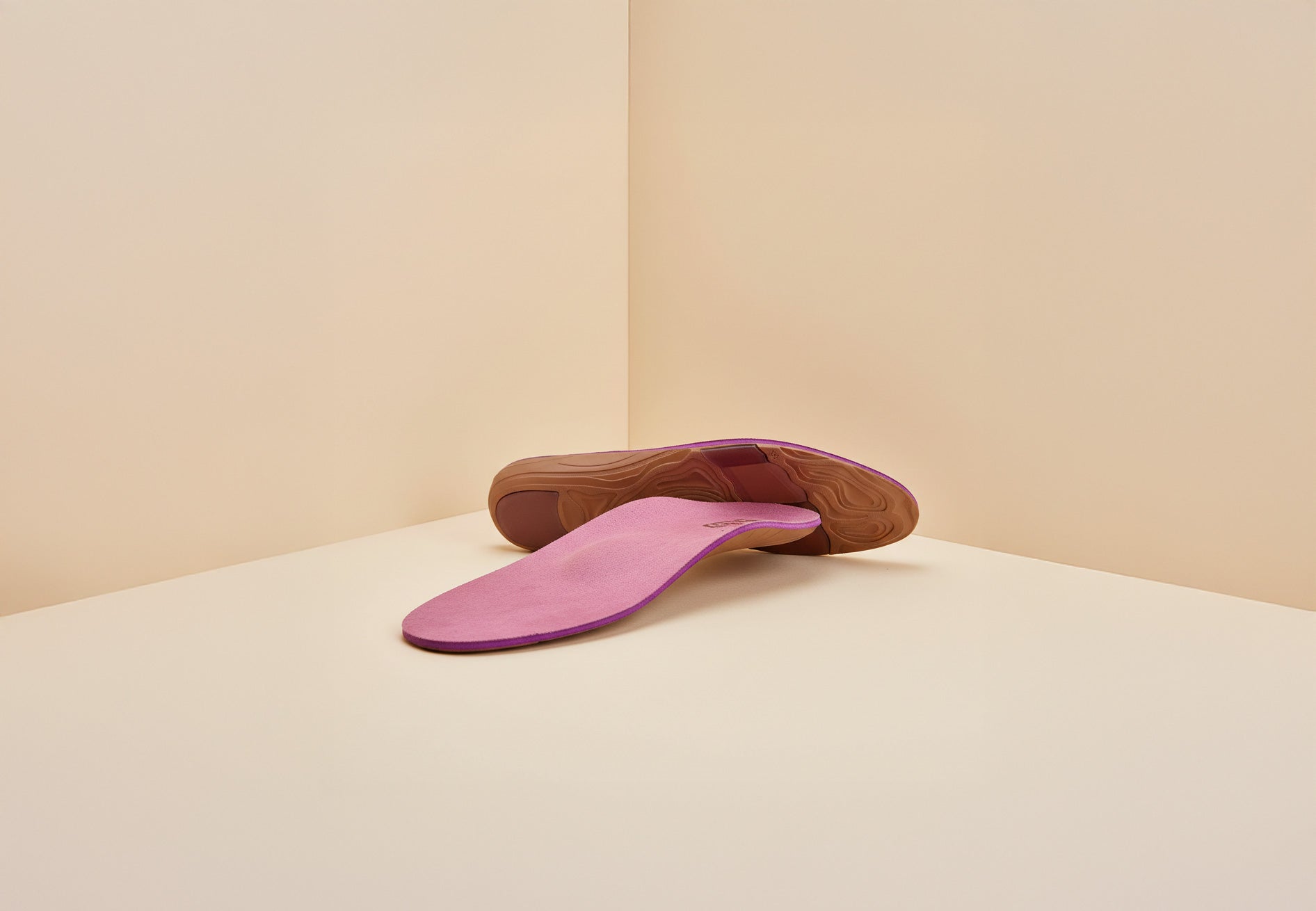
When it comes to targeted relief, starting with a specialized orthotic is your best bet. Aetrex Orthotics for Morton's Neuroma are engineered with a deep understanding of the condition. They feature a prominent metatarsal pad to support the bones in the ball of your foot, creating more space and easing pressure on the irritated nerve. What makes them unique is the thoughtful design that removes material right where the neuroma is, creating a pressure-free zone for immediate comfort. Plus, the signature Aetrex arch support helps to properly align your body from the ground up, which can help with overall balance and stability.
Another option you might come across are footbeds that focus heavily on metatarsal support. Brands like SOLE design their insoles with a noticeable pad in the center, which is meant to help spread the metatarsal bones. By keeping these bones from pinching the nerve, these insoles aim to reduce the sharp pain associated with Morton's Neuroma. They are often built to mold to your foot over time, offering a more customized fit. While they provide support, they may not have the same targeted pressure-free design as options created specifically for the condition.
You'll find many general-purpose insoles on the market designed to address ball-of-foot pain. These products often combine arch support with cushioning and a metatarsal pad to help redistribute pressure away from the forefoot. Many are created with input from podiatrists to ensure they provide effective, lasting comfort. The goal of these insoles is to soak up shock and support the foot's natural structure. When choosing one, pay close attention to the placement and size of the metatarsal pad to make sure it aligns correctly with your foot.
Beyond insoles, it's crucial to consider your footwear. Aetrex helps to provide significant relief because our technology is built directly into our shoes. Many of our women's and men's footwear styles feature strategically placed metatarsal support and superior arch support right in the footbed. This integrated approach ensures you get consistent comfort and pressure relief without needing a separate insert. Combining Aetrex shoes with our specialized orthotics can create the ultimate supportive environment for your feet, helping you stay active and comfortable all day long.
With so many options available, finding the right product to manage your Morton's neuroma pain can feel overwhelming. The key is to focus on specific features that address the root cause of the discomfort: pressure on the nerve in the ball of your foot. The goal is to find shoes or orthotics that give your forefoot more space, support your foot's natural structure, and cushion it from impact.
Think about your daily activities and the types of shoes you wear most often. Do you need something for your running sneakers, work shoes, or casual sandals? Understanding your specific needs will help you narrow down the choices. Aetrex helps to provide relief with a wide range of orthotics designed to fit into different types of footwear, so you don’t have to compromise on comfort, no matter the occasion. Below, we’ll walk through the most important features to look for to ensure you get the support and relief you deserve.
One of the most effective features for Morton's neuroma relief is a metatarsal pad. This is a small, raised dome in the orthotic that sits just behind the ball of your foot. Its purpose is to gently lift and spread the metatarsal bones, which are the long bones in your forefoot. This creates more space between them, taking pressure off the pinched nerve that’s causing that burning or sharp pain.
When you’re shopping, look for products that specifically mention a metatarsal pad. The placement is critical—it shouldn't be directly under the ball of your foot, but slightly behind it. Aetrex helps to ensure proper positioning in its orthotics to provide targeted relief right where you need it most.
Arch support might not seem directly related to pain in the ball of your foot, but it plays a huge role in your foot’s overall function. Proper arch support helps to distribute pressure evenly across your entire foot with every step you take. Without it, excess stress can land on your forefoot, worsening the compression on the nerve.
By supporting your arch, you encourage better foot alignment, which in turn affects your whole body’s posture. Aetrex designs all its footwear and orthotics with its signature arch support to help balance your body from the ground up. This foundational support can make a significant difference in reducing strain on the sensitive nerves in your forefoot.
Every time your foot hits the ground, it absorbs a significant amount of shock. For someone with Morton's neuroma, that impact can feel especially jarring and painful. That’s why high-quality cushioning is non-negotiable. Look for materials like memory foam or polyurethane that provide a soft layer of comfort while also absorbing shock.
This cushioning reduces the force that travels through your foot, particularly in the ball-of-foot area. Aetrex helps to provide lasting comfort by using premium, shock-absorbing materials like its Pro-Shox® polyurethane center cushion. This feature helps to minimize the impact of walking on hard surfaces, giving the irritated nerve a much-needed break.
An orthotic or shoe can have all the right features, but if it doesn’t fit your foot correctly, it won’t be effective. A poor fit can even create new pressure points and make your pain worse. Your footwear should have a wide toe box to give your toes plenty of room to spread out, preventing the metatarsal bones from squeezing together.
For a truly personalized solution, consider getting your feet scanned. Aetrex’s advanced foot scanners can map your unique pressure points and arch type in just a few seconds. This data helps identify the best orthotic and footwear style for your specific needs, ensuring you get a precise and comfortable fit for optimal relief.
Finding the perfect fit can feel like a guessing game, but it doesn't have to be. Aetrex helps to take the uncertainty out of the equation with its advanced foot scanning technology. In just a few seconds, these scanners create a detailed 3D map of your feet, identifying your unique pressure points, arch type, and foot dimensions. For someone with Morton's neuroma, this information is invaluable. It ensures that the metatarsal pad in your orthotic is positioned exactly where it needs to be to lift and separate the bones, and that the arch support aligns perfectly with your foot's natural contours. This data-driven approach allows you to find the ideal footwear and orthotics tailored to your specific needs, creating a supportive environment that reduces pressure on the irritated nerve and helps you walk more comfortably.
Once you have an idea of what you’re looking for, the next step is finding the best place to buy it. Investing in high-quality orthotics and footwear is an investment in your daily comfort, but that doesn’t mean you can’t be a smart shopper. Knowing where to look can help you find the perfect products and even save some money along the way. From going directly to the source to taking advantage of special programs, here are a few tips for getting the best value on products that Aetrex helps to provide lasting relief.
When you’re dealing with a specific issue like Morton’s Neuroma, it’s best to go straight to the experts. Buying directly from a reputable brand’s website ensures you’re getting authentic products and the most accurate information. Aetrex, for example, offers a full range of footwear and orthotics designed to address foot pain. Their products feature strategically placed metatarsal support that Aetrex helps to reduce pressure on the forefoot—a key factor in managing Morton’s Neuroma discomfort. Shopping directly gives you access to their entire collection, so you can find the exact support you need.
Who doesn’t love a good deal? Many top footwear brands, including Aetrex, run promotions and discounts throughout the year. It’s always a good idea to check a brand’s website for current offers before you make a purchase. Since Aetrex products are often recommended by healthcare professionals for providing an ideal balance of support and cushioning, finding them on sale is a major win for both your feet and your wallet. Keep an eye out for seasonal sales or special coupon codes to save on your next pair of men's orthotics.
If you plan on making foot health a priority, joining a loyalty program is a fantastic way to maximize your savings over time. The Aetrex Rewards Program, for instance, lets you earn points on every dollar you spend. These points add up and can be redeemed for discounts on future purchases, whether you’re stocking up on your favorite women's orthotics or trying a new style of supportive sandals. It’s a simple way to get more value while continuing to invest in your comfort and well-being.
How long does it take for orthotics to help with Morton's Neuroma pain? While many people feel an immediate sense of relief from the reduced pressure, it's best to think of it as a gradual process. There can be a short adjustment period as your feet get used to the new support. Consistent use is the most important factor, as it gives the irritated nerve time to calm down and allows your foot to adapt to better alignment.
Can I use orthotics in my existing shoes, or do I need new ones? You can absolutely try orthotics in your current shoes, especially if they have a removable insole and a roomy fit. However, for the best results, you should pair them with footwear that has a wide toe box. Placing a high-quality orthotic into a narrow or tight shoe can counteract the benefits and continue to squeeze your forefoot.
What's more important for relief: the shoe or the orthotic? It's most effective to think of them as a team working together. A specialized orthotic provides the targeted metatarsal support and proper alignment needed to take pressure off the nerve. The right shoe creates the ideal environment for the orthotic to function, offering a wide toe box and ample cushioning. Using both gives you the most comprehensive and lasting comfort.
Is a metatarsal pad supposed to feel weird at first? Yes, it's completely normal to notice the feeling of the metatarsal pad when you first start wearing new orthotics. It might feel like a small, supportive bump just behind the ball of your foot. This sensation is a good sign that the pad is correctly placed and doing its job of lifting and spreading your metatarsal bones. The feeling typically becomes unnoticeable as your feet adjust after a few days.
Besides products, what else can I do to manage the pain? Simple daily habits can make a significant difference. Pay attention to your shoe choices, and try to avoid high heels or styles with pointed toes that cramp your forefoot. During a flare-up, resting your feet and gently massaging the area can provide temporary relief. Combining these practices with supportive footwear is a powerful strategy for managing discomfort long-term.
Share:
6 Best Metatarsal Pads for Ball of Foot Pain
7 Best Walking Shoes for Metatarsal Pain Relief