

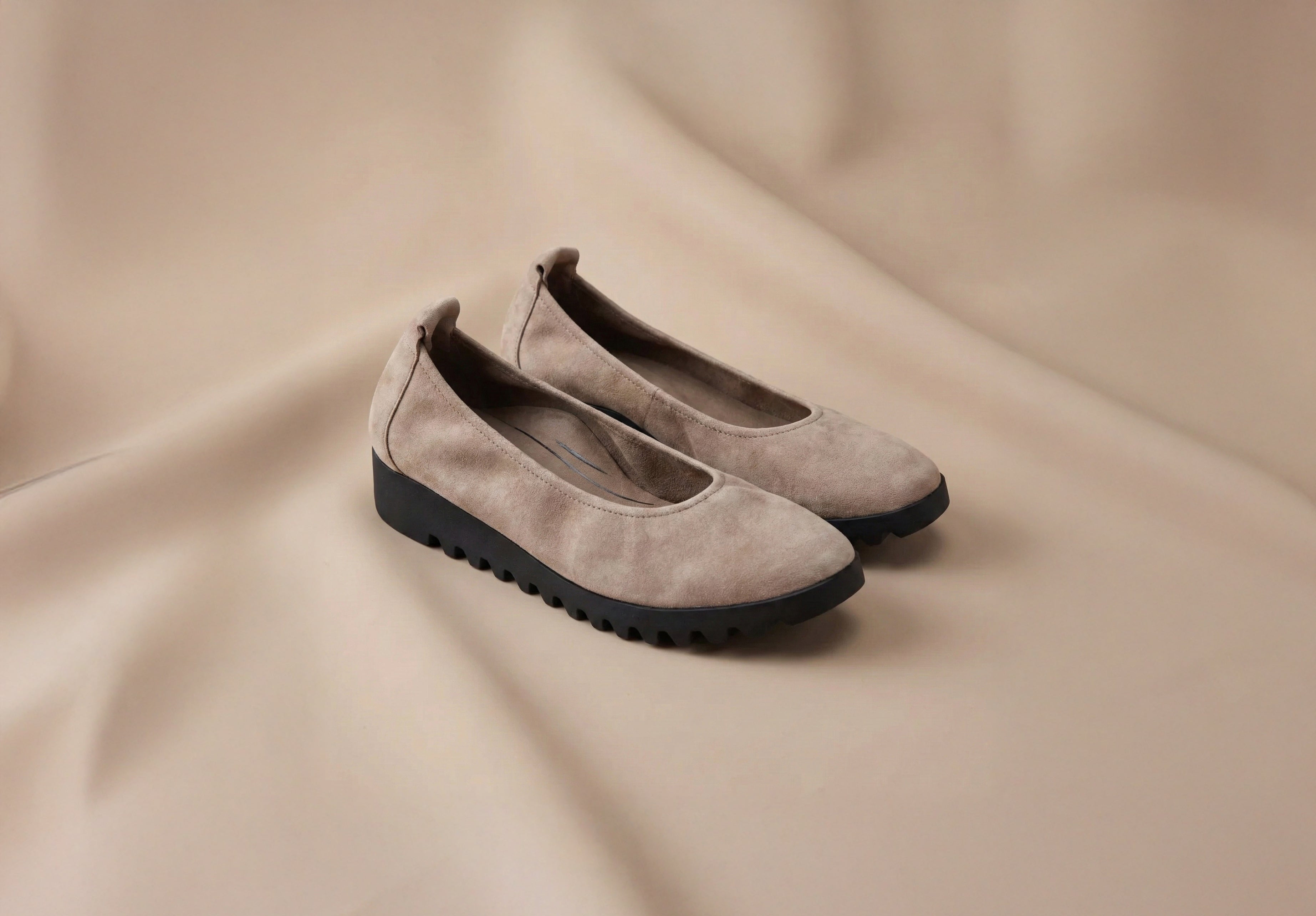
The mechanics of running place an enormous amount of repetitive stress directly on the ball of your foot. When this area becomes inflamed, a condition called metatarsalgia, each step can feel jarring and painful. It’s a signal from your body that your forefoot is taking on too much impact without enough protection. While rest is important, the long-term solution involves changing your gear. The right shoe technology can completely alter how force is distributed through your foot, making your runs feel smooth instead of strenuous. We’ve done the research to identify the best running shoes for metatarsalgia, focusing on designs that offload pressure and provide targeted relief right where you need it most.
Key Takeaways
- Create a Non-Negotiable Feature Checklist: Your running shoe must have three key features: superior forefoot cushioning to soften impact, a rocker bottom sole to ease pressure during push-off, and a roomy toe box that lets your toes spread naturally.
- Prioritize a Precise Fit Over Convenience: While online shopping is easy, a professional foot scan is the best way to understand your unique pressure points and arch type. This data-driven approach removes the guesswork and helps you find a shoe that truly supports your foot's structure.
- Build a Custom Support System with Orthotics: If you still feel pain after finding a good shoe, an over-the-counter orthotic can provide the next level of targeted relief. Look for one with a built-in metatarsal pad to help lift and spread the bones in your forefoot for a more personalized fit.
What is Metatarsalgia (and How Does it Affect Your Run)?
If you’ve ever felt a sharp, burning pain in the ball of your foot that makes you feel like you’re running on a pebble, you might be dealing with metatarsalgia. It’s a common condition, especially for runners, and it happens when the metatarsal bones—the long bones connecting your ankle to your toes—become inflamed and painful. This isn't just a minor annoyance; it's your body signaling that the ball of your foot is under too much stress.
For runners, this condition can be particularly frustrating. The high-impact, repetitive motion of running puts constant pressure directly on the ball of your foot with every single stride. When this area is already inflamed, each step can send a jolt of pain, making it difficult to push off the ground. Many runners find they have to cut their runs short or stop altogether. Pushing through the pain is generally not recommended, as it can worsen the inflammation and potentially lead to more serious issues like stress fractures or changes in your gait that cause problems elsewhere.
Ignoring the pain of metatarsalgia can sideline you for longer than you’d like. It can affect your form, your speed, and most importantly, your enjoyment of the sport. The good news is that you don’t have to give up running. The right support can make a world of difference. Aetrex helps to provide relief by designing footwear for metatarsalgia with superior cushioning and arch support that redistributes pressure away from the ball of your foot. Finding the right shoes is the first and most important step toward running comfortably again.
5 Must-Have Features in a Running Shoe for Metatarsalgia
Finding the right running shoe when you have metatarsalgia can feel like a quest. It’s not just about picking a color you like; it’s about finding a shoe that works with your foot, not against it. The right features can make the difference between a painful jog and a comfortable, enjoyable run. When you’re dealing with that tell-tale ache in the ball of your foot, every detail of your shoe’s construction matters. Think of it as building the perfect support system from the ground up.
To make your search easier, I’ve put together a checklist of the five most important features to look for. These elements are specifically designed to reduce pressure on the forefoot, absorb impact, and promote a natural stride. From the cushioning under your foot to the space around your toes, each feature plays a critical role in your comfort. Keep these five must-haves in mind, and you’ll be well on your way to finding a running shoe that helps you get back to doing what you love, without the pain.
Prioritize Cushioning and Shock Absorption
When you have metatarsalgia, cushioning is your best friend. Every time your foot hits the pavement, it sends a shockwave up through your body, and the ball of your foot takes a major hit. That’s why you need a shoe with excellent shock absorption, especially in the forefoot. Look for extra padding directly under the ball of your foot to help soak up that impact and reduce pressure. Materials like memory foam or gel are fantastic for this. A well-cushioned shoe acts as a protective barrier, softening each step and giving the sensitive area in your forefoot a much-needed break. This is the first line of defense in keeping you comfortable on your run.
Look for Built-in Arch Support and Metatarsal Pads
Proper foot alignment is essential for taking the pressure off your metatarsals. That’s where arch support comes in. A shoe with good, built-in arch support helps distribute your weight evenly across your entire foot, rather than letting it all concentrate on the ball. This prevents your arch from collapsing and putting extra strain on your forefoot. Many Aetrex shoes come with signature arch support and soft memory foam cushioning built right in, which helps to relieve pressure. Some shoes even include a metatarsal pad—a small, raised feature that sits just behind the ball of the foot. This pad helps to gently lift and spread the metatarsal bones, creating more space and reducing irritation.
Choose a Rocker Bottom Sole
A rocker bottom sole might sound technical, but the concept is simple: the outsole is curved, much like the bottom of a rocking chair. This design is incredibly helpful for metatarsalgia because it helps your foot roll smoothly through your stride, from heel-strike to toe-off. By doing some of the work for you, a rocker sole reduces how much your foot needs to bend at the ball during the push-off phase of your run. This means less pressure and less pain right where you feel it most. It’s a simple but effective feature that can make your runs feel more fluid and less strenuous on your forefoot.
Ensure a Roomy Toe Box
Never underestimate the importance of wiggle room. A narrow, constricting toe box is a major enemy for anyone with metatarsalgia. When your toes are squeezed together, it increases pressure on the metatarsal heads and can make the pain much worse. Always look for a running shoe with a wide, roomy toe box that allows your toes to spread out naturally. This not only prevents cramping and irritation but also improves your overall stability. When you try on shoes, make sure there’s about a half-inch of space between your longest toe and the end of the shoe, and that you can comfortably splay your toes without them hitting the sides.
Select Lightweight, Breathable Materials
While support and cushioning are key, you don’t want your shoes to feel like you’re running with weights on your feet. A heavy, clunky shoe can alter your natural gait and cause you to expend more energy, leading to fatigue and potential strain. Thankfully, modern running shoes are often made with advanced, lightweight materials that provide excellent support without weighing you down. Also, pay attention to breathability. Uppers made from mesh or other porous fabrics allow air to circulate, keeping your feet cool and dry. This helps prevent blisters and adds to your overall comfort, which is especially important when you’re already managing foot pain.
Our Top Running Shoe Picks for Metatarsalgia
Finding the right running shoe when you have metatarsalgia can feel like a marathon in itself. You need a shoe that does more than just log miles—it needs to actively work to reduce pressure on the ball of your foot. The good news is that many brands have designed shoes with the cushioning, support, and specific features that can make running enjoyable again. We've sorted through the options to bring you our top picks that prioritize comfort and protection for sensitive feet.
Each of these shoes offers a unique combination of features, from advanced cushioning systems to specialized sole designs. While every foot is different, this list is a great starting point to find a shoe that provides the relief you need. Remember to look for a roomy toe box, excellent shock absorption, and solid arch support to keep your feet happy from your first step to your last. For an extra layer of targeted relief, pairing your running shoes with the right orthotics can make a world of difference.
Aetrex: The Ultimate Support System
When it comes to all-around support for metatarsalgia, Aetrex stands out. Our shoes are designed with foot health as the top priority. Aetrex Helps to relieve pressure on the ball of your foot by incorporating our signature arch support directly into the shoe. This feature helps correctly align your body and redistribute pressure away from the sensitive metatarsal area. Plus, our footwear includes soft, memory foam cushioning that provides a plush, comfortable layer to absorb shock with every stride. This combination of strategic support and superior cushioning makes our footwear for metatarsalgia an ideal choice for managing pain during your runs.
HOKA: For Maximum Cushioning
HOKA is well-known for its maximalist approach to cushioning, and for good reason. Their shoes feature thick, plush midsoles that are excellent at absorbing impact, which is a huge benefit when you have ball-of-foot pain. This extra cushioning acts as a protective barrier, reducing the force that travels through your forefoot with each footstrike. For runners with metatarsalgia, this can mean less pain and more comfort, especially on longer runs. The brand’s signature design often includes a rocker sole, which further helps to ease pressure during the toe-off phase of your gait, making for a smoother, less painful running experience.
Brooks:
For those with metatarsalgia, models like the Ghost Max are particularly beneficial. Podiatrists often recommend this shoe because it offers fantastic cushioning while maintaining a stiff forefoot. This stiffness is key—it limits the amount your toes and metatarsal joints have to bend during push-off, which can significantly reduce irritation and pain in the ball of your foot. By providing a stable and well-cushioned platform, Brooks running shoes help create a smoother ride that protects sensitive areas without sacrificing performance.
New Balance:
New Balance excels at creating shoes with innovative features, and their rocker soles are a game-changer for metatarsalgia. Models like the Fresh Foam More are designed with a pronounced curve in the sole, which helps your foot roll smoothly from heel to toe. This rocking motion propels you forward, meaning you don't have to push off as forcefully from the ball of your foot. This significantly reduces pressure and strain on the metatarsals. Many New Balance styles also offer a generous fit with a wide toe box, giving your toes plenty of room to spread out and preventing painful compression.
ASICS:
ASICS has built its reputation on its signature GEL technology, which provides exceptional shock absorption. This is crucial for runners with metatarsalgia, as it helps soften the impact of each step. You can find this technology in popular models like the GEL-Nimbus, which places cushioning strategically in both the heel and forefoot. This targeted cushioning, often paired with a gentle forefoot rocker, helps to reduce stress on the ball of the foot. ASICS also offers many of their running shoes in multiple widths, making it easier to find a comfortable fit that doesn't squeeze or irritate your forefoot.
How the Top Brands Stack Up
When you’re dealing with ball-of-foot pain, every running shoe claims to be the best. But how do they really compare when it comes to price, comfort, and long-term support? Let's break down what you get from the top brands so you can make a choice that keeps you moving comfortably. We’ll look at how Aetrex provides a complete support system compared to other popular options on the market.
A Look at Price Points
Investing in a quality running shoe is an investment in your health, but that doesn't mean you have to overspend. While prices for specialty running shoes can vary, it's important to look at the total value. Aetrex shoes are designed with numerous comfort features already built-in, including our signature arch support and soft memory foam cushioning that helps to relieve pressure. This means you get a complete, supportive shoe right out of the box, which can be more cost-effective than buying a basic shoe and then adding expensive orthotics. Many other brands require you to purchase inserts separately, adding to the overall cost.
Comparing Comfort and Cushioning
Comfort is non-negotiable when you have metatarsalgia. You need extra padding under the ball of your foot to absorb shock and reduce pressure with every step. Aetrex helps to do just that by combining strategic cushioning with cobra-shaped arch support that biomechanically aligns your body. While brands like HOKA are known for their thick, cushioned midsoles and rocker technology, Aetrex focuses on targeted relief. Our shoes are designed to offload pressure from the forefoot, providing comfort exactly where you need it most. This targeted approach makes our women's footwear and men's collections a smart choice for managing foot pain.
Which Shoes Offer the Best Long-Term Value?
A great running shoe should support you for hundreds of miles, not just the first few. Long-term value comes from durable construction and support that doesn't break down over time. Aetrex provides lasting value because our shoes and orthotics are engineered to work together as a system. For instance, Aetrex Metatarsalgia Orthotics are specifically designed with slow-recovery memory foam and a metatarsal pad to provide sustained relief. While a shoe like the ASICS Novablast is a great all-around runner, you might find yourself needing to add support to address specific pain points. With Aetrex, that comprehensive support is the foundation of every pair of men's footwear we make.
Adding Orthotics: When and Why You Should
Even with the perfect pair of running shoes, you might find you need a little extra personalization to get the relief you’re looking for. Think of it this way: your running shoes provide a great foundation, but orthotics can fine-tune the support to match the unique contours and needs of your feet. If you’ve invested in a quality shoe but still feel that tell-tale ache in the ball of your foot after a run, adding an over-the-counter orthotic is a smart next step.
This isn’t a sign that you chose the wrong shoe. Instead, it’s about creating a completely customized support system that works in harmony with your footwear. An orthotic insert works with your shoe to provide targeted relief right where you need it most. For runners with metatarsalgia, this often means adding specific cushioning and support features that aren’t always standard in every shoe. By supplementing your footwear, you can address your specific pressure points and foot type, turning a good running experience into a great one. It’s the difference between a shoe that fits well and a shoe that feels like it was made just for you.
When to Add More Support
Deciding to add an orthotic comes down to listening to your body. If you’re still feeling pain or pressure in the ball of your foot despite wearing well-cushioned shoes, it’s time for more targeted support. Your foot type plays a big role here. If you have flat feet or a neutral arch, an orthotic with a built-in metatarsal pad can make a world of difference by helping to lift and spread the metatarsal bones. For those with high arches, the focus should be on shock-absorbing insoles that add extra cushioning to take the intense pressure off the bones in your forefoot. It’s all about identifying the source of the discomfort and adding the right component to address it directly.
How Aetrex Orthotics Can Help Your Run
This is where the right insert can truly change your run. Aetrex Helps to provide targeted relief with orthotics designed specifically for conditions like metatarsalgia. Our Metatarsalgia Orthotics are engineered with a strategically placed metatarsal pad that helps to unload pressure from the ball of your foot and redistribute it evenly. We also include our signature Aetrex memory foam cushioning for a soft, pillowy feel with every stride. When you place these inside your running shoes, you create the ultimate environment for happy, comfortable feet, mile after mile. It’s a simple addition that can have a major impact on your comfort and performance.
Common Mistakes to Avoid When Shoe Shopping
Finding the right running shoe when you have metatarsalgia can feel like a quest, and a few common missteps can lead you right back to where you started: in pain. It’s easy to get swayed by a sleek design or a friend’s recommendation, but your feet have unique needs. Avoiding these frequent mistakes will help you invest in comfort and get you back to running with confidence.
The biggest goal is to find a shoe that works with your foot, not against it. This means prioritizing features that support your specific pressure points and foot structure. Let’s walk through what to watch out for so you can make a smarter choice.
Skipping the In-Person Fitting
The best way to understand yours is with a detailed analysis. An Aetrex foot scan, for example, can give you a precise 3D measurement of your foot and identify exactly where you need support. This data takes the guesswork out of shopping, ensuring you choose a shoe that’s truly tailored to your needs rather than just picking one and hoping for the best.
Focusing on the Wrong Features
Many people get caught up in trendy terms like "motion control" without knowing if it’s what they actually need. For metatarsalgia, your focus should be on specific features: superior cushioning to absorb impact, a rocker bottom sole to reduce pressure on the forefoot, and a wide toe box to prevent squeezing the metatarsal heads. Instead of getting distracted by marketing jargon, create a checklist of these non-negotiable features. Aetrex helps to design footwear for metatarsalgia with these exact elements built-in, making it easier to find a shoe that provides targeted relief.
Misplacing Added Support
If you decide to use an insert, placement is everything. A common mistake is placing a metatarsal pad directly under the ball of the foot where it hurts. However, the pad is meant to sit just behind the ball of the foot. This position helps to lift and spread the metatarsal bones, relieving pressure and pain. If you’re unsure about placement, consider shoes with built-in support or using a full-length orthotic that’s already designed with the correct contouring. This ensures you get the intended benefit without any frustrating trial and error.
How to Break in Your New Running Shoes
That new-shoe feeling is exciting, but hold off on hitting the pavement for a 10-miler just yet. Breaking in your running shoes is a crucial step, especially when you’re managing the pain and sensitivity of metatarsalgia. The goal is to allow your feet to gradually adapt to the new support and cushioning without triggering a flare-up. Think of it as an introduction, not a full-on commitment.
A proper break-in period helps your body adjust and gives you time to confirm you’ve made the right choice. It’s all about easing into them slowly and paying close attention to how your feet respond. When you know what to look for, you can feel confident that your new shoes are providing the relief you need.
Ease Into Them Gradually
Before you even think about a run, start by wearing your new shoes around the house for a few hours at a time. This lets your feet get acquainted with the shoe’s unique shape and support system in a low-impact environment. If they feel good, try them out for a short walk. The key is to increase the duration and intensity slowly over several days. This gradual process gives your feet a chance to adapt and helps you identify any potential hot spots or discomfort before they become a real problem.
Remember, the perfect shoe is highly personal. What works for a friend might not work for you. That’s why getting the right fit from the start is so important. Using technology like Aetrex’s foot scanners can give you precise data about your feet, helping you choose a shoe that truly matches your arch type and pressure points.
How to Know Your Shoes Are Helping
You’ll know your new shoes are a good match when you feel relief, not more pain. A key sign is a noticeable reduction in pressure on the ball of your foot, both during and after a walk or run. The right shoe should provide ample cushioning that absorbs shock, making each step feel softer and less jarring. You should also feel a sense of stability from proper arch support, which helps to distribute your weight more evenly across your entire foot instead of concentrating it in one painful area.
Aetrex footwear is designed with these principles in mind, as our shoes feature built-in arch support and premium cushioning that Aetrex helps to alleviate pain from conditions like metatarsalgia. If your new shoes have these features and a roomy toe box that lets your toes spread out naturally, you’re on the right track to a more comfortable run.
Where to Buy Your Next Pair of Running Shoes
Once you have an idea of what features to look for, the next step is finding the perfect pair. Your shopping experience can be just as important as the shoe itself, especially when you’re trying to find relief from metatarsalgia. Deciding between an in-person fitting and the convenience of online shopping depends on how much you already know about your feet and what they need to feel their best.
Getting a Foot Scan vs. Shopping Online
Shopping for running shoes online is convenient, but it can be a gamble if you’re dealing with foot pain. The best way to take the guesswork out of the process is to get a personalized fitting. An in-store foot scan provides a detailed map of your feet, showing your arch type, pressure points, and precise sizing. This data is invaluable for finding a shoe that properly supports the ball of your foot. Aetrex’s advanced foot scanners offer a comprehensive 3D analysis to help you understand your unique needs. This technology helps to identify the ideal footwear and orthotics to provide cushioning and support right where you need it, making it a crucial first step for any runner with metatarsalgia.
Related Articles
- Orthotics for Metatarsalgia | Aetrex Official Site
- Men's Orthotics for Metatarsalgia
- Shoes and Orthotics for Metatarsalgia
- Women's Footwear for Metatarsalgia | Aetrex Official Site
- Metatarsalgia
Frequently Asked Questions
Do I need special shoes, or can I just add an insert to my current running shoes? If your shoes are still in good condition, replacing the insole can make a big difference in comfort and support. Don’t wait until your shoes are worn out—think of them as the foundation for your feet. A stable base with excellent cushioning and a proper fit is essential. Aetrex footwear is designed with our signature arch support and memory foam cushioning already built-in, creating a complete system that helps align your foot and relieve pressure from the start.
What's the most important feature to look for if I can't find a shoe with everything? If you have to prioritize, focus on features that directly address the pressure on the ball of your foot. Look for a shoe with exceptional cushioning in the forefoot and a design that helps redistribute your weight. A rocker bottom sole is fantastic for this because it helps your foot roll through each stride, reducing the strain on your metatarsals during push-off.
How do I know if my new shoes are actually helping my metatarsalgia? You should feel a noticeable difference in pressure on the ball of your foot. The right shoe will make your steps feel softer and more supported, not just during your run but afterward as well. You shouldn't feel that sharp, pebble-in-your-shoe sensation. If you have a roomy toe box and feel stable through your arch, you're likely on the right track to finding relief.
Will a rocker bottom sole feel strange to run in? It might feel a little different for the first few minutes, but most runners adapt very quickly. Instead of feeling unstable, it creates a smooth, rolling sensation that helps propel you forward. Many people find it makes their stride feel more fluid and efficient, and they appreciate how much less work their forefoot has to do with each step.
Can the right shoes make my metatarsalgia pain go away completely? The right footwear is a powerful tool for managing the symptoms of metatarsalgia. Aetrex helps to alleviate pain by providing the cushioning, alignment, and pressure relief your feet need to feel comfortable. While shoes are a critical part of the solution that can allow you to run with significantly less pain, it's also important to listen to your body and address the underlying causes of the stress on your forefoot.
Share:
Your Guide to Orthotic Insoles for Overpronation
6 Best Metatarsal Pads for Ball of Foot Pain