

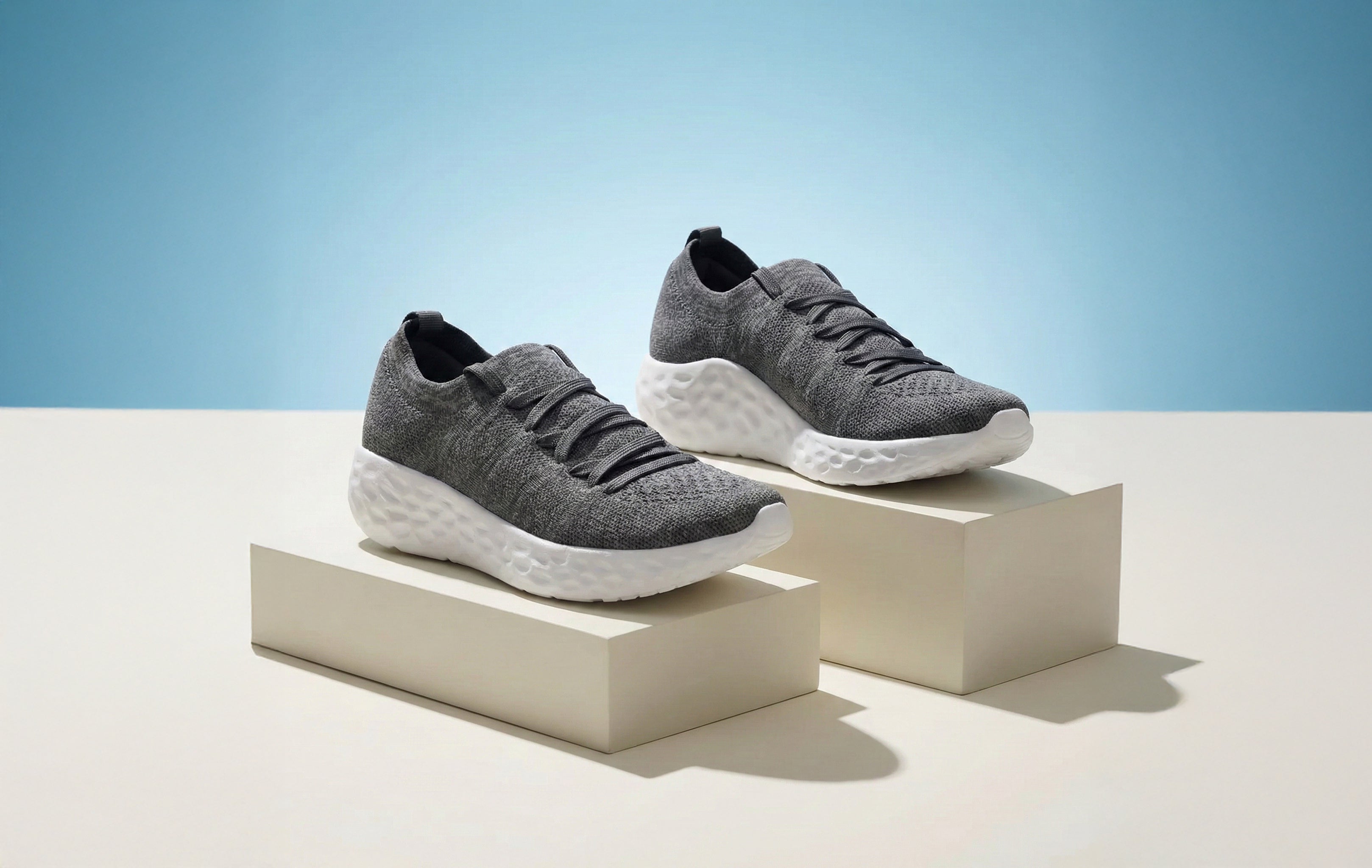
Let’s be honest: the phrase “comfort shoes” doesn’t always bring stylish images to mind. For years, dealing with bunions often meant sacrificing fashion for function, leaving you with choices that felt frumpy and uninspired. That era is over. You no longer have to choose between feeling good and looking great. Today’s best shoes for bunions are designed with both style and foot health in mind. We’ll show you how to find footwear for every occasion—from work to workouts—that accommodates your feet without compromising your personal style, proving that comfort and chic can coexist.
If you’ve ever noticed a bony bump forming at the base of your big toe, you’re likely looking at a bunion. This common foot deformity occurs when the bones in the front of your foot shift out of place, causing the tip of your big toe to pull toward the smaller toes. This forces the joint at the base of your big toe to stick out, creating that tell-tale bump. For many, this isn't just a cosmetic issue; it can lead to significant discomfort, swelling, and persistent irritation, especially when you’re on your feet all day.
This is where your choice of footwear becomes absolutely critical. While your shoes may not be the root cause of a bunion, they play a massive role in how it feels and whether it gets worse. The Bunion Institute notes that wearing the wrong shoes can seriously aggravate the condition. Shoes that are too tight or narrow in the front squeeze your toes together and put constant pressure directly on the bunion, leading to more pain and inflammation.
On the flip side, the right shoes can make a world of difference. By choosing footwear with features designed for comfort and support, you can significantly reduce pressure on the affected joint. This not only helps to manage daily pain but is also key to your long-term foot health. As experts at Propét Footwear point out, "Wearing these comfortable, supportive shoes can help keep your bunions from getting worse." Finding shoes with proper arch support and a roomy fit isn’t just about comfort—it’s a fundamental step in caring for your feet and maintaining your active lifestyle.
Shopping for shoes when you have bunions can feel frustrating, but knowing what to look for makes all the difference. The right pair of shoes won’t just prevent pain—they’ll provide genuine comfort and support that allows you to go about your day without wincing. It’s about finding a design that works with your foot, not against it. The key is to focus on specific features that give your bunion space while properly aligning the rest of your foot.
Think beyond just finding a wider size. You need a shoe that combines a spacious front with strategic support and flexible materials. From the toe box to the heel, every part of the shoe plays a role in your comfort. When you find a pair that checks all the right boxes, you’ll notice an immediate difference in how your feet feel. Aetrex helps to create women's and men's footwear with these essential features built right in, making your search for the perfect shoe that much easier.
The most important feature to look for in a bunion-friendly shoe is a wide, roomy toe box. This is the area at the very front of the shoe where your toes sit. Shoes that are narrow or pointed in the front will squeeze your toes together, putting direct and painful pressure on the bunion. Instead, look for shoes with a square or round toe shape that allows your toes to spread out naturally. This extra space prevents rubbing and irritation, giving your bunion the room it needs to exist without being constricted. A generous toe box is the first step toward all-day comfort.
The material of the shoe’s upper—the part that covers the top of your foot—is just as important as the shape. Stiff, rigid materials can dig into the sensitive area of a bunion, causing friction and pain with every step. Look for shoes made from soft, flexible materials that have some give. Stretchy knits, soft full-grain leather, and breathable mesh are excellent choices because they gently mold to the unique shape of your foot. These forgiving materials reduce pressure on the bunion, preventing blisters and discomfort while still providing a secure fit.
Bunions can often be related to foot mechanics, which is why arch support is so critical. Proper arch support helps to distribute your body weight evenly across your entire foot, rather than concentrating pressure on the ball of the foot where the bunion is located. This alignment can also help prevent your foot from rolling inward, a motion that can make bunions worse over time. Aetrex helps to relieve pressure with its signature arch support, which is built into every pair of shoes and orthotics they make. This foundational support is key to improving overall foot function and comfort.
High heels are a major culprit when it comes to bunion pain. They pitch your body weight forward, forcing the front of your foot to bear the brunt of the pressure. This not only aggravates the bunion but can also contribute to its development. For maximum comfort, stick to shoes with a low, stable heel—ideally one inch or less. Flats and low wedges are great options, as they keep your foot in a more natural position. This simple switch can dramatically reduce the strain on your big toe joint and provide immediate relief.
Walking on hard surfaces can send shockwaves through your feet, and for someone with a bunion, that impact can be especially painful. A well-cushioned sole acts as a shock absorber, softening every step you take. Look for shoes with memory foam or premium foam midsoles that provide a plush, supportive base. This cushioning helps to reduce the overall pressure on your feet, particularly on the sensitive ball-of-foot area. It’s like walking on a cloud, giving your bunion a much-needed break from the harsh impact of daily activities.
Even the best shoes can sometimes benefit from a little personalization. Shoes with removable insoles are a fantastic feature because they give you the flexibility to add your own orthotics for a customized fit. If you have a specific foot condition or need targeted support, being able to insert a specialized insole can make a world of difference. This allows you to get the precise level of support and alignment your feet need. If you're unsure what you need, you can use an Orthotic Finder to identify the best option for your foot type and lifestyle.
Finding a shoe brand that truly understands foot anatomy can be a game-changer when you're dealing with bunions. The right pair of shoes won't just stop the rubbing and pinching; it will provide the space, support, and cushioning your feet need to feel good all day. While many brands offer wide sizes, some go the extra mile with specific design features tailored to relieve bunion pressure. From stretchy upper materials to anatomically shaped toe boxes, these brands prioritize comfort without sacrificing style.
We've looked at some of the top contenders in the comfort footwear space to see how they stack up. Each brand offers something a little different, but they all share a common goal: helping you walk more comfortably. Remember, the best brand for you will depend on your foot shape, the severity of your bunion, and your daily activities. Let's explore some of the best shoe brands that can help you find relief and get back to doing what you love.
At Aetrex, we design every pair of shoes with a deep understanding of foot health. Our approach is holistic, combining multiple features to create the ultimate comfort experience for those with bunions. Aetrex Helps to alleviate pressure with thoughtfully designed wide toe boxes and soft, stretchy materials that accommodate the bunion area without irritation. But we don't stop there. Every pair of our women's and men's footwear features our signature Aetrex Arch Support, which is biomechanically engineered to help realign your body and relieve stress on your feet and joints. This combination of space, soft materials, and superior support makes Aetrex a top choice for all-day bunion relief.
Living with bunions doesn’t mean you have to sideline your sense of style. The key is knowing what to look for in every type of shoe, whether you’re heading to the gym, the office, or a sunny vacation. With the right features, you can find footwear that feels as good as it looks for any event on your calendar. Aetrex helps to ensure you have supportive, comfortable options for every part of your life, blending innovative orthotic technology with modern designs so you never have to compromise.
An active lifestyle calls for athletic shoes that can keep up without causing pain. When you have bunions, you need a sneaker with a wide toe box to prevent squeezing and irritation. Aetrex athletic shoes are designed with this in mind, featuring spacious fronts and soft, flexible materials. More importantly, they include our signature built-in arch support to properly align your body and relieve pressure on your forefoot. While other brands like HOKA or Brooks offer great cushioning, Aetrex provides a complete system of support and comfort that helps you stay active and pain-free through every workout and weekend adventure.
For those days spent running around town, you need a reliable shoe that offers non-stop comfort. Your everyday shoes should have ample cushioning and arch support to absorb shock and prevent fatigue. Aetrex offers a wide range of casual styles, from slip-ons to clogs, that feature our signature arch support and memory foam footbeds. These features help to stabilize your foot and reduce pressure on your bunions. Unlike other comfort brands, Aetrex builds podiatrist-designed orthotics directly into every pair, giving you the support you need to tackle your to-do list without a second thought about foot pain.
Dressing up shouldn’t mean dreading every step. The right dress shoe can offer both elegance and relief for bunions. Look for styles with a low, stable heel and soft upper materials that won’t constrict your foot. Aetrex dress shoes and wedges are crafted to provide sophisticated style without sacrificing comfort. Many of our designs feature adjustable straps for a customized fit and include our renowned arch support to help distribute pressure evenly across your foot. This built-in support is a step above what you’ll find in other brands, ensuring you can stand, walk, and socialize comfortably through any event.
Warm weather calls for sandals, but finding a pair that accommodates bunions can be a challenge. The best sandals offer adjustability and superior support. Aetrex is famous for its supportive sandals, which often feature multiple adjustable straps to create the perfect fit around your foot and bunion. Our sandals are built with soft, high-quality materials and our signature Cobra Orthotic Technology, which helps to cradle your foot and provide essential arch support. This thoughtful design helps to alleviate the pain associated with common foot conditions like plantar fasciitis and bunions, so you can enjoy the sunshine in total comfort.
Finding the perfect pair of shoes when you have bunions can feel like a challenge, but a few smart shopping strategies can make all the difference. Knowing what to look for—and when to look for it—will help you walk away with shoes that feel as good as they look.
Here’s a pro tip: always try on shoes in the late afternoon or evening. Our feet naturally swell throughout the day, and what fits perfectly in the morning might feel uncomfortably snug by dinnertime. This is especially true when you have a bunion, as even a small amount of swelling can increase pressure and friction on that sensitive area. By shopping later in the day, you’re fitting your shoes to your feet at their largest, ensuring you have enough room for all-day comfort without any painful pinching. This simple timing adjustment can save you from buying a pair that only feels good for half the day.
It’s easy to assume you’re the same size in every shoe, but sizing can vary significantly between brands and even styles. Before you buy, take a moment to measure your feet. For the most accurate assessment, you can use one of Aetrex’s advanced foot scanners to get a precise 3D measurement of your foot length, width, and arch type. This technology gives you personalized data to find your ideal fit. When shopping online, always check the "fit notes" on the product page for guidance. This will help you understand if a particular style runs large, small, or true to size, so you can make a more informed choice.
When you slip on a new pair of shoes, they should feel comfortable right away. Pay close attention to how the shoe feels around your bunion—there should be no rubbing or squeezing. Look for shoes made from soft, flexible materials like stretch knits, suede, or soft leather that will mold to your foot shape without causing irritation. A roomy, wide toe box is non-negotiable, as it gives your toes space to spread out naturally. All Aetrex women's footwear is designed with these principles in mind, combining premium materials with thoughtful construction to help accommodate sensitive areas.
One of the biggest mistakes is choosing fashion over function. Squeezing your feet into shoes that are too narrow or small can worsen bunion pain and potentially make the condition worse over time. Steer clear of shoes with pointed toes that cram your forefoot, as well as extremely high heels that shift your body weight forward, placing immense pressure on the big toe joint. Similarly, completely flat shoes like unsupportive flip-flops or sandals often lack the arch support needed to maintain proper foot alignment, which can contribute to discomfort. Making smarter choices in the shoe aisle is a key step toward happy feet.
Knowing what to look for in a shoe is half the battle, but knowing what to leave on the shelf is just as important. Certain styles can make bunion pain worse, slowing down your comfort journey. When you’re shopping, it’s best to walk right past these common culprits to keep your feet happy and pain-free. Making smart choices about what you don't wear can make a significant difference in your daily comfort levels.
I know, I know—sometimes an outfit just calls for a killer pair of heels. But when you have bunions, high-heeled and pointed-toe shoes are a major problem. High heels shift your body weight forward, placing additional pressure directly onto the ball of your foot where the bunion is located. Pointed styles squeeze your toes into an unnatural, triangular shape, which can aggravate the bunion and cause even more pain. If you must wear a dressier shoe, look for a low, stable heel and a rounded or square toe box that gives your feet space.
This might seem obvious, but it’s a mistake many of us make. We find a shoe we love, but it’s just a little too snug, and we hope it will stretch. For bunions, this is a recipe for disaster. Any shoe that constricts the toes or feels tight across the widest part of your foot will only increase friction and pressure on the bunion. This can lead to more swelling, redness, and pain throughout the day. Always prioritize a comfortable fit with plenty of room for your toes to lie flat and spread out naturally.
While they may seem comfortable at first, most traditional flat sandals and flip-flops are not your friends if you have bunions. These styles typically lack the necessary support and cushioning your feet need. Without proper arch support, your foot can pronate (roll inward), putting more strain on the joint at the base of your big toe. Instead of flimsy flats, look for sandals with built-in arch support and cushioned footbeds, like the styles offered by Aetrex, to keep your feet properly aligned and comfortable.
If you rely on custom or specialized orthotics for extra support, shoes with glued-in insoles can be a real challenge. You need footwear that can easily accommodate them without making the shoe feel too tight. When shopping, always check if the insole can be taken out. This gives you the flexibility to add your own orthotic for personalized comfort. Many Aetrex shoes come with signature arch support but also feature removable insoles, giving you the best of both worlds.
Knowing where to look for bunion-friendly shoes can make all the difference in finding lasting comfort. The right brands build their footwear around the features your feet need, so you don't have to choose between style and relief.
At Aetrex, we design our footwear with your foot health as the top priority. Our shoes feature signature built-in arch support, roomy toe boxes, and premium, stretchy materials that accommodate bunions without adding pressure. From stylish women's footwear to supportive men's options, you'll find designs that Aetrex helps to relieve pain and keep you moving comfortably all day long.
No matter where you shop, remember to look for key features. The Bunion Institute recommends choosing shoes with a wide toe box, soft uppers, and well-cushioned soles to give your feet the space and support they need. It's also a great idea to shop for shoes in the late afternoon when your feet are at their largest to ensure you get the most accurate fit.
Even the most comfortable, supportive shoes have an expiration date. Continuing to wear them past their prime can aggravate bunion pain and lead to new discomforts. Knowing when to say goodbye is key to keeping your feet happy. Instead of marking a date on the calendar, learn to recognize what your shoes and your feet are telling you.
Start by giving your shoes a regular inspection. Look for obvious signs of wear, like soles that are worn down unevenly or cushioning that looks flat and compressed. The internal structure is just as important. Over time, the materials that provide critical support will break down. That signature arch support that Aetrex helps to provide can lose its effectiveness, leaving your feet without the foundation they need. If your shoes feel harder or less supportive than they used to, it’s a clear sign they’re ready for retirement.
Beyond visible wear, pay close attention to the fit. If your shoes start to feel tight or cause new rubbing around your bunion, it’s time for a change. The most important signal, however, comes from your own body. If you notice an increase in foot pain or general discomfort while wearing a specific pair, those shoes are no longer serving you well. By regularly assessing your footwear, especially the pairs you wear most often, you can ensure you’re always getting the comfort and relief you deserve. When you're ready for a fresh pair, you can explore Aetrex's full line of women's footwear designed for lasting comfort.
Can the right shoes actually get rid of my bunion? While the right shoes can't make a bunion disappear, they play a huge role in managing your daily comfort and preventing the condition from feeling worse. Think of it this way: supportive footwear helps to alleviate the pressure and strain that causes pain. By choosing shoes with features like proper arch support and a roomy toe box, you create a better environment for your foot, which can significantly reduce irritation, swelling, and discomfort.
Do I have to wear clunky, orthopedic-looking shoes forever? Absolutely not! The world of comfort footwear has come a long way, and you no longer have to sacrifice style for relief. Brands now focus on integrating supportive features into modern, fashionable designs. You can find everything from sleek wedges and sandals to stylish sneakers that are specifically designed to accommodate bunions without looking bulky. The key is to focus on brands that prioritize both foot health and contemporary aesthetics.
Is simply buying a "wide" size shoe enough to help my bunion? Finding a wider fit is a great start, but it's only one piece of the puzzle. A truly bunion-friendly shoe also needs other critical features. Proper arch support is essential for distributing your weight evenly and preventing your foot from rolling inward, which can put more stress on the big toe joint. You should also look for soft, flexible upper materials that won't rub or irritate the sensitive area. A combination of width, support, and forgiving materials is what provides true, lasting comfort.
I love my daily walks. What should I look for in an athletic shoe for bunions? For an active lifestyle, you need an athletic shoe that offers more than just cushioning. Look for a sneaker with a spacious, rounded toe box that allows your toes to spread out naturally during movement. A well-cushioned sole is also important to absorb impact, but don't overlook the need for strong arch support to maintain proper alignment with every step. Flexible, breathable materials like engineered mesh will also help prevent friction and keep your feet comfortable.
How can I tell if a shoe is a good fit without wearing it for a full day? When you try on a new pair, they should feel comfortable from the very first step—don't count on a painful "breaking in" period. Make sure there's about a half-inch of space between your longest toe and the end of the shoe. You should also be able to wiggle your toes freely without them feeling cramped. Pay close attention to the area around your bunion; there should be no pinching, rubbing, or direct pressure on the bump. Shopping in the afternoon when your feet are slightly swollen will also give you a more accurate sense of the true fit.
Share:
The Ultimate Guide to Dress Shoes for Bunions
5 Best Fashionable Shoes for Bunions