

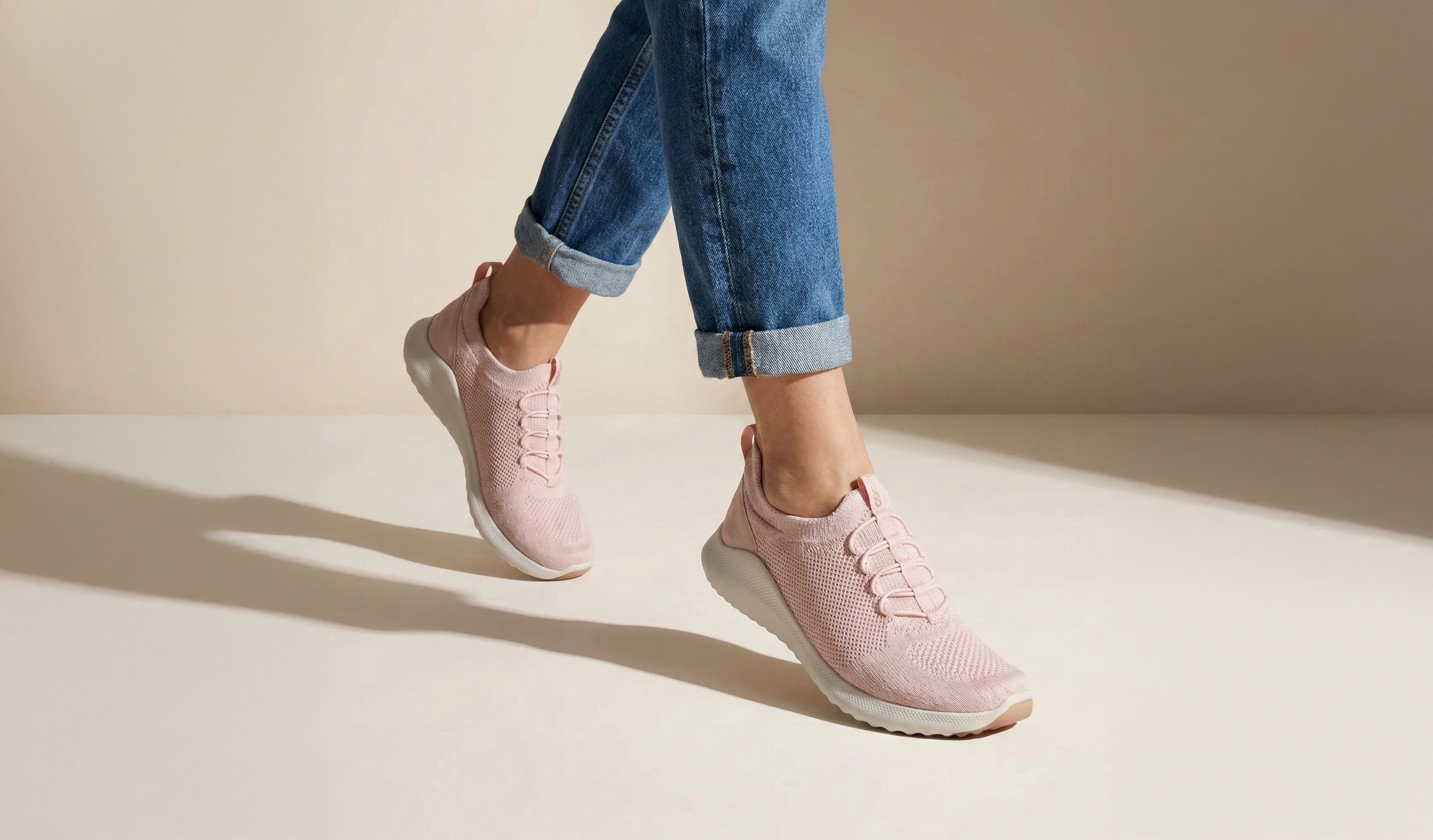
You wouldn't play a serious game of tennis with a flimsy, cheap racquet, so why would you treat your feet any differently? The standard insoles that come in your court shoes are often little more than thin pieces of foam, offering almost no support for the high-impact demands of the game. Upgrading them is one of the most effective ways to protect your body’s foundation from unnecessary strain. When you decide to buy court shoe insoles, you are making a smart investment in your performance and long-term health. A high-quality orthotic provides the stability needed for quick lateral movements and the shock absorption for every jump, which Aetrex helps to deliver through signature arch support, keeping you comfortable and focused on your game.
Key Takeaways
- Your Arch Type is the Starting Point: The flimsy liners in your court shoes won't cut it. To handle the intense side-to-side movements of the game, you need an insole with arch support that matches your specific foot type to help with alignment and prevent pain.
- Prioritize Cushioning and a Perfect Fit: Look for insoles with strategic cushioning that protects the high-impact areas of your feet, like the heel and ball. A proper fit is just as important—make sure the insole sits flush in your shoe to avoid slipping and blisters during a match.
- Take the Guesswork Out of Finding Support: Instead of guessing which insole is right for you, use a tool like an online Orthotic Finder or an in-store foot scan. This provides a personalized recommendation based on your unique pressure points, ensuring you invest in the correct support from the start.
What Are Court Shoe Insoles (And Why Do You Need Them)?
If you play a court sport like tennis, pickleball, or racquetball, you know the game is tough on your feet. Court shoe insoles are specialized inserts designed to replace the flimsy ones that often come with your shoes. They’re engineered specifically for the quick stops, sharp turns, and constant impact that define these sports.
Think about it: the standard insoles in most athletic shoes are pretty basic. They might offer a little bit of cushioning, but they aren't built to handle the intense side-to-side movements you make chasing down a ball. Without proper support, all that stress goes directly to your feet, which can lead to discomfort, fatigue, and even common injuries over time. This is especially true if you have specific foot concerns like flat feet or high arches.
This is where a good court shoe insole makes all the difference. By adding a high-quality insert, you get better shock absorption, improved stability for those lateral lunges, and targeted cushioning right where you need it most. It’s not just about feeling more comfortable during a match; it’s about protecting your feet. The right orthotics can make a huge difference, as Aetrex helps to prevent common issues like plantar fasciitis, heel pain, and shin splints, so you can stay in the game longer and focus on your performance.
How to Choose the Best Insoles for Your Court Shoes
Finding the right insoles for your court shoes isn't about grabbing the first pair you see off the shelf. The best choice for you depends on your unique foot shape, the demands of your sport, and the level of comfort you need. Think of it as creating a custom foundation inside your shoe—one that supports you through every quick cut, jump, and sprint. By focusing on a few key features, you can find an insole that not only feels great but also helps you perform your best while keeping foot pain at bay. Let's walk through exactly what you should look for.
Match Your Arch Support to Your Foot Type
Your arch is the natural shock absorber for your body, and giving it the right support is the most important job of an insole. Everyone’s feet are different; you might have flat feet, high arches, or something in between. The intense side-to-side movements in sports like tennis and basketball put a lot of strain on your arches. Aetrex products are designed with signature arch support that helps provide the right balance to relieve and prevent common foot conditions like Plantar Fasciitis. The key is to find an insole that cradles your specific arch shape, providing stability without feeling too rigid. An Orthotic Finder can be a great tool to help you identify your arch type and find the perfect match.
Prioritize Cushioning and Shock Absorption
Court sports are tough on your feet. Every jump, pivot, and sudden stop sends impact through your joints. That’s why cushioning is non-negotiable. Look for insoles with multiple layers of high-quality, resilient materials designed to absorb shock. This is especially important for protecting the heel and the ball of the foot, areas that take the most punishment during a game. Proper cushioning helps reduce fatigue and can prevent pain from conditions like metatarsalgia. Quality orthotics will feature strategic cushioning that distributes pressure evenly, so you can stay focused on the game, not your feet.
Look for Breathable, Moisture-Wicking Materials
Let’s be honest—intense games lead to sweaty feet. Insoles made from cheap materials can trap heat and moisture, creating an uncomfortable environment that can lead to blisters, odor, and slipping inside your shoe. The best insoles for court shoes feature a top layer made of breathable, moisture-wicking fabric. This helps pull sweat away from your skin, keeping your feet cooler, drier, and more comfortable from the first serve to match point. This small detail makes a huge difference in your overall comfort and foot health, allowing you to play longer without distraction.
Get the Sizing and Fit Just Right
An insole can have all the best features in the world, but if it doesn't fit correctly in your shoe, it won't do you any good. Most full-length orthotics are designed to be trimmed for a custom fit. To do this, remove the original liner from your court shoe and use it as a template to trim your new insole with a pair of scissors. You want it to sit flat and flush against the inside of the shoe without any bunching. For the most accurate sizing, getting a 3D foot scan can provide precise measurements of your feet and pressure points, ensuring you find the absolute perfect orthotic for your needs.
The Best Insoles for Court Shoes
Finding the right insoles for court sports like tennis, pickleball, or basketball is a game-changer. The quick lateral movements, jumping, and sudden stops put a ton of stress on your feet. The right insole provides the support and cushioning you need to play comfortably and reduce your risk of injury. When you’re looking for the best, it’s important to focus on options that offer superior arch support, shock absorption, and stability. Aetrex has designed orthotics specifically for these high-impact activities, making them the ideal starting point in your search.
Aetrex Compete Orthotics: The Gold Standard in Support
When you need serious support that can keep up with your game, Aetrex Compete Orthotics are the clear winner. These aren't your average flimsy inserts; they are engineered for performance. The design features Aetrex’s signature arch support, which is strategically placed to help align your body and control overpronation during quick movements. This level of support is crucial for preventing strain on your feet, ankles, and knees. The Compete line also includes a supportive cupped heel to cushion and stabilize your foot upon impact, which helps to relieve common pains associated with plantar fasciitis and other stress-related conditions. They provide the perfect blend of stability and shock absorption for any court athlete.
Other Quality Insoles to Consider
While the Compete line is fantastic for stability, you might also consider Aetrex’s Performance Comfort Orthotics. This line is an excellent choice if you prioritize extra cushioning. These orthotics feature our proprietary Aetrex Signature Arch Support to help biomechanically align your body & help prevent common foot pain. They also have extensive cushioning for those who want a softer, more forgiving feel underfoot without sacrificing support. Made with materials that absorb shock and reduce friction, they are another great option to keep your feet comfortable and energized through every match. Ultimately, the best insole is one that matches your foot type and activity level, and Aetrex offers premium options for every need.
How Insoles Help with Common Foot Pain
If you’re dealing with persistent foot pain, you know it can sideline you from the sports you love. The constant running, jumping, and quick lateral movements required on the court put incredible stress on your feet. The right insoles do more than just add a layer of cushion; they provide targeted support that addresses the biomechanical issues causing your discomfort. By properly aligning your feet, distributing pressure evenly, and absorbing shock, a quality pair of orthotics can make a world of difference.
Think of it this way: your feet are the foundation for your entire body. When they aren't properly supported, it can throw everything out of alignment, leading to pain not just in your feet but also in your ankles, knees, and back. Aetrex designs orthotics to help realign your stride and provide the specific support your foot type needs. This is especially crucial for athletes who need stability and comfort to perform their best without being held back by pain. Let’s break down how insoles can help with some of the most common foot conditions aggravated by court sports.
Easing Plantar Fasciitis Pain on the Court
Plantar fasciitis is that sharp, stabbing pain in your heel, especially noticeable with your first steps in the morning. It’s caused by inflammation of the plantar fascia, the thick band of tissue that runs across the bottom of your foot. The high-impact nature of court sports can repeatedly strain this tissue, making the condition worse.
Aetrex products help provide the right balance and support to relieve this pain. Insoles with substantial arch support help reduce the strain on the plantar fascia, allowing it to heal. By supporting the arch, the insole absorbs the shock that would otherwise go straight to your heel, providing immediate comfort and long-term plantar fasciitis relief.
Supporting the Ball of Your Foot
If you feel a sharp, aching pain in the ball of your foot, you might be dealing with metatarsalgia. This condition is common among athletes who do a lot of pivoting and jumping, as these movements place intense pressure on the metatarsal bones. It can feel like you have a pebble in your shoe, making every step on the court a painful one.
The Aetrex Compete line of insoles offers targeted metatarsalgia relief by incorporating metatarsal padding. This feature helps lift and spread the metatarsal bones, which redistributes pressure away from the sensitive ball-of-foot area. This provides crucial cushioning and support right where you need it most, allowing you to move with more confidence and less pain.
Adding Stability and Comfort for Flat Feet
Having flat feet means your arches are very low or non-existent, which can cause your feet to roll inward when you move—a motion called overpronation. On the court, this can lead to instability, poor shock absorption, and pain throughout your feet and ankles. Without proper support, your body has to work harder to stay balanced during quick directional changes.
Aetrex orthotics help provide the structure and support that feet with low arches are missing. By cradling the foot and preventing excessive pronation, these insoles create a more stable foundation. This not only helps with flat feet relief but also improves your overall alignment and comfort, so you can focus on your game instead of your feet.
Where to Buy Your Next Pair of Insoles
Once you know what you’re looking for, the next step is finding where to buy your insoles. You have a few great options, each with its own set of benefits. Whether you prefer the convenience of shopping from home or the hands-on experience of buying in a store, the goal is to find the pair that will give you the support and comfort you need on the court. Most tennis shoes come with basic, flimsy liners that just don't provide enough support for the quick, side-to-side movements of court sports. Upgrading your insoles is one of the best things you can do for your feet and your game. Let’s walk through the best places to find your perfect match.
Shopping Online vs. In-Store
Shopping for insoles online offers a huge selection and the ability to compare different brands and styles from your couch. It’s convenient, and you can take your time reading reviews and product details. The downside is that you can’t feel the product or get an expert fitting. On the other hand, buying in-store allows you to see and touch the insoles, and a knowledgeable salesperson can help guide your decision. You get your new insoles immediately, with no waiting for shipping. The trade-off is often a smaller selection and potentially higher prices. Both are valid options, but your best choice depends on how confident you are in what you need.
The Perks of Buying Directly from the Brand
When you buy directly from a trusted brand like Aetrex, you get more than just a product; you get peace of mind. You’re guaranteed an authentic product and have access to the company’s full range of orthotics. Plus, the brand’s website is often packed with helpful resources and detailed information you won’t find elsewhere. Aetrex orthotics are designed with specific goals in mind; for example, Aetrex helps to provide the right balance and support to relieve and prevent common foot conditions. Buying directly ensures you’re getting insoles crafted with expertise and backed by a team dedicated to foot health.
Find Your Perfect Match with a Foot Scan
For a truly personalized recommendation, nothing beats a foot scan. Generic, off-the-shelf insoles can’t address the unique shape and pressure points of your individual feet, which is where technology can make a huge difference. Aetrex foot scanners, available at various retail locations, offer a comprehensive analysis of your feet in just a few minutes. The scan identifies your arch type and pressure points, providing a precise recommendation for the orthotic that will give you the best support. This data-driven approach takes the guesswork out of buying insoles and helps you find a truly customized fit for ultimate comfort and performance.
How Much Do Quality Insoles Cost?
When you start shopping for insoles for your court shoes, you’ll see that prices can be all over the map. So, what should you expect to spend? Think of it as an investment in your comfort, performance, and long-term foot health. A good pair of insoles can make a world of difference, and you can generally expect to pay anywhere from $20 to over $60.
For a premium option that delivers incredible support and cushioning, Aetrex Orthotics are typically priced around $60. This cost reflects the advanced materials and thoughtful design that goes into every pair. You’re not just getting a cushion; you’re getting our signature arch support that Aetrex helps to properly align your body and relieve common foot pain from conditions like plantar fasciitis and metatarsalgia. This level of targeted support is what sets a high-quality orthotic apart.
You’ll find other athletic insoles from brands like CURREX in a similar price range, often designed for the dynamic movements of court sports. On the lower end of the spectrum, you can find basic insoles for around $20. While these might offer some initial padding, they often lack the structured, durable arch support needed for intense activity and lasting pain relief. They can be a temporary solution, but they may not provide the specific support your feet need to feel their best. Ultimately, the cost reflects the technology and quality of materials. Investing in a well-designed pair means you’re getting durable, targeted support that can truly change your game.
What to Know Before You Buy
You’ve done your research and are close to finding the perfect pair of insoles. Before you make your final decision, there are a few last things to consider that will ensure you’re happy with your purchase for miles to come.
Check the Return Policy
You wouldn’t buy a pair of shoes without trying them on, and the same logic applies to insoles. Because comfort is so personal, it’s crucial to choose a brand that stands behind its product. Look for a satisfaction guarantee that gives you time to truly test the insoles in your daily life. At Aetrex, we offer a 30-Day Wear Test on all our orthotics. This gives you a full month to walk, run, and live in your new insoles. If you don’t feel a difference in your comfort, you can return them, no questions asked. A clear and fair return policy is a sign of a company that’s confident in its ability to provide real relief and support.
Common Myths About Insoles, Busted
There’s a lot of misinformation out there about orthotics. Let’s clear up a couple of common myths. First is the idea that insoles are only for people who already have significant foot pain. The truth is, orthotics are an incredible tool for prevention. Providing your feet with proper alignment and arch support can help prevent issues from developing down the road.
Another myth is that insoles should feel perfectly comfortable the second you put them in. While many do, some require a short break-in period. Your feet may need a few days to adjust to the new feeling of proper support, especially if they’ve been unsupported for a long time. This adjustment period is completely normal and a sign that your feet are adapting to a healthier alignment.
Use an Orthotic Finder to Simplify Your Search
Feeling overwhelmed by all the options? You’re not alone. With so many types of insoles designed for different foot types and activities, it can be tough to know where to start. That’s why a guided tool can be your best friend. Instead of guessing, you can use the Aetrex Orthotic Finder to get a personalized recommendation in just a few clicks. By answering simple questions about your feet, your daily activities, and any discomfort you’re feeling, the tool instantly matches you with the ideal orthotic for your needs. It takes the guesswork out of the equation and helps you find your perfect fit with confidence.
How to Make Your Insoles Last Longer
You’ve invested in a great pair of orthotics to support your feet, so you’ll want to make them last as long as possible. With just a little bit of regular care, you can extend the life of your insoles and ensure they continue to provide the comfort and alignment you need. Proper maintenance is simple and doesn’t take much time, but it makes a huge difference in performance and durability. Think of it as protecting your investment in your foot health. When your orthotics are in good shape, they can properly do their job of helping to relieve pain and prevent discomfort, keeping you moving comfortably through your day. Neglecting them can lead to a buildup of bacteria and odor, and it can also cause the supportive materials to break down faster. This breakdown means less shock absorption and improper alignment, which can bring back the very foot issues you were trying to solve.
Simple Cleaning and Care Tips
Keeping your insoles clean is the first step to making them last. To clean your Aetrex orthotics, simply hand wash them with a mild soap and warm water. If you have any stubborn spots, you can gently use a soft-bristled brush to scrub them away. Once they’re clean, rinse them thoroughly and let them air dry completely before putting them back in your shoes. A key rule to remember: never put your insoles in the washing machine or dryer, as the high heat and tumbling can damage their supportive structure. If you ever notice a squeaking sound, it might be a sign of friction. Try sprinkling a little baby powder in your shoe before inserting the insole.
Know When It's Time for a Replacement
Even the highest quality insoles have a lifespan. Over time, the materials that provide cushioning and support will naturally compress and wear down from daily use. Continuing to use worn-out orthotics can reduce their effectiveness and may even lead to discomfort. Check your insoles regularly for visible signs of wear, such as cracks, flattened areas, or spots where the material has worn thin. If they no longer feel as supportive as they once did, it’s time for a new pair. Replacing them when needed ensures you continue to get the full benefits, as fresh Aetrex orthotics help to provide consistent alignment and pressure relief for your feet.
Related Articles
- Best Insoles for Plantar Fasciitis and Flat Feet | Aetrex 2025 Guide
- 8 Best Insoles for High Arches & Plantar Fasciitis 2025
- 8 Best Insoles for Walking and Standing All Day
- 5 Best Insoles for Plantar Fasciitis Pain
- 8 Best Insoles for High Arches (Expert Picks)
Frequently Asked Questions
Can I use one pair of insoles in all my different shoes? While it's tempting to swap your favorite insoles between your court shoes, running sneakers, and casual boots, it's best to have a dedicated pair for your athletic footwear. Court shoes are designed for specific side-to-side movements, and the insole is meant to work with that structure. Moving them constantly can cause them to wear out unevenly and lose their specific shape, which reduces their effectiveness when you need that support the most during a game.
Will adding an insole make my court shoes feel too tight? This is a common concern, but it's usually not an issue if you get the fit right. High-quality orthotics are designed to replace the flimsy liner that came with your shoes, not sit on top of it. By removing the original insert, you create the necessary space. Most full-length orthotics are also trimmable, so you can customize the shape to sit perfectly flat inside your shoe without bunching up or taking up excess room.
How long does it take to get used to new orthotics? While some people feel immediate comfort, it's completely normal for there to be a short adjustment period. If your feet have been used to functioning without proper support, the new alignment can feel different at first. We recommend wearing your new orthotics for just a few hours a day for the first week to allow your feet and body to adapt. This gradual break-in period helps ensure the transition to better support is a comfortable one.
Do I need to have foot pain to benefit from using orthotics? Absolutely not. Think of orthotics as a preventative tool as much as a solution for existing pain. Providing your feet with proper alignment and shock absorption from the start helps reduce the stress on your joints and muscles. This can prevent common issues like plantar fasciitis or shin splints from developing in the first place, keeping you on the court and playing your best.
How often do I really need to replace my insoles? There isn't a strict timeline, as it depends on how often you play and the intensity of your activity. A good rule of thumb is to inspect your insoles every few months. If you see visible signs of wear, like cracks, flattened cushioning, or thinning material, it's time for a new pair. More importantly, if they no longer feel as supportive as they once did, trust that feeling. Fresh orthotics ensure you're getting the consistent alignment and comfort you need.
Share:
How to Buy the Best Plantar Fasciitis Running Insoles
Where to Buy Metatarsal Pads: The Ultimate Guide