

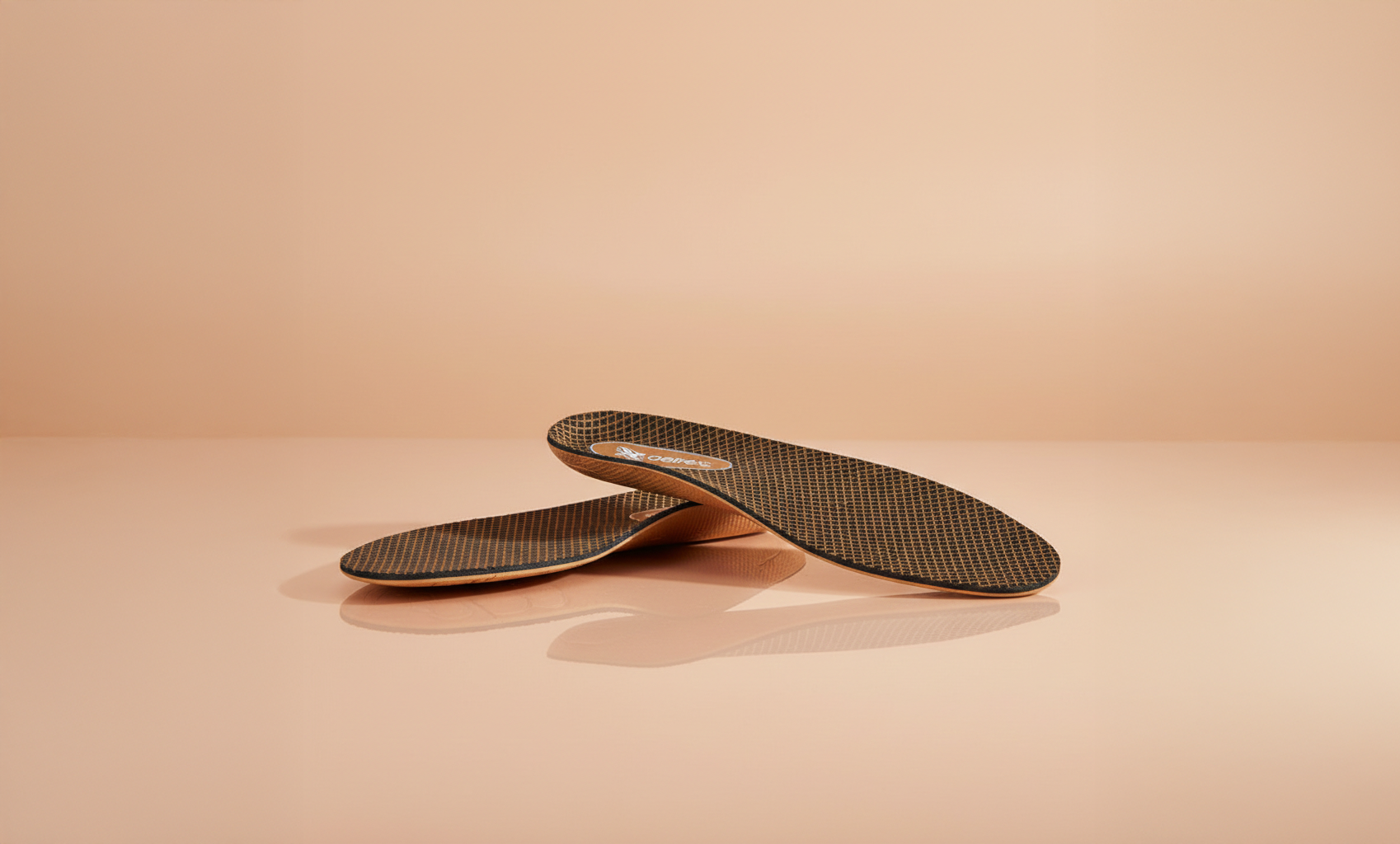
You don’t have to wait for debilitating heel pain to start thinking about foot support. If you’re a runner, being proactive is the best way to prevent injuries like plantar fasciitis from ever starting. The subtle aches and post-run soreness you might be feeling are your body’s way of telling you it needs more support. By adding a structured insole to your running shoes now, you can improve your alignment, absorb shock more effectively, and reduce the daily strain on your feet. This guide is for every runner—whether you’re already in pain or want to stay ahead of it. We’ll give you the knowledge you need to buy plantar fasciitis running insoles and build a stronger foundation for every run.
If you're a runner, you know the toll that miles of pavement can take on your body, especially your feet. The repetitive impact of each stride puts incredible stress on the plantar fascia—the thick band of tissue connecting your heel to your toes. When this ligament becomes inflamed, it results in plantar fasciitis, a condition known for its signature sharp, stabbing pain in the heel that is often worst first thing in the morning. For a runner, this pain isn't just a nuisance; it can sideline you from the activity you love.
This is where the right insoles come in. Think of them as a support system working inside your running shoes. The primary job of an insole designed for plantar fasciitis is to provide structured arch support. This support helps to stabilize the foot and reduce the strain on the inflamed plantar fascia. By lifting and supporting the arch, a quality insole prevents it from collapsing with each step, which alleviates tension on the ligament. Aetrex designs premium orthotics with signature arch support to help provide this crucial stability and comfort.
Beyond immediate pain relief, the best running insoles also focus on proper alignment and shock absorption. When your foot is correctly aligned, pressure is distributed more evenly instead of being concentrated on your heel. This not only helps to manage existing pain but also reduces the risk of future flare-ups. Added cushioning absorbs the harsh impact of running, further protecting the sensitive tissue. By combining support, alignment, and cushioning, insoles provide a therapeutic environment for your feet, helping you get back to your training with greater comfort and confidence. Finding the right footwear and insoles is a key step in getting relief from plantar fasciitis.
When you’re dealing with plantar fasciitis, grabbing any old insole off the shelf just won’t cut it. The right pair can make the difference between a painful, hobbling run and a smooth, comfortable stride. But with so many options out there, it’s easy to feel overwhelmed. The key is to know which features actually provide relief and support where you need it most.
Think of running insoles as a dedicated support system for your feet. They’re engineered to do more than just add a layer of foam; they work to correct alignment issues, absorb the repetitive shock of hitting the pavement, and reduce the strain on your plantar fascia ligament. A good insole works with your foot, not against it, to create a more stable and efficient stride. To find the best fit for your needs, you’ll want to look beyond the marketing claims and focus on four core components: arch support, cushioning, material quality, and heel structure. These elements work together to provide the comprehensive comfort and stability that Aetrex helps to deliver for runners, allowing you to focus on your performance instead of your pain.
Proper arch support is the foundation of a great running insole. It’s not just about comfort; it’s about maintaining correct biomechanical alignment. When your arch is properly supported, your foot maintains its natural shape, which helps distribute pressure evenly across your foot with every step. This alignment travels up your entire body, affecting your ankles, knees, and hips. For runners with plantar fasciitis, targeted arch support is essential because it prevents the arch from collapsing, which reduces the strain on the plantar fascia ligament. Finding an insole that matches your specific arch type—whether you have flat feet or high arches—is the first step toward pain-free running.
Running is a high-impact activity, and your feet bear the brunt of it. That’s why effective cushioning is non-negotiable. The best insoles feature a strategic combination of a firm, supportive shell and plush cushioning to absorb shock. This dual-action design helps to control excess motion, like overpronation, while providing a soft landing for your feet. Look for insoles that use memory foam or other advanced materials that cushion the foot without feeling bulky inside your shoe. This balance is what provides lasting comfort throughout your run, helping to protect your joints and reduce fatigue in your feet and legs.
The materials an insole is made from will determine its lifespan and effectiveness. Low-quality foam insoles might feel comfortable at first, but they often compress and lose their supportive qualities quickly, leaving you without the protection you need. Investing in insoles made from durable, high-quality materials ensures they can withstand the repeated impact of running. Aetrex orthotics are designed with premium materials that provide the right balance of support and cushioning to help relieve and prevent foot conditions like plantar fasciitis. Choosing a well-made insole means you’re getting a product that will continue to support you, mile after mile.
A feature that’s often overlooked but incredibly important is the heel cup. A deep, structured heel cup cradles the fatty pad under your heel, which is your body’s natural shock absorber. By keeping this tissue contained, the heel cup enhances shock absorption and provides crucial stability for your rearfoot. This is especially beneficial for runners with plantar fasciitis, as it helps to reduce pressure on the heel where the pain is often most intense. This stability helps align your foot with each stride, preventing the twisting and turning motions that can aggravate the plantar fascia.
Finding the right insole can feel like a huge task, but it's one of the most important steps you can take to run comfortably with plantar fasciitis. The market is full of options, each promising relief. To simplify your search, let's look at what makes a truly effective running insole and how Aetrex stands out. We'll start with our approach and then touch on how to evaluate other options you might come across.
At Aetrex, we design our running orthotics to provide a complete support system for your feet. Aetrex Helps to alleviate the strain on your plantar fascia by combining our signature arch support with a deep heel cup. This design stabilizes your foot, promotes better alignment, and absorbs the jarring shock from every stride. What truly sets us apart is our unique foot scanning technology, which gives you a precise reading of your foot's pressure points and arch type. This data helps you choose the perfect orthotic, ensuring you get personalized support right where you need it most for effective pain relief.
As you explore other insoles, you'll find many brands that cater to runners. Some offer firm, medical-grade support structures, while others focus more on soft, pliable cushioning. The key is to find a balance that works for your feet and running style. When comparing, look for insoles that specifically mention features like structured arch support and heel stabilization, as these are crucial for addressing plantar fasciitis. While many over-the-counter options can provide general comfort, they may lack the targeted, data-backed design needed for true relief. Using a tool like our Orthotic Finder can help you understand your specific needs before you consider other products.
Once you have a pair of insoles in hand, how can you tell if they’re actually doing their job? It’s about more than just initial comfort; it’s about finding a product that provides lasting support and relief. Judging an insole’s effectiveness comes down to a few key factors: the science behind the design, the experiences of other runners, and how well it matches your unique needs. Think of it as a three-part test to ensure you’re giving your feet the best possible support on every run.
When you’re dealing with a condition like plantar fasciitis, you want a solution grounded in foot science. Look for insoles developed with input from podiatrists and other foot health experts. These designs often incorporate specific features that Aetrex helps to address the root causes of pain. For example, effective insoles use motion control for better foot guidance and high-quality cushioning materials to absorb the shock of your heel hitting the pavement. This combination of strategic support and cushioning is what truly makes a difference in reducing strain on the plantar fascia and other muscles. When you choose expert-designed orthotics, you’re investing in technology built to support your foot’s natural mechanics.
Expert design is crucial, but real-world feedback from fellow runners is just as valuable. Before you buy, spend some time reading user reviews. You’ll find honest insights about how the insoles perform during long runs, how they fit in different types of running shoes, and how quickly others experienced relief. Many runners report feeling a positive change almost immediately. Of course, the most important feedback comes from your own body. A good insole should feel supportive without feeling restrictive. Pay attention to how your feet, ankles, and knees feel during and after your runs. Your body will tell you if you’ve found the right match.
There’s no one-size-fits-all solution for foot pain, because every runner is different. The best insole for you is one that complements your specific foot shape, arch height, and running gait. Some runners need a more rigid structure to control excess motion, while others benefit from softer, more flexible cushioning. The goal is to find a balance that provides stability and comfort. This is where understanding your own feet is key. Using a tool like the Aetrex Orthotic Finder can help you identify your arch type and get a personalized recommendation. For an even more precise match, our unique foot scanning technology analyzes your pressure points to find the perfect orthotic for your individual needs.
When you’re shopping for running insoles, the price can range quite a bit. It’s helpful to think of insoles as an investment in your running health and comfort. Generally, a higher price tag corresponds to more advanced materials, better construction, and a more sophisticated design aimed at providing targeted support. You don't necessarily need the most expensive option, but understanding what you get at different price points will help you find the perfect balance of performance and price for your needs. Let's break down the typical price ranges so you know what to expect.
Insoles in this price range are typically what you’ll find at a local pharmacy. They are often made of soft gel or basic foam and are designed to provide a simple layer of cushioning. While they might feel comfortable for a short time, they usually lack the firm, structured arch support that is crucial for addressing the root cause of plantar fasciitis. For runners, this lack of structure means they won't do much to control foot motion or properly align your body, and they tend to wear out very quickly. They can be a starting point, but they rarely offer the long-term relief serious runners need.
This price range is the sweet spot for high-quality, effective running orthotics. Here, you’ll find insoles with thoughtful designs, durable materials, and the specific features needed to combat plantar fasciitis. Aetrex offers exceptional running orthotics in this category that feature our signature arch support to help stabilize your foot and relieve pressure on the plantar fascia. These insoles are designed with premium cushioning to absorb shock and a deep heel cup to control motion, providing a blend of comfort and support that Aetrex Helps to make every run feel better. For most runners, a mid-range insole provides the best combination of technology and value.
Insoles priced over $70 often incorporate highly advanced materials like carbon fiber or offer heat-moldable features for a more customized fit. These are geared toward runners who need maximum support or have not found relief from other over-the-counter options. While the technology can be impressive, it’s important to make sure the features align with your specific needs. Many of the therapeutic benefits found in these premium insoles, like strategic arch support and shock-absorbing materials, are also central to Aetrex designs, allowing you to get top-tier support without necessarily paying a top-tier price.
Finding the best value isn’t about finding the cheapest insole—it’s about finding the one that works best for you at a fair price. True value comes from an insole that provides lasting comfort, durability, and effective relief from pain. Look for brands that base their designs on foot health science and use high-quality materials. The best way to ensure you’re getting your money’s worth is to match the insole to your foot’s unique needs. Aetrex’s innovative foot scanning technology offers incredible value by identifying your specific arch type and pressure points, helping you choose the perfect orthotic for a truly personalized fit.
Investing in a quality pair of running insoles is an investment in your comfort and health, so it’s natural to want some assurance that you’re making the right choice. The best brands stand behind their products with clear, customer-friendly policies. Before you buy, take a moment to look into the company’s return policy and any trial periods they offer. This information can tell you a lot about their confidence in their product and their commitment to your satisfaction. A generous policy gives you the freedom to truly test the insoles during your runs, ensuring they provide the relief and support you need without the fear of being stuck with something that doesn’t work for you.
A satisfaction guarantee is your safety net. It allows you to purchase with confidence, knowing you can return the insoles if they don’t meet your expectations. At Aetrex, we offer a 30-Day Wear Test on all our footwear and orthotics. We encourage you to wear them and put them to the test in your daily life. If you’re not completely satisfied within 30 days, you can return them for a refund. This kind of risk-free trial is essential when you’re trying to find the perfect solution for foot pain. It shows that a company believes in its product’s ability to deliver real results and prioritizes your comfort above all else.
When you first slip on a new pair of orthotics, your feet may need some time to adjust. This is completely normal. Your insoles are designed to provide new support and help realign your feet, and it can take a little while for your body to get used to this healthier positioning. To make the transition smooth, we recommend a gradual break-in period. Start by wearing your new insoles for just an hour or two on the first day. From there, you can slowly increase the wear time each day. Most people find their feet have fully adapted within one to two weeks, at which point you can comfortably wear your Aetrex orthotics all day long.
Deciding between over-the-counter (OTC) and custom orthotics can feel like a major crossroads in your journey to relieve foot pain. The main difference is simple: OTC insoles are ready-made to support common foot issues, while custom advanced OTC orthotics are designed with extensive research and technology to address conditions like plantar fasciitis effectively. They offer an accessible and affordable way to get the support you need without the wait or high cost of a custom pair. The key is finding an OTC insole that provides the right combination of firm, supportive arches and strategic cushioning. Think of it as a spectrum of support—your goal is to find the perfect spot on that spectrum for your unique feet and running habits.
For many people dealing with the aches of mild to moderate plantar fasciitis, a premium OTC insole is an excellent and effective first step. If your pain is a recent development or primarily flares up during or after a run, a well-designed insole can provide the alignment and shock absorption you need. Aetrex helps to deliver medical-grade support that stands far above generic foam inserts. Our orthotics feature a signature arch support to biomechanically align your body and help prevent common foot pains. Using our Orthotic Finder can give you a personalized recommendation, making it easy to find the right fit for your arch type and needs right away.
If you’ve tried high-quality OTC insoles and your foot pain persists or worsens, it might be time to talk to a podiatrist about custom orthotics. These are typically recommended for individuals with severe pain, significant biomechanical irregularities, or underlying structural foot issues that require a highly specific correction. Before you go that route, consider getting a personalized, data-driven recommendation. Aetrex’s innovative foot scanners can identify your unique pressure points and arch type in just a few seconds, giving you a precise recommendation for an OTC orthotic that offers a near-custom level of support without the prescription or high price tag.
Once you’ve found a pair of running insoles, how can you tell if they’re actually doing their job? It’s a mix of immediate feedback and long-term observation. While every foot is different, a well-designed insole should provide clear signs that it’s supporting you correctly. The goal isn't just to mask the pain but to address the underlying biomechanical issues causing it. Aetrex helps to provide this by creating orthotics that support your arch and realign your foot. If you’re paying attention to how your feet feel before, during, and after your runs, you’ll know if you’ve made the right choice.
While there can be a short break-in period as your feet adjust, you should notice a positive difference fairly quickly. The right insole should provide a sense of relief, especially in the arch and heel. You might notice that the sharp, stabbing pain of plantar fasciitis feels less intense during your first few runs. The insole should feel like it’s holding your foot in a stable, supported position, not forcing it into an uncomfortable one. If you experience new or worsening pain, that’s a sign the insole isn’t the right fit for your foot type.
A clear sign your insoles are working is an improvement in overall comfort. The best insoles for arch pain are designed to absorb shock and reduce stress on your feet. With consistent use, you should find that your running shoes feel more supportive and that your feet, ankles, and even knees feel less strained after a run. Aetrex helps to achieve this with signature arch support built into all our orthotics. This strategic support helps distribute pressure evenly across your foot, which is key for managing plantar fasciitis symptoms and preventing them from flaring up.
Over time, effective insoles contribute to better foot alignment, which can have a ripple effect throughout your body. When your foot is properly supported, it reduces muscle fatigue not just in your feet but also in your legs. You might find you can run longer without that familiar aching or tiredness setting in. This is because the insole is doing some of the work to guide your foot into an optimal position, reducing the strain on your plantar fascia. If you’re unsure which insole is right for you, our Orthotic Finder can help match you with the perfect support.
How long does it take to feel some relief from plantar fasciitis with new insoles? While your feet may need a week or two to fully adjust to the new support, you should feel a positive difference fairly quickly. Many runners notice an immediate sense of stability and reduced strain in their arch and heel during their first few runs. The goal is gradual improvement, so listen to your body and follow the recommended break-in period to allow your feet to adapt comfortably.
Will adding an insole make my running shoes too tight? This is a common concern, but it's easily managed. Most running shoes come with a removable factory liner. Simply take that out before inserting your new orthotic to create the necessary space. A well-designed insole should provide support without adding excessive bulk, ensuring your shoe still fits comfortably and securely around your foot.
My running shoes claim to have built-in support. Do I still need an insole? The support built into most running shoes is typically a generic foam liner designed for basic cushioning. An orthotic insole, on the other hand, provides a much more structured and targeted level of support for your specific arch type. For a condition like plantar fasciitis, this dedicated arch support is essential for proper alignment and reducing strain on the ligament in a way a standard shoe liner can't.
How do I know when it's time to replace my running insoles? The lifespan of your insoles depends on your mileage and running frequency, but a good rule of thumb is to replace them every 6 to 12 months, or with every new pair of running shoes. You should also look for visible signs of wear, such as flattened cushioning, cracks in the supportive shell, or a noticeable decrease in comfort. When they no longer feel as supportive as they once did, it's time for a new pair.
Can I use my running insoles in my everyday shoes? You can certainly move your running orthotics between different pairs of athletic shoes, like your trainers or walking sneakers. However, they may not fit properly in lower-profile footwear like casual flats or dress shoes. For all-day comfort in your non-athletic shoes, you might find that a different style of orthotic designed for everyday wear provides a better and more comfortable fit.
Share:
5 Best Fashionable Shoes for Bunions
Don't Buy Court Shoe Insoles Until You Read This