

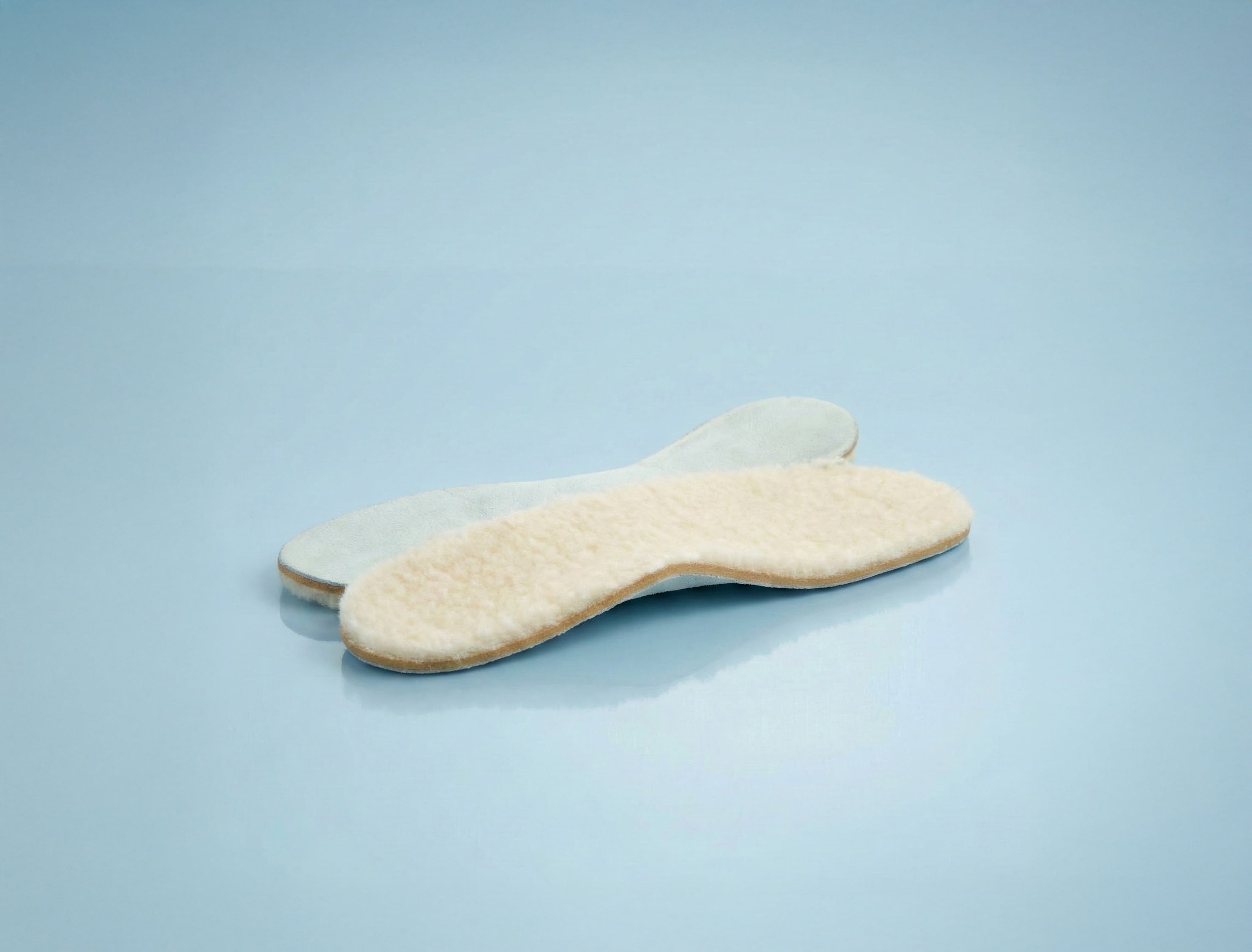
Your feet are as unique as your fingerprints, with their own arch height, pressure points, and shape. So why would a generic, one-size-fits-all insole be the right solution for your long workdays? The secret to finding lasting comfort isn't about guessing—it's about personalization. You need to understand what your feet truly need, whether it's firm support for flat feet or cushioned relief for high arches. This guide will show you exactly how to choose the right insoles for work boots for your specific foot type, from simple at-home tests to advanced Aetrex foot scanning technology.
When you spend all day on your feet, the insoles in your work boots are just as important as the boots themselves. The right pair can make the difference between ending your shift with aching feet and feeling supported from morning to night. But with so many options out there, how do you choose? The best insole for you really depends on your unique foot shape, your specific job demands, and any pain points you’re trying to address.
Think of insoles as falling into a few key categories, each designed to solve a different problem. Some focus purely on soft cushioning, while others provide rigid support to help with alignment. Understanding these differences is the first step toward finding lasting comfort. Aetrex offers a wide range of orthotics that combine these benefits, ensuring you get both the cushioning you crave and the structured support your body needs to feel its best. Let’s break down the most common types of insoles so you can find your perfect match.
If you work on hard surfaces like concrete, you know the toll it can take on your feet, knees, and back. Cushioned insoles are designed to absorb that impact. They act like tiny shock absorbers with every step, reducing the stress on your joints. These insoles are typically made from materials like foam or gel that provide a soft, pillowy layer between your foot and your boot. While they feel great initially, pure cushioning often lacks the structure needed for true alignment. Aetrex helps to solve this by integrating premium memory foam cushioning on top of a supportive, biomechanically designed base, giving you the best of both worlds.
This is where the real magic happens for long-term comfort and pain relief. Arch support insoles are less about softness and more about structure. They are designed to support your specific arch type—whether you have flat feet, high arches, or something in between. Proper arch support helps to correctly align your feet, which can have a positive ripple effect all the way up your body, improving posture and reducing strain on your ankles, knees, and back. Aetrex’s signature arch support is designed to help stabilize and align your body from the ground up, which can be a game-changer for anyone dealing with conditions like plantar fasciitis.
Gel insoles are another popular choice for shock absorption and cushioning. The gel pads, often placed in the heel and ball-of-foot areas, are excellent at soaking up impact and providing a soft, comfortable feel. They are particularly helpful for people who stand in one place for long stretches. While gel provides immediate comfort, it doesn't offer much in the way of structured arch support. For a more comprehensive solution, you’ll want an insole that combines this type of cushioning with a firm, supportive foundation to guide your foot properly through each step.
For a more personalized feel, some insoles can be heated in an oven and then molded to the unique shape of your foot. This process creates a custom-fit orthotic that mirrors your specific contours, which can significantly improve comfort and support. While this is a step up from a generic insole, there’s an even more precise way to find your perfect match. Aetrex’s advanced foot scanners, available at select retailers, capture exact data about your feet, including pressure points and arch type. This technology allows you to get a data-backed recommendation for the ideal orthotic without any guesswork or home heating required.
As the name suggests, anti-fatigue insoles are built specifically to combat the foot tiredness that comes from long hours of standing or walking. They work by distributing your body weight more evenly across your feet, which helps to reduce pressure on key spots like the heel and ball of the foot. This improved pressure distribution minimizes muscle strain and helps you feel more energized at the end of the day. True anti-fatigue benefits come from proper biomechanical support, which is the core principle behind all Aetrex men's and women's orthotics. By supporting the arch and aligning the foot, they naturally reduce fatigue.
If you're a heavier individual, you place more force on your feet with every step, which means standard insoles can flatten out and lose their effectiveness quickly. You need an orthotic with enhanced structural integrity and superior cushioning that can stand up to the pressure. Aetrex helps to address this by designing orthotics with high-density foams and a supportive shell that maintains its shape, providing consistent arch support and shock absorption throughout the day. This robust construction helps distribute weight more evenly across the foot, reducing pressure on key areas like the heel and ball of the foot. The result is lasting comfort and stability that you can rely on, shift after shift, without the insole bottoming out.
While Aetrex focuses on providing premium biomechanical support and comfort, some jobs in construction or industrial settings demand an extra layer of safety. In these environments, puncture-resistant insoles are essential for protecting your feet from sharp objects like nails or glass. These specialized safety insoles are typically made with a protective plate embedded within the material. While this feature is crucial for safety, it often comes at the expense of comfort and proper foot support. For the best outcome, look for a work boot that has this safety feature built-in, then add an Aetrex orthotic to get the alignment and cushioning your feet need to feel good all day long.
Before you can choose the right insoles, you need to get to know your feet. It sounds simple, but understanding your specific foot type, arch height, and pressure points is the most important step toward finding lasting comfort. Every foot is unique, and the support that works for someone else might not be what you need. Think of it like a personalized roadmap to relief—once you know the terrain of your feet, you can pick the insole that will guide you comfortably through long days in your work boots.
Finding the right support isn't just about cushioning; it's about proper alignment. The right insole helps distribute pressure evenly across your foot, which can have a positive ripple effect on your ankles, knees, and even your back. Taking a few minutes to analyze your feet will save you from the trial-and-error process of testing endless generic insoles. Instead, you can make an informed choice that provides targeted support exactly where you need it most. Let’s walk through a few easy ways to determine your foot’s specific needs.
One of the easiest ways to get a quick snapshot of your arch type is with the "wet test." It’s a simple, low-tech method you can do in just a few seconds. All you need is a shallow pan of water and a piece of cardboard or a dark towel. Just wet the bottom of your foot, then step firmly onto the dry surface and step off. The footprint you leave behind tells a story about your arch. This simple visual can be your first clue in finding the right support to keep you comfortable on the job.
Now, take a look at that footprint. If you see the imprint of your entire foot, you likely have low arches, or what’s commonly known as flat feet. If you see only a thin strip connecting your heel and the ball of your foot, you probably have high arches. A print that falls somewhere in between, with a distinct curve along the inside, indicates a neutral or medium arch. Each arch type has different needs; for example, flat feet often require firm arch support to prevent the foot from rolling inward, while high arches need cushioning to absorb shock and fill the gap.
Your arch type often influences your gait—the way you walk. You can get clues about your gait by looking at the wear pattern on the soles of an old pair of shoes. If the inside edge is more worn down, you likely overpronate, which is common for people with flat feet. Wear on the outer edge suggests you supinate (or underpronate), which is often seen with high arches. The right insole helps correct these imbalances, promoting a more neutral stride. This alignment is key, as it helps reduce strain not just on your feet but on your entire body.
While at-home tests are a great starting point, nothing beats a high-tech analysis for pinpoint accuracy. Aetrex’s advanced foot scanning technology takes all the guesswork out of the equation. In just a few seconds, these scanners map your feet to identify your unique pressure points, arch height, and precise foot size. This data gives you a complete picture of your foot health and provides a personalized recommendation for the best orthotics for your specific needs. It’s the most reliable way to ensure you’re getting a perfect match for your work boots.
If you spend your days on your feet, you know that foot pain isn't just a minor annoyance—it can impact your entire day. The right insoles do more than just add a layer of cushion; they provide targeted support to address the root cause of your discomfort. Whether you're dealing with a sharp, specific pain or just that end-of-day ache, a quality pair of orthotics can make a world of difference by properly aligning your feet and absorbing the impact of every step. Let's look at some of the most common foot conditions that work boot insoles can help manage.
That sharp, stabbing pain in your heel, especially with your first steps in the morning, is the classic sign of plantar fasciitis. This condition occurs when the ligament connecting your heel to your toes becomes inflamed. Aetrex helps to provide plantar fasciitis relief with orthotics that feature deep heel cups for stability and signature arch support. This design cradles the heel and supports the arch to reduce stress on the plantar fascia ligament. By distributing pressure more evenly across your foot, these insoles can help calm inflammation and make those long hours on your feet much more bearable.
For those with flat feet, the lack of a defined arch can cause the foot to roll inward, a motion known as overpronation. This can lead to strain not just in your feet but also in your ankles, knees, and even your back. Work boot insoles designed for flat feet provide the structural support your arches are missing. Aetrex orthotics are engineered to help control overpronation and promote healthier alignment from the ground up. This added stability helps to reduce the muscle strain and fatigue that often come with having flat feet, giving you a more solid and comfortable foundation for your workday.
If you feel a sharp, aching pain in the ball of your foot, you might be experiencing metatarsalgia. This common issue is often caused by intense pressure on the metatarsal bones, which can feel like you're walking on a pebble. Insoles can help with many foot issues, including metatarsalgia, by reducing inflammation and pain behind your toes with firm, shock-absorbing support. Many Aetrex orthotics feature a metatarsal pad strategically placed to help lift and spread the metatarsal bones. This small but mighty feature helps to alleviate pressure on the ball of the foot, providing significant comfort throughout the day.
Heel pain isn't always caused by plantar fasciitis. Standing for hours on hard surfaces like concrete can lead to general soreness, bruising, or other conditions like heel spurs. While some insoles offer basic cushioning, effective relief requires a combination of shock absorption and stability. Aetrex helps to reduce this type of discomfort by using premium, shock-absorbing materials paired with a deep heel cup. This design cushions the heel with every step while also keeping it properly aligned within your boot. This dual-action approach provides more comprehensive support than a simple gel or foam pad, helping to ease the constant impact on your heels.
Beyond the big three—plantar fasciitis, flat feet, and metatarsalgia—a host of other issues can crop up when you spend long hours in work boots. Pains like shin splints or Achilles tendonitis might seem unrelated to your feet at first, but they are often connected to poor alignment and a lack of proper support. The right insoles can address these problems by creating a stable foundation that helps to reduce strain on the interconnected muscles and tendons in your lower legs. Let's explore how targeted support can bring relief to some of these other common on-the-job ailments.
That nagging, persistent pain along your shin bone, known as shin splints, is often a sign that the muscles in your lower leg are overworked. This can happen when your feet aren't properly supported, causing excessive strain with every step on a hard surface. Aetrex helps to relieve this by providing orthotics with both arch support and superior shock absorption. By stabilizing your foot and distributing pressure more evenly, these insoles help to reduce the stress on your shin muscles. This proper alignment can be a key factor in easing the discomfort of shin splints and preventing them from sidelining you at work.
Achilles tendonitis is an inflammation of the large tendon that runs down the back of your lower leg, and it can cause significant pain and stiffness, especially after a long shift. Improper footwear that lacks adequate heel support can make this condition worse by putting extra strain on the tendon. Aetrex helps to support recovery by designing insoles with deep heel cups that cradle and stabilize the heel. This feature, combined with supportive cushioning, helps to alleviate pressure on the Achilles tendon, giving it a better environment to heal while you stay on your feet.
Heel spurs are small, bony growths on the underside of the heel bone that can cause sharp pain, particularly when standing or walking. To get relief, you need more than just a soft cushion; you need a combination of shock absorption and structural support to offload pressure from the painful spot. Aetrex helps to reduce this discomfort by using advanced, shock-absorbing materials in its orthotics. Paired with a deep heel cup that maintains proper alignment, this design cushions the heel effectively while helping to reduce the irritation associated with heel spurs, making your workday much more comfortable.
Corns and calluses are your skin's way of protecting itself from excessive pressure and friction, but they can become painful and unsightly. They often develop in high-pressure areas, like the ball of the foot or the tops of the toes, especially in work boots that don't fit perfectly. Aetrex helps to prevent these issues by designing insoles that distribute your body weight more evenly across the entire foot. This even distribution reduces the intense pressure on specific spots, while a soft top cover provides a gentle layer of support that helps to minimize friction, keeping your skin healthier and more comfortable all day long.
Sometimes, the problem isn't a sharp pain but a dull, persistent ache that leaves your feet feeling tired and heavy. This is often a sign of foot fatigue, which happens when the muscles in your feet are overworked. Aetrex Orthotics are designed to provide substantial support to the arch, helping to distribute pressure more evenly across the entire foot. When your weight is balanced correctly, no single part of your foot has to bear too much of the load. This can ease overall foot fatigue, helping you feel more energized and comfortable, even after the longest shifts.
Now that you know what your feet need, it’s time to find the perfect match. The market is filled with options, but the best insoles for work boots consistently deliver on two fronts: supportive structure and lasting comfort. It’s not about choosing one over the other; it’s about finding an insole that masterfully combines both. A truly great orthotic will feel comfortable from the moment you step into your boots and will continue to provide the biomechanical support needed to keep you pain-free through the longest shifts. This is where premium, well-designed orthotics stand apart from basic foam or gel inserts.
Leading the pack are Aetrex Orthotics, which are engineered with a deep understanding of foot mechanics. They are designed not just to cushion your feet, but to help guide them into proper alignment, addressing the root cause of many common foot pains. We’ll start by looking at a couple of top Aetrex options that are ideal for demanding work environments. Then, we’ll explore some other common types of insoles you’ll find on the market, so you can see how they compare and make the most informed decision for your foot health and on-the-job comfort.
When it comes to finding a superior solution for all-day comfort, Aetrex stands in a class of its own. Unlike basic insoles that offer a single benefit, Aetrex Orthotics are built with a comprehensive support system. The foundation of every pair is the signature Aetrex arch support, which is strategically placed to help stabilize your foot and align your body from the ground up. Aetrex helps to provide plantar fasciitis relief with orthotics that feature deep heel cups for stability and signature arch support. This design cradles the heel and supports the arch to reduce stress on the plantar fascia ligament, making it an excellent choice for anyone dealing with heel pain.
If you’re looking for the ultimate blend of plush cushioning and unwavering support, the L2300 Premium Memory Foam Orthotics are a top contender. These insoles feature a slow-recovery memory foam that customizes to your foot shape, providing an incredibly comfortable, pressure-free feel. But beneath that soft top layer lies a supportive polyurethane base that delivers the structure your feet need. Aetrex orthotics are engineered to help control overpronation and promote healthier alignment from the ground up. This makes the L2300 an ideal choice for individuals with flat feet or anyone who needs added stability to reduce muscle strain and fatigue.
For those in physically demanding jobs that require constant movement, the L420 Compete Orthotics offer exceptional shock absorption and support. Designed for high-impact activities, these insoles feature an AeroCell™ polyurethane core for durable cushioning that won’t bottom out. They are perfect for keeping your feet supported and energized, whether you’re walking miles on a factory floor or climbing ladders on a construction site. To ensure you get the perfect fit, Aetrex’s advanced foot scanning technology takes all the guesswork out of the equation. In just a few seconds, these scanners map your feet to identify your unique pressure points and arch height, giving you a precise recommendation.
While Aetrex offers a technologically advanced, all-in-one solution, it’s helpful to understand the other types of insoles you might encounter. Many products on the market tend to focus on a single feature, such as heavy-duty rigidity or soft gel cushioning. Cushioned insoles, for example, are designed to absorb that impact. They act like tiny shock absorbers with every step, reducing the stress on your joints. While these specialized insoles can be effective for specific, short-term needs, they often lack the comprehensive, biomechanical design required for lasting pain relief and proper body alignment throughout a long workday.
Heavy-duty insoles are typically characterized by their rigid, durable construction. They are built to withstand harsh conditions and provide maximum stability, making them a common choice for industrial or construction work. Work boot insoles designed for flat feet provide the structural support your arches are missing. Aetrex orthotics are engineered to help control overpronation and promote healthier alignment from the ground up. This provides the same level of control but uses advanced materials that offer both support and comfort, avoiding the overly stiff feel of some heavy-duty options.
Gel insoles are another popular choice for shock absorption and cushioning. The gel pads, often placed in the heel and ball-of-foot areas, are excellent at soaking up impact and providing a soft, comfortable feel. They provide immediate relief and a pleasant sensation underfoot, especially when you're standing on hard surfaces all day. However, the primary drawback of most gel insoles is their lack of structured support. While they excel at cushioning, they typically don’t offer the firm arch support or heel stability needed to correct alignment issues, which is crucial for addressing the root cause of foot pain rather than just masking the symptoms.
When you’re shopping for insoles, it’s easy to get overwhelmed by the options. But not all inserts are created equal, especially when you need them to perform under the demanding conditions of a long workday. Focusing on a few key features will help you find a pair that delivers real comfort and support, turning your work boots into a tool that helps you feel your best. From the shape of the heel to the materials used, every detail matters for all-day relief.
Think of a deep heel cup as a supportive hug for the back of your foot. This feature cradles your heel, holding it in a stable position to prevent it from sliding around inside your boot. This is especially important when you’re walking on uneven ground or standing for hours at a time. By keeping your heel properly aligned, a deep heel cup helps to stabilize your entire foot, reducing strain on your ankles, knees, and back. Aetrex orthotics are designed with this principle in mind, providing a solid foundation for every step you take on the job.
A long day in work boots can create a warm, damp environment for your feet, which is the perfect recipe for discomfort and odor. That’s why high-quality insoles are made with advanced materials designed to keep your feet dry and healthy. Moisture-wicking fabrics pull sweat away from your skin, while antimicrobial treatments help prevent the growth of odor-causing bacteria. This combination is essential for preventing skin irritation and maintaining all-day freshness. Choosing insoles with these features means you can end your shift with feet that feel as good as they did when you started.
Work boot insoles endure a lot of pressure, so they need to be built to last. While basic foam inserts might feel comfortable at first, they often compress and lose their shape quickly, leaving your feet without the support they need. Look for insoles made from high-quality, resilient materials that can withstand constant impact without breaking down. Aetrex Work Orthotics are specifically engineered for durability, ensuring they provide consistent cushioning and support day after day. Investing in a well-made insole means you won’t have to replace it every few months.
Arch support is not a one-size-fits-all feature. Your foot has a unique shape, and the right insole will support your specific arch type, whether you have flat feet, high arches, or something in between. Proper arch support helps distribute pressure evenly across your foot, which is crucial for preventing conditions like plantar fasciitis. Aetrex helps to provide plantar fasciitis relief by offering orthotics with signature arch support tailored to your needs. Using a tool like the Aetrex Orthotic Finder can help you identify the perfect match for your feet.
Every step you take on a hard surface like concrete sends a jolt of impact through your body. Over a full workday, that impact adds up, leading to tired, achy feet and body fatigue. Superior shock absorption is a must-have feature in a work boot insole. Quality materials cushion your feet from this impact, reducing stress on your joints from your ankles all the way up to your lower back. Aetrex men's and women's footwear and orthotics are designed with premium cushioning to absorb shock, helping you stay comfortable and energized throughout your shift.
The material of your insole plays a huge role in how your feet feel at the end of a long shift. Different materials offer different benefits, from plush cushioning to rugged durability. Think about your daily tasks and the surfaces you walk on most. Are you standing on hard concrete, walking on uneven ground, or mostly sitting at a desk? Matching the insole material to your work environment is a critical step in finding lasting comfort and support.
Choosing the right material isn't just about initial comfort; it's about finding a solution that holds up to the demands of your job. A soft, cushy insole might feel great at first, but it could compress quickly under heavy use, leaving you without the support you need. On the other hand, a very rigid material might be too harsh for someone who needs more shock absorption. Let's walk through the most common materials to help you find the perfect match for your work boots.
If your job prioritizes all-day comfort over heavy-duty support, memory foam is a fantastic choice. This material is known for its plush, cushioned feel that conforms to the unique shape of your foot. It creates a custom fit that helps distribute pressure evenly, which is a huge relief for anyone who spends hours on their feet. Aetrex helps to provide this superior cushioning by incorporating premium memory foam into many of its orthotics, giving you that walking-on-a-cloud sensation. While it’s incredibly comfortable, keep in mind that memory foam may not be the most durable option for intense, high-impact jobs.
For those who work long hours standing on hard, unforgiving surfaces like concrete, gel insoles can be a game-changer. Gel is excellent at absorbing shock, which helps reduce the impact on your feet, ankles, and knees with every step. This makes it a go-to for workers in retail, hospitality, and healthcare. The targeted cushioning in gel insoles helps to reduce foot tiredness, especially in high-pressure areas like the heel and ball of the foot. When combined with structured arch support, gel provides a powerful one-two punch of comfort and relief that keeps you going through the longest shifts.
When your work takes you outdoors or across varied terrain, cork is an excellent material to consider. It offers a unique combination of firm, natural support and cushioning that molds to your foot over time. Unlike softer foams, cork provides a more rigid base that promotes stability, making it ideal for navigating uneven ground. It’s a durable and resilient choice for workers in construction, landscaping, or any field that demands a sturdy foundation. The natural properties of cork also make it a great option for those who need reliable support that can withstand changing conditions without breaking down.
For the most demanding jobs, you need an insole material that’s as tough as your work boots. Polyurethane is the answer. This high-density foam is known for its exceptional durability and resistance to compression, meaning it won’t flatten out over time. It provides consistent, long-lasting shock absorption and support, even under heavy use. Aetrex helps to deliver this reliable performance with its line of Work Orthotics, which are specifically designed for heavy-duty environments. Using the Orthotic Finder can help you identify the best polyurethane-based option to keep your feet supported and comfortable, no matter how tough the job gets.
EVA foam is another popular choice for insoles, striking a great balance between soft cushioning and firm support. It’s incredibly lightweight and flexible, so it won’t add extra bulk or weight to your work boots. This material provides excellent shock absorption while maintaining enough structure to help with stability, making it a versatile option for many different work environments. If you need a reliable insole that offers both comfort and support without feeling too rigid, one with an EVA foam base is an excellent middle ground. It’s a durable material that holds its shape well, giving you consistent support throughout your workday.
For those who need relief in specific high-pressure areas, insoles featuring materials like Poron or silicone can be incredibly effective. Poron is a high-performance foam known for its superior shock absorption and durability; it excels at providing targeted pressure relief right where you need it most. Silicone offers excellent cushioning and is often used to reduce pressure on sensitive spots, making it a great choice for those who experience discomfort in the heel or ball of the foot. Aetrex helps to provide this kind of targeted comfort by strategically placing advanced, shock-absorbing materials in their orthotics to cushion and protect the areas of your feet that take the most impact.
Finding the right insole is only half the battle; ensuring it fits perfectly inside your work boot is what truly makes a difference. A poor fit can cause the insole to slide around, bunch up, or place support in all the wrong areas, defeating its purpose entirely. Taking a few extra minutes to get the fit just right will ensure you get the maximum comfort and support you need to get through your workday. Follow these simple steps to achieve a secure, custom-like fit that feels like it was made just for you.
The easiest starting point for finding the right insole is to match it to your boot size. Most orthotic insoles are designed to correspond directly with standard shoe sizing, so if you wear a size 10 work boot, you should start by looking for a size 10 insole. This ensures the arch support is correctly positioned under your foot's natural arch and that the insole fills the boot from heel to toe without leaving gaps. Aetrex helps to simplify this process by sizing our orthotics to match your shoe size, taking the guesswork out of your selection.
Insoles aren't just about length and width; they also have volume, which is the amount of space they take up inside your shoe. Work boots are typically high-volume footwear, meaning they have a roomier interior designed to accommodate thicker socks and more substantial insoles. This is great news, as it allows you to use a more cushioned, supportive orthotic without making your boots feel tight. When choosing an insole, consider its thickness. A high-profile, cushioned insole is ideal for a spacious work boot but would likely feel too cramped in a slimmer dress shoe.
Before you start your workday, it’s essential to test the insole inside your boot. The most important first step is to always remove the original factory liner that came with your boots. Trying to layer a new insole on top of the old one will disrupt the fit and alignment. Once you’ve placed the new insole inside, put your boot on and stand up. Pay attention to how it feels. Your heel should feel stable and securely cupped, and you should feel consistent support through your arch. If you need help finding the right type of support to begin with, the Aetrex Orthotic Finder can point you in the right direction.
Many of the best insoles are made with a "trim-to-fit" design to guarantee a perfect match for your specific boots. If your new insole is slightly too long, don't worry—this is easy to adjust. Simply take out the original factory insole you removed earlier and use it as a template. Place it on top of your new orthotic, aligning the heels. Trace the outline of the original insole onto the toe area of the new one with a pen, and then carefully cut along the line with a pair of sharp scissors. This simple step creates a truly custom fit, preventing any uncomfortable bunching in the toe box.
When you spend hours on your feet, the right support can make all the difference between a productive day and a painful one. While many insoles offer basic cushioning, Aetrex goes a step further by combining advanced technology with thoughtful design. Choosing Aetrex means you’re not just getting an insole; you’re getting a personalized support system built to align your body, distribute pressure evenly, and provide lasting comfort through the toughest workdays.
At the heart of every Aetrex insole is our signature arch support. This isn't just a simple bump in the middle of the insole. It’s strategically designed to help align your body and prevent the common aches that come from standing or walking on hard surfaces. Aetrex Orthotics are engineered to provide substantial support to the arch, which helps to distribute pressure more evenly across your entire foot. For those dealing with conditions like plantar fasciitis, features like a deep heel cup work with the arch support to add stability and help reduce strain on the plantar fascia ligament. This comprehensive support system helps keep your feet comfortable from the start of your shift to the end.
One of the biggest challenges in finding the right insole is knowing what your feet actually need. Aetrex takes the guesswork out of the equation with our innovative foot scanning technology. In just a few seconds, a scanner can map your unique pressure points, arch type, and foot size with incredible precision. This data gives you a clear picture of your foot health and helps identify the exact orthotic that will provide the best support for you. Instead of choosing a generic insole and hoping for the best, you can walk away confident that you have a perfect match tailored to your individual needs.
Work boots go through a lot, and the insoles inside them need to be just as tough. Aetrex Work Orthotics are designed for durability, using high-quality, resilient materials that won’t compress or break down quickly under pressure. Cheaper foam insoles often flatten out after just a few weeks, losing their supportive qualities and leaving your feet fatigued. With Aetrex, you get consistent, long-term support that you can rely on day after day. This durability makes our orthotics a smart investment for your comfort and overall well-being on the job.
If you’re dealing with a specific foot issue, a generic insole often won’t provide the relief you need. Aetrex helps to provide targeted support for a range of common foot conditions. Whether you need help with the sharp pain of plantar fasciitis, the discomfort of metatarsalgia, or the strain from flat feet, there’s an Aetrex orthotic designed with features to address it. Many quality work boots come with removable insoles, making it easy to swap them out for an Aetrex orthotic that gives you the specific support and cushioning your feet require to feel their best.
Thinking about new insoles as an investment in your daily comfort and long-term well-being can shift your perspective. While it might seem like just another purchase, the right pair of orthotics can have a significant impact on how you feel, not just at the end of the day, but for months and years to come. Quality support is about more than just cushioning; it’s about providing the structure your body needs to stay properly aligned and pain-free. Understanding the costs, payment options, and what to look for in terms of quality will help you make a smart choice that pays off with every step.
When you start shopping, you'll notice that insole prices can vary quite a bit, from around $15 for a basic foam insert to over $100 for a high-performance orthotic. It’s tempting to grab the cheapest option, but the price often reflects the quality of materials and design. Inexpensive insoles are typically made from simple foam that compresses quickly, losing its supportive qualities within weeks. Aetrex orthotics, on the other hand, are crafted with durable, high-tech materials designed to provide consistent support and cushioning. Investing a bit more upfront often means you get a product that lasts longer and provides more effective relief, making it a better value in the long run.
A great way to make quality orthotics more accessible is by using your Health Savings Account (HSA) or Flexible Spending Account (FSA). These pre-tax accounts are designed for health-related expenses, and supportive insoles often qualify. This means you can use your dedicated health funds to invest in your foot comfort without dipping into your regular budget. Aetrex helps to provide targeted relief for various foot conditions, making our orthotics an excellent choice for your HSA or FSA funds. To find the perfect pair for your specific needs, you can use the Aetrex Orthotic Finder for a personalized recommendation before you buy.
When you're investing in your health, you want to feel confident in your purchase. That’s why it’s important to look for brands that stand behind their products with a satisfaction guarantee or a solid return policy. This shows that the company believes in the quality and effectiveness of its insoles. Aetrex Work Orthotics are designed for durability, using high-quality, resilient materials that won’t flatten out after a few weeks of hard work. Unlike cheaper foam inserts that quickly lose their shape, our orthotics are built to provide consistent, long-term support. This commitment to quality ensures you’re getting a product you can rely on day after day.
Finding the right insoles for your work boots can feel like a game-changer, but a few common missteps can lead you right back to sore, tired feet. The goal is to find support that works with your feet and your boots, not against them. By steering clear of these frequent mistakes, you can make a smarter choice that provides lasting comfort and support, keeping you focused on your work, not your feet. Let's walk through what to watch out for so you can invest in insoles that truly make a difference from clock-in to clock-out.
It’s easy to grab a pair of insoles off the shelf thinking they’ll fit any boot, but this is one of the biggest mistakes you can make. Your work boots have likely already started to mold to the shape of your foot, creating a unique footbed. Placing a generic, flat-bottomed insole on top can create an uneven surface, leading to instability and discomfort. The best insoles are designed to accommodate different foot shapes and footwear types. To get it right, you need a solution that considers your specific arch height and pressure points, ensuring the support lands exactly where you need it. Using an Orthotic Finder can help you narrow down the options for a more personalized fit.
There’s a huge difference between a flimsy foam cushion and a truly supportive orthotic insole. While any extra padding might feel good for a moment, generic inserts often lack the structured support needed to address underlying issues like overpronation or arch strain. If you're dealing with conditions like plantar fasciitis or have flat feet, targeted support is essential. A quality orthotic insole is designed with specific features, like a deep heel cup and strategic arch support, to properly align your feet. This alignment can help distribute pressure more evenly, reducing strain on your feet, ankles, and even knees. Look for orthotics that are designed for different foot types to get the specific support you need.
When you’re on your feet all day, the materials in your insoles matter—a lot. Low-quality materials can compress and lose their supportive qualities quickly, leaving you with little to no cushioning or shock absorption after just a few weeks of wear. Durable, high-performance materials are crucial for withstanding the daily grind of a demanding job. Look for insoles made with premium memory foam for cushioning and polyurethane for resilient support and shock absorption. Choosing the right materials ensures your insoles will continue to perform day after day, providing consistent comfort and helping to reduce fatigue.
Just like a new pair of sturdy work boots, supportive insoles often need a break-in period. It’s tempting to wear them for a full 10-hour shift right away, but your feet need time to adjust to the new feeling of proper alignment and support. New insoles can also change the volume inside your boots, making them feel snug at first. Start by wearing your new insoles for just a couple of hours on the first day, then gradually increase the time over the next week. This allows your foot muscles to adapt to the new support system comfortably, preventing initial soreness and ensuring a smooth transition.
Your job isn't generic, so your insoles shouldn't be either. The ideal insole for someone standing on concrete all day is different from one for a worker navigating uneven outdoor terrain. Think about your daily tasks. Do you need maximum shock absorption to handle impacts? Or do you need more stability to keep your feet secure on shifting ground? Considering your work environment is key to choosing the right features. For a truly personalized recommendation, getting a precise analysis with foot scanning technology can reveal your unique pressure points and help you find an insole that perfectly complements your foot, your boot, and your job.
Even the highest quality insoles don't last forever, especially when they’re supporting you through long, demanding workdays. Over time, the materials that provide cushioning and support will compress and wear down, losing their effectiveness. Continuing to use worn-out insoles can lead to discomfort and leave you without the protection you need. Knowing when to swap them out for a fresh pair is key to keeping your feet comfortable and supported on the job. Pay attention to how your feet feel and what your insoles look like—these are the clearest indicators that it’s time for an upgrade.
Your insoles will often show you when they’re ready for retirement. Take them out of your work boots and give them a good look. Do you see any cracks, tears, or areas where the fabric is fraying? Check if the cushioning has become visibly flattened, especially in high-pressure areas like the heel and the ball of the foot. If the supportive arch has lost its shape or the material feels brittle, it’s a clear sign that the structural integrity is gone. These visible signs mean your insoles are no longer providing the consistent support you need, and it's time to find a new pair of Aetrex orthotics.
Sometimes, the first sign that your insoles are worn out isn't what you see, but what you feel. If you start experiencing new or returning foot pain, like aching arches, heel pain, or a burning sensation in the ball of your foot, your insoles are likely the culprit. You might also notice that your feet, ankles, and knees feel more fatigued than usual after a long shift. When your insoles stop absorbing shock effectively, your body takes the impact. If your boots suddenly feel less comfortable or supportive than they used to, trust your instincts. That decrease in comfort is a major signal that their supportive lifespan is over.
As a general rule, you should plan to replace your work boot insoles every six to twelve months. However, this timeline can vary quite a bit depending on your job and how much time you spend on your feet. If you work in a high-intensity environment or stand on hard surfaces like concrete for most of your shift, you may need to replace them more frequently, perhaps every four to six months. Setting a reminder on your calendar can help you stay on track. When it's time, you can use the Aetrex Orthotic Finder to easily identify the perfect replacement for your specific needs.
While all insoles eventually wear out, you can take a few simple steps to maximize their lifespan. First, take them out of your boots regularly to air them out. This helps prevent moisture buildup, which can break down materials and lead to odor. You can also clean them according to the manufacturer's instructions, which usually involves gentle hand-washing with mild soap and letting them air dry completely. Establishing a simple cleaning routine not only keeps them fresh but also helps maintain their effectiveness for longer. Taking good care of your insoles ensures you get the most out of your investment in foot comfort.
To get the most out of your orthotics, a little maintenance goes a long way. Keeping them clean not only helps them last longer but also keeps your boots feeling fresh. The process is simple and only takes a few minutes. To clean your insoles, just spot clean the surface with a cloth, mild soap, and a little bit of water. Gently scrub away any dirt and then let them air dry completely before putting them back in your boots. It’s important to never fully submerge or soak your orthotics, as this can damage the supportive materials and compromise their structure.
An unexpected squeak with every step can be annoying, but it’s usually an easy fix. Squeaking is typically caused by friction between the bottom of the insole and the inside of your work boot. The first thing to check is the fit—make sure you’ve trimmed your insole correctly so it lies flat without any gaps or bunching. If the fit is good, the simplest solution is to remove the insole and sprinkle a light layer of baby powder or talcum powder inside your boot. This acts as a dry lubricant, reducing the friction and silencing the squeak.
While it might be tempting to slip into your boots without socks, it’s a habit worth avoiding for a few key reasons. Socks are your first line of defense against moisture, wicking sweat away from your skin to keep your feet drier and more comfortable. This is crucial for preventing blisters and odor. Socks also create a protective barrier that reduces friction between your foot and the insole, which not only prevents irritation but also helps preserve the top cover of your orthotics, making them last longer and perform better over time.
The right orthotic insole is the foundation of all-day comfort, but it’s not the only piece of the puzzle. Creating the perfect environment for your feet involves a few other simple habits that can make a huge difference in how you feel at the end of a long shift. By paying attention to things like temperature, moisture, and odor control, you can support the work your insoles are doing and ensure your feet stay comfortable and healthy. These small adjustments, combined with the support from your Aetrex orthotics, create a complete system for foot wellness that helps you tackle any workday with confidence.
Working in the cold can be tough, and freezing feet make it even harder to stay focused and comfortable. The key to keeping your feet warm is proper insulation, which starts with your socks. Skip the cotton and opt for socks made from wool or synthetic thermal blends that are designed to hold in heat, even if they get a little damp. For extremely cold environments, you can also use single-use, air-activated foot warmers. When paired with supportive Aetrex men's and women's boots, the right socks will keep your feet warm and comfortable without adding extra bulk.
On the flip side, hot and sweaty feet can lead to blisters, discomfort, and odor. The best way to manage this is by focusing on moisture control. Start with moisture-wicking socks made from materials like polyester or merino wool, which pull sweat away from your skin. You can also apply a light dusting of foot powder inside your socks and boots before your shift to help absorb any excess moisture. Many Aetrex orthotics are designed with high-tech top covers that help keep feet cool and reduce moisture, adding another layer of defense against sweat.
Foot odor is a common issue, especially when you spend all day in heavy work boots. The best strategy is prevention. Always start your day with clean, completely dry feet, and make sure your socks are fresh. If you’re prone to odor, consider using an odor-fighting foot spray or powder as part of your daily routine. It’s also crucial to let your boots and insoles air out completely between shifts. Aetrex helps to combat this issue at the source, as our orthotics feature antimicrobial technology to fight odor-causing bacteria, keeping your feet and your boots smelling fresher for longer.
With so many options, how do I choose the right insole for my specific job? The best way to find your perfect match is to consider three things: your foot type, your work surface, and your main goal. Start by understanding your arch—a simple wet test at home can give you a clue, but an Aetrex foot scan will give you a precise analysis. Then, think about your environment. If you're on hard concrete all day, you'll want superior shock absorption, whereas varied terrain calls for more stability. Finally, decide if you need more soft cushioning for immediate comfort or structured support for better alignment and long-term relief.
My feet don't hurt, but I'm on them all day. Should I still consider orthotic insoles? Absolutely. Think of supportive insoles as a preventative measure. Even if you don't have specific pain, standing and walking for hours puts a lot of strain on your body. A quality orthotic helps to properly align your feet, which can reduce general fatigue and prevent future issues from developing in your feet, knees, and back. By distributing pressure more evenly, they provide a solid foundation that helps you feel more energized at the end of your shift.
Can I just put new insoles on top of the ones that came with my boots? You should always remove the original factory liner before putting in a new pair of orthotics. Layering insoles can create an unstable surface inside your boot, causing your foot to sit too high and leading to a poor fit. This can throw off the alignment and support the new insole is designed to provide. For the best results, take out the old liner so your new Aetrex orthotic can sit properly against the bottom of your boot.
How long does it take to get used to new insoles? Your feet will likely need a little time to adjust to the new feeling of proper support, so a short break-in period is a good idea. Instead of wearing them for a full shift on day one, start with just two or three hours. Gradually increase the amount of time you wear them each day over the course of about a week. This allows the muscles in your feet to adapt comfortably to the new alignment without feeling sore.
How often should I be replacing my work boot insoles? A good rule of thumb is to replace your insoles every six to twelve months, but this can change based on your job's intensity. If you're constantly on your feet on hard surfaces, you may need a new pair sooner. The best indicators are how they look and feel. If you see visible cracks or flattened areas, or if you notice your old aches and fatigue returning, it's a clear sign that the insoles have lost their supportive qualities and it's time for a fresh pair.
Share:
4 Best Metatarsal Pads for Ball of Foot Pain
Best Work Boot Insoles for Standing on Concrete