

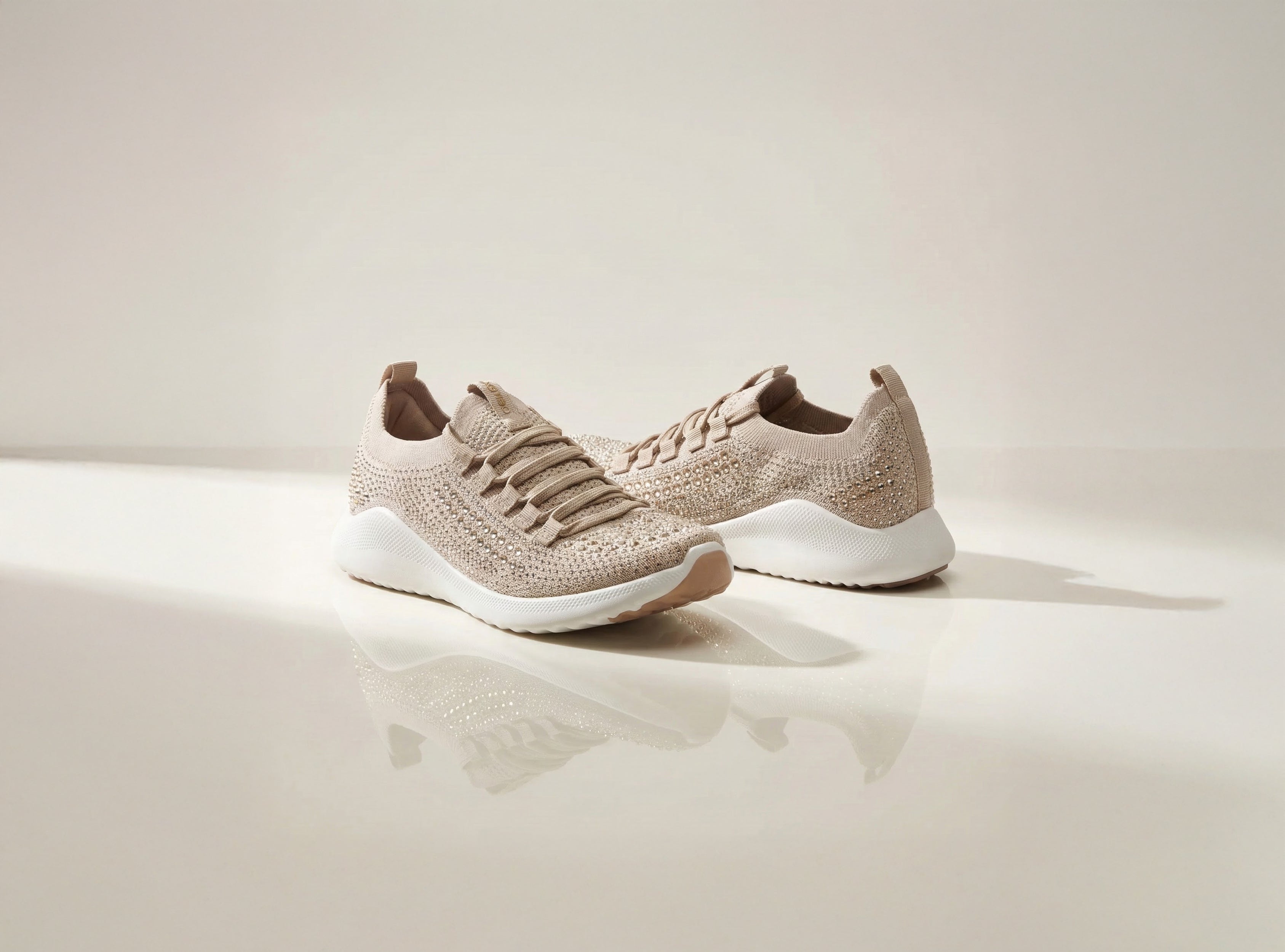
Living with foot arthritis doesn't mean giving up the activities you love. But finding the right shoes can feel like a constant battle, right? When every step hurts, it's easy to feel defeated. The good news? The right footwear is a game-changer. Finding truly comfortable shoes for foot arthritis is about more than just temporary relief; it's about reclaiming your freedom and mobility. This guide will show you exactly what to look for—from essential support to the right kind of cushioning—so you can finally choose a pair that helps you move with confidence and less pain.
Key Takeaways
- Prioritize Structure Over Simple Softness: True comfort for arthritic feet comes from a combination of features, not just a soft feel. Look for shoes that offer strategic arch support for alignment, deep cushioning for shock absorption, and a wide toe box to prevent pressure on sensitive joints.
- Accommodate Your Foot's Needs: Arthritis can cause your feet to swell or change shape, so a perfect fit is non-negotiable. Choose shoes with adjustable features like straps or laces and get your feet measured regularly to ensure you have the right size and width for all-day relief.
- Build a Complete Comfort System: The right shoe is your foundation, but high-quality orthotics can provide an extra layer of targeted support. By pairing a supportive shoe with the right insert, you create a personalized system that helps reduce strain and makes movement easier.
Understanding Foot Arthritis and Its Impact
Living with foot arthritis means dealing with joint inflammation that can cause pain, stiffness, and swelling, turning simple activities like a walk in the park into a significant challenge. Since each of your feet contains an incredible 33 joints, they are particularly susceptible to the effects of arthritis. The condition targets the cartilage that cushions your joints, and as it wears down, you can experience discomfort and reduced mobility. Understanding this process is the first step toward finding effective ways to manage the symptoms and maintain an active lifestyle. Fortunately, one of the most powerful strategies starts from the ground up with the right footwear.
What is Foot Arthritis?
At its core, arthritis is an inflammation of the joints. You can think of it as persistent swelling and irritation in the cartilage and lining of your joints, which is what makes movement feel stiff and painful. Your feet are complex structures, and with so many joints working together with every single step, they can be especially sensitive to this condition. Over time, arthritis can even change the shape of your feet, leading to issues like bunions or hammertoes. This is why finding shoes that accommodate your unique foot shape isn’t just about temporary comfort—it’s a crucial part of your daily wellness routine.
Why the Right Shoes Matter
Choosing the right shoes is one of the most impactful decisions you can make when managing foot arthritis. Proper footwear does more than just cover your feet; it provides essential support that can ease pain and help you move more freely. A good, supportive shoe helps maintain proper alignment, which reduces strain not only on your feet but also on your knees, hips, and back. Conversely, flimsy or ill-fitting shoes can worsen pain and negatively affect your posture and balance. This is why Aetrex helps to design footwear with signature built-in arch support and superior cushioning, creating a stable foundation that absorbs shock and promotes a healthier, more comfortable stride.
Your Checklist for Arthritis-Friendly Shoes
Finding the right pair of shoes when you have arthritis can feel like a challenge, but it’s one of the most important things you can do for your daily comfort. The right footwear does more than just cushion your feet—it supports your entire body, helps align your joints, and can make movement much less painful. When you know what to look for, you can confidently choose shoes that will help you stay active and comfortable.
Don't Skimp on Cushioning and Shock Absorption
With every step you take, your feet absorb the impact of your body weight hitting the ground. For someone with arthritis, that impact can send jolts of pain through sensitive joints. That’s why excellent cushioning and shock absorption are non-negotiable. Look for shoes with substantial, high-quality memory foam or EVA midsoles that act as a buffer between your feet and hard surfaces. Wearing the right shoes is critical, as they help you move more easily and support your joints, preventing pain that can travel to your knees, hips, and back.
Find Your Perfect Arch Support
Proper arch support is the key to keeping your body in alignment and reducing strain on your joints. When your arches are properly supported, your feet, ankles, and legs are more stable, which can significantly ease the discomfort caused by arthritis. All Aetrex women's and men's footwear feature our signature arch support, strategically placed to help realign your body from the ground up. This built-in support helps distribute pressure evenly across your feet instead of concentrating it on sensitive areas, providing a solid foundation for every step.
Make Sure Your Toes Have Room to Move
Arthritis can often cause swelling or changes in your foot shape, like bunions or hammertoes. Squeezing your feet into narrow or pointed shoes can be incredibly painful and make your symptoms worse. Always look for shoes with a wide, spacious toe box that allows your toes to spread out naturally without rubbing or pressure. This extra room accommodates any swelling that might occur throughout the day and prevents irritation on sensitive joints. Shoes with extra depth are also a great feature, as they provide more overall volume for your foot to rest comfortably.
Opt for Adjustable Features for a Perfect Fit
A perfect fit is essential for stability, and adjustability is the best way to achieve it. Feet affected by arthritis can swell and change size, even from morning to night. Features like laces, hook-and-loop straps, or even zippers allow you to customize the fit to your exact needs at any moment. These adjustable closures ensure your shoe is secure, preventing your foot from sliding around, which can cause instability and put extra stress on your joints. A secure, custom fit means you get the full benefit of the shoe’s support and cushioning features.
Look for Stiff, Supportive Soles
It might seem counterintuitive, but when you have arthritis, you should prioritize structure over simple softness. While a plush, pillowy shoe feels nice at first, true, lasting comfort comes from a stable, supportive foundation. Look for shoes with stiff soles that provide stability and help maintain proper alignment. A great way to test this is to hold the shoe and try to bend it; it should only flex at the ball of the foot, not in the middle of the arch. This design helps reduce strain on your sensitive joints with every step. Aetrex footwear, like our collection of men's shoes, is engineered with this balance in mind, offering a firm, supportive base combined with strategic cushioning to absorb shock where you need it most.
Consider Materials and Heel Height
The materials and construction of your shoes play a huge role in their overall support. Always opt for high-quality materials that offer both durability and comfort. A strong, stable base is essential, and shoes with broad heels can provide much better support and balance. When it comes to heel height, a little lift can sometimes be beneficial, but it’s important to choose wisely. Wedges with thick platforms are often a better choice than stilettos, and it's best to keep heels to a maximum of 1.5 to 2 inches. This design helps you maintain your balance and reduces the risk of falls, which is especially important when managing arthritis. You'll find these thoughtful structural details in our collection of women's footwear, making a significant difference in your daily comfort.
How Aetrex Shoes Support Arthritic Feet
Finding the right shoes when you have arthritis can feel like a huge challenge, but it doesn’t have to be. Aetrex designs footwear with a specific goal in mind: to provide comfort and support where you need it most. Instead of just focusing on one feature, we combine several key elements—from arch support to personalized fitting technology—to create a comprehensive solution that helps ease the discomfort of arthritic feet. Let’s look at exactly how our shoes make a difference.
Enjoy All-Day Comfort with Built-In Arch Support
Proper alignment is everything when your joints are sensitive. Aetrex helps to support your feet with our signature built-in arch support, which is strategically placed to help align your body. For someone with foot arthritis, this stability is a game-changer. It helps reduce the stress placed on your foot joints with every step, which can lead to less pain and greater comfort throughout the day. By supporting your arch correctly, our women's and men's footwear helps your feet function more efficiently, so you can stay active with confidence.
Feel the Difference with Memory Foam Cushioning
When your feet hurt, soft, forgiving cushioning can feel like a lifesaver. That’s why Aetrex shoes feature premium memory foam that conforms to the unique shape of your foot. This creates a personalized layer of protection that absorbs shock and distributes pressure evenly across your foot, rather than concentrating it on sore spots. Our Aetrex orthotics with memory foam are even clinically proven to help reduce common foot pains. This superior cushioning helps to protect inflamed joints, making every step feel softer and more comfortable.
Use Foot Scanning to Find Your Ideal Fit
A truly comfortable shoe starts with the perfect fit. Aetrex takes the guesswork out of finding your size with our advanced foot scanning technology. In just a few seconds, a scanner can capture the unique details of your feet, including your length, width, instep height, and pressure points. This data gives us a complete 3D picture of your feet, allowing us to recommend the best-fitting shoes and orthotics for your specific needs. This personalized approach ensures you get support and cushioning exactly where you need it, which is essential for relieving the discomfort associated with arthritis.
What Are the Best Shoe Brands for Arthritis?
When you’re dealing with arthritis in your feet, the right pair of shoes can make a world of difference. It’s not just about finding something soft; it’s about finding a brand that understands the need for support, cushioning, and a design that won’t aggravate sensitive joints. While many brands claim to be comfortable, only a few truly deliver the features that help manage arthritis pain. We’ve looked at the top contenders to help you find a reliable shoe that supports your daily life.
Aetrex: For All-Around Comfort and Support
When it comes to footwear designed for foot relief, Aetrex stands in a class of its own. Every pair of Aetrex shoes is built with our signature arch support, which is strategically placed to help realign your body and reduce pressure on your feet and joints. This isn’t just a basic foam insole; it’s a comprehensive system designed for wellness. Aetrex helps to provide stability and cushioning right where you need it most, which can be a game-changer for arthritic feet. The superior memory foam materials absorb shock with every step, easing the impact on your sensitive joints and allowing for greater mobility and comfort throughout your day.
Hoka: Maximum Cushioning for Joint Protection
Hoka has built a strong reputation for its maximum cushioning, making it a popular choice for those looking to protect their joints. Shoes like the Hoka Bondi are designed with a substantial amount of cushioning that helps absorb shock and lessen the impact on sensitive feet with every step. This design provides a stable and smooth ride, which can be incredibly beneficial for individuals managing foot arthritis. Many of their models, including the Bondi, have earned the American Podiatric Medical Association (APMA) Seal of Acceptance, highlighting their commitment to promoting good foot health. For anyone who prioritizes a plush, highly cushioned feel to buffer their joints from hard surfaces, Hoka offers a solid option.
Vionic: Podiatrist-Designed Support
Vionic is another brand that focuses heavily on supportive technology, with footwear crafted around a podiatrist-designed footbed. The core of their design is a built-in orthotic that helps to realign the foot to its natural position, which is a key factor in reducing strain on joints affected by arthritis. According to the Arthritis Foundation, this approach not only helps to ease pain but also improves overall stability, making movement more comfortable. By integrating this supportive technology into a variety of stylish shoes, Vionic provides an option for those who need functional support but don't want to compromise on aesthetics, helping them stay active with confidence.
Skechers: A Focus on Cushioning
Skechers is a well-known brand recognized for its focus on comfort, particularly its cushioned and flexible designs. Many of their styles feature memory foam insoles and lightweight construction, which can feel good on feet affected by arthritis. The brand offers a wide range of casual and athletic shoes, making it easy to find a style that fits your daily activities. While they provide good general cushioning, it’s important to check that the specific shoe you choose has enough structure and arch support to meet your individual needs for joint stability.
Clarks: Combining Style with Stability
Clarks has built a long-standing reputation for creating durable, supportive, and comfortable footwear. Their shoes often feature cushioned footbeds and a more structured design, which can provide the stability that is beneficial for arthritic feet. Clarks focuses on quality materials and craftsmanship, offering styles that blend classic looks with practical comfort features. For those who need a reliable shoe that offers moderate support for work or everyday wear, Clarks can be a solid option. Their designs often provide a good balance of cushioning and firmness to help reduce stress on your feet.
Hoka: Maximum Cushioning for Joint Protection
Hoka is a brand that has gained a lot of attention for its serious cushioning. They are known for their 'maximalist' designs, which basically means they use extra-thick foam midsoles to absorb impact. For anyone with arthritis, this level of shock absorption can be a huge relief, as it helps to reduce the stress on your feet, ankles, and knees. Many of their shoes also have a rocker-style sole, which is designed to guide your foot through a smoother walking motion and ease pressure on sensitive joints. If a cloud-like, protective feel is what you’re looking for, Hoka’s approach to cushioning is definitely one to consider.
Vionic: Podiatrist-Designed Support
Vionic is another brand that puts foot health at the forefront, using podiatrist-designed technology in their shoes. They are well-regarded for their strong, built-in arch support and deep heel cups, which work together to improve your foot's alignment and stability. As the Arthritis Foundation often highlights, proper support is crucial for managing joint pain, and Vionic’s structured design aims to provide just that. By keeping your foot stable, their shoes can help lessen the strain on joints throughout your feet and lower body. Plus, they offer plenty of stylish options, so you don't have to choose between looking good and feeling comfortable.
Matching Your Shoes to Your Lifestyle
Living with arthritis means being intentional about the shoes you wear, no matter what you’re doing. The perfect pair for a gentle walk might not be the best choice for a long day of standing at work. Matching your footwear to your activity is a simple but powerful way to manage discomfort and keep your feet happy. Different movements place different demands on your joints, so having the right support for each situation is key to staying comfortable and mobile.
The Best Shoes for Your Daily Walk
A good walk can do wonders for your body and mind, but not if your feet are protesting with every step. When you’re choosing shoes for daily walks, look for options that offer excellent stability and cushioning. These features are essential for supporting your feet and absorbing the impact that can otherwise travel up to your knees and hips. Aetrex designs women's footwear and men's styles with precisely this in mind, combining premium memory foam with strategic support to reduce the discomfort that can cut your walks short. A stable, well-cushioned shoe helps you move with confidence and enjoy the journey.
What to Wear for Long Days on Your Feet
Whether you’re a teacher, a nurse, or a retail associate, spending hours on your feet can be grueling, especially with arthritis. For these demanding days, you need shoes built for endurance. Features like rocker soles, which help propel you forward, and wide toe boxes that give your feet room to breathe are incredibly helpful. Aetrex men's footwear often includes molded footbeds that contour to your specific foot shape, providing maximum support right where you need it. Investing in a shoe designed for all-day wear isn't a luxury—it's a necessity for preventing pain and fatigue.
Your Go-To Shoes for Running Errands
It’s easy to overlook the shoes you slip on for a quick trip to the grocery store or post office, but those short bursts of activity add up. The right footwear can prevent pain and significantly improve your daily life, so don’t compromise on comfort, even for errands. Instead of a flimsy flat, choose a shoe that provides reliable support without being a hassle to put on. Many Aetrex sandals and casual styles feature adjustable straps and the same signature arch support found in their sneakers, making them the perfect grab-and-go option for your busy life.
Supportive Footwear for Staying Active
Managing arthritis doesn't mean you have to give up the activities you love. To stay active comfortably, you need shoes that provide the stability to keep your body in proper alignment. Aetrex shoes are designed with built-in arch support that does exactly that, helping to distribute pressure evenly across your feet and reduce strain on your joints. This is especially beneficial for anyone with foot arthritis, as it helps to alleviate discomfort during exercise. For an extra layer of personalized comfort, you can add Aetrex Orthotics to your favorite athletic shoes for targeted relief.
Choosing Arthritis-Friendly Sandals and Boots
Your footwear needs don't change with the seasons, and finding the right sandals and boots is just as important as choosing a good sneaker. For sandals, look for styles with multiple adjustable straps, especially one that secures the back of your ankle. This design keeps your foot stable and prevents your toes from gripping to hold the shoe on, which can strain sensitive joints. When it comes to boots, opt for pairs with a fitted ankle for support, soft materials that won’t irritate, and a low, chunky heel for stability. Aetrex offers a variety of sandals and boots designed with these principles in mind, featuring adjustable straps and our signature arch support to ensure you stay comfortable and secure, no matter the weather.
Don't Forget Supportive Indoor Shoes
It’s tempting to kick off your shoes and walk barefoot or in flimsy slippers at home, but hard floors can be unforgiving on arthritic feet. Continuing to support your feet indoors is crucial for managing discomfort and maintaining proper alignment. A good pair of supportive indoor shoes or slippers can make a huge difference in your overall comfort, helping to reduce strain on your feet, ankles, and even your back. If you use specialized inserts, remember to move them into your indoor footwear. Pairing a supportive slipper with Aetrex Orthotics ensures you get consistent, round-the-clock support, giving your joints the protection they need throughout the day.
Could You Benefit from Extra-Wide Shoes?
If you're living with arthritis, you know that your feet can change. Inflammation and joint changes can alter their shape and size, making the shoes that once fit feel tight and uncomfortable. Squeezing your feet into standard-width shoes can create painful pressure points, worsen joint pain, and even throw off your balance. This is where extra-wide shoes can be a complete game-changer for your daily comfort.
Opting for a wider shoe isn't about having "big feet"—it's about giving your feet the space they need to function without pain. A wider toe box and a more generous fit across the midfoot can accommodate common foot changes like bunions or swollen joints, providing immediate relief. The Arthritis Foundation emphasizes that wearing the right shoes is crucial for supporting your feet and joints, which helps you move more easily. When your shoes fit properly, you reduce unnecessary strain not just on your feet, but on your ankles, knees, and hips, too. Think of it as creating a more stable and comfortable foundation for your entire body, allowing you to stay active with less pain.
Give Your Joints a Break
When your shoes are too narrow, they press directly on the sensitive joints in your feet and toes. For someone with arthritis, this constant pressure can be incredibly painful and can aggravate inflammation. Extra-wide shoes provide the space needed to reduce friction and direct impact on these sore spots. By giving your joints room to move naturally without being constricted, you can significantly decrease daily pain and discomfort. This simple switch can make walking less of a chore and more of a pleasant activity again, helping you maintain your mobility and independence.
Accommodate for Natural Swelling
Swelling is a common and frustrating symptom of arthritis. Your foot size can change throughout the day, often becoming larger in the afternoon or after you’ve been on your feet for a while. Extra-wide shoes are designed to accommodate these fluctuations. With a deeper and wider construction, they provide ample room for your feet, even when they’re swollen. This prevents the painful pinching and tightness that can occur with standard footwear, ensuring your comfort from morning to night. Many of Aetrex’s women’s footwear styles are available in multiple widths to provide a perfect fit.
Experience Better All-Day Comfort
A proper fit is the first step to true comfort. When your feet aren't cramped, the supportive features of your shoes can finally do their job correctly. Aetrex helps to improve comfort with our signature built-in arch support, which is designed to align your body and stabilize your stride. Paired with premium memory foam for superior cushioning, our shoes provide relief from the ground up. Choosing a wider width ensures your foot sits correctly on this supportive base, allowing you to get the full benefit of every feature and walk with greater ease and confidence.
Common Myths About Shoes for Arthritis (Debunked)
When you’re dealing with foot arthritis, finding the right information can feel as challenging as finding the right shoe. There are plenty of misconceptions floating around that can lead you down a path of continued discomfort. Let’s clear up some of the most common myths so you can make informed choices for your feet.
Myth: Any "Comfy" Shoe Will Do
It’s easy to assume that any shoe that feels good when you first try it on is a good choice. However, "comfortable" doesn't always mean supportive. A flimsy slipper might feel soft, but it offers zero structure for your joints. The Arthritis Foundation stresses that the right shoes are essential for supporting your feet and joints to help you move more easily. Shoes without proper arch support and cushioning can actually worsen pain in your feet, knees, and even your back. True comfort comes from shoes designed with your foot health in mind, combining softness with crucial structural support.
Myth: A Little Heel Won't Hurt
While you might miss your favorite pair of heels, even wearing them occasionally can put excessive pressure on the balls of your feet and cram your toes into a narrow space—a recipe for pain when you have arthritis. Experts advise looking for shoes with a wide toe area and a broad, stable heel base. This doesn't mean you're stuck with boring footwear. Many modern women's shoes offer a slight, supportive lift and stylish designs without compromising the stability and space your feet need to feel their best throughout the day.
Myth: Your Shoe Size is Set in Stone
If you’ve been buying the same shoe size for decades, it’s time for a re-measure. Our feet can change in size and shape over time due to factors like age and health conditions. Squeezing into a shoe that’s too small can aggravate arthritic joints and cause unnecessary pain. Getting your feet measured regularly is a simple step that makes a huge difference. For the most precise data, Aetrex’s advanced foot scanners can map your feet, pressure points, and arch type, ensuring you find the absolute perfect fit for your unique needs.
Myth: Off-the-Shelf Inserts Are Always Enough
Grabbing a generic insole from the drugstore might seem like a quick fix, but these one-size-fits-all solutions often lack the targeted support required for arthritis relief. They may provide some initial cushioning, but they rarely address underlying alignment issues. Quality orthotics are designed to support your specific arch type, redistribute pressure, and improve body alignment from the ground up. Aetrex helps to provide this superior support with orthotics that feature our signature arch placement and premium memory foam for lasting comfort and relief.
How Orthotics Can Make a Huge Difference
Sometimes, even the best shoes need a little extra help, and that’s where orthotics come in. These inserts are designed to provide targeted support and cushioning right where you need it most. For anyone dealing with arthritis, they can be a true game-changer, helping to realign your feet, absorb shock, and reduce pressure on sensitive joints. Think of them as a personalized support system that works with your shoes to create the ultimate comfort experience.
When to Seek Professional Help
While the right shoes and orthotics are powerful tools for managing daily discomfort, they aren’t a substitute for professional medical advice. If you’re experiencing persistent pain that doesn’t improve, significant swelling, or you notice changes in the shape of your feet, it’s time to consult a healthcare professional. A podiatrist or your primary doctor can provide an accurate diagnosis and create a comprehensive care plan tailored to your specific needs. According to Arthritis UK, a specialist can advise on everything from footwear to targeted exercises. This professional guidance, combined with data from an Aetrex foot scan, can give you a complete picture of your foot health, empowering you to make the best choices for your comfort and mobility.
Custom vs. Off-the-Shelf: Which is Right for You?
When you start looking into orthotics, you’ll find two main types: custom and over-the-counter. Custom orthotics are prescribed by a doctor and molded specifically to your feet, which can be necessary for complex foot conditions. However, many people find incredible relief with high-quality, over-the-counter options. These are designed based on extensive research to support common foot issues. An advanced option like Aetrex offers a great starting point, but it's always a good idea to consult your doctor to determine the best path for your specific needs.
What Makes Aetrex Lynco Orthotics Stand Out
We stand by Aetrex Lynco Orthotics because they are specifically engineered to address the kind of pain associated with arthritis. Each pair features our signature arch support to help properly align your body, combined with premium memory foam for superior cushioning. This combination is what Aetrex Helps to relieve pain not just in the feet, but in the knees, hips, and back, too. In fact, our Premium Memory Foam Orthotics are clinically proven to help reduce common pains, making them a reliable choice for all-day comfort and support.
How to Pair Orthotics with Your Shoes
An orthotic is only as good as the shoe it’s in. To get the most benefit, look for shoes with removable insoles so you can easily slip your orthotic inside without crowding your foot. The shoe itself should have a roomy toe box, great cushioning, and a supportive structure. Of course, all Aetrex footwear is designed with these principles in mind. Each pair already includes our signature orthotic footbed, but if you need a more specialized insert, our shoes provide the perfect foundation to accommodate it.
Getting Started with Your New Supportive Shoes
Finding a new pair of shoes when you have arthritis can feel like a huge win. But what happens after you bring them home? It’s not just about the initial try-on; it’s about how they support your feet day after day. Understanding what to expect can help you make the most of your new footwear and ensure you’re getting the comfort and relief you deserve. From the first steps to all-day wear, here’s what you should know about settling into your new arthritis-friendly shoes.
Understanding the Break-In Period
Let’s clear up a common myth: you shouldn’t have to endure a painful “break-in” period. While your feet might need a little time to adjust to a new support system, a well-designed shoe should feel comfortable from the moment you put it on. Gone are the days of getting blisters just to make a shoe wearable. Brands like Aetrex design women's footwear and men's styles with premium materials like memory foam and built-in arch support that conform to your feet right away. If a shoe feels tight, pinches, or rubs uncomfortably in the store, it’s not the right shoe for you.
How to Ease Into Your New Shoes
Even with an instantly comfortable shoe, it’s wise to ease into them. Start by wearing your new shoes around the house for a few hours each day for the first week. This gives your feet, ankles, and knees time to adapt to the new level of support and alignment. Pay attention to how you feel. If you spend most of your day standing, you’ll want to ensure the cushioning feels supportive over time. If you walk a lot, check that the shoe provides stability with each step. This initial period is the perfect time to confirm they’re the right choice for your daily activities before you wear them for a full day out.
How to Know You've Found the Perfect Fit
A perfect fit is about more than just the right length; it’s a combination of support, space, and security. Your shoe should feel snug around the heel and midfoot, with no slipping as you walk. At the same time, you need plenty of room in the toe box for your toes to wiggle and lie flat without rubbing. This extra space is crucial for accommodating swelling and preventing pressure on sensitive joints. Aetrex helps to achieve this ideal balance with shoes that offer extra depth and advanced features. For a truly personalized fit, you can even get your feet measured with Aetrex’s foot scanning technology to identify your exact size, arch type, and pressure points.
Knowing When It's Time for a Replacement
Recognizing when your shoes have passed their prime is a key part of managing arthritis pain. Over time, even the best shoes lose their cushioning and structural integrity, which means they stop providing the support your joints need. As noted by the Arthritis Foundation, wearing old, worn-out shoes can cause new joint pain or make existing pain worse because they no longer absorb shock effectively. If you notice your feet, knees, or hips feel more achy after a walk, or if the tread on your soles is visibly worn down, it’s a clear sign that your shoes are no longer doing their job. A supportive shoe is your first line of defense, so paying attention to its condition is essential for your comfort.
Beyond wear and tear, a change in fit can also signal it’s time for a new pair. Our feet can change shape and size over the years, especially with conditions like arthritis. If you’ve been buying the same size for decades, it’s definitely time for a re-measure. A shoe that’s too tight can put painful pressure on sensitive joints, while one that’s too loose won’t provide the stability you need. For a truly precise fit, you can use advanced technology like an Aetrex foot scanner to get a complete 3D measurement of your feet. If your current shoes no longer feel comfortable and secure, it’s time to invest in a new pair that will properly support you.
How to Successfully Shop for Shoes Online
Shopping for shoes online when you have arthritis can feel like a gamble, but it doesn't have to be. With a few smart strategies, you can find the perfect pair that brings you comfort and support right from your couch. It’s all about knowing where to look and what to look for before you buy.
Stick to Reputable Retailers
Start by focusing your search on retailers that specialize in foot health. Brands like Aetrex are built from the ground up with your comfort in mind. Our women's footwear and men's collections feature signature built-in arch support designed to help align your body and relieve joint pressure. Unlike generic shoe stores, a specialized retailer understands the specific needs that come with arthritis, offering thoughtful designs and materials that make a real difference in your day-to-day comfort. Choosing a brand dedicated to wellness ensures you’re getting a product backed by expertise.
Read Customer Reviews Carefully
Customer reviews are your secret weapon for online shoe shopping. They offer honest, real-world feedback from people who are likely dealing with the same foot concerns as you. Look for comments that mention arthritis, joint pain, or all-day comfort. Many Aetrex customers share stories about how our men's footwear has helped them get back on their feet with less pain. Reading these experiences can give you valuable insight into how a specific style might feel and function for you, helping you make a more confident and informed decision before you even click "add to cart."
Always Check the Return Policy
A flexible return policy is non-negotiable when buying shoes for arthritic feet. The only way to truly know if a shoe works is to wear it around your home. Before you buy, take a moment to read the shipping and return guidelines. A reputable company will have a clear, straightforward policy that gives you a reasonable window to try your new shoes. This peace of mind is crucial—it means you can shop without the stress of getting stuck with a pair that doesn’t provide the relief you need. It’s a sign that the brand stands behind its product and prioritizes your satisfaction.
Practical Tips for In-Person Shoe Shopping
Even with all the convenience of online shopping, sometimes you just need to try a shoe on in person. When you have arthritis, this is your chance to make sure every detail feels right before you commit. Going into the store with a clear plan can make all the difference between finding your new favorite pair and leaving empty-handed and frustrated. These simple, practical tips will help you shop smarter, ensuring you walk out with shoes that truly support your feet.
Shop in the Afternoon
This might sound oddly specific, but timing your shopping trip can have a huge impact on finding the right fit. As the day goes on, your feet naturally swell, especially if you've been active. For someone with arthritis, this swelling can be more pronounced. By shopping in the afternoon or evening, you’re trying on shoes when your feet are at their largest. This simple trick helps you avoid buying a pair that feels great in the morning but becomes painfully tight by dinnertime. It ensures you choose a size that can comfortably accommodate fluctuations, providing consistent relief all day long.
Get Your Feet Measured Properly
Don’t assume your shoe size has stayed the same over the years. Foot size and shape can change due to age, health conditions, and even weight fluctuations. Always ask to have your feet measured every time you shop for new shoes, and make sure you’re standing up when they do it, as your feet spread out under your body weight. For an even more precise understanding of your needs, you can use Aetrex’s advanced foot scanners. This technology maps your unique pressure points and arch type in seconds, giving you a complete 3D model of your feet and taking all the guesswork out of finding the perfect supportive shoe.
Bring Your Orthotics With You
If you rely on a specific orthotic insert for support, it’s essential to bring it with you when you go shoe shopping. A shoe might feel great on its own, but adding an orthotic can change the fit entirely, making it too tight or altering how your foot sits inside. Trying on shoes with your orthotics ensures you get a true sense of the final fit and feel. While all Aetrex shoes come with our signature built-in arch support, we know that some individuals require a specialized insert. Our footwear is designed with removable insoles, making it easy to accommodate your personal orthotic for a perfectly customized comfort system.
Beyond the Shoes: The Importance of Daily Foot Care
The right pair of shoes is your foundation for comfort, but a great foot care routine is what keeps that foundation strong. When you have arthritis, your feet need and deserve a little extra attention. Taking a few minutes each day to care for them can help prevent complications, reduce discomfort, and keep you aware of any changes that might need attention. Think of it as an essential part of your overall wellness strategy—a simple practice that supports your mobility and helps you feel your best from the ground up.
Your Daily Foot Care Checklist
A consistent routine can make a world of difference. Start by washing your feet every day with mild soap and warm water, and be sure to dry them thoroughly, especially between the toes. After washing, take a moment to check your feet for any sores, blisters, cuts, or areas of redness and swelling. This daily inspection is crucial for catching small issues before they become bigger problems. Finish by applying a good moisturizer to keep the skin soft and prevent cracking. This simple, five-minute ritual not only keeps your feet healthy but also supports the hard work your supportive shoes are doing all day long.
Related Articles
- Top 6 Best Walking Shoes for Arthritic Feet – aetrex
- Arthritis of the Foot and Ankle: Types, Symptoms, Orthotics & Shoes – aetrex
- Osteoarthritis: Causes, Symptoms, Orthotics & Shoes – aetrex
- Rheumatoid Arthritis: Causes, Symptoms, Orthotics & Shoes – aetrex
- Gout Arthritis: Causes, Symptoms, Orthotics & Shoes – aetrex
Frequently Asked Questions
What's the most important feature to look for in a shoe for arthritis? It’s less about a single feature and more about the right combination of three key elements: support, cushioning, and fit. Proper arch support is crucial because it helps align your body and takes stress off your joints. Great cushioning absorbs shock from the ground, while a roomy fit, especially in the toe area, prevents painful pressure on sensitive spots. A shoe that balances all three of these will provide the most significant relief.
Can I just add an orthotic to my old shoes instead of buying new ones? While a quality orthotic can make a huge difference, it works best when paired with a supportive shoe. Placing a great insert into a worn-out, unsupportive shoe won't give you the full benefit because the shoe itself lacks the necessary structure. For the best results, you need a shoe that already has a solid foundation. All Aetrex footwear comes with our signature orthotic footbed already built-in, ensuring you get that ideal combination of support from the start.
My feet tend to swell throughout the day. How do I find a shoe that fits comfortably all day long? This is a very common issue, and the solution lies in two things: adjustability and a proper width. Look for shoes with features like laces or hook-and-loop straps that you can loosen or tighten as needed. It’s also wise to consider trying a wider width. This gives your feet the extra space they need to accommodate swelling without feeling constricted, which is essential for preventing pain and pressure on your joints.
Should shoes for arthritis feel soft or firm? The ideal shoe is actually both. You need soft cushioning, like memory foam, to absorb impact and provide a gentle surface for sensitive feet. However, you also need a firm, supportive structure, particularly in the midsole and around the heel, to provide stability and keep your foot properly aligned. A shoe that is only soft will lack the support your joints need, while a shoe that is too rigid won't provide enough comfort.
How do I know when it's time to replace my shoes? Look for visible signs of wear, especially on the outsole—if the tread is worn smooth in key areas, the shoe has lost its stability. Another sign is a feeling of reduced cushioning or support; if your feet and joints start to feel sore after wearing them, the shoe's internal structure has likely broken down. A good rule of thumb is to replace shoes you wear regularly every year, as the materials that provide support and cushioning degrade over time, even if they still look okay on the outside.
Share:
5 Best Insoles for Steel Toe Boots for Max Comfort
8 Best Arch Support Sandals for Foot Pain Relief