

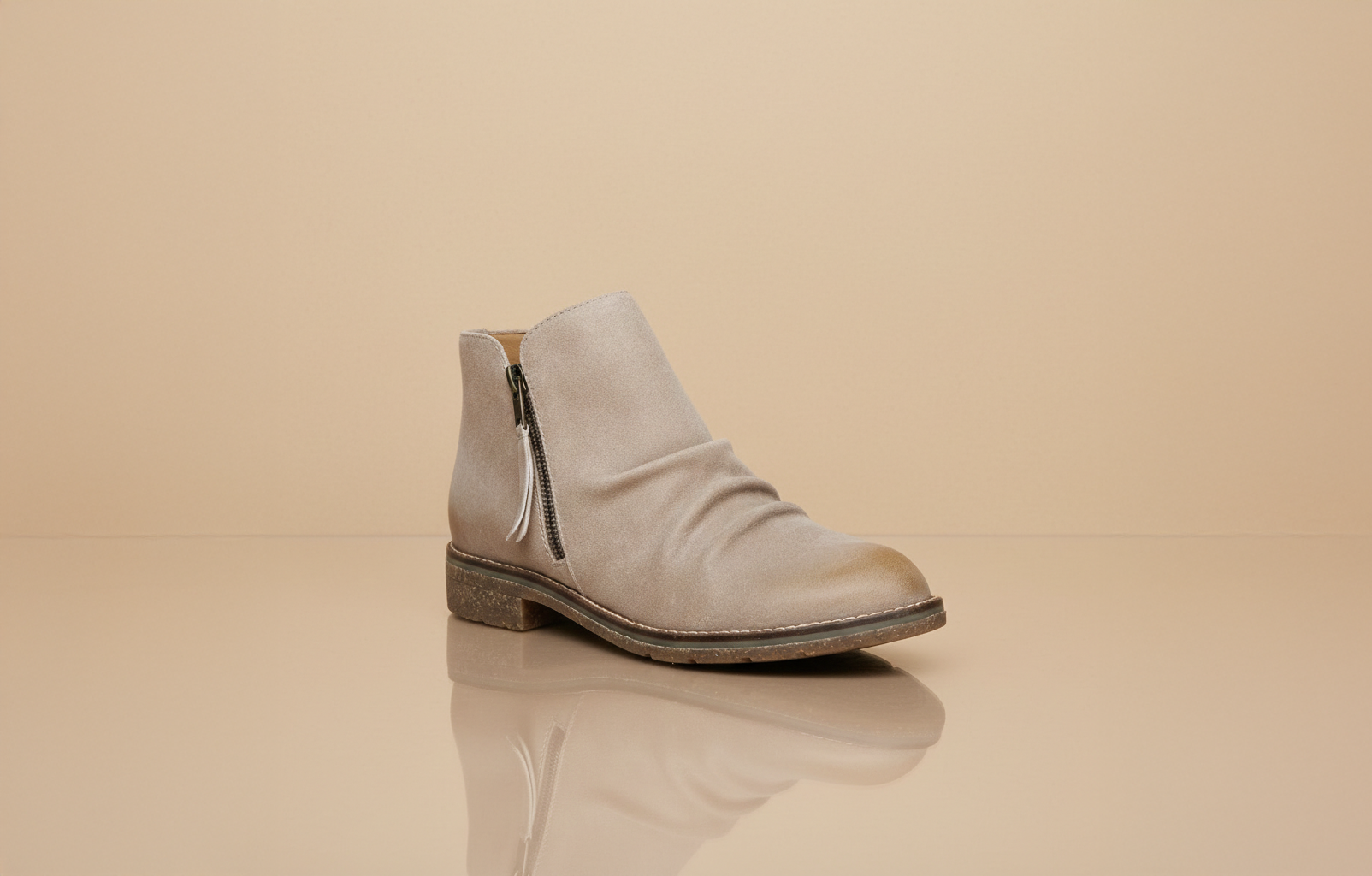
Let's be honest: when your feet hurt, everything hurts. That throbbing heel pain from plantar fasciitis can make you dread any shoe that isn't a sneaker, especially boots that feel notoriously unsupportive. But you don't have to give up on your favorite fall and winter styles. Finding the right boot for plantar fasciitis is entirely possible, and it doesn't mean sacrificing fashion. It’s about finding boots that offer the critical arch support and cushioning you need. This isn't about compromise; it’s about shopping smarter and knowing which brands build real comfort right in.
If you're dealing with the sharp, nagging pain of plantar fasciitis, the idea of wearing stylish boots might seem like a fantasy. For years, we’ve been told to choose between fashion and function, as if the two could never coexist. Many trendy boots offer little more than a thin, flat piece of material between your foot and the pavement, which can make foot pain worse. But here’s the good news: you don’t have to sacrifice your style for comfort. The right pair of boots, designed with specific support features, can absolutely be part of a foot-healthy wardrobe. It’s all about knowing what to look for.
The most critical feature in any shoe for plantar fasciitis is arch support. Think of your plantar fascia as a rubber band running along the bottom of your foot. Without proper support, that band gets overstretched and strained with every step. A supportive boot with built-in arch support helps to reduce that tension. The Aetrex Signature Arch Support, for example, is strategically placed to align your body and help prevent overpronation. This feature is essential for distributing pressure evenly across your feet. Beyond the arch, look for ample cushioning to absorb shock and a firm-yet-flexible midsole that supports your foot’s natural movement without being too rigid. These elements work together to create a stable foundation for your foot, providing relief for plantar fasciitis throughout the day.
When it comes to boots, heel height is a major factor. While sky-high stilettos are an obvious no-go, completely flat boots can be just as problematic, as they often lack any support and can increase strain on the plantar fascia. The sweet spot is typically a low, wide heel—around one to two inches. This slight lift can help take some of the pressure off your heel, where plantar fasciitis pain is often most intense. A broad heel base is also important because it provides stability and helps absorb the shock of each step, preventing jarring impacts from traveling up your foot. You’ll also want to avoid heavy, clunky designs that can add to foot fatigue and make pain worse.
A boot’s overall construction is just as important as its individual features. Wearing supportive shoes is a key part of managing foot pain, so look for boots made with high-quality materials that offer both structure and comfort. The sole should be firm enough to protect your foot but have some flexibility. A great way to test this is to hold the boot and try to bend it; it should flex at the ball of the foot but remain sturdy through the arch. This ensures the boot supports your foot’s natural mechanics. Aetrex’s collection of women's footwear is built with these principles in mind, combining premium materials with thoughtful construction to ensure lasting comfort and support.
Let’s be honest: many fashion boots are designed for looks alone, offering virtually no arch support or cushioning. This can easily lead to or worsen conditions like plantar fasciitis, which is essentially an overuse injury that causes inflammation and that tell-tale heel pain, especially in the morning. But the belief that you must wear clunky, orthopedic-looking shoes to find relief is outdated. Brands like Aetrex have made it their mission to merge comfort technology with contemporary style. You can find chic ankle boots, elegant knee-highs, and trendy combat boots that all have advanced comfort features built right in. Investing in well-designed, supportive footwear isn’t giving up on fashion—it’s a proactive way to care for your body from the ground up.
Just as important as knowing what to look for is knowing what to avoid. When you have plantar fasciitis, certain shoes are simply off-limits. High heels, for instance, put immense pressure on your heel and arch, while completely flat shoes like flip-flops or ballet flats offer zero support, forcing your plantar fascia to absorb every shock. Wearing shoes without good support, including old, worn-out sneakers whose cushioning has compressed, puts extra pressure on your feet and can make the pain much worse. You should also steer clear of footwear with a narrow toe box that cramps your toes or shoes that are too tight. The key is to avoid any shoe that doesn't provide a solid, supportive foundation for your feet, which is why investing in thoughtfully designed footwear is so crucial for managing discomfort.
Finding a great pair of boots can feel like a win, but finding a pair that’s both stylish and supportive for plantar fasciitis? That’s the ultimate jackpot. It used to feel like you had to pick one or the other, but thankfully, many brands now understand that you shouldn’t have to sacrifice style for comfort. We’ve rounded up some of the best brands out there that masterfully blend fashion-forward designs with the essential support your feet need. These are the names you can trust to carry you through the day without that nagging heel pain.
When it comes to combining cutting-edge comfort technology with chic design, Aetrex is in a league of its own. Every single pair of their women's footwear is thoughtfully designed with features that help to relieve common foot pains. What truly sets them apart is the signature Aetrex Orthotic System built into every shoe. This isn't just a flimsy insole; it's a comprehensive support system designed for proper alignment and arch support. These built-in orthotics help to stabilize your foot and relieve pressure on your plantar fascia, making their boots a game-changer for all-day wear.
Finding a boot that looks great and doesn't aggravate your plantar fasciitis can feel like a huge challenge, but I promise, it’s entirely possible. The secret isn't giving up on fashion; it's learning to spot the features that provide real support. When you're dealing with heel pain, the structure of your footwear is everything. A truly supportive boot works by stabilizing your foot, absorbing shock, and properly aligning your body from the ground up. This takes the immense strain off your plantar fascia ligament, giving it a chance to heal and preventing future flare-ups.
So, what should you look for? First, non-negotiable arch support. It needs to be substantial enough to prevent your arch from collapsing with each step. Next is cushioning, especially in the heel, to soften the impact of walking on hard surfaces. A firm heel counter—the part that cups your heel—is also crucial for preventing your foot from rolling inward or outward. Finally, consider the overall construction. A boot with a rigid sole that only flexes at the ball of the foot provides the stability you need. While it might seem like a long checklist, many stylish boots already incorporate these features. Let's look at some of the best boot styles that deliver on both fashion and foot health.
Ankle boots are a wardrobe essential for a reason—they’re incredibly versatile and pair well with everything from jeans to dresses. For those with plantar fasciitis, they offer the perfect balance of style and function. A well-constructed ankle boot provides crucial support around the ankle, which helps stabilize your foot with each step. Look for styles with a rounded toe box to give your toes plenty of room and a low, wide heel for stability. Many Aetrex women's footwear options, including our ankle boots, feature built-in arch support and memory foam cushioning to absorb shock and reduce stress on your heel.
If you’re looking for more coverage and stability, a knee-high boot is an excellent choice. The taller shaft provides additional support for your ankles and calves, which can help improve your overall alignment and take some of the pressure off your plantar fascia. This style is perfect for creating chic, polished looks while giving your feet the structural support they need. When shopping, prioritize boots with a cushioned, supportive footbed and avoid high, narrow heels. Aetrex helps to ensure you get that essential support by designing boots with our signature arch placement for all-day plantar fasciitis relief.
Lace-up boots, like combat or hiker styles, are fantastic for plantar fasciitis because they offer a truly customizable fit. You can adjust the laces to be as snug or as loose as you need, ensuring your foot is held securely in place. This prevents your foot from sliding forward, which can strain the arch and heel. A secure fit also means the built-in arch support stays exactly where it needs to be. This adjustability is especially helpful if your feet tend to swell throughout the day. Combining this feature with a removable insole allows you to use your own orthotics for personalized comfort.
The timeless, slip-on design of Chelsea boots makes them a popular and convenient option. However, it's important to choose a pair with enough built-in structure. Look for Chelsea boots with a firm heel counter to prevent your heel from rolling and a supportive footbed that won’t flatten out over time. The elastic side panels offer flexibility, but the boot itself should feel sturdy. Since you can’t easily add a bulky insert to a slip-on style, finding a pair with great integrated support is key. Aetrex Chelsea boots are designed with our arch support technology built right in, giving you that effortless style without compromising on comfort.
Finding the perfect boot when you have plantar fasciitis can feel like a treasure hunt, but it doesn't have to be. Once you know what to look for, you can confidently pick a pair that feels as good as it looks. It’s all about understanding your feet and prioritizing features that provide relief and support.
Before you even start shopping, take a moment to get acquainted with your feet. Plantar fasciitis is essentially inflammation of the tissue band running along the bottom of your foot, which is what causes that sharp, nagging heel pain. Knowing this helps you pinpoint exactly what you need in a boot. Do you have flat feet or high arches? Both can contribute to the strain on your plantar fascia. Understanding your unique foot shape and where you feel the most pressure is the first step toward finding footwear that Aetrex helps to alleviate plantar fasciitis pain and prevent future flare-ups.
A great fit is non-negotiable. When trying on boots, pay attention to a few key details. First, check the toe box. Your toes should have enough room to wiggle freely without being squeezed. Next, test the sole's flexibility. A well-designed boot should bend at the ball of your foot but remain firm and supportive through the arch and midsole. Finally, feel the inside. The best boots for plantar fasciitis will have significant arch support and cushioning built right in. Aetrex’s entire line of women's footwear is designed with these principles in mind, combining signature arch support with memory foam for instant comfort.
Sometimes, even a supportive boot can be improved with a little customization. If you need more targeted support, an orthotic insert can make a world of difference. Many high-quality boots come with removable footbeds, allowing you to slip in your own orthotic for a personalized fit. This is a great option if you have a specific foot condition or just want to ensure maximum support throughout the day. Aetrex offers a wide range of orthotics designed to provide targeted relief, and you can even use their Orthotic Finder to see which one is right for your needs.
It’s easy to fall for a stylish boot, only to realize it’s causing you pain. One of the biggest mistakes is choosing fashion boots with little to no arch support. A flat footbed can strain your plantar fascia and make heel pain worse. Another common error is wearing boots that don’t fit properly. A shoe that’s too tight or too loose can alter your gait and create new pressure points. To avoid these issues, it’s helpful to get an accurate reading of your foot size and pressure points. Aetrex’s advanced foot scanners, available in stores, can give you a precise 3D measurement of your feet to help you find the perfect fit every time.
When you’re dealing with foot pain, sifting through product reviews can feel like a full-time job. You want to know what works for real people in their daily lives, not just what a product description claims. The feedback is clear: the right pair of boots can make a world of difference, but not all boots are created equal. Let’s look at what customers are saying about the features that truly matter and the warning signs to watch out for when you're shopping.
The most glowing reviews consistently point to boots that don’t force a choice between style and relief. Customers rave about finding boots that are "comfortable, supportive and fashionable" all in one. A key feature that gets mentioned time and again is a built-in orthotic system. For example, the Aetrex Rebecca boot is praised because its integrated technology helps to stabilize and align the feet, which is crucial for relieving common foot pain. When you find a brand like Aetrex, where all footwear for plantar fasciitis is designed with these comfort features, you know you’re on the right track to happy feet.
On the flip side, a major red flag is any fashion boot that offers little to no arch support. This is a fast track to aggravating plantar fasciitis or heel pain. Many customers learn the hard way that a boot can feel cushioned at first but lack the fundamental structure needed for all-day wear. Some have reported that boots marketed specifically for plantar fasciitis ultimately failed to provide meaningful support, sometimes even increasing discomfort. Be wary of boots that are merely soft. True support comes from a firm-yet-flexible sole, a supportive arch, and a design that holds your foot securely.
The ultimate test of a good boot isn’t how it feels for the first hour, but how your feet feel the next morning. If you experience sharp heel pain when you get out of bed, your footwear is a likely culprit. This is a classic sign of an inflamed plantar fascia. The right boots won’t just get you through the day; they’ll actively contribute to your foot health. As many have discovered, wearing supportive shoes is one of the most important steps in managing foot pain. For shoes that lack built-in support, adding a high-quality orthotic can provide the necessary structure and alignment.
A quality pair of supportive boots is an investment, and it’s fair to ask if they’re worth the price. Customer feedback suggests a resounding yes. Aetrex women's footwear is often highlighted because each pair is designed to help keep the foot in a neutral position throughout the gait cycle, which is essential for pain relief. When you invest in a pair of boots with significant arch support and comfort features built right in, you’re buying a complete system designed to help relieve foot pain. This thoughtful construction provides lasting value that far outweighs the initial cost, saving you from discomfort and the expense of ineffective solutions.
While investing in high-quality, supportive boots is a huge step in the right direction, sometimes your feet need a little extra help, especially overnight. If you’re still waking up with that sharp, stabbing heel pain, it might be time to consider a medical device like a night splint or boot. These tools are designed to provide a consistent, gentle stretch to your plantar fascia and calf muscles while you sleep. By preventing these tissues from tightening up overnight, they can significantly reduce that dreaded morning pain. Think of it as an extension of your daytime support system. Your Aetrex boots provide the alignment and cushioning you need while you're active, and a night splint continues that therapeutic care while you rest, creating a 24/7 approach to managing your plantar fasciitis.
The main job of a plantar fasciitis boot, often called a night splint, is to keep your foot in a neutral or slightly flexed position while you sleep. When you’re resting, your foot naturally points downward, which allows the plantar fascia and Achilles tendon to shorten and tighten. This is why those first few steps in the morning are often the most painful. A night splint holds your foot at roughly a 90-degree angle, maintaining a gentle, consistent stretch on these tissues. This prevents them from contracting overnight, so you wake up with less stiffness and pain. It’s a simple but effective way to accelerate the healing process and break the cycle of morning discomfort.
When you start looking into night splints, you'll find a few different styles, each with a slightly different design. The two most common types are rigid splints, which are often called "boots," and dorsal splints, which are more compact. There are also softer options like stretching socks. The best one for you often comes down to personal comfort and the severity of your symptoms. Some people prefer the secure feeling of a full boot, while others find a lighter, less bulky option allows them to sleep more comfortably. Understanding the differences can help you choose the device that you'll actually wear consistently, which is the key to seeing results.
Rigid night splints, or boot-style splints, typically have a hard plastic outer shell and soft, padded lining for comfort. They run along the back of your leg and under your foot, holding it securely in place. Dorsal night splints, on the other hand, are worn on the front of your shin and the top of your foot. This design leaves your heel and arch free, which many people find more comfortable and less constricting. Both styles achieve the same goal of keeping your foot in a dorsiflexion position to stretch the plantar fascia.
Beyond splints, you might also come across stretching socks and walking boots. A stretching sock is a simpler, softer alternative that uses a strap to pull your toes up toward your shin, providing a similar stretch to a splint. They are less bulky but may not offer as rigid of a hold. In more severe cases, a doctor might recommend a walking boot (or rehabilitation boot) to be worn during the day. This device immobilizes the foot and ankle, forcing your plantar fascia to rest and heal, especially if there's a significant tear.
To get the most out of your night splint, consistency is key. It might feel a bit strange at first, so try wearing it for short periods while you’re relaxing in the evening to get used to it before wearing it all night. Make sure the straps are snug but not so tight that they cut off circulation. Keeping your device clean is also important for hygiene. Most splints have removable liners that can be hand-washed with mild soap and air-dried. The plastic shell can be easily wiped down with a damp cloth, ensuring it stays fresh and ready for use each night.
Fortunately, these effective devices are generally quite affordable. Most night splints and boots for plantar fasciitis range in price from about $20 to $50. The cost can vary depending on the style, brand, and features like adjustable wedges or extra padding. Given how much they can help reduce morning pain and support the healing process, they are a relatively small investment in your overall foot health. You can typically purchase them online, at pharmacies, or through medical supply stores. In some cases, they may even be covered by insurance if prescribed by a doctor.
Managing plantar fasciitis effectively requires more than just one solution. While supportive boots and night splints are powerful tools, they work best as part of a comprehensive care plan. A holistic approach means addressing the issue from all angles: what you do during the day, how you rest at night, and the therapeutic activities you incorporate into your routine. This includes gentle stretching, icing, and consistently choosing footwear that supports your foot’s natural structure. By combining these strategies, you create an environment where your plantar fascia can heal properly and you can prevent future flare-ups. It’s about making thoughtful choices throughout your day to support your body from the ground up.
Alongside your supportive footwear, simple at-home treatments can make a big difference. Gently stretching your calves and arches, especially before getting out of bed, can help ease morning pain. Rolling your foot over a frozen water bottle for 15-20 minutes can also help reduce inflammation. Most importantly, be mindful of your daily footwear. Avoid going barefoot on hard surfaces and make sure every shoe you wear provides adequate support. Wearing shoes with proven support, like Aetrex women's footwear, ensures your feet are properly aligned and cushioned throughout the day, which is a critical part of any long-term relief strategy.
The great thing about investing in supportive footwear is that the benefits extend beyond just plantar fasciitis. The same features that help to relieve heel pain—like proper arch support, alignment, and cushioning—are also incredibly helpful for other common foot conditions. For instance, Aetrex helps to provide relief for individuals with flat feet by preventing overpronation and for those with metatarsalgia (ball-of-foot pain) by redistributing pressure away from the forefoot. By choosing well-designed footwear, you’re not just addressing one issue; you’re promoting overall foot health and preventing a range of potential problems.
Finding the perfect pair of supportive boots can feel like a treasure hunt, but knowing where and how to look makes all the difference. It’s not just about finding a boot that looks good; it’s about investing in your daily comfort and long-term foot health. A smart shopping strategy combines finding great deals with knowing which features are non-negotiable. Whether you’re browsing online or buying directly from a trusted brand, a little know-how will help you find a pair you’ll love that also loves your feet back. Let’s walk through a few key strategies to make your next boot purchase a successful one.
Online shopping offers an incredible variety of styles right at your fingertips. The key is to shop at retailers that make the process easy and risk-free. Look for websites that carry multiple brands and offer perks like free shipping and, most importantly, a straightforward return policy. This allows you to order a few different pairs and try them on in the comfort of your own home. You can walk around on your own floors, see how they feel after a few minutes, and pair them with different outfits—all without the pressure of a salesperson. This try-before-you-commit approach is especially helpful when you’re managing a condition like plantar fasciitis.
While multi-brand retailers are great, there are major advantages to buying directly from a comfort-focused brand. When you shop with a company like Aetrex, you get access to their entire collection of women's footwear, including the newest styles and online exclusives. Brand websites provide the most detailed information about the technology built into each shoe, from the type of arch support to the materials used. You can also find helpful tools, like Aetrex’s Orthotic Finder, to ensure you’re getting exactly what your feet need. Plus, you’re guaranteed an authentic product designed by experts in foot health and comfort.
Regardless of where you shop, your focus should be on the features that provide true support. Think of this as your quality checklist. First, look for significant arch support to cradle your foot’s natural curve and reduce strain on the plantar fascia. Next, check for a well-cushioned footbed and an ergonomic sole that promotes a natural stride. Finally, make sure the boot has a roomy toe box that allows your toes to spread out comfortably. Aetrex helps to simplify this process by building these essential features into every pair of shoes, providing targeted relief for conditions like plantar fasciitis and metatarsalgia.
Supportive, well-made boots often come with a higher price tag, but it’s helpful to see it as an investment in your well-being. Wearing proper footwear is one of the most effective ways to manage foot pain and prevent future issues. A cheaper, unsupportive boot might save you money upfront, but it can lead to discomfort and may need to be replaced much sooner. Investing in a high-quality pair with excellent arch support, firm soles, and durable cushioning can make a huge difference in your daily comfort and mobility. When a pair of boots helps you walk without pain, it’s worth every penny.
Can I just add an orthotic to my favorite fashion boots? While adding a quality orthotic is a great step, it often isn't enough if the boot itself lacks structure. Think of it this way: an orthotic provides the internal support, but the boot provides the foundation. If your fashion boot is too flimsy, has a weak heel, or is overly flexible, your foot won't get the stability it needs. A truly supportive boot works in tandem with its footbed to control motion and reduce strain.
What's the one feature I absolutely can't compromise on? If you have to prioritize one thing, make it arch support. Proper arch support is the most critical feature for taking the pressure off your plantar fascia ligament. It helps to distribute your weight evenly across your foot and prevents your arch from collapsing with each step, which is a major cause of strain and pain. Aetrex helps to ensure this is a priority by building its signature arch support directly into every pair of shoes.
Are flat boots a better choice than heeled ones for plantar fasciitis? It’s a common myth that completely flat shoes are best, but they can actually be just as problematic as high heels. Most flat boots offer zero arch support, which can increase the strain on your plantar fascia. The ideal choice is a boot with a low, wide heel of about one to two inches. This slight elevation can help shift pressure away from your heel, providing relief where you need it most.
How can I tell if a boot has good support when I'm shopping online? When you can't physically inspect the boot, you have to become a bit of a detective. Look for detailed product descriptions that specifically mention features like "built-in arch support," "cushioned footbed," or "shock absorption." Reading customer reviews can also be incredibly insightful, especially if you search for comments from people who also deal with foot pain. Shopping from brands known for their comfort technology, like Aetrex, is also a reliable way to ensure you're getting a well-constructed, supportive shoe.
Do supportive boots require a break-in period? A well-designed supportive boot should feel comfortable right out of the box, especially if it has features like memory foam cushioning. However, if your feet are accustomed to unsupportive footwear, they might need a short period to adjust to proper alignment. It’s not about "breaking in" the boot so much as it is about allowing your feet and body to get used to a new, healthier posture. Start by wearing them for a few hours at a time before committing to a full day.
Share:
Best Work Boot Insoles for Standing on Concrete
5 Best Boot Insoles for Plantar Fasciitis