

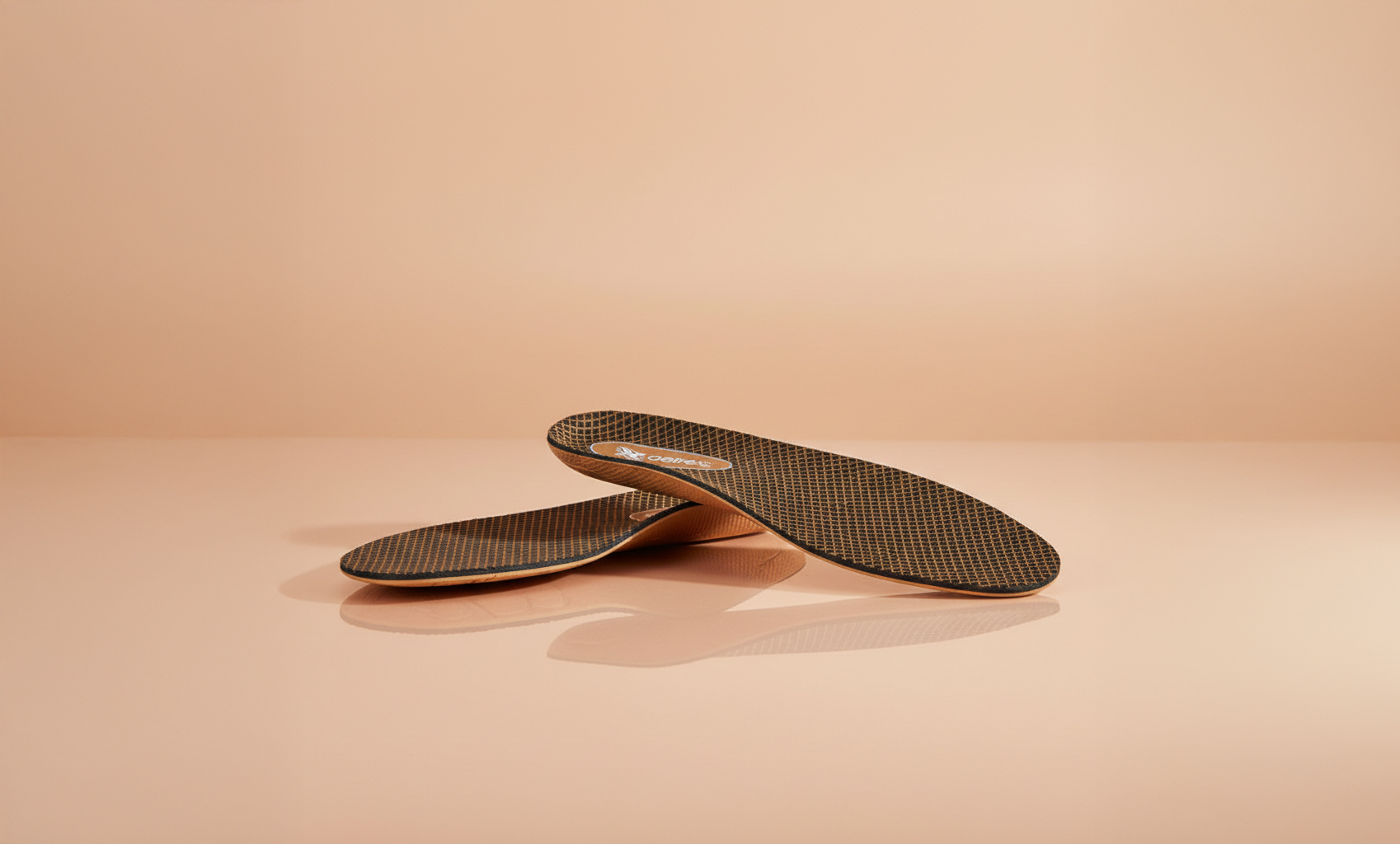
Whether you're on a job site all day or hitting the trails on the weekend, your boots are non-negotiable. But that sharp, nagging heel pain from plantar fasciitis can make you think you have to give them up. You don't. The real solution is transforming your boots from the inside. By adding high-quality boot insoles for plantar fasciitis, you get the critical arch support and alignment needed to stay comfortable. Aetrex orthotics are designed to address the root cause of pain, turning any boot into your most supportive pair of shoes.
Before you can find the right solution, it helps to understand what’s happening with your feet. Foot pain isn't just a random annoyance; it's your body's way of signaling that something is out of alignment. Conditions like plantar fasciitis, flat feet, and metatarsalgia are often interconnected, stemming from issues with pressure distribution and a lack of proper support. When your foot's natural structure isn't supported, it can set off a chain reaction of strain and inflammation. The good news is that by addressing the underlying mechanical issues with the right orthotic insoles, you can get back to living comfortably. Aetrex helps to provide this foundational support, addressing the root cause of discomfort rather than just masking the symptoms.
If you’ve ever felt a sharp, stabbing pain in your heel with your first steps in the morning, you’re likely familiar with plantar fasciitis. This common condition occurs when the plantar fascia—the thick band of tissue connecting your heel to your toes—becomes inflamed. The primary culprits are often activities that put a lot of stress on your feet, but the structure of your foot also plays a huge role. Factors like having flat feet or high arches can cause an uneven distribution of weight, straining the ligament. Consistently wearing shoes that lack adequate arch support, especially on hard surfaces, is another major contributor. Essentially, your plantar fascia is being overworked, and the resulting pain is its cry for help and proper support.
While plantar fasciitis often takes the spotlight, it rarely acts alone. Many common foot issues are related to improper foot alignment and pressure distribution, which is where the right insoles make a significant difference. Think of an orthotic insole as a way to restore your foot's natural footprint, providing support where it's needed most. This not only helps with heel pain but also addresses a range of other conditions that can develop when your feet aren't properly supported. By correcting your foot's alignment from the ground up, you can reduce strain on your knees, hips, and back, leading to better overall body mechanics and comfort throughout the day.
When it comes to arch support, one size definitely does not fit all. If you have flat feet, your arch collapses, causing your foot to roll inward. For high arches, the opposite is true—your arch is rigid and doesn't absorb shock well, placing excessive pressure on your heel and the ball of your foot. In both cases, a soft, flimsy insole won't do the trick. You need firm, structured support to properly align your foot. Aetrex helps to provide orthotics with signature arch support that controls overpronation for flat feet and distributes pressure evenly for high arches, reducing the strain that can lead to conditions like plantar fasciitis.
Over-pronation is a technical term for when your ankle rolls too far downward and inward with each step. This can throw your entire body out of alignment and is a common issue for people with flat feet. A quality orthotic with a deep heel cup is essential for managing this. The heel cup cradles the heel and holds your foot in a more stable position, preventing it from rolling inward. This stabilization is also beneficial for heel spurs, which are bony growths that can form due to long-term muscle and ligament strain. By correcting alignment, Aetrex orthotics help to reduce the tension that contributes to their formation.
That burning, aching sensation in the ball of your foot is known as metatarsalgia. It happens when the metatarsal bones become inflamed, often due to improper footwear, high-impact activities, or foot shapes that place extra pressure on the area. The right insole can make a world of difference by redistributing pressure away from the ball of the foot. Many Aetrex orthotics feature a metatarsal pad—a small, raised dome that sits just behind the ball of the foot. This feature helps to lift and spread the metatarsal bones, providing significant relief from inflammation and making every step more comfortable.
When you’re dealing with the nagging heel pain of plantar fasciitis, pulling on your favorite boots can feel like a challenge. But the right insole can make all the difference, turning your boots into a source of comfort and support. The key is finding an insole that provides structured support to relieve strain on your plantar fascia ligament. Let's look at some of the top options available to help you get back on your feet, pain-free.
When it comes to plantar fasciitis relief, Aetrex is in a class of its own. Aetrex Orthotics are specifically engineered to provide premium arch support that helps to properly align your foot. This alignment is crucial because it distributes pressure evenly across your foot and helps prevent the plantar fascia from overstretching with each step. What truly sets Aetrex apart is its signature arch support, which is designed to biomechanically support your foot and help relieve pain. For an even more personalized approach, Aetrex’s advanced foot scanners can give you a precise reading of your foot’s unique pressure points and arch type, ensuring you find the perfect orthotic for your needs.
When you’re dealing with plantar fasciitis, grabbing any old insole off the shelf just won’t cut it. To get real relief, you need to look for specific features that work together to support your foot’s structure. The right insole can make the difference between a day cut short by pain and a day where you feel comfortable and supported from morning to night. Here’s what to prioritize when you’re shopping for boot insoles.
Think of arch support as the foundation for your foot. While a soft, squishy insole might feel nice for a moment, it doesn’t provide the structural support needed to address the root cause of plantar fasciitis pain. Firm, structured arch support is essential because it helps to realign your foot into its proper position. This takes the strain off the plantar fascia ligament, which is the source of that sharp, stabbing heel pain. Aetrex helps to provide this by designing orthotics with signature arch support that cradles your arch and promotes better body alignment. This isn’t just about temporary comfort; it’s about creating a healthier environment for your feet with every step.
Your heel is where the plantar fascia ligament connects, so keeping it stable is crucial for pain relief. A deep heel cup is designed to cradle your heel’s natural fat pad, providing cushioning and preventing your foot from rolling inward or outward (a motion known as pronation). This stabilization is key to reducing stress on the ligament. When your heel is properly aligned, your entire foot functions more efficiently, which can significantly reduce pain. The combination of a deep heel cup and strong arch support creates a complete system that Aetrex helps to use for effective plantar fasciitis relief, ensuring your foot is secure and supported inside your boot.
Cushioning is important, but it has to be the right kind. The goal is to absorb the shock that travels through your foot and up your leg with every step, especially on hard surfaces. Look for insoles made with high-quality, resilient materials that provide shock absorption without sacrificing support. The best insoles place cushioning strategically at the heel and forefoot while maintaining firm support through the arch. Aetrex uses premium memory foam and other cushioning technologies that are designed to soften your step while the underlying structure keeps your foot properly aligned. You can use an Orthotic Finder to identify the perfect combination of cushioning and support for your specific needs.
A good pair of insoles is an investment in your comfort and health, so you want them to last. Durability is key, especially for insoles you’ll be wearing in sturdy work or hiking boots. Low-quality materials can compress and lose their supportive shape quickly, leaving you right back where you started. High-quality orthotics are made from materials that can withstand daily wear and tear without breaking down. Aetrex orthotics are designed for longevity, so you can transfer them between your favorite pairs of women's footwear or men's boots. This ensures you get consistent support and pain relief, no matter what shoes you’re wearing.
The insole that works wonders in your heavy-duty work boots might not be the right fit for your favorite ankle boots. Different activities and boot styles place unique demands on your feet. Let's break down what to look for based on how you’ll be wearing them, so you can find the perfect match for support and comfort.
When you spend long hours on your feet, your work boots need to do more than just protect them. Standing on hard surfaces all day can lead to significant foot fatigue and worsen conditions like plantar fasciitis. The solution is an insole with firm arch support to maintain proper alignment and reduce strain on your plantar fascia. A quality orthotic will also have ample cushioning to absorb shock, especially in the heel and forefoot. This combination helps you end your shift feeling supported, not sore. Aetrex offers a range of performance orthotics designed to provide this crucial, all-day relief.
On the trail, your feet deal with a whole different set of challenges. Uneven terrain and long distances demand an insole that delivers serious stability and alignment. Look for an orthotic with a deep heel cup to cradle your foot and prevent it from sliding, which helps reduce the chance of blisters. This stability, paired with supportive arch contact, is key to reducing foot fatigue on extended hikes. By keeping your foot in its ideal position, the right insole ensures your energy is spent enjoying the view, not thinking about foot pain. You can use an Orthotic Finder to match an insole to your specific arch type and needs.
You shouldn't have to choose between your favorite stylish boots and all-day comfort. The main challenge with casual boots is finding effective support that fits into a more streamlined design. This is where Aetrex truly excels. Aetrex Orthotics for plantar fasciitis feature our signature arch support, which helps to properly align your body from the ground up. This alignment is designed to relieve pressure on your heel and prevent the plantar fascia from overstretching. By distributing pressure evenly across your foot, these insoles provide incredible comfort without adding bulk, so you can feel as good as you look.
When you’re dealing with foot pain, you quickly realize that not all insoles are created equal. The market is filled with options, each claiming to be the best solution for your discomfort. So, how do you sort through the noise and find a brand that truly delivers on its promises? It comes down to looking closely at three key areas: the design of the arch support, the quality of the materials, and the overall value you get for your investment. Let's break down how the leading brands compare, so you can make a choice that feels right for your feet.
The heart of any good insole is its arch support, and this is where you’ll see the biggest differences between brands. Aetrex Helps to set the standard with our signature arch support, which is strategically placed to help align your body and relieve pressure on your feet, knees, and back. Our orthotics are designed not just to cushion your foot, but to provide biomechanical support that addresses the root cause of pain like plantar fasciitis.
Other brands take different approaches. Some create inserts specifically for demanding footwear like work boots, focusing on firm support to prevent foot fatigue during long days on your feet. You'll also find brands that offer specialized insoles for specific conditions, providing targeted support to the arch and heel. While these can be effective, Aetrex provides a more holistic approach, ensuring proper alignment from the ground up for all-day comfort in any shoe.
The materials an insole is made of directly impact its comfort, support, and durability. Aetrex uses a proprietary blend of materials, including advanced cushioning foams that absorb shock without compromising on support. This combination is crucial for plantar fasciitis relief, as it helps to reduce the stress on the plantar fascia ligament with every step you take. Our designs ensure that the cushioning is placed exactly where you need it most, from the heel to the ball of the foot.
Many other insoles on the market focus heavily on either firm support or soft cushioning, but rarely both. You might find very rigid orthotics that offer stability but feel hard underfoot, or gel-based insoles that feel plush at first but quickly lose their shape and support. Aetrex, however, focuses on creating the perfect balance of soft cushioning and firm, supportive materials to give you immediate comfort that lasts.
You’ll find EVA (ethylene vinyl acetate) foam in everything from running shoes to hiking boots, and for good reason. This material is a champion of shock absorption. Its unique closed-cell structure provides excellent cushioning that helps to soften the impact of each step without adding a lot of weight or bulk to the insole. For anyone dealing with plantar fasciitis, this is a huge benefit. Less shock traveling through your heel means less stress on that already-sensitive plantar fascia ligament. Aetrex helps to provide this comfort by incorporating premium, resilient foams into our orthotics, giving you that essential cushioning while the underlying structure maintains proper foot alignment.
On the other end of the spectrum is carbon fiber, a material known for its incredible strength and rigidity in a super lightweight package. Insoles made with carbon fiber are designed to provide firm, unyielding support. They are excellent at controlling foot motion and stabilizing the arch, which can be beneficial for severe over-pronation or for athletes looking to maximize energy return during high-impact activities. While this level of rigidity can be effective, it’s not always the most comfortable for all-day wear, especially if you're new to supportive insoles. The key is finding a balance, which is why Aetrex focuses on an approach that blends firm, biomechanical support with forgiving cushion for comfort that lasts.
If you’re looking for a natural material, cork is a fantastic choice. It’s not only sustainable and environmentally friendly, but it also has great functional properties. Cork is naturally shock-absorbent and has the unique ability to mold to the shape of your foot over time, using your body heat and pressure to create a personalized fit. This custom contouring can feel incredibly comfortable and supportive. While a molded fit is great for comfort, it’s important to remember that it conforms to your foot's current shape. Aetrex helps to go a step further by designing orthotics for flat feet and other conditions that guide your foot into a more ideal alignment, addressing the biomechanical issues that can lead to pain.
When it comes to foot health, value is about more than just the price tag. It’s about finding a durable, effective solution that provides lasting relief. Aetrex delivers exceptional value by combining premium materials with cutting-edge technology. Our foot scanners, available at retailers worldwide, provide a precise map of your feet, identifying your unique pressure points and arch type. This data helps you choose the perfect orthotic for a truly personalized fit, something you just can't get from a generic, off-the-shelf insole.
Of course, customer-friendly policies are also part of the value equation. Some brands build confidence with generous return policies, and others are highly recommended by podiatrists, which speaks to their effectiveness. At Aetrex, we believe the ultimate value comes from a product that is not only trusted by professionals but is also tailored to your specific needs, ensuring you get the most comfort and support possible.
Finding the right insole can feel like a game of chance, but it doesn't have to be. The perfect insole isn't just about the brand you choose; it's about finding the right fit for your specific feet and your favorite pair of boots. A great insole should feel like a natural extension of your foot, providing support exactly where you need it without cramping your style or your toes. Think of it as creating a custom foundation inside your boot that Aetrex helps to align your body from the ground up.
Before you add anything to your cart, it’s helpful to understand a few key factors. We’ll walk through how to get the sizing just right, match the insole to your boot type, and decide between a ready-to-wear or custom option. With the right information, you can confidently select an insole that provides lasting comfort and support, turning your go-to boots into the most comfortable shoes you own. Aetrex offers a wide range of orthotics designed with premium materials and signature arch support to address these very needs.
One of the most common mistakes people make is trying to cram a new insole on top of the one that came with their boots. For the best fit, you should always remove the original, factory insole from your boot to make room for your new orthotic insert. This ensures your boot doesn't become too tight, which can cause a whole new set of problems. Once you’ve taken the old one out, you can use it as a template. Place it on top of your new insole and trace around it, then simply trim the new insole along the line for a perfect, custom-like fit inside your boot.
While you should always start with an insole that matches your shoe size, the type of boot you're wearing is just as important. Bulky work or hiking boots often have more interior space, so they can accommodate a thicker, more cushioned insole designed for heavy-duty support. On the other hand, if you’re adding an insole to a more streamlined pair of casual or fashion boots, you’ll want to look for a thinner style. Aetrex helps to solve this by offering various orthotic profiles that provide signature arch support without adding unnecessary bulk, ensuring you get the relief you need in any boot.
The debate between custom and off-the-shelf orthotics can be confusing. While custom plantar fasciitis. For many people, these provide the perfect amount of arch support and cushioning. If you want a more personalized recommendation, Aetrex’s innovative foot scanners can identify your unique pressure points and arch type to help you find the ideal off-the-shelf option.
While supportive insoles are a powerful tool for managing foot pain, it's also important to know when professional medical advice is needed. If you've been using orthotics and other home remedies for a few weeks but your pain isn't improving, or if it suddenly gets worse, it's time to see a doctor or podiatrist. A professional can provide an accurate diagnosis to confirm it's plantar fasciitis and help you create a comprehensive treatment plan. Think of it this way: Aetrex helps to provide the daily foundation for better alignment and comfort, but a doctor can address underlying medical issues and guide your long-term recovery.
Getting a new pair of insoles is a fantastic step toward happier feet, but it’s not always an instant fix. Just like a new pair of shoes, your insoles and your feet need a little time to get acquainted. This break-in period is completely normal and is the first step on your path to better comfort and support. Knowing what to expect can make the transition smooth and successful, ensuring you get the full benefits of your new orthotics.
When you first slide your new insoles into your boots, you might notice some pressure under your arch. Don't worry—this is a good sign! It means the insole is providing support in places your foot isn't used to. The key is to ease into it. Start by wearing your insoles for just an hour or two on the first day, then gradually increase the time over the next couple of weeks. This gives your feet, ankles, and knees time to adapt to the new alignment. Rushing the process can lead to discomfort, so be patient and let your body adjust at its own pace.
To make the adjustment period as smooth as possible, here’s a simple schedule to follow. Think of it as a guideline, because the most important rule is to listen to your body. If you feel any sharp discomfort—not just the new feeling of pressure under your arch—it’s okay to take a break and try again tomorrow. The goal is to give your muscles and ligaments time to adapt to the new support provided by your orthotics. Aetrex helps to gently guide your feet into a healthier alignment, and this gradual introduction is the key to making the transition comfortable and effective.
Like your favorite pair of running shoes, insoles don't last forever. Over time, the materials that provide cushioning and support will start to break down. You might notice that your feet feel a bit more tired at the end of the day, or you may see visible signs of wear, like flattened cushioning or cracks in the material. A good rule of thumb is to replace your orthotics every 6 to 12 months, depending on your activity level and how often you wear them. Staying on top of this ensures you’re always getting the consistent support your feet need.
The materials used in an insole are the single biggest factor in how long it will last. A good pair of insoles is an investment in your comfort, so durability is key. Low-quality materials can compress and lose their supportive shape quickly, leaving you without the relief you need. This is why Aetrex focuses on using premium, durable materials in our orthotics. We use a proprietary blend of advanced cushioning foams designed to absorb shock and provide comfort without breaking down over time. Unlike overly rigid insoles that feel harsh or soft gel inserts that quickly lose their structure, Aetrex helps to create the perfect balance. This ensures you get consistent, reliable arch support for conditions like plantar fasciitis, giving you a product that is built for the long haul.
To get the best results, consistency is everything. Wear your insoles regularly, especially during activities that typically cause you pain. It can take several weeks of consistent use for your feet to fully adapt and for you to experience significant relief. It’s also crucial to make sure you have the right insole for your foot type. Using a tool like the Aetrex Orthotic Finder can help you identify your arch type and select the perfect match. The right insole provides targeted support where you need it most, which Aetrex helps to alleviate the strain that contributes to conditions like plantar fasciitis.
To get the most out of your investment in quality orthotics, a little care goes a long way. Keeping your insoles clean not only helps with odor but also preserves the materials, ensuring they continue to provide the support you need. The process is simple. First, always remove the insoles from your boots before cleaning. Hand wash them using a soft brush or cloth with a bit of mild soap and lukewarm water. It's important to scrub gently and avoid soaking them, as too much water can damage the supportive layers. Once they're clean, let them air dry completely, away from direct heat. Never put them in the washing machine or dryer, as high heat can warp the materials and ruin their supportive shape.
Once you know what to look for, the next step is finding where to buy the right insoles. Shopping from a trusted source ensures you get a high-quality, authentic product that will actually help your feet. It’s not just about the purchase, but the entire experience, from finding the right fit to knowing you’re covered if they aren’t perfect. Let’s walk through where to shop, how to get the best value, and what to look for in a good return policy.
The best place to start your search is directly on the Aetrex website. You’ll find the complete collection of orthotics, ensuring you see every available option. Plus, you can use helpful resources like the Orthotic Finder to get a personalized recommendation based on your foot type and needs. Buying directly from the brand guarantees you’re getting an authentic product designed to provide relief. You can also find Aetrex insoles at authorized specialty shoe stores, where trained staff can help you find the perfect fit for your boots.
Getting a great deal isn't just about finding the lowest price—it's about getting the best value for your money. A quality insole is an investment in your daily comfort. To make that investment even smarter, consider signing up for brand newsletters, which often provide early access to sales and exclusive discounts. Many reputable brands also offer free shipping on qualifying orders, which helps cut down on extra costs. The most valuable deal, however, is buying the right product the first time. Using a tool like the Aetrex Orthotic Finder helps you avoid the cost and hassle of purchasing the wrong insoles.
A company that stands behind its product will have a clear and fair return policy. This is especially important for insoles, as your feet may need time to adjust. Look for brands that offer a trial period or satisfaction guarantee. For example, Aetrex offers a 30-Day Wear Test, giving you a full month to wear your orthotics and make sure they feel great in your boots. If you’re not completely satisfied, you can return them for a full refund. This kind of risk-free trial lets you buy with confidence, knowing you’re not stuck with an insole that doesn’t work for you. Always read the fine print before you buy.
When you're comparing brands, the guarantee can tell you a lot about a company's confidence in its product. Aetrex sets a high bar with its 30-Day Wear Test. This isn't just a standard return policy; it’s a promise that you can actually wear the orthotics in your boots for a full month to see how they feel. If they don't provide the comfort you're looking for, you can return them for a full refund. This is a game-changer because it acknowledges that your feet need time to adjust. In contrast, some other brands have much stricter policies. You might find shorter return windows or policies that only accept returns on unworn products, which doesn't help you test for real-world comfort. A risk-free trial like the one Aetrex offers lets you invest in your foot health with complete peace of mind.
Will adding an orthotic make my boots feel too tight? This is a common concern, but it's easily avoided. For the best fit, you should always take out the thin, flimsy liner that came with your boots before putting in your new orthotic. This creates the space you need. Also, consider the style of your boot. A rugged work boot can handle a thicker, more cushioned insole, while a sleeker fashion boot will pair better with a lower-profile orthotic that provides support without the extra bulk.
Why is firm arch support better than a soft, gel-like insole for plantar fasciitis? While a squishy gel insole might feel good for a moment, it doesn't address the underlying problem. Plantar fasciitis pain comes from strain on a ligament, and that requires structural support, not just soft cushioning. A firm, supportive arch helps to properly align your foot, which distributes pressure more evenly and takes the stress off that strained ligament. It’s about creating a stable foundation for your foot to function correctly.
How do I know which insole is the right one for my specific feet? Finding the right match is key to getting relief. While you can make an educated guess based on your foot's general shape, the most accurate way is to get more specific data. Using a tool like the Aetrex Orthotic Finder can give you a personalized recommendation online. For an even more precise fit, visiting a location with an Aetrex foot scanner will map your unique pressure points and arch type, pointing you to the exact orthotic that will support your foot where you need it most.
How long will it take for my heel pain to feel better after I start wearing new insoles? While some people feel immediate comfort, it's important to remember that your body needs time to adjust to the new support. You should ease into wearing your new insoles, starting with just a few hours a day and gradually increasing the time over a week or two. Consistent use is the most important factor. For many, significant relief from plantar fasciitis pain comes after several weeks of wearing the orthotics regularly, as your foot and body adapt to a healthier alignment.
Can I use the same pair of insoles in all my different boots? Absolutely! A high-quality pair of orthotics is an investment in your foot health, and they are designed to be moved between different pairs of shoes. As long as the boots have a similar interior shape and volume, you can easily transfer your insoles. This ensures you get consistent support and pain relief whether you're in your work boots, hiking boots, or casual ankle boots.
Share:
The Ultimate Guide to Boots for Plantar Fasciitis
Your Guide to Custom Orthotics for Steel Toe Boots