

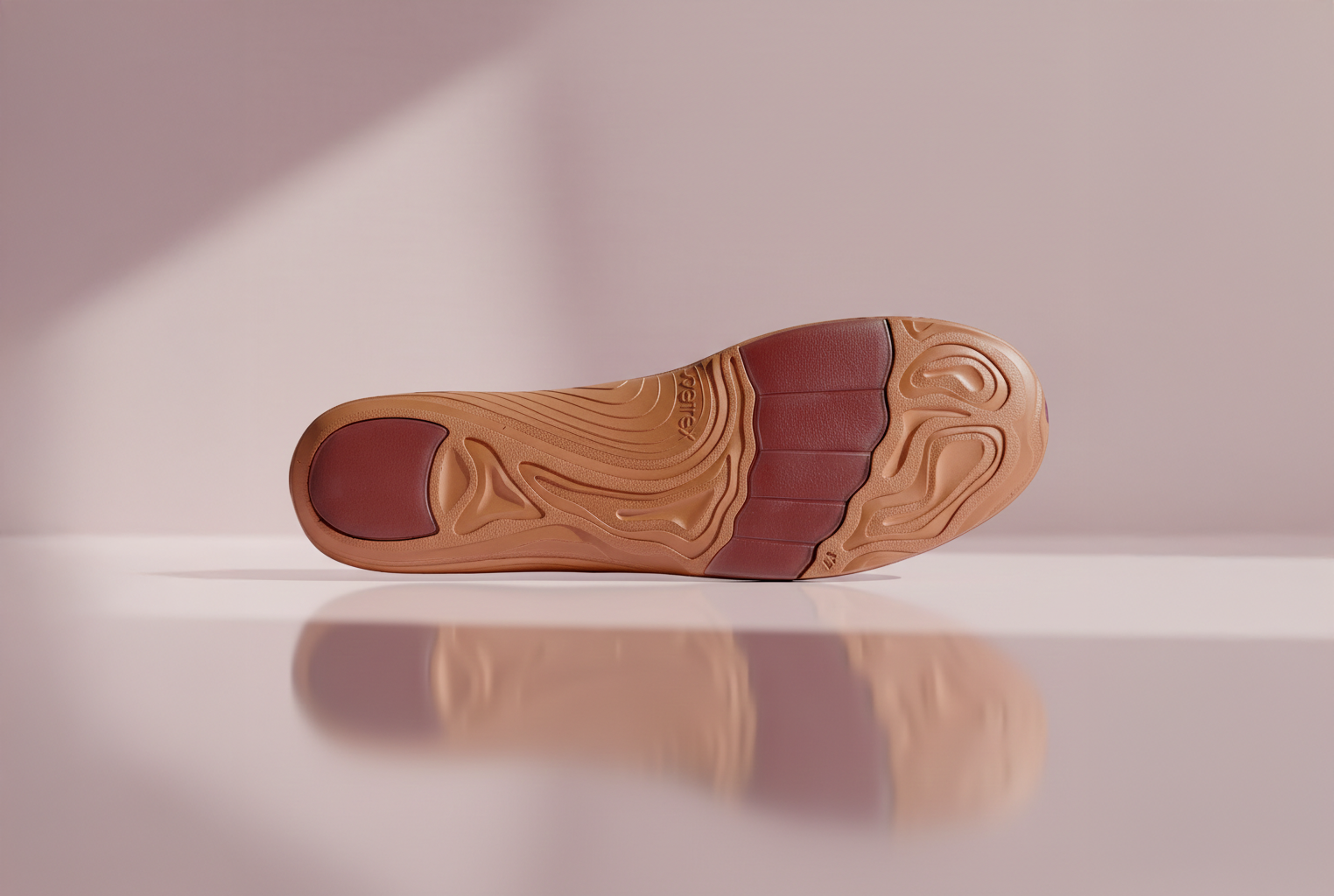
When you hear "orthotics," you probably picture bulky, old-fashioned inserts. But modern foot support has come a long way. Today, the best solutions are driven by technology for a truly personalized fit. A generic, off-the-shelf insole is a one-size-fits-all guess that ignores your unique foot shape and pressure points. Aetrex does it differently. We use state-of-the-art foot scanning technology to gather precise data about your feet. This information helps us match you with the perfect custom orthotics for steel toe boots, so you get targeted support exactly where you need it.
If you’ve ever walked down the pharmacy aisle, you’ve seen walls of gel inserts and foam cushions promising instant relief. It’s easy to think these are the same as custom orthotics, but they are worlds apart, especially when you’re on your feet all day in heavy boots. Understanding the distinction is the first step toward finding real, lasting comfort.
Standard, over-the-counter insoles are designed for one primary purpose: cushioning. They can add a layer of softness to your boots and might provide some temporary relief, but they offer a one-size-fits-all approach. They aren’t built to address your specific foot shape, arch type, or any underlying biomechanical issues causing your pain. They’re a generic solution for a very personal problem.
Custom orthotics, on the other hand, are engineered for support and correction. These are medical devices designed to accommodate your unique foot structure. The goal isn’t just to cushion your foot, but to provide targeted support that helps align your feet, ankles, and even your entire body. This makes them far more effective for managing conditions like plantar fasciitis, flat feet, or metatarsalgia.
This is where technology plays a crucial role. Aetrex uses advanced foot scanning technology to gather hundreds of precise data points about your feet, including your arch height and pressure points. This information helps match you with an orthotic that provides a personalized fit and targeted support right where you need it. While a standard insole is a temporary fix, a high-quality orthotic is an investment in your long-term foot health and daily comfort.
Your steel toe boots are non-negotiable for safety on the job, but that protection often comes at the expense of comfort. If you spend your days on hard, unforgiving surfaces, you know that the standard-issue insoles inside most work boots just don't cut it. They’re typically thin, flimsy, and offer little to no support for the unique shape of your feet. Over time, this lack of support can lead to persistent pain and fatigue that you feel long after you’ve clocked out. Upgrading your boots with the right orthotics isn't a luxury—it's an essential step toward protecting your foot health and making your workday more comfortable.
Steel toe boots are built to be tough and rigid to shield your feet from impact and compression. While this construction is great for safety, it creates a challenging environment for your feet. The standard insoles are often an afterthought, providing minimal cushioning and zero arch support. Replacing them with high-quality orthotics can completely change how your boots feel and help reduce foot pain. For anyone spending eight or more hours standing, walking, or working on their feet, proper support is crucial. It’s the difference between ending your day with sore, tired feet and feeling ready for whatever comes next.
When you think about safety boots, the protective toe cap is probably the first thing that comes to mind. It’s the armor for your feet, designed to shield them from external dangers like impact and compression. But what about the part that supports you from the inside? That’s where an orthotic insert comes in. While the toe cap is your first line of defense in a hazardous work environment, a high-quality orthotic provides the internal structure your foot needs to handle long hours of standing and walking. They serve two very different, but equally important, purposes for your overall well-being on the job. A safe boot doesn't automatically mean a comfortable one, and that's a distinction that can make or break your day.
The material of your toe cap matters. Steel is the traditional choice—it’s incredibly strong and resistant to punctures. However, it’s also the heaviest option and can conduct heat or cold. Newer materials like composites are much lighter and offer better temperature insulation, which can make a big difference in comfort over a long shift. While the choice of toe cap material affects the boot's weight and feel, it doesn't change the fact that the factory insole is likely flat and unsupportive. No matter what your toe cap is made of, adding a quality orthotic is the key to transforming a safe boot into a comfortable one that Aetrex helps to support your specific arch type.
Safety footwear has to meet strict global standards to be sold for workplace use. For example, many regulations require a toe cap to withstand a significant impact of 200 Joules and a compression force of 15 Kilonewtons. In simple terms, this means your boot is tested to protect you if a heavy object falls on it or it gets crushed. These regulations are crucial for preventing serious injuries, but they are focused entirely on external protection. They don't say anything about arch support, alignment, or preventing the kind of foot pain that builds up over a long day. That’s why pairing a certified safety boot with a supportive orthotic is the complete solution for both safety and comfort.
That nagging ache in your arch or the sharp pain in your heel isn't something you just have to live with. These are often signs that your feet are not getting the support they need. Because most work boots lack adequate arch support, they can worsen common foot problems like plantar fasciitis, flat feet, and general foot fatigue. Many painful conditions are made worse by the very boots designed to protect you. Aetrex helps to alleviate these issues by providing targeted arch support that cradles your foot, properly aligns your body, and distributes pressure evenly. Investing in the right support can make a world of difference for conditions like plantar fasciitis and help you stay comfortable and productive all day long.
Swapping out the flimsy factory insoles in your steel toe boots for a pair of custom orthotics is one of the best things you can do for your feet—and the rest of your body. It’s not just about adding a layer of cushion. It’s about providing your feet with the specific support they need to handle long hours on hard surfaces. Think of it as building a better foundation. When your feet are properly supported, you can reduce daily aches, improve your body's alignment, and take proactive steps to protect your long-term foot health.
If you end your workday with aching feet, you know how draining it can be. Standard insoles offer generic cushioning, but they don’t address the root cause of your discomfort. Custom orthotics are designed to support your unique foot structure, addressing imbalances that lead to pain. Aetrex Helps to provide targeted relief for a wide range of common issues, including plantar fasciitis, bunions, and metatarsalgia. By distributing pressure evenly across your feet and cushioning key areas, the right orthotics can make a significant difference in your daily comfort, helping you stay focused on your job instead of your feet.
Your feet are the foundation for your entire body. When they aren't properly supported, it can create a chain reaction of misalignment that affects your knees, hips, and even your back. Steel toe boots are rigid by nature and often lack the arch support needed to maintain proper foot posture. Custom orthotics are built to match the specific contours of your arches, whether you have high arches, low arches, or something in between. This personalized support helps stabilize your feet, promoting better alignment and a more balanced posture from the ground up. It’s a simple change that can have a major impact on your overall well-being.
Ignoring persistent foot pain is a recipe for more serious problems down the road. What starts as a minor ache can develop into a chronic condition that limits your mobility and quality of life. Using custom orthotics is a proactive way to care for your feet. By providing consistent support and correcting biomechanical issues, Aetrex Helps to manage conditions like flat feet and may prevent the progression of issues like bunions or shin splints. Investing in quality orthotics for your work boots isn't just about feeling better today; it's about protecting your foot health for years to come.
Choosing the right orthotic for your work boots can feel overwhelming, but it boils down to a few key elements. The flimsy insoles that come standard in most steel toe boots just aren't built for long hours on your feet. They typically lack the structure needed to properly support you through a demanding workday. When you start shopping for an upgrade, you’re looking for a combination of the right support, modern technology, and durability that matches your job’s intensity. Focusing on these areas will help you find an orthotic that doesn’t just feel good for a day, but supports your overall foot health for the long haul.
The single most important feature to look for in an orthotic is strong arch support. Think of your arch as the foundation for your entire body. When it’s properly supported, it helps align your feet, knees, hips, and back, which can significantly reduce pain and fatigue after a long shift. Aetrex helps to provide this by designing orthotics with a signature arch placement to support your body from the ground up. Beyond the arch, look for materials that offer both cushioning and durability. A memory foam top layer can provide immediate comfort, while a firmer base ensures the orthotic maintains its shape and supportive qualities day after day.
Not all orthotics are created equal, and technology is a major reason why. Modern
Your job's demands should directly influence your choice of orthotic. If you spend your days walking on hard, unforgiving surfaces like concrete, shock absorption becomes a top priority. You need an orthotic built from durable materials that can withstand constant impact without flattening out. This resilience is key to managing and preventing painful conditions like plantar fasciitis or general foot fatigue. Look for orthotics specifically designed for high-impact activities or work environments. A well-made orthotic will provide consistent support throughout your entire shift, helping you stay comfortable and focused on the task at hand.
It’s easy to brush off foot pain as just another part of a hard day's work, but your body is often trying to tell you something important. Ignoring persistent aches can lead to more significant issues down the road. If you’re spending your days in heavy steel toe boots, paying attention to these signals is crucial for your long-term health and comfort. The right support can make a world of difference, turning a grueling shift into a manageable one.
Recognizing the signs early is the first step toward finding relief. Whether it’s a dull ache that never seems to fade or a sharp pain that stops you in your tracks, these are indicators that your feet aren't getting the support they need from your work boots alone. An over-the-counter insole might provide some temporary cushioning, but it won’t address the underlying biomechanical issues causing the discomfort. That’s where a more personalized solution comes in.
Your feet are the foundation of your body, and when they’re in distress, they’ll let you know. If you consistently experience foot fatigue, arch pain, or heel discomfort during or after your workday, it’s a clear warning sign. Don’t dismiss recurring issues like shin splints, knee pain, or even lower back aches, as these can often be traced back to poor foot alignment. A history of foot or ankle injuries also makes you more susceptible to problems. Understanding your unique foot profile with tools like Aetrex’s foot scanners can provide valuable insights into your pressure points and arch type, helping you identify exactly what kind of support you need.
From a medical standpoint, orthotics are much more than simple shoe inserts. They are considered therapeutic devices designed to support your feet and correct biomechanical imbalances that cause pain. This is why a personalized approach is so important for many foot and ankle conditions. Aetrex Helps to provide this level of targeted support by using data to match your unique foot profile with the right orthotic, addressing the root cause of discomfort rather than just masking it with cushioning. This focus on proper alignment is key to finding effective, long-term relief.
If you've ever gotten conflicting advice about orthotics, you're not alone. Opinions can vary because the effectiveness of an orthotic depends almost entirely on getting the right fit for your specific needs. A negative experience often comes from using a generic, off-the-shelf insole that doesn't match a person's unique arch height or pressure points. These one-size-fits-all solutions can't provide the corrective support that many foot conditions require. This is where technology makes all the difference. Aetrex bridges the gap by using advanced foot scanning technology to analyze your feet and recommend an orthotic with a precise fit. This data-driven method ensures you get the targeted support that medical experts agree is crucial for relief, helping you avoid the trial-and-error that comes with generic options.
Certain foot conditions require more than just basic cushioning; they need targeted support to function properly. Custom orthotics are designed to address specific imbalances in your feet. If you have common conditions like plantar fasciitis, flat feet, or high arches, the rigid environment of a steel toe boot can make symptoms worse. Aetrex helps to provide relief for a wide range of issues, including Achilles tendonitis, bunions, and metatarsalgia. By providing proper alignment and support, quality orthotics can also serve as a proactive measure, helping to prevent injuries before they start and keeping you comfortable on the job.
Finding the right orthotic for your steel toe boots can feel like a huge task, but it’s one of the best things you can do for your feet, and really, your whole body. When you’re standing on hard surfaces all day, the standard insoles that come with your boots just don’t cut it. You need something that’s built to support your specific foot shape and address your pain points. The good news is that there are excellent options out there designed to provide relief and keep you comfortable through the longest shifts. Let’s look at some of the best choices available.
When it comes to finding the perfect balance of support and comfort, Aetrex stands out. What makes Aetrex different is its focus on technology to create a personalized fit. Using data from millions of foot scans, Aetrex orthotics are designed with signature arch support that helps to align your body from the ground up. This isn’t just about soft cushioning; it’s about providing a firm, supportive foundation that helps to relieve pressure on your heels and forefoot. The high-quality materials are specifically chosen to reduce pain and absorb shock, which is essential inside a rigid steel toe boot. Instead of a one-size-fits-all solution, Aetrex uses technology like its innovative foot scanners to help you understand your unique pressure points and arch type, guiding you to the orthotic that will give you the most relief.
While Aetrex leads with its tech-driven approach, it’s helpful to know what defines other quality orthotics. Traditionally, custom prescription
Orthotics generally fall into a few categories based on their firmness and function. Rigid orthotics are often made from materials like carbon fiber and are designed to control motion. Semi-rigid orthotics offer a blend of control and flexibility, using layers of firm and soft materials to provide balanced support. Finally, accommodative orthotics are the softest and are primarily for cushioning and pressure relief, which can be great for conditions like metatarsalgia. The materials are just as important. You’ll find everything from memory foam for plush comfort to cork for firm, shock-absorbing support. The best choice for steel toe boots is often a semi-rigid orthotic that combines a supportive shell with a comfortable top layer to give you both structure and cushioning.
When you start looking at orthotics, you’ll notice they come in different levels of firmness. Rigid orthotics, often made from materials like carbon fiber, are designed to control motion and are best for specific biomechanical issues. On the other end, soft or accommodative orthotics are all about cushioning and relieving pressure, which is great for sensitive feet. For the demanding environment of a steel toe boot, a semi-rigid orthotic is often the sweet spot. It provides a perfect blend of flexible, yet firm, support to guide your foot into proper alignment without feeling too harsh. Aetrex orthotics are engineered to offer this balanced support, giving you the structure you need with the cushioning you want.
Extremely rigid orthotics, like those with carbon or metal plates, are typically reserved for severe cases of overpronation or other conditions requiring maximum motion control. While effective for some, they can feel unforgiving inside an already stiff work boot. A more modern approach focuses on specialized support that doesn't rely solely on rigidity. Aetrex helps to provide targeted relief for common foot conditions like plantar fasciitis, flat feet, and high arches by using data-driven designs. This ensures you get support precisely where your foot needs it, helping to correct imbalances without sacrificing comfort. It’s a smarter way to manage foot pain in a demanding work environment.
The real magic of a high-quality orthotic is in its construction. It’s not just one material, but a thoughtful combination of layers working together. Top-tier orthotics often feature multiple layers of materials with different densities, like soft memory foam for immediate comfort and a firmer base for lasting support. Aetrex masters this by layering materials like high-tech polymers and memory foam to create an orthotic that cushions, supports, and molds to your foot. This multi-layer approach ensures that different parts of your foot get the specific support and flexibility they need, providing a truly customized feel. You can use a tool like the Aetrex Orthotic Finder to see how this technology can match your unique needs.
When you’re dealing with foot pain, the wall of insoles at the drugstore can seem like an easy fix. But when you spend all day in heavy steel toe boots, a generic, one-size-fits-all solution often falls short. The choice between an over-the-counter insole and a more personalized orthotic is a big one, and it comes down to understanding your unique needs. Think of it this way: an off-the-shelf insole is like a generic cushion, while a custom-fit orthotic is built to support your foot’s specific structure and movement. These generic options can't account for whether you have flat feet, high arches, or specific pressure points that need relief.
For anyone in a demanding job, providing your feet with the right foundation is crucial for comfort and long-term health. While truly custom orthotics often require a prescription from a podiatrist, technology has created a great middle ground. Aetrex uses advanced foot scanning technology to gather precise data about your feet—including your arch type and pressure points—to recommend the perfect orthotic. This approach gives you a personalized fit without the long wait or high cost of traditional custom options, ensuring your work boots feel comfortable from the first step to the last.
Before you commit to expensive, prescription orthotics, it’s a great idea to see what a high-quality, over-the-counter option can do for you. This is a smart way to figure out if orthotic support is the right solution for your foot pain without a major upfront cost. But don't confuse a quality orthotic with the flimsy gel inserts you find at the drugstore. While those only provide temporary cushioning, a well-designed orthotic offers the essential arch support needed to properly align your foot and provide lasting relief. Aetrex helps to bridge this gap by offering orthotics that provide a personalized fit based on data from advanced foot-scanning technology, giving you targeted support for conditions like plantar fasciitis. It's an effective and accessible first step toward all-day comfort in your work boots.
A professional fitting or a detailed foot scan goes far beyond just matching your shoe size. It’s a complete biomechanical evaluation that looks at how your feet, and by extension your entire body, move. This personalized approach ensures that an orthotic does more than just cushion your step; it helps to realign your feet, which can relieve pressure on your knees, hips, and back. A proper fitting identifies your specific foot structure and any underlying issues, providing targeted support right where you need it. This is why a data-driven recommendation makes such a significant impact on your overall comfort and well-being.
Many people start with off-the-shelf insoles because they’re inexpensive and easy to find. While they can offer some temporary cushioning, they lack the specific support needed for unique foot shapes or conditions like plantar fasciitis. For long hours in steel toe boots, this generic approach often isn’t enough. Aetrex Orthotics, on the other hand, are designed with specific foot types and conditions in mind. They are a safe, effective solution that provides the targeted arch support and alignment needed to keep you comfortable and pain-free on the job, making them a worthwhile investment in your daily comfort.
Let's clear the air. When you start looking into custom orthotics, you'll probably run into some common myths that can be confusing. It's easy to get the wrong idea, so let's bust a few of the biggest misconceptions, especially when it comes to using them in your steel toe boots.
The truth is, foot pain doesn’t check your ID. People of all ages can experience discomfort, especially if you spend your days on your feet in heavy work boots. Think of orthotics as part of a proactive approach to your physical health. Providing your feet with proper support now is a smart move for your long-term well-being, no matter your age.
It’s true that custom orthotics are an investment, but they are designed to provide targeted support that can help prevent more significant, and potentially more expensive, issues down the road. By creating better balance and alignment, you're investing in your daily comfort and helping to protect your body from the strain of a demanding job.
You might worry that you'll need a whole new set of shoes to go with your new orthotics. Thankfully, that's not the case. High-quality orthotics are designed to be versatile and can fit into a wide variety of footwear, including your go-to steel toe boots. The goal is to add superior support to the shoes you already rely on for work.
It's important to have realistic expectations. While orthotics are incredibly effective, they aren't a magic wand. Instead, they are a powerful tool for providing relief and support. Aetrex helps to manage discomfort from conditions like plantar fasciitis and flat feet by properly supporting the arch and realigning the foot to reduce stress on sensitive areas.
The thought of putting something new and rigid in your boot might sound uncomfortable, but the idea that orthotics are painful to get used to is outdated. Modern orthotics are designed with comfort in mind. There will be a short adjustment period as your feet adapt to the new support, but it shouldn't be a painful process.
Deciding to try custom orthotics is a fantastic step toward taking care of your feet, especially if you spend all day in demanding footwear like steel toe boots. It’s normal to have questions about what the process is like. Forget any old stories you’ve heard about orthotics being bulky or uncomfortable. Modern orthotics are designed with advanced technology and materials to provide targeted support right where you need it, making them a safe and effective solution for a wide range of foot and ankle conditions.
Think of it as a personalized support system for your entire body, starting from the ground up. Custom orthotics are medical devices created to address your specific foot imbalances. They can be a game-changer for providing relief and comfort for a wide range of conditions, from plantar fasciitis to general foot fatigue. By supporting your arch and controlling pronation, they help improve your body's alignment and reduce strain on your feet, ankles, and even your back. The journey starts with a consultation and ends with you walking more comfortably. Let’s walk through what you can expect, from your first fitting to making your orthotics a seamless part of your daily routine.
Your first consultation is all about getting to know your feet. A specialist will likely ask about your lifestyle, your job, the type of shoes you wear, and any pain you’re experiencing. The goal is to understand the unique pressures and strains your feet endure. This is where technology plays a huge role. Aetrex uses state-of-the-art foot scanners to get a precise, digital map of your feet. This scan identifies your arch type and pressure points with incredible accuracy, taking the guesswork out of the equation. This data is then used to create an orthotic that provides the exact support your foot needs to maintain proper alignment and function.
Once you have your new orthotics, your body needs a little time to adjust to the new support. This is completely normal. Start by wearing your orthotics for just one to two hours on the first day. Then, you can gradually add an hour of wear time each day. Your feet, and even your legs and back, are getting used to a new, healthier alignment. You might feel the support in your arch, which is a good sign! If you experience any significant discomfort, take them out and try again the next day. The key is to listen to your body and ease into it. Soon, you won't want to go without them.
Your orthotics work hard for you, so a little care will go a long way in making them last. To keep them in great shape, take them out of your shoes at the end of the day to let them air out. If they get dirty, you can simply wipe them down with a damp cloth and a mild soap—just be sure to let them air dry completely. Avoid exposing them to extreme heat, like leaving them in a hot car or putting them in a dryer, as this can damage the materials. Taking care of your orthotics is a simple but important part of a proactive approach to your overall physical health and injury prevention.
Your orthotics work hard inside your boots all day, so a little daily attention will keep them in top condition. The best habit you can get into is taking them out of your boots each night to let them air out. This simple step helps prevent moisture buildup and keeps them fresh. When it’s time for a cleaning, skip the washing machine. Instead, just wipe them down with a damp cloth and a bit of mild soap. Once they’re clean, let them air dry completely before putting them back in your boots. Proper care ensures your orthotics continue to provide the support you rely on, making it a crucial part of your daily routine.
One of the most important things to remember is that your orthotics and extreme heat do not mix. The specialized materials that provide their unique support can be damaged or warped by high temperatures. This means you should never leave them in a hot car, place them near a radiator, or even think about putting them in a clothes dryer. Heat can permanently alter their shape, which would compromise the personalized support they’re designed to give you. Storing them at room temperature and away from direct sunlight is all you need to do to protect their structure and ensure they last as long as possible.
Once you’ve decided that custom orthotics are the right move for your work boots, the next step is figuring out where to get them. Your two main paths are buying in-person or ordering online, and each has its own process. Understanding the differences will help you choose the best route for your feet and your lifestyle.
Getting the right fit is everything, which is why an in-person fitting using advanced technology is often the best approach. Aetrex uses state-of-the-art foot scanners to gather precise data about your specific foot pressure points, arch type, and alignment. This technology provides a detailed map of your feet, ensuring the orthotic is truly customized to your unique needs. This data-driven method removes the guesswork and helps to provide a level of accuracy that’s hard to match.
Of course, online options offer a different kind of convenience. Some companies will mail you a kit to make a foam mold of your feet at home, which you then send back for them to create your orthotics. While this can be a straightforward process, it relies on you creating a perfect impression. Other brands offer a wide range of insoles designed for work boots, but they may not offer the same degree of personalization as a true custom-fit orthotic.
Investing in your foot health is one of the best things you can do for your overall well-being, especially when you’re on your feet all day. Custom orthotics can range in price, often costing several hundred dollars. Think of it not as a purchase, but as a long-term investment in comfort and pain prevention. High-quality, custom-fit orthotics are built to last and provide consistent support that over-the-counter options simply can't.
The good news is that you may not have to pay the full cost out-of-pocket. Many people can use funds from a Health Savings Account (HSA) or Flexible Spending Account (FSA) to purchase their orthotics. Since they are a medical device designed to address specific foot conditions, they typically qualify as a medical expense. Be sure to check the details of your plan, as this can make a significant difference in affordability.
Traditionally, true custom orthotics are medical devices that require a prescription from a doctor, like a podiatrist. These are typically prescribed to address significant biomechanical issues, such as severe pronation or uniquely shaped feet. However, technology has created a fantastic middle ground that offers a personalized fit without the need for a doctor's visit. Aetrex uses advanced foot scanning technology to gather hundreds of data points about your feet, including your arch height and pressure points. This allows you to get a data-driven recommendation for an orthotic that provides targeted support, making it a highly effective and accessible option for finding relief.
Navigating insurance can be tricky, and unfortunately, many health insurance plans do not cover the cost of custom orthotics, even with a prescription. Coverage can vary widely, so it's always worth checking with your provider to see what your specific plan entails. However, there's another great option to consider. Because orthotics are considered medical devices designed to address specific foot conditions, they are typically an eligible expense for a Health Savings Account (HSA) or Flexible Spending Account (FSA). Using these pre-tax funds can make investing in your foot health much more affordable, allowing you to get the support you need without breaking the bank.
Will adding an orthotic make my steel toe boots feel too tight? This is a common concern, but most quality orthotics are designed to replace the flimsy, removable factory insole that came with your boots, not to be added on top of it. This swap usually results in a fit that feels more supportive and secure, not tighter. Aetrex orthotics are engineered to have a slim profile while still providing the essential arch support you need, ensuring they fit comfortably inside your work boots without cramping your toes.
How are Aetrex orthotics different from the insoles I can buy at a drugstore? The gel and foam insoles you find at the pharmacy are primarily designed for generic cushioning. They offer a temporary, soft layer but lack the structure to address the root cause of foot pain. Aetrex orthotics are fundamentally different because they are built for support and alignment. Using data from advanced foot scanning technology, they provide targeted arch support that helps to properly align your feet and entire body, offering a more personalized and effective solution for all-day comfort.
How long does it take to get used to wearing new orthotics? Your body will need a short adjustment period as it gets used to the new, proper support. We recommend wearing your new orthotics for just an hour or two the first day and gradually increasing the time over the next few days. You might feel the new support in your arch, which is a good sign that the orthotic is doing its job. The process shouldn't be painful, and soon you'll likely find you don't want to go without them.
Do I need a doctor's prescription to get Aetrex orthotics? No, you don't need a prescription to get Aetrex orthotics. While traditional custom orthotics require a visit to a podiatrist, Aetrex uses its innovative foot scanning technology to gather precise data about your arch type and pressure points. This allows you to get a personalized, supportive fit that addresses your specific needs without the time and expense of a doctor's visit.
How often will I need to replace my orthotics? The lifespan of your orthotics depends on how often you wear them and the intensity of your work. Generally, a high-quality pair used daily in demanding conditions should be replaced every year or so. You'll know it's time for a new pair when you notice visible signs of wear or feel that the supportive structure isn't as firm as it used to be. Investing in a new pair annually is a great way to ensure you're always getting the best possible support.
Share:
5 Best Boot Insoles for Plantar Fasciitis
5 Best Heavy Duty Orthotics for Work Boots