

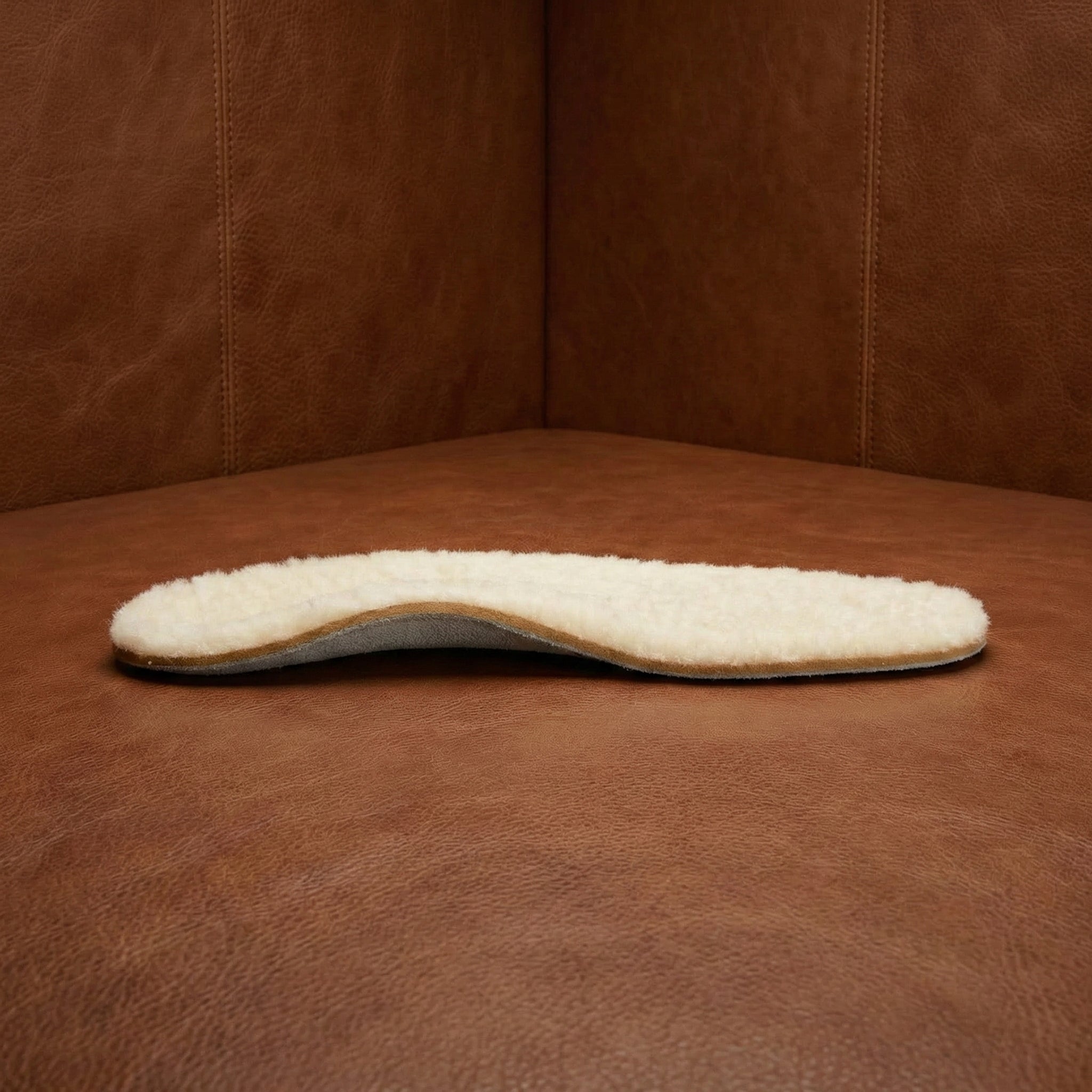
Your work boots are an investment in your safety, protecting you from job site hazards. But what’s protecting you from the daily grind of standing on concrete for hours on end? The real investment in your well-being starts from the inside out. Upgrading to heavy duty orthotics for work boots is one of the most important things you can do for your long-term health. These aren't just comfortable inserts; they are biomechanically designed tools that provide the structural support your body needs to prevent fatigue and chronic pain. Think of them as essential equipment. In this article, we’ll explore the benefits, compare the best options, and show you how to choose the right pair to keep you strong and comfortable on the job.
If you’ve ever peeled the flimsy insert out of a new pair of work boots, you know it’s not built for the long haul. That’s where heavy-duty orthotics come in. Unlike the basic insoles that offer minimal cushioning, heavy-duty orthotics are engineered to provide serious, structured support for your feet, especially when you’re putting in long hours on demanding surfaces. They have a biomechanical design that properly aligns your feet, absorbs shock, and distributes pressure evenly. Heavy-duty orthotics are built to handle the daily grind, giving you the stability and comfort your feet need to prevent pain before it starts.
The term "heavy-duty" isn't just a marketing buzzword; it refers to a specific design. These orthotics are constructed to provide robust support and substantial cushioning for people who spend significant time on their feet in tough work environments. They are built from resilient materials that withstand greater stress and repeated impact without compressing or losing their shape. This construction provides essential stability for your feet and ankles, which helps reduce muscle fatigue in your feet, legs, and back. By absorbing shock and controlling foot motion, heavy-duty orthotics help prevent the aches that come from standing on hard surfaces all day.
The secret to a great heavy-duty orthotic lies in its materials. You won't find basic foam here. Instead, premium orthotics are crafted from advanced materials designed for both comfort and longevity. Aetrex orthotics, for example, use materials like polyurethane and memory foam, featuring the Aetrex Signature Arch Support. This combination provides a soft, cushioned layer to cradle your foot while a firmer base helps maintain proper alignment. This multi-layer approach ensures the orthotic can absorb shock effectively, distribute your body weight evenly, and provide consistent support that lasts through countless shifts.
Your work boots protect your feet from external hazards, but the factory insoles rarely offer the support needed for your internal well-being. Upgrading them with a heavy-duty orthotic is one of the best things you can do for your comfort and health. Aetrex Helps to ease pain from common foot problems like plantar fasciitis, flat feet, and general arch pain, which are common for those working on hard floors. By providing proper arch support and alignment, these orthotics can improve your posture and reduce strain on your joints. This not only makes you more comfortable but can also make your workplace safer by reducing fatigue.
If you spend your days on your feet, you know that the standard insoles in most work boots just don't cut it. They're often flimsy pieces of foam that offer little more than a thin barrier between you and the ground. Making the switch to a heavy-duty orthotic is one of the best things you can do for your body. It’s not just about immediate comfort; it’s about providing the foundational support your body needs to handle the demands of a long workday, day in and day out. Think of it as an essential upgrade to your most important piece of equipment—your footwear.
Constant standing and walking on hard surfaces can lead to persistent pain not just in your feet, but in your ankles, knees, and even your lower back. This happens because the impact of each step sends shockwaves up your body. Heavy-duty orthotics are designed to absorb that shock. Aetrex helps to alleviate this discomfort by providing superior cushioning and arch support that cradles your foot. This support helps to reduce stress on sensitive areas like the heel and the ball of the foot, which is especially helpful for conditions like plantar fasciitis. By properly supporting your feet, you can significantly reduce those end-of-day aches and pains.
Have you ever noticed how your feet feel okay in the morning but are screaming by the end of your shift? That’s often because basic insoles compress and lose their cushioning power quickly. Heavy-duty orthotics are built from more resilient, high-tech materials designed for lasting performance. Aetrex orthotics, for example, often feature premium memory foam and strategically placed cushioning that conforms to your foot's unique shape. This ensures you get consistent shock absorption and comfort from the moment you clock in to the moment you head home, preventing foot fatigue before it even starts.
Your feet are the foundation of your entire body. When they aren't properly aligned, it can throw your whole posture out of whack, forcing the muscles in your legs, hips, and back to work overtime just to keep you stable. This muscular strain is a major cause of general body fatigue. A quality orthotic with the right arch support helps to place your foot in its natural, stable position. This alignment travels up your body, promoting better posture and balance. By correcting your foundation, you reduce unnecessary strain on your muscles, helping you feel more energized throughout your workday.
Think of heavy-duty orthotics as a long-term investment in your health. The daily grind of a physically demanding job puts incredible repetitive stress on the joints and soft tissues in your feet. Over time, this can lead to chronic conditions and long-term damage. A well-designed orthotic helps to distribute pressure evenly across your foot, preventing certain areas from taking on too much force. This protection helps to reduce the wear and tear that can lead to future problems. Understanding your foot's specific pressure points with a tool like an Aetrex foot scanner can help you find the perfect orthotic to safeguard your feet for years to come.
When you’re on your feet all day, the standard insoles that come with your work boots just don’t cut it. You need something that can handle the pressure, absorb shock, and keep your feet properly aligned. Finding the right heavy-duty orthotic can make the difference between ending your day in pain and finishing your shift feeling strong. Let's look at some of the best options available to give your feet the support they deserve.
When it comes to providing serious support, Aetrex is the top choice. Aetrex orthotics are crafted from premium, durable materials designed to withstand long hours on hard surfaces. What truly sets them apart is the Aetrex Signature Arch Support, which is strategically placed to help biomechanically align your body and relieve pressure on your feet, knees, and back. This isn't just a simple cushion; it's an engineered support system that provides stability and comfort where you need it most. For anyone spending their workday on their feet, Aetrex helps to provide the foundation for better body alignment and lasting relief.
Beyond Aetrex, you might come across fully custom-made orthotics. These are typically prescribed by a podiatrist and are molded specifically to your feet. They can be an effective option because they are designed to correct your specific alignment issues, absorb shock, and distribute your weight evenly. While they offer a personalized fit, they often come with a significant price tag and a long wait time. Other over-the-counter insoles are also available, but they usually lack the durable construction and biomechanically engineered support needed for demanding work environments, often providing temporary cushioning rather than long-term alignment benefits.
So, how does Aetrex compare to other options? While custom orthotics are tailored to you, Aetrex offers a superior, accessible alternative that delivers many of the same benefits without the high cost. Aetrex’s design is based on data from millions of foot scans, allowing for a fit that supports a wide range of foot types. The Aetrex Signature Arch Support helps to stabilize and align your feet, while layers of advanced cushioning provide targeted comfort and shock absorption that generic insoles can't match. You can even use the online Orthotic Finder to identify the perfect match for your foot type and needs, giving you a personalized solution right out of the box.
Heavy-duty orthotics do more than just add a layer of cushioning to your work boots. They are specifically engineered to provide structural support that can make a world of difference if you're dealing with a common foot condition. By correcting alignment and redistributing pressure, the right orthotic can help you get through your workday with significantly less discomfort. Let's look at how they address some of the most frequent sources of foot pain.
That sharp, stabbing pain in your heel, especially in the morning, is the classic sign of plantar fasciitis. This condition happens when the ligament connecting your heel to your toes becomes inflamed, and standing on hard surfaces all day only makes it worse. Heavy-duty orthotics can help ease pain from common foot problems like plantar fasciitis by providing crucial arch support. This support cradles the plantar fascia, reducing the strain and allowing it to heal. Aetrex helps to provide targeted relief for plantar fasciitis with orthotics that feature premium cushioning and a supportive arch to absorb shock and stabilize your foot with every step.
Your foot structure plays a huge role in your overall comfort. If you have flat feet, your entire foot rolls inward when you walk, which can lead to pain in your feet, ankles, and even your knees. On the other hand, high arches mean your feet don't absorb shock well, putting extra stress on your heels and the balls of your feet. Aetrex helps to support both flat feet and high arches by providing the correct alignment. For flat feet, the orthotic creates the arch structure you're missing. For high arches, it offers superior cushioning to absorb impact. As experts note, orthotics can be helpful for people of all ages whose foot structures need more support.
If you feel a sharp, aching pain in the ball of your foot, you might be dealing with metatarsalgia. This is often caused by intense pressure on the metatarsal bones from standing for long periods, especially in boots without enough cushioning. Heavy-duty orthotics with metatarsal support are designed to address this specific issue. Aetrex helps to relieve this discomfort by incorporating a met pad that redistributes pressure away from the ball of the foot. This rebalances your foot and alleviates the strain on the sensitive area. High-quality orthotics are designed to re-create balance and provide targeted relief exactly where you need it most, helping you stay comfortable throughout your shift.
Your feet are the foundation of your entire body. When they aren't properly aligned, it creates a chain reaction that can travel up your legs. This misalignment can put extra strain on your Achilles tendon and even cause your knees and hips to hurt. Heavy-duty orthotics help by correcting your foot alignment from the ground up. By properly supporting your arches and stabilizing your heel, they ensure your body is in a more natural position. This reduces the stress on your joints and tendons. While orthotics provide significant relief, they work best when combined with supportive footwear to promote long-term health from your feet all the way up to your back.
When you’re shopping for heavy-duty orthotics, it’s easy to get overwhelmed by the options. But not all inserts are created equal, especially when you’re spending 8, 10, or even 12 hours a day on your feet. The flimsy gel insoles you find at the drugstore just won’t cut it for demanding jobs. To get the relief and support you need, you have to look for specific features designed for durability and performance.
Think of it as an investment in your body. The right orthotics do more than just add a layer of cushion; they support your entire musculoskeletal system, from your feet all the way up to your back. They work by correcting your alignment, absorbing shock, and distributing pressure evenly, which can make a world of difference in how you feel during and after your shift. Choosing the right pair isn't just about immediate comfort—it's about long-term foot health and preventing chronic issues down the road. By understanding the key components of a high-quality work boot orthotic, you can make a choice that helps to prevent pain, reduce fatigue, and keep you comfortable through the longest shifts. Let’s break down exactly what you should be looking for.
Arch support is the foundation of any good orthotic. Your arches act as your body’s natural shock absorbers, but they can become strained after long hours of standing or walking on hard surfaces. The right orthotic provides reinforcement where you need it most, helping to distribute pressure evenly and prevent the arch from collapsing. This is crucial for preventing common foot problems like plantar fasciitis. Aetrex helps to provide this reinforcement with its Signature Arch Support, which is designed to align your body and relieve pain. Finding support that matches your specific arch type—whether you have flat feet or high arches—is the first step toward all-day comfort.
Every step you take on concrete or steel flooring sends a jolt of impact through your body. Over time, this can lead to pain in your feet, knees, and lower back. Superior shock absorption is a non-negotiable feature in a work boot orthotic. Look for inserts made with high-performance materials like premium memory foam that cushion your foot and dissipate impact forces. This isn't just about a soft, squishy feeling; it's about protecting your joints from repetitive stress. Proper cushioning helps to reduce fatigue, so you feel more energized at the end of your shift instead of achy and worn out.
Work boots go through a lot of wear and tear, and the orthotics inside them need to be just as tough. A heavy-duty orthotic is made from resilient materials that won’t flatten or lose their shape after a few weeks of use. Durability ensures you get consistent support day in and day out. Equally important is how the orthotic distributes your body weight. A well-designed insert spreads pressure across the entire surface of your foot, rather than concentrating it on the heel or the ball of the foot. This helps to relieve pain from conditions like metatarsalgia and prevents new pressure points from forming.
Your feet are the foundation of your entire body. If they are out of alignment, it can create a chain reaction of issues that affect your posture, knees, and hips. A quality orthotic helps to guide your foot into a more neutral position, promoting better biomechanical alignment with every step. This can make a huge difference in your overall comfort and reduce strain on your joints. To achieve this, the orthotic must fit perfectly inside your work boot—no sliding, bunching, or cramping. Getting a precise understanding of your foot’s unique shape, perhaps through advanced technology like foot scanners, can help you find an orthotic that offers the ideal fit and alignment.
Finding the perfect pair of heavy-duty orthotics isn’t a one-size-fits-all deal. The right choice for you depends on your unique feet, your job, and even your body type. Think of it as a personal support system you’re building from the ground up. By considering a few key factors, you can find an orthotic that feels like it was made just for you and keeps you comfortable through the longest workdays.
The first step is to get familiar with your feet. Your arch type—whether you have flat feet, high arches, or a neutral arch—determines where you need support the most. Orthotics are designed to provide a physical structure that helps to properly align your feet and absorb shock where you need it. For a truly precise understanding of your foot’s pressure points and arch height, an in-store foot scan is your best bet. Aetrex’s advanced foot scanners can give you a detailed map of your feet, making it much easier to select an orthotic that provides targeted support.
Think about what your feet go through during a typical workday. Are you standing for 10 hours on hard concrete? Walking miles through a warehouse? Climbing ladders on a construction site? Each environment places different demands on your body. Someone working on unforgiving surfaces will need an orthotic with maximum shock absorption, while a person who walks all day might prioritize a balance of cushioning and firm support to fight fatigue. Aetrex offers a variety of orthotics designed with different materials and features to match the intensity of your job.
Even the best orthotic won’t do you any good if it doesn’t fit properly inside your work boots. For an orthotic to work correctly, your boot needs to have enough room, particularly in depth, to accommodate it without cramping your toes. A deep heel cup is also important to hold the orthotic securely in place. Before you buy, take out the original insole that came with your boots and place the new orthotic inside. It should lie flat without any bunching or sliding. The Aetrex Orthotic Finder can help you find an option that’s compatible with your specific type of work boot.
Your body weight plays a big role in how much stress your feet endure every day. If you have a larger frame, you’ll need a more substantial, durable orthotic that can withstand greater force without compressing and losing its shape. Standard, flimsy insoles often can’t provide the lasting support needed, leading to leg and back fatigue. Look for heavy-duty orthotics made from high-density foams and supportive materials that are specifically designed to handle a heavier load. Many styles of Aetrex men's footwear come with our signature arch support built right in, designed to provide comfort and alignment for every body type.
While anyone who spends significant time on their feet can feel the difference a quality orthotic makes, some jobs are simply tougher on the body than others. If your workday involves long hours of standing, walking on hard surfaces, or heavy lifting, you’re a prime candidate for heavy-duty support. These professions put immense strain on your feet, which can lead to a chain reaction of pain in your knees, hips, and back. Investing in the right orthotics isn't just about comfort—it's about protecting your long-term health and well-being on the job.
Think about how your feet feel a few hours into your shift. If you’re already experiencing aches, or if your feet are still sore on your days off, your body is sending you a clear signal. This kind of persistent fatigue and discomfort is a sign that your feet aren't getting the support they need to handle your daily demands. Heavy-duty orthotics are specifically engineered to provide the structural reinforcement required in these high-impact environments, helping to absorb shock, align your body, and prevent the wear and tear that can lead to chronic issues down the road.
If you work in construction or manufacturing, you know that your feet take a beating. Spending eight to twelve hours a day on concrete, steel, and uneven ground can be brutal. Heavy-duty orthotics are designed specifically for these demanding environments. They work by improving your foot alignment, absorbing the constant shock from hard surfaces, and distributing your body weight more evenly across your feet. This simple addition to your work boots can make a world of difference, helping to reduce the aches and fatigue you feel at the end of a long shift. Aetrex helps to provide the durable support needed to keep you comfortable and stable on any job site.
Nurses, doctors, retail associates, and restaurant staff are constantly in motion. The endless walking and standing on hard hospital or store floors can put incredible stress on your feet. For these professionals, orthotics act as a crucial form of physical support. They give overstressed areas of your feet a chance to recover and strengthen, which is essential for preventing chronic pain. Think of them as a tool for managing your daily comfort and your long-term foot health. By providing targeted cushioning and arch support, Aetrex orthotics help to alleviate the pressure that comes from being on your feet all day, every day.
Working in a warehouse or in transportation often means long hours on unforgiving concrete floors, sometimes combined with lifting heavy loads. This can lead to significant lower back and leg fatigue, especially for those with a larger build. Heavy-duty orthotics are engineered to provide the robust comfort and support needed to combat this exhaustion. They offer superior cushioning and a stable foundation that helps to reduce the strain on your entire body. Finding the right fit is key, which is why getting a personalized recommendation from a tool like the Aetrex Orthotic Finder can ensure you get the precise support you need to stay comfortable and productive through every shift.
Finding the right heavy-duty orthotic is a huge step toward all-day comfort, but it’s only half the equation. To get the full benefits, that orthotic needs to fit perfectly inside your work boots. A poor fit can create new problems, from blisters to aches, which is the last thing you need on a long workday. Think of your boot and orthotic as a team—they have to work together to give your feet the support they deserve. Getting this combination right ensures you get the relief and stability you’re looking for, so you can focus on the job, not your feet.
First, check if your work boots have removable insoles. Most do, and you’ll want to take them out to make room for your new orthotics. When you’re shopping for boots, look for styles with enough space, or adequate depth, to accommodate an orthotic without crowding your foot. A flat footbed and a deep heel cup are also key features that will help hold the orthotic securely in place. For a truly precise fit, you can use technology to understand your foot’s unique pressure points and arch type. Once you have your orthotics, you can often use the boot’s original insole as a template to trim them for a perfect match.
Just like a new pair of sturdy work boots, your orthotics need a break-in period. This isn’t because they’re uncomfortable, but because your feet need time to adjust to a new, healthier alignment. Your muscles and ligaments have gotten used to their old position, and suddenly providing them with proper support can feel different at first. Plan on a gradual adjustment period of about two weeks. Start by wearing your orthotics for just one to two hours on the first day. From there, add an extra hour of wear each day until you can comfortably keep them in for your entire shift. This slow and steady approach prevents initial soreness and lets your body adapt properly.
You’ll know you have a good fit when the orthotic feels like a natural extension of your foot. Your heel should sit snugly in the heel cup without slipping, and the arch support should feel like a gentle, supportive hug. Your toes shouldn’t feel cramped, and the orthotic shouldn’t slide around inside your boot. On the other hand, a bad fit is hard to ignore. If the orthotic is too narrow and your foot hangs over the edge, it can cause pain and irritation. Any pinching, rubbing that leads to blisters, or concentrated pressure under your arch are clear signs that the fit is off. Remember, the goal is support, not discomfort.
When it comes to taking care of your feet, especially when you’re on them all day, there’s a lot of information floating around. Some of it is helpful, but some of it is just plain wrong. These common myths about orthotics can stop people from finding the comfort and relief they deserve. If you’re working a demanding job, the last thing you need is misinformation getting in the way of your well-being. Let's clear the air and separate fact from fiction.
Understanding what heavy-duty orthotics actually do is the first step toward making a smart decision for your foot health. They aren't a magic wand, but they are a powerful tool designed with specific biomechanical principles in mind. The goal is to provide support, improve alignment, and distribute pressure more evenly across your feet. By getting to the bottom of these myths, you can feel more confident about investing in your comfort and protecting your feet for years to come. Let’s tackle some of the biggest misconceptions about orthotics head-on.
One of the most persistent myths is the idea that wearing orthotics will make your foot muscles lazy and weaker over time. It’s easy to see why this idea takes hold—if something is supporting you, are you still doing the work? The truth is, orthotics don’t act as a crutch. Instead, they function like a guide, helping your foot move in a more ideal and efficient way. By correcting alignment and providing proper arch support, they reduce excessive strain on your muscles and tendons, allowing them to function correctly without becoming overworked. Think of it as giving your feet a stable foundation to work from, not taking away their job.
You might hear that the only orthotics worth getting are expensive, custom-made ones prescribed by a doctor. While custom orthotics are the right solution for certain complex foot conditions, they aren't necessary for everyone. Many people can find significant relief and incredible support from high-quality, over-the-counter options. The key is finding a brand that prioritizes research, technology, and proper biomechanics. Aetrex uses data from millions of foot scans to design orthotics that provide a supportive, personalized-feeling fit for a wide range of foot types and common issues like plantar fasciitis and metatarsalgia. This approach offers a fantastic middle ground, giving you advanced support without the prescription price tag.
Looking at the price of premium orthotics can sometimes cause a bit of sticker shock, leading people to believe they aren't a worthy investment. But it’s important to consider the long-term value. Cheaper, flimsy insoles wear out quickly and offer little to no real support, meaning you’ll be replacing them constantly. More importantly, think about the costs of not addressing foot pain: reduced productivity at work, missing out on activities you love, and even future medical bills. Aetrex orthotics are built with durable, high-tech materials designed to provide lasting comfort and support. Investing in a quality pair is an investment in your daily well-being and long-term health. You can even use an Orthotic Finder to identify the best option for your specific needs.
Finding the right orthotics can feel like a big task, but knowing where to look and what to look for makes all the difference. The best options combine advanced technology with high-quality materials to give you the support you need on the job. Whether you prefer shopping online from the comfort of your home or want an in-person fitting, there are excellent choices available. It’s all about finding a solution that matches your unique foot profile and work demands. Investing a little time in your search will pay off with every comfortable step you take.
Your best starting point is with a brand that prioritizes foot health technology. Aetrex offers a comprehensive range of orthotics designed with decades of research to provide ultimate support and cushioning. You can shop directly online or visit a retailer with an Aetrex foot scanner for a precise, personalized recommendation in minutes. This technology maps your pressure points and arch type, ensuring you get the perfect fit. While other brands like Form Insoles and Superfeet also offer work-specific insoles, Aetrex’s data-driven approach provides a level of customization that is hard to match, ensuring your orthotics are tailored to your specific needs.
Customer reviews can offer valuable real-world insight, but it’s important to read them strategically. Look for reviews from people who have similar jobs or foot conditions as you. Pay attention to comments about durability and comfort after several weeks of use, not just first impressions. While some brands offer online quizzes to guide your choice, a more reliable method is to get a data-based recommendation. Instead of relying solely on reviews, using a tool like the Aetrex Orthotic Finder can give you a more accurate suggestion based on your specific foot type and lifestyle. This helps you move beyond general opinions and find a solution backed by data.
Once you’ve invested in a quality pair of orthotics, you’ll want to make them last. Proper care can significantly extend their lifespan and effectiveness. Most orthotics should be hand-washed with a mild soap and warm water, then left to air dry completely before you put them back in your boots. Avoid putting them in a washing machine or dryer, as the high heat can damage the materials and compromise their supportive structure. Keep an eye out for signs of wear and tear, like flattened cushioning or cracks. Depending on your usage, a good pair of heavy-duty orthotics can last for a couple of years before needing a replacement.
How do I know if I need heavy-duty orthotics or just a softer insole? A softer insole might provide some initial cushioning, but it won't address the root cause of most foot pain. If you experience persistent aches, fatigue that travels up to your knees and back, or have a specific condition like plantar fasciitis, you need structural support. Heavy-duty orthotics are designed to properly align your feet and distribute pressure, which is something a simple cushioned insert can't do.
Will these orthotics fit inside any of my work boots? They are designed to fit in most work boots, especially those with factory insoles that you can remove. The key is to make sure your boots have enough depth to accommodate the orthotic without making them feel tight or cramping your toes. When you get your orthotics, you can place the original insole on top and use it as a guide to trim them for a perfect fit.
How long does it take to get used to wearing new orthotics? Your feet will need some time to adjust to the new alignment, so a gradual break-in period is best. Start by wearing them for just an hour or two on the first day, then add an additional hour of wear each day. Within about two weeks, your body should adapt to the new support, and you'll be able to wear them comfortably for your entire shift.
How often should I replace my heavy-duty orthotics? Unlike the flimsy insoles that come with your boots, heavy-duty orthotics are built for the long haul. Their lifespan depends on how many hours you're on your feet, but a quality pair made from durable materials should provide consistent support for a couple of years. You'll know it's time for a new pair when you notice the cushioning feels flat or you see visible signs of wear.
What's the difference between getting an Aetrex orthotic and a custom one from a doctor? Custom orthotics are molded to your specific feet and are an excellent solution for complex foot issues, but they often come with a high price tag and a long wait. Aetrex offers a powerful alternative by using data from millions of foot scans to design orthotics that support a wide range of foot types. This approach gives you a highly effective, personalized-feeling solution that you can get right away.
Share:
Your Guide to Custom Orthotics for Steel Toe Boots
Your Guide to the Best Women's Shoes for Bunions