

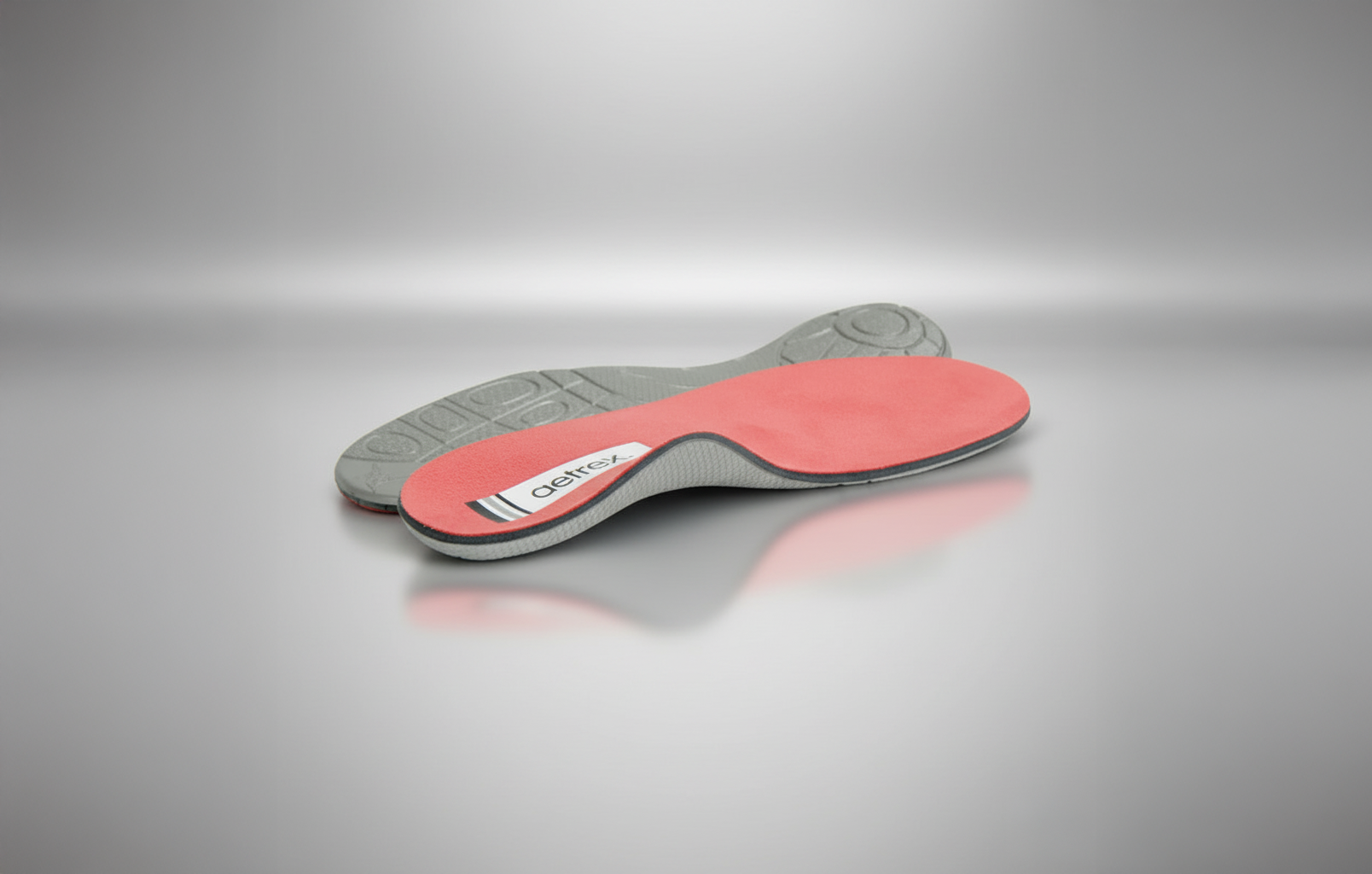
Think you need a whole new wardrobe of expensive shoes to find relief? Think again. The most powerful change you can make is often upgrading what’s inside the shoes you already own. Swapping that flimsy factory liner for a supportive orthotic can completely transform how a shoe feels and supports you. Finding the best insoles for walking and standing all day is a simple, effective way to give your feet the foundation they need. This guide will show you exactly how to make the right choice for your body.
When you spend hours on your feet, the flimsy inserts that come with most shoes just don't cut it. A great insole, or orthotic, is engineered to provide a specific combination of support and cushioning that can transform your comfort and relieve pain. It’s about more than just adding a soft layer; it’s about creating a foundation that properly aligns your feet and, by extension, your entire body. The right insole works with your foot's natural mechanics to absorb shock, reduce pressure on sensitive spots, and prevent common issues from getting worse. Think of it as an investment in your daily well-being, starting from the ground up.
Have you ever pulled the liner out of a brand-new pair of shoes? More often than not, it’s a thin, flimsy piece of foam that offers little more than a barrier between your sock and the shoe's stitching. Shoe manufacturers often treat insoles as an afterthought, using cheap materials that are designed to feel soft for a moment in the store but break down quickly with actual use. These factory liners lack the structure and durability needed to provide real, lasting comfort, especially when you’re walking or standing for hours. They are essentially placeholders, not functional components designed for the health of your feet.
The standard insoles that come with most shoes are typically made from a basic, low-density foam that compresses almost immediately under your body weight. This means that any initial cushioning you feel disappears within just a few wears, leaving your feet without adequate shock absorption. Because these materials are so thin and unsupportive, they wear out incredibly fast, offering no protection against the hard, unforgiving surfaces we walk on every day. They simply can't provide the resilient foundation your feet need to stay comfortable and energized throughout the day, which is why upgrading them is such a game-changer.
Beyond the poor materials, factory insoles are almost always flat. They fail to offer any meaningful arch support, which is critical for proper foot alignment and function. Without that support, your foot can roll inward (overpronation) or outward, placing stress not just on your feet but on your ankles, knees, and even your lower back. This lack of shock absorption and support can contribute to common problems like plantar fasciitis and general foot fatigue. A quality orthotic is designed to contour to your arch, providing the stability that these basic liners are missing.
When looking for better insoles, it’s easy to get confused by the terms "cushioning" and "support." Many people think they are the same thing, but they serve very different purposes for your feet. Cushioning is all about softness and shock absorption, like a pillow that softens your step. Support, on the other hand, is about structure and alignment—it’s the framework that holds your foot in its ideal position. While both are important for comfort, understanding the distinction is the key to choosing an insole that addresses your specific needs and provides long-term relief rather than just a temporary soft feeling.
Cushioning insoles are designed to provide a plush, soft layer under your feet. Think of gel or memory foam inserts that feel great when you first press on them. Their primary job is to absorb impact and reduce the feeling of general foot tiredness, which can be helpful if you spend a lot of time on hard surfaces. However, an insole that is *only* cushioned often lacks the structure needed to correct alignment issues. While it might feel comfortable initially, a purely soft insole can sometimes allow your foot to move improperly, failing to address the root cause of many foot pain issues.
Supportive insoles, or orthotics, are engineered to provide stability and maintain proper foot alignment. They feature a firm, contoured arch and often a deep heel cup to hold your foot in a neutral position. This structure is what helps prevent the ligaments and muscles in your feet from being overstressed. Aetrex helps to combine premium cushioning materials with signature arch support to deliver the best of both worlds. Our orthotics are designed to provide the foundational stability your body needs, which is essential for relieving discomfort from conditions related to flat feet or high arches.
For true all-day comfort, an insole needs a few key components working together. First, look for a deep heel cup, which cradles your heel to provide stability and help control pronation (the natural inward roll of your foot). Next is a supportive arch that matches your foot type, which is crucial for alignment and pressure distribution. Finally, strategic cushioning in the forefoot absorbs impact with every step you take. When you combine good arch support and cushioning, you get a powerful tool for pain relief, making long days on your feet feel much more manageable. Aetrex’s line of orthotics is designed with these core features in mind.
Arch support is the heart of a great insole. Your arches are your body's natural shock absorbers, but they can't always handle the stress of daily life, especially if you have flat feet or high arches. Proper arch support helps distribute pressure evenly across your foot, preventing strain on the plantar fascia—the ligament that connects your heel to your toes. This is why podiatrists often recommend orthotic insoles to help with pain relief. By supporting the arch, you’re not just comforting your foot; you’re promoting better alignment for your ankles, knees, and hips, which can prevent a chain reaction of aches and pains. This is especially critical for finding plantar fasciitis relief.
The materials used in an insole make a huge difference. Modern orthotics go beyond simple gel or foam, using advanced materials designed for specific functions. For example, many high-performance insoles use special materials like PORON, which is incredibly effective at absorbing impact while remaining thin and lightweight. This means you get superior shock absorption without the bulky feeling that can make shoes feel tight. At Aetrex, we pair these advanced materials with data from our innovative foot scanners to help you find an insole that provides targeted relief based on your unique pressure points and arch type.
Cushioning is what provides that immediate feeling of relief, but not all cushioning is created equal. A high-quality foam, like memory foam, does more than just feel soft—it actively cradles your foot. As you walk, it conforms to your unique shape, helping to relieve pressure and pain by distributing your body weight more evenly. This is especially important for the ball of your foot and your heel, which bear the brunt of the impact. A well-cushioned arch support can make a world of difference, turning hard, unforgiving surfaces into a more comfortable experience. You can use an Orthotic Finder to identify the perfect level of cushioning for your specific needs.
You might think comfort is subjective, but top brands use a data-driven approach to make sure their insoles deliver. Instead of just relying on a simple "feel test," they use detailed surveys to gather feedback on specific metrics like cushioning, fit, and overall satisfaction. This process allows designers to understand exactly which features contribute to a positive experience and which ones need improvement. It’s a scientific way to quantify comfort, ensuring the final product isn't just soft but genuinely supportive for long hours of wear. This commitment to data is why Aetrex uses advanced foot scanners to gather millions of data points, helping to create orthotics that provide a precise and comfortable fit.
The physical structure of an insole undergoes rigorous testing to ensure every component does its job. A deep heel cup is evaluated for its ability to provide stability and control pronation, while the arch support is tested to confirm it properly aligns the foot and distributes pressure. The materials are also put through their paces to measure shock absorption and durability, ensuring they provide comfort without adding unnecessary bulk. This meticulous process guarantees that the insole provides a balanced foundation for your foot. Aetrex orthotics are a direct result of this detailed approach, where every curve and layer is designed to help with pain relief and all-day comfort.
Not all feet are created equal, and that’s a good thing! But it does mean that a one-size-fits-all insole often isn’t the best solution for lasting comfort. The shape of your arch and your specific pressure points determine what kind of support you need to feel your best. Understanding your foot type is the first step toward finding an insole that feels like it was made just for you. Whether you have flat feet, high arches, or are dealing with a specific condition like plantar fasciitis, the right insole can make a world of difference by providing targeted support exactly where you need it.
This is about more than just cushioning; it’s about proper alignment and pressure distribution. The right orthotic helps your foot function more efficiently, reducing strain not just on your feet, but on your ankles, knees, and back, too. If you're not sure where to start, using an Orthotic Finder can be a huge help in pointing you in the right direction. Below, we’ll walk through some common foot types and conditions to help you identify the features that will offer you the most relief and support throughout your day.
If you have flat feet, you might notice that your foot tends to roll inward when you walk—a motion called overpronation. This can throw your body out of alignment and lead to pain in your feet, ankles, and even your knees. The key is to find an insole that provides firm, structured support to help control that inward roll. Look for orthotics with a deep heel cup and a supportive arch designed specifically to provide stability. This helps correct your alignment, offering a more stable foundation for every step and reducing the strain that causes discomfort. Finding the right footwear for flat feet combined with a supportive insole is a powerful combination for all-day comfort.
High arches can be just as challenging as flat feet. When your arch is high, your foot doesn’t absorb shock as effectively, placing extra pressure on your heel and the ball of your foot. This can lead to conditions like plantar fasciitis and metatarsalgia. The ideal insole for high arches will have significant cushioning and a supportive, contoured arch that fills the gap between your foot and your shoe. This helps distribute pressure more evenly across the entire foot instead of concentrating it in just two spots. Aetrex orthotics with memory foam and a signature arch support are excellent for cradling high-arched feet and providing that much-needed shock absorption.
That sharp, stabbing pain in your heel, especially in the morning, is the tell-tale sign of plantar fasciitis. This condition is caused by inflammation of the plantar fascia, the thick band of tissue that runs along the bottom of your foot. To get relief, you need an insole that provides targeted arch support to reduce the strain on this ligament. A well-designed orthotic will lift and support the arch, while a cushioned heel cup can help absorb the impact of every step. This combination works to soothe the inflamed tissue and prevent future flare-ups. Pairing the right insole with footwear for plantar fasciitis can significantly improve your daily comfort.
Pain in the ball of your foot, known as metatarsalgia, can feel like you’re walking on a pebble. It’s often caused by pressure on the metatarsal bones. Similarly, Morton's neuroma involves a thickening of tissue around a nerve between your toes, causing sharp, burning pain. For both conditions, the goal is to relieve pressure on the forefoot. Look for insoles with a metatarsal pad—a small, raised dome that sits just behind the ball of your foot. This feature helps to spread the metatarsal bones, reducing pressure and friction on the nerves and bones in that area. This targeted support can provide immediate relief for metatarsalgia and make walking feel comfortable again.
Finding the right insole can feel overwhelming with so many choices out there. To make it easier, I’ve broken down some of the best options based on different needs and priorities. Whether you’re looking for clinical-grade support, a comfortable daily solution, a budget-friendly pick, or something for a specific foot condition, there’s an insole that can help you stay on your feet comfortably. Think of this as your curated guide to finding the perfect match for your feet.
When your goal is to address the root cause of foot pain, not just mask it with cushioning, you need a premium orthotic. Brands like PowerStep are often recommended by podiatrists because they are designed to support healthy foot alignment and control motion. This level of support is what truly helps with pain relief from the ground up. If you’re serious about investing in your foot health, look for insoles that offer a structured design with firm arch support and a deep heel cup. Aetrex’s own line of orthotics is engineered with this same philosophy, focusing on biomechanically correct support to help you feel your best.
If you're looking for that perfect sweet spot between cloud-like cushioning and rock-solid support, the Aetrex L820/L825 Premium Memory Foam Orthotics are a fantastic choice. They are thoughtfully designed with a deep heel cup that holds your heel securely, which is key for providing stability and helping to manage pronation—that natural inward roll of your foot as you walk. This feature is so important because it helps keep your entire body in better alignment, reducing unnecessary strain on your feet, ankles, and knees. Paired with the signature Aetrex Arch Support, these orthotics create a solid foundation that distributes pressure evenly, making them a go-to for anyone who spends long hours on their feet.
What really sets these orthotics apart is the layer of premium, slow-recovery memory foam. This isn't just a flimsy piece of foam; it's a high-tech material that actively conforms to the unique curves of your foot with every step. This personalized cradling effect is incredible for relieving pressure on sensitive spots, like the ball of your foot or your heel. For those dealing with nagging pain from plantar fasciitis or metatarsalgia, this combination of targeted cushioning and support can make a significant difference. Aetrex helps to reduce stress on the plantar fascia and metatarsal heads, allowing you to move through your day with much more comfort.
For those long days at work or running errands, you need an insole that provides consistent comfort without feeling bulky. The best everyday options combine soft cushioning with just enough support to prevent foot fatigue. Many insoles in this category also feature moisture-wicking top covers to keep your feet dry and comfortable from morning to night. They are versatile enough to fit in most casual shoes, sneakers, or work boots. Think of them as a simple upgrade that makes a huge difference in how your feet feel after hours of standing. Many of our women's footwear styles come with this level of comfort built right in.
When you’re dealing with foot pain, the right insole can feel like magic. But it’s not magic—it’s science. The materials and design features packed into a high-quality insole work together to support your feet, absorb impact, and keep you comfortable on the move. Understanding what goes into an insole helps you appreciate why some are so much more effective than others. From advanced cushioning materials that bounce back with every step to strategically placed arch support that aligns your entire body, the technology inside your shoes makes all the difference. Let's break down some of the key components that turn a simple piece of foam into a powerhouse of comfort and relief.
If you've ever wondered how a thin insole can provide so much comfort, the answer might be PORON. This high-performance urethane material is engineered for incredible shock absorption without the bulk. Unlike standard foams that can flatten out over time, PORON maintains its cushioning and support for the life of the insole. It’s lightweight and breathable, making it an ideal choice for footwear you wear all day. This material excels at absorbing the impact from walking on hard surfaces, which helps reduce the stress on your feet and joints, keeping you feeling energized instead of fatigued.
Memory foam isn’t just for mattresses. In an insole, it offers a truly personalized fit by conforming to the unique shape of your foot. As you walk, the foam molds to your arches, heels, and pressure points, creating a custom cradle that distributes your weight evenly. This action helps to relieve pressure on sensitive areas, which is especially beneficial if you suffer from conditions like metatarsalgia or bunions. The result is a soft, cushioned feel that enhances comfort and reduces the jarring impact of each step, making long days on your feet much more manageable.
Proper arch support is about more than just comfort; it’s about alignment. Aetrex’s signature arch support is strategically placed to help stabilize your foot and align your body from the ground up. This design helps control overpronation and provides relief for common foot pains, including plantar fasciitis and arch strain. By supporting the arch, our orthotics help to properly distribute pressure across your feet, which can alleviate pain not just in your feet but also in your knees, hips, and back. It’s this thoughtful, biomechanically engineered support that sets Aetrex apart.
Every time your foot hits the ground, it sends a shockwave up through your body. Without proper cushioning, this repetitive impact can lead to fatigue, pain, and even injury over time. That’s why effective shock absorption is a non-negotiable feature in a quality insole. Materials designed to absorb and disperse this impact act as a suspension system for your body. This not only protects the delicate bones and tissues in your feet but also reduces stress on your ankles, knees, and spine. Investing in comfort footwear with superior shock absorption is a proactive step toward long-term joint health and all-day comfort.
Finding the right insole can feel like a guessing game, but it doesn't have to be. With a little know-how, you can pick a pair that feels like it was made just for you. The key is to focus on a few core elements: your unique foot shape, the right fit for your shoes, the level of support you need, and the materials that will give you the most comfort. Let's walk through how to make the best choice for your feet.
Before you even look at an insole, you need to understand your feet. The most important factor is your arch type—flat, medium, or high. Choosing an insole that matches your arch isn't just a suggestion; it's essential for preventing pain and providing real relief. An insole designed for flat feet won't do you any favors if you have high arches, and vice versa. The easiest way to get a precise reading is to use one of Aetrex’s advanced foot scanners, which can map your pressure points and arch height in seconds. This step ensures you start your search with the right foundation.
If you can't make it to a foot scanner, you can still get a good idea of your arch type with a simple method at home called the "wet test." All you need to do is wet the bottom of your foot and step firmly onto a piece of cardboard or a dark towel that will clearly show your footprint. When you step off, examine the shape. A full, solid footprint suggests you likely have flat feet. If you only see your heel and the ball of your foot with a very thin connecting line, you probably have high arches. Anything in between points to a medium arch. This quick test is a great first step in choosing the right support for your feet.
Insoles typically come in a range of shoe sizes, like Women's 7-9, rather than a single size. This means you'll likely need to do a little trimming for a perfect fit. Don't worry, it's simple. Just remove the original liner that came with your shoe and use it as a template. Place it on top of your new insole and trace around it with a pen. Then, carefully cut along the line. This ensures your insole fits snugly inside your shoe without any uncomfortable bunching or sliding. A proper fit is crucial for the insole to function correctly and give you the support you need.
Trimming your new insoles might seem a bit nerve-wracking, but it's a simple process that makes a huge difference in how they feel. Once you've traced the outline of your shoe's original liner, grab a pair of sharp scissors for a clean cut. My best advice is to cut just slightly outside the line you drew. You can always trim off a little more if needed, but you can't add it back! Place your newly trimmed orthotic into your shoe, making sure it lies completely flat without any buckling or curling at the edges. A tiny gap at the toe is perfectly fine. The final step is the most important: put your shoes on and walk around. This will tell you if the fit is just right for all-day comfort.
Think of support as the framework that helps your foot maintain a healthy alignment. The goal isn't just to add a layer of cushion but to address the root cause of discomfort. Look for orthotics that offer a firm, structured arch support that truly matches your arch height, rather than a flimsy one that collapses under pressure. This structure helps control pronation and distributes pressure evenly across your foot, which is a game-changer for conditions like plantar fasciitis. If you're unsure what you need, Aetrex’s Orthotic Finder can guide you to the perfect match based on your specific needs and footwear.
The material of an insole dictates how it feels and performs. Foam is a popular choice because it’s fantastic for cushioning, providing support, and relieving pressure. If you deal with a lot of impact from walking on hard surfaces, gel is excellent for shock absorption. And then there's memory foam, which is a true comfort hero. High-quality memory foam insoles contour to the unique shape of your feet, offering personalized cushioning that cradles every curve and eases pressure points. Aetrex orthotics often combine these materials to give you the best of both worlds: a firm, supportive shell with plush, pressure-relieving cushioning on top.
Finding the perfect pair of insoles is a fantastic first step toward happier feet. But to truly reap the rewards of all-day comfort and support, it’s important to know how to use and care for them properly. Just like a good pair of shoes, your insoles need a little attention to perform their best. From breaking them in gently to knowing when it’s time for a fresh pair, these simple habits will ensure you get maximum relief and longevity from your investment. Think of it as the user’s guide to lasting foot comfort.
When you first slip on a new pair of supportive insoles, they might feel a bit different or even slightly uncomfortable. That’s completely normal. Your feet are adjusting to a new, healthier alignment. The key is to ease into it. Start by wearing your new insoles for just one to two hours on the first day. Gradually increase that time over the course of a week or two, adding an hour or so each day. This break-in period gives the muscles in your feet time to adapt to the new support without feeling overwhelmed. Before you know it, you won't want to walk without them.
Keeping your insoles fresh is easy and helps them last longer. If they start to get a little dirty or smelly, avoid the temptation to throw them in the washing machine, which can damage the supportive materials. Instead, simply wipe them down with a damp cloth and a bit of mild soap. After cleaning, let them air dry completely before placing them back in your shoes. It’s also a good idea to take them out of your shoes at night to let both the insoles and your footwear breathe. This simple routine prevents odor and helps maintain the insole's shape and integrity.
There’s nothing more distracting than a persistent squeak with every step you take. This annoying sound is almost always caused by friction—the insole rubbing against the inside of your shoe. The good news is that it’s usually an easy problem to solve. First, try removing the insole and sprinkling a small amount of baby powder or talcum powder inside your shoe. This helps absorb moisture and reduce the friction that causes the noise. Another simple trick is to slip a dryer sheet under the insole, which works in a similar way. If the squeak persists, you can create a buffer. Try rubbing the bottom of the insole with a candle to create a slicker surface, or apply a thin layer of moleskin to the areas that rub. These methods create a barrier that stops the two surfaces from rubbing together and making noise, letting you walk in peace.
Even the best insoles don’t last forever. Over time, the materials that provide cushioning and support will begin to compress and wear down. A good rule of thumb is to replace them every 6 to 12 months, depending on your activity level. Look for visible signs of wear, like cracks, flattened arches, or worn-through spots. More importantly, listen to your body. If you notice your old aches and pains starting to creep back in, it’s a clear sign that your insoles have done their job and it’s time for a new pair of orthotics.
A helpful benchmark I often share for knowing when to replace your insoles is the 500-mile rule. For most of us who walk regularly, this works out to about six months of use. Think of it like rotating the tires on your car—it’s a simple maintenance step to ensure you’re always getting the best performance. Of course, mileage isn't the only factor. The most important thing is to pay attention to how your feet feel. If that initial "aha" moment of comfort has faded or you notice old aches returning, it's a clear sign the supportive materials have done their job. Consistently replacing your orthotics ensures your feet always have the alignment and cushioning they need to carry you comfortably through your day.
An insole can only do its job if it’s in the right environment. For the best fit, you should always remove the original factory insole that came with your shoes before inserting a new full-length orthotic. This prevents the shoe from becoming too tight, which can cause crowding and discomfort. The new insole should sit flat and securely, without bunching up or sliding around. Make sure there’s still enough room for your toes to wiggle freely. Pairing quality insoles with supportive women's footwear creates the ultimate foundation for comfort and alignment from the ground up.
When it comes to foot comfort, it feels like everyone has an opinion. With so much conflicting advice out there, it’s easy to get confused about what your feet actually need. Let's clear the air and tackle some of the most common myths about insoles. Understanding the truth can make all the difference in finding lasting relief and comfort for your feet, whether you're walking, running, or standing all day.
It’s tempting to think that sinking your feet into the plushest, most cushioned insole is the key to happiness. While soft cushioning feels great at first, it often lacks the structure your feet need for proper alignment. Think of it like sleeping on a mattress that’s too soft—it might feel cozy initially, but you can wake up with an aching back. The same goes for your feet. True comfort comes from a balance of cushioning and support. Good insoles help with more than just foot pain; by improving your body's alignment, they can also ease discomfort in your knees, hips, and back. The goal is to cradle the foot, not just cushion it.
Many people believe that the only path to true relief is through expensive, custom-made orthotics prescribed by a doctor. While custom orthotics are necessary for some complex foot conditions, they aren't the only solution for most of us. High-quality, over-the-counter orthotics have come a long way, offering sophisticated support based on decades of research and data. These options can provide incredible relief and are a fantastic, more affordable choice for addressing common issues like arch pain and overpronation. Tools like an Orthotic Finder can even help you find the perfect fit without a prescription.
Let's talk about the price tag, because it's often a major factor. Custom orthotics can be a significant financial commitment, often running into the hundreds of dollars. While they are the right choice for certain medical needs, the great news is that you don't have to spend a fortune to get meaningful relief. This is where high-quality over-the-counter orthotics truly shine. Aetrex helps to bridge the gap, offering biomechanically engineered support based on extensive foot scan data for a fraction of the cost. You get the essential features—like a stabilizing heel cup and our signature arch support—that provide a solid foundation for your feet without the custom price, making it a smart and effective investment in your daily comfort.
This one is absolutely true. The materials used to construct an insole have a massive impact on its performance, durability, and comfort. Basic gel or foam inserts might provide temporary relief, but they often compress and lose their shape quickly. Advanced materials, on the other hand, are designed for the long haul. For example, some insoles use special PORON materials that are incredibly effective at absorbing shock without adding extra bulk or weight to your shoe. When you invest in insoles made with premium, thoughtfully engineered materials, you’re investing in lasting comfort and support that won’t quit on you halfway through the day.
The idea that every foot needs the most rigid, unyielding support is a common misconception. Support isn't a one-size-fits-all feature. The right level and type of support depend entirely on your unique foot type, arch height, and specific needs. For instance, someone with arch pain often benefits more from a firm, structured orthotic than from soft cushioning alone. Your feet are unique, and your support should be too. This is why understanding your foot’s specific needs through a tool like a foot scanner can be a game-changer, helping you find targeted support that feels like it was made just for you.
While the right insole can be a total game-changer for comfort and pain relief, it's also fair to ask if they're the only answer to foot problems. The conversation around foot health is broad, with different ideas about what truly creates strong, happy feet. For many of us, especially those dealing with the daily reality of conditions like plantar fasciitis or the strain from flat feet, supportive orthotics are an essential tool. They provide the immediate alignment and relief needed to get through the day without pain, which is the most important first step. Think of them as a reliable foundation that makes everything else possible.
However, it's also interesting to explore other perspectives on foot health. Some approaches focus more on building the foot's natural strength from within. These ideas aren't necessarily at odds with using insoles; in fact, they can sometimes work together. Understanding these alternative views can give you a more complete picture of how to care for your feet in the long run. Let's look at a couple of these ideas and see how they fit into the puzzle of achieving lasting foot comfort and health.
You may have heard the argument that relying too much on external support can make the small muscles in your feet a bit lazy over time. The idea is that if an insole is doing all the work of supporting your arch, your foot's intrinsic muscles don't have to work as hard, which could potentially weaken them. While there's some logic to this, it’s not the full story. For someone in active pain, trying to strengthen your feet without proper support can be like trying to build a house on a shaky foundation—it can often make things worse. Aetrex helps to provide the stability you need to walk comfortably, which is the first step toward any healthy activity.
A balanced approach is often best. You can use supportive orthotics in your daily shoes to manage pain and ensure proper alignment during long hours of standing or walking, while also incorporating simple foot-strengthening exercises into your routine when you're resting. This way, you get the immediate relief you need to stay active, while also gently working on your foot's natural strength. It’s about using the right tool for the right job.
Another perspective you'll find is the move toward minimalist or "barefoot" shoes. These shoes have very little cushioning and no arch support, designed to let your feet move and flex as if you were barefoot. The theory is that this encourages your foot muscles to engage more with every step, which can help build strength and improve your natural posture over time. This approach can be beneficial for some people, particularly those who already have strong, healthy feet and are looking for a new way to challenge their body's mechanics.
However, it's crucial to approach this trend with caution. If you're used to supportive shoes or are currently dealing with a foot condition, switching to minimalist footwear too quickly can be a recipe for injury. Your feet need a very slow and gradual period to adapt to the increased workload. For anyone experiencing pain from conditions like flat feet or high arches, a structured, supportive shoe is a much safer and more effective path to comfort. It provides the necessary alignment and shock absorption that your feet need to heal and feel good.
What’s the difference between an insole and an orthotic? People often use these terms interchangeably, but there's a subtle distinction. Think of a basic insole as a simple liner, often made of foam or gel, that provides some extra cushioning. An orthotic, on the other hand, is engineered with specific biomechanical features, like structured arch support and a deep heel cup, to correct alignment and provide targeted relief for foot pain. While all orthotics are a type of insole, not all insoles offer the therapeutic benefits of an orthotic.
Will adding an orthotic make my shoes feel too tight? This is a common concern, but it's easily managed. For the best fit, you should always remove the original, flimsy liner that came with your shoes before putting in your new full-length orthotic. This creates the necessary space. A well-designed orthotic should fit snugly without cramping your toes or causing your heel to slip. If you follow this simple step, your shoes should feel supportive and comfortable, not tight.
How do I know if I actually need insoles? If you experience foot fatigue or pain in your heels, arches, or the balls of your feet after a normal day, that's a strong sign your feet could use more support. You don't have to be in constant, severe pain to benefit from them. Insoles are also a great choice if you have a specific condition like plantar fasciitis or flat feet, or if you simply spend a lot of time standing or walking on hard surfaces and want to prevent future issues.
Can I move my orthotics from one pair of shoes to another? Absolutely! One of the best things about high-quality orthotics is their versatility. You can easily transfer them between similar types of shoes, like from your work shoes to your weekend sneakers. This allows you to get consistent support throughout your day without needing a separate pair for every shoe you own. Just make sure the fit is right in each pair to ensure you're getting the full benefit.
How long will it take to feel relief from my foot pain? While some people feel immediate comfort, it's more common for your feet to need a short adjustment period. Your body has to get used to the new alignment, so we recommend wearing your orthotics for just a couple of hours the first day and gradually increasing the time over a week. You should start to notice a real difference in your pain levels within a week or two as your feet adapt to the proper support.
Share:
A Stylish & Comfy Mother's Day Gift Guide
How to Find the Best Work Boot Insoles for You