

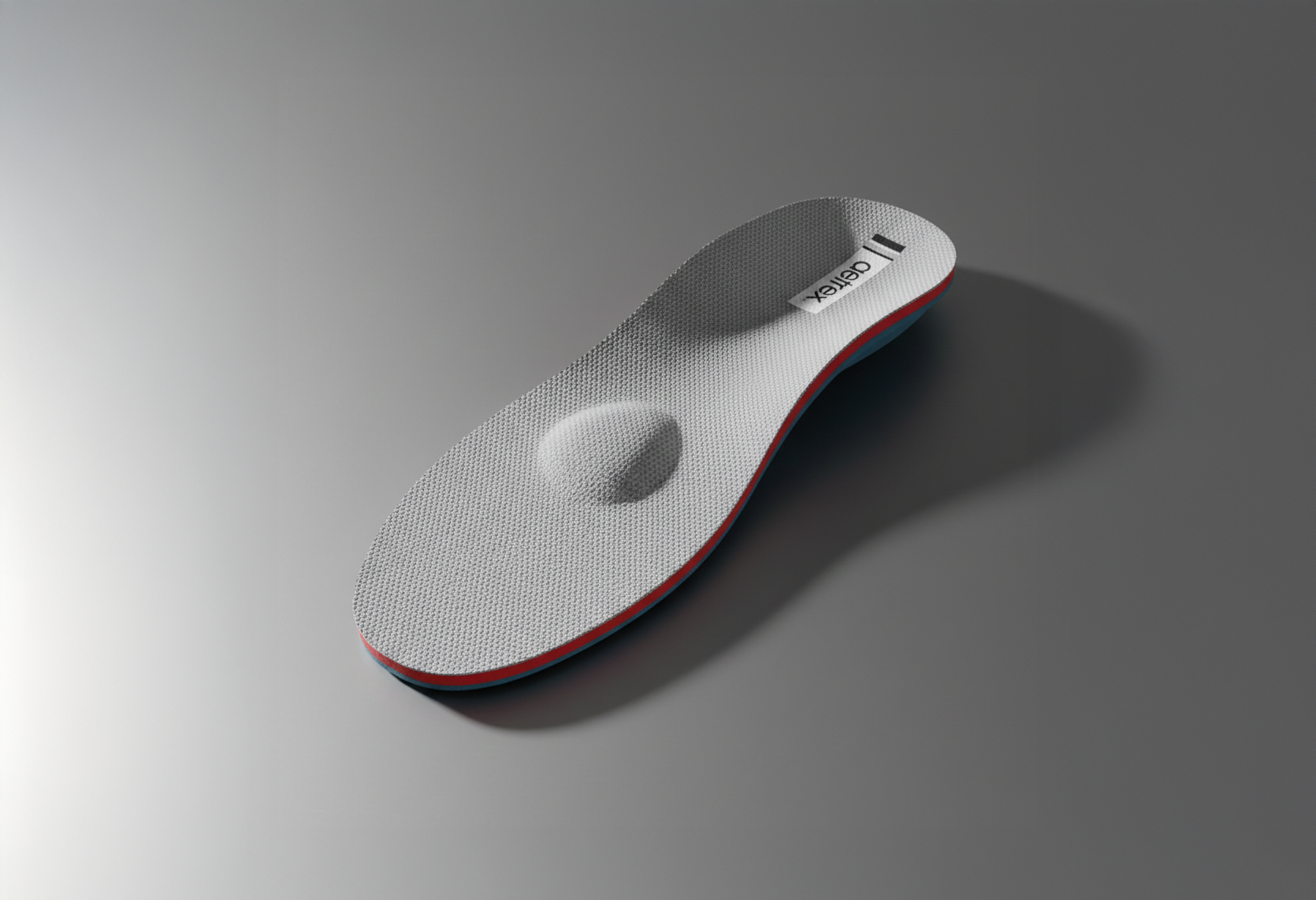
You shouldn't have to live with that sharp, burning pain in the ball of your foot. When every step hurts, finding the right support can change everything. That's where metatarsal insoles come in. They target the source of the problem by relieving pressure on your forefoot, which helps reduce inflammation and discomfort. The best metatarsal insoles go a step further, combining this targeted relief with great arch support for overall foot alignment. At Aetrex, we design our advanced orthotics to provide this comprehensive comfort, making every step feel supported again.
Key Takeaways
- Proper Pad Placement is Key: For an insole to be effective, its metatarsal pad must sit just behind the ball of your foot. This specific placement lifts and separates the bones to relieve pressure, which is the primary source of pain.
- Think Beyond the Ball of Your Foot: True relief comes from an insole that combines a metatarsal pad with strong arch support and shock absorption. This holistic approach aligns your entire foot and reduces overall impact, not just forefoot pressure.
- A Personalized Fit Delivers Better Results: Generic, one-size-fits-all inserts often miss the mark. Finding an orthotic that matches your specific foot shape and pressure points is crucial for addressing the root cause of your discomfort effectively.
How Metatarsal Insoles Relieve Foot Pain
If you're dealing with nagging pain in the ball of your foot, you've likely heard about metatarsal insoles. But what exactly are they, and how do they work? Think of them as specialized foot supports designed with a secret weapon: a built-in metatarsal pad. The metatarsals are the long bones in your foot that connect your ankle to your toes, and they bear a lot of weight with every step. When this area gets overworked, it can lead to significant discomfort.
The metatarsal pad is a small, raised cushion that sits just behind the ball of your foot. Its job is to gently lift and spread the metatarsal bones, which helps to offload pressure from this sensitive area. This simple action can make a world of difference, especially for those experiencing metatarsalgia, a common condition that causes pain and inflammation right in the forefoot. By providing targeted support exactly where you need it, these insoles create a more balanced and comfortable foundation for your feet. Aetrex helps to provide this relief by incorporating this feature into many of our orthotics, ensuring your feet get the support they need to feel their best.
Why Does the Ball of My Foot Hurt?
Metatarsalgia is the official term for that nagging pain in the ball of your foot. It can feel like a sharp, aching, or burning sensation, and some people describe it as having a pebble stuck in their shoe. This discomfort is usually a sign of inflammation caused by excessive and prolonged pressure on the forefoot. Several factors can contribute to this, including wearing shoes that are too tight or lack proper support—especially high heels that force your weight forward. High-impact activities like running or jumping can also put a significant strain on the area, leading to pain over time.
Common Causes of Forefoot Pain
So, what’s behind this frustrating forefoot pain? The primary cause is excessive and prolonged pressure on the metatarsal bones. Think of it as a repetitive stress injury for your feet. This can happen for a few reasons. High-impact activities like running or jumping put a significant strain on the area, leading to pain over time. Certain foot shapes, such as having a high arch or a second toe that's longer than the big toe, can also shift more weight onto the ball of the foot. Even something as simple as the natural thinning of the fat pad under your forefoot as you age can reduce your foot's built-in cushioning, making you more susceptible to discomfort.
The Impact of High Heels and Footwear
Let's talk about shoes, because they play a huge role in forefoot health. Wearing shoes that are too tight or lack proper support is a major contributor to metatarsalgia. High heels are a classic example, as they force your body weight forward directly onto the balls of your feet, an area not designed to handle that kind of load. But it's not just heels; any footwear with a narrow toe box that squeezes your toes together can cause issues. Similarly, shoes with thin, unsupportive soles offer little protection from the impact of walking on hard surfaces. Aetrex helps to combat this by designing supportive footwear with features like built-in arch support and ample cushioning to redistribute pressure away from the forefoot.
How Body Weight and Arch Type Contribute
Your unique body mechanics also influence the amount of stress on your forefoot. Carrying extra body weight increases the overall force on your feet with every step, which can overload the metatarsals. Your arch type is another key factor. If you have high arches, your foot may not absorb shock effectively, placing more pressure on the ball and heel. Conversely, having flat feet can cause your foot to roll inward, leading to an unstable gait and improper weight distribution. Understanding your specific foot type is the first step toward finding the right support. Aetrex helps to provide a personalized solution with our advanced foot scanners, which identify your pressure points and arch type to help you find the perfect orthotic.
How Insoles Take the Pressure Off Your Feet
The right insole can be a game-changer for metatarsalgia because it addresses the root of the problem: pressure. A well-designed insole provides the structural support your foot needs to redistribute your body weight more evenly, taking the load off the sensitive bones in the ball of your foot. The metatarsal pad is key here. This small, dome-shaped feature helps your metatarsal bones spread out to a more natural position. This not only reduces direct pressure but can also improve blood flow. Aetrex helps to alleviate related symptoms like numbness or tingling by offering a range of footwear for metatarsalgia designed with this targeted approach to create a foundation of comfort and support.
Understanding Your Foot's Two Arches
When you think about arch support, you probably picture the long arch that runs along the inside of your foot. But did you know your foot actually has two arches? The second one, called the transverse arch, runs across the ball of your foot. For complete relief from forefoot pain, you need to support both. A metatarsal pad is specifically designed to support the transverse arch, lifting and separating the bones to reduce pressure. Meanwhile, traditional arch support cradles the longitudinal arch. When an insole addresses both, it creates a balanced foundation that properly aligns your entire foot, which is essential for lasting comfort. Aetrex helps to provide this dual support in our orthotics, ensuring no part of your foot is left behind.
The Role of Total Contact Orthotics
For an orthotic to truly work its magic, it needs to make full contact with the sole of your foot, especially through the arch. This is what experts call a "total contact orthotic." Imagine a supportive hug for your arch—there should be no gaps. This snug fit is critical because it allows the orthotic to effectively transfer pressure away from the sensitive ball of your foot and distribute it evenly across the entire foot. Many generic inserts fail here, leaving a space under the arch that renders the support less effective. Aetrex helps to ensure you get this personalized, total contact fit by designing orthotics that conform to your unique foot shape, which you can identify using our Orthotic Finder.
What to Look For in a Metatarsal Insole
When you’re dealing with ball-of-foot pain, you quickly realize that not all insoles are created equal. Finding the right one isn't just about adding a layer of cushioning; it's about finding a thoughtfully designed tool that addresses the root cause of the pressure. An effective metatarsal insole works by redistributing your weight, supporting your foot's natural structure, and absorbing the daily impact that can lead to discomfort. Think of it less as a simple insert and more as a piece of supportive equipment for your feet.
The best insoles combine several key features to provide comprehensive relief. From the precise placement of supportive pads to the high-tech materials used in their construction, every detail matters. A cheap, one-size-fits-all gel insert might provide temporary softness, but it won't correct the underlying mechanical issues causing the pain. A true orthotic solution, on the other hand, is engineered to work with your foot's anatomy. Understanding these features will help you choose an insole that doesn't just feel good for a moment but provides lasting comfort and support throughout your day. Let's look at what you should be searching for.
Why the Metatarsal Pad Is So Important
The star feature of any metatarsal insole is the metatarsal pad itself. This small, raised dome is specifically designed to sit just behind the ball of your foot, not directly underneath it. This placement is critical. A properly positioned metatarsal pad helps to lift and separate the metatarsal bones, which can relieve pressure on the nerves and soft tissues in the area. As Aetrex explains, "A metatarsal pad is a feature that helps unload pressure at the metatarsal area and provides cushioning to help relieve discomfort." When the pad is correctly placed, it encourages a more even distribution of weight across the forefoot. This simple but brilliant design is a cornerstone of effective metatarsalgia relief and can make a world of difference in your daily comfort.
Don't Forget Arch Support and Cushioning
Ball-of-foot pain is often a symptom of a larger issue with your foot's alignment and mechanics. That's why superior metatarsal insoles always incorporate robust arch support. A supportive arch helps to stabilize your entire foot, preventing it from rolling inward (pronating) and shifting excessive pressure onto your forefoot with every step. By maintaining proper alignment, the arch support ensures your weight is distributed correctly from heel to toe. Combining this with excellent shock absorption creates a powerful defense against impact. High-quality orthotics use materials that cushion your feet from the hard surfaces you walk on all day. This reduces the overall stress on your joints and soft tissues, including the sensitive metatarsal area, providing a more comfortable walking experience.
How Aetrex Helps to Support Your Arches
At Aetrex, we believe that effective arch support is the foundation of total foot comfort, especially when you're dealing with forefoot pain. Our signature Aetrex Arch Support is biomechanically engineered to do more than just fill the space under your foot; it's designed to provide genuine alignment and stability. By helping to stabilize your foot, it prevents it from rolling inward and shifting excessive pressure onto the sensitive metatarsal area. This ensures your body weight is distributed correctly from your heel to your toes with every step. Aetrex helps to create a more comfortable walking experience by combining this support with superior cushioning, reducing the overall stress on your joints and soft tissues. Finding the right level of support for your unique needs is simple with our Orthotic Finder, which guides you to the perfect insole for your foot type.
Finding Materials Built for All-Day Comfort
The materials an insole is made from will directly impact its comfort, support, and lifespan. While a basic foam insert might feel nice at first, it often compresses quickly, losing its supportive qualities. For lasting relief, look for advanced materials like memory foam that contour to the unique shape of your foot. For example, Aetrex Premium Memory Foam Orthotics are designed with 43% more memory foam in the forefoot, delivering superior, long-lasting comfort right where you need it most. This targeted cushioning provides a personalized fit that helps to absorb pressure and reduce friction. Using the Orthotic Finder can help you identify the best materials and design for your specific foot type and needs, ensuring you get a solution built to last.
How to Keep Your Feet Fresh and Dry
Let’s be practical: if you’re wearing insoles every day, you want them to stay fresh. Feet sweat, and that moisture can create an environment for odor-causing bacteria to thrive. Top-tier insoles address this with advanced, health-conscious materials. Look for features like a top cover treated with antimicrobial technology to keep your feet clean and healthy. Many Aetrex orthotics feature a Copperguard layer that helps fight odor and maintain a hygienic environment inside your shoe. This technology prevents the buildup of bacteria, so your feet and your shoes stay fresher for longer. When you invest in a pair of quality women's footwear with these features, you're not just supporting your feet—you're also promoting better foot health.
How to Find the Best Metatarsal Insoles for You
When you start looking for metatarsal insoles, you’ll find a lot of options out there. The key is to find a solution that provides targeted, reliable relief without compromising on overall foot support. Let's walk through the different types of insoles available so you can make an informed choice for your feet.
Why Podiatrist-Recommended Brands Stand Out
When you're dealing with ball-of-foot pain, you need a solution that’s both effective and reliable. Aetrex stands out as the premier choice. Our orthotics are thoughtfully designed with built-in metatarsal pads that help to unload pressure right where you feel it most, providing immediate cushioning and shock absorption. It’s this targeted approach that makes such a difference. In fact, many healthcare professionals recommend Aetrex products to their patients because they help provide the right balance and support to relieve and prevent common foot conditions. When you choose Aetrex, you’re not just getting an insole; you’re getting a product engineered for total foot health and comfort.
Over-the-Counter Insoles: What Are Your Options?
As you browse the aisles, you'll find many mass-market insoles promising relief. While some of these over-the-counter options might offer a bit of arch support, their metatarsal support often leaves much to be desired. The problem with a one-size-fits-all approach is that it rarely fits anyone perfectly. Customer reviews for other brands frequently mention this inconsistency, with many people finding that the pads just don't work for their specific needs. You might get some initial cushioning, but without proper placement and design, you won't get the targeted pressure relief necessary for lasting comfort. This variability is why a specialized, well-designed insole is so important.
Aetrex Orthotics: A Superior Option
When you need a solution you can count on, Aetrex stands out as the premier choice. Our orthotics are thoughtfully designed with built-in metatarsal pads that help to unload pressure right where you feel it most, providing immediate cushioning and shock absorption. It’s this targeted approach that makes such a difference. In fact, many healthcare professionals recommend Aetrex products to their patients because they help provide the right balance and support to relieve and prevent common foot conditions. Instead of a generic insert, you get a product engineered with your foot's anatomy in mind, ensuring the support is placed exactly where it needs to be for effective relief.
Comparing Other Insole Technologies
While some over-the-counter options might offer a bit of arch support, their metatarsal support often leaves much to be desired. The problem with a one-size-fits-all approach is that it rarely fits anyone perfectly. Customer reviews for other brands frequently mention this inconsistency, with many people finding that the pads just don't work for their specific needs. These generic inserts may provide a temporary feeling of softness, but they often lack the structural integrity to correct the underlying alignment issues causing the pain. This is why a specialized solution, like the kind found in Aetrex women's footwear, is so crucial for achieving lasting comfort.
Heat-Moldable Insoles
Some insoles on the market are heat-moldable, meaning you can warm them in an oven and then stand on them to create a custom impression of your foot. The idea is that this personalized shape will help distribute pressure more evenly. While this can offer a more contoured fit than a standard flat insert, it relies on the user to get the molding process just right. Aetrex takes a more data-driven approach. By leveraging data from millions of foot scans through our advanced foot scanning technology, we design orthotics that support the foot's natural alignment without the need for at-home modifications, ensuring a precise and effective fit from the start.
Insoles with Adjustable Features
Another type of insole you might encounter features adjustable or movable metatarsal pads. These allow you to position the pad yourself, aiming for the spot that provides the most relief. This can be beneficial if you have a very specific area of discomfort. However, it also places the burden of correct placement on you, and finding that perfect spot can be a process of trial and error. An incorrectly placed pad might not provide any relief at all. Aetrex helps to eliminate this guesswork. Our orthotics are designed by experts who have already determined the optimal placement for the metatarsal pad, giving you a reliable solution right out of the box.
When to Consider Custom or Adjustable Insoles
For those with persistent or unique foot issues, custom orthotics can seem like the next logical step. The main benefit here is personalization. A well-made metatarsal pad is designed to help unload pressure from the ball of your foot, and a custom fit ensures it’s placed perfectly for your foot structure. Clinical studies have shown that people who use quality
Matching Insoles to Your Shoe Type
Finding the perfect insole isn't just about matching it to your foot—it's also about matching it to your shoe. The most supportive orthotic in the world won't do you any good if it makes your favorite pair of boots too tight to wear. Every shoe is built differently, with varying amounts of interior space, which is why a one-size-fits-all approach often fails. To get the best results, you need to consider the type of footwear you'll be using. A slim dress flat requires a very different kind of support than a roomy running sneaker. Aetrex helps to solve this by offering a diverse line of orthotics, ensuring you can find the right fit for everything from your work shoes to your weekend sandals.
Understanding Shoe Volume
The amount of space inside your shoe is often referred to as its "volume." Low-volume shoes, like loafers, flats, and many dress shoes, have a snug fit with very little extra room. High-volume shoes, such as sneakers, hiking boots, and work boots, are much roomier and often come with a removable factory insole. As some insole specialists note, matching the insole style to the shoe is essential for comfort. Trying to force a thick, high-volume orthotic into a low-volume shoe will crowd your foot, leading to blisters, pressure points, and general discomfort. The goal is to add support without sacrificing a proper fit, which is why choosing an insole designed for your specific shoe type is so important.
Insoles for Low-Volume Shoes (Flats, Dress Shoes)
It can be a real challenge to find support for sleek, low-volume shoes. You shouldn't have to choose between style and comfort, and thankfully, you don't have to. For footwear like flats and dress shoes, you'll want to look for a slim, low-profile orthotic. These are specifically designed to provide essential support without adding unnecessary bulk. The best options will still feature a strategically placed metatarsal pad to lift and separate the bones in your forefoot, along with signature arch support to maintain alignment. Aetrex helps to make any shoe more comfortable with fashion orthotics that are thin enough to fit in most footwear, even those without removable liners, so you can get crucial support in your favorite pairs.
Insoles for High-Volume Shoes (Boots, Sneakers)
High-volume shoes give you the most flexibility when it comes to adding support. Because sneakers, boots, and casual shoes have more interior space, they can accommodate a thicker, more cushioned orthotic. This is a huge advantage, as these insoles often provide maximum shock absorption and robust arch support, which is ideal for long days on your feet or high-impact activities. If your shoe has a removable sockliner, you can typically swap it out for a more substantial orthotic. Aetrex offers premium orthotics with memory foam that are perfect for your favorite women's or men's sneakers, providing a superior level of cushioning and support that helps to protect your feet from impact.
Are Metatarsal Insoles Right for You?
If you experience discomfort in the ball of your foot, you know how it can disrupt everything from your morning walk to a simple trip to the grocery store. This type of pain isn't something you just have to live with. Metatarsal insoles are designed to provide targeted relief for a wide range of people, not just those with a specific diagnosis. Whether you're an athlete, someone who stands all day for work, or are simply dealing with changes in your foot structure, you could find significant comfort from this type of support.
The core function of a metatarsal insole is to redistribute pressure away from the sensitive ball of the foot. By lifting and spreading the metatarsal bones, these insoles reduce the strain that causes inflammation and pain. This simple mechanical adjustment can make a world of difference for anyone feeling that tell-tale burning or aching sensation under their forefoot. They are a practical, non-invasive first step for managing discomfort and getting back to your daily activities with greater ease. Aetrex helps to provide this relief with thoughtfully designed orthotics that incorporate premium cushioning and strategic support right where you need it most.
Can Insoles Help with Morton's Neuroma?
If you've ever felt a sharp, burning pain in the ball of your foot or the sensation of a pebble stuck in your shoe, you might be dealing with Morton's Neuroma. This condition involves the thickening of tissue around a nerve leading to your toes, causing significant discomfort. Metatarsal insoles are highly recommended for this issue because they feature a small, raised pad that sits just behind the ball of the foot. This pad gently lifts and separates the metatarsal bones, creating more space for the irritated nerve. By reducing compression, the insole helps to alleviate that painful pinching feeling, allowing you to walk more comfortably.
For Everyday Aches and Pains
Metatarsalgia is the catch-all term for pain and inflammation in the ball of the foot. It can stem from high-impact activities, wearing unsupportive shoes, or simply from the natural changes our feet undergo over time. The constant pressure on the metatarsal heads can lead to a persistent ache that makes every step a challenge. A quality insole helps by providing crucial arch support and cushioning, which shifts pressure away from the strained area. This support helps to properly align your foot, which can prevent further irritation and give the inflamed tissue a chance to heal. Aetrex designs footwear for metatarsalgia with this principle in mind, building support directly into the shoe.
If You Have High Arches or Tight Calves
It might seem unrelated, but tightness in your calf muscles can be a direct contributor to pain in the ball of your foot. When your calves are tight, it can limit the range of motion in your ankle, causing your weight to shift forward onto your forefoot as you walk. This creates excessive pressure on the metatarsals. While stretching your calves is a key part of the long-term solution, metatarsal insoles can provide immediate relief. By supporting the arch and cushioning the forefoot, they help to offset the increased load caused by tight calves. Combining daily stretching with a supportive insole is an effective two-part strategy for lasting comfort.
What to Expect When You Start Wearing Them
Switching to metatarsal insoles can be a game-changer, but it’s natural to wonder what the experience will actually be like. While everyone’s feet are unique, understanding what to expect can help you on your path to comfort. From the initial feeling of relief to the long-term benefits, here’s a look at the real-world performance of quality metatarsal insoles.
How Much Pain Relief Can You Expect?
The primary goal of a metatarsal insole is to help ease the discomfort in the ball of your foot. The built-in metatarsal pad is designed to unload pressure from this sensitive area, providing cushioning right where you need it. Many people feel an immediate sense of relief as the pressure is redistributed more evenly across the foot. For others, the improvement is more gradual over a few days of wear. Clinical studies have shown that using the right orthotics can lead to significant improvements in both foot pain and overall foot function, helping you move with greater ease and confidence.
Getting the Feel Just Right: Support and Cushion
The best insoles strike a perfect balance between supportive structure and soft cushioning. Support, especially in the arch, helps align your foot properly, while cushioning absorbs shock and adds comfort. It’s a common issue to find an insole with great arch support but a less-than-effective metatarsal pad, or vice versa. Aetrex helps to solve this by designing orthotics that offer comprehensive support. The right insert works by dispersing pressure across your entire foot, which is why many people find their feet are much less fatigued at the end of the day. Using an Orthotic Finder can help you identify the ideal combination of features for your specific needs.
How Long Do They Last?
When you invest in a quality pair of metatarsal insoles, you should expect them to last. Unlike flimsy inserts that flatten out after a few weeks, a well-made orthotic is constructed from durable, high-tech materials designed for consistent performance. The lifespan of your insoles will depend on your activity level and how often you wear them, but you can count on them to provide reliable support for a long time. Aetrex orthotics are crafted to deliver lasting relief for common foot issues, from arch pain and plantar fasciitis to metatarsalgia, so you can enjoy sustained comfort day after day.
How to Choose the Right Metatarsal Insoles
Once you know what to look for, the next step is finding the right pair of insoles for your feet and your budget. Making an informed choice means knowing where to shop, how to spot a good deal, and what kind of guarantee to expect.
Where Should You Buy Insoles?
For a solution designed specifically for foot pain, your best bet is to go directly to the experts. Aetrex offers a complete line of orthotics with metatarsal support that feature our signature arch support to help realign your foot and redistribute pressure. Shopping directly from us ensures you see the full range of options tailored to your needs. While you can find insoles at other specialized online retailers, starting with a brand that develops its products with advanced foot-scanning technology and a deep understanding of foot biomechanics is the most direct path to relief.
How Much Should You Spend on Insoles?
Investing in your foot health is always worthwhile, but that doesn’t mean you can’t be a savvy shopper. The best value comes from buying the right insole the first time. To avoid costly trial and error, you can take the guesswork out of the equation with our Orthotic Finder. This simple tool helps match you with the perfect orthotic for your foot type and lifestyle, ensuring your money is well spent. When shopping, also keep an eye out for discounts on multiple pairs. This can be a great way to outfit a few different shoes, from your work loafers to your weekend sneakers, without stretching your budget.
The Cost of Custom Orthotics vs. Over-the-Counter
When you're weighing your options, the price difference between custom and over-the-counter orthotics is hard to ignore. Custom-made orthotics, which are molded specifically to your feet by a professional, can run anywhere from $300 to $800. This high cost covers the podiatrist's time, the detailed fitting process, and the specialized materials used to create a truly personalized device. For individuals with severe or complex foot conditions, this level of customization can be a necessary investment. However, for many people seeking relief from common issues like metatarsalgia, there are highly effective alternatives that don't come with such a hefty price tag.
On the other end of the spectrum are the inexpensive, mass-produced insoles you find in drugstores. While they are budget-friendly, they often lack the specific features, like a properly placed metatarsal pad or true arch support, needed for meaningful relief. Aetrex helps to bridge this gap by offering a superior alternative. Our orthotics provide the advanced, biomechanically engineered support you'd expect from a premium product but at a much more accessible price. By using tools like our Orthotic Finder, you can get a personalized recommendation that delivers targeted relief without the expense and wait time of custom orthotics.
What if They Don't Work? Returns and Warranties
A good return policy is your safety net, especially when trying a new product for pain relief. We are so confident in our designs that we offer a 30-day wear test. This gives you a full month to walk, work, and live in your Aetrex Orthotics to ensure they’re the right fit for you. If you’re not completely satisfied, you can return them for a refund. This kind of satisfaction guarantee is a hallmark of a quality brand. Before you buy any insole, make sure the company has a clear and fair return policy. Some brands offer trial periods of up to 90 days, giving you plenty of time to decide if their product helps alleviate your symptoms.
Related Articles
- The Best Running Insoles for Morton's Neuroma – aetrex
- What Are the Best Insoles for Morton's Neuroma? – aetrex
Frequently Asked Questions
How do I know if the metatarsal pad is in the right spot? You should feel the metatarsal pad as a gentle lift positioned just behind the ball of your foot, not directly underneath it. When you stand up, it shouldn't feel like you have a lump in your shoe. Instead, it should provide a subtle feeling of support that helps to spread your forefoot bones. If the pad feels intrusive or like you're standing on a pebble, it might be positioned too far forward.
Will these insoles make my shoes feel tight? They can if your shoes are already very snug, but most quality orthotics are designed to replace the flimsy factory liner that came with your footwear. Simply removing the original insole before inserting your new metatarsal support usually creates plenty of room. This ensures you get the full benefit of the orthotic without crowding your toes or making the shoe feel tight.
Is there a break-in period for metatarsal insoles? Yes, giving your feet some time to adapt is a great idea. Your muscles and arches aren't used to the new alignment, so it's best to ease into it. Try wearing your new insoles for just an hour or two the first day, and then gradually add more time over the course of a week. This slow introduction helps your feet adjust comfortably to the new level of support.
Can I use the same pair of insoles for all my different shoes? While you can certainly move your insoles between similar shoes, like from one pair of running shoes to another, you'll experience the most consistent comfort by getting insoles for the shoes you wear most frequently. Different shoe styles have different shapes and depths, so a single insole may not fit perfectly in every pair. Having dedicated orthotics for your go-to shoes ensures you get the right support without the daily hassle of swapping them.
What's the difference between a metatarsal insole and a simple gel cushion? A simple gel cushion just adds a layer of softness under the ball of your foot, which might offer temporary relief but doesn't address the underlying cause of the pressure. A true metatarsal insole is an orthotic device that provides structural support. It uses a combination of arch support and a dedicated metatarsal pad to realign your foot and redistribute your weight more evenly, which helps to alleviate the pressure causing the discomfort.
Share:
The 5 Best Running Shoes for Overpronation
4 Best Metatarsal Pads for Ball of Foot Pain